



Autophagy
Autophagy is a conserved cellular degradation and recycling process in the lysosome. In mammalian cells, there are three primary types of autophagy: microautophagy, macroautophagy, and chaperone-mediated autophagy (CMA). Microphagy captures cargoes by means of invaginations or protrusions of the lysosomal membrane directly, CMA uses chaperones to identify cargo proteins and then unfolds and transfers them into the lysosomal, while macroautophagy sequesters cargo by autophagosomes-de novo synthesized of double-membrane vesicles-and subsequently transport it to the lysosome.
Macroautophagy is the best studied and it occurs at a low level constitutively and can also be further induced under stress conditions, such as nutrient or energy starvation with a salient feature of autophagy protein degradation. Stress-induced macrophagy plays an important role in protein catabolism with another key protein degradation pathway, the ubiquitin–proteasome system (UPS).
As the study progressed, autophagy gains its importance under basal, nutrient-rich conditions, and is now recognized as a critical housekeeping pathway in catabolism of diverse cellular constituents, such as protein aggregates (aggrephagy), lipid droplets (lipophagy), iron complex (Ferritinophagy) and carbohydrate. Except for macromolecules, autophagy can also target several organelles and structures, such as mitochondria (mitophagy), peroxisome (pexophagy), endoplasmic reticulum (reticulophagy or ER-phagy), ribosome (ribophagy), spermatozoon-inherited organelles following fertilization (allophagy), secretory granules within pancreatic cells (zymophagy) and intracellular pathogens (xenophagy).
Autophagy and its dysfunction are associated with a variety of human pathologies, including ageing, cancer, neurodegenerative disease, heart disease and metabolic diseases, such as diabetes. Plenty of drugs and natural products are involved in autophagy modulation through multiple signaling pathways. Small molecules that can regulate autophagy seem to have great potential to intervene such diseases in animal models or clinical courses.
All Product Categories
-
Autophagy Inhibitors
(468)
View all products
-
Autophagy Agonists
(6)
View all products
-
Autophagy Activators
(123)
View all products
-
Autophagy Modulators
(59)
View all products
-
Autophagy Chemicals
(2)
View all products
-
Autophagy Inducers
(2174)
View all products
-
Autophagy Controls
(5)
View all products
-
Autophagy Ligand
(1)
View all products
-
Autophagy Related Products (3367)
Related Products (3367)

-
Antibodies (31)
-
Autophagy Signaling Pathway
-
Vancomycin
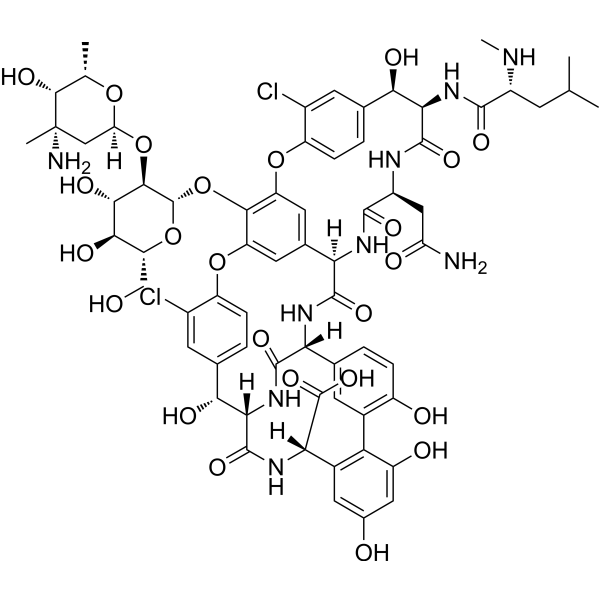 0 ImagesVancomycin is an antibiotic for the treatment of bacterial infections.
-
Pemetrexed
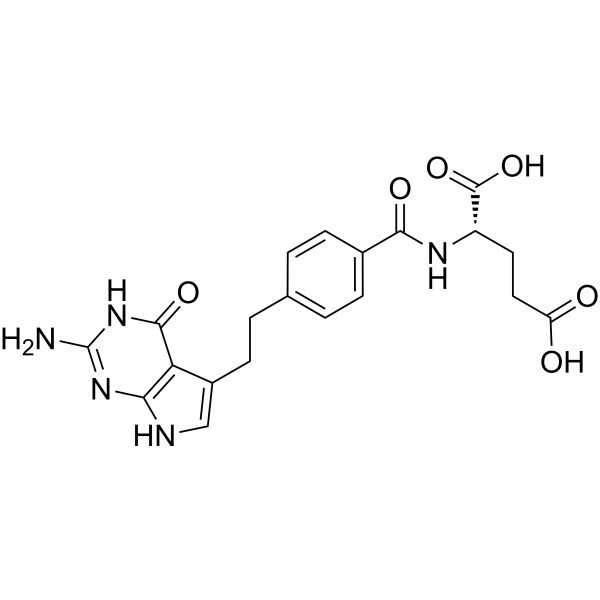 0 ImagesSynonyms: LY231514Pemetrexed (LY231514) is an antifolate, the Ki values of the pentaglutamate of Pemetrexed (LY231514) are 1.3, 7.2, and 65 nM for inhibits thymidylate synthase (TS), dihydrofolate reductase (DHFR), and glycinamide ribonucleotide formyltransferase (GARFT), respectively.
-
Chloroquine phosphate
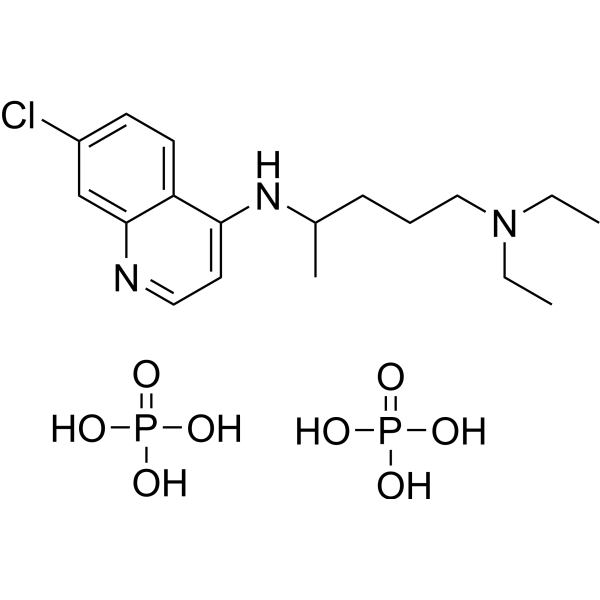 0 ImagesChloroquine phosphate is an antimalarial and anti-inflammatory agent widely used to treat malaria and rheumatoid arthritis. Chloroquine phosphate is an autophagy and toll-like receptors (TLRs) inhibitor. Chloroquine phosphate is highly effective in the control of SARS-CoV-2 (COVID-19) infection in vitro (EC50=1.13 μM).
-
Tanespimycin
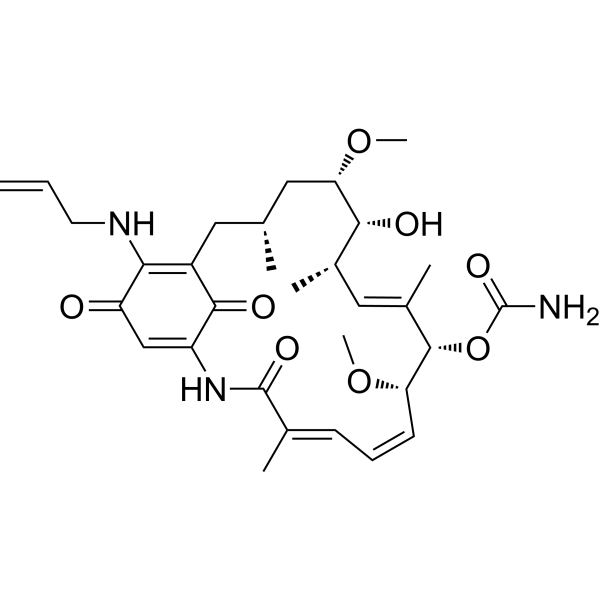 0 ImagesSynonyms: 17-AAG; NSC 330507; CP 127374Tanespimycin (17-AAG) is a potent HSP90 inhibitor with an IC50 of 5 nM, having a 100-fold higher binding affinity for tumour cell derived HSP90 than normal cell derived HSP90. Tanespimycin depletes cellular STK38/NDR1 and reduces STK38 kinase activity. Tanespimycin also downregulates the stk38 gene expression.
-
CX-5461
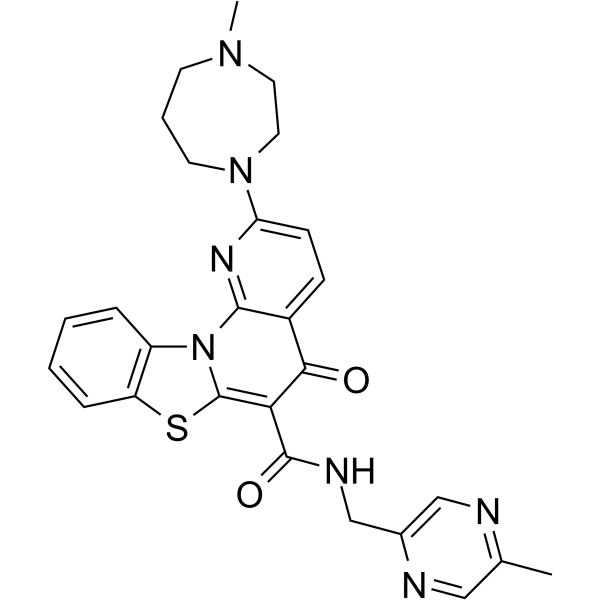 0 ImagesCX-5461 is a selective, orally active RNA polymerase I inhibitor. CX-5461 disrupts the formation of the SL1-rDNA complex, thereby blocking the transcription initiation of ribosomal RNA without altering the activity of RNA polymerase II, DNA replication, or protein translation processes. CX-5461 upregulates the expression of p21, MDM2, Sestrin1/2, and phosphorylated AMPKα, and reduces the level of phosphorylated Akt. CX-5461 induces G2/G2/M cell cycle arrest, Autophagy, Apoptosis, and cellular senescence, and activates CHK1, CHK2, and RPA. CX-5461 can be used in research related to osteosarcoma, cervical cancer, hematologic malignancies, high-grade serous ovarian cancer, and solid tumors.
-
Nab-Paclitaxel
 0 ImagesCat. No.: HY-P99974Purity: 99.9%Synonyms: Nanoparticle albumin-bound Paclitaxel; Nanoparticle albumin-bound ABI-007Nab-Paclitaxel (Nanoparticle albumin-bound Paclitaxel) is an albumin-bound nanoparticle formulation of Paclitaxel (HY-B0015). Nab-Paclitaxel is composed of albumin and the active pharmaceutical ingredient Paclitaxel, in which human albumin is used as an excipient to disperse and stabilize particles and carry the main drug. Nab-Paclitaxel is a solvent-free taxane with higher response rates and improved tolerability. Nab-Paclitaxel displays less toxicity and greater antitumor activity. Nab-Paclitaxel is more readily available for tumor cell uptake in three rhabdomyosarcoma, seven neuroblastoma cell lines, and one ostersarcoma cell line Nab-Paclitaxel can be studied in cancer research for example breast cancer and solid tumors. (The product specifications below only indicate the effective content of Paditaxel, the actual albumin quality depends on the batch; the ratio of each ingredient in this product is Paditaxel: albumin -1:7~1:11).
-
Calcimycin
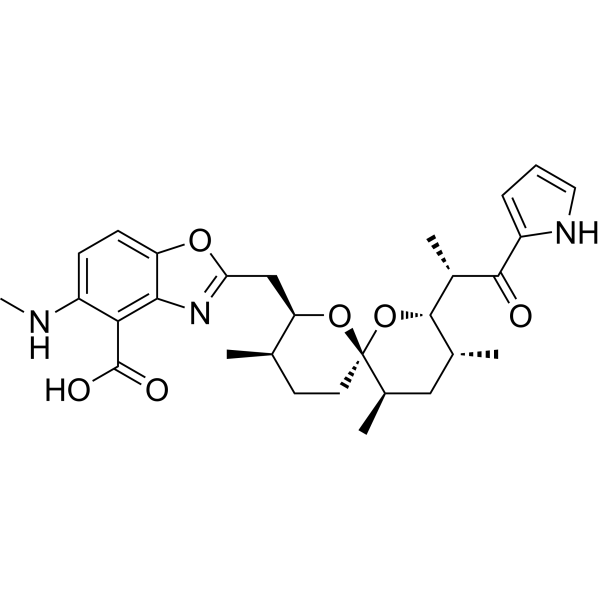 0 ImagesSynonyms: A-23187; Antibiotic A-23187Calcimycin (A-23187) is an antibiotic and a unique divalent cation ionophore (like calcium and magnesium). Calcimycin induces Ca2+-dependent cell death by increasing intracellular calcium concentration. Calcimycin inhibits the growth of Gram-positive bacteria and some fungi. Calcimycin also inhibits the activity of ATPase and uncouples oxidative phosphorylation (OXPHOS) of mammalian cells. Calcimycin induces apoptosis and autophagy.
-
Doramapimod
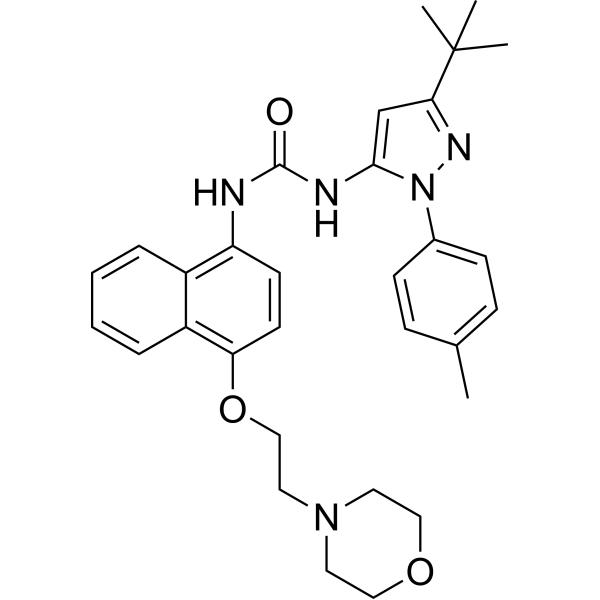 0 ImagesSynonyms: BIRB 796
-
Lovastatin
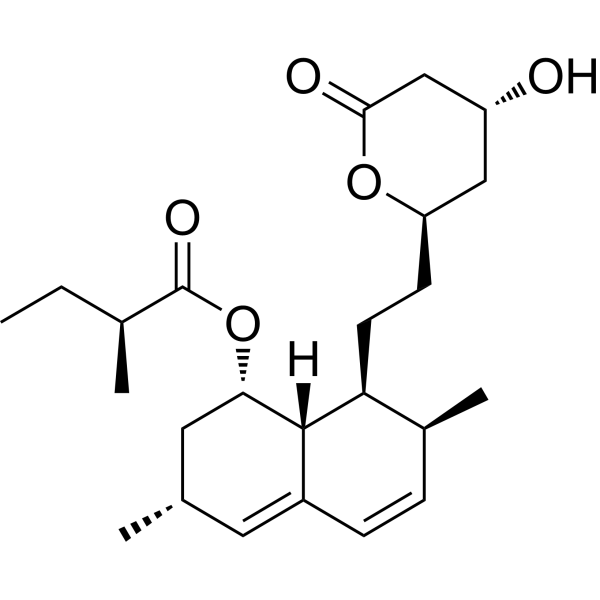 0 ImagesSynonyms: MevinolinLovastatin (Mevinolin) is a cell-permeable HMG-CoA reductase inhibitor used to lower cholesterol.
-
KN-93
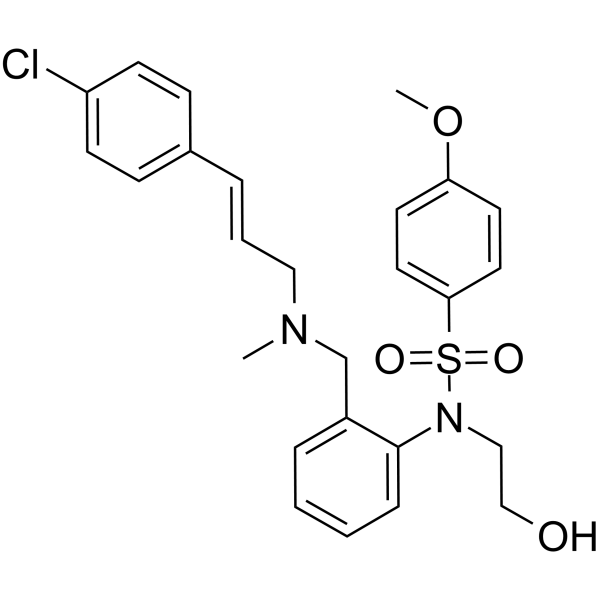 0 ImagesKN-93 is a cell-permeable, reversible and competitive inhibitor calmodulin-dependent kinase type II (CaMKII) with a Ki of 370 nM.
-
Chenodeoxycholic Acid
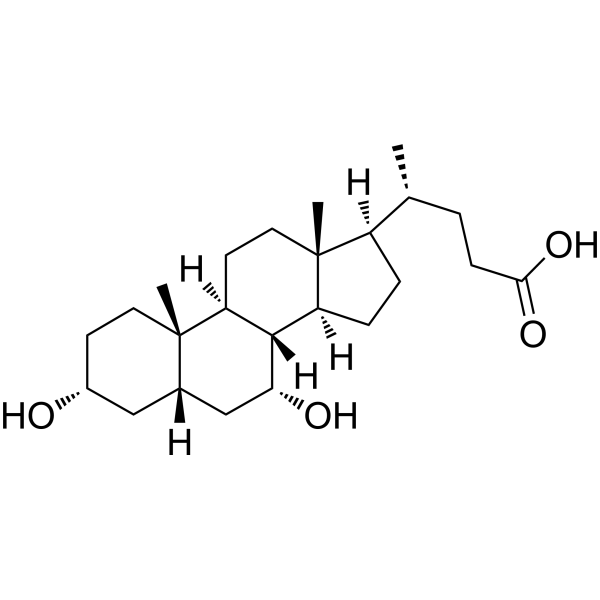 0 ImagesChenodeoxycholic Acid is a hydrophobic primary bile acid that activates nuclear receptors (FXR) involved in cholesterol metabolism.
-
ABT-737
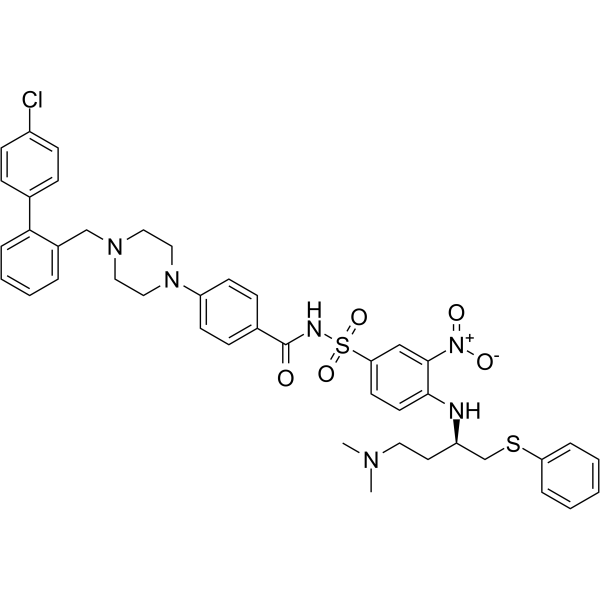 0 ImagesABT-737, a BH3 mimetic, is a potent Bcl-2, Bcl-xL and Bcl-w inhibitor with EC50s of 30.3 nM, 78.7 nM, and 197.8 nM, respectively. ABT-737 induces the disruption of the BCL-2/BAX complex and BAK-dependent but BIM-independent activation of the intrinsic apoptotic pathway. ABT-737 induces autophagy and has the potential for acute myeloid leukemia (AML) research.
-
Berberine chloride
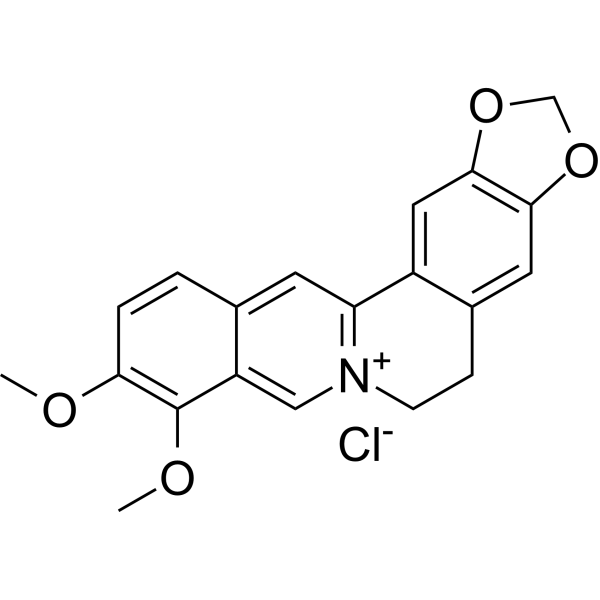 0 ImagesBerberine chloride is an alkaloid that acts as an antibiotic. Berberine chloride induces reactive oxygen species (ROS) generation and inhibits DNA topoisomerase. Antineoplastic properties.
-
Alisertib
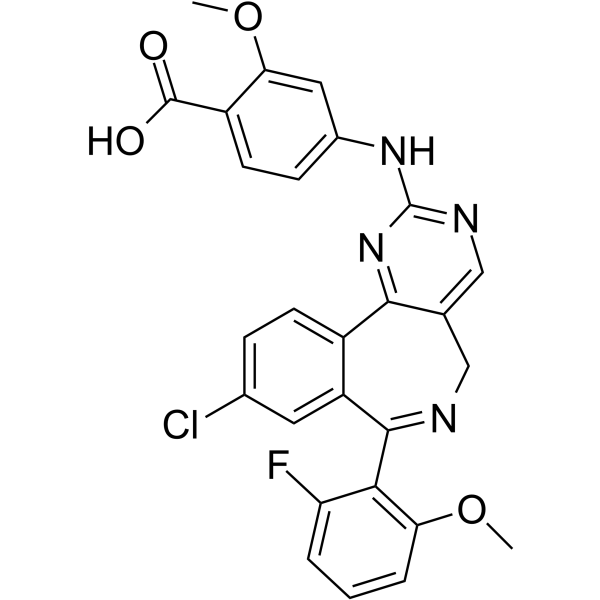 0 ImagesSynonyms: MLN 8237Alisertib (MLN 8237) is an orally active and selective Aurora A kinase inhibitor (IC50=1.2 nM), which binds to Aurora A kinase resulting in mitotic spindle abnormalities, mitotic accumulation. Alisertib (MLN 8237) induces apoptosis and autophagy through targeting the AKT/mTOR/AMPK/p38 pathway in leukemic cells. Antitumor activity.
-
Gemcitabine hydrochloride
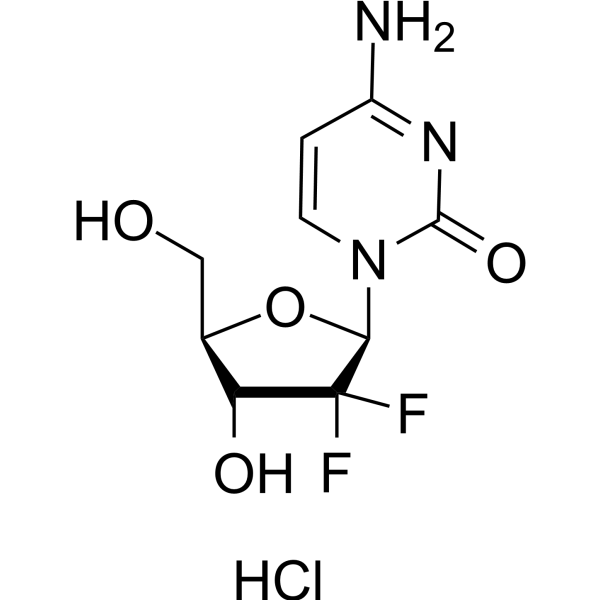 0 ImagesSynonyms: LY 188011 hydrochloride
-
Celastrol
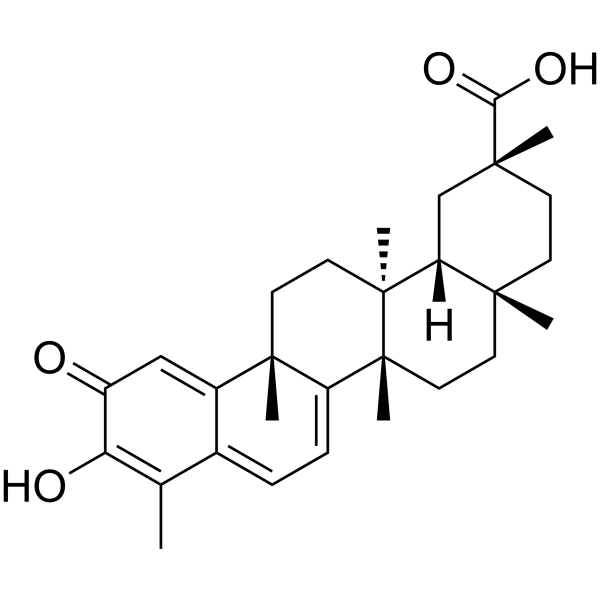 0 ImagesSynonyms: Tripterine; TripterinCelastrol (Tripterine;Tripterin) is a proteasome inhibitor which potently and preferentially inhibits the chymotrypsin-like activity of a purified 20S proteasome with IC50 of 2.5 μM. In addition, Celastrol is also an antibiotic with potent antimicrobial activity against standard and clinical methicillin-resistant Staphylococcus aureus (MRSA) strains, inducing oxidative stress and inhibiting DNA synthesis by binding to P5CDH.




