



Bacterial
Anything that destroys bacteria or suppresses their growth or their ability to reproduce. Heat, chemicals such as chlorine, and antibiotic drugs all have antibacterial properties. Many antibacterial products for cleaning and handwashing are sold today. Such products do not reduce the risk for symptoms of viral infectious diseases in otherwise healthy persons. This does not preclude the potential contribution of antibacterial products to reducing symptoms of bacterial diseases in the home.
All Product Categories
-
Bacterial Inhibitors
(7487)
View all products
-
Bacterial Agonists
(3)
View all products
-
Bacterial Antagonists
(9)
View all products
-
Bacterial Activators
(23)
View all products
-
Bacterial Modulators
(27)
View all products
-
Bacterial Chemicals
(2)
View all products
-
Bacterial Inducers
(7)
View all products
-
Bacterial Controls
(14)
View all products
-
Bacterial Substrates
(2)
View all products
-
Bacterial Ligand
(1)
View all products
-
Bacterial Related Products (8804)
Related Products (8804)

-
Antibodies (14)
-
Related Compound Screening Libraries (1)
-
B 669
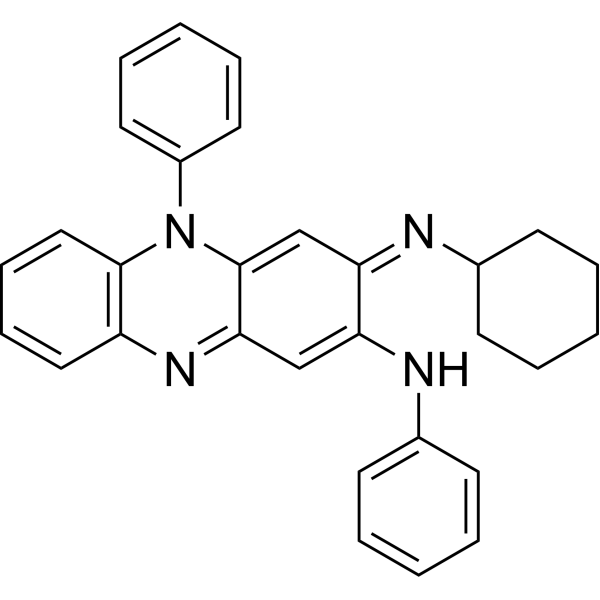 0 ImagesCat. No.: HY-119929CAS No.: 78182-92-0B 669, a c10fazimine analogue, is an antimicrobial agent. B 669 has the activity against Mycobacterium ieprae.
-
flg22Pst
 0 ImagesCat. No.: HY-P10779CAS No.: 2268675-54-1
-
3,4-Seco-mansumbinoic acid
 0 ImagesCat. No.: HY-N18102CAS No.: 102848-63-53,4-Seco-mansumbinoic acid (Compound 2) is an Antibacterial agent. 3,4-Seco-mansumbinoic acid can be isolated from the oleo-resin of Commiphora molmol. 3,4-Seco-mansumbinoic acid exhibits in vitro anti-staphylococcal activity, with the strongest activity against the multidrug-resistant Staphylococcus aureus strain SA-1199B (MIC 4 μg/mL) 3,4-Seco-mansumbinoic acid displays weak potentiation of Ciprofloxacin (HY-B0356) and Tetracycline (HY-A0107) activity against strains of Salmonella enterica serovar Typhimurium SL1344 and L10. 3,4-Seco-mansumbinoic acid can be used for the research of multidrug-resistant bacterial infection (Staphylococcus aureus, Salmonella enterica serovar Typhimurium).
-
Casimiroin
 0 ImagesCasimiroin is a QR2 and Aromatase inhibitor, with an IC50 of 54.1 μM against QR2 and an IC50 of 3.92 μM against aromatase. Casimiroin exhibits antimutagenic activity and inhibits DMBA (HY-W011845)-induced mutations in Salmonella typhimurium. Casimiroin suppresses DMBA-induced precancerous lesions in mouse mammary organ cultures. Casimiroin can be used in breast cancer-related research.
-
DNA ligase-IN-2
 0 ImagesCat. No.: HY-150331CAS No.: 635681-64-0DNA ligase-IN-2 (compound 2) is a potent LigA inhibitor and inhibits the DNA-independent autoadenylation activity of both full-length LigA and a truncated enzyme, LigA:AD (IC50=29 nM). DNA ligase-IN-2 effectively inhibits the growth of Staphylococcus aureus in vitro, with MIC valuse of 1, 1, and >64 μg/mL for S. aureus ATCC 29213, S. aureus ATCC 700699 and E. coli ATCC 25922, respectively.
-
Bovine tracheal antimicrobial peptide
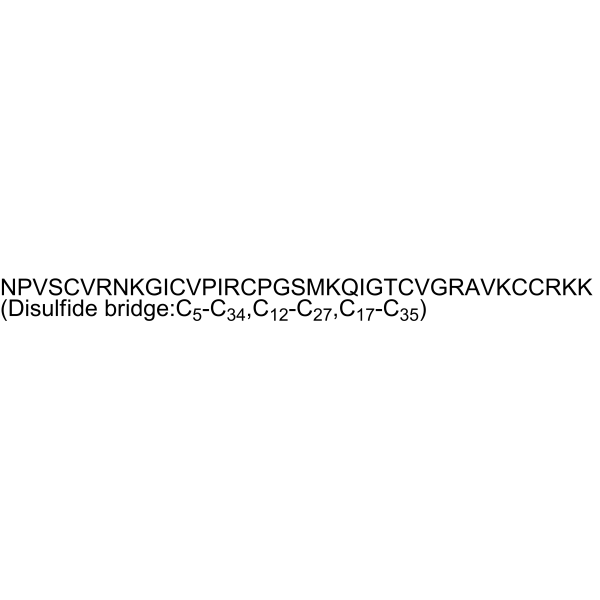 0 ImagesCat. No.: HY-P5632Bovine tracheal antimicrobial peptide is a kind of comes from the tracheal mucosa of antimicrobial peptides. Bovine tracheal antimicrobial peptide has activity against E.coli D31, K.pneumoniae 13883, S.aureus 25923, P.aeruginosa 27853 and C.albicans 14053, MIC value 12-25, 12-25, 25-50, 25-50, 6-12 μg/ml, respectively.
-
KGDI-109
 0 ImagesCat. No.: HY-184139CAS No.: 3027146-73-9KGDI-109 is an orally active and selective Porphyromonas gingivalis dipeptidyl peptidase 7 (PgDPP7) inhibitor with an IC50 of 53.8 µM and a Ki of 25.1 µM. KGDI-109 is also a selective antibacterial agent that suppresses Porphyromonas gingivalis growth, reduces oral Porphyromonas gingivalis levels, and suppresses alveolar bone resorption. KGDI-109 preserves gut microbial diversity. KGDI-109 can be used for the research of periodontitis.
-
Sulfamethizole-d4-1
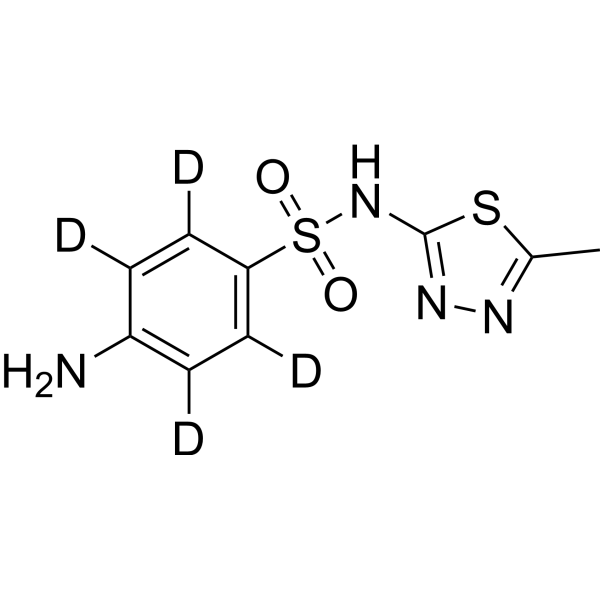 0 ImagesCat. No.: HY-B0333S2CAS No.: 2470130-12-0Sulfamethizole-d4-1 is the deuterium labeled Sulfamethizole (HY-B0333). Sulfamethizole is a sulfathiazole antibiotic. Sulfamethizole inhibits the synthesis of folic acid and thymine, and selectively suppresses Photobacterium phosphoreum bioluminescence. Sulfamethizole exerts antibacterial activity against Escherichia coli-mediated urinary tract infections but no activity against sulII gene-positive Escherichia coli. Sulfamethizole is applicable for the research of urinary tract infections and Photobacterium phosphoreum bioluminescence mechanisms.
-
Antibiofilm agent-22
 0 ImagesCat. No.: HY-183361Antibiofilm agent-22 is an FpvA receptor-targeting antibacterial agent. Antibiofilm agent-22 chelates iron, disrupts las, pqs, and rhl pathways, reduces elastase, pyocyanin, and rhamnolipid production, and induces bacterial iron starvation. Antibiofilm agent-22 can be used for the research of Pseudomonas aeruginosa infection.
-
Acridone (Standard)
 0 ImagesAcridone (Standard) is the analytical standard of Acridone. This product is intended for research and analytical applications. Acridone is an organic compound based on the acridine skeleton. Acridone has antibacterial, antimalarial, antiviral and anti neoplastic activities.
-
Calcium propionate, meets analytical specification of E282
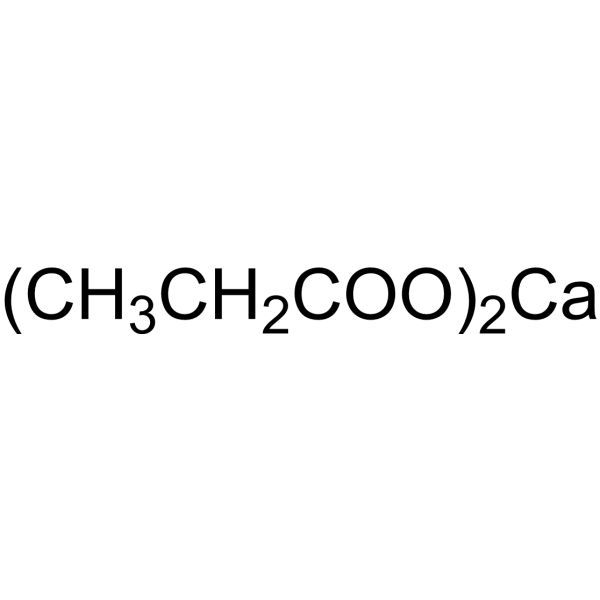 0 ImagesCalcium propionate, meets analytical specification of E282 (Bioban-C, meets analytical specification of E282) is a calcium salt of Propionic acid with oral activity, which can be hydrolyzed into propionate and calcium ions. Calcium propionate, meets analytical specification of E282 elevates intracellular ROS levels in tumor cells, depletes GSH, reduces mitochondrial membrane potential, and thereby induces tumor cell apoptosis. In mouse colitis models, Calcium propionate, meets analytical specification of E282 modulates inflammatory factors such as IFN-γ, calprotectin, and Pglyrp3, ameliorating intestinal inflammation and metabolic disorders. In ruminants, Calcium propionate, meets analytical specification of E282 serves as a gluconeogenic precursor, regulating rumen fermentation and microbial diversity; in high-fat diet rats, it alters gut microbiota composition and affects blood biochemical parameters. Calcium propionate, meets analytical specification of E282 is commonly used as a food and feed additive, and is also used in research related to hypocalcemia, dyslipidemia, colitis, and lung cancer.
-
Anti-MRSA agent 5
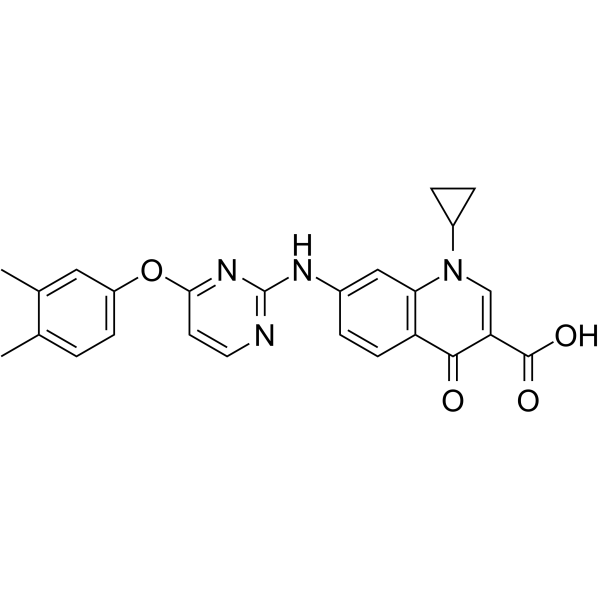 0 ImagesCat. No.: HY-149013CAS No.: 2490154-44-2Anti-MRSA agent 5 (B14) is a potent MRSAagent with MIC50 values of 0.38 μg/mL and has low hERG activity with an IC50 values of >40 μM. Anti-MRSA agent 5 (B14) also has low cytotoxicity to mammal cells and unlikely to acquire bacterial resistance.
-
Rabeprazole Sulfide (Standard)
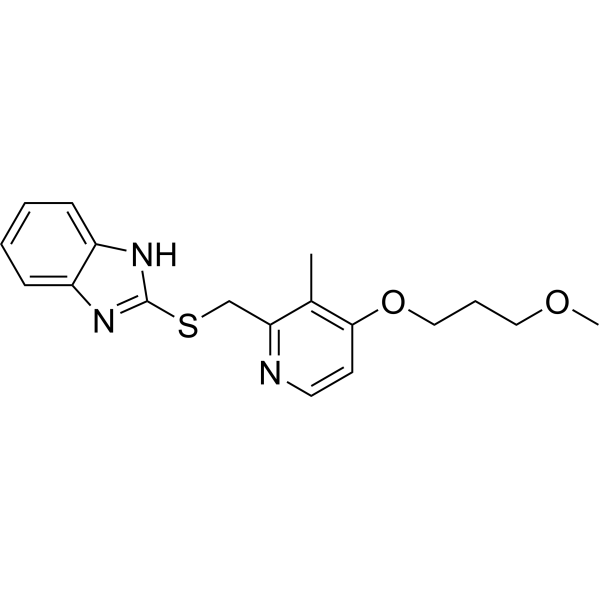 0 ImagesRabeprazole Sulfide (Standard) is the analytical standard of Rabeprazole Sulfide (HY-W003467). This product is intended for research and analytical applications. Rabeprazole Sulfide is a sulfide metabolite of Rabeprazole (HY-B0656). Rabeprazole Sulfide inhibits Helicobacter pylori motility. Rabeprazole Sulfide can be used for the research of Helicobacter pylori infection.
-
Cefpodoxime proxetil-d7
 0 ImagesCat. No.: HY-N7101SSynonyms: U-76-d7,252-d7; CS-807-d7Cefpodoxime proxetil-d7 (U-76-d7,252-d7; CS-807-d7) is the deuterium labeled Cefpodoxime Proxetil (HY-N7101). Cefpodoxime Proxetil is an orally active broad spectrum third-generation cephalosporin with potent antibacterial activity against both Gram-positive and Gram-negative bacteria including staphylococci, streptococci, Haemophilus influenzae, Neisseria gonorrhoeae, Escherichia coli, Klebsiella pnuemoniae, Citrobacter spp, and Proteus spp. Cefpodoxime Proxetil binds to penicillin binding proteins (PBPs), which inhibits peptidoglycan synthesis, finally results in interfering bacterial cell wall biosynthesis. Cefpodoxime Proxetil can be used against skin structure infections, acute otitis media, pharyngitis, tonsillitis, upper respiratory tract infection, urinary tract infections and sexually transmitted diseases.
-
Omeprazole sodium (Standard)
 0 ImagesCat. No.: HY-B0113ARCAS No.: 95510-70-6Synonyms: H 16868 sodium (Standard)Omeprazole (sodium) (Standard) is the analytical standard of Omeprazole (sodium). This product is intended for research and analytical applications. Omeprazole sodium (H 16868) is an orally active H+,K+-ATPase inhibitor and a proton pump inhibitor. Omeprazole sodium competitively inhibits CYP2C19, CYP3A4, and CYP2C9 activity. Omeprazole sodium inhibits gastric acid secretion and can be used for acid-related gastrointestinal disorders. Omeprazole sodium inhibits pancreatic cancer cell proliferation, induces apoptosis, autophagosome accumulation (elevated LC3-I and LC3-II levels), oxidative stress, and cytogenetic imbalance, modulates lysosomal transport, reduces inflammatory cytokines. Omeprazole sodium alters small intestinal morphology and magnesium absorption, and induces gastric mucosa morphologic changes. Omeprazole sodium aslo has neuroprotective and antibacterial effects.
-
C16G2
 0 ImagesCat. No.: HY-P10696CAS No.: 2154327-48-5C16G2 is a specific targeted antimicrobial peptide (STAMP) that targets the cariogenic oral pathogen Streptococcus mutans. C16G2 specifically recognizes and disrupts the bacterial cell membrane, causing small molecule leakage and loss of membrane potential, leading to bacterial killing. C16G2 exhibits higher selectivity and efficacy against Streptococcus mutans, unlike broad-spectrum antimicrobial peptides.

-
Terminalia chebula extract
 0 ImagesCat. No.: HY-N18656CAS No.: 90131-48-9Terminalia chebula extract is an extract from the Terminalia chebula tree. Rich in bioactive compounds such as tannins, flavonoids, phenols, and organic acids like gallic acid and ellagic acid, this extract demonstrates a wide range of pharmacological activities. It acts as a natural laxative, supports digestive health, and exhibits potent antioxidant, anti-inflammatory, and antibacterial properties, effectively targeting various pathogenic bacteria, including Helicobacter pylori, Staphylococcus aureus, and Escherichia coli. Terminalia Chebula Extract also shows significant hepatoprotective effects, shielding the liver from damage through antioxidant and anti-inflammatory mechanisms. It has nephroprotective properties, alleviating renal dysfunction and enhancing kidney health by modulating inflammatory pathways. Additionally, the extract demonstrates neuroprotective activity, reducing neuronal damage and improving memory function. It has potential anti-diabetic effects, enhancing glucose uptake and reducing oxidative stress.
-
EP5-1
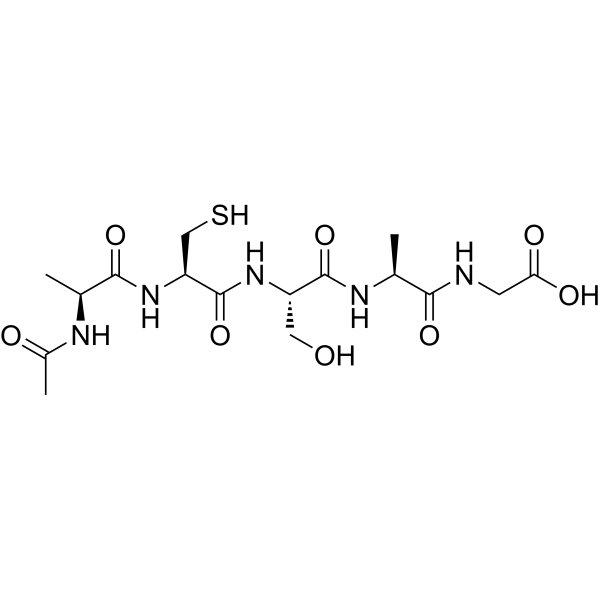 0 ImagesCat. No.: HY-P5703EP5-1 is an antimicrobial peptide. EP5-1 has antibacterial and antifungal activities. EP5-1 also shows antitumor activity against cancer cells, and induces cell apoptosis. EP5-1 has antiviral activity against pseudorabies virus (PRV).
-
Glyasperin D
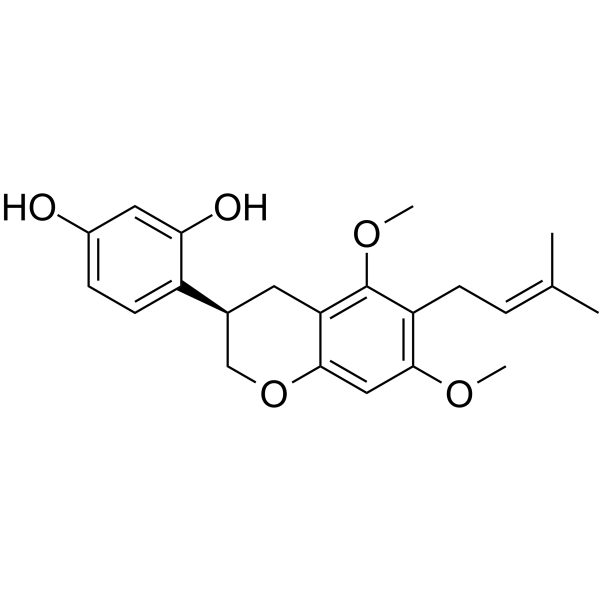 0 ImagesCat. No.: HY-N6975CAS No.: 142561-10-2Glyasperin D is a flavonoid isolated from Glycyrrhiza uralensis, and possesses weaker anti-Helicobacter pylori activity.




