



PPAR
Peroxisome proliferator-activated receptors
PPARs (Peroxisome proliferator-activated receptors) are ligand-activated transcription factors of nuclear hormone receptor superfamily comprising of the following three subtypes: PPARα, PPARγ, and PPARβ/δ. PPARs play essential roles in the regulation of cellular differentiation, development, and metabolism (carbohydrate, lipid, protein), and tumorigenesis of higher organisms. All PPARs heterodimerize with the retinoid X receptor (RXR) and bind to specific regions on the DNA of target genes. Activation of PPAR-α reduces triglyceride level and is involved in regulation of energy homeostasis. Activation of PPAR-γ enhances glucose metabolism, whereas activation of PPAR-β/δ enhances fatty acids metabolism.
PPAR Isoform Specific Products
All Product Categories
-
PPAR Inhibitors
(104)
View all products
-
PPAR Agonists
(336)
View all products
-
PPAR Antagonists
(30)
View all products
-
PPAR Activators
(168)
View all products
-
PPAR Modulators
(41)
View all products
-
PPAR Inducers
(6)
View all products
-
PPAR Controls
(3)
View all products
-
PPAR Ligands
(4)
View all products
-
Peroxisome Proliferator-activated Receptor Proteins
(11)
View all products
-
PPAR alpha Proteins
(2)
View all products
-
PPAR gamma Proteins
(7)
View all products
-
PPAR-delta Proteins
(2)
View all products
-
PPAR Related Products (736)
Related Products (736)

-
Recombinant Proteins (11)
-
Antibodies (4)
-
PPAR Isoform Comparison
-
Soyasaponin Aa
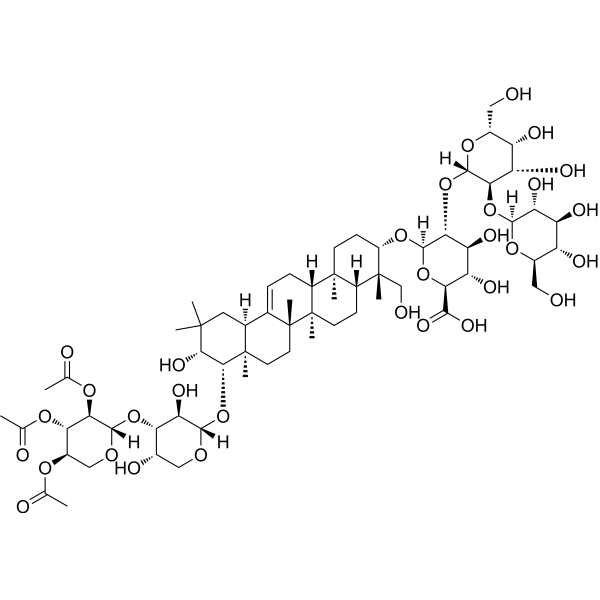 0 ImagesSoyasaponin Aa is a soyasaponin that can be found in soy. Soyasaponin Aa suppresses PPARγ transcriptional activity, reduces PPARγ and C/EBPα expression, inhibits adipocyte differentiation and lipid accumulation, and reduces adipogenic marker gene expression. Soyasaponin Aa reduces hydrogen peroxide-induced reactive oxygen species (ROS) production and malondialdehyde levels. Soyasaponin Aa exhibits cellular antioxidant activity. Soyasaponin Aa can be used for the research of obesity.
-
PPARD Human Pre-designed siRNA Set A
 0 ImagesCat. No.: HY-RS10922
PPARD Human Pre-designed siRNA Set A contains three designed siRNAs for PPARD gene (Human), as well as a negative control, a positive control, and a FAM-labeled negative control.
-
Timcodar
 0 ImagesSynonyms: VX-853Timcodar is a macrolide agent, and studies have shown that during adipogenesis, timcodar can significantly inhibit fat accumulation, with an effect similar to that of rapamycin. However, unlike rapamycin, timcodar does not cause immunosuppression and glucose resistance. In addition, timcodar can effectively inhibit the adipogenic transcriptional regulators PPAR?? and C/EBP??, thereby inhibiting genes involved in fat accumulation. These studies lay the foundation for timcodar as a potential anti-obesity therapy, as obesity is becoming a global epidemic.
-
Asperosaponin VI (Standard)
 0 ImagesSynonyms: Akebia saponin D (Standard)Asperosaponin VI (Standard) is the analytical standard of Asperosaponin VI. This product is intended for research and analytical applications. Asperosaponin VI is a saponin component from Dipsacus asper. Asperosaponin VI induces osteoblast differentiation through the BMP-2/p38 and ERK1/2 signaling pathways. Asperosaponin VI protects against hypoxia-induced cardiomyocyte apoptosis by activating the PI3K/Akt and CREB pathways. Additionally, Asperosaponin VI also has antidepressant and wound-healing-promoting activities.
-
Procyanidin C2
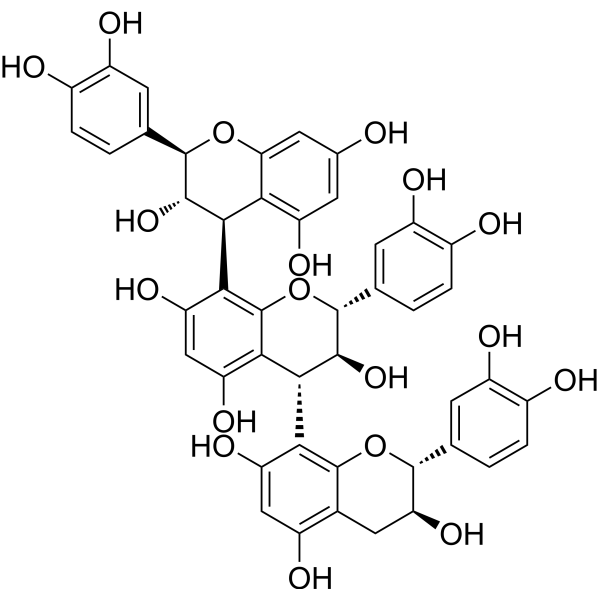 0 ImagesCat. No.: HY-N7521CAS No.: 37064-31-6Synonyms: Procyanidine C2Procyanidin C2 (Procyanidine C2) is a lipid metabolism regulator and antioxidant with free radical scavenging activity. Procyanidin C2 down-regulates ACC, SREBP-1c, FAS, SCD-1 and PPARγ. Procyanidin C2 increases the level of phosphorylated AMPKα and inhibits the level of phosphorylated mTOR. Procyanidin C2 reduces lipid accumulation, alleviates oxidative stress, enhances fatty acid oxidation and improves mitochondrial function. Procyanidin C2 can be used in the research of non-alcoholic fatty liver disease.
-
DB-959
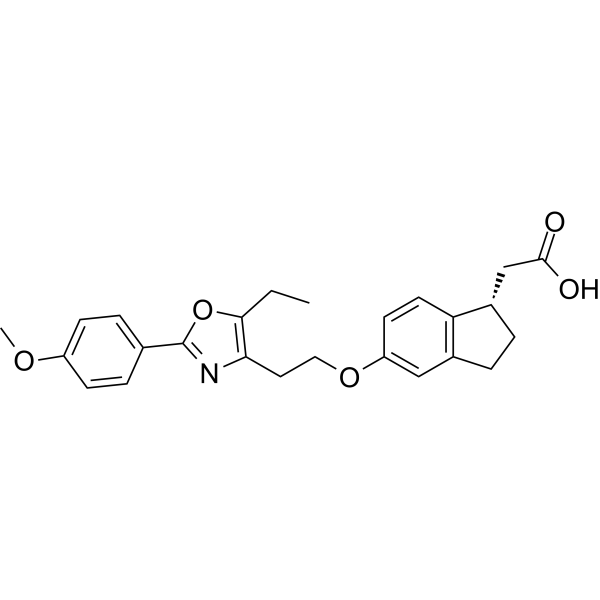 0 ImagesCat. No.: HY-124244CAS No.: 1257641-15-8Synonyms: PPARδ/γ agonist 1DB-959 (PPARδ/γ agonist 1) is a potent PPAR agonist targeting PPARδ/γ. DB-959 improves spatial learning and memory in mice induced by Streptozotocin (HY-13753) and has the potential to improve Alzheimer's disease (AD)..
-
Ppard Rat Pre-designed siRNA Set A
 0 ImagesCat. No.: HY-RS10924
Ppard Rat Pre-designed siRNA Set A contains three designed siRNAs for Ppard gene (Rat), as well as a negative control, a positive control, and a FAM-labeled negative control.
-
NVP-TNKS656 (GMP)
 0 ImagesCat. No.: HY-13990GCAS No.: 1419949-20-4Synonyms: TNKS656 (GMP)NVP-TNKS656 (GMP) is NVP-TNKS656 (HY-13990) produced by using GMP guidelines. GMP small molecules works appropriately as an auxiliary reagent for cell therapy manufacture. NVP-TNKS656 is a highly potent, selective, and orally active TNKS2 inhibitor with IC50 of 6 nM, and is > 300 fold selectivity against PARP1 and PARP2.
-
Tibesaikosaponin V
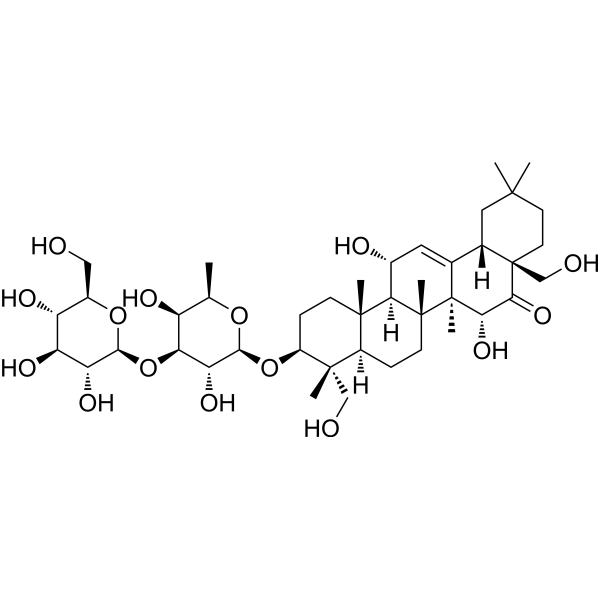 0 ImagesCat. No.: HY-N11507CAS No.: 2319668-87-4Synonyms: TKVTibesaikosaponin V (TKV) is a triterpene diglycoside, which can be isolated from the methanol extract of the roots of Bupleurum chinense DC.. Tibesaikosaponin V inhibits lipid accumulation and triacylglycerol content occurred without cytotoxicity to adipocytes. Tibesaikosaponin V suppresses the mRNA expression of nuclear transcription factors, such as peroxisome proliferator-activated receptor γ (PPARγ) and CCAAT/enhancer binding protein α (C/EBPα). Tibesaikosaponin V inhibits 3T3-L1 preadipocyte differentiation. Tibesaikosaponin V can be used fro research of obesity and its associated metabolic disorders.
-
PPARγ-IN-3
 0 ImagesCat. No.: HY-161985PPARγ-IN-3 (compound 9ga) is a potent and orally active PPARγ inhibitor. PPARγ-IN-3 reduces triglyceride (TG) accumulation with low cytotoxicity. PPARγ-IN-3 preventes the excessive growth of body weight and lessened fat mass as well as liver mass, decreases lipid accumulation in the liver and blood. PPARγ-IN-3 has the potential for the research of diet-induced obesity.

-
IR-251
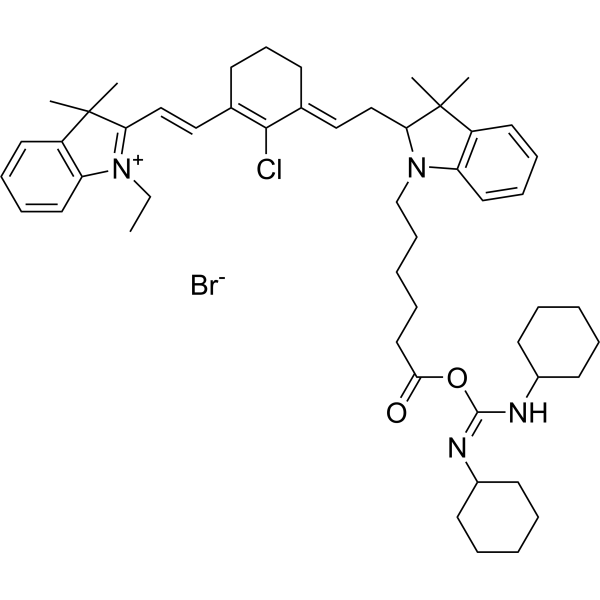 0 ImagesCat. No.: HY-155062IR-251 is a mitochondrion-targeting NIR fluorescent probe. IR-251 targets mitochondria via OATPs and causes mitochondrial damage in tumor cells. IR-251 IR-251 induced ROS overproduction by inhibiting PPARγ, and then inhibiting the β-catenin signaling pathway and downstream protein molecules related to the cell cycle and metastasis. IR-251 inhibits tumor proliferation and metastasis.
-
Rohitukine
 0 ImagesCat. No.: HY-119831CAS No.: 71294-60-5Rohitukine is an orally active CDK9/T1 inhibitor with an IC50 of 0.3 μM. Rohitukine blocks ATP binding sites of CDK2/A and CDK9/T1, suppresses PPARγ, AKT, mTOR, C/EBPα, SREBP-2, and NF-κB signaling, and increases hepatic LXRα expression. Rohitukine induces S-phase cell cycle arrest, ROS generation, apoptosis, and exhibits anti-inflammatory activity. Rohitukine can be used for the research of leukemia, pancreatic cancer, prostate cancer, breast cancer, CNS cancer, ovarian cancer, lung cancer, dyslipidemia, inflammatory diseases, inflammatory bowel disease, and arthritis.
-
(±)8(9)-EET
 0 ImagesCat. No.: HY-179488CAS No.: 184488-44-6(±)8(9)-EET is one of the main metabolites produced by the metabolism of arachidonic acid (HY-109590) through the cytochrome P450 epoxide pathway. (±)8(9)-EET is an effective substrate for COX-1 and COX-2. (±)8(9)-EET activates PPARα in HEK293 cells and inhibits the activity of NF-κB induced by IL-1β in a PPARα-dependent and -independent manner. The (8S,9R)-isomer of (±)8(9)-EET ([(8S,9R)-EET]) causes vasoconstriction, thereby reducing renal plasma flow and glomerular filtration rate.
-
Sinigrin (Standard)
 0 ImagesSynonyms: Allyl-glucosinolate (Standard); 2-Propenyl-glucosinolate (Standard)Sinigrin (Standard) (Allyl-glucosinolate (Standard)) is the analytical standard of Sinigrin (HY-N0404). This product is intended for research and analytical applications. Sinigrin (Allyl-glucosinolate) is an orally active glucosinolate found in cruciferous plants. Sinigrin possesses multiple activities such as anti-cancer, antibacterial, antifungal, anti-inflammatory, antioxidant, and inhibition of fat synthesis. Sinigrin can be used in the research of tumors, inflammatory, and metabolic diseases.
-
Urolithin D (Standard)
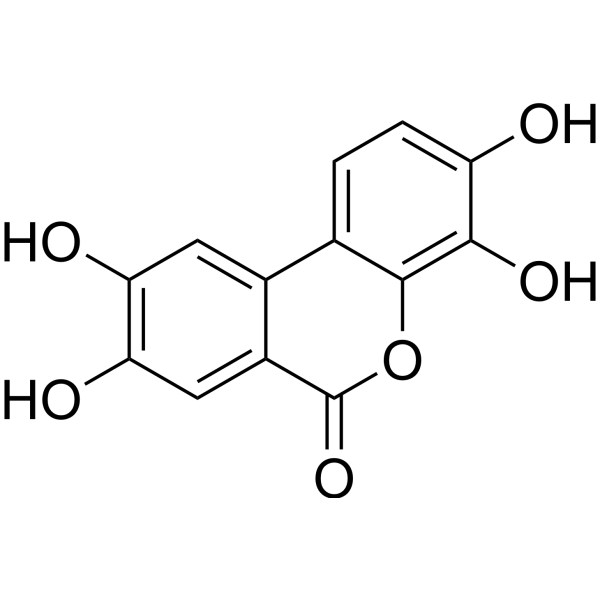 0 ImagesCat. No.: HY-133178RCAS No.: 131086-98-1Synonyms: 3,4,8,9-Tetrahydroxy urolithin (Standard)Urolithin D (Standard) (3,4,8,9-Tetrahydroxy urolithin (Standard)) is the analytical standard of Urolithin D (HY-133178). This product is intended for research and analytical applications. Urolithin D (3,4,8,9-Tetrahydroxy urolithin) is a colonic metabolite of Ellagitannins and a competitive, reversible, and selective antagonist of the EphA receptor. Urolithin D inhibits EphA2-ephrin-A1 binding with an IC50 of 0.9 μM. Urolithin D is also a potent antioxidant that scavenges free radicals and repairs oxidized DNA damage. Additionally, Urolithin D suppresses triglyceride accumulation and promotes fatty acid oxidation by activating the AMPK signaling pathway. Urolithin D can be used for research on tumors, metabolic, and inflammatory diseases.
-
Canola oil
 0 ImagesCat. No.: HY-N20666CAS No.: 120962-03-0Canola oil is an orally effective adipogenesis inhibitor and gut microbiota modulator. Canola oil inhibits the expression of PPARγ, SREBP1, SREBP2, Insig1 and Insig2, and increases the phosphorylation level of the AMPK pathway. Canola oil inhibits adipogenesis and reshapes gut microbiota in mice to ameliorate obesity. Canola oil can be used in obesity-related research.
-
Ochratoxin A-D4
 0 ImagesCat. No.: HY-108385CAS No.: 1448049-50-0Ochratoxin A-D4 (Phe-OTA-D4) is the deuterium labeled Ochratoxin A. Ochratoxin A is an orally active food-borne mycotoxin that can cross the blood-brain barrier. Ochratoxin A is a secondary metabolite of fungi belonging to the genera Aspergillus and Penicillium, and is classified as a Group 2B carcinogen. Ochratoxin A exerts its effects through multiple pathways, including inducing oxidative stress, inhibiting mitochondrial respiration, causing oxidative DNA damage, disrupting the PPAR-γ-CD36 axis, inducing immunosuppression, generating ROS, mediating mitochondria-dependent apoptosis, inhibiting glutamate uptake, triggering demyelination and neuroinflammation, inducing DNA hypomethylation, and inhibiting cell proliferation. Ochratoxin A can induce nephrotoxicity, hepatotoxicity, immunotoxicity, and neurotoxicity, and also exhibits mutagenicity, teratogenicity, and carcinogenicity.
-
Ginsenoside Rh1 (Standard)
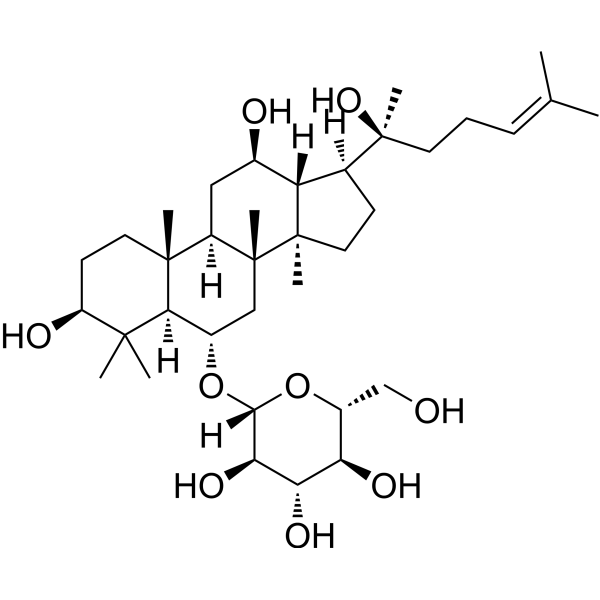 0 ImagesCat. No.: HY-N0604RCAS No.: 63223-86-9Synonyms: Prosapogenin A2 (Standard); Sanchinoside B2 (Standard); Sanchinoside Rh1 (Standard)Ginsenoside Rh1 (Standard) is the analytical standard of Ginsenoside Rh1. This product is intended for research and analytical applications. Ginsenoside Rh1 (Prosapogenin A2) inhibits the expression of PPAR-γ, TNF-α, IL-6, and IL-1β.
-
(3R,5R)-3,5-Dihydroxy-1,7-bis(3,4-dihydroxyphenyl)heptane 3-O-β-D-glucopyranoside
 0 ImagesCat. No.: HY-N16637CAS No.: 408324-05-0(3R,5R)-3,5-Dihydroxy-1,7-bis(3,4-dihydroxyphenyl)heptane 3-O-β-D-glucopyranoside is a diarylheptanol glycoside compound isolated from Tacca plantaginea. (3R,5R)-3,5-Dihydroxy-1,7-bis(3,4-dihydroxyphenyl)heptane 3-O-β-D-glucopyranoside significantly inhibit TNF-α-induced NF-κB transcriptional activity (IC50 = 9.4 μM). (3R,5R)-3,5-Dihydroxy-1,7-bis(3,4-dihydroxyphenyl)heptane 3-O-β-D-glucopyranoside significantly activates PPAR transcriptional activity (EC50 = 9.9 μM) and has a specific activating effect on PPAR β(δ) (EC50 = 23.1 μM). (3R,5R)-3,5-Dihydroxy-1,7-bis(3,4-dihydroxyphenyl)heptane 3-O-β-D-glucopyranoside is non-toxic to cells at the tested concentration. (3R,5R)-3,5-Dihydroxy-1,7-bis(3,4-dihydroxyphenyl)heptane 3-O-β-D-glucopyranoside can be used for research on inflammatory conditions.




