



Amylases
Amylases are crucial enzymes which hydrolyze internal glycosidic linkages in starch and produce as primary products dextrins and oligosaccharides. Amylases are classified into α-amylase, β-amylase, and glucoamylase based on their three-dimensional structures, reaction mechanisms, and amino acid sequences. Amylases have innumerable applications in clinical, medical, and analytical chemistries as well as in food, detergent, textile, brewing, and distilling industries.
All Product Categories
-
Amylases Related Products (105)
Related Products (105)

-
Lotusine hydroxide
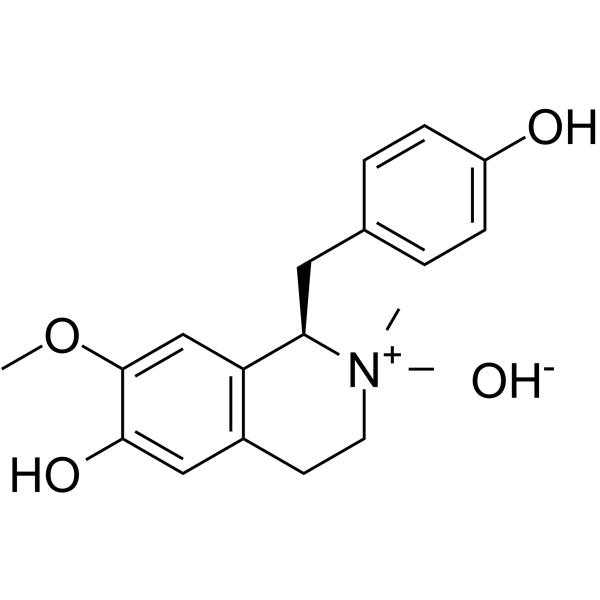 0 ImagesLotusine hydroxide is an orally active signaling pathway modulator and enzyme inhibitor, with an IC50 of 30.60 μg/mL against α-amylase and an IC50 of 36.15 μg/mL against α-glucosidase. Lotusine hydroxide inhibits the EGFR-Akt-ERK signaling pathway by reducing the levels of phosphorylated EGFR, Akt and ERK. Lotusine hydroxide induces apoptosis, triggers G0/G1 cell cycle arrest and inhibits cancer cell proliferation. Lotusine hydroxide reduces lipid peroxidation and increases the activities of SOD, CAT and GPx. Lotusine hydroxide is applicable to researches related to non-small cell lung cancer, type 2 diabetes and autism spectrum disorder.
-
Glimepiride sulfonamide
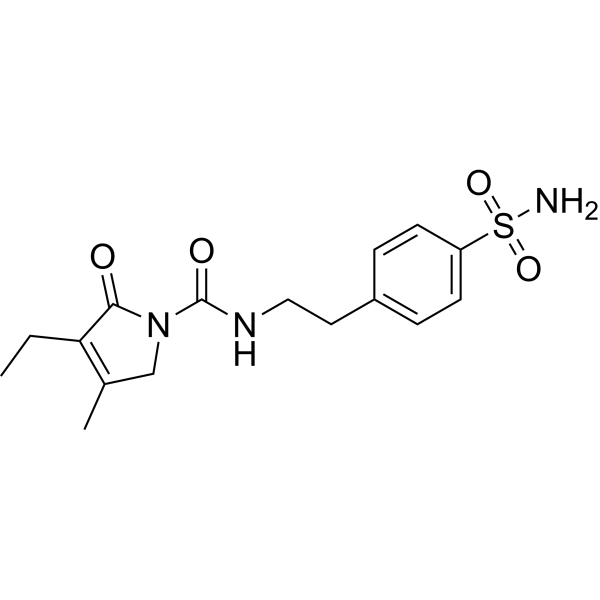 0 ImagesGlimepiride sulfonamide acts as both a DPP-IV inhibitor and an α-Amylase inhibitor. It serves as an intermediate for the synthesis of Glimepiride (HY-B0104). Glimepiride sulfonamide stimulates the production and secretion of insulin. It possesses anti-diabetic potential and can be used in diabetes-related research.
-
Lotusine
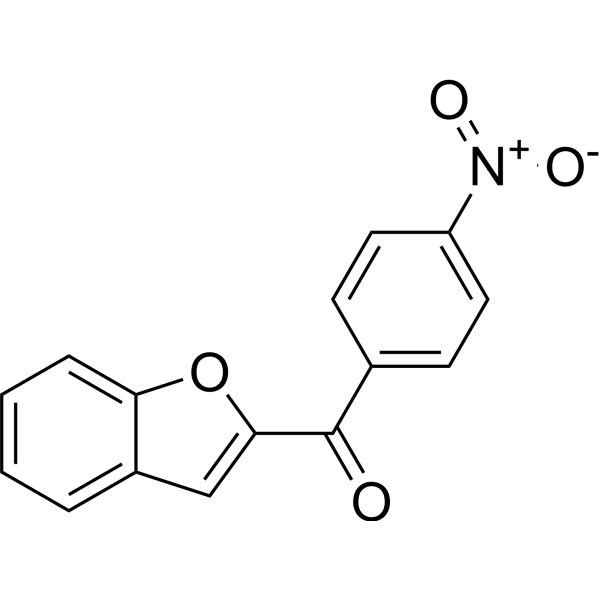
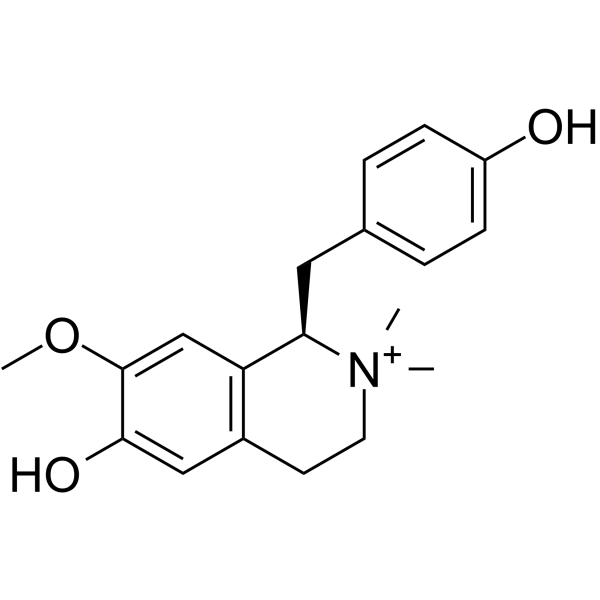 0 ImagesLotusine is an orally active signaling pathway modulator and enzyme inhibitor, with an IC50 of 30.60 μg/mL against α-amylase and an IC50 of 36.15 μg/mL against α-glucosidase. Lotusine inhibits the EGFR-Akt-ERK signaling pathway by reducing the levels of phosphorylated EGFR, Akt and ERK. Lotusine induces apoptosis, triggers G0/G1 cell cycle arrest and inhibits cancer cell proliferation. Lotusine reduces lipid peroxidation and increases the activities of SOD, CAT and GPx. Lotusine is applicable to researches related to non-small cell lung cancer, type 2 diabetes and autism spectrum disorder.
-
2,4,6-Triphenylaniline
 0 ImagesCat. No.: HY-W112651CAS No.: 6864-20-62,4,6-Triphenylaniline has anti-diabetic activity and can be encapsulated in nano-emulsions (NE) to enhance stability and permeability. The NE loaded with 2,4,6-Triphenylaniline inhibits α-glucosidase and α-amylase.
-
Acarviosin
 0 ImagesCat. No.: HY-133718CAS No.: 80943-41-5Synonyms: (S)-AcarviosinAcarviosin, a pseudodisaccharide moiety, is a part of the potent inhibitor of α-amylase.
-
Garcinoic acid
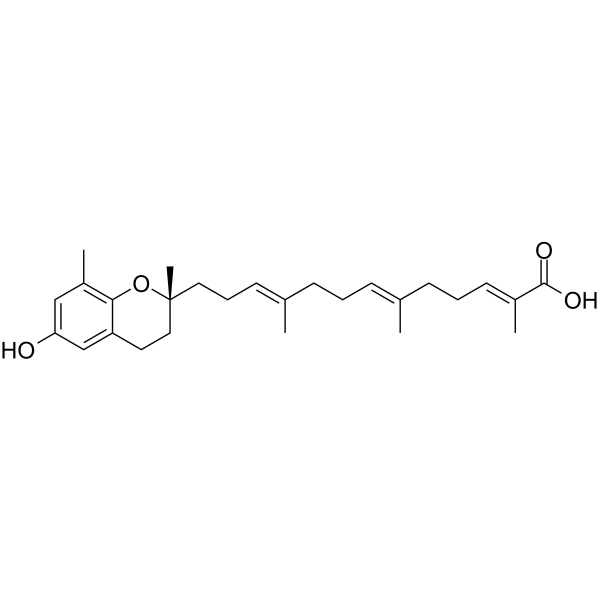 0 ImagesCat. No.: HY-N9454CAS No.: 91893-83-3Garcinoic acid is an orally active anti-inflammatory agent that crosses the blood-brain barrier. Garcinoic acid also enhances efferocytosis and enzyme/receptor regulation, and selectively inhibits human COX-2, porcine α-amylase, Saccharomyces cerevisiae α-glucosidase and human DNA polymerase β (IC50=11 μM), as well as activates human PXR. Garcinoic acid enhances macrophage efferocytosis via receptors such as MerTK and LRP-1, and promotes the production of pro-resolving lipid mediators. Garcinoic acid inhibits NF-κB activation and pro-inflammatory cytokine secretion, interferes with Aβ aggregation, downregulates NLRP3 inflammasome activity, and binds to targets including CD44 and EGFR to inhibit leukemia cell proliferation. The pharmacological activities of Garcinoic acid, such as antioxidant, anti-inflammatory and lipid metabolism-regulating effects, are widely used in studies related to various diseases including atherosclerosis, Alzheimer's disease, type 2 diabetes, inflammatory bowel disease and viral pneumonia.
-
Quinoline-2-carboxylic acid (Standard)
 0 ImagesQuinoline-2-carboxylic acid exhibits antidiabetic activity. Quinoline-2-carboxylic acid can be used as drug intermediate for synthesis of various active compounds.
-
α-Amylase/α-Glucosidase-IN-10
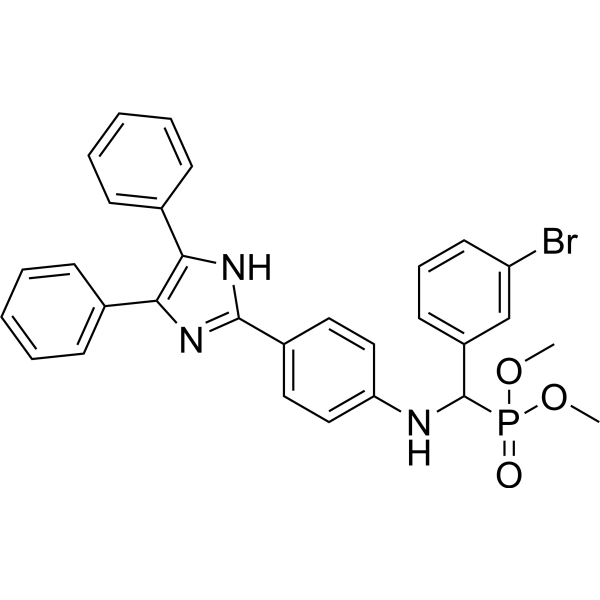
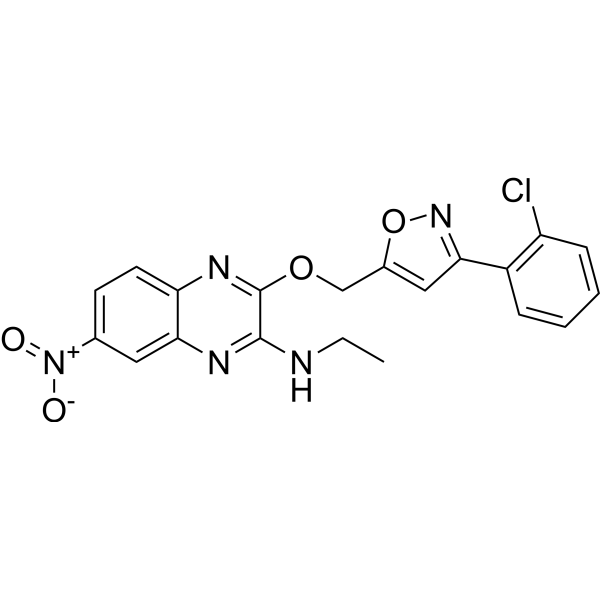
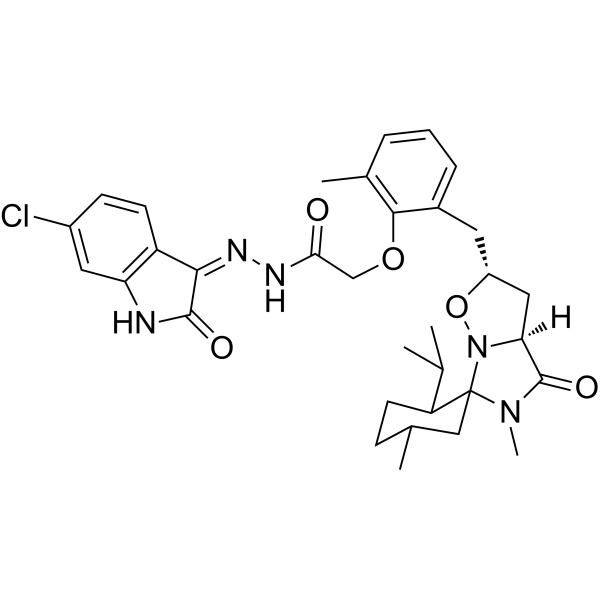 0 ImagesCat. No.: HY-162373α-Amylase/α-Glucosidase-IN-10 (compound 5d) is an α-amylase and α-glucosidase inhibitor (IC50: 30.39 μM and 65.1 μM) with potential diabetes inhibitory effects. α-Amylase/α-Glucosidase-IN-10 exhibits high gastrointestinal (GI) absorption in ADMET (Absorption, Distribution, Metabolism, Excretion and Toxicity) prediction. While α-Amylase/α-Glucosidase-IN-10 acts as a substrate for P-gp and does not cross the blood-brain barrier (BBB), there may be a risk of central nervous system side effects.
-
2,3-Dihydrocalodenin B
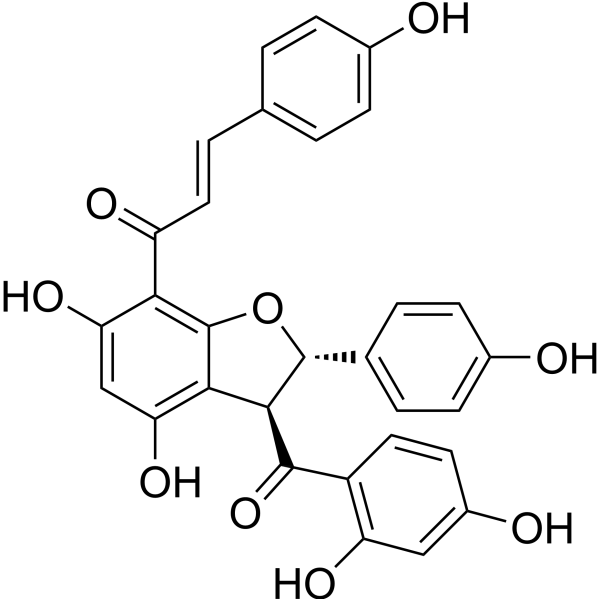 0 ImagesCat. No.: HY-N126882,3-Dihydrocalodenin B (Compound 6) is a compound that can be isolated from Knema globularia. 2,3-Dihydrocalodenin B is a potent and non-competitive inhibitor against α-glucosidase and α-amylase, with IC50 values of 1.1 and 2.6 μM, respectively. 2,3-Dihydrocalodenin B can be used for the research of diabetes.
-
α-Amylase/α-Glucosidase-IN-19
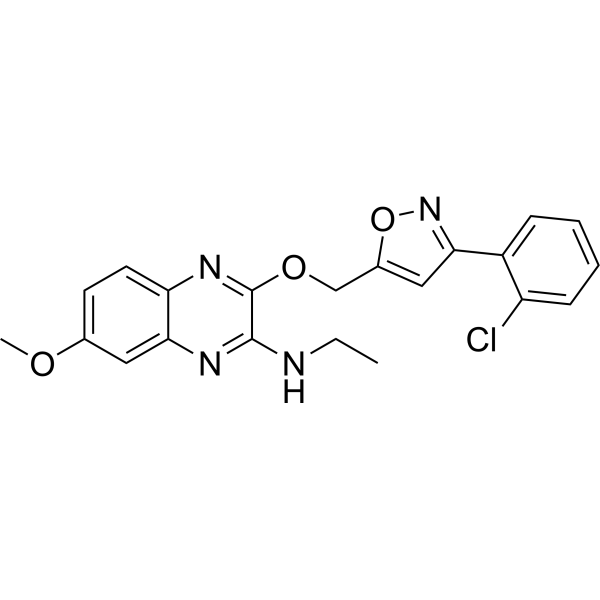
 0 ImagesCat. No.: HY-172622CAS No.: 223505-23-5α-Amylase/α-Glucosidase-IN-19 (compound 10) is a dual inhibitor of α-amylase /α-glucosidase (IC50= 170.7 μM and 60.37 μM, respectively).

-
α-Amylase/α-Glucosidase-IN-25
 0 ImagesCat. No.: HY-184383α-Amylase/α-Glucosidase-IN-25 is a α-Amylase inhibitor and a competitive α-Glucosidase inhibitor, with an IC50 of 10.89 μM against α-glucosidase and an IC50 of 20.62 μM against α-amylase. α-Amylase/α-Glucosidase-IN-25 limits carbohydrate digestion. α-Amylase/α-Glucosidase-IN-25 can be used in the research of type 2 diabetes.
-
Acetylregaloside C
 0 ImagesCat. No.: HY-N17989CAS No.: 1585019-84-6Acetylregaloside C is a natural compound that can be extracted from Madonna Lily (Lilium candidum L.). Acetylregaloside C exhibits antioxidant properties and has the effect of promoting the production of α-amylase.
-
ABCB1-IN-4
 0 ImagesCat. No.: HY-168944CAS No.: 1500779-21-4ABCB1-IN-4 (Compound C6z) is an orally active and potent dual α-amylase and α-glucosidase inhibitor with IC50 values of 1.63 μM and 0.14 μM, respectively. ABCB1-IN-4 is promising for research of diabetes.
-
5-O-Coumaroylquinic acid
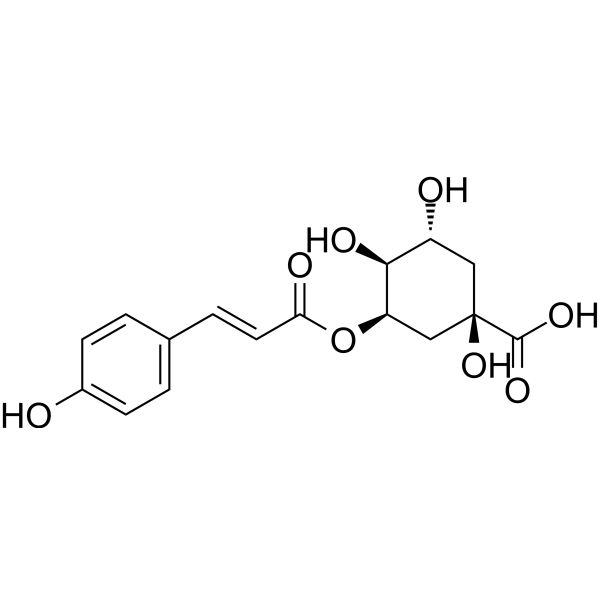 0 ImagesCat. No.: HY-W727627CAS No.: 87099-71-65-O-Coumaroylquinic acid is a potent, reversible, non-competitive α-amylase inhibitor with an IC50 value of 69.39 μM. 5-O-Coumaroylquinic acid can be used in diabetes research.



