



BRK Inhibitor
-
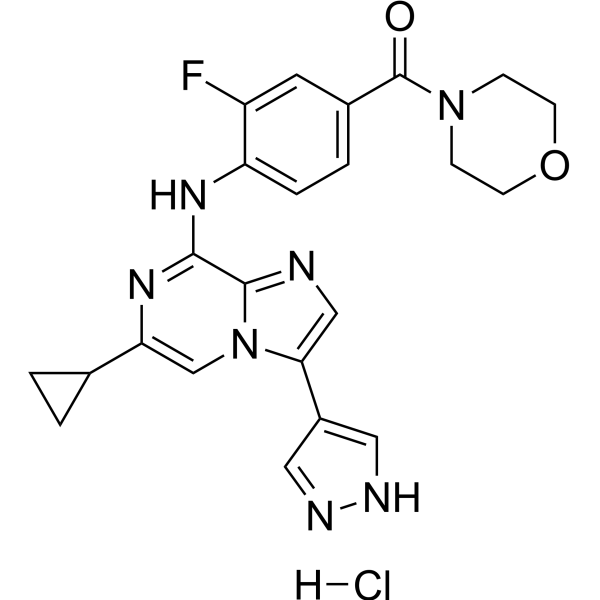
BRK inhibitor P21d hydrochloride
 0 Images
BRK inhibitor P21d hydrochloride is a potent breast tumor kinase (BRK/PTK6) inhibitor with an IC50 of 30 nM. BRK inhibitor P21d hydrochloride inhibits p-SAM68 with an IC50 of 52 nM. BRK inhibitor P21d hydrochloride can be used to evaluate the in vivo activity of BRK inhibitors in xenograft breast tumor models.

-
BRK/PTK6-IN-1
 0 ImagesCat. No.: HY-178460
BRK/PTK6-IN-1 (Compound 51) is a highly efficient and selective BRK inhibitor (IC50 = 3.37 nM, Kd = 44 nM). BRK/PTK6-IN-1 can reduce MMP-9 protein expression and inhibit IGF-1 induced AKT phosphorylation in MDA-MB-231 cells. BRK/PTK6-IN-1 significantly inhibits migration, invasion, and colony formation but does not affect cell proliferation. BRK/PTK6-IN-1 is often used in the research of breast cancer and other cancers.
-
ALK/EGFR-IN-1-d5
 0 ImagesCat. No.: HY-155227SCAS No.: 2730429-93-1
ALK/EGFR-IN-1-d5 (Compound (-)-9a) is a deuterated dual-target inhibitor of EGFR and ALK, with an IC50 of 1.08 nM for EGFR and an IC50 of 2.395 nM for ALK. ALK/EGFR-IN-1-d5 inhibits the phosphorylated proteins in the EGFR, ALK, and BRK signaling pathways, blocking the cell cycle, leading to a reduction in mitochondrial membrane potential and cell apoptosis (Apoptosis). ALK/EGFR-IN-1-d5 also significantly inhibits tumor growth in animal models and demonstrates good safety. ALK/EGFR-IN-1-d5 holds promise for research in the field of cancer treatment
-
Tilfrinib (Standard)
 0 ImagesCat. No.: HY-110244RCAS No.: 1600515-49-8
Tilfrinib (Standard) is the analytical standard of Tilfrinib (HY-110244). This product is intended for research and analytical applications. Tilfrinib (compound 4f) is a potent and selective Brk/PTK6 inhibitor with an IC50 value of 3.15 nM for Brk. Tilfrinib shows good anti-proliferative activity and has potential of anti-tumour.



