



GLUT
Glucose transporter
GLUTs (Glucose transporters ) are proteins comprising 12 membrane-spanning regions. GLUTs transport glucose across the plasma membrane by means of a facilitated diffusion mechanism.
GLUT1 (SLC2A1), a uniporter protein, facilitates the transport of glucose across the plasma membranes of mammalian cells. GLUT2 (SLC2A2) is a transmembrane carrier protein that enables protein facilitated glucose movement across cell membranes. GLUT3 (SLC2A3), mainly present in the brain, has high affinity for glucose. GLUT3 facilitates the transport of glucose across the plasma membranes of mammalian cells. GLUT4 (SLC2A4) is found in the heart, skeletal muscle, adipose tissue, and brain. GLUT4 is an insulin-responsive glucose transporter.
GLUT Isoform Specific Products
All Product Categories
-
GLUT Related Products (124)
Related Products (124)

-
Antibodies (15)
-
GLUT Isoform Comparison
-
4'-Bromo-resveratrol
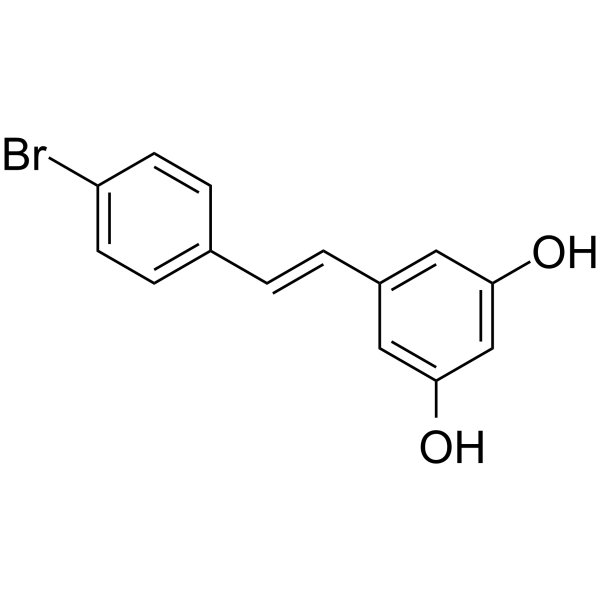 0 ImagesSynonyms: 4′‐BR4'-Bromo-resveratrol (4′‐BR) is a dual SIRT1/SIRT3 inhibitor with an IC50 of 0.2 mM for both targets. 4'-Bromo-resveratrol induces caspase-dependent apoptosis, induces G0/G1 cell cycle arrest, and inhiibits proliferation. 4'-Bromo-resveratrol reduces lactate production, glucose uptake, and NAD+/NADH ratio, and downregulates lactate dehydrogenase A and glucose transporter 1 (GLUT1). 4'-Bromo-resveratrol can be used for the research of melanoma.
-
NGI-235
 0 ImagesNGI-235 is an STT3A-selective oligosaccharyltransferase complex OST-A inhibitor. NGI-235 preferentially inhibits OST-A catalytic activity, impairing N-glycosylation of OST-A substrates. NGI-235 causes the hypoglycosylation of both TLR4, GLUT1 and inhibits NF-κB signaling. NGI-235 can be used for the research of inflammation.
-
Brilliant Yellow
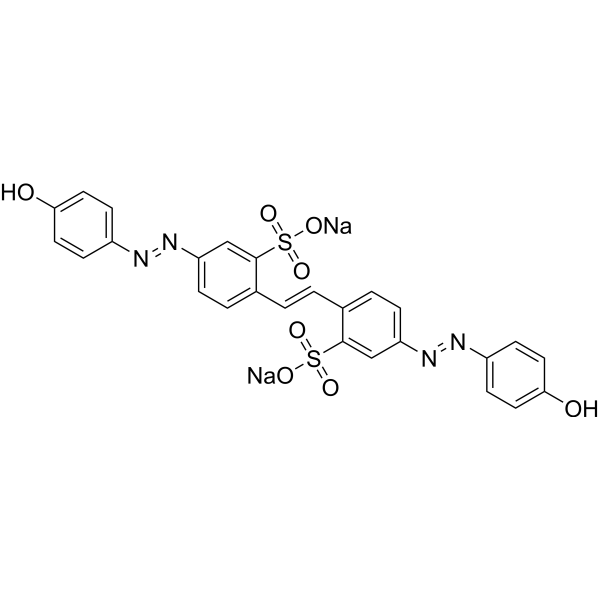 0 ImagesCat. No.: HY-W110888CAS No.: 3051-11-4Brilliant Yellow, a diazo-containing sulfonic aci, is also a potent VGLUT-specific inhibitor. Brilliant Yellow is membrane-impermeable. However, there are some Brilliant Yellow analogs with low cytotoxicity and cell penetration. Brilliant Yellow analogs work on glutamatergic transmission in hippocampal neurons.
-
Sennidin B
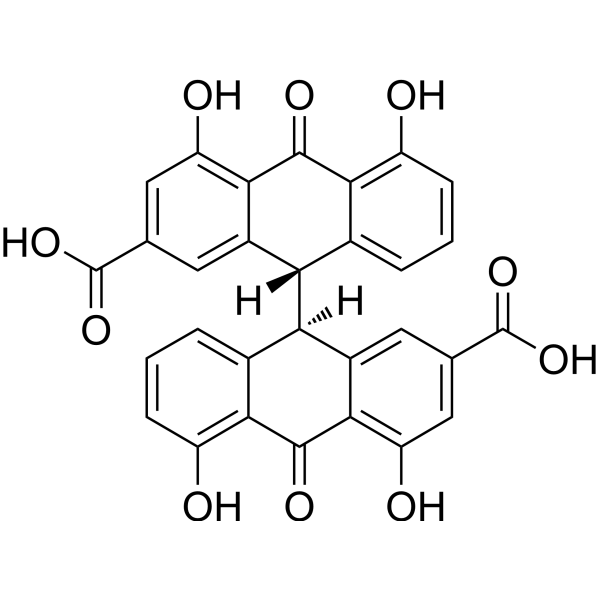 0 ImagesSennidin B, a stereoisomer isolated from the leaves of Cassia angustifolia, has lower activity than Sennidin A. Sennidin A inhibits HCV NS3 helicase, with an IC50 of 0.8 μM. Sennidin A induces phosphorylation of Akt and glucose transporter 4 (GLUT4) translocation. Sennidin A stimulates the glucose incorporation .
-
Brevifolincarboxylic acid
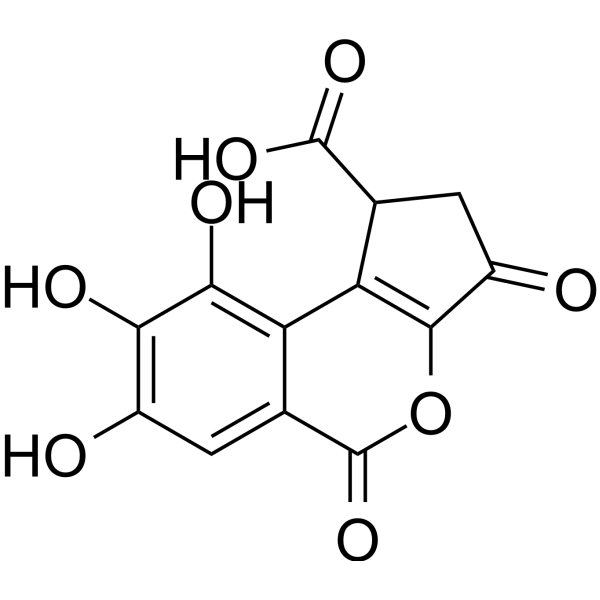 0 ImagesBrevifolincarboxylic acid is a phenolic compound. Brevifolincarboxylic acid can be isolated from Duchesnea chrysantha. Brevifolincarboxylic acid inhibits α-glucosidase with an IC50 value of 323.46 μM. Brevifolincarboxylic acid has an inhibitory effect on the aryl hydrocarbon receptor (AhR). Brevifolincarbacid scavenges ROS. Brevifolincarbacid restores the glucose uptake activity of myotubes. Brevifolincarboxylic acid has antitumor activity against lung and gastric cancer. Brevifolincarbacid can be used in the study of diabetes and inflammatory diseases.
-
Flindersine
 0 ImagesFlindersine is an alkaloid with multiple activities including antibacterial, antifungal, antitumor, and antidiabetic properties. Flindersine increases the activity of antioxidant enzymes, restores the levels of renal biomarkers, and reduces blood glucose, blood lipid, and insulin levels in diabetic rats. Flindersine inhibits the growth of Gram-positive bacteria, Gram-negative bacteria, drug-resistant bacteria, as well as dermatophytes, filamentous fungi, and yeasts. Flindersine reduces the viability of cancer cells and induces apoptosis. Flindersine can be used in research related to breast cancer, type 2 diabetes, bacterial infections, and fungal infections.
-
2-Amino-2-deoxyglucose hydrochloride
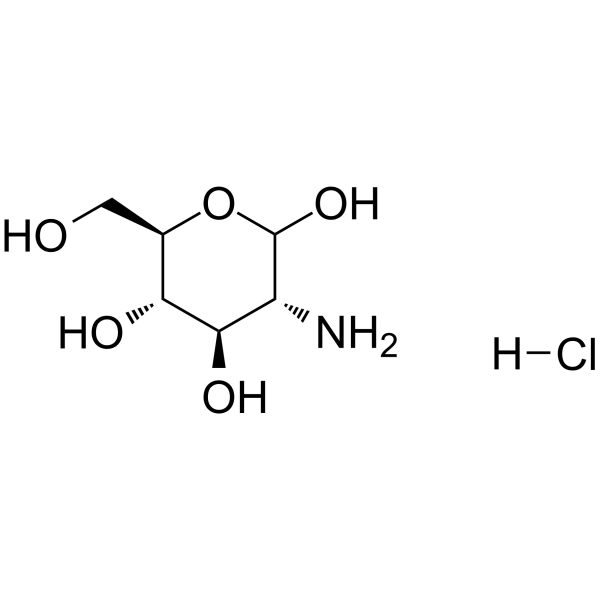 0 ImagesSynonyms: D-Glucosamine Hydrochloride2-Amino-2-deoxyglucose hydrochloride (D-Glucosamine Hydrochloride) is a glucose analog that is specifically recognized and transported by the cell membrane GLUT1. 2-Amino-2-deoxyglucose hydrochloride acts as a tumor-targeting ligand and a guiding molecule for the synthesis of prodrug conjugates, thus delivering drugs precisely to tumor cells. 2-Amino-2-deoxyglucose hydrochloride is applicable to diagnostic imaging and therapeutic efficacy monitoring of solid tumors and various cancers (e.g., breast cancer, glioblastoma). 2-Amino-2-deoxyglucose hydrochloride also helps bacteria resist lysozyme digestion by integrating into the non-N-acetylated residues of Streptococcus pneumoniae peptidoglycan. 2-Amino-2-deoxyglucose hydrochloride is used in studies on tumor metabolism and the exploration of bacterial drug resistance mechanisms.
-
Cichoriin
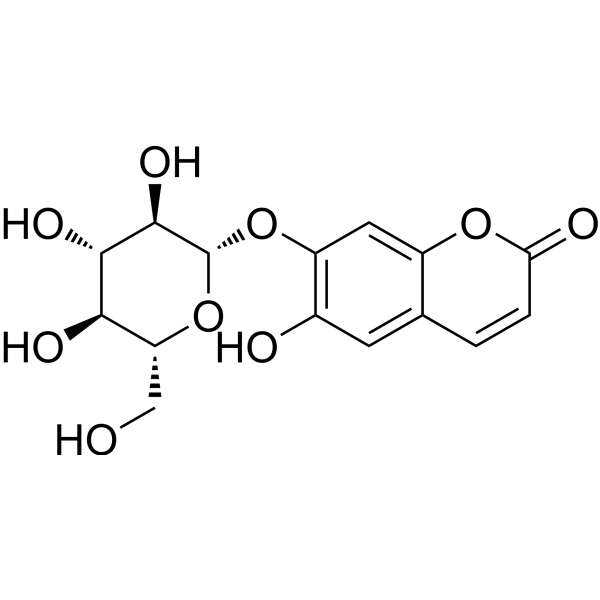 0 ImagesCichoriin is an orally active coumarin glycoside with broad biological activities. Cichoriin exhibits inhibitory activities against α-amylase, α-glucosidase, pancreatic lipase and DPP-IV, with IC50 values of 5.76, 2.94, 16.83 and 9.16 μg/mL, respectively. Cichoriin significantly improves metabolic dysfunction-associated steatohepatitis (MASH) in mice by activating the AMPK signaling pathway. Cichoriin upregulates PPAR-γ in adipose tissue and alleviates obesity and associated cardiorenal injury in rats. Cichoriin blocks monosodium urate crystal-induced activation of the NLRP3 inflammasome and cell pyroptosis by inhibiting P2Y14R (IC50 = 8.47 nM). In silico virtual screening reveals that Cichoriin has a strong binding affinity for SARS-CoV-2.
-
GLUT1-IN-2
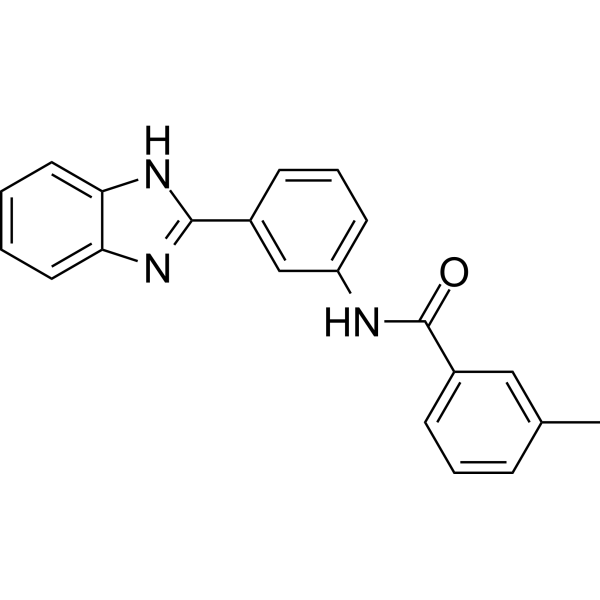 0 ImagesGLUT1-IN-2 (compound 17) is a GLUT1 inhibitor with an IC50 value of 12 μM. GLUT1-IN-2 shows inhibitory effect to Plasmodium falciparum hexose transporter PfHT with an IC50 value of 13 μM. GLUT1-IN-2 can be used for the research of infection.
-
Steviolmonoside
 0 ImagesSynonyms: GlucosilsteviolSteviolmonoside (Glucosilsteviol) is a structural analogue of steviol. Steviolmonoside decreases glucose production and inhibits oxygen uptake in rat renal cortical tubules.
-
Phloretin (Standard)
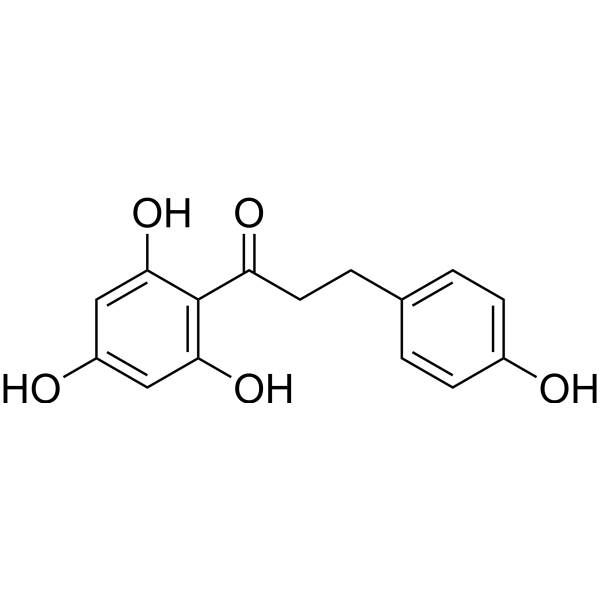 0 ImagesSynonyms: NSC 407292 (Standard); RJC 02792 (Standard)Phloretin (Standard) is the analytical standard of Phloretin. This product is intended for research and analytical applications. Phloretin (NSC 407292; RJC 02792) is a flavonoid extracted from Malus pumila Mill., has anti-inflammatory activities. Phloridzin is a specific, competitive and orally active inhibitor of sodium/glucose cotransporters in the intestine (SGLT1) and kidney (SGLT2). Phloretin inhibits Yeast-made GLUT1 as well as Human erythrocyte GLUT1 with IC50values of 49 μM and 61 μM, respectively.Phloretin has the potential for the treatment of rheumatoid arthritis (RA) and allergic airway inflammation.
-
Phlorizin dihydrate
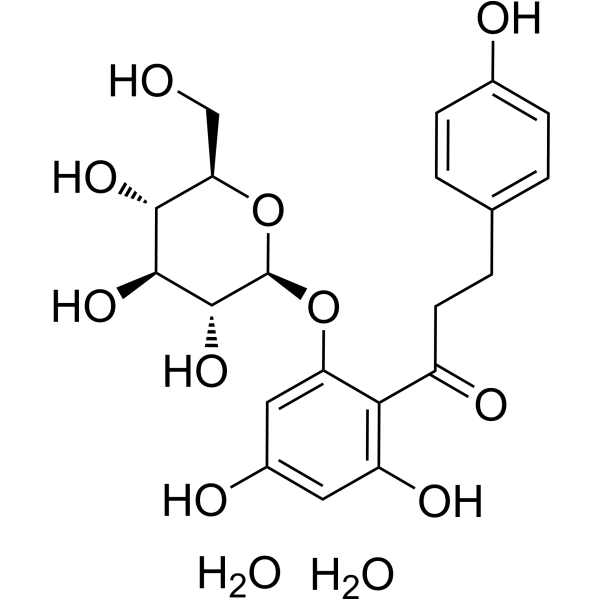 0 ImagesPhlorizin (Floridzin) dihydrate is an orally active non-selective sodium-glucose cotransporter (SGLT) inhibitor, with an IC50 of 0.04 μM and a Ki of 39 nM against hSGLT2, and an IC50 of 0.17 μM and a Ki of 0.31 μM against hSGLT1. Phlorizin dihydrate promotes GLUT4 translocation, inhibits gluconeogenesis and promotes glycogen synthesis by activating the PI3K/Akt/mTOR pathway. Phlorizin dihydrate reduces DNA damage and apoptosis (apoptosis) by inhibiting the NF-κB inflammatory pathway. Phlorizin dihydrate induces apoptosis via activating the Caspase pathway by antagonizing the JAK/STAT3 and PCK pathways. Phlorizin dihydrate also exhibits antibacterial, anti-inflammatory and neuroprotective activities.
-
Pongamol
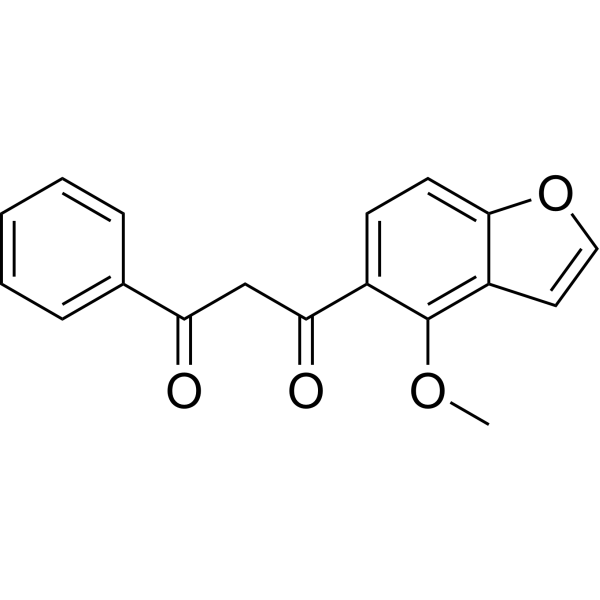 0 ImagesPongamol (Lanceolatin C) is an orally active flavonoid with an IC50 of 75 μM and a Ki of 58 μM against PTPase-1B, and an IC50 of 103.5 μM against intestinal α-Glycosidase. Pongamol reduces the release of IL‑1β, TNF‑α, COX‑2 and iNOS in cells, reverses the nuclear translocation of NF‑κB, and upregulates the levels of Beclin 1 and LC3 Ⅱ/LC3 Ⅰ. Pongamol promotes glucose uptake by increasing the level of GLUT4 on the surface of skeletal muscle cells. Pongamol inhibits epithelial-mesenchymal transition by suppressing the FAK/Akt-mTOR signaling pathway. Pongamol inhibits neuronal cytotoxicity, suppresses cell apoptosis and extends the lifespan of Caenorhabditis elegans by activating the MAPKs/Nrf2 signaling pathway. Pongamol exerts hypoglycemic effects in diabetic mouse models. Pongamol exhibits antibacterial activity. Pongamol alleviates oxidative stress, neuroinflammation, Aβ deposition and excessive phosphorylation of Tau Protein, and restores autophagy function in Alzheimer's disease mouse models by inhibiting the Akt/mTOR signaling pathway. Pongamol is applicable to research related to Alzheimer's disease, type 2 diabetes, non-small cell lung cancer and postprandial hyperglycemia.
-
Antidiabetic agent 6
 0 ImagesAntidiabetic agent 6 (Compound 19) is an antidiabetic Agent. Antidiabetic agent 6 stimulates GLUT4 translocation by activation of the PI3K/AKT-dependent signaling pathway. Antidiabetic agent 6 reduces blood glucose levels in Streptozotocin (HY-13753)-induced diabetic rats.

-
Pterosin A
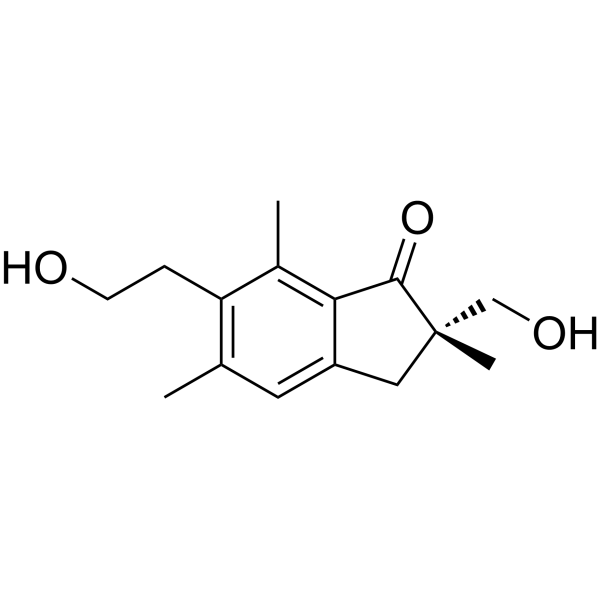 0 ImagesCat. No.: HY-N7912CAS No.: 35910-16-8Synonyms: (2S)-Pterosin APterosin A ((2S)-Pterosin A) is a sesquiterpene compound. Pterosin A is an orally active AMPK activator with anti-diabetic effect. Pterosin A can promote glucose uptake, increase serum insulin, and improve hyperglycemia and glucose intolerance. Pterosin A can prevent insulin-secreting cells death and reduce ROS production. Pterosin A can be used for the research of metabolic disease, such as diabetes.
-
MMV009085
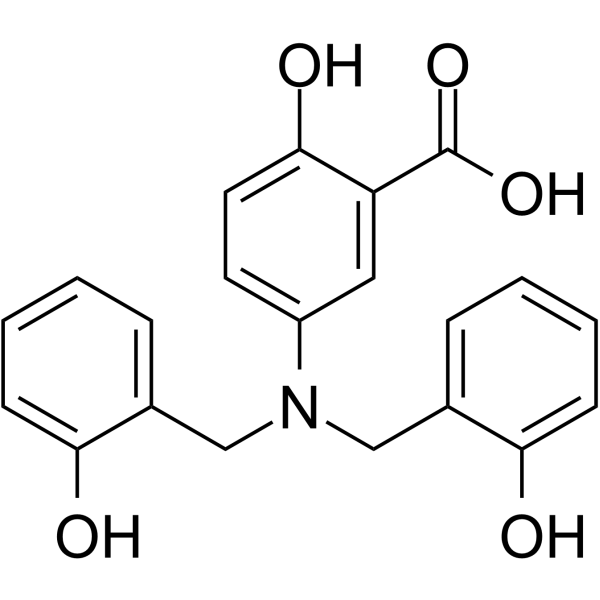
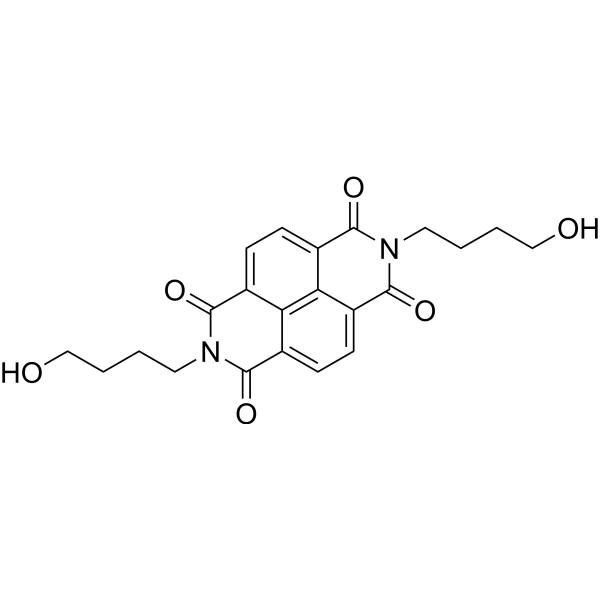 0 ImagesMMV009085 is a potent PfHT1 (Plasmodium falciparum hexose transporter)-specific inhibitor and a potential anti-malarial agent . MMV009085 is also a human glucose transporter inhibitor, it has high potency in inhibiting both glucose uptake (IC50: 2.6 μM in glucose uptake assay) and growth of the parasites (EC50: 1.23±0.04 μM against 3D7).




