



-
GLUT 関連製品 (58)
関連製品 (58)

-
GTPγS tetralithium
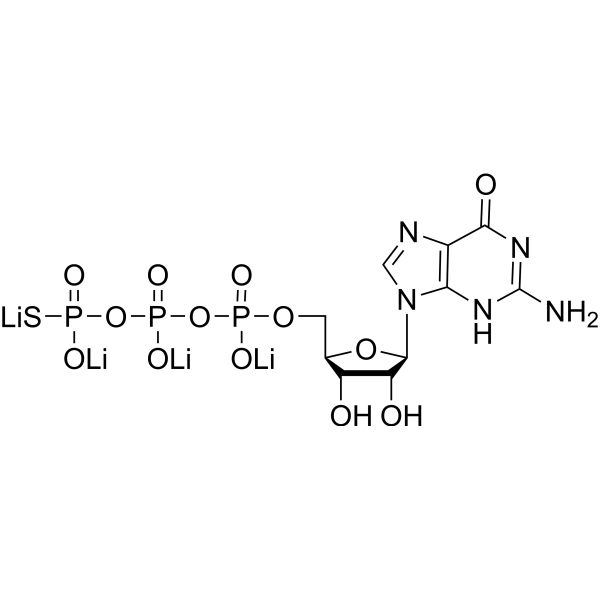 0 Images製品番号: HY-137677BCAS 番号: 94825-44-2別名: Guanosine 5'-[γ-thio]triphosphate tetralithiumGTPγS (Guanosine 5'-[γ-thio]triphosphate) tetralithium is a G-protein activator that protects proteins from proteolytic degradation, stimulates GLUT4 translocation in a tyrosine kinase-dependent manner, stimulate phospholipases and induce actin polymerization. GTPγS tetralithium to couple with G- protein α, to study its effect on kinase activity. GTPγS tetralithium acts as a component of lysis buffer.
-
MSNBA
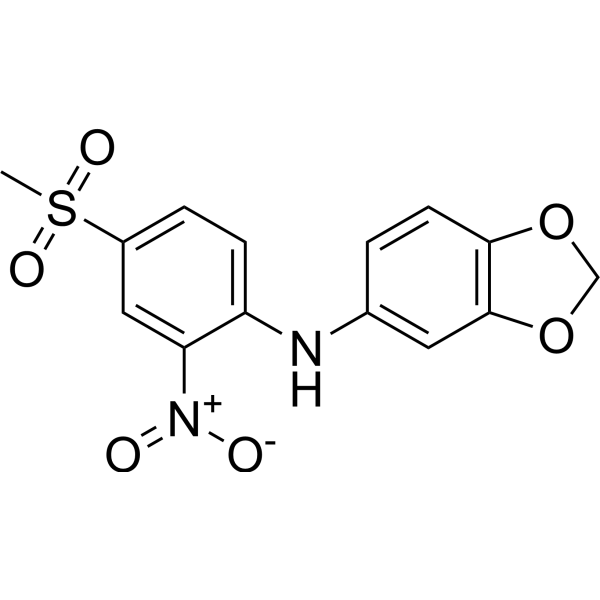 0 Images製品番号: HY-W179181CAS 番号: 852702-51-3MSNBA is a potent and selective GLUT5 fructose transport inhibitor with an IC50 of 0.10 mM. MSNBA does not affect the transport activity of human GLUT1, GLUT2, GLUT3, GLUT4 or bacterial GlcPSe. MSNBA competitively inhibits GLUT5 fructose uptake with a Ki of 3.2 μM in MCF7 cells. MSNBA can be used for the study of cancer or diabetes.
-
AR420626
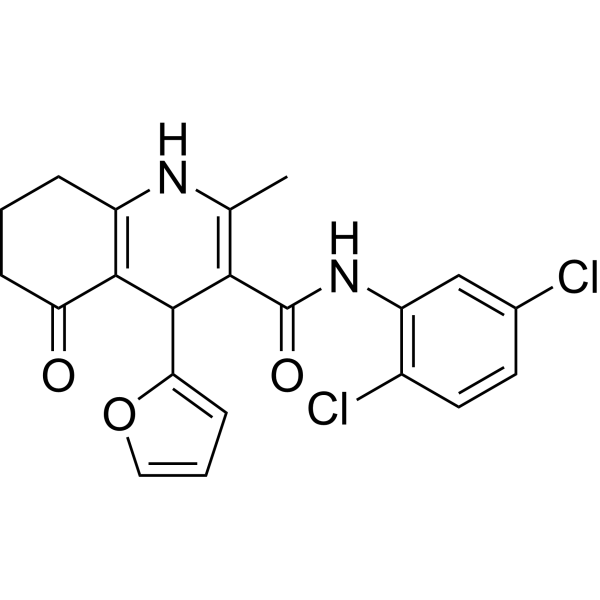 0 ImagesAR420626 is a selective agonist of free fatty acid receptor 3 (FFAR3) (IC50=117 nM). AR420626 has anti-inflammatory, anticancer and antidiabetic activities. AR420626 improves neurogenic diarrhea by inhibiting nAChR mediated neural pathways. AR420626 inhibits the growth of HepG2 xenografts and inhibits the proliferation of hepatoma cells by inducing apoptosis. AR420626 also suppresses allergic asthma and eczema and has the ability to activate GPR41 to increase Ca2+ signal-mediated glucose uptake and improve diabetes.
-
Glutor
 0 ImagesGlutor is a selective GLUT 1/2/3 inhibitor that can suppress glucose uptake. Glutor can inhibit glycolysis and has anti-tumor activity, inducing cell apoptosis.
-
Rubusoside
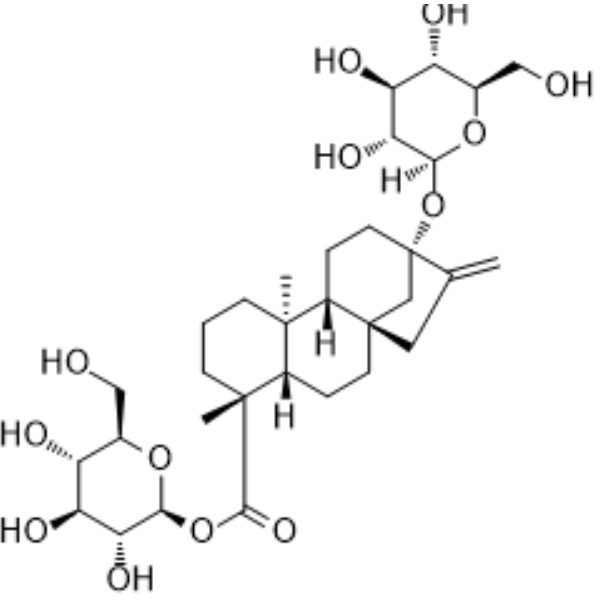 0 ImagesRubusoside is a diterpene glycoside that is also a sweetener and solubilizer with anti-angiogenic, anti-cancer, anti-obesity, anti-allergic and anti-asthmatic effects. Rubusoside attenuates airway hyperresponsiveness and reduces inflammatory cells in bronchoalveolar lavage fluid (BALF), reducing OVA (HY-W250978)-induced airway inflammation. Rubusoside also prevents palmitic acid-induced lipotoxicity in pancreatic INS-1 cells, reduces the transport of human glucose transporters GLUT-1 and fructose GLUT-5, and inhibits NF-κB and α-amylase (α-amylase).
-
URAT1/GLUT9-IN-3
 0 Images製品番号: HY-183658URAT1/GLUT9-IN-3 is an orally active URAT1/GLUT9 dual inhibitor with IC50 values of 4.01 and 1.60 μM. URAT1/GLUT9-IN-3 inhibits URAT1-mediated uric acid uptake and GLUT9-mediated uric acid transport, reducing renal urate reabsorption. URAT1/GLUT9-IN-3 reduces serum uric acid levels in hyperuricemic mice. URAT1/GLUT9-IN-3 can be used for the researches of gout and hyperuricemia.
-
URAT1/GLUT9-IN-2
 0 Images製品番号: HY-183543CAS 番号: 3051509-32-8URAT1/GLUT9-IN-2 is a selective, orally active URAT1/GLUT9 inhibitor, with an IC50 of 2.81 μM against URAT1 and an IC50 of 12.53 μM against GLUT9. URAT1/GLUT9-IN-2 reduces serum uric acid levels and protects renal function. URAT1/GLUT9-IN-2 can be used in research related to hyperuricemia and hyperuricemic nephropathy.
-
Rhoifolin (Standard)
 0 ImagesRhoifolin (Standard) is the analytical standard of Rhoifolin. This product is intended for research and analytical applications. Rhoifolin is a flavone glycoside can be isolated from Rhus succedanea. Rhoifolin has anti-diabetic effect acting through enhanced adiponectin secretion, tyrosine phosphorylation of insulin receptor-β and glucose transporter 4 (GLUT 4) translocation. Rhoifolin has an anti-inflammatory action via multi-level regulation of inflammatory mediators. Rhoifolin ameliorates titanium particle-stimulated osteolysis and attenuates osteoclastogenesis via RANKL-induced NF-κB and MAPK pathways. Rhoifolin also has cytotoxic activity against different cancer cell lines.
-
DRB18
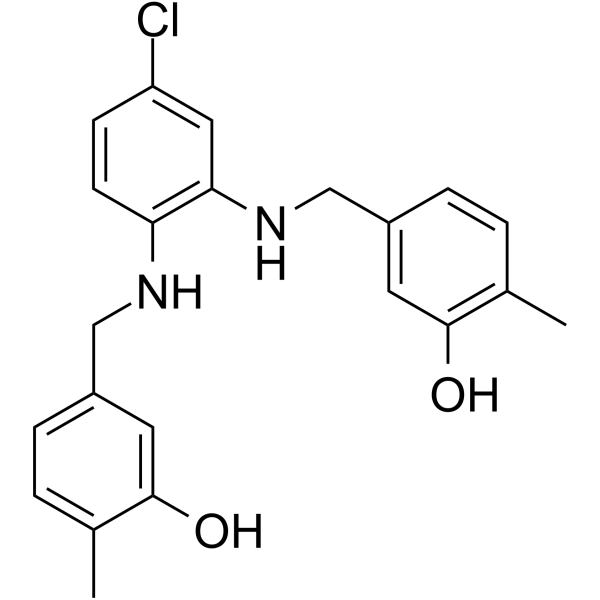 0 ImagesDRB18 is a potent pan-class GLUT inhibitor. DRB18 alters energy-related metabolism in A549 cells by changing the abundance of metabolites in glucose-related pathways. DRB18 can eventually lead to G1/S phase arrest and increase oxidative stress and necrotic cell death. DRB18 has anti-tumor activity.
-
Punicic acid
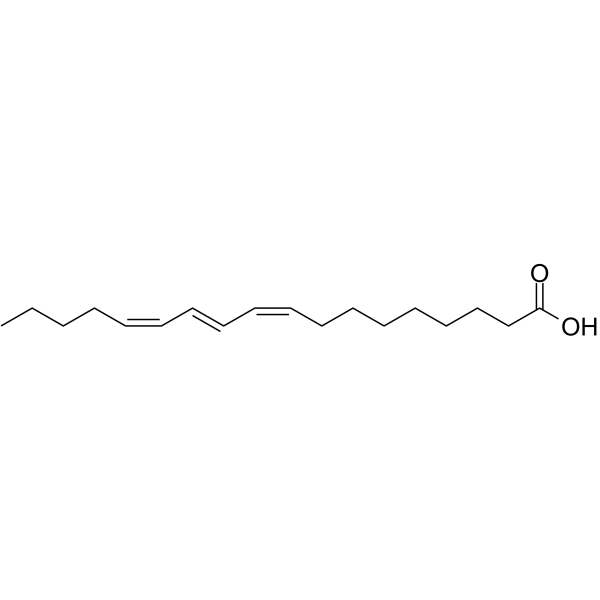 0 ImagesPunicic acid is a bioactive compound of pomegranate seed oil. Punicic acid is an isomer of conjugated α-linolenic acid and ω-5 polyunsaturated fatty acids. Punicic acid has anti-inflammatory and antioxidant activities and can inhibit the expression of inflammatory mediators such as tumor necrosis factor α (TNF-α). Punicic acid can also reduce the formation of β-amyloid deposits and hyperphosphorylation of tau by increasing the expression of GLUT4 protein and inhibiting the overactivation of calpain, and is used to prevent and treat neurodegenerative diseases. In addition, punicic acid also has breast cancer inhibitor properties that depend on lipid peroxidation and PKC pathways.
-
Flavokawain C
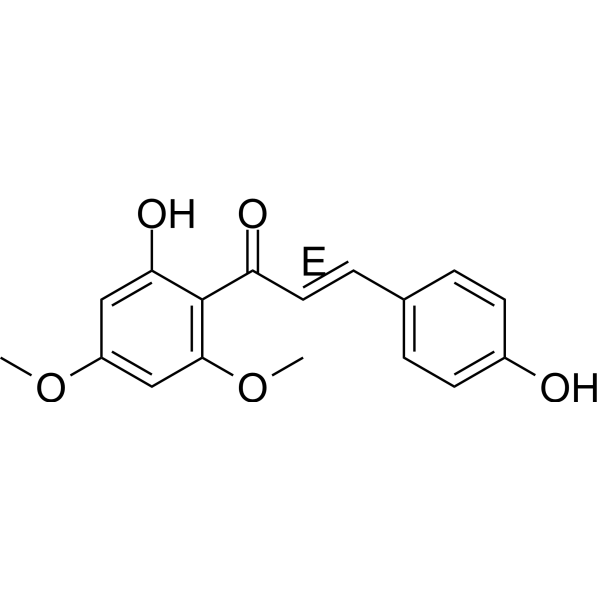 0 ImagesFlavokawain C is an orally active natural chalcone. Flavokawain C inhibits the proliferation of various cancer cells. Flavokawain C upregulates GADD153 in cancer cells, inhibits the phosphorylation of Akt and JNK, suppresses early ERK phosphorylation, activates late ERK phosphorylation, activates caspase related subtypes, induces PARP-1 cleavage, causes upregulation of p21 and p27, downregulation of mutant p53 and anti-apoptotic IAP proteins, elevates intracellular ROS levels, reduces SOD activity, and induces apoptosis. Flavokawain C downregulates FABP4, induces autophagy in cancer cells, and activates the AMPK/mTOR pathway. Flavokawain C decreases the expression of glycolysis-related proteins GLUT1 and HK2, and inhibits glycolysis in nasopharyngeal carcinoma cells. Flavokawain C inhibits the activation of the EGFR/PI3K/Akt/mTOR signaling pathway and reduces the expression of HSP90B1. Flavokawain C inhibits angiogenesis by decreasing the expression of angiogenic proteins Ang-1 and VEGF in human umbilical vein endothelial cells. Flavokawain C increases γ-H2AX levels in cells, inhibits the phosphorylation of FAK, PI3K and AKT in cells, and induces DNA damage in cells. Flavokawain C exerts anti-tumor activity in multiple tumor xenograft mouse models. Flavokawain C is applicable to research related to colorectal cancer, colon adenocarcinoma, nephroblastoma, nasopharyngeal carcinoma and liver cancer.
-
SLC26A3-IN-2
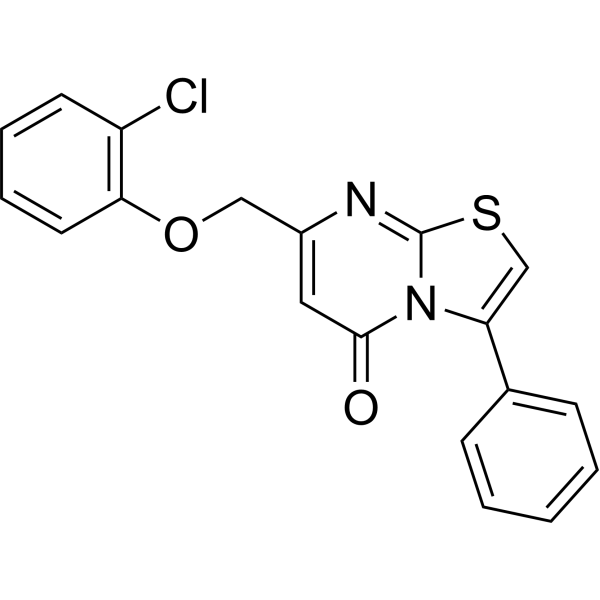 0 ImagesSLC26A3-IN-2 is an orally active inhibitor of anion exchanger protein SLC26A3 (IC50=360 nM). SLC26A3 belongs to solute carrier (SLC) proteins, and the SLC26 family. SLC26 family has broad anion specificity for chloride, bicarbonate, sulfate and oxalate. SLC26A3 down-regulates in adenoma, DRA, involves in in intestinal absorption of chloride and oxalate. The loss of SLC26A3 function mutations is associated with chloride-losing diarrhea.
-
SW157765
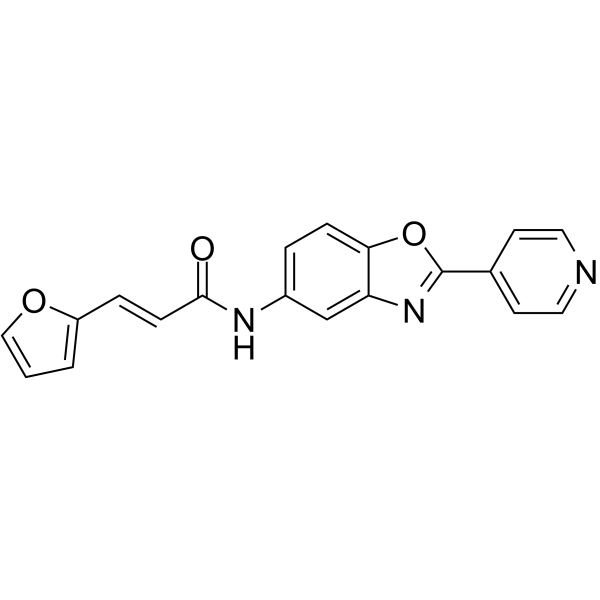 0 ImagesSW157765 is a selective non-canonical glucose transporter GLUT8 (SLC2A8) inhibitor. KRAS/KEAP1 double mutant NSCLC cells are selectively sensitive to the SW157765, due to the convergent consequences of dual KRAS and NRF2 modulation of metabolic and xenobiotic gene regulatory programs.
-
(Glu17,21,24)-Osteocalcin (1-49) (human)
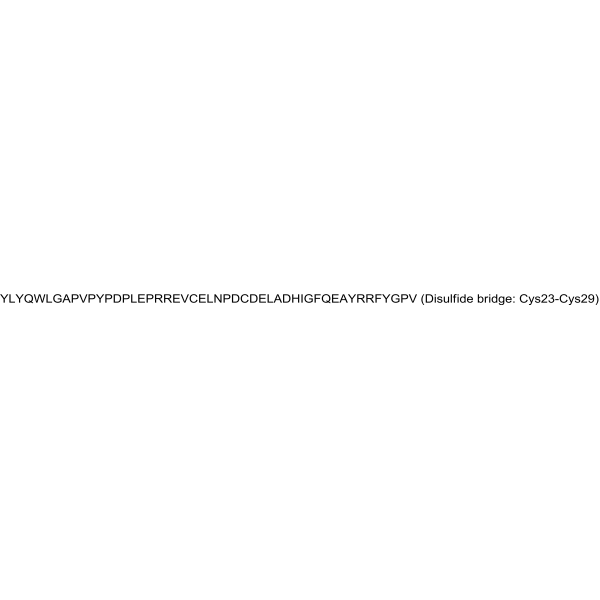 0 Images製品番号: HY-P4588CAS 番号: 1927927-11-4(Glu17,21,24)-Osteocalcin (1-49) (human) is a bone-specific protein involved in bone formation and glucose metabolism.
-
Brilliant Yellow
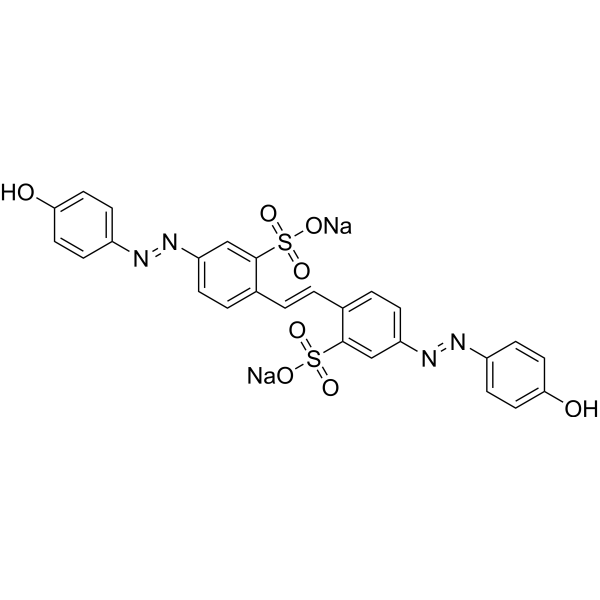 0 Images製品番号: HY-W110888CAS 番号: 3051-11-4Brilliant Yellow, a diazo-containing sulfonic aci, is also a potent VGLUT-specific inhibitor. Brilliant Yellow is membrane-impermeable. However, there are some Brilliant Yellow analogs with low cytotoxicity and cell penetration. Brilliant Yellow analogs work on glutamatergic transmission in hippocampal neurons.
-
Brevifolincarboxylic acid
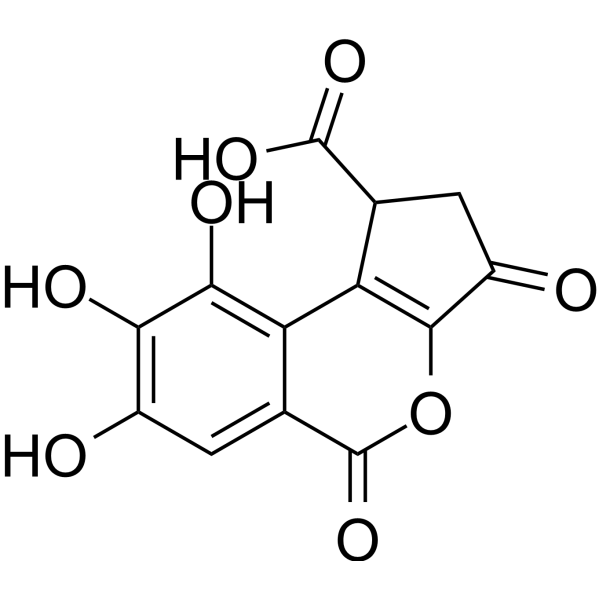 0 ImagesBrevifolincarboxylic acid is a phenolic compound. Brevifolincarboxylic acid can be isolated from Duchesnea chrysantha. Brevifolincarboxylic acid inhibits α-glucosidase with an IC50 value of 323.46 μM. Brevifolincarboxylic acid has an inhibitory effect on the aryl hydrocarbon receptor (AhR). Brevifolincarbacid scavenges ROS. Brevifolincarbacid restores the glucose uptake activity of myotubes. Brevifolincarboxylic acid has antitumor activity against lung and gastric cancer. Brevifolincarbacid can be used in the study of diabetes and inflammatory diseases.
-
Flindersine
 0 ImagesFlindersine is an alkaloid with multiple activities including antibacterial, antifungal, antitumor, and antidiabetic properties. Flindersine increases the activity of antioxidant enzymes, restores the levels of renal biomarkers, and reduces blood glucose, blood lipid, and insulin levels in diabetic rats. Flindersine inhibits the growth of Gram-positive bacteria, Gram-negative bacteria, drug-resistant bacteria, as well as dermatophytes, filamentous fungi, and yeasts. Flindersine reduces the viability of cancer cells and induces apoptosis. Flindersine can be used in research related to breast cancer, type 2 diabetes, bacterial infections, and fungal infections.
-
GLUT1-IN-2
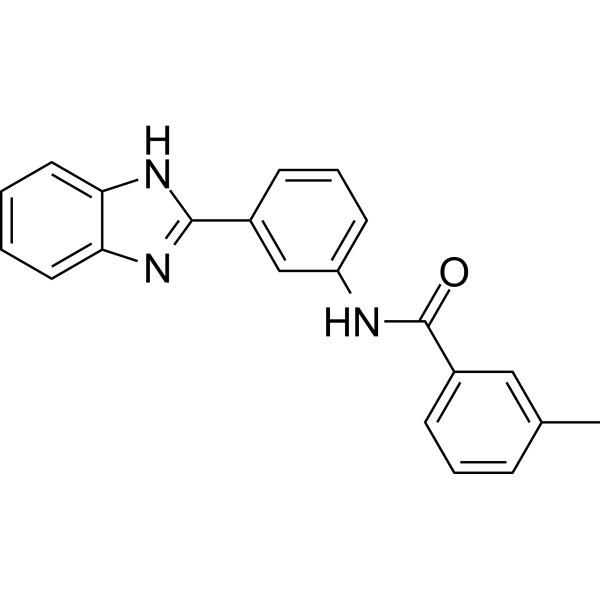 0 ImagesGLUT1-IN-2 (compound 17) is a GLUT1 inhibitor with an IC50 value of 12 μM. GLUT1-IN-2 shows inhibitory effect to Plasmodium falciparum hexose transporter PfHT with an IC50 value of 13 μM. GLUT1-IN-2 can be used for the research of infection.
-
Steviolmonoside
 0 Images別名: GlucosilsteviolSteviolmonoside (Glucosilsteviol) is a structural analogue of steviol. Steviolmonoside decreases glucose production and inhibits oxygen uptake in rat renal cortical tubules.
-
Pongamol
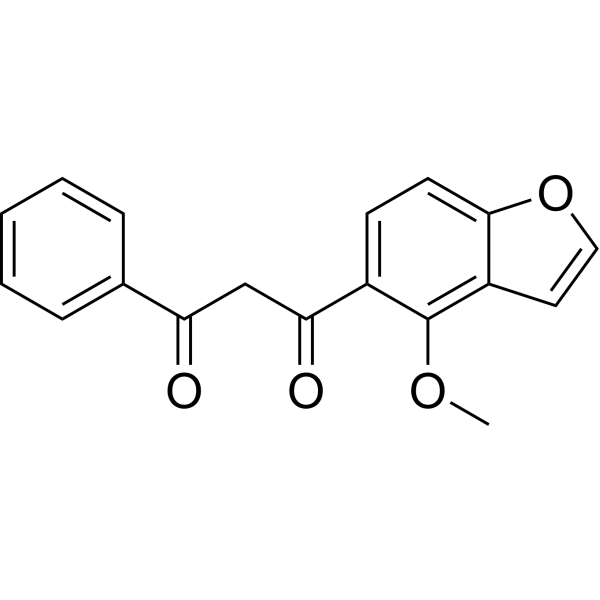 0 ImagesPongamol (Lanceolatin C) is an orally active flavonoid with an IC50 of 75 μM and a Ki of 58 μM against PTPase-1B, and an IC50 of 103.5 μM against intestinal α-Glycosidase. Pongamol reduces the release of IL‑1β, TNF‑α, COX‑2 and iNOS in cells, reverses the nuclear translocation of NF‑κB, and upregulates the levels of Beclin 1 and LC3 Ⅱ/LC3 Ⅰ. Pongamol promotes glucose uptake by increasing the level of GLUT4 on the surface of skeletal muscle cells. Pongamol inhibits epithelial-mesenchymal transition by suppressing the FAK/Akt-mTOR signaling pathway. Pongamol inhibits neuronal cytotoxicity, suppresses cell apoptosis and extends the lifespan of Caenorhabditis elegans by activating the MAPKs/Nrf2 signaling pathway. Pongamol exerts hypoglycemic effects in diabetic mouse models. Pongamol exhibits antibacterial activity. Pongamol alleviates oxidative stress, neuroinflammation, Aβ deposition and excessive phosphorylation of Tau Protein, and restores autophagy function in Alzheimer's disease mouse models by inhibiting the Akt/mTOR signaling pathway. Pongamol is applicable to research related to Alzheimer's disease, type 2 diabetes, non-small cell lung cancer and postprandial hyperglycemia.



