Herbicide
Herbicide
Herbicides refer to the agents that can completely or selectively cause the death of weeds, and they are also known as weed killers. Herbicides are divided into inorganic compound types and organic synthetic types. Herbicides should possess characteristics such as high efficiency, selectivity, and convenience in use. Some herbicides, such as paraquat, can function by inhibiting the photosynthesis of weeds, blocking the photosynthetic electron transfer or inhibiting the synthesis of photosynthetic pigments. Some herbicides, such as naphthalene acetic acid, can interfere with the hormonal balance of plants, leading to abnormal growth and death of weeds. There are also some herbicides that can inhibit plant cell division or amino acid synthesis. Herbicides are widely applied in agricultural farmlands, garden green spaces, along roads and railways, industrial sites, etc., to control weeds, so as to ensure the growth of crops, maintain the landscape environment, and reduce potential safety hazards such as fires[1][2].
All Product Categories
-
Herbicide Related Products (547)
Related Products (547)

-
Prometryn
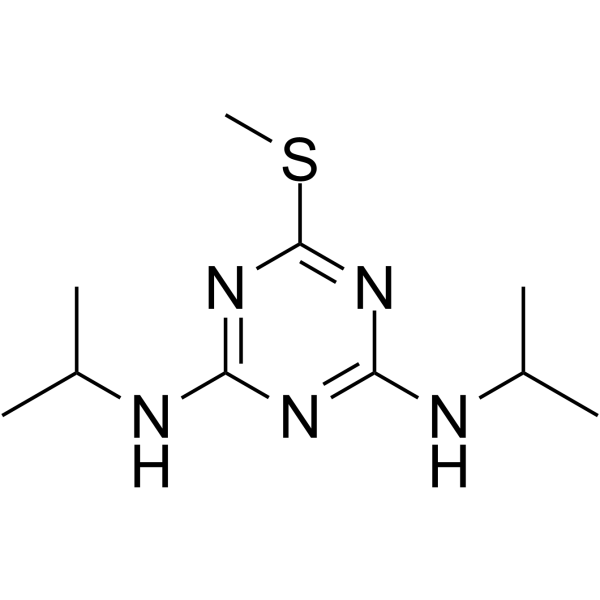 0 ImagesPrometryn is a triazine herbicide. Prometryn induces apoptosis and cell cycle arrest. Prometryn induces oxidative stress, DNA damage and autophagy-related gene expression, and non-specific immunity gene expression. Prometryn can be used for the research of herbicide, hepatopancreas injury, and intestinal stress and intestinal barrier dysfunction.
-
Flumioxazin
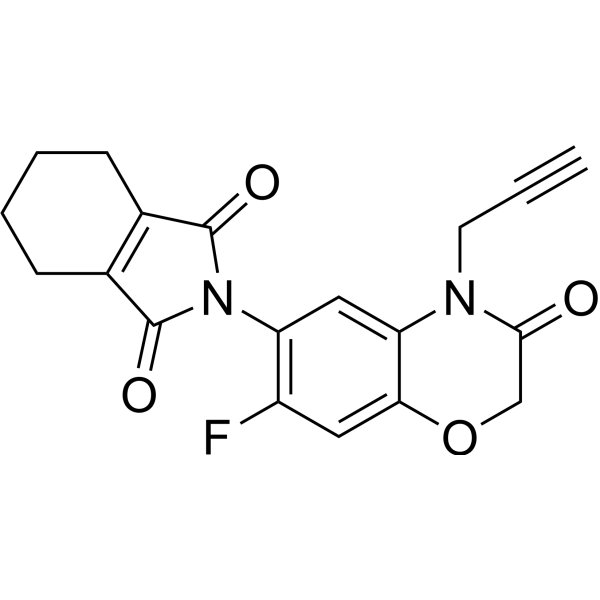 0 ImagesSynonyms: V-53482Flumioxazin (V-53482) is a protoporphyrinogen IX oxidase (PPO) inhibitor with a rat target IC50 of 4.58 nM. Flumioxazin is found in its biological sources and is used for pre-emergence control of dicotyledonous weeds in soybean and peanut. Flumioxazin inhibits protoporphyrinogen oxidase, blocking chlorophyll and heme biosynthesis, leading to protoporphyrin IX accumulation, oxidative stress, membrane damage, and cell death. Flumioxazin is used in research on weed control.

-
Oxadiazon
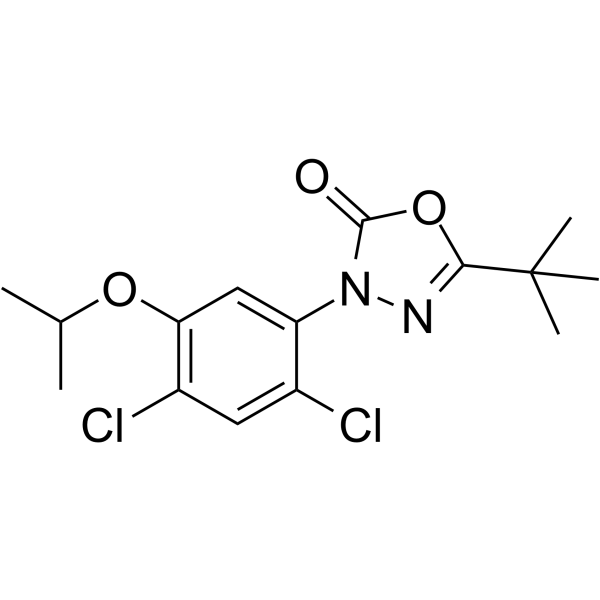 0 ImagesOxadiazon is an orally active herbicide. Oxadiazon reduces hepatic cytochrome P450 levels. Oxadiazon increases palmitoyl CoA oxidase, acetyl carnitine transferase, and hepatic ALAS activity. Oxadiazon induces hepatomegaly and experimental porphyria. Oxadiazon controls weeds. Oxadiazon may be used in neurodegenerative disease research.
-
Tembotrione
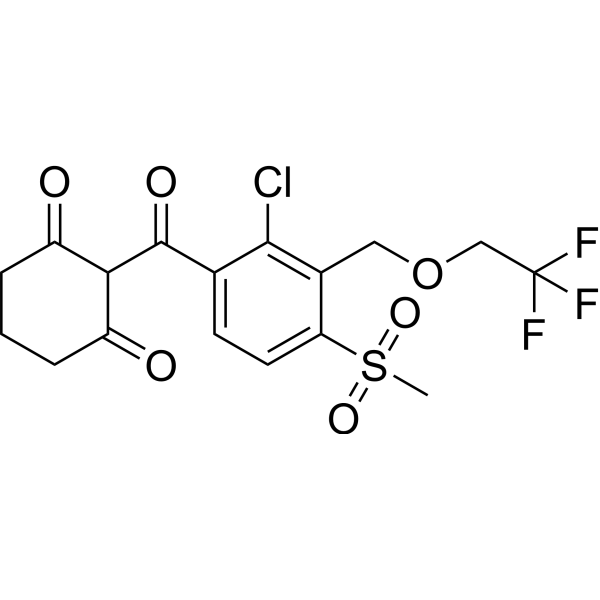 0 ImagesTembotrione is a herbicide belonging to the HPPD (dioxygenase) inhibitor class with crop selectivity. Tembotrione effectively controls a variety of weeds including broadleaf and gramineous species by disrupting carotenoid synthesis, which leads to chlorophyll degradation and leaf whitening. Mixing Tembotrione with isoxaflutole or adding surfactants optimizes its efficacy and reduces phytotoxicity, with no residual impact on subsequent cruciferous crops, thus helping to increase maize grain yield. The activity of Tembotrione decreases under drought conditions, and under specific conditions (such as double-dose treatment), it may cause reversible yellowing and even yield reduction in crops such as poppy.
-
2,4-D-d5
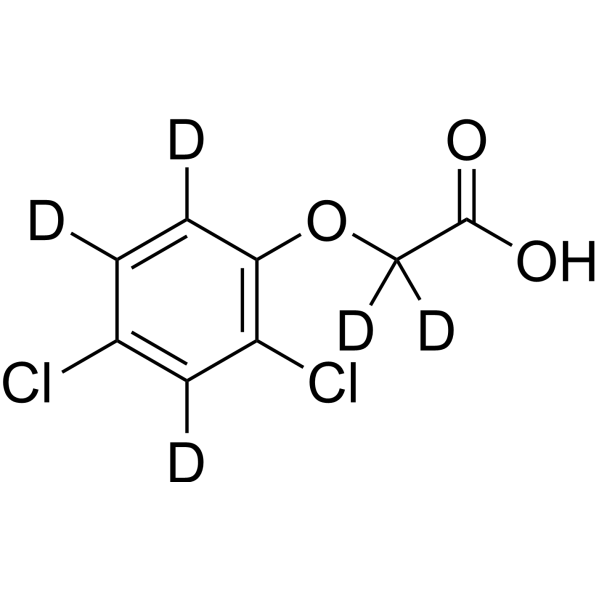 0 Images2,4-D-d5 (2,4-Dichlorophenoxyacetic acid-d5) is the deuterium labeled 2,4-D (HY-18572). 2,4-D (2,4-Dichlorophenoxyacetic acid) is a selective systemic herbicide for the control of broad-leaved weeds. 2,4-D acts as a plant hormone, causing uncontrolled growth in the meristematic tissues. 2,4-D inhibits DNA and protein synthesis and thereby prevents normal plant growth and development.
-
2,4-D sodium
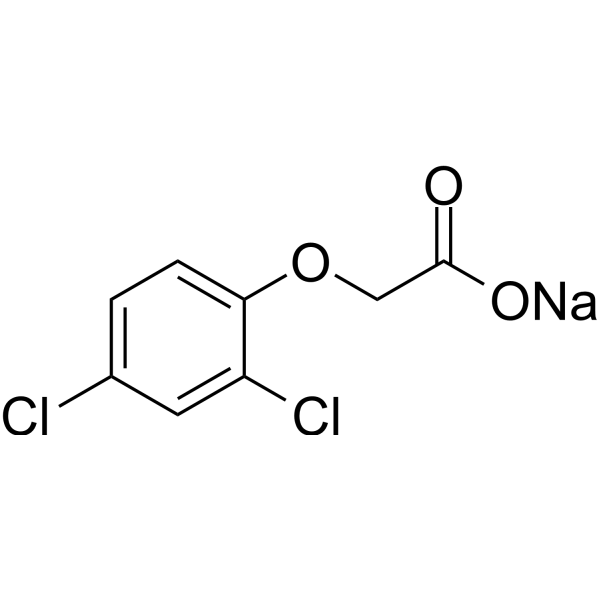 0 ImagesSynonyms: 2,4-Dichlorophenoxyacetic acid sodium
-
Linuron
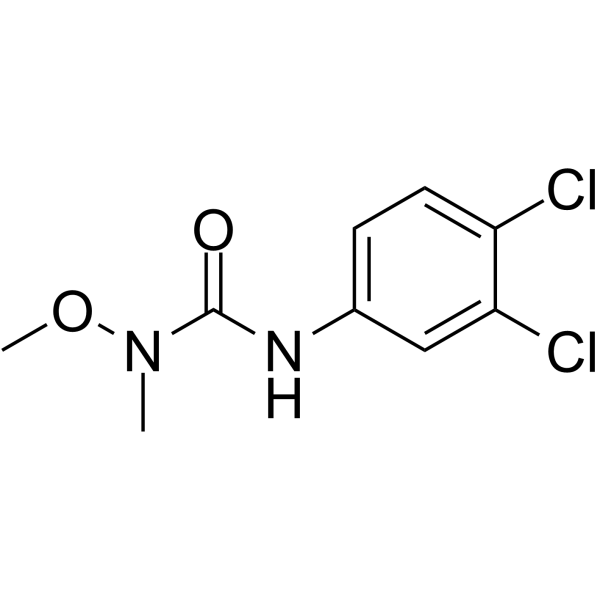 0 ImagesLinuron is a phenylurea herbicide widely used to control the growth of grasses and weeds in various crops and orchards. Linuron acts as a photosystem II inhibitor. It also functions as a competitive androgen receptor (AR) antagonist, with an EC50 of 200 μM and a Ki of 100 μM against rat AR, and an EC50 of 20 μM against human AR. Linuron exhibits reproductive toxicity in animals and acts as an endocrine disruptor.\n
-
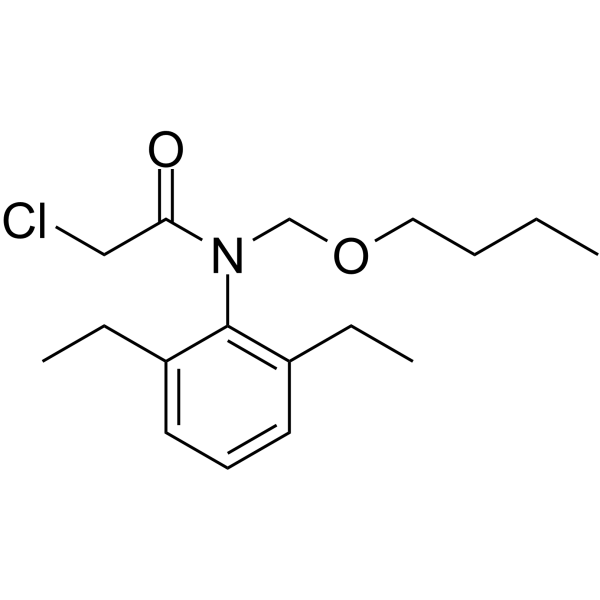
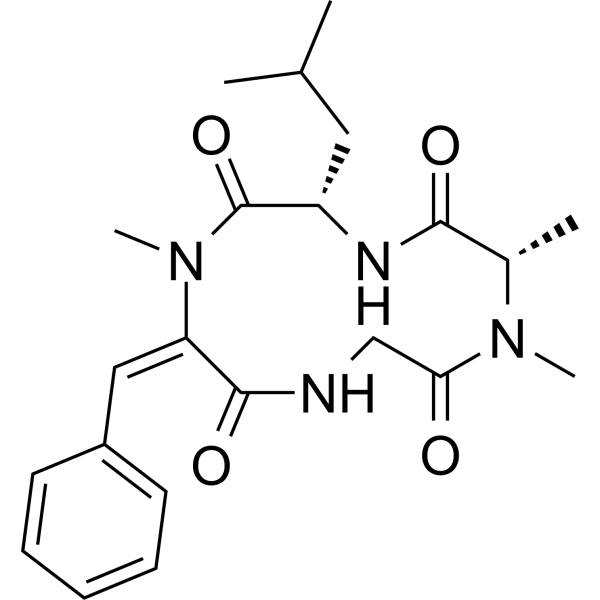
Clomazone
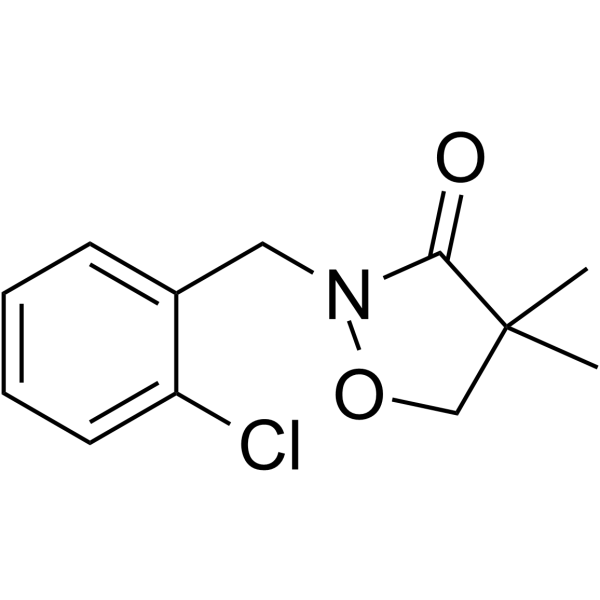 0 ImagesClomazone is a broad spectrum herbicide, mainly used to control annual broadleaf weeds and grass weeds in various crops such as rice, soybeans, and peanuts. Clomazone inhibits carotenoid biosynthesis, and treated plants show typical "albinism" symptoms due to the destruction of chloroplast membrane structure leading to chlorophyll degradation. Clomazone exhibits multiple toxic effects on non-target organisms, including aquatic lethality, developmental malformations, liver damage, mitochondrial dysfunction, and hematotoxicity.
-
Clofencet
 0 ImagesSynonyms: SC1158; SQ 1Clofencet (SC1158) is a wheat hybridizing agent, that produces hybrid wheat seeds through inhibition of pollen development in wheat without affecting female fertility. Clofencet improves the wheat’s vigor and its resistance to pests.
-
Fluazifop-P-butyl
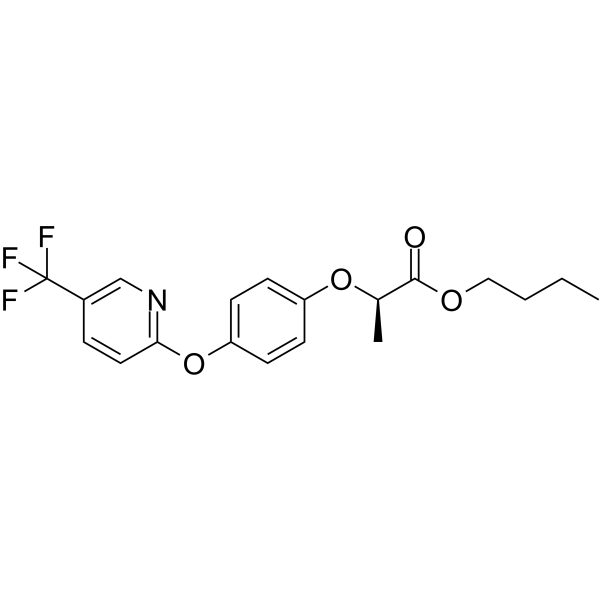 0 ImagesFluazifop-P-butyl is an orally active herbicide and ACCase inhibitor. Fluazifop-P-butyl blocks the formation of malonyl-CoA, disrupts lipid synthesis in sensitive plants, and exhibits concentration-dependent phytotoxicity to non-target maize seedlings. Fluazifop-P-butyl induces oxidative stress in male Wistar rats, impairs their liver and kidney functions, and disrupts testicular function.

-
Mefluidide
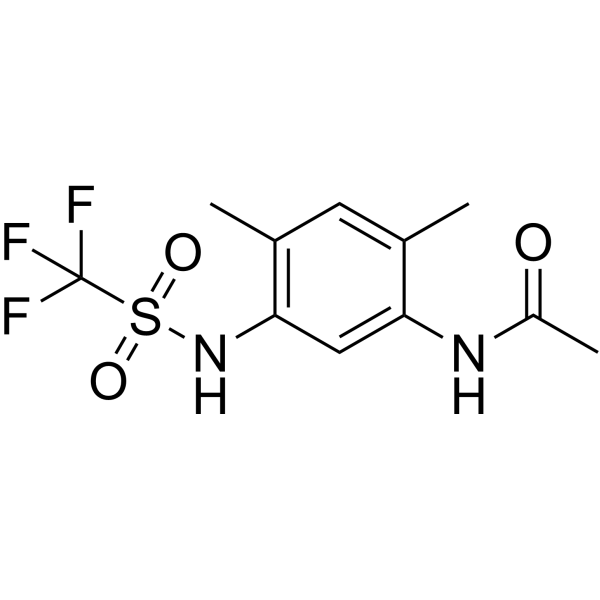 0 ImagesSynonyms: MBR 12325