



Isotope-Labeled Compounds
Isotope-labeled compounds are chemical substances in which some atoms in their molecules are replaced by isotope atoms. The range of stable isotope products can cover from gases to complex molecules. Isotope-labeled compounds could provide a site-specific investigation of structures, making molecules easily detectable by mass spectrometry and NMR, and maintaining the physico-chemical properties of the target molecule at the same time.
MCE isotope-labeled compounds are all stable isotope-labeled compounds and are non-radioactive labeled substances. MCE isotope-labeled compounds are unique tools for identifying and understanding biological and chemical processes. Stable isotope-labeled products are now getting more and more popular among scientists. The scope of application is gradually penetrating into various scientific fields, such as life sciences, food and medicine, agriculture, environment, geology, etc. Stable isotope-labeled compounds have a wide range of applications in the Life Science areas, such as Metabolomics, Proteomics, Clinical studies, Deuterium drugs, etc.
All Product Categories
-
Isotope-Labeled Compounds Related Products (11098)
Related Products (11098)

-
Mandelic acid-2,3,4,5,6-d5
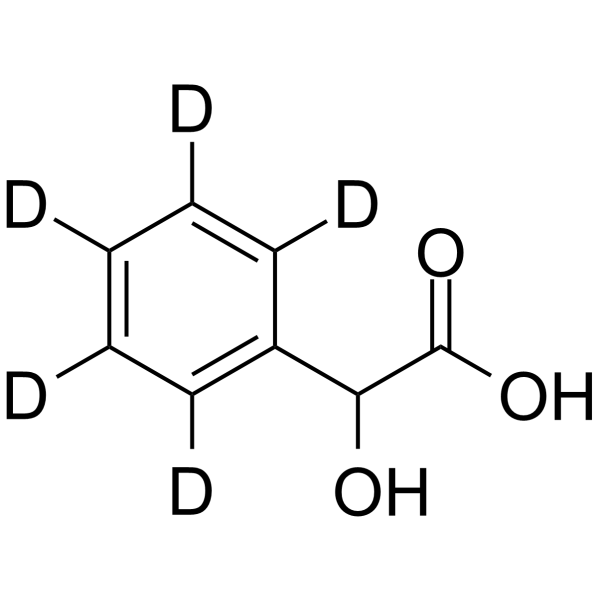 0 ImagesSynonyms: (±)-Mandelic acid-2,3,4,5,6-d5; DL-Mandelic acid-2,3,4,5,6-d5Mandelic acid-2,3,4,5,6-d5 is the deuterium labeled Mandelic acid. Mandelic acid ((±)-Mandelic acid), an alpha-hydroxycarboxylic acid, has been widely used as an intermediate of pharmaceutical and fine chemicals. Mandelic acid shows antimicrobial activity and has been used for the research of urinary tract infections and vaginal trichomoniasis. Mandelic acid exhibits high sperm-immobilizing activity and low vaginal irritation.
-
Reserpine-d9
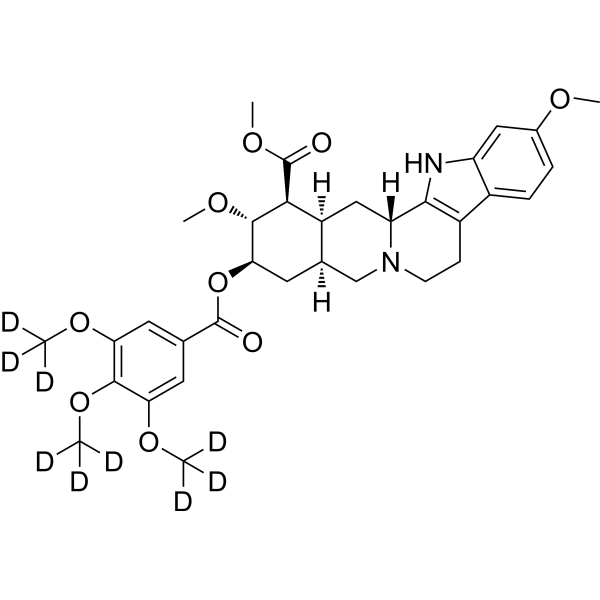 0 ImagesCat. No.: HY-N0480SCAS No.: 84759-11-5Reserpine-d9 is the deuterium labeled Reserpine. Reserpine is an inhibitor of the vesicular monoamine transporter 2 (VMAT2).
-
Venlafaxine-d6
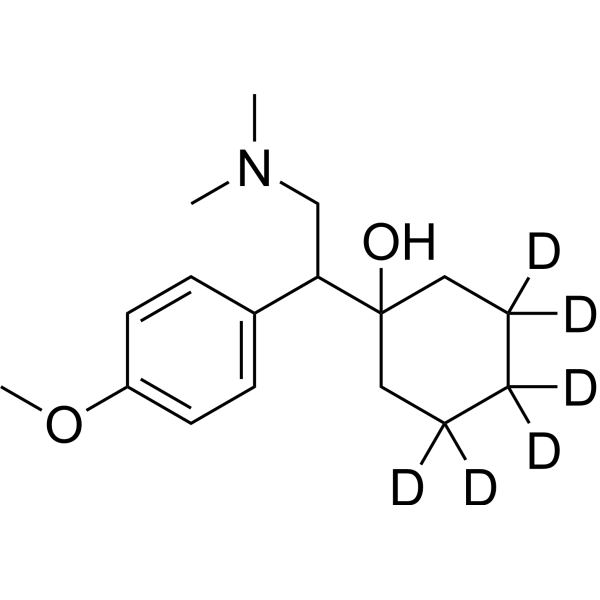 0 ImagesVenlafaxine-d6 is the deuterium labeled Venlafaxine. Venlafaxine (Wy 45030) is an orally active, potent serotonin (5-HT)/norepinephrine (NE) reuptake dual inhibitor. Venlafaxine is an antidepressant.
-
Hydroxytyrosol-d4
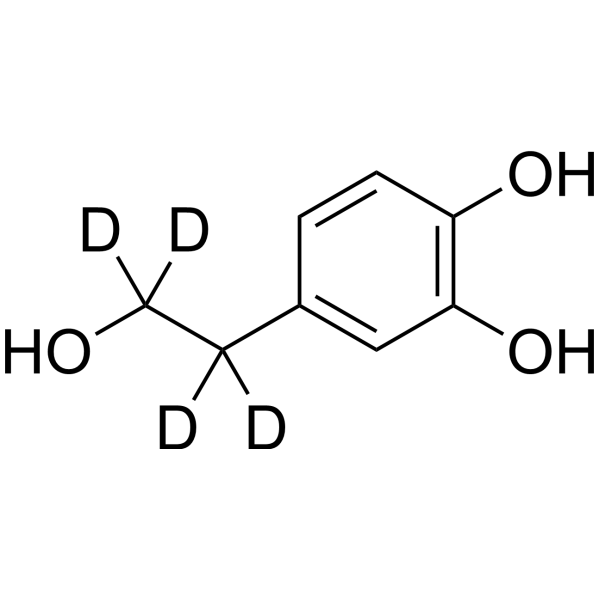 0 ImagesCat. No.: HY-N0570SCAS No.: 1330260-89-3Synonyms: DOPET-d4; 3,4-Dihydroxyphenethyl alcohol-d4; 3-Hydroxytyrosol-d4Hydroxytyrosol-d4 (DOPET-d4) is the deuterium labeled Hydroxytyrosol (HY-N0570). Hydroxytyrosol is an orally active, blood-brain barrier-permeable multi-active compound with multiple effects including antibacterial, antioxidant, anti-platelet aggregation, and neuroprotective activities. Hydroxytyrosol not only inhibits the growth of Vibrio by increasing bacterial membrane permeability, but also interacts with DNA and mediates supercoiled DNA relaxation. Meanwhile, Hydroxytyrosol effectively reduces thrombosis and inhibits lipid oxidation by inhibiting COX activity and promoting vascular nitric oxide production. In terms of neuroprotection, Hydroxytyrosol significantly alleviates neuronal apoptosis and inflammatory responses by up-regulating the expression level of ERβ, thereby improving cognitive function in Alzheimer's disease models. Hydroxytyrosol has been widely used in scientific research related to Vibrio infection, arterial thrombosis, Alzheimer's disease and other related fields.
-
Clotrimazole-d5
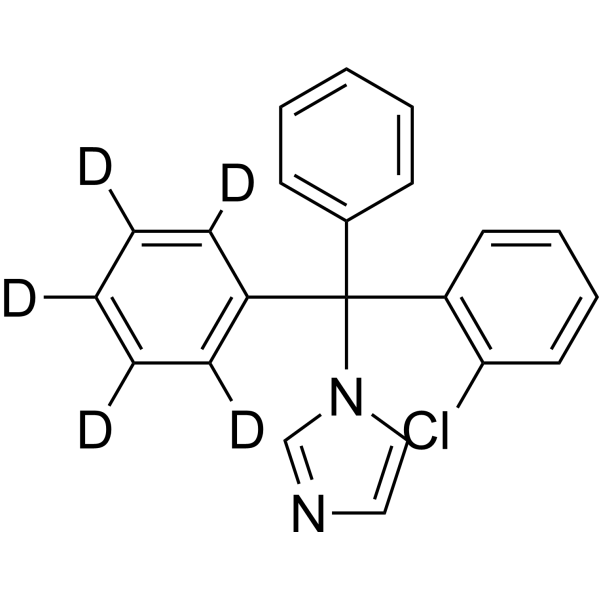 0 ImagesClotrimazole-d5 is the deuterium labeled Clotrimazole. Clotrimazole is an imidazole derivative, an antifungal compound and is a CYP (cytochrome P450) inhibitor. Clotrimazole has antibacterial activity.
-
Methylisothiazolinone-d3 hydrochloride
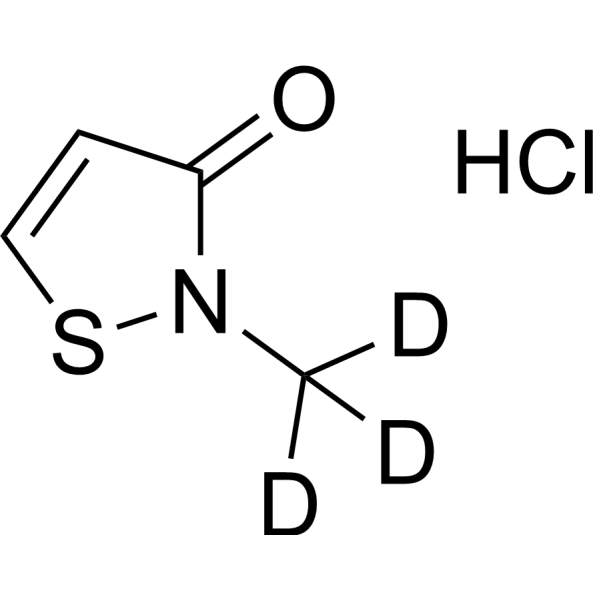 0 ImagesMethylisothiazolinone-d3 hydrochloride is the deuterium labeled Methylisothiazolinone hydrochloride (HY-W010243). Methylisothiazolinone hydrochloride is a bacterial and fungal inhibitor and preservative, as well as a sensitizer. Methylisothiazolinone hydrochloride can activate matrix metalloproteinases (MMPs) in human bronchial epithelial cells to induce apoptosis and inflammatory response. Methylisothiazolinone hydrochloride can promote the development of atopic dermatitis in mice by disrupting Th2/Th17 related immune responses. Methylisothiazolinone hydrochloride can cause mitochondrial damage in the endothelium of rat cerebral blood vessels.
-
Ethynyl Estradiol-13C2
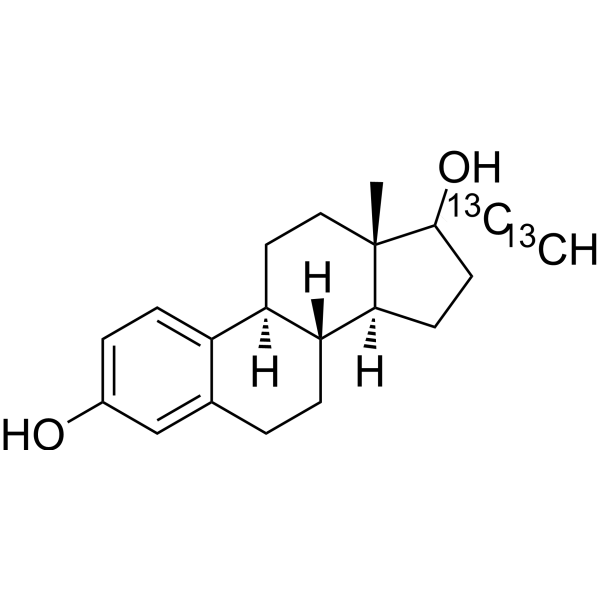 0 ImagesSynonyms: 17α-Ethynylestradiol-13C2; Ethynylestradiol-13C2Ethynyl Estradiol-13C2 is the 13C-labeled Ethynyl Estradiol. Ethynyl Estradiol-13C2 is a click chemistry reagent, it contains an Alkyne group and can undergo copper-catalyzed azide-alkyne cycloaddition (CuAAc) with molecules containing Azide groups.
-
D-Glucuronic acid sodium monohydrate-13C6
 0 ImagesCat. No.: HY-N6612SPurity: 99.9%D-Glucuronic acid sodium monohydrate-13C6 is the 13C-labeled D-Glucuronic acid sodium salt monohydrate (HY-N6612A). D-Glucuronic acid sodium salt monohydrate is an endogenous metabolite.
-
Fmoc-L-Val-OH-d8
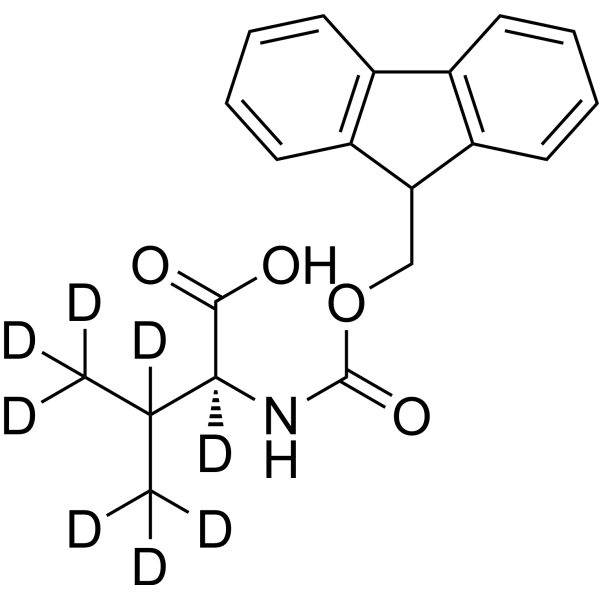 0 ImagesSynonyms: FMOC-L-valine-d8; Fmoc-valine-d8Fmoc-L-Val-OH-d8 is a deuterium labeled Fmoc-L-Val-OH (HY-I1111). Fmoc-L-Val-OH is a kind of protect amino acids.
-
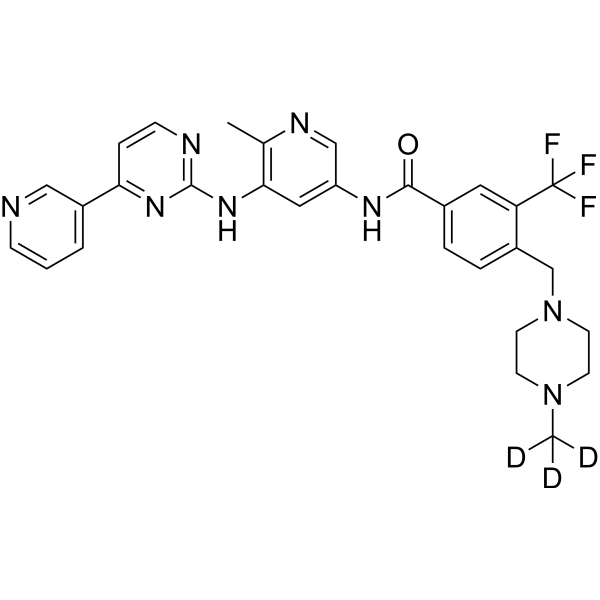
Azeliragon-d9
 0 ImagesCat. No.: HY-50682SPurity: 98.83%Synonyms: TTP488-d9; PF-04494700-d9Azeliragon-d9 (TTP488-d9) is the deuterium labeled Azeliragon (HY-50682). Azeliragon (TTP488) is an orally bioavailable inhibitor of the receptor for advanced glycation end products (RAGE) in development as a potential treatment to slow disease progression with mild Alzheimer’s disease (AD). Azeliragon also can cross the blood-brain barrier (BBB).
-
Iodobenzene-d5
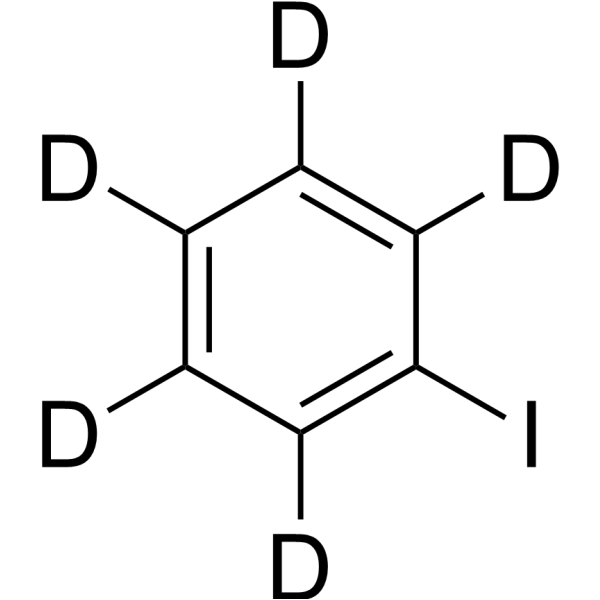 0 ImagesIodobenzene-d5 is the deuterium labeled 1-Iodobenzene. Iodobenzene can undergo Ullmann coupling reaction on copper catalyst to generate biphenyl. Iodobenzene can undergo Suzuki reaction with phenylboronic acid to generate biphenyl.
-
ATP-13C2 dilithium
 0 ImagesCat. No.: HY-B2176S7Synonyms: Adenosine 5'-triphosphate-13C2 dilithiumATP-13C2 (Adenosine 5'-triphosphate-ATP-13C2) dilithium is the 13C2-labeled ATP (HY-B2176). ATP is a central component of energy storage and metabolism in vivo. ATP provides the metabolic energy to drive metabolic pumps and serves as a coenzyme in cells. ATP is an important endogenous signaling molecule in immunity and inflammation. ATP can activate the NLRP3 inflammasome and induce IL-1β and chemokines secretion. ATP has anti-bacterial infection effects and can protect mice against bacterial infection in mice.
-
Elemicin-d3
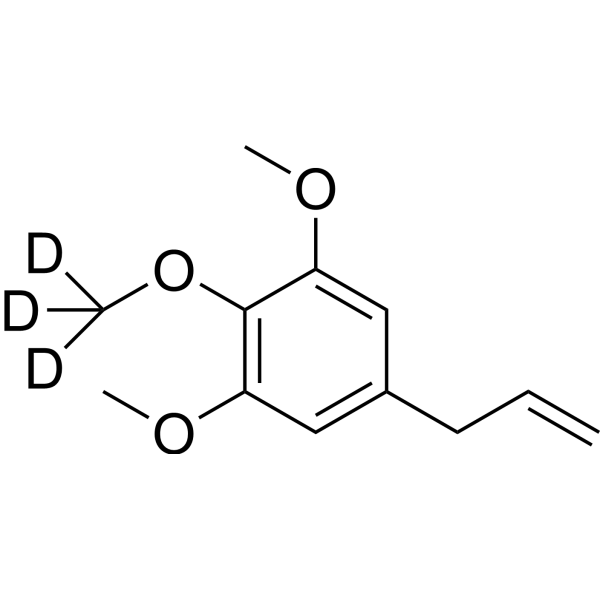 0 ImagesElemicin-d3 is deuterated labeled Pemafibrate (HY-17618). Pemafibrate is a highly selective PPARα agonist, with an EC50 of 1 nM.
-
L-Tyrosine-17O
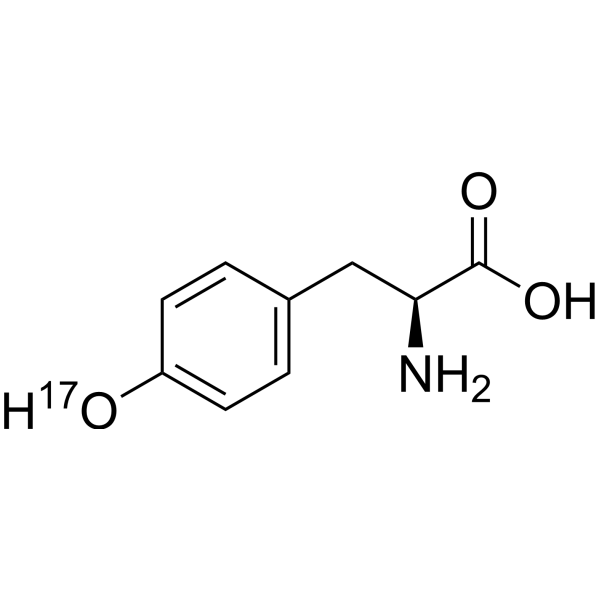 0 ImagesL-Tyrosine-17O is the 17O-labeled L-Tyrosine. L-Tyrosine is a non-essential amino acid which can inhibit citrate synthase activity in the posterior cortex.
-
Aztreonam-d6
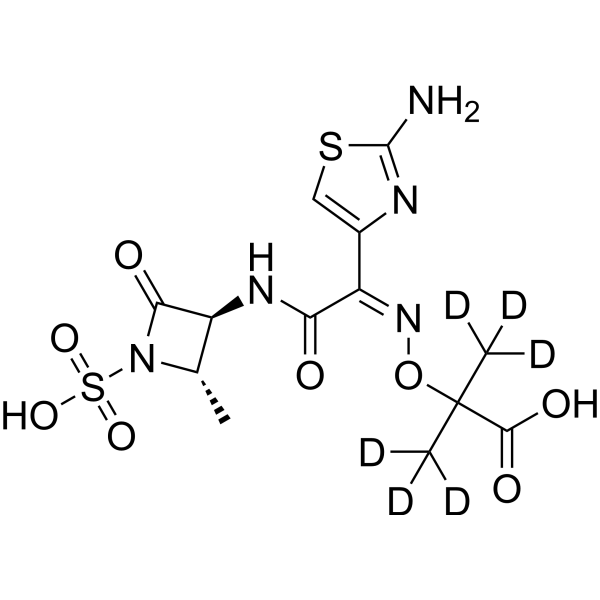 0 ImagesSynonyms: SQ-26,776-d6Aztreonam-d6 is deuterium labeled Aztreonam. Aztreonam (SQ-26,776) is a synthetic monocyclic beta-lactam antibiotic, which has a very high affinity for penicillin-binding protein 3 (PBP-3).
-
3-Indoleacetic acid-d4
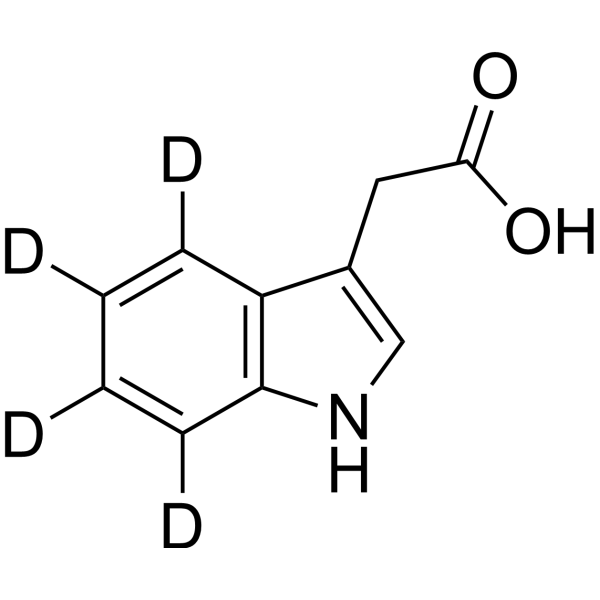 0 ImagesCat. No.: HY-18569S1CAS No.: 76937-77-4Synonyms: Indole-3-acetic acid-d4; 3-IAA-d43-Indoleacetic acid-d4 (Indole-3-acetic acid-d4) is the deuterated-labeled 3-Indoleacetic acid (HY-18569). 3-Indoleacetic acid is is an IAA hormone and growth regulator that can promote plant nutritional growth through processes such as cell expansion, differentiation, morphogenesis, and organogenesis.
-
Benzyl alcohol-d5
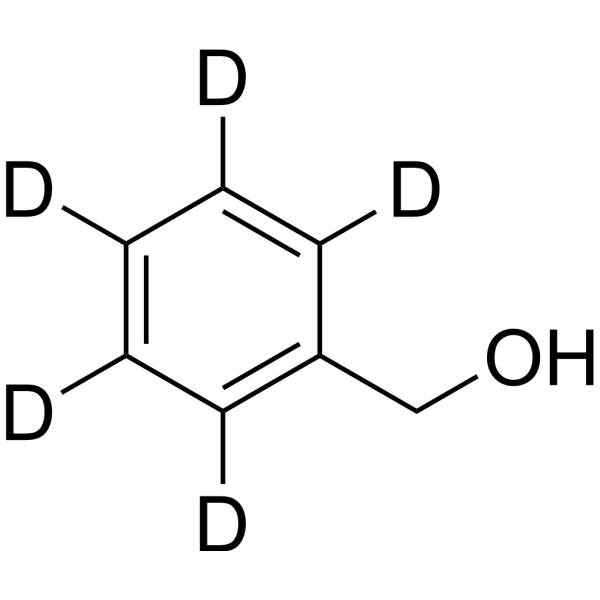 0 ImagesSynonyms: Benzenemethanol-d5Benzyl alcohol-d5 is the deuterium labeled Benzyl alcohol. Benzyl alcohol is an aromatic alcohol; a colorless liquid with a mild pleasant aromatic odor.
-
Suberic acid-d4
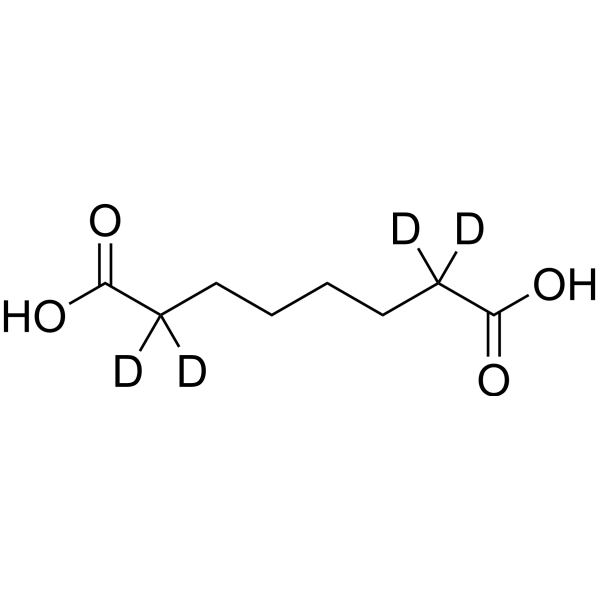 0 ImagesSynonyms: Octanedioic acid-d4Suberic acid-d4 (Octanedioic acid-d4) is the deuterated-labeled Suberic acid (HY-W015300). Suberic acid (Octanedioic acid) is an orally active crystalline dibasic acid. Suberic acid activates the Akt signaling pathway and regulates the expression of molecules related to the TGF-β and MAPK signaling pathways. Suberic acid inhibits skin dryness.



