



Isotope-Labeled Compounds
Isotope-labeled compounds are chemical substances in which some atoms in their molecules are replaced by isotope atoms. The range of stable isotope products can cover from gases to complex molecules. Isotope-labeled compounds could provide a site-specific investigation of structures, making molecules easily detectable by mass spectrometry and NMR, and maintaining the physico-chemical properties of the target molecule at the same time.
MCE isotope-labeled compounds are all stable isotope-labeled compounds and are non-radioactive labeled substances. MCE isotope-labeled compounds are unique tools for identifying and understanding biological and chemical processes. Stable isotope-labeled products are now getting more and more popular among scientists. The scope of application is gradually penetrating into various scientific fields, such as life sciences, food and medicine, agriculture, environment, geology, etc. Stable isotope-labeled compounds have a wide range of applications in the Life Science areas, such as Metabolomics, Proteomics, Clinical studies, Deuterium drugs, etc.
All Product Categories
-
Isotope-Labeled Compounds Related Products (11097)
Related Products (11097)

-
Tridecanoic acid-d25
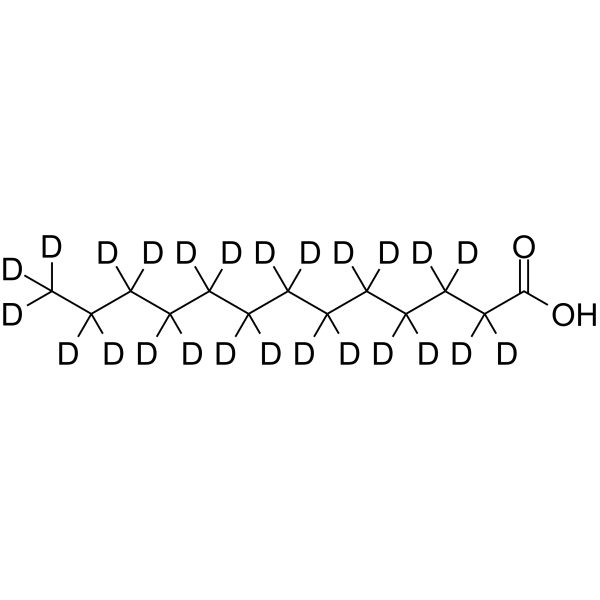 0 ImagesSynonyms: N-Tridecanoic acid-d25Tridecanoic acid-d25 is the deuterium labeled Tridecanoic acid. Tridecanoic acid (N-Tridecanoic acid), a 13-carbon medium-chain saturated fatty acid, can serve as an antipersister and antibiofilm agent that may be applied to research bacterial infections. Tridecanoic acid inhibits Escherichia coli persistence and biofilm formation.
-
(Z)-Indirubin-d4
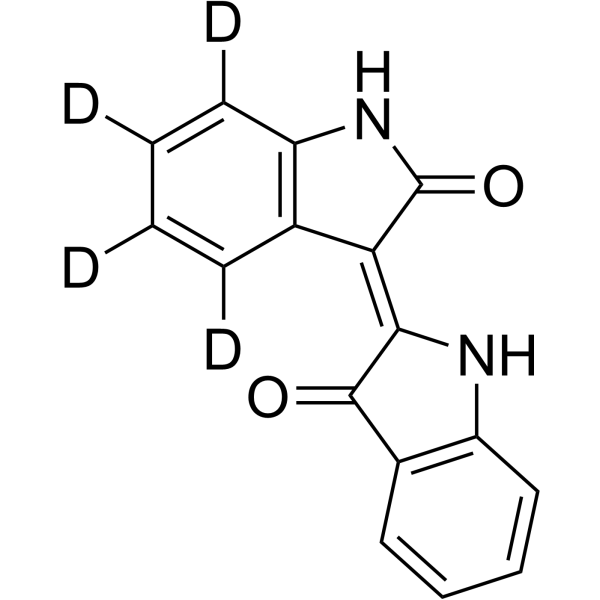 0 ImagesCat. No.: HY-N0117ASPurity: 99.33%(Z)-Indirubin-d4 is the deuterium labeled (Z)-Indirubin.
-
ATP-d14 dilithium
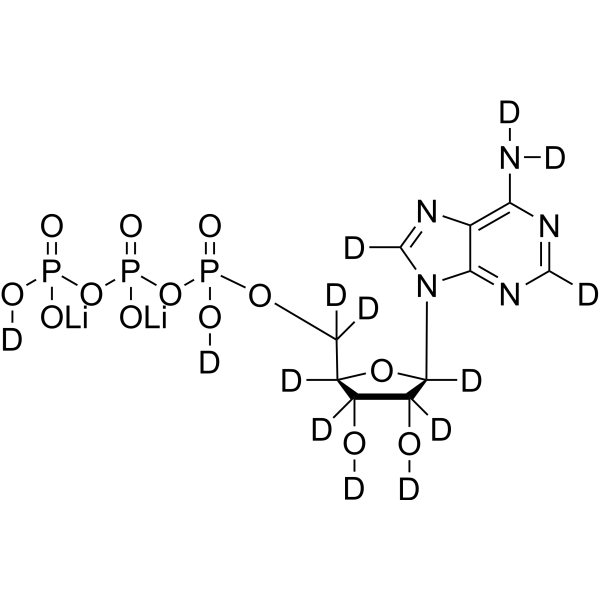 0 ImagesCat. No.: HY-B2176S4Purity: 99.98%Synonyms: Adenosine 5'-triphosphate-d14 dilithiumATP-d14 (Adenosine 5'-triphosphate-ATP-d14) dilithium is the d14-labeled ATP (HY-B2176). ATP is a central component of energy storage and metabolism in vivo. ATP provides the metabolic energy to drive metabolic pumps and serves as a coenzyme in cells. ATP is an important endogenous signaling molecule in immunity and inflammation. ATP can activate the NLRP3 inflammasome and induce IL-1β and chemokines secretion. ATP has anti-bacterial infection effects and can protect mice against bacterial infection in mice.
-
L-Aspartic acid-1,4-13C2
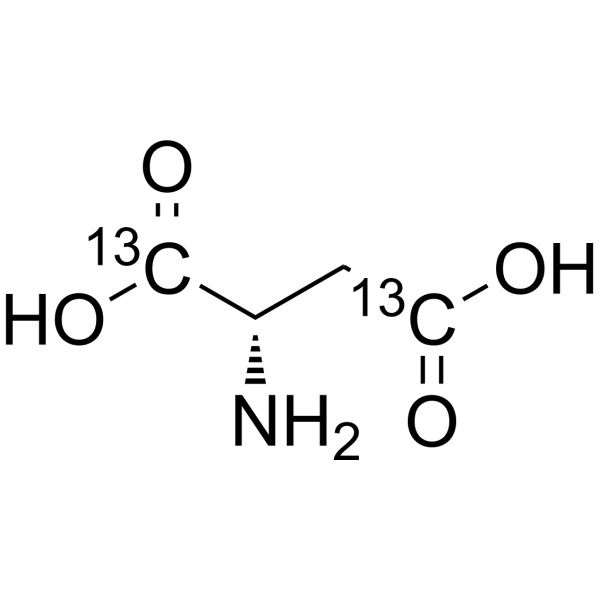 0 ImagesL-Aspartic acid-1,4-13C2 is the 13C-labeled L-Aspartic acid (HY-N0666). L-Aspartic acid is a NMDA receptor agonist and acidic amino acid. L-Aspartic acid has no independent analgesic activity. L-Aspartic acid can antagonize the analgesic effects of D-Aspartic acid and Morphine. L-Aspartic acid regulates polymorph transformation, crystal growth/aggregation and nucleation processes of calcium carbonate, and can serve as a biomineralization template. L-Aspartic acid promotes burst firing of central neurons. L-Aspartic acid can be used in studies related to cerebral ischemia and epilepsy.
-
Pyrazinamide-d3
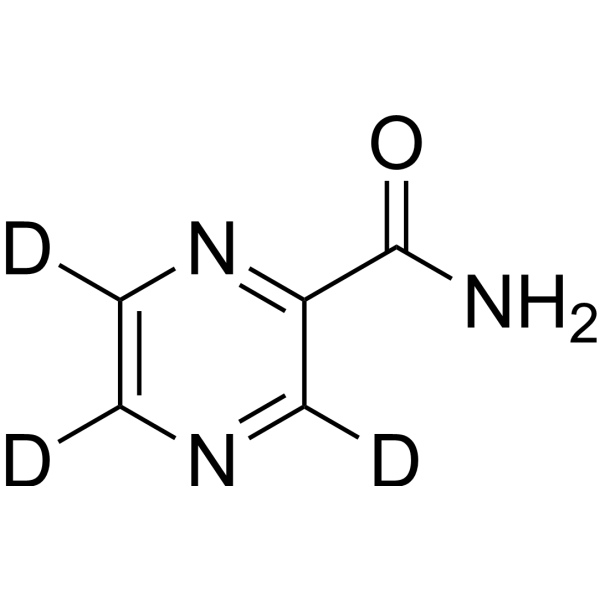 0 ImagesSynonyms: Pyrazinecarboxamide-d3; Pyrazinoic acid amide-d3Pyrazinamide-d3 is deuterium labeled Pyrazinamide. Pyrazinamide (Pyrazinecarboxamide; Pyrazinoic acid amide) is a potent and orally active antitubercular antibiotic. Pyrazinamide is a proagent that is converted to the active form pyrazinoic acid (POA) by PZase/nicotinamidase encoded by the pncA gene in M. tuberculosis.
-
Carbamazepine-d4
 0 ImagesCat. No.: HY-B0246S4Purity: 99.72%Synonyms: CBZ-d4; NSC 169864-d4Carbamazepine-d4 (CBZ-d4) is the deuterium labeled Carbamazepine (HY-B0246). Carbamazepine is an orally active pressure-sensitive sodium ion channel blocker with an IC50 of 131 μM. Carbamazepine blocks voltage gated Na+, Ca2+, and K+ channels, and is also a HDAC inhibitor (IC50: 2 μM). Carbamazepine is an anticonvulsant and can be used for research of epilepsy and neuropathic pain.
-
L-Glutamic acid-13C5,15N,d5
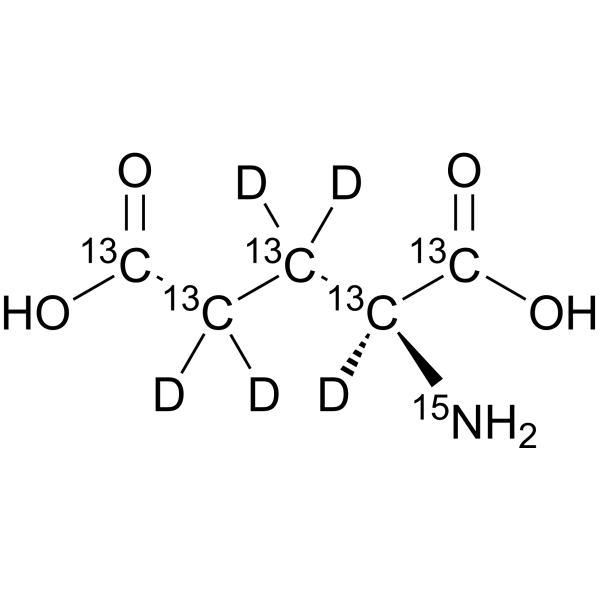 0 ImagesL-Glutamic acid-13C5,15N,d5 is the deuterium, 13C-, and 15-labeled L-Glutamic acid. L-Glutamic acid acts as an excitatory transmitter and an agonist at all subtypes of glutamate receptors (metabotropic, kainate, NMDA, and AMPA). L-Glutamic acid shows a direct activating effect on the release of DA from dopaminergic terminals.
-
L-Glutamine-13C5,15N2,d5
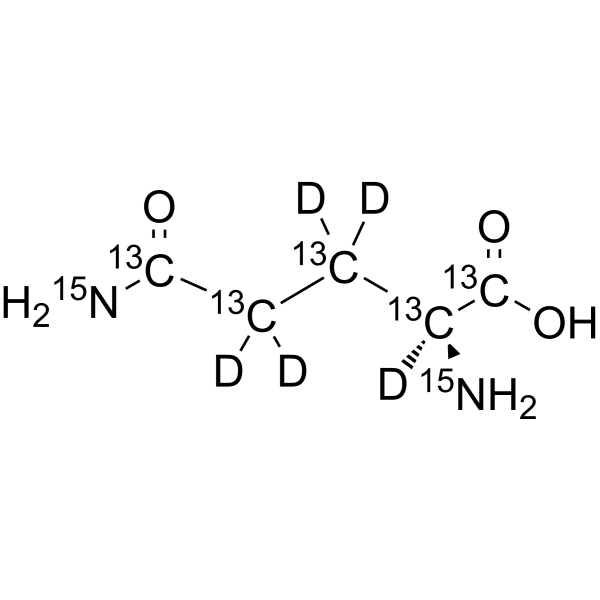 0 ImagesSynonyms: L-Glutamic acid 5-amide-13C5,15N2,d5L-Glutamine-13C5,15N2,d5 is the deuterium, 13C-, and 15N-labeled L-Glutamine (HY-N0390). L-Glutamine is an orally active nutritional agent and cellular metabolism regulator. L-Glutamine is taken up in a Na+-dependent manner and targets multiple key molecules including glutaminase, mTORC1, NF-κB, STAT-3 and HIF-1α. L-Glutamine enhances glutaminolytic catabolism, drives the conversion of glutamate to α-ketoglutarate, thereby regulating gene expression, integrating metabolic signals, mediating glutamine flux and maintaining redox homeostasis. L-Glutamine also promotes cell proliferation, osteogenic differentiation and fracture healing, exerts neuroprotective and cardioprotective effects, and inhibits osteoarthritis. L-Glutamine can be applied to research related to osteoporosis, osteoarthritis, ischemic stroke and acute cantharidin-induced cardiotoxicity.
-
D-Mannitol-13C
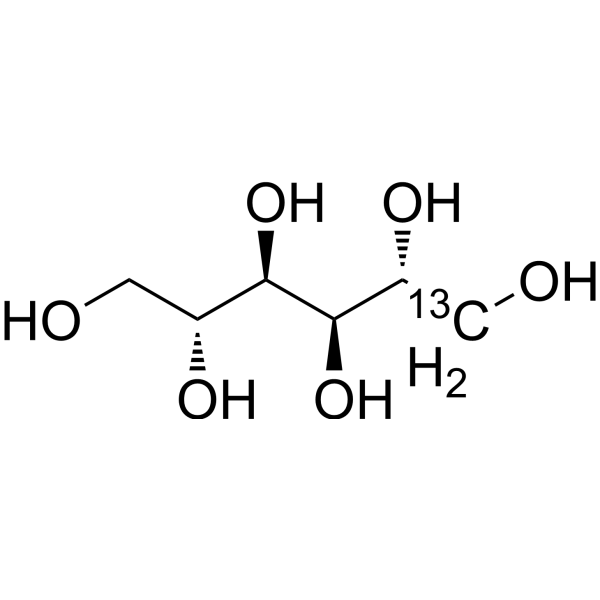 0 ImagesSynonyms: Mannitol-13C; Mannite-13CD-Mannitol-13C is the 13C labeled D-Mannitol (HY-N0378). D-Mannitol (Mannitol) is an oral, resistant sugar widely used in the food and pharmaceutical industries to promote the absorption and retention of calcium and magnesium through cecal fermentation, while acting as a osmotic diuretic to reduce tissue edema. D-Mannitol can enhance brown fat formation, improve insulin effect, reduce blood sugar levels, And through the start the β3-adrenergic receptor (β3-AR), PGC1α and PKA induced by means of white fat cells into brown fat cells. D-Mannitol is commonly used to maintain osmotic pressure between the plant cytoplasm and the culture medium and protect cells when the cell wall is weakened or even removed.
-
Salbutamol-d3
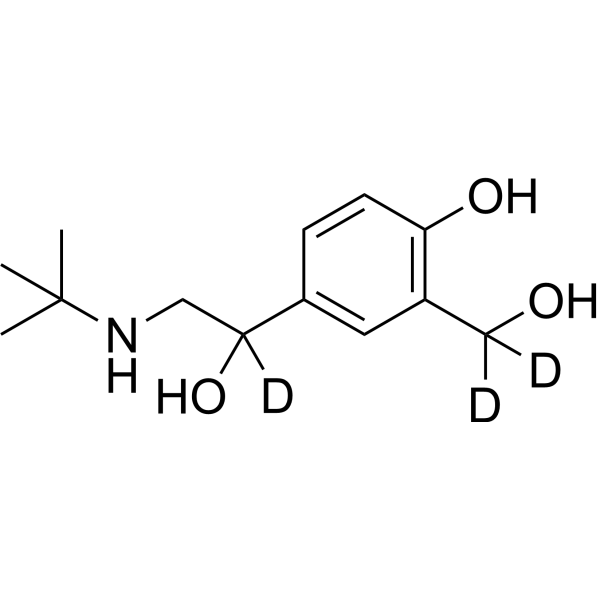 0 ImagesSynonyms: Albuterol-d3; AH-3365-d3Salbutamol-d3 (Albuterol-d3) is the deuterium labeled Salbutamol (HY-B1037). Salbutamol (Albuterol) is an orally active short-acting β2-adrenergic receptor agonist. Salbutamol promotes tumorigenesis in gastric cancer cells through the β2-AR/ERK/EMT pathway. Salbutamol can relax bronchial smooth muscle and is used to study bronchospasm induced by asthma and chronic obstructive pulmonary disease.
-
Cobimetinib-d4 hydrochloride
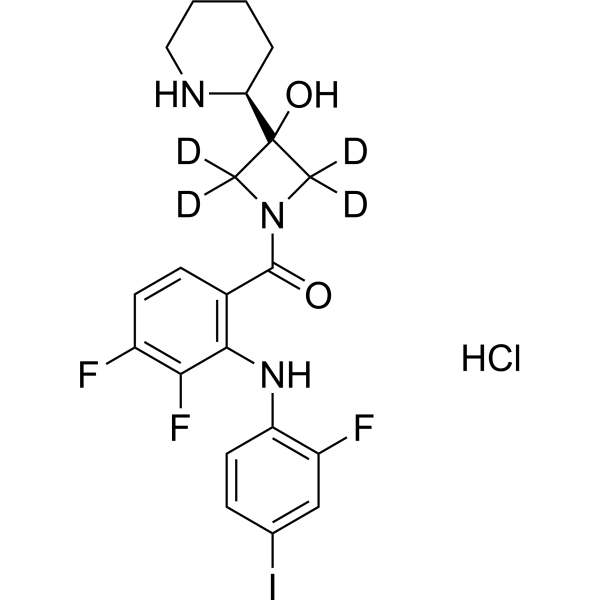 0 ImagesCat. No.: HY-13064S1Purity: 99.26%Synonyms: GDC-0973-d4hydrochloride; XL518-d4 hydrochlorideCobimetinib-d4 hydrochloride is deuterated labeled Cobimetinib (HY-13064). Cobimetinib (GDC-0973, RG7420) is a potent, selective and oral MEK1 inhibitor with an IC50 of 4.2 nM for MEK1.
-
Glutarylcarnitine-d9 chloride
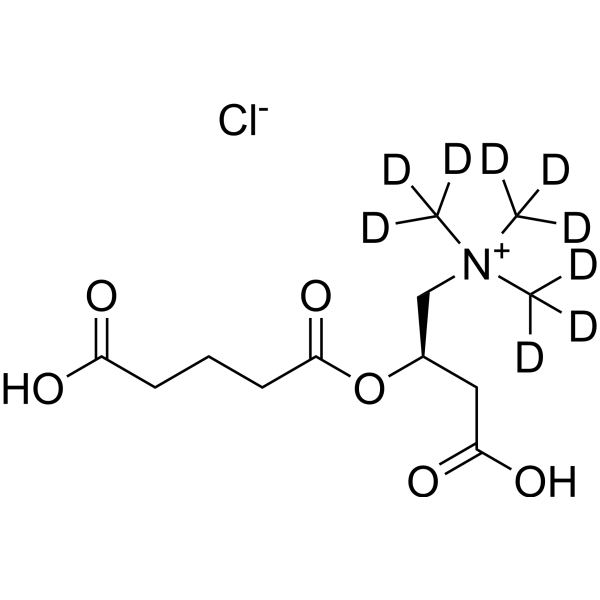 0 ImagesCat. No.: HY-113005SPurity: 98.0%Glutarylcarnitine-d9 (chloride) is the deuterium labeled Glutarylcarnitine chloride. Glutarylcarnitine is the diagnostic metabolite for malonic aciduria and glutaric aciduria type I monitored in most tandem mass spectrometry newborn screening programmes.
-
Bis(2-chloroethyl) phosphate-d8
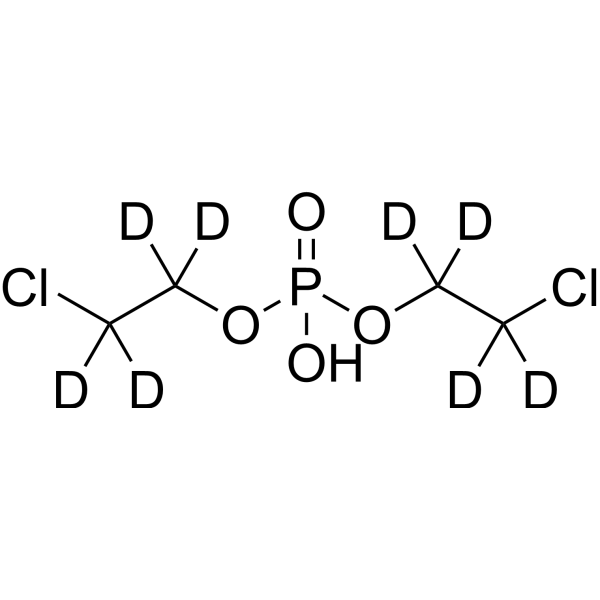 0 ImagesBis(2-chloroethyl) phosphate-d8 is a deuterium labeled compound.
-
Vitamin K1-d7
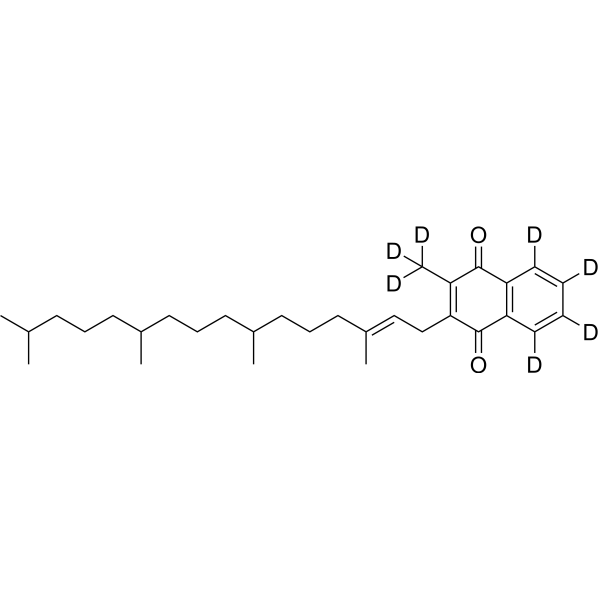 0 ImagesSynonyms: Phylloquinone-d7; Phytomenadione-d7Vitamin K1-d7 is the deuterium labeled Vitamin K1. Vitamin K1 a naturally occurring vitamin required for blood coagulation and bone and vascular metabolism.
-
L-Hexanoylcarnitine-d3 chloride
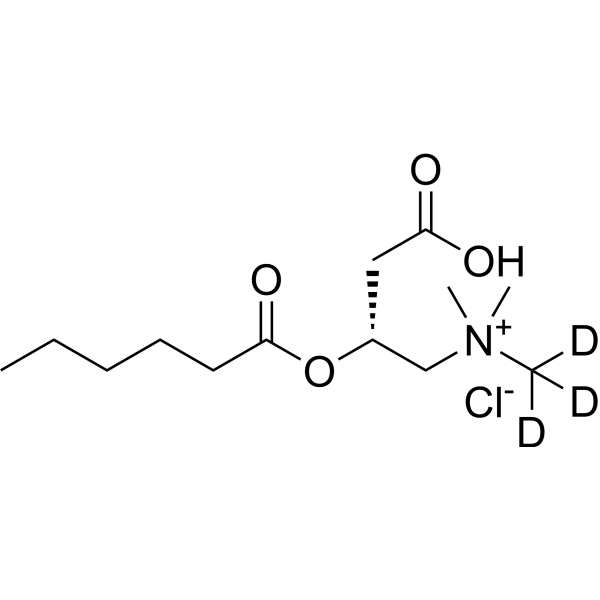 0 ImagesL-Hexanoylcarnitine-d3 chloride is the deuterium labeled L-Hexanoylcarnitine chloride. L-Hexanoylcarnitine chloride is an acylcarnitine and also a urinary biomarker for hyperlipidemia. The expression of L-Hexanoylcarnitine chloride is upregulated in colorectal cancer cells, which is associated with metabolic pathways related to cell growth and proliferation. L-Hexanoylcarnitine chloride can be used in studies related to hyperlipidemia and stage B colorectal cancer.
-
5α-Cholestan-3β-ol-d5
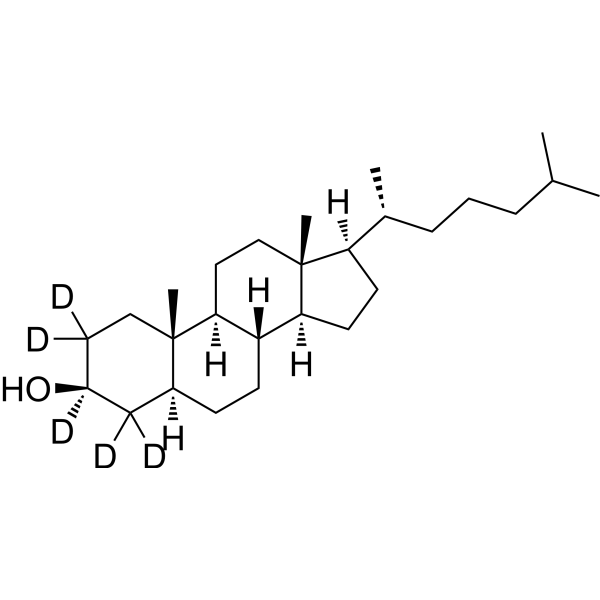 0 ImagesSynonyms: Dihydrocholesterol-d5; 5α-Cholestanol-d5; NSC 18188-d55α-Cholestan-3β-ol-d5 is the deuterium labeled 5α-Cholestan-3β-ol. 5α-Cholestan-3β-ol is a derivitized steroid compound.
-
Lauroyl-L-carnitine-d9 chloride
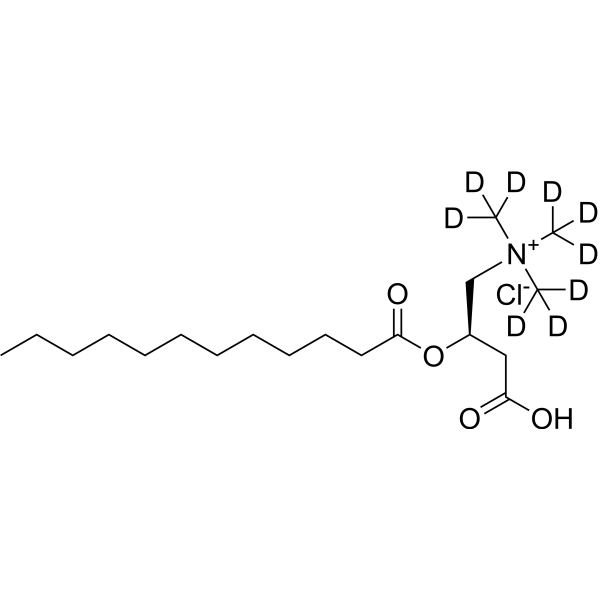 0 ImagesLauroyl-L-carnitine-d9 chloride is the deuterium labeled Lauroyl-L-carnitine chloride (HY-130321). Lauroyl-L-carnitine chloride is an orally active metabolite. Lauroyl-L-carnitine chloride significantly reverses the decrease in its target gene IL-10. Lauroyl-L-carnitine chloride alleviates Crohn' s-like colitis.
-
Ambroxol-d5 hydrochloride
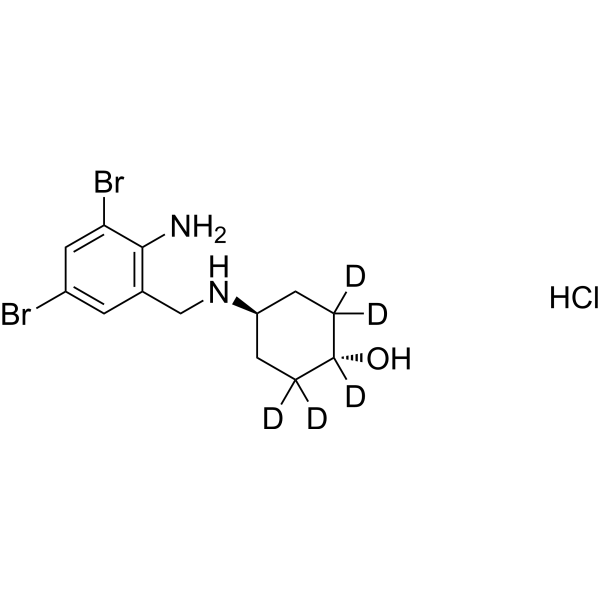 0 ImagesSynonyms: NA-872-d5 hydrochlorideAmbroxol-d5 (hydrochloride) is the deuterium labeled Ambroxol hydrochloride. Ambroxol hydrochloride (NA-872 hydrochloride), an active metabolite of the proagent Bromhexine, has potent expectorant effects. Ambroxol hydrochloride is a glucocerebrosidase (GCase) chaperone and increases glucocerebrosidase activity. Ambroxol hydrochloride induces lung autophagy and has the potential for Parkinson disease and neuronopathic Gaucher disease research.
-
L-Ornithine-d2 hydrochloride
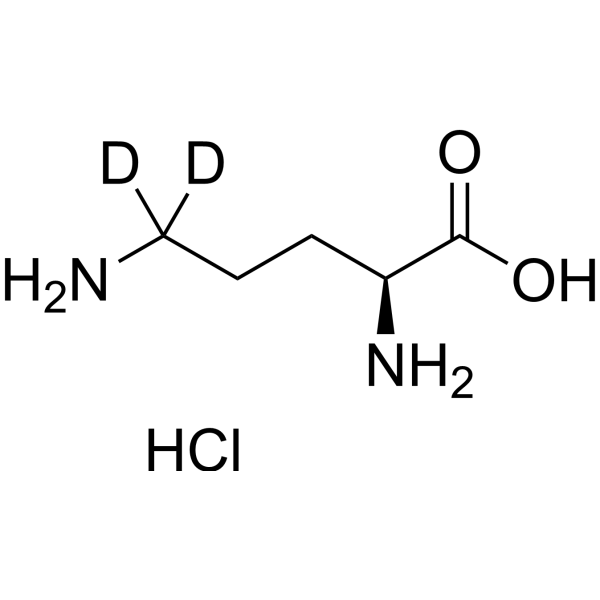 0 ImagesL-Ornithine-d2 hydrochloride is the d2-labeled L-Ornithine hydrochloride (HY-W017018). L-Ornithine hydrochloride is an orally active CaSR and p38 activator. L-Ornithine hydrochloride inhibits ROS and supports urea cycle function. L-Ornithine hydrochloride can be used to study kidney diseases involving proximal tubular cell damage caused by oxidative stress or crystallopathy, as well as research related to anxiety disorders.
-
Benzyl salicylate-d4
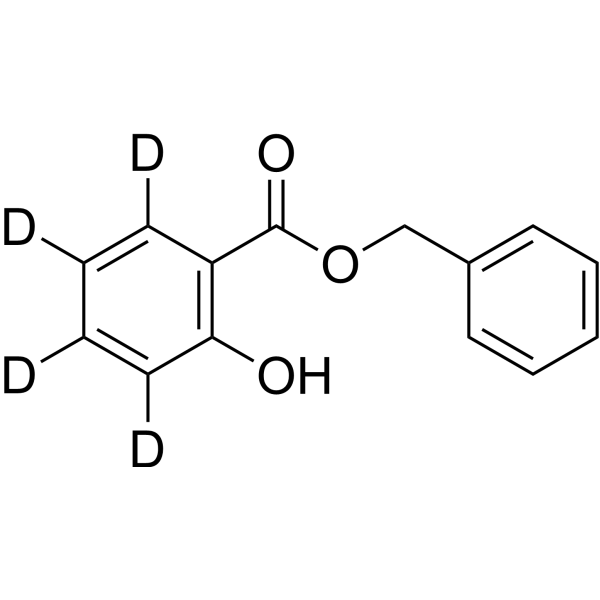 0 ImagesSynonyms: NSC 6647-d4Benzyl salicylate-d4 (NSC 6647-d4) is the deuterium labeled Benzyl salicylate (HY-B1556). Benzyl salicylate (NSC 6647)?is a salicylic acid benzyl ester. It can be used as a fragrance additive or UV light absorber.



