



CCT128930
Based on 7 publication(s) in Google Scholar
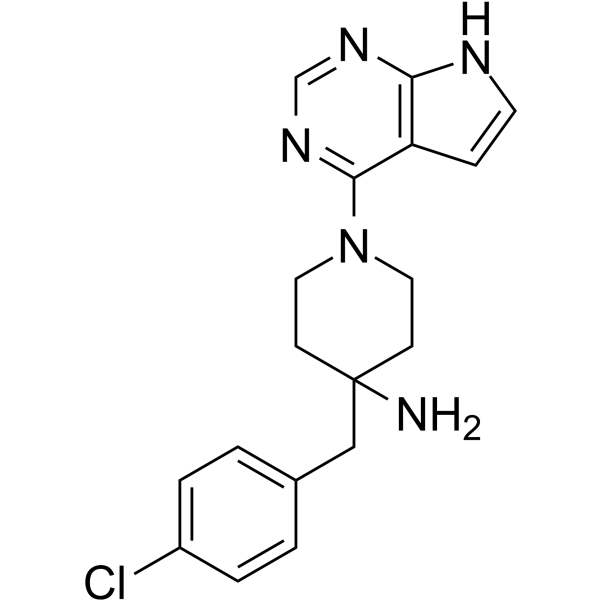
CCT128930 is a ATP-competitive and selective inhibitor of AKT (IC50=6 nM for AKT2). CCT128930 has 28-fold selectivity over the closely related PKA kinase (IC50=168 nM) through the targeting of Met282 of AKT (Met173 of PKA-AKT chimera), as well as 20-fold selectivity over p70S6K (IC50=120 nM). Antitumor activity.
Nur für Forschungszwecke. Wir verkaufen nicht an Patienten.
- Reinheit : 98.95%
- CAS. Nr.: 885499-61-6
- Formel: C18H20ClN5
- Molecular Weight:341.84
-
Speicherung:Powder -20°C, 3 years , 4°C, 2 years ; In solvent -80°C, 2 years , -20°C, 1 year

To place orders, for customer services and technical support, please contact: MedChemExpress USA
Tel: 609-228-6898 E-mail: [email protected] [email protected]


-
 Biologische Aktivität
-
Chemical Information
-
Lösungsmittel & Löslichkeit
- Protokoll
- Reinheit & Dokumentation
- Verweise
-
 Help & FAQs


-
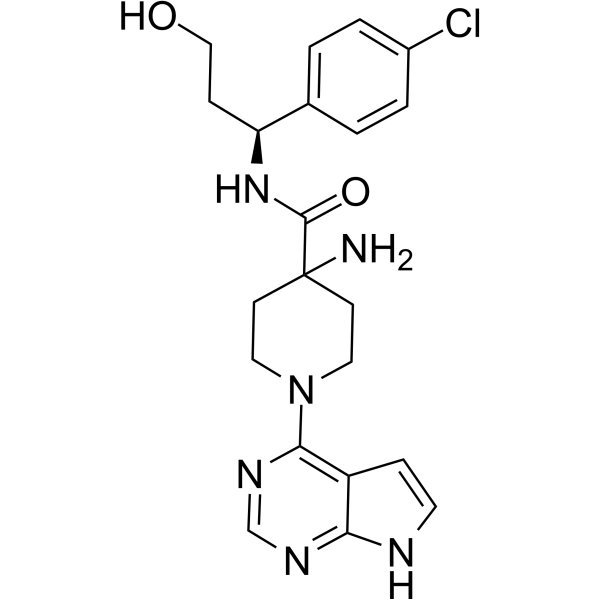
HY-15431
CapivasertibAkt Inhibitor -
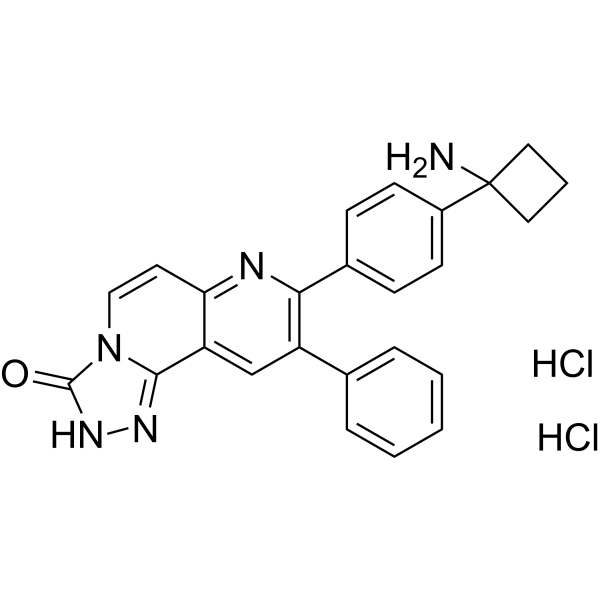
HY-10358
MK-2206 dihydrochlorideAllosteric Akt Inhibitor -
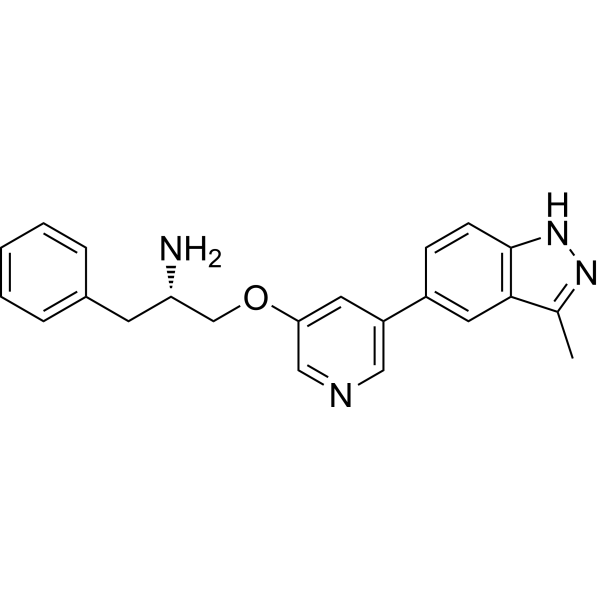
HY-13254
A-674563Akt1 Inhibitor -
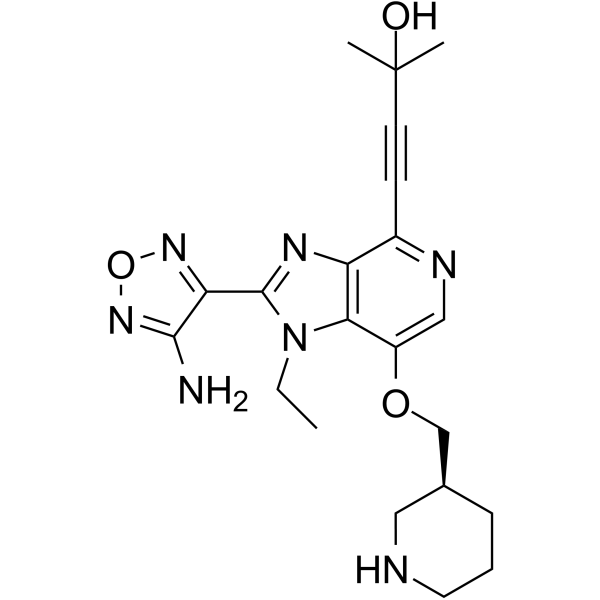
HY-10249
GSK-690693Akt Inhibitor -
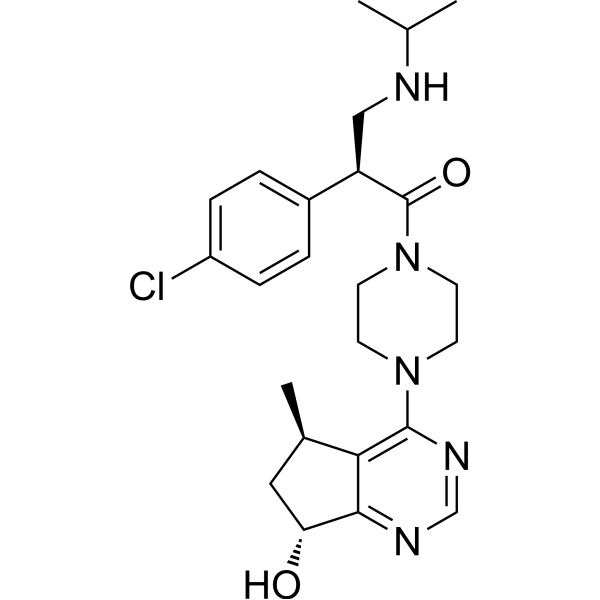
HY-15186
IpatasertibPan-Akt Inhibitor -
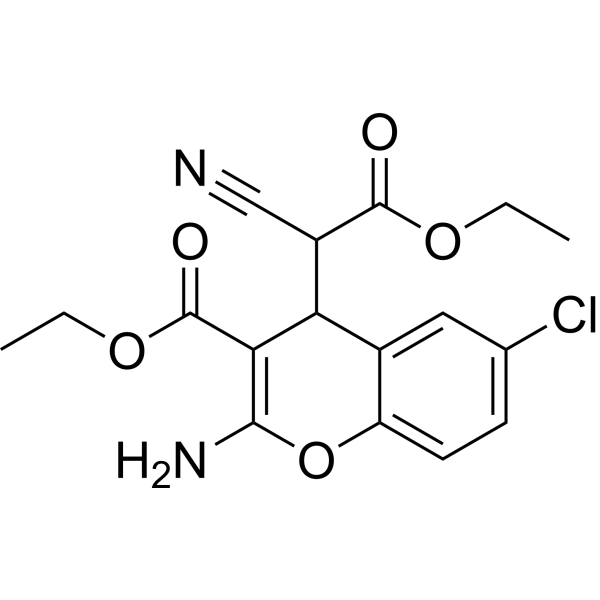
HY-18749
SC79Akt Activator -
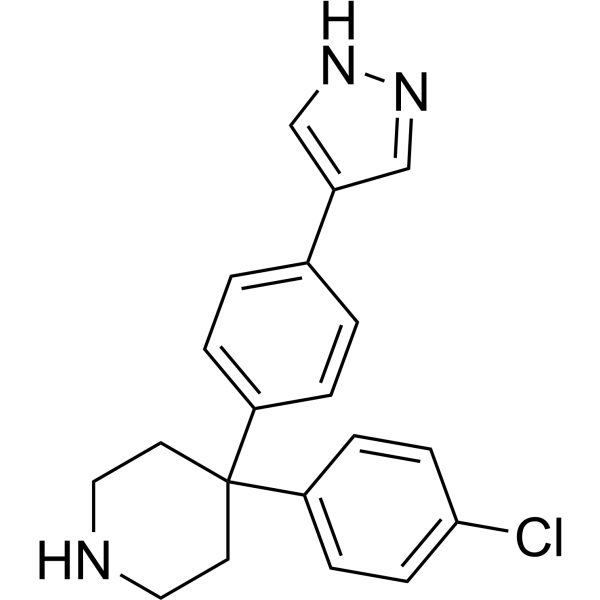
HY-12059
AT7867 -
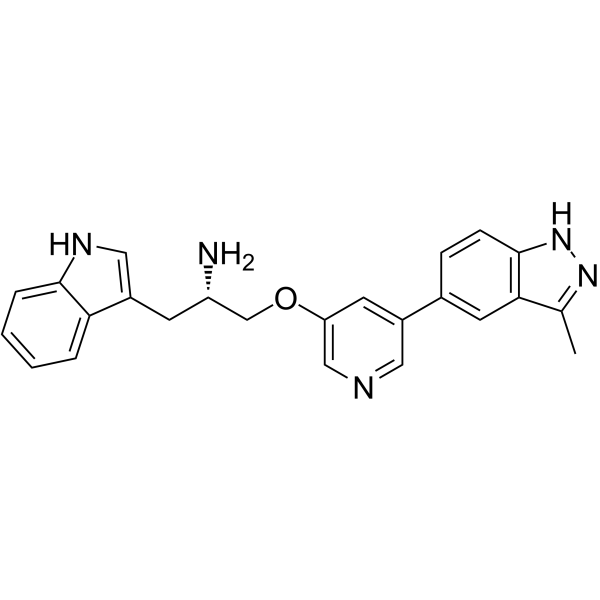
HY-10425
Rizavasertibpan-Akt Inhibitor -
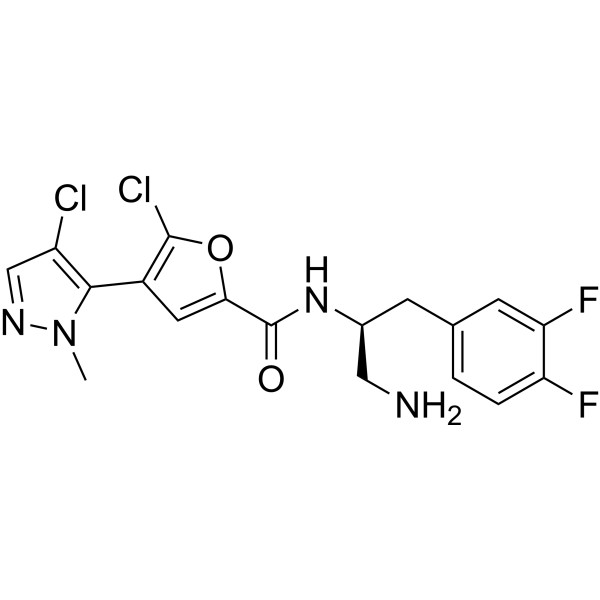
HY-15965
UprosertibAkt Inhibitor -
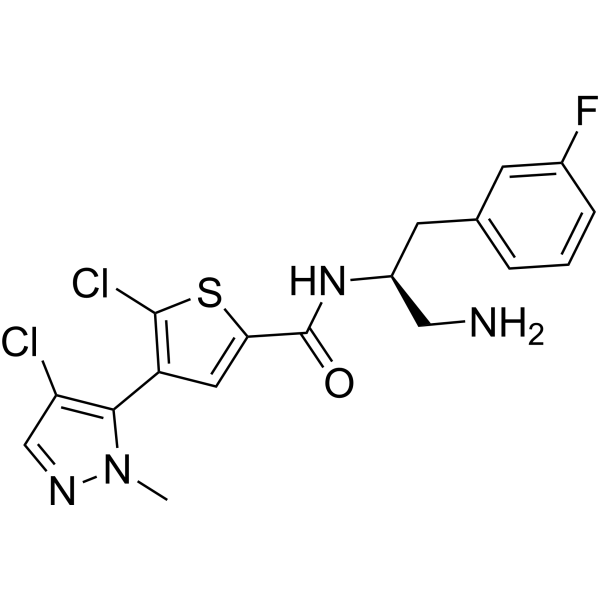
HY-15727
AfuresertibAkt Inhibitor -
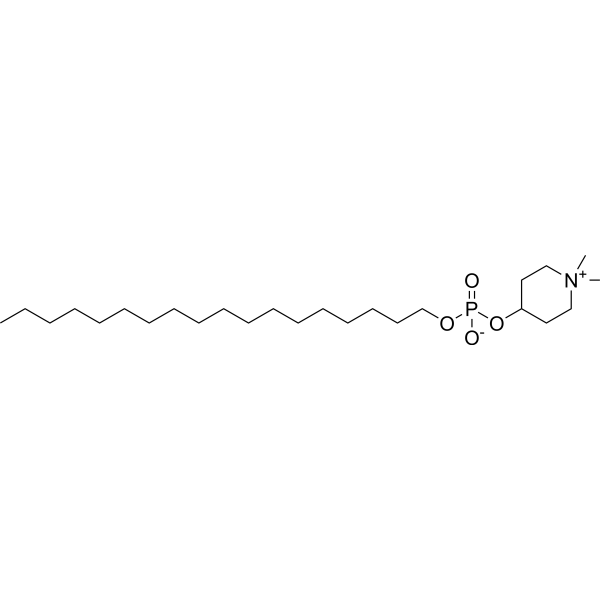
HY-50909
PerifosineAkt Inhibitor
Publications Citing Use of MedChemExpress (MCE) CCT128930
More- Cell Death Dis. 2026 Jun 3. [Abstract]
- J Transl Med. 2025 Dec 23;23(1):1412. [Abstract]
- Mol Cancer Ther. 2024 Oct 1;23(10):1404-1417. [Abstract]
- Biochem Biophys Res Commun. 2021 Jun 30:560:132-138. [Abstract]
- Patent. US20240066113A1.
- J Healthc Eng. 2022 Jan 5:2022:1473597. [Abstract]
- Oncotarget. 2016 May 17;7(20):29131-42. [Abstract]
 Customer Validation & Images

-
Bio/Physico-chemical Assay
-
Cell Proliferation/Viability Assay
-
WB
-
ELISA
-
IF


Biologische Aktivität
Beschreibung
IC50 & Target
[1]|
Akt2 6 nM (IC50) |
p70S6K 120 nM (IC50) |
PKA 168 nM (IC50) |
Autophagy |
Apoptosis |
Cellular Effect
|
Cell Line

|
Type | Value | Description | References |
|---|---|---|---|---|
| PC-3M | GI50 |
12 nM
Compound: 2, CCT128930
|
Antiproliferative activity against human PC3M cells after 96 hrs by SRB assay
Antiproliferative activity against human PC3M cells after 96 hrs by SRB assay
|
[PMID: 20151677] |
| PC-3M | IC50 |
0.66 μM
Compound: 25
|
Inhibition of PIK-PKB-mTOR pathway in human PC3M cells
Inhibition of PIK-PKB-mTOR pathway in human PC3M cells
|
[PMID: 18345609] |
| PC-3M | IC50 |
12 μM
Compound: 25
|
Growth inhibition of human PC3M cells by SRB assay
Growth inhibition of human PC3M cells by SRB assay
|
[PMID: 18345609] |
| U-87MG ATCC | GI50 |
5 nM
Compound: 2, CCT128930
|
Antiproliferative activity against human U87MG cells after 96 hrs by SRB assay
Antiproliferative activity against human U87MG cells after 96 hrs by SRB assay
|
[PMID: 20151677] |
| U-87MG ATCC | GI50 |
6.3 μM
Compound: 14; CCT128930
|
Antiproliferative activity against human U87MG cells after 96 hrs by SRB assay
Antiproliferative activity against human U87MG cells after 96 hrs by SRB assay
|
[PMID: 30583248] |
| U-87MG ATCC | IC50 |
0.66 nM
Compound: 2, CCT128930
|
Inhibition of PKB in human U87MG cells assessed as GSK3-beta phosphorylation by ELISA
Inhibition of PKB in human U87MG cells assessed as GSK3-beta phosphorylation by ELISA
|
[PMID: 20151677] |
| U-87MG ATCC | IC50 |
0.66 μM
Compound: 25
|
Inhibition of GSK3-beta in human U87MG cells by ELISA
Inhibition of GSK3-beta in human U87MG cells by ELISA
|
[PMID: 18345609] |
| U-87MG ATCC | IC50 |
0.66 μM
Compound: 25
|
Inhibition of PIK-PKB-mTOR pathway in human U87MG cells
Inhibition of PIK-PKB-mTOR pathway in human U87MG cells
|
[PMID: 18345609] |
| U-87MG ATCC | IC50 |
5 μM
Compound: 25
|
Growth inhibition of human U87MG cells by SRB assay
Growth inhibition of human U87MG cells by SRB assay
|
[PMID: 18345609] |
In Vitro
The GI50 values of CCT128930 for growth inhibition are 6.3 μM for U87MG human glioblastoma cells, 0.35 μM for LNCaP human prostate cancer cells, and 1.9 μM for PC3 human prostate cancer cells, all of which are PTEN-deficient human tumor cell lines[1].
CCT128930 (0.1-60 μM; 1 hour; U87MG human glioblastoma cells) shows an initial induction of AKT phosphorylation at serine 473 up to 20 μM, followed by a decreased in phosphorylation at higher concentrations[1].
CCT128930 inhibits direct substrates of AKT (Ser9 GSK3β, pThr246 PRAS40 and pT24 FOXO1/p32 FOXO3a) at ≥5 μM, and the downstream target, pSer235/236 S6RP at ≥ 10 μM, with generally constant levels of the respective total proteins and GAPDH[1].
CCT128930 (18.9 μM; U87MG human glioblastoma cells) causes an increase in phosphorylation of pSer473 AKT after 30 minutes, which is sustained for 48 hours. Total AKT protein signal decreases gradually from 8 hours to 48 hours of treatment[1].
CCT128930 (PTEN-null U87MG human glioblastoma cells; over a 24-hour time period) results in an increase in G0/G1 phase cells from 43.6% to 64.8% after 24 hours of treatment[1].
CCT128930 (0-10 μM; 24 hours) increases, but not inhibites, the phosphorylation of Akt in HepG2 and A549 cells. CCT128930 (0-20 μM; 24 hours) inhibits cell proliferation by inducing cell cycle arrest in G1 phase through downregulation of cyclinD1 and Cdc25A, and upregulation of p21, p27 and p53. CCT128930 (20 μM) triggers cell apoptosis with activation of caspase-3, caspase-9, and PARP. CCT128930 (0-20 μM; 24 hours) increases phosphorylation of ERK and JNK in HepG2 cells. CCT128930 (0-20 μM; 24 hours) activates DNA damage response of HepG2 cell characterized by phosphorylation of H2AX, ATM (ataxia-telangiectasia mutated), Chk1 and Chk2[2].
MedChemExpress (MCE) has not independently confirmed the accuracy of these methods. They are for reference only.
In Vivo
Summary of the pharmacokinetic parameters of CCT128930 (25 mg/kg) in CrTacNCr-Fox1nu mice[1]
| Tissue | Route | T1/2 (h) |
Tmax (h) |
Cmax (μM) |
Vss (L) |
Cl (L/h) |
AUC0-∞ (µMh) |
Bioavailability (%) |
| Plasma | i.v. | 0.95 | 0.083 | 6.36 | 0.25 | 0.325 | 4.62 | 100 |
| Plasma | i.p. | 2.33 | 0.5 | 1.28 | N/A | 0.372 | 1.33 | 28.8 |
| Tumor | i.p. | 3.89 | 1 | 8.02 | N/A | 0.06* | 25.8 | N/A |
| Plasma | p.o. | 0.57 | 0.5 | 0.432 | N/A | 0.317 | 0.392 | 8.5 |
*Apparent clearance.
MedChemExpress (MCE) has not independently confirmed the accuracy of these methods. They are for reference only.
-
Animal Model:6-8 weeks old female CrTacNCr-Fox1nu mice[1]
-
Dosage:25 mg/kg (U87MG human glioblastoma xenografts) or 40 mg/kg (BT474 human breast cancer xenografts)
-
Administration:i.p. daily for 5 days (U87MG human glioblastoma xenografts); i.p. twice daily for 5 days (BT474 human breast cancer xenografts)
-
Result:Giving a treated:control (T/C) ratio on day 12 of 48%. There was no weight loss associated with this regime in U87MG human glioblastoma xenografts.
Had a profound antitumor effect with complete growth arrest and a T/C ratio of 29% on day 22. This regimen was associated with minimal weight loss, with a nadir of only 94.8% of the initial body weight on day 15 of treatment in BT474 human breast cancer xenografts.


Chemical Information
-
CAS. Nr. 885499-61-6
-
Appearance Solid
-
Molecular Weight 341.84
-
Formel C18H20ClN5
-
Color Off-white to yellow
-
SMILES
ClC1=CC=C(C=C1)CC2(CCN(CC2)C3=NC=NC4=C3C=CN4)N
-
Versand
Room temperature in continental US; may vary elsewhere.
-
Speicherung
Powder -20°C 3 years 4°C 2 years In solvent -80°C 2 years -20°C 1 year


Publications (7)
-
Journal Impact Factor
-
Most Recent
-
Cell Death Dis
PEBP4 alleviates muscle wasting in lung cancer cachexia via KEAP1-NRF2-mediated redox homeostasis. [Abstract]2026 Jun 3. PMID: 42236665 -
J Transl Med
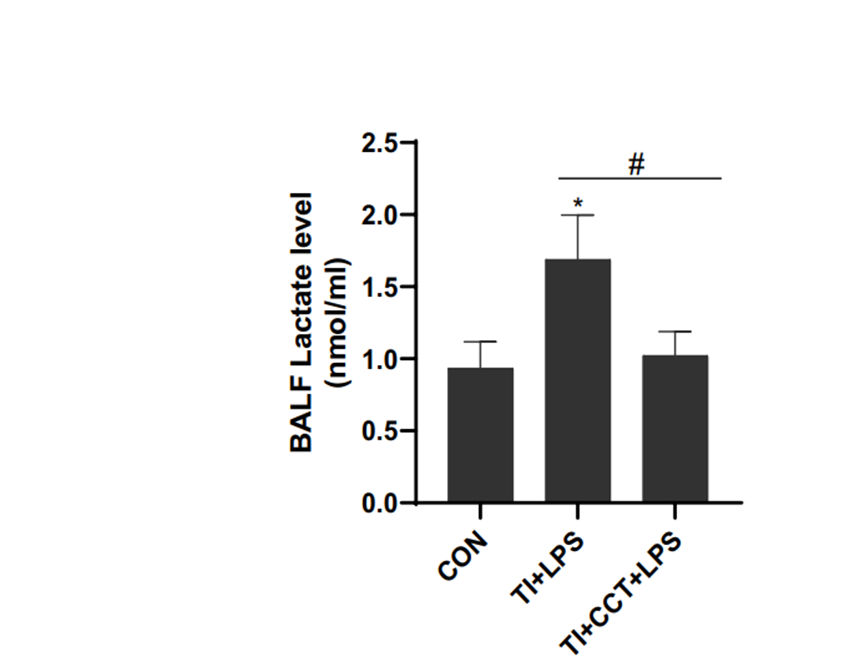
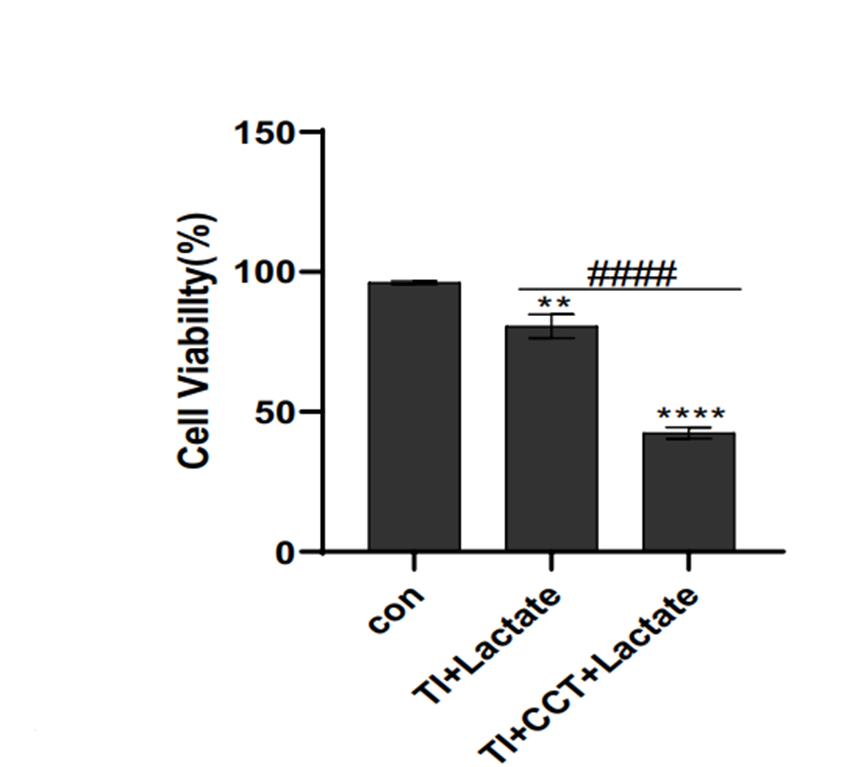
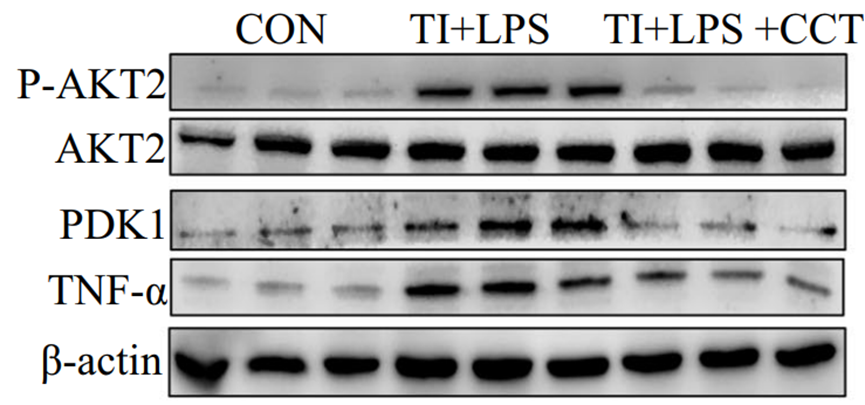
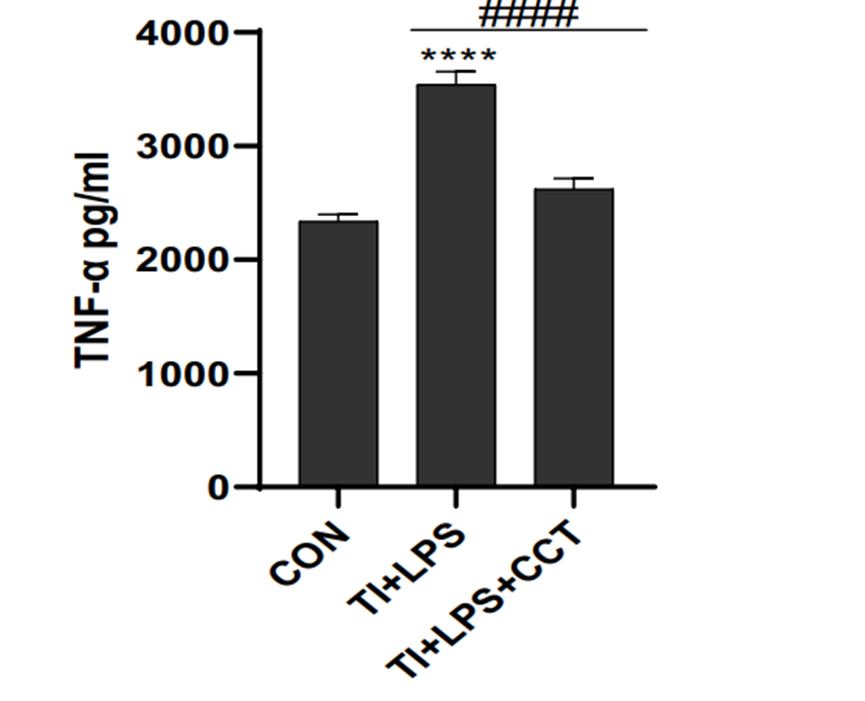
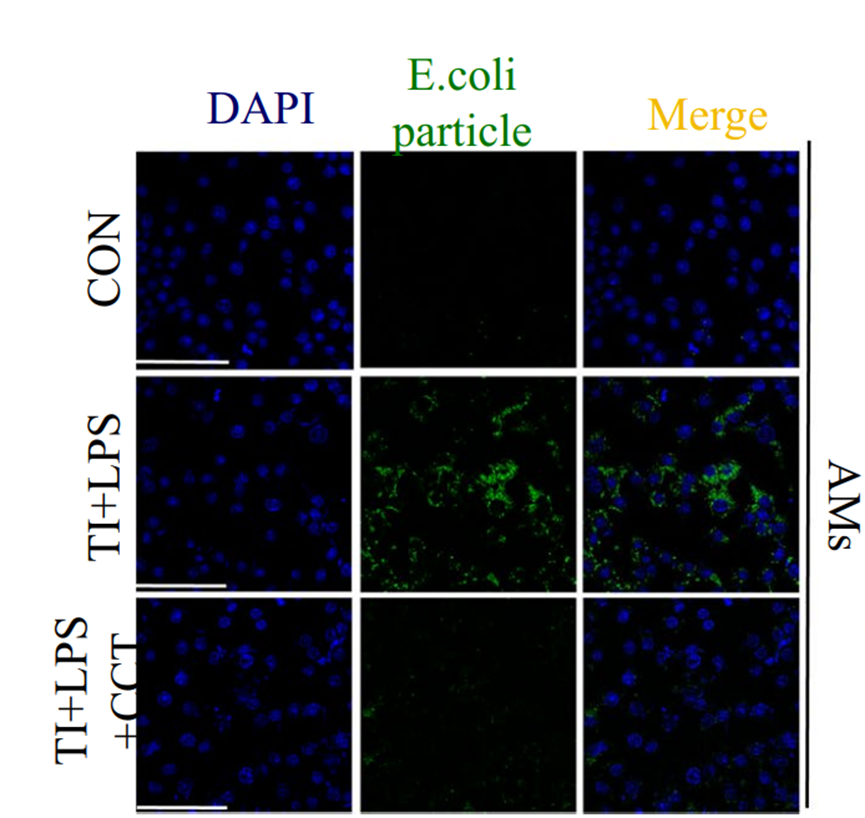
Trained immunity attenuated acute lung injury by activating alveolar macrophages via AKT2-PDK1 axis-mediated metabolic reprogramming. [Abstract]2025 Dec 23;23(1):1412. PMID: 41437043
CCT128930 purchased from MedChemExpress. Usage Cited in: J Transl Med. 2025 Dec 23;23(1):1412. [Abstract]
Lactate secretion levels were measured following CCT128930 (CCT) treatment and compared with the TI group.
CCT128930 purchased from MedChemExpress. Usage Cited in: J Transl Med. 2025 Dec 23;23(1):1412. [Abstract]
CCK-8 assay demonstrated reduced cellular lactate tolerance after CCT128930 (CCT) treatment.
CCT128930 purchased from MedChemExpress. Usage Cited in: J Transl Med. 2025 Dec 23;23(1):1412. [Abstract]
Western blot and QPCR analyses revealed decreased PDK1 and inflammatory marker expression after CCT128930 (CCT) treatment.
CCT128930 purchased from MedChemExpress. Usage Cited in: J Transl Med. 2025 Dec 23;23(1):1412. [Abstract]
TNF-α ELISA showed significant reduction after CCT128930 (CCT) treatment.
CCT128930 purchased from MedChemExpress. Usage Cited in: J Transl Med. 2025 Dec 23;23(1):1412. [Abstract]
CCT128930 (CCT) treatment impaired phagocytic capacity.
-
Mol Cancer Ther
AKT Inhibition Sensitizes to Polo-Like Kinase 1 Inhibitor Onvansertib in Prostate Cancer. [Abstract]2024 Oct 1;23(10):1404-1417. PMID: 38894678 -
Biochem Biophys Res Commun
2021 Jun 30:560:132-138. PMID: 33989904 -
-
J Healthc Eng
Study on Toll-Like Receptor 2-Mediated Inflammation-Induced Familial Hypertension Combined with Hyperlipemia and Its Mechanism. [Abstract]2022 Jan 5:2022:1473597. PMID: 35035808 -
Oncotarget
Dual inhibition of AKT/FLT3-ITD by A674563 overcomes FLT3 ligand-induced drug resistance in FLT3-ITD positive AML. [Abstract]2016 May 17;7(20):29131-42. PMID: 27074558


Lösungsmittel & Löslichkeit
In Vitro:
DMSO : 33.33 mg/mL (97.50 mM; ultrasonic and warming and heat to 60°C; Hygroscopic DMSO has a significant impact on the solubility of product, please use newly opened DMSO)
Please refer to the solubility information to select the appropriate solvent. Once prepared, please aliquot and store the solution to prevent product inactivation from repeated freeze-thaw cycles.
Storage method and period of stock solution: -80°C, 2 years; -20°C, 1 year. When stored at -80°C, please use it within 2 years. When stored at -20°C, please use it within 1 year.
Please refer to the solubility information to select the appropriate solvent. Once prepared, please aliquot and store the solution to prevent product inactivation from repeated freeze-thaw cycles.
Storage method and period of stock solution: -80°C, 2 years; -20°C, 1 year. When stored at -80°C, please use it within 2 years. When stored at -20°C, please use it within 1 year.
Konzentration (Stammlösung) × Volumen (Stammlösung) = Konzentration (Ziellösung) × Volumen (Ziellösung)
In Vivo:
Select the appropriate dissolution method based on your experimental animal and administration route.
- For the following dissolution methods, please ensure to first prepare a clear stock solution using an In Vitro approach and then sequentially add co-solvents:
- To ensure reliable experimental results, the clarified stock solution can be appropriately stored based on storage conditions. As for the working solution for In Vivo experiments, it is recommended to prepare freshly and use it on the same day.
- The percentages shown for the solvents indicate their volumetric ratio in the final prepared solution. If precipitation or phase separation occurs during preparation, heat and/or sonication can be used to aid dissolution.
Add each solvent one by one: 10% DMSO 40% PEG300 5% Tween-80 45% Saline
Solubility: ≥ 2.08 mg/mL (6.08 mM); Clear solution
This protocol yields a clear solution of ≥ 2.08 mg/mL (saturation unknown).
Taking 1 mL working solution as an example, add 100 μL DMSO stock solution (20.8 mg/mL) to 400 μL PEG300, and mix evenly; then add 50 μL Tween-80 and mix evenly; then add 450 μL Saline to adjust the volume to 1 mL.
Preparation of Saline: Dissolve 0.9 g sodium chloride in ddH₂O and dilute to 100 mL to obtain a clear Saline solution.
Add each solvent one by one: 10% DMSO 90% (20% SBE-β-CD in Saline)
Solubility: ≥ 2.08 mg/mL (6.08 mM); Clear solution
This protocol yields a clear solution of ≥ 2.08 mg/mL (saturation unknown).
Taking 1 mL working solution as an example, add 100 μL DMSO stock solution (20.8 mg/mL) to 900 μL 20% SBE-β-CD in Saline, and mix evenly.
Preparation of 20% SBE-β-CD in Saline (4°C, storage for one week): 2 g SBE-β-CD powder is dissolved in 10 mL Saline, completely dissolve until clear.
In Vivo Dissolution Calculator
Please enter the basic information of animal experiments:
-
-
-
-
Recommended: Prepare an additional quantity of animals to account for potential losses during experiments.
Please enter your animal formula composition:
-
%DMSO +
Recommended: Keep the proportion of DMSO in working solution below 2% if your animal is weak.
-
%+
-
+%Tween-80 + +
-
%Saline +
The co-solvents required include: DMSO, . All of co-solvents are available by MedChemExpress (MCE). , Tween 80. All of co-solvents are available by MedChemExpress (MCE).
Working solution concentration: 0.22 mg/mL
Method for preparing stock solution: mg drug dissolved in μL DMSO. Stock solution concentration: mg/mL.
1. Take μL DMSO stock solution;
2. Add μL .
μL , mix evenly;
3. Then add μL Tween 80, mix evenly;
4. Then add μL
Please ensure that the stock solution in the first step is dissolved to a clear state, and add co-solvents in sequence. You can use ultrasonic heating (ultrasonic cleaner, recommended frequency 20-40 kHz), vortexing, etc. to assist dissolution.


Reinheit & Dokumentation
-
Data Sheet (284 KB)
-
SDS (396 KB)
- English - EN (396 KB)
- Français - FR (396 KB)
- Deutsch - DE (396 KB)
- Norwegian - NO (396 KB)
- Español - ES (396 KB)
- Swedish - SV (396 KB)
- Italian - IT (396 KB)
- Korean - KR (396 KB)
- Portuguese - PT (396 KB)
-
Handling Instructions (2659 KB)
Verweise
[1]. Yap TA et al. Preclinical pharmacology, antitumor activity, and development of pharmacodynamic markers for the novel, potent AKT inhibitor CCT128930. Mol Cancer Ther. 2011 Feb;10(2):360-71. [Content Brief]
[2]. Wang FZ, et al. CCT128930 induces cell cycle arrest, DNA damage, and autophagy independent of Akt inhibition. Biochimie. 2014;103:118-125. [Content Brief]


Complete Stock Solution Preparation Table
Please refer to the solubility information to select the appropriate solvent. Once prepared, please aliquot and store the solution to prevent product inactivation from repeated freeze-thaw cycles.
Storage method and period of stock solution: -80°C, 2 years; -20°C, 1 year. When stored at -80°C, please use it within 2 years. When stored at -20°C, please use it within 1 year.
| Optional Solvent | Concentration Solvent Mass | 1 mg | 5 mg | 10 mg | 25 mg |
|---|---|---|---|---|---|
| DMSO | 1 mM | 2.9253 mL | 14.6267 mL | 29.2535 mL | 73.1336 mL |
| 5 mM | 0.5851 mL | 2.9253 mL | 5.8507 mL | 14.6267 mL | |
| 10 mM | 0.2925 mL | 1.4627 mL | 2.9253 mL | 7.3134 mL | |
| 15 mM | 0.1950 mL | 0.9751 mL | 1.9502 mL | 4.8756 mL | |
| 20 mM | 0.1463 mL | 0.7313 mL | 1.4627 mL | 3.6567 mL | |
| 25 mM | 0.1170 mL | 0.5851 mL | 1.1701 mL | 2.9253 mL | |
| 30 mM | 0.0975 mL | 0.4876 mL | 0.9751 mL | 2.4378 mL | |
| 40 mM | 0.0731 mL | 0.3657 mL | 0.7313 mL | 1.8283 mL | |
| 50 mM | 0.0585 mL | 0.2925 mL | 0.5851 mL | 1.4627 mL | |
| 60 mM | 0.0488 mL | 0.2438 mL | 0.4876 mL | 1.2189 mL | |
| 80 mM | 0.0366 mL | 0.1828 mL | 0.3657 mL | 0.9142 mL |


CCT128930 Related Classifications
HY-13260 Related Classifications
 Powered by Bioz