



1702-17-6
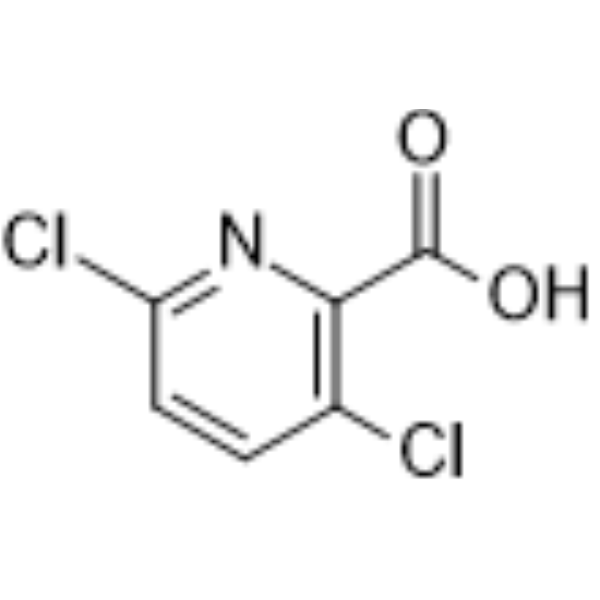
Chemical Structure
Clopyralid
- CAS No.: 1702-17-6
- Formula:C6H3Cl2NO2
- Molecular Weight:192.00
IUPAC Name: 3,6-dichloropicolinic acid
InChIKey: HUBANNPOLNYSAD-UHFFFAOYSA-N
SMILES: ClC1=C(C(O)=O)N=C(Cl)C=C1
Biological Activity: Clopyralid is a selective pyridine carboxylic acid auxin-type herbicide that mimics plant auxins to trigger abnormal growth and subsequent death of target plants. Clopyralid is a nitrite reductase inhibitor that impairs nitrite reduction and reduces NADH. Clopyralid entering aquatic environments interferes with microbial denitrification, induces oxidative damage and nitrite accumulation, and alters microbial community diversity and composition. Clopyralid can be used for related research on farmland control[1][2].
| Cat. No. | Product Name | Purity | Description | Pricing | |||||||||||||||||||
|---|---|---|---|---|---|---|---|---|---|---|---|---|---|---|---|---|---|---|---|---|---|---|---|
|
|
Clopyralid | 98.52% | Clopyralid is a selective pyridine carboxylic acid auxin-type herbicide that mimics plant auxins to trigger abnormal growth and subsequent death of target plants. Clopyralid is a nitrite reductase inhibitor that impairs nitrite reduction and reduces NADH. Clopyralid entering aquatic environments interferes with microbial denitrification, induces oxidative damage and nitrite accumulation, and alters microbial community diversity and composition. Clopyralid can be used for related research on farmland control. | ||||||||||||||||||||
|
loading...
/
|
|||||||||||||||||||||||
|
|
Clopyralid (Standard) | 98.57% | Clopyralid (Standard) is the analytical standard of Clopyralid (HY-W018749). This product is intended for research and analytical applications. Clopyralid is a selective pyridine carboxylic acid auxin-type herbicide that mimics plant auxins to trigger abnormal growth and subsequent death of target plants. Clopyralid is a nitrite reductase inhibitor that impairs nitrite reduction and reduces NADH. Clopyralid entering aquatic environments interferes with microbial denitrification, induces oxidative damage and nitrite accumulation, and alters microbial community diversity and composition. Clopyralid can be used for related research on farmland control. | ||||||||||||||||||||
|
loading...
/
|
|||||||||||||||||||||||
-
Similarity Score 0.90
 HY-W0023232,6-Dichloronicotinic acid
-
Similarity Score 0.85
 HY-W354583Clopyralid(2-hydroxyethyl)ammonium
-
Similarity Score 0.84
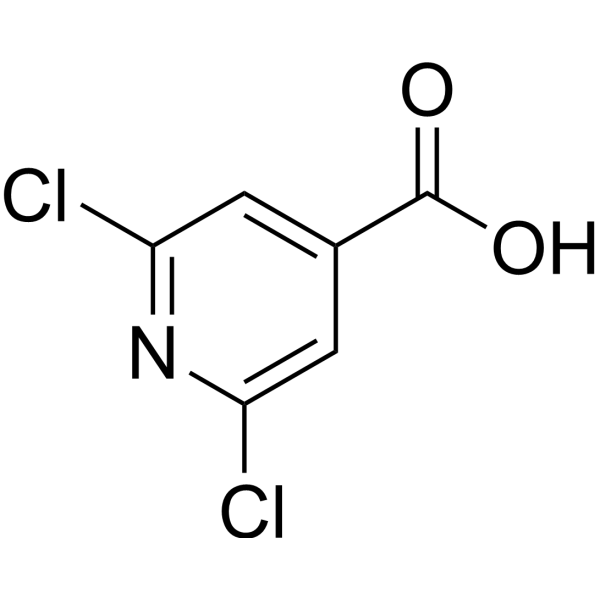 HY-W0075362,6-Dichloroisonicotinic acid
-
Similarity Score 0.84
 HY-W0025534,6-Dichloronicotinic acid
-
Similarity Score 0.83
 HY-W012510Furosemide impurity 6
-
Similarity Score 0.83
 HY-W012508R2,3-Dichlorobenzoic acid (Standard)
-
Similarity Score 0.83
 HY-W7770362,3-Dichlorobenzoic acid-13C
-
Similarity Score 0.83
 HY-W008484Aminopyralid
-
Similarity Score 0.81
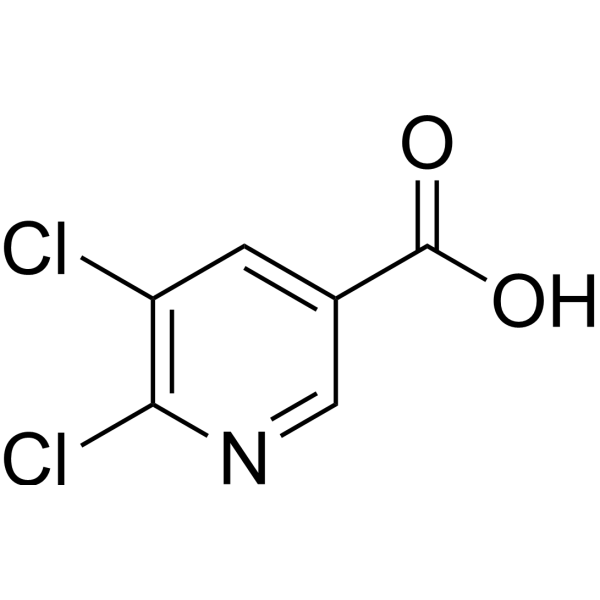 HY-W0073985,6-Dichloronicotinic acid
-

Explore the MedChemAI to find more analogs


References
- [1]. Sun S, et al. Perturbation of clopyralid on bio-denitrification and nitrite accumulation: Long-term performance and biological mechanism. Environmental science and ecotechnology. 2022 Jan;9:100144.
- [2]. Tandon S, et al. Residue Behavior of Clopyralid Herbicide in Soil and Sugar Beet Crop under Subtropical Field Conditions. Journal of food protection. 2022 May 01;85(5):735-739.



