



Ezetimibe
Based on 16 publication(s) in Google Scholar
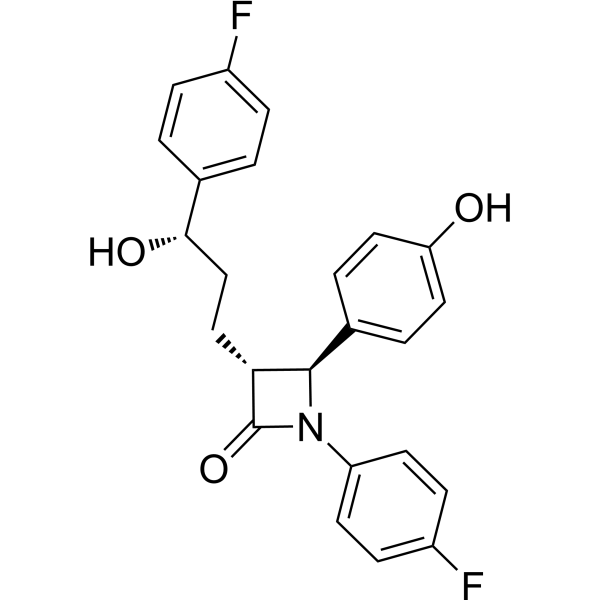
Ezetimibe (SCH 58235) is a potent cholesterol absorption inhibitor. Ezetimibe is a Niemann-Pick C1-like1 (NPC1L1) inhibitor, and is a potent Nrf2 activator.
Nur für Forschungszwecke. Wir verkaufen nicht an Patienten.
- Reinheit : 99.88%
- CAS. Nr.: 163222-33-1
- Formel: C24H21F2NO3
- Molecular Weight:409.43
-
Speicherung:Powder -20°C, 3 years , 4°C, 2 years ; In solvent -80°C, 6 months , -20°C, 1 month

To place orders, for customer services and technical support, please contact: MedChemExpress USA
Tel: 609-228-6898 E-mail: [email protected] [email protected]


-
 Biologische Aktivität
-
Chemical Information
-
Lösungsmittel & Löslichkeit
- Reinheit & Dokumentation
- Verweise
-
 Help & FAQs


-
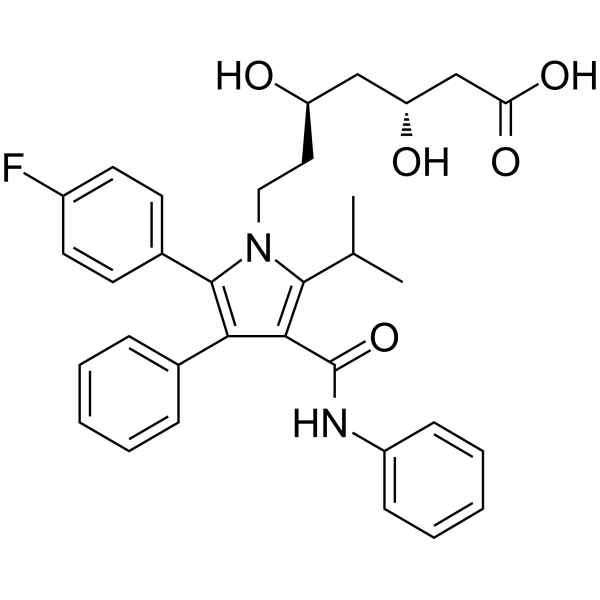
HY-B0589
AtorvastatinHMG-CoA Reductase Inhibitor -
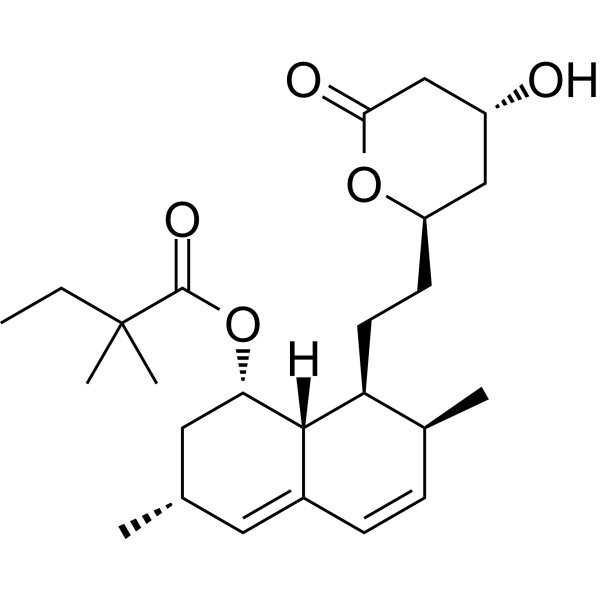
HY-17502
SimvastatinHMGCR Inhibitor -
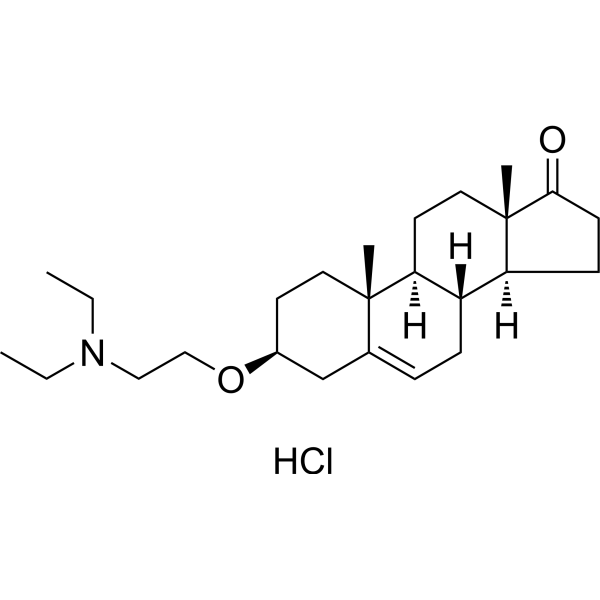
HY-107433
U18666ACholesterol Transport Inhibitor -
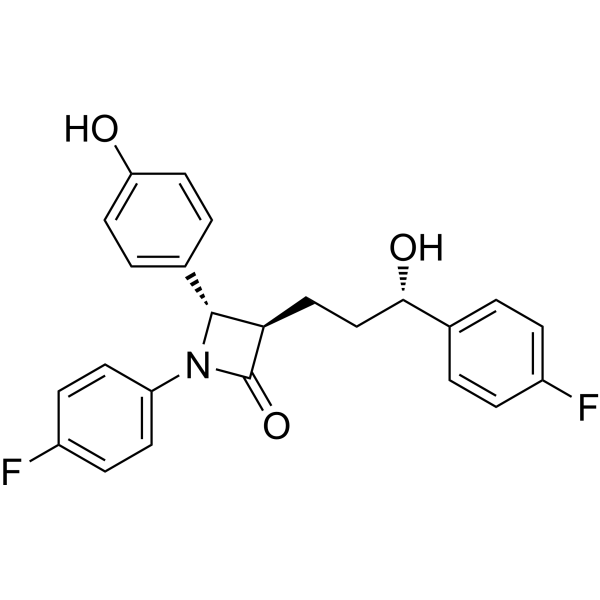
HY-17376R
Ezetimibe (Standard) -
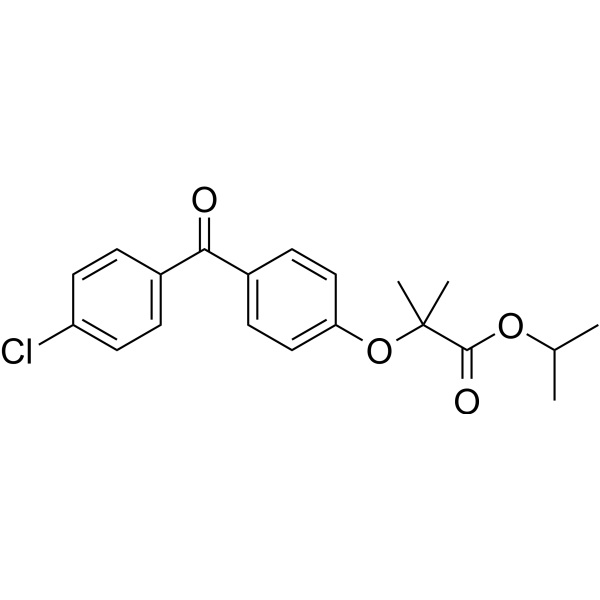
HY-17356
Fenofibrate -
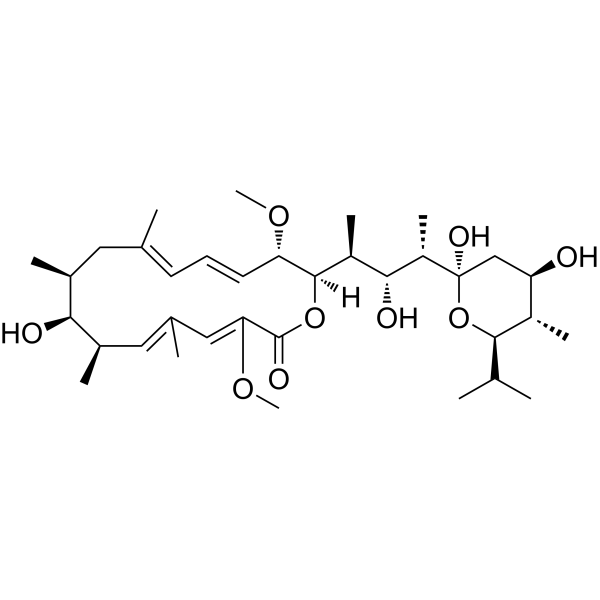
HY-100558
Bafilomycin A1V-ATPase Inhibitor -
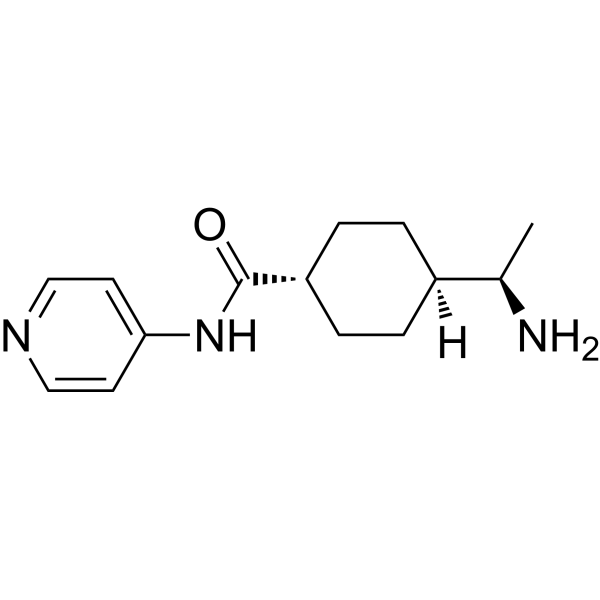
HY-10071
Y-27632ROCK Inhibitor -
HY-Y0873
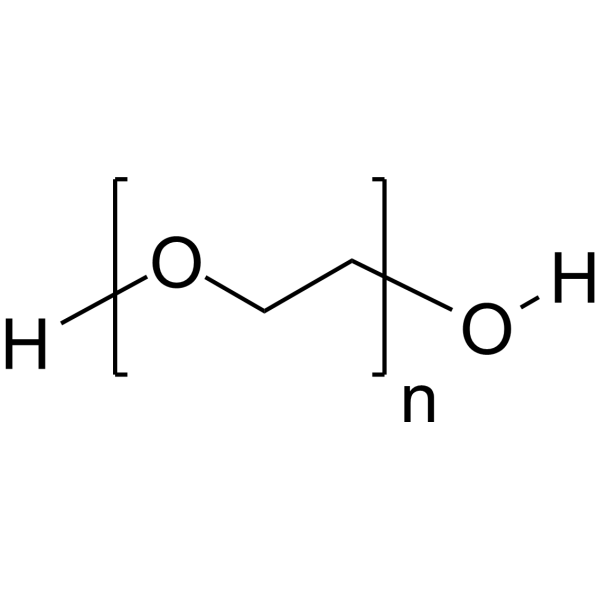
PEG300Neutral Polymer -
HY-50202
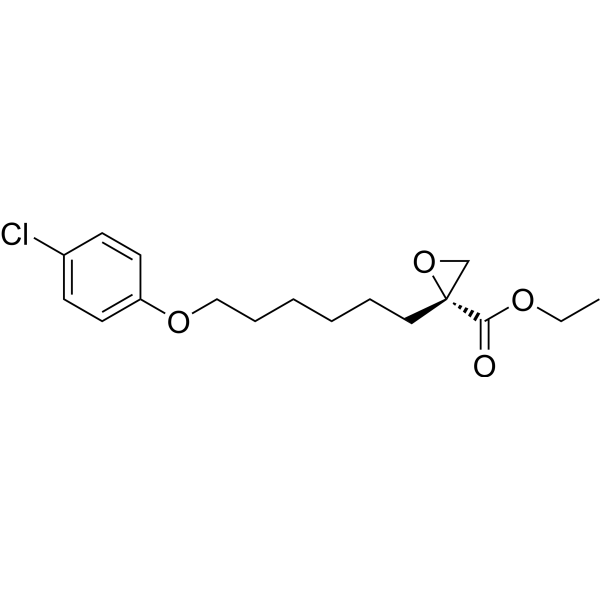
EtomoxirCPT1a Inhibitor -
HY-B0388
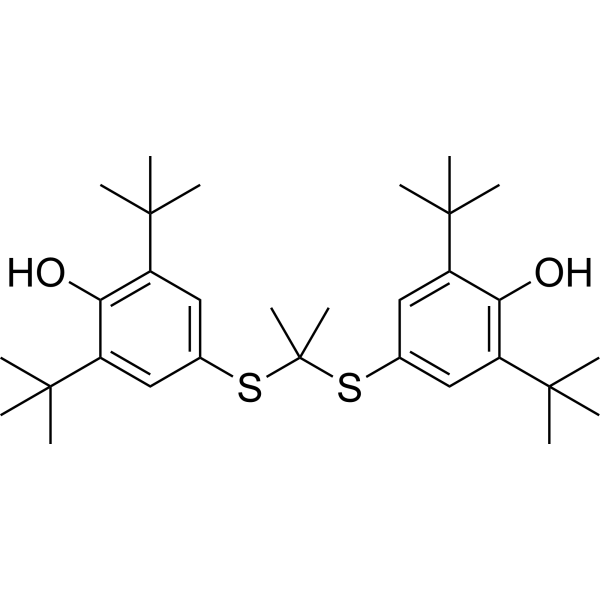
ProbucolAnti-Hyperlipidemic Agent -
HY-13215
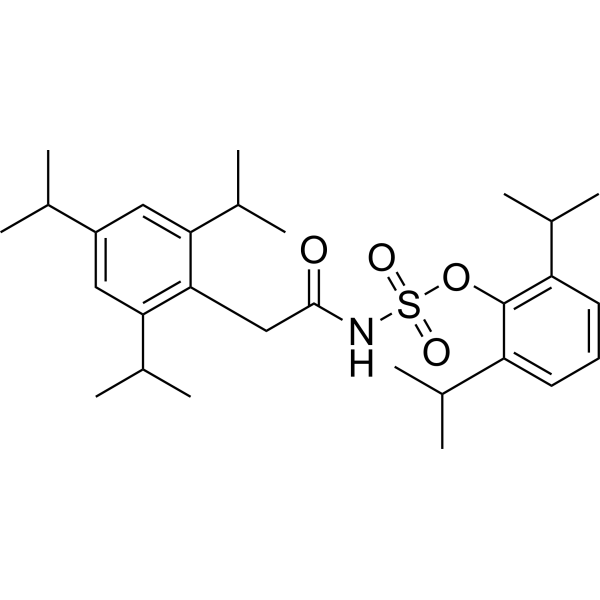
AvasimibeACAT/SOAT Inhibitor -
HY-17504
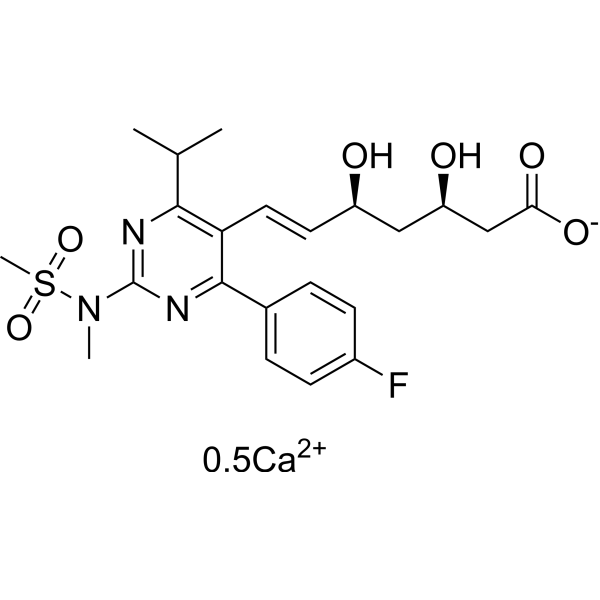
Rosuvastatin CalciumHMGCR Inhibitor
Publications Citing Use of MedChemExpress (MCE) Ezetimibe
More- Signal Transduct Target Ther. 2025 Nov 12;10(1):366. [Abstract]
- Cell. 2024 Oct 31;187(22):6251-6271.e20. [Abstract]
- J Exp Clin Cancer Res. 2019 Sep 13;38(1):404. [Abstract]
- Food Res Int. 2026 Mar 31:228:118352. [Abstract]
- J Chem Inf Model. 2021 Aug 23;61(8):3804-3813. [Abstract]
- Nutrients. 2026 Jan;18(9):1389.
- Front Cell Dev Biol. 2021 Mar 18:9:640667. [Abstract]
- Orphanet J Rare Dis. 2020 Jun 30;15(1):170. [Abstract]
- Brain Res. 2026 Feb 15:1873:150116. [Abstract]
- J Diabetes Complications. 2025 Dec 13;40(2):109250. [Abstract]
- FEBS Open Bio. 2024 May;14(5):831-842. [Abstract]
- Virology. 2023 Aug:585:205-214. [Abstract]
- In Silico Research in Biomedicine 2025 Nov 6;1:100116.
- SSRN. 2025 Jul 8.
- Orebro University. 2024.
- Heliyon. 2023 Oct 29;9(11):e21343. [Abstract]
 Customer Validation & Images

-
Bio/Physico-chemical Assay

-
Cell Proliferation/Viability Assay
-
Flow Cytometry
-
WB
-
In Vivo Efficacy Study


Biologische Aktivität
Beschreibung
IC50 & Target
NPC1L1, Nrf2[1]
In Vitro
Ezetimibe (Eze) acts as a potent Nrf2 activator without causing cytotoxicity. Ezetimibe enhances transactivation of Nrf2, as revealed by a luciferase reporter assay. Ezetimibe also upregulates Nrf2 target genes, including GSTA1, heme oxygenase-1 (HO-1) and Nqo-1 in Hepa1c1c7 and MEF cells. Ezetimibe upregulates Nrf2 target genes in Nrf2+/+ MEF cells, whereas this induction is totally blocked in Nrf2-/- MEF cells. Taken together, Ezetimibe acts as a novel Nrf2 inducer in a ROS-independent manner[1]. Human huh7 hepatocytes are pretreated with Ezetimibe (10 μM, 1 h) and incubated with palmitic acid (PA, 0.5 mM, 24 h) to induce hepatic steatosis. Ezetimibe treatment significantly attenuates PA-increased triglycerides (TG) levels, which is consistent with our animal study. PA treatment resulted in an approximately 20% decrease in mRNA expression of ATG5, ATG6, and ATG7, which had been increased by Ezetimibe treatment. In addition, Ezetimibe treatment significantly increased the PA-induced reduction in LC3 protein abundance[2].
MedChemExpress (MCE) has not independently confirmed the accuracy of these methods. They are for reference only.
In Vivo
MedChemExpress (MCE) has not independently confirmed the accuracy of these methods. They are for reference only.
Clinical Trial
| NCT Number | Sponsor | Condition | Start Date |
Phase

|
|---|---|---|---|---|
| NCT01329991 | 2011-05 | PHASE1 |


Chemical Information
-
CAS. Nr. 163222-33-1
-
Appearance Solid
-
Molecular Weight 409.43
-
Formel C24H21F2NO3
-
Color White to off-white
-
SMILES
O=C1N(C2=CC=C(F)C=C2)[C@H](C3=CC=C(O)C=C3)[C@H]1CC[C@@H](C4=CC=C(F)C=C4)O
-
Synonyms
SCH 58235
-
Versand
Room temperature in continental US; may vary elsewhere.
-
Speicherung
Powder -20°C 3 years 4°C 2 years In solvent -80°C 6 months -20°C 1 month


Publications (16)
-
Journal Impact Factor
-
Most Recent
-
Signal Transduct Target Ther
2025 Nov 12;10(1):366. PMID: 41219186
Ezetimibe purchased from MedChemExpress. Usage Cited in: Signal Transduct Target Ther. 2025 Nov 12;10(1):366. [Abstract]
At embryonic day 12.5 (E12.5), maternal serum cholesterol levels in the Ezetimibe (Eze) (0.005% (w/w))- and Ator-treated groups were reduced by an average of 16.4% and 23.5%, respectively, compared with those in the control group, primarily through a decrease in low-density lipoprotein (LDL) cholesterol levels with no significant effect on high-density lipoprotein (HDL) cholesterol levels.
-
Cell
A two-front nutrient supply environment fuels small intestinal physiology through differential regulation of nutrient absorption and host defense. [Abstract]2024 Oct 31;187(22):6251-6271.e20. PMID: 39427662 -
J Exp Clin Cancer Res
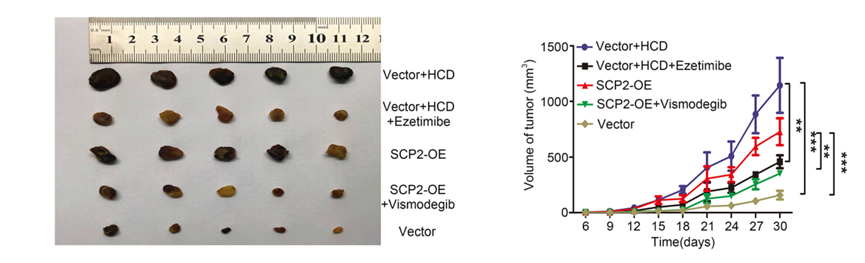
SCP2-mediated cholesterol membrane trafficking promotes the growth of pituitary adenomas via Hedgehog signaling activation. [Abstract]2019 Sep 13;38(1):404. PMID: 31519191
Ezetimibe purchased from MedChemExpress. Usage Cited in: J Exp Clin Cancer Res. 2019 Sep 13;38(1):404. [Abstract]
Ezetimibe (30 mg/kg, i.p.) inhibited tumor growth in vivo.
-
Food Res Int
Hydroxypropyl-β-cyclodextrin as a co-delivery vehicle for synergistically enhancing fucoxanthin oral bioavailability through dual regulation of SR-B1 and ABCB1 transporters. [Abstract]2026 Mar 31:228:118352. PMID: 41703824 -
J Chem Inf Model
Development of Machine Learning Models and the Discovery of a New Antiviral Compound against Yellow Fever Virus. [Abstract]2021 Aug 23;61(8):3804-3813. PMID: 34286575 -
-
Front Cell Dev Biol
Structural and Functional Characterization of Fibronectin in Extracellular Vesicles From Hepatocytes. [Abstract]2021 Mar 18:9:640667. PMID: 33816490 -
Orphanet J Rare Dis
2020 Jun 30;15(1):170. PMID: 32605631 -
Brain Res
Ezetimibe mitigates microglial activation in Parkinson's disease via TLR4/JNK pathway inhibition: evidence from network pharmacology and experimental validation. [Abstract]2026 Feb 15:1873:150116. PMID: 41419122 -
J Diabetes Complications
Ezetimibe attenuates diabetic retinopathy via NRF2-mediated suppression of inflammation and oxidative stress. [Abstract]2025 Dec 13;40(2):109250. PMID: 41411956 -
FEBS Open Bio
Ezetimibe inhibits the migration and invasion of triple-negative breast cancer cells by targeting TGFβ2 and EMT. [Abstract]2024 May;14(5):831-842. PMID: 38531630 -
Virology
Structure-based virtual screening of ROCK1 inhibitors for the discovery of Enterovirus-A71 antivirals. [Abstract]2023 Aug:585:205-214. PMID: 37384967 -
-
-
-
Heliyon
Ezetimibe inhibits triple-negative breast cancer proliferation and promotes cell cycle arrest by targeting the PDGFR/AKT pathway. [Abstract]2023 Oct 29;9(11):e21343. PMID: 38027998
Ezetimibe purchased from MedChemExpress. Usage Cited in: Heliyon. 2023 Oct 29;9(11):e21343. [Abstract]
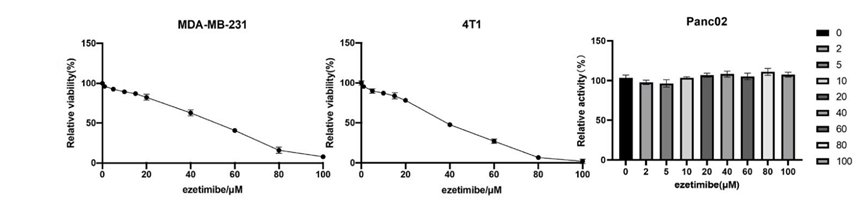
Viability of MDA-MB-231 and 4T1 cells treated with different concentrations of Ezetimibe (0, 1, 5, 10, 15, 20, 40, 60, 80, 100 μmol/L) for 48 h was detected using the CCK-8 assay.
Ezetimibe purchased from MedChemExpress. Usage Cited in: Heliyon. 2023 Oct 29;9(11):e21343. [Abstract]
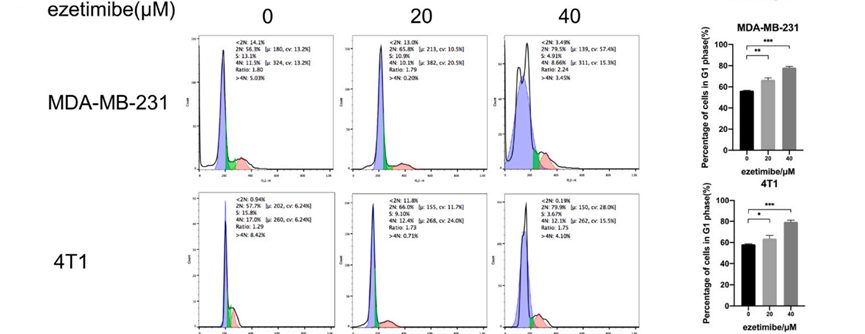
Flow cytometry analysis was conducted to examine cell cycle distribution of MDA-MB-231 and 4T1 cells treated with different concentrations of Ezetimibe (0, 20, 40 μmol/L) for 48 h.
Ezetimibe purchased from MedChemExpress. Usage Cited in: Heliyon. 2023 Oct 29;9(11):e21343. [Abstract]
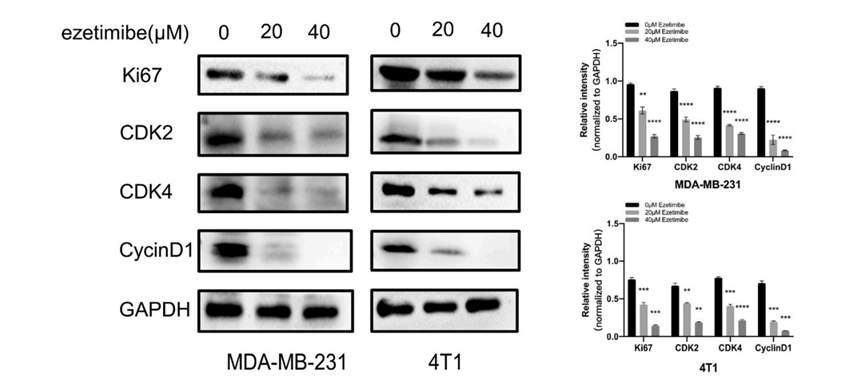
Western blotting was performed to determine the expression levels of Ki67, CDK2, CDK4, and CyclinD1 proteins in MDA-MB-231 and 4T1 cells treated with different concentrations of Ezetimibe (0, 20, 40 μmol/L) for 48 h.


Lösungsmittel & Löslichkeit
In Vitro:
DMSO : 200 mg/mL (488.48 mM; Need ultrasonic; Hygroscopic DMSO has a significant impact on the solubility of product, please use newly opened DMSO)
H2O : < 0.1 mg/mL (insoluble)
Please refer to the solubility information to select the appropriate solvent. Once prepared, please aliquot and store the solution to prevent product inactivation from repeated freeze-thaw cycles.
Storage method and period of stock solution: -80°C, 6 months; -20°C, 1 month. When stored at -80°C, please use it within 6 months. When stored at -20°C, please use it within 1 month.
Please refer to the solubility information to select the appropriate solvent. Once prepared, please aliquot and store the solution to prevent product inactivation from repeated freeze-thaw cycles.
Storage method and period of stock solution: -80°C, 6 months; -20°C, 1 month. When stored at -80°C, please use it within 6 months. When stored at -20°C, please use it within 1 month.
Konzentration (Stammlösung) × Volumen (Stammlösung) = Konzentration (Ziellösung) × Volumen (Ziellösung)
In Vivo:
Select the appropriate dissolution method based on your experimental animal and administration route.
- For the following dissolution methods, please ensure to first prepare a clear stock solution using an In Vitro approach and then sequentially add co-solvents:
- To ensure reliable experimental results, the clarified stock solution can be appropriately stored based on storage conditions. As for the working solution for In Vivo experiments, it is recommended to prepare freshly and use it on the same day.
- The percentages shown for the solvents indicate their volumetric ratio in the final prepared solution. If precipitation or phase separation occurs during preparation, heat and/or sonication can be used to aid dissolution.
Add each solvent one by one: 10% DMSO 40% PEG300 5% Tween-80 45% Saline
Solubility: 5 mg/mL (12.21 mM); Suspended solution; Need ultrasonic
This protocol yields a suspended solution of 5 mg/mL. Suspended solution can be used for oral and intraperitoneal injection.
Taking 1 mL working solution as an example, add 100 μL DMSO stock solution (50.0 mg/mL) to 400 μL PEG300, and mix evenly; then add 50 μL Tween-80 and mix evenly; then add 450 μL Saline to adjust the volume to 1 mL.
Preparation of Saline: Dissolve 0.9 g sodium chloride in ddH₂O and dilute to 100 mL to obtain a clear Saline solution.
In Vivo Dissolution Calculator
Please enter the basic information of animal experiments:
-
-
-
-
Recommended: Prepare an additional quantity of animals to account for potential losses during experiments.
Please enter your animal formula composition:
-
%DMSO +
Recommended: Keep the proportion of DMSO in working solution below 2% if your animal is weak.
-
%+
-
+%Tween-80 + +
-
%Saline +
The co-solvents required include: DMSO, . All of co-solvents are available by MedChemExpress (MCE). , Tween 80. All of co-solvents are available by MedChemExpress (MCE).
Working solution concentration: 0.22 mg/mL
Method for preparing stock solution: mg drug dissolved in μL DMSO. Stock solution concentration: mg/mL.
1. Take μL DMSO stock solution;
2. Add μL .
μL , mix evenly;
3. Then add μL Tween 80, mix evenly;
4. Then add μL
Please ensure that the stock solution in the first step is dissolved to a clear state, and add co-solvents in sequence. You can use ultrasonic heating (ultrasonic cleaner, recommended frequency 20-40 kHz), vortexing, etc. to assist dissolution.


Reinheit & Dokumentation
-
Data Sheet (285 KB)
-
SDS (761 KB)
- English - EN (761 KB)
- Français - FR (761 KB)
- Deutsch - DE (761 KB)
- Norwegian - NO (761 KB)
- Español - ES (761 KB)
- Swedish - SV (761 KB)
- Italian - IT (761 KB)
- Korean - KR (761 KB)
- Portuguese - PT (761 KB)
-
Handling Instructions (2659 KB)
Verweise
[1]. Lee DH, et al. Ezetimibe, an NPC1L1 inhibitor, is a potent Nrf2 activator that protects mice from diet-induced nonalcoholic steatohepatitis. Free Radic Biol Med. 2016 Sep 12;99:520-532. [Content Brief]
[2]. Chang E, et al. Ezetimibe improves hepatic steatosis in relation to autophagy in obese and diabetic rats. World J Gastroenterol. 2015 Jul 7;21(25):7754-63. [Content Brief]


Complete Stock Solution Preparation Table
Please refer to the solubility information to select the appropriate solvent. Once prepared, please aliquot and store the solution to prevent product inactivation from repeated freeze-thaw cycles.
Storage method and period of stock solution: -80°C, 6 months; -20°C, 1 month. When stored at -80°C, please use it within 6 months. When stored at -20°C, please use it within 1 month.
| Optional Solvent | Concentration Solvent Mass | 1 mg | 5 mg | 10 mg | 25 mg |
|---|---|---|---|---|---|
| DMSO | 1 mM | 2.4424 mL | 12.2121 mL | 24.4242 mL | 61.0605 mL |
| 5 mM | 0.4885 mL | 2.4424 mL | 4.8848 mL | 12.2121 mL | |
| 10 mM | 0.2442 mL | 1.2212 mL | 2.4424 mL | 6.1060 mL | |
| 15 mM | 0.1628 mL | 0.8141 mL | 1.6283 mL | 4.0707 mL | |
| 20 mM | 0.1221 mL | 0.6106 mL | 1.2212 mL | 3.0530 mL | |
| 25 mM | 0.0977 mL | 0.4885 mL | 0.9770 mL | 2.4424 mL | |
| 30 mM | 0.0814 mL | 0.4071 mL | 0.8141 mL | 2.0353 mL | |
| 40 mM | 0.0611 mL | 0.3053 mL | 0.6106 mL | 1.5265 mL | |
| 50 mM | 0.0488 mL | 0.2442 mL | 0.4885 mL | 1.2212 mL | |
| 60 mM | 0.0407 mL | 0.2035 mL | 0.4071 mL | 1.0177 mL | |
| 80 mM | 0.0305 mL | 0.1527 mL | 0.3053 mL | 0.7633 mL | |
| 100 mM | 0.0244 mL | 0.1221 mL | 0.2442 mL | 0.6106 mL |


Ezetimibe Related Classifications
HY-17376 Related Classifications
 Powered by Bioz