



Betaine
Based on 7 publication(s) in Google Scholar
Betaine (Trimethylglycine) is a natural compound found in many foods and also an active methyl-donor which can maintain normal DNA methylation patterns[1,2]. Betaine is found ubiquitously in plants, animals, microorganisms, and rich dietary sources including seafood, spinach, and wheat bran. Betaine also acts as an osmolyte, to maintain the avian’s cellular water and ion balance to improve the avian’s capacity against heat stress via preventing dehydration and osmotic inactivation. It helps in maintaining the protective osmolytic activity, especially in heat-stressed birds. Betaine may promote various intestinal microbes against osmotic variations and thus improve microbial fermentation activity.
Nur für Forschungszwecke. Wir verkaufen nicht an Patienten.
- Reinheit : 99.97%
- CAS. Nr.: 107-43-7
- Formel: C5H11NO2
- Molecular Weight:117.15
-
Speicherung:
4°C, sealed storage, away from moisture
* In solvent : -80°C, 6 months; -20°C, 1 month (sealed storage, away from moisture)


To place orders, for customer services and technical support, please contact: MedChemExpress USA
Tel: 609-228-6898 E-mail: [email protected] [email protected]


-
 Biologische Aktivität
-
Chemical Information
-
Lösungsmittel & Löslichkeit
- Protokoll
- Reinheit & Dokumentation
- Verweise
-
 Help & FAQs


-
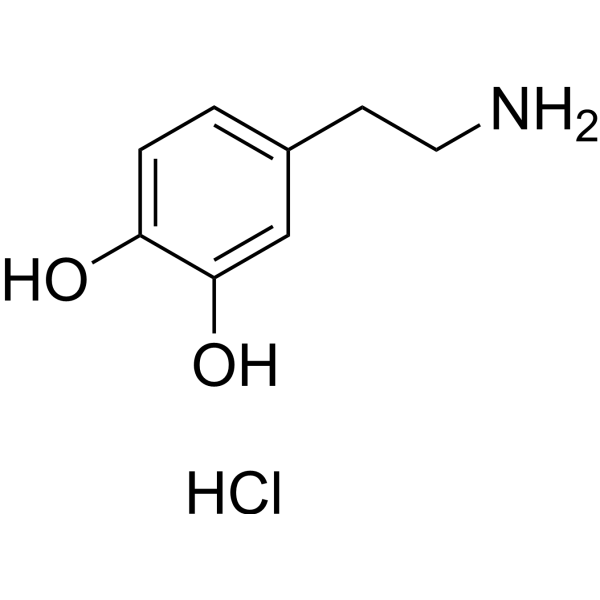
HY-B0451A
Dopamine hydrochlorideCatecholamine Neurotransmitter -
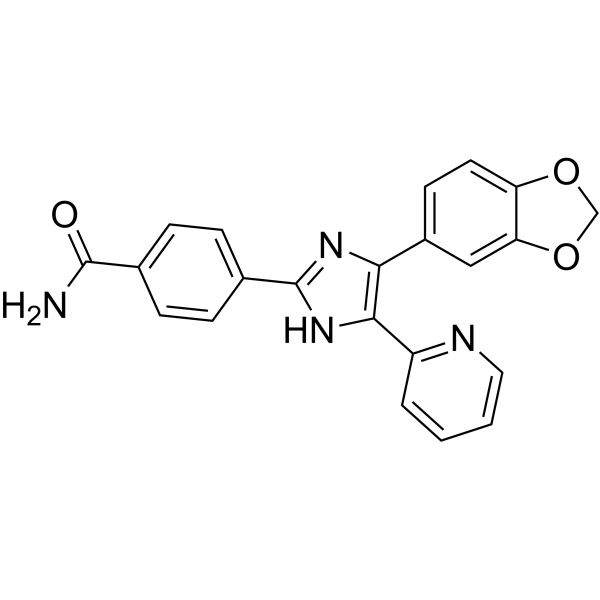
HY-10431
SB-431542TGF-β Receptor Kinase Inhibitor -
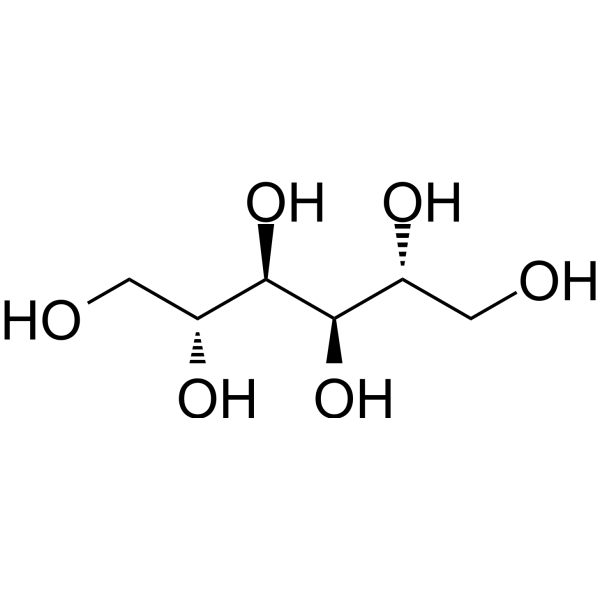
HY-N0378
D-MannitolResistant Sugar/Osmotic Diuretics -
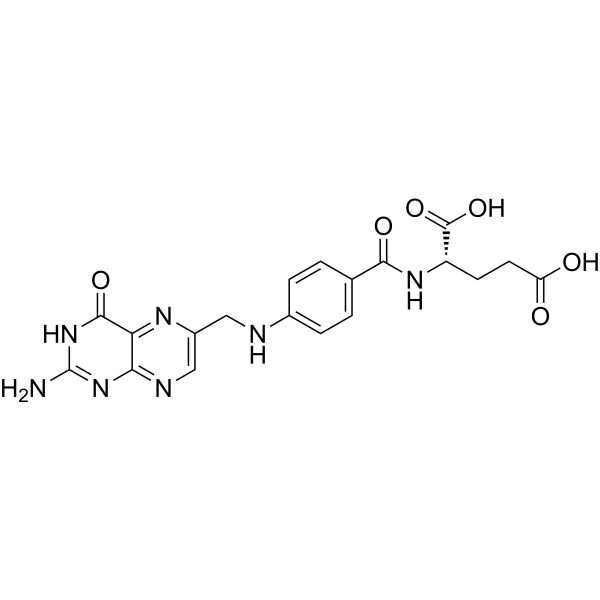
HY-16637
Folic acidB complex -
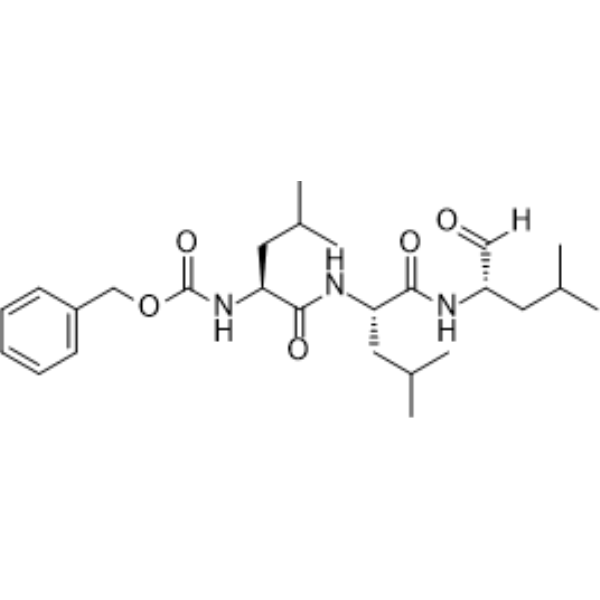
HY-13259
MG-132Proteasome Inhibitor -
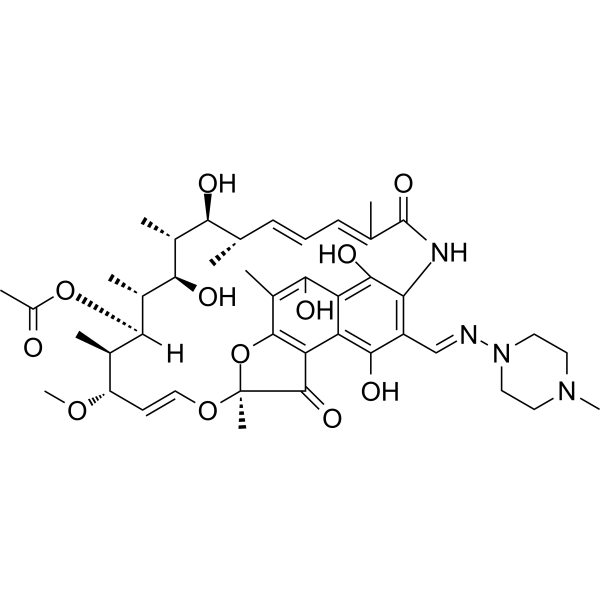
HY-B0272
RifampicinAntivirus Agent -

HY-B0710R
Betaine (Standard) -
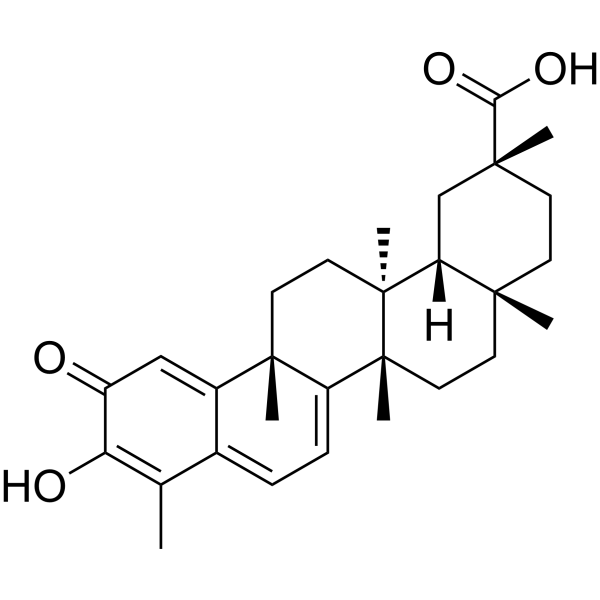
HY-13067
CelastrolAutophagy Inducer -
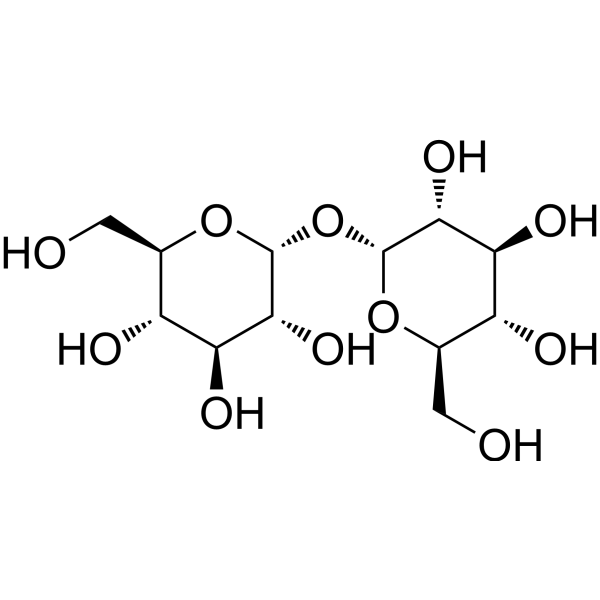
HY-N1132
D-(+)-TrehaloseDisaccharide -
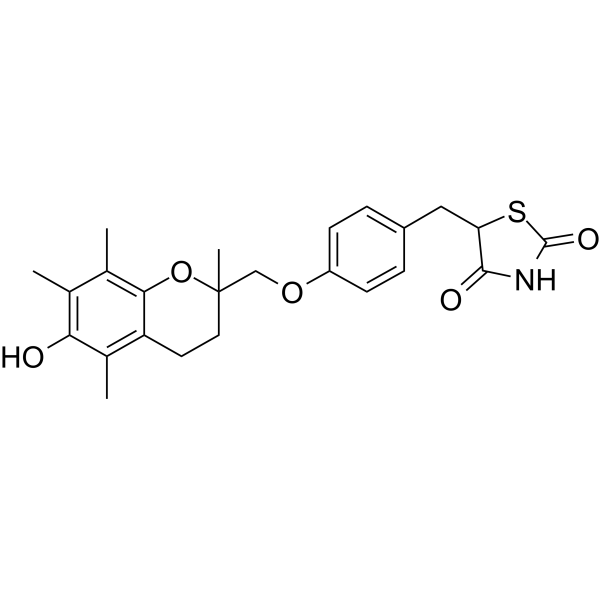
HY-50935
TroglitazonePPARγ Agonist -
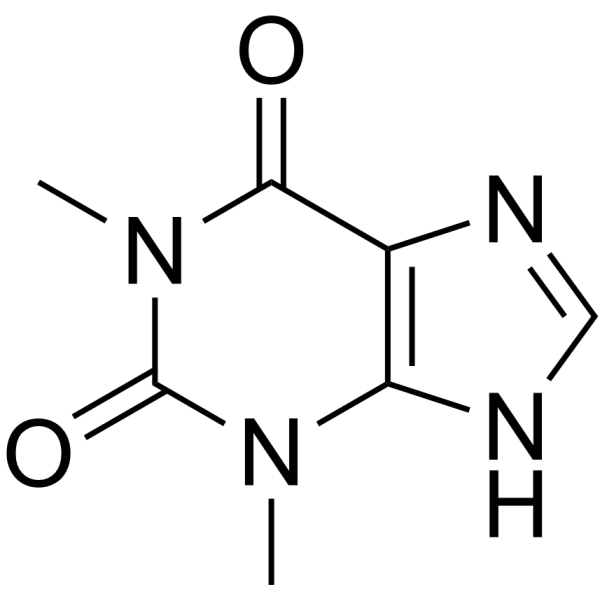
HY-B0809
TheophyllinePDE Inhibitor -
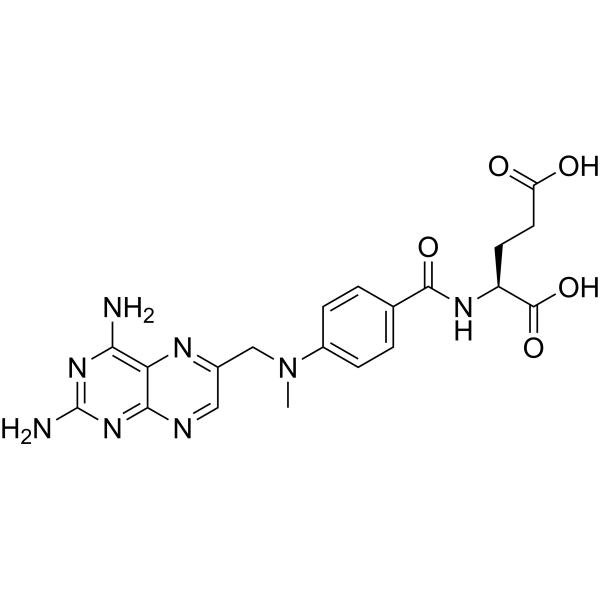
HY-14519
MethotrexateDihydrofolate Reductase Inhibitor
Publications Citing Use of MedChemExpress (MCE) Betaine
More- Food Biosci. 2026 Feb 4.
- Sci Rep. 2026 Apr 9;16(1):16713. [Abstract]
- Clin Chim Acta. 2024 Jan 15:553:117726. [Abstract]
- J Funct Foods. 2025 Apr.
- Theriogenology. 2026 Nov:265:118107.
- J Chromatogr B Analyt Technol Biomed Life Sci. 2024 Aug 1:1243:124210. [Abstract]
- Cardiol Res. 2023 Dec;14(6):453-463. [Abstract]
 Customer Validation & Images

-
WB
-
IHC
-
Cell Proliferation/Viability Assay
-
Flow Cytometry
-
IF
Alle Endogenous Metabolite Isoform-spezifische Produkte anzeigen
More

Biologische Aktivität
Beschreibung
IC50 & Target
|
Microbial Metabolite |
Human Endogenous Metabolite |
In Vitro
Betaine (Trimethylglycine) inhibites proliferation of HeLa cells significantly[1].
MedChemExpress (MCE) has not independently confirmed the accuracy of these methods. They are for reference only. Further protocols information, click here.
In Vivo
MedChemExpress (MCE) has not independently confirmed the accuracy of these methods. They are for reference only.
Clinical Trial
| NCT Number | Sponsor | Condition | Start Date |
Phase

|
|---|---|---|---|---|
| NCT01329991 | Plexxikon| | 2011-05 | PHASE1 |


Chemical Information
-
CAS. Nr. 107-43-7
-
Appearance Solid
-
Molecular Weight 117.15
-
Formel C5H11NO2
-
Color White to off-white
-
SMILES
C[N+](C)(C)CC([O-])=O
-
Synonyms
Trimethylglycine; carboxy-N,N,N-trimethylmethanaminium
-
Structure Classification
-
Initial Source
-
Versand
Room temperature in continental US; may vary elsewhere.
-
Speicherung
4°C, sealed storage, away from moisture
* In solvent : -80°C, 6 months; -20°C, 1 month (sealed storage, away from moisture)


Publications (7)
-
Journal Impact Factor
-
Most Recent
-
-
Sci Rep
2026 Apr 9;16(1):16713. PMID: 41957466 -
Clin Chim Acta
SAH and SAM/SAH ratio associate with acute kidney injury in critically ill patients: A case-control study. [Abstract]2024 Jan 15:553:117726. PMID: 38110027 -
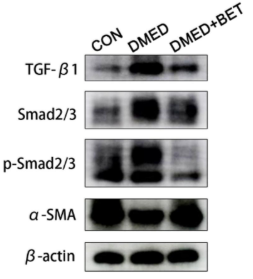
Betaine purchased from MedChemExpress. Usage Cited in: J Funct Foods. 2025 Apr.
Betaine (orally at a dose of 400 mg/kg, daily, two months). Western blot representative images display protein expression levels of TGF-β1, Smad2/3, p-Smad2/3, and α-SMA.
Betaine purchased from MedChemExpress. Usage Cited in: J Funct Foods. 2025 Apr.
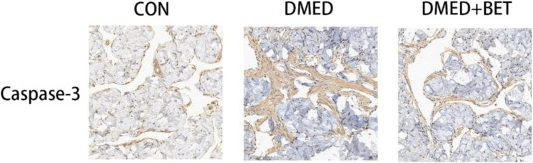
Betaine (orally at a dose of 400 mg/kg, daily, two months). Immunohistochemistry was performed on each group for assessing the expression of Caspase-3.
Betaine purchased from MedChemExpress. Usage Cited in: J Funct Foods. 2025 Apr.
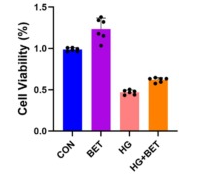
Results from cell viability assessments under Betaine (1 mM, one week) in CCSMCs (n = 6).
Betaine purchased from MedChemExpress. Usage Cited in: J Funct Foods. 2025 Apr.
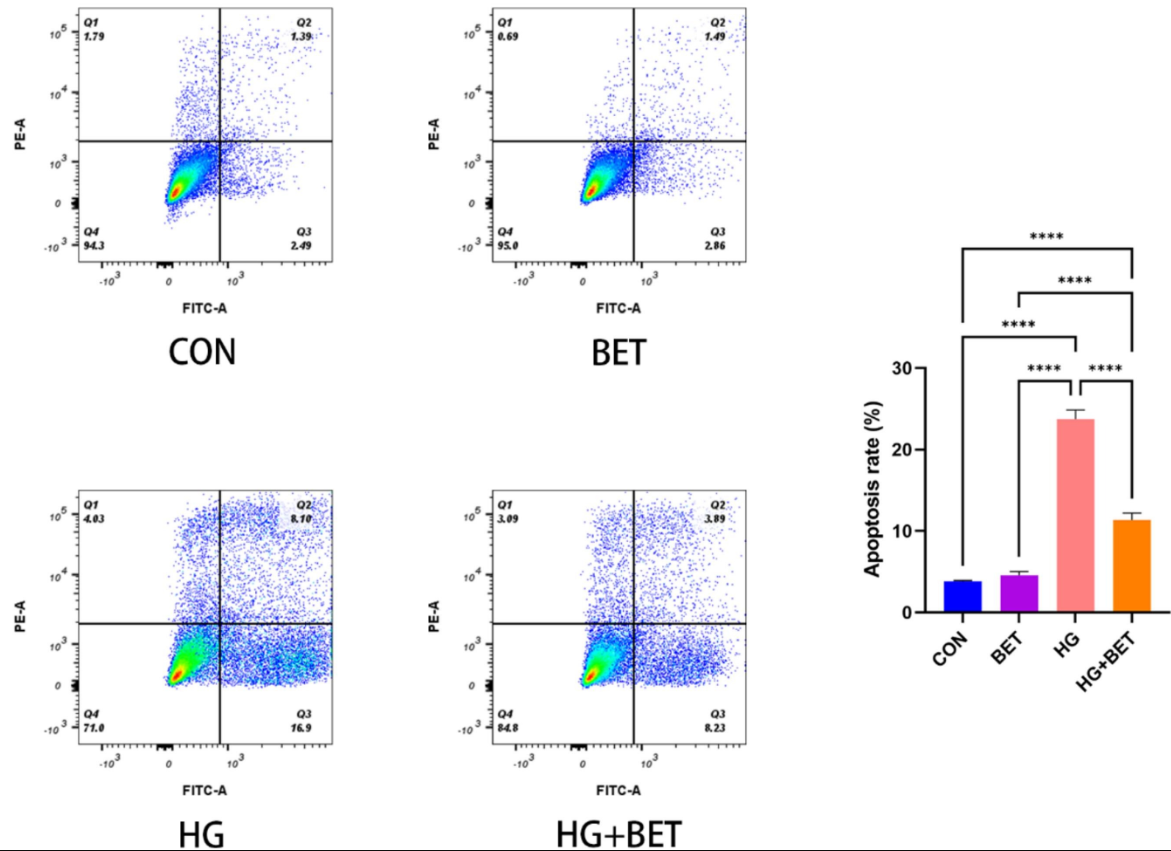
Betaine (1 mM, one week). Flow cytometry images and apoptosis rates across CCSMC groups are also depicted.
Betaine purchased from MedChemExpress. Usage Cited in: J Funct Foods. 2025 Apr.
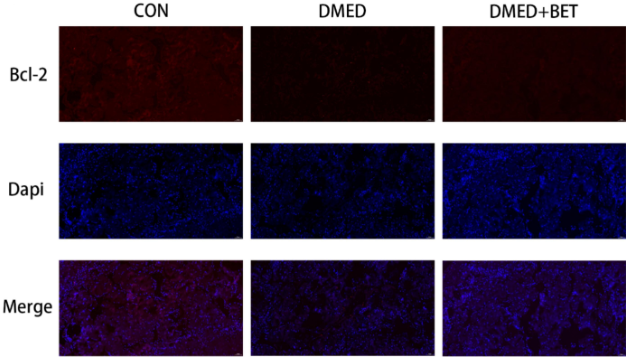
Betaine (orally at a dose of 400 mg/kg, daily, two months). Examples of immunofluorescence and relative fluorescence intensities of Bcl-2 (n = 3).
-
-
J Chromatogr B Analyt Technol Biomed Life Sci
Simultaneous determination of choline, L-carnitine, betaine, trimethylamine, trimethylamine N-oxide, and creatinine in plasma, liver, and feces of hyperlipidemic rats by UHPLC-MS/MS. [Abstract]2024 Aug 1:1243:124210. PMID: 38936270 -
Cardiol Res
Inhibition of the STIM1/Orai1 Signaling Pathway by Glycine Betaine Mitigates Myocardial Hypertrophy in Spontaneous Hypertension Rats. [Abstract]2023 Dec;14(6):453-463. PMID: 38187515


Lösungsmittel & Löslichkeit
In Vitro:
H2O : 100 mg/mL (853.61 mM; Need ultrasonic)
Please refer to the solubility information to select the appropriate solvent. Once prepared, please aliquot and store the solution to prevent product inactivation from repeated freeze-thaw cycles.
Storage method and period of stock solution: -80°C, 6 months; -20°C, 1 month (sealed storage, away from moisture). When stored at -80°C, please use it within 6 months. When stored at -20°C, please use it within 1 month.
* Note: If you choose water as the stock solution, please dilute it to the working solution, then filter and sterilize it with a 0.22 μm filter before use.
Please refer to the solubility information to select the appropriate solvent. Once prepared, please aliquot and store the solution to prevent product inactivation from repeated freeze-thaw cycles.
Storage method and period of stock solution: -80°C, 6 months; -20°C, 1 month (sealed storage, away from moisture). When stored at -80°C, please use it within 6 months. When stored at -20°C, please use it within 1 month.
* Note: If you choose water as the stock solution, please dilute it to the working solution, then filter and sterilize it with a 0.22 μm filter before use.
Konzentration (Stammlösung) × Volumen (Stammlösung) = Konzentration (Ziellösung) × Volumen (Ziellösung)

Protokoll
-
Research Protocol for Epigenomic Data Analysis
Epigenomic data analysis identifies genome-wide regulatory features that influence gene expression, chromatin state, and phenotype without changing the underlying DNA sequence. In this strategy, the core regulatory layer includes chromatin accessibility, transcription-factor or histone-mark occupancy, DNA methylation, and chromatin-state patterns; these features are measured by sequencing-based assays and interpreted as regulatory elements, promoters, enhancers, repressive domains, methylated cytosines, or candidate phenotype-associated chromatin programs. The literature links epigenomic features to phenotype by showing that functional genomic elements can be mapped across human cell types and tissues, and that integrated epigenomic maps reveal cell-type-specific regulatory programs. ENCODE integrated transcription, chromatin accessibility, transcription-factor occupancy, and histone modification data to annotate functional elements in the human genome, while the Roadmap Epigenomics Co


Reinheit & Dokumentation
-
Data Sheet (275 KB)
-
SDS (254 KB)
- English - EN (254 KB)
- Français - FR (254 KB)
- Deutsch - DE (254 KB)
- Norwegian - NO (254 KB)
- Español - ES (254 KB)
- Swedish - SV (254 KB)
- Italian - IT (254 KB)
- Korean - KR (254 KB)
- Portuguese - PT (254 KB)
-
Handling Instructions (2659 KB)
Verweise
[1]. Guo Y, et al. Betaine Effects on Morphology, Proliferation, and p53-induced Apoptosis of HeLa Cervical Carcinoma Cells in Vitro. Asian Pac J Cancer Prev. 2015;16(8):3195-201. [Content Brief]
[2]. Dou X, et al. Rectification of impaired adipose tissue methylation status and lipolytic response contributes to hepatoprotective effect of betaine in a mouse model of alcoholic liver disease. Br J Pharmacol. 2014 Sep;171(17):4073-86. [Content Brief]
[3]. Saeed M, et al. Reconsidering betaine as a natural anti-heat stress agent in poultry industry: a review. Trop Anim Health Prod. 2017 Oct;49(7):1329-1338. [Content Brief]


Complete Stock Solution Preparation Table
Please refer to the solubility information to select the appropriate solvent. Once prepared, please aliquot and store the solution to prevent product inactivation from repeated freeze-thaw cycles.
Storage method and period of stock solution: -80°C, 6 months; -20°C, 1 month (sealed storage, away from moisture). When stored at -80°C, please use it within 6 months. When stored at -20°C, please use it within 1 month.
| Optional Solvent | Concentration Solvent Mass | 1 mg | 5 mg | 10 mg | 25 mg |
|---|---|---|---|---|---|
| H2O | 1 mM | 8.5361 mL | 42.6803 mL | 85.3606 mL | 213.4016 mL |
| 5 mM | 1.7072 mL | 8.5361 mL | 17.0721 mL | 42.6803 mL | |
| 10 mM | 0.8536 mL | 4.2680 mL | 8.5361 mL | 21.3402 mL | |
| 15 mM | 0.5691 mL | 2.8454 mL | 5.6907 mL | 14.2268 mL | |
| 20 mM | 0.4268 mL | 2.1340 mL | 4.2680 mL | 10.6701 mL | |
| 25 mM | 0.3414 mL | 1.7072 mL | 3.4144 mL | 8.5361 mL | |
| 30 mM | 0.2845 mL | 1.4227 mL | 2.8454 mL | 7.1134 mL | |
| 40 mM | 0.2134 mL | 1.0670 mL | 2.1340 mL | 5.3350 mL | |
| 50 mM | 0.1707 mL | 0.8536 mL | 1.7072 mL | 4.2680 mL | |
| 60 mM | 0.1423 mL | 0.7113 mL | 1.4227 mL | 3.5567 mL | |
| 80 mM | 0.1067 mL | 0.5335 mL | 1.0670 mL | 2.6675 mL | |
| 100 mM | 0.0854 mL | 0.4268 mL | 0.8536 mL | 2.1340 mL |
* Note: If you choose water as the stock solution, please dilute it to the working solution, then filter and sterilize it with a 0.22 μm filter before use.


Betaine Related Classifications
HY-B0710 Related Classifications
 Powered by Bioz