



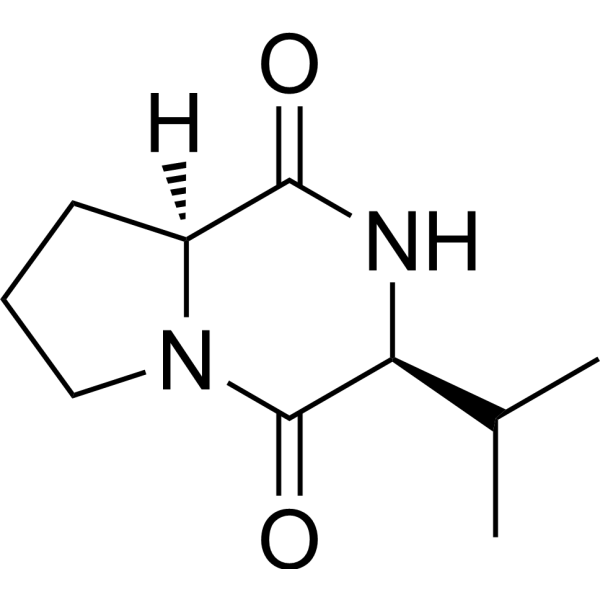
Cyclo(L-Pro-L-Val)

Based on 1 Customer Validation
Cyclo(L-Pro-L-Val) is an antimicrobial and anti-inflammatory agent. Cyclo(L-Pro-L-Val) has toxic activity against plant pathogens such as R. fascians LMG 3605, and its potency may be comparable to that of Chloramphenicol (HY-B0239). Cyclo(L-Pro-L-Val) can inhibit the phosphorylation of IKKα, IKKβ, NF-κB, etc., and the activation of iNOS and COX-2, thereby exerting anti-inflammatory activity. Cyclo(L-Pro-L-Val) can be used in the research of biopesticides in the agricultural field, as well as in the research of inflammation-related diseases.
For research use only. We do not sell to patients.
- Purity : 98.52%
- CAS No.: 2854-40-2
- Formula: C10H16N2O2
- Molecular Weight:196.25
-
Storage:
Sealed storage, away from moisture and light, under nitrogen.
Powder -80°C, 2 years , -20°C, 1 year* In solvent : -80°C, 6 months; -20°C, 1 month (sealed storage, away from moisture and light, under nitrogen)

To place orders, for customer services and technical support, please contact: MedChemExpress USA
Tel: 609-228-6898 E-mail: [email protected] [email protected]


-
 Biological Activity
-
Chemical Information
-
Solvent & Solubility
- Protocols
- Purity & Documentation
- References
-
 Help & FAQs


-
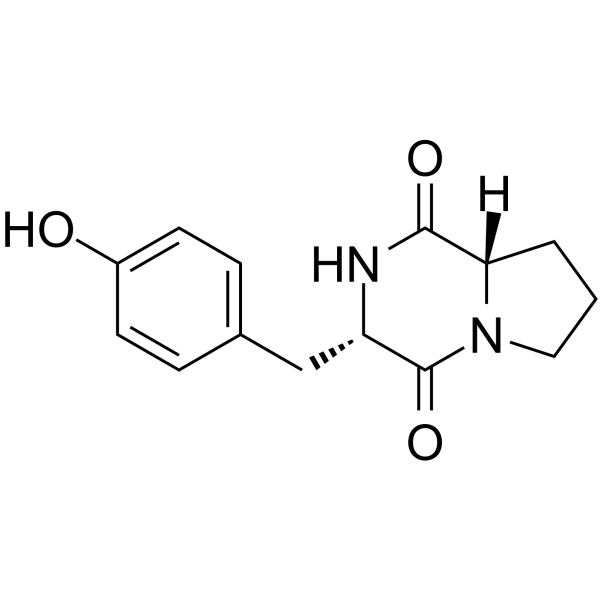
HY-P1940
MaculosinAnti-Bacterial Agent -
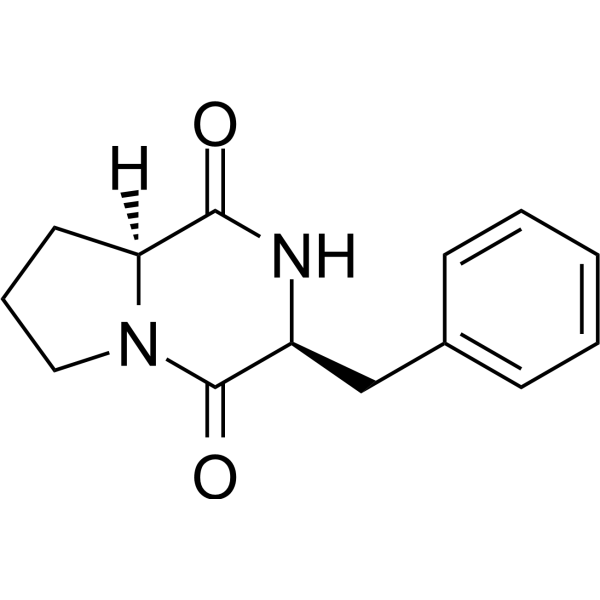
HY-P1934A
Cyclo(L-Phe-L-Pro)Antifungal Cyclic Dipeptide -
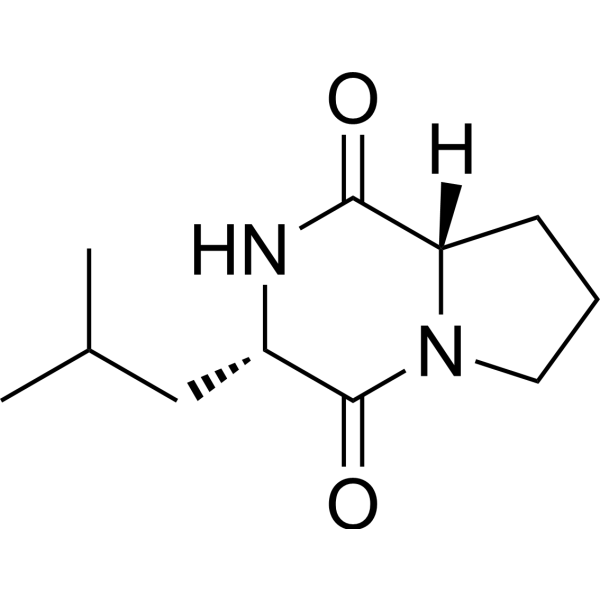
HY-P1939
Cyclo(L-Leu-L-Pro)Antifungal/Antibacterial/Antiviral Agent -
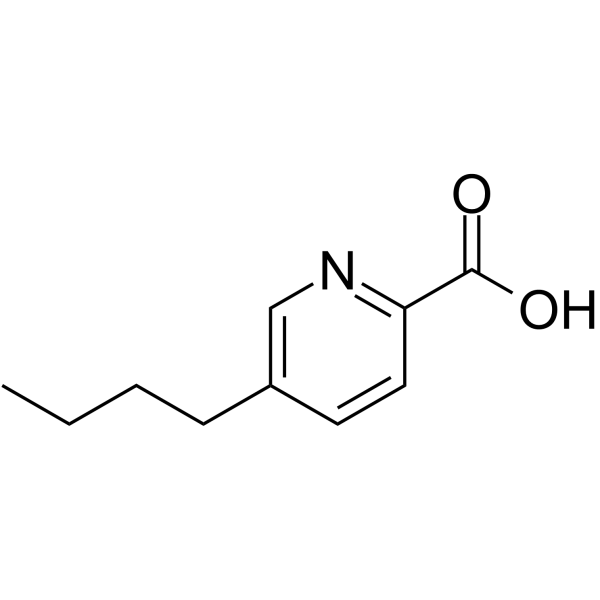
HY-128483
Fusaric acidDopamine β-hydroxylase Inhibitor -
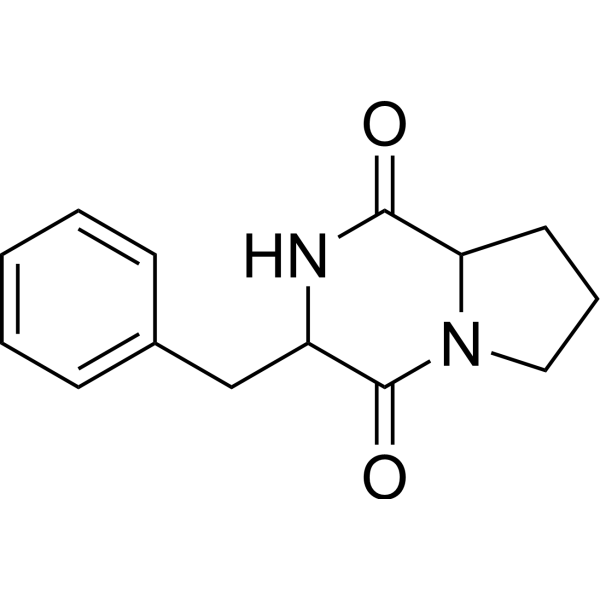
HY-P1934
Cyclo(Phe-Pro)Antifungal Cyclic Dipeptide -
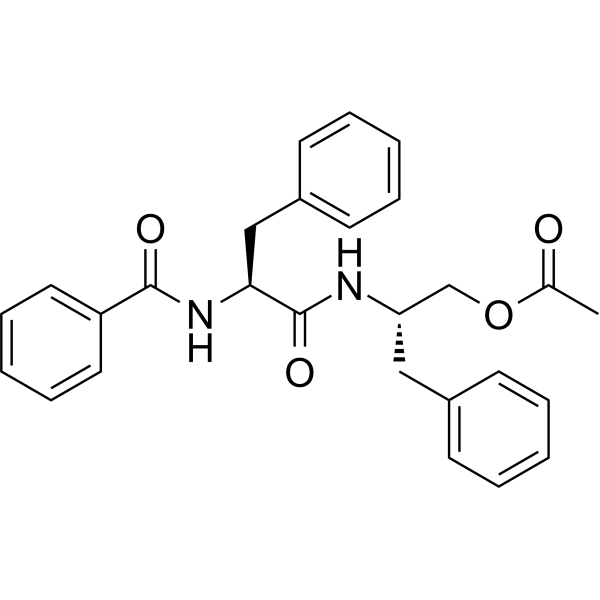
HY-N2905
Aurantiamide acetateCathepsin Inhibitor -

HY-P0269
Magainin 1Antimicrobial Peptide -

HY-P1938R
Cyclo(L-Pro-L-Val) (Standard)Bacterial Inhibitor -
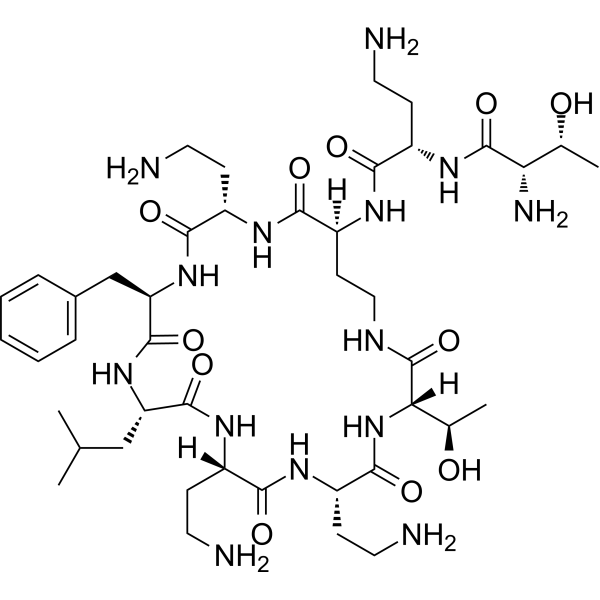
HY-106783
Polymyxin B nonapeptideAntibiotic -
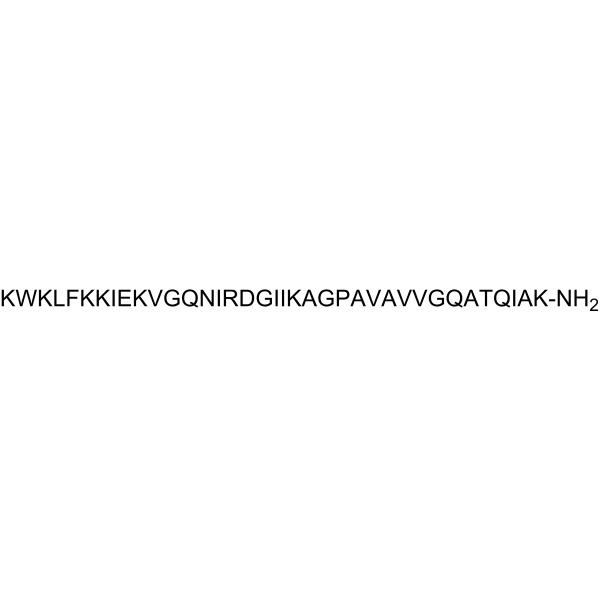
HY-P1539
Cecropin ABacterial Inhibitor -
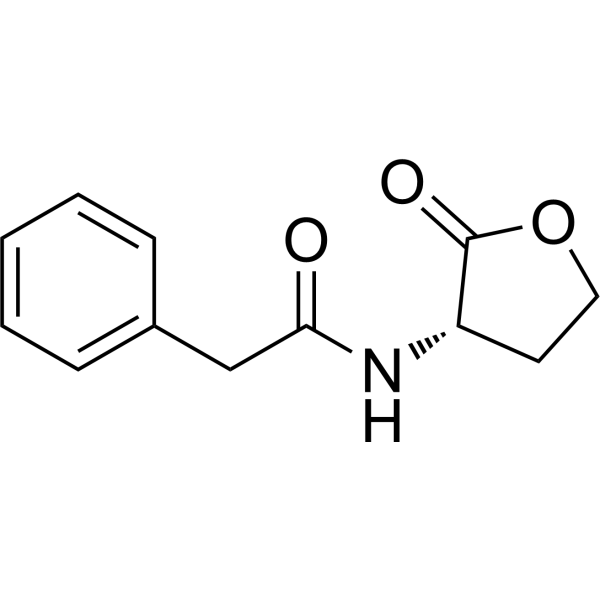
HY-137407
N-Phenylacetyl-L-homoserine lactoneSignaling Molecule -

HY-W483854
N-Formyl-2-aminophenolAntioxidant Agent


Biological Activity
Description
Cellular Effect
|
Cell Line

|
Type | Value | Description | References |
|---|---|---|---|---|
| HCT-116 | EC50 |
>100 μM
Compound: DKPPVal
|
Cytotoxicity against human HCT-116 cells incubated for 48 hrs by MTT assay
Cytotoxicity against human HCT-116 cells incubated for 48 hrs by MTT assay
|
[PMID: 36518704] |
| HCT-116 | EC50 |
>100 μM
Compound: DKPPVal
|
Cytotoxicity against human HCT-116 cells overexpressing human BCRP incubated for 48 hrs by MTT assay
Cytotoxicity against human HCT-116 cells overexpressing human BCRP incubated for 48 hrs by MTT assay
|
[PMID: 36518704] |
| HCT-116 | EC50 |
>100 μM
Compound: DKPPVal
|
Cytotoxicity against human HCT-116 cells overexpressing human MDR1 incubated for 48 hrs by MTT assay
Cytotoxicity against human HCT-116 cells overexpressing human MDR1 incubated for 48 hrs by MTT assay
|
[PMID: 36518704] |
| HEK293 | EC50 |
>100 μM
Compound: DKPPVal
|
Cytotoxicity against human HEK293 cells incubated for 48 hrs by MTT assay
Cytotoxicity against human HEK293 cells incubated for 48 hrs by MTT assay
|
[PMID: 36518704] |
| Neutrophil | IC50 |
2.79 μg/mL
Compound: 28
|
Anti-inflammatory activity in human neutrophils assessed as inhibition of FMLP/CB-induced elastase release
Anti-inflammatory activity in human neutrophils assessed as inhibition of FMLP/CB-induced elastase release
|
[PMID: 21848266] |
| Neutrophil | IC50 |
6.59 μg/mL
Compound: 28
|
Anti-inflammatory activity in human neutrophils assessed as inhibition of FMLP/CB-induced superoxide anion generation
Anti-inflammatory activity in human neutrophils assessed as inhibition of FMLP/CB-induced superoxide anion generation
|
[PMID: 21848266] |
In Vitro
Cyclo(L-Pro-L-Val) (MIC=19.6 mg/mL) shows toxic activity comparable to that of 25 mg/mL Chloramphenicol (HY-B0239) in the antibacterial experiment against Rhodococcus fascians LMG 3605 and could reduce the viability of Rhodococcus fascians LMG 3605 cells[1]Cyclo(L-Pro-L-Val) (25-100 μM; treated for 1 hour and then co-incubated with LPS for 24 hours) significantly inhibits the production of NO in RAW 264.7 macrophages stimulated by LPS in the anti-inflammatory experiment of RAW 264.7 macrophages, and the inhibitory effect is equivalent to that of L-NMMA (HY-18732)[2]Cyclo(L-Pro-L-Val) (50-100 μM;24 h) inhibits the phosphorylation of IKKα, IKKβ, and NF-κB, as well as the activation of iNOS and COX-2 in RAW 264.7 macrophages induced by LPS in a concentration-dependent manner[2]
MedChemExpress (MCE) has not independently confirmed the accuracy of these methods. They are for reference only. Further protocols information, click here.
-
Cell Line:RAW 264.7 macrophages
-
Concentration:50 μM, 100 μM
-
Incubation Time:Treated for 1 hour and then co-incubated with 1 μg/mL LPS for 24 h
-
Result:Significantly inhibited expression of IKKα/β, I-κBα, and NF-κB in a concentration dependent manner.


Chemical Information
-
CAS No. 2854-40-2
-
Appearance Solid
-
Molecular Weight 196.25
-
Formula C10H16N2O2
-
Color White to off-white
-
Sequence
Cyclo(Pro-Val)
-
Sequence Shortening
Cyclo(PV)
-
Structure Classification
-
Initial Source
Streptomyces strain ML 1532
-
Shipping
Room temperature in continental US; may vary elsewhere.
-
Storage
Sealed storage, away from moisture and light, under nitrogen
Powder -80°C 2 years -20°C 1 year * In solvent : -80°C, 6 months; -20°C, 1 month (sealed storage, away from moisture and light, under nitrogen)


Solvent & Solubility
In Vitro:
DMSO : 100 mg/mL (509.55 mM; Need ultrasonic; Hygroscopic DMSO has a significant impact on the solubility of product, please use newly opened DMSO)
Please refer to the solubility information to select the appropriate solvent. Once prepared, please aliquot and store the solution to prevent product inactivation from repeated freeze-thaw cycles.
Storage method and period of stock solution: -80°C, 6 months; -20°C, 1 month (sealed storage, away from moisture and light, under nitrogen). When stored at -80°C, please use it within 6 months. When stored at -20°C, please use it within 1 month.
Please refer to the solubility information to select the appropriate solvent. Once prepared, please aliquot and store the solution to prevent product inactivation from repeated freeze-thaw cycles.
Storage method and period of stock solution: -80°C, 6 months; -20°C, 1 month (sealed storage, away from moisture and light, under nitrogen). When stored at -80°C, please use it within 6 months. When stored at -20°C, please use it within 1 month.
Concentration (start) × Volume (start) = Concentration (final) × Volume (final)

Protocols
-
Kinase activity and phosphorylation assays
Kinase activity assays measure the ability of kinases to transfer phosphate groups from ATP to specific substrates, while phosphorylation assays detect the presence and levels of phosphorylated proteins. Common methods include radiolabeled ATP incorporation (e. g. ,), ADP release detection via bioluminescence (e. g. ,[3]), enzyme-linked immunosorbent assays (ELISA) for phospho-specific epitopes (e. g. ,[6]), and microtiter-based formats for high-throughput screening (e. g. ,[8]). The ADP-Glo assay quantifies kinase activity by measuring ADP produced during phosphorylation using a luciferase-based system. Radiometric assays involve autoradiography or scintillation counting after incorporation of 32P-labeled ATP into substrate proteins. ELISA-based approaches rely on phospho-specific antibodies to detect activated kinases in cell lysates or purified samples.
-
Research Protocol for Infectious Diseases
Infectious-disease experiments test how pathogens interact with host barriers, innate immune receptors, inflammatory signaling, pathogen replication, and tissue injury; pattern-recognition receptors such as TLRs, RIG-I-like receptors, NOD-like receptors, and inflammasomes detect microbial molecules and activate NF-κB, interferon, and cytokine responses. The central hypothesis is that infection severity reflects the balance between pathogen burden and host response: protective inflammation restricts pathogen growth, whereas excessive or mislocalized inflammation contributes to tissue damage and disease phenotype. Unresolved questions include which host pathways are protective versus pathogenic, why some infection models fail to translate to human disease, and which combined readouts best predict clinically relevant infection outcomes.
-
Western Blot
Western blotting (WB) is a commonly used experimental method in molecular biology, biochemistry, and immunogenetics for identifying and quantifying target proteins. It combines gel electrophoresis with immunoassay, enabling researchers to analyze protein expression, post-translational modifications, and molecular weight.
-
Cotton Pellet Granuloma
Cotton pellet granuloma is a classical in vivo chronic inflammation model used to evaluate the anti-inflammatory potential of test substances by measuring their ability to inhibit granuloma tissue formation around an implanted foreign body (cotton pellet) in rodents. The method is based on the biological response to a sterile implanted material, which induces proliferative phase inflammation characterized by fibroblast proliferation and collagen-rich granuloma formation, and the final readout reflects the extent of chronic inflammatory tissue growth surrounding the pellet. In multiple preclinical pharmacological evaluations, inhibition of cotton pellet-induced granuloma formation has been used as an indicator of anti-inflammatory activity in both synthetic and natural product screening contexts.
-
Carrageenan-Induced Paw Edema
Carrageenan-induced paw edema is an acute inflammation model in which intraplantar injection of carrageenan induces localized inflammatory swelling characterized by vascular permeability, leukocyte infiltration, and production of inflammatory mediators such as prostaglandins and cytokines, making it widely used to evaluate anti-inflammatory agents in vivo. The resulting paw volume or thickness increase is quantified over time as a direct readout of inflammatory intensity and drug efficacy, typically reflecting cyclooxygenase-mediated prostaglandin-driven edema formation and immune cell recruitment in peripheral tissue[20].
-
Research Protocol for Inflammation-related Diseases
The NLRP3 inflammasome is a cytosolic innate immune signaling platform that integrates priming signals and danger-signal activation to promote caspase-1 activation, maturation of IL-1β and IL-18, and gasdermin D-mediated pyroptotic cell death. The core experimental logic is to determine whether inflammatory disease phenotypes are driven by increased NLRP3 expression, ASC-containing inflammasome assembly, caspase-1 cleavage, GSDMD cleavage, and extracellular release of IL-1β/IL-18 rather than by nonspecific cell injury alone. The pathway is strongly linked to inflammation-related disease phenotypes because monosodium urate crystals activate NALP3/NLRP3 inflammasome signaling in gout-like crystal inflammation, cholesterol crystals activate NLRP3 inflammasomes in atherogenesis models, and DSS-induced intestinal inflammation has been reported to involve NLRP3 inflammasome activity. However, experimental colitis studies also show context-dependent protective effects of NLRP3 inflammasome co
-
Protocol for Kinase activity and phosphorylation assays
Kinase activity assays measure transfer of phosphate from ATP to a protein or peptide substrate, generating phosphorylated substrate, ADP, or incorporated radiolabeled phosphate as the readout; phosphorylation assays measure site-specific phosphorylation in cells or tissues as a proxy for kinase-pathway activation, inhibition, or substrate regulation. Phosphorylation can be detected by phospho-specific Western blot, immunoprecipitation kinase assay, phospho-immunofluorescence, phospho-flow cytometry, luminescent ADP detection, radiolabeled ATP incorporation, or reporter-based pathway assays, and these readouts can be applied to cancer cells, primary neurons, mouse tumors, organoids, inflammatory macrophages, ferroptosis studies, and mitophagy studies when the kinase target is biologically relevant.


Purity & Documentation
-
Data Sheet (277 KB)
-
SDS (394 KB)
- English - EN (394 KB)
- Français - FR (394 KB)
- Deutsch - DE (394 KB)
- Norwegian - NO (394 KB)
- Español - ES (394 KB)
- Swedish - SV (394 KB)
- Italian - IT (394 KB)
- Korean - KR (394 KB)
- Portuguese - PT (394 KB)
-
Handling Instructions (2659 KB)
References
[1]. Cimmino A, et al. Isolation of 2,5-diketopiperazines from Lysobacter capsici AZ78 with activity against Rhodococcus fascians. Nat Prod Res. 2021 Dec;35(23):4969-4977. [Content Brief]
[2]. Lee D, et al. Bioactive Phytochemicals from Mulberry: Potential Anti-Inflammatory Effects in Lipopolysaccharide-Stimulated RAW 264.7 Macrophages. Int J Mol Sci. 2021 Jul 29;22(15):8120. [Content Brief]


Complete Stock Solution Preparation Table
Please refer to the solubility information to select the appropriate solvent. Once prepared, please aliquot and store the solution to prevent product inactivation from repeated freeze-thaw cycles.
Storage method and period of stock solution: -80°C, 6 months; -20°C, 1 month (sealed storage, away from moisture and light, under nitrogen). When stored at -80°C, please use it within 6 months. When stored at -20°C, please use it within 1 month.
| Optional Solvent | Concentration Solvent Mass | 1 mg | 5 mg | 10 mg | 25 mg |
|---|---|---|---|---|---|
| DMSO | 1 mM | 5.0955 mL | 25.4777 mL | 50.9554 mL | 127.3885 mL |
| 5 mM | 1.0191 mL | 5.0955 mL | 10.1911 mL | 25.4777 mL | |
| 10 mM | 0.5096 mL | 2.5478 mL | 5.0955 mL | 12.7389 mL | |
| 15 mM | 0.3397 mL | 1.6985 mL | 3.3970 mL | 8.4926 mL | |
| 20 mM | 0.2548 mL | 1.2739 mL | 2.5478 mL | 6.3694 mL | |
| 25 mM | 0.2038 mL | 1.0191 mL | 2.0382 mL | 5.0955 mL | |
| 30 mM | 0.1699 mL | 0.8493 mL | 1.6985 mL | 4.2463 mL | |
| 40 mM | 0.1274 mL | 0.6369 mL | 1.2739 mL | 3.1847 mL | |
| 50 mM | 0.1019 mL | 0.5096 mL | 1.0191 mL | 2.5478 mL | |
| 60 mM | 0.0849 mL | 0.4246 mL | 0.8493 mL | 2.1231 mL | |
| 80 mM | 0.0637 mL | 0.3185 mL | 0.6369 mL | 1.5924 mL | |
| 100 mM | 0.0510 mL | 0.2548 mL | 0.5096 mL | 1.2739 mL |


Cyclo(L-Pro-L-Val) Related Classifications
HY-P1938 Related Classifications
 Powered by Bioz