



D-Histidine

Based on 1 Customer Validation
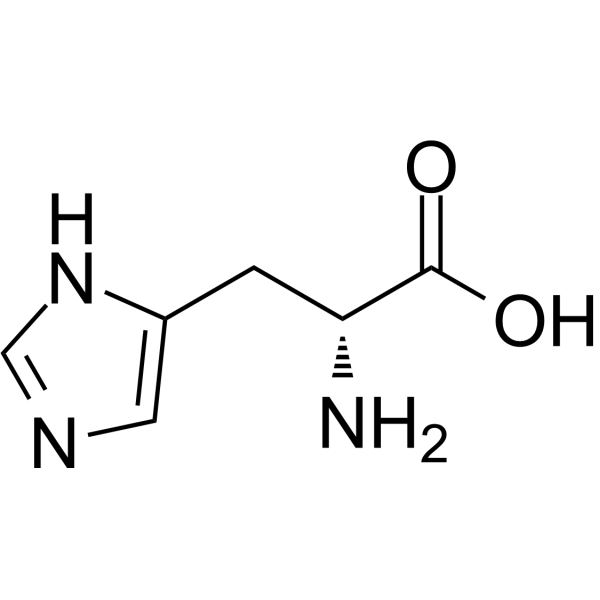
D-Histidine is an anti-biofilm agent that targets bacterial quorum sensing systems (such as RhlI/RhlR pathway) and has antibacterial activity. D-Histidine works by non-covalently binding to bacterial regulatory factors or copper ion complexes, selectively inhibiting bacterial biofilm formation and motility. D-Histidine downregulates quorum sensing-related gene expression, reduces the synthesis of virulence factors (such as alginate and proteases), and interferes with bacterial membrane stability, inhibiting biofilm formation, promoting the disintegration of mature biofilms, and enhancing antibiotic sensitivity. D-Histidine is also an efficient catalyst for the salt-induced peptide formation (SIPF) reaction, which promotes the condensation of amino acids to form dipeptides (such as dialanine and dilysine) by forming a complex with copper ions (Cu2+).
For research use only. We do not sell to patients.
- Purity : 99.84%
- CAS No.: 351-50-8
- Formula: C6H9N3O2
- Molecular Weight:155.16
-
Storage:Powder -20°C, 3 years , 4°C, 2 years ; In solvent -80°C, 6 months , -20°C, 1 month

To place orders, for customer services and technical support, please contact: MedChemExpress USA
Tel: 609-228-6898 E-mail: [email protected] [email protected]


-
 Biological Activity
-
Chemical Information
-
Solvent & Solubility
- Protocols
- Purity & Documentation
- References
-
 Help & FAQs


-
HY-N0832
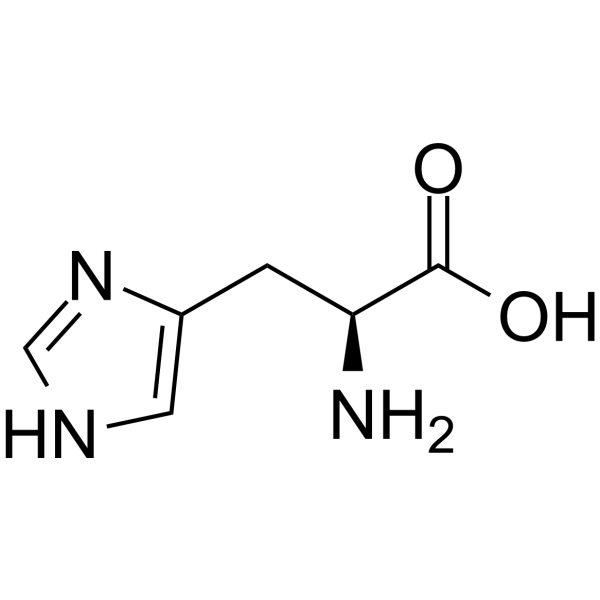
L-HistidineEndogenous Metabolite -

HY-W250978
OvalbuminsAllergen -
HY-I1070
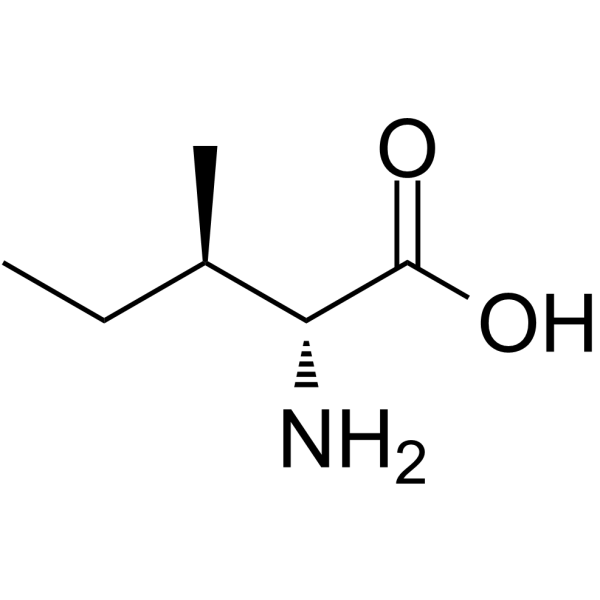
D-IsoleucineIsoleucine Stereoisomer -

HY-N0832R
L-Histidine (Standard)Endogenous Metabolite -

HY-W012572R
D-Histidine (Standard)Anti-biofilm Agent -
HY-120338
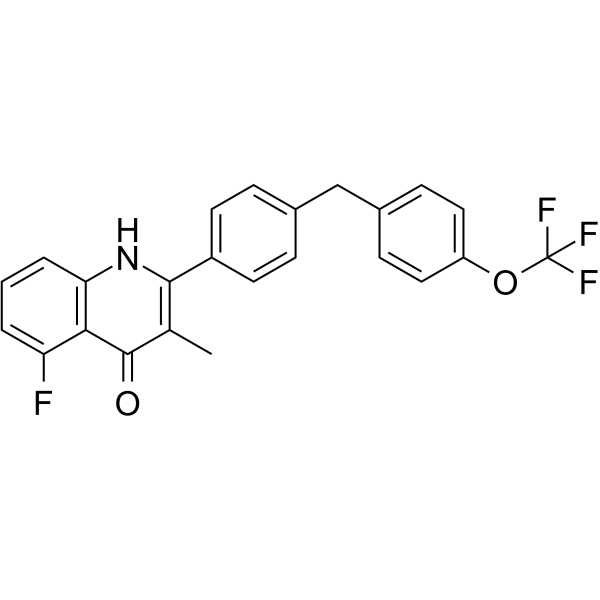
RYL-552PfNDH2 Inhibtor -
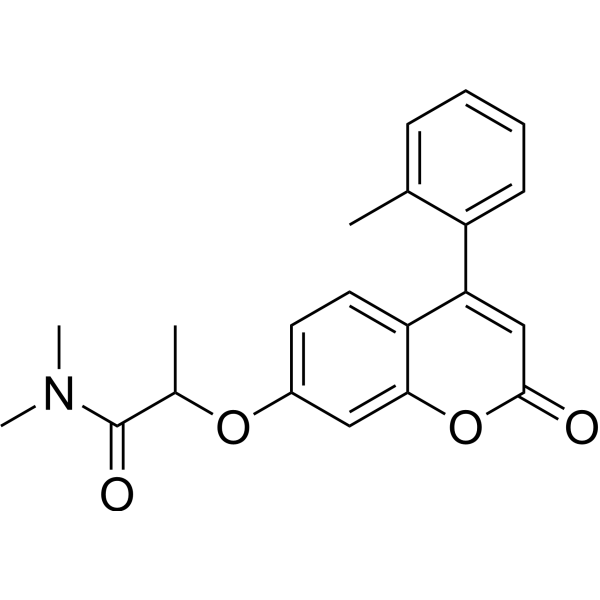
HY-134539
IMT1POLRMT Inhibitor -
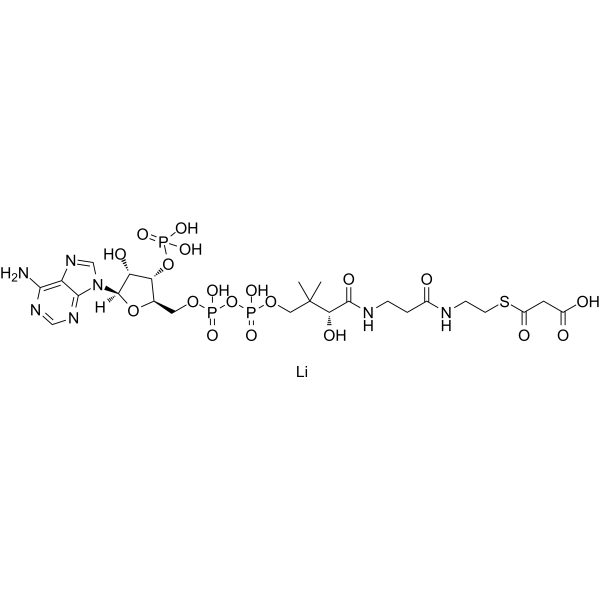
HY-136408
Malonyl CoA lithiumCPT1 Inhibitor -
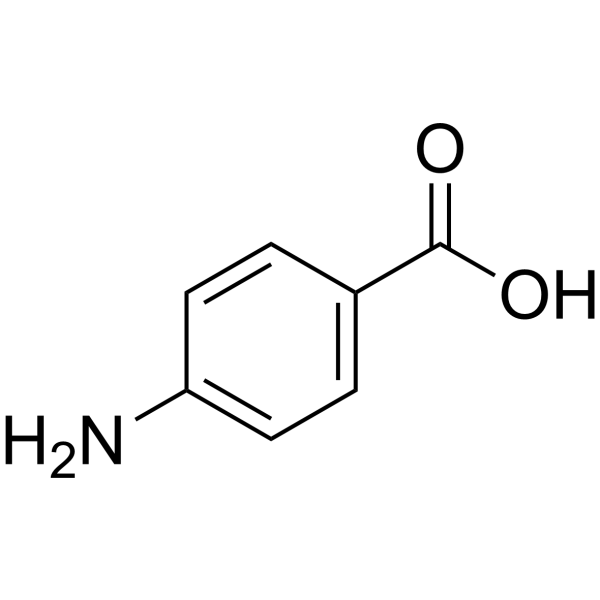
HY-B1008
4-Aminobenzoic acidFolate Synthesis Intermediate -
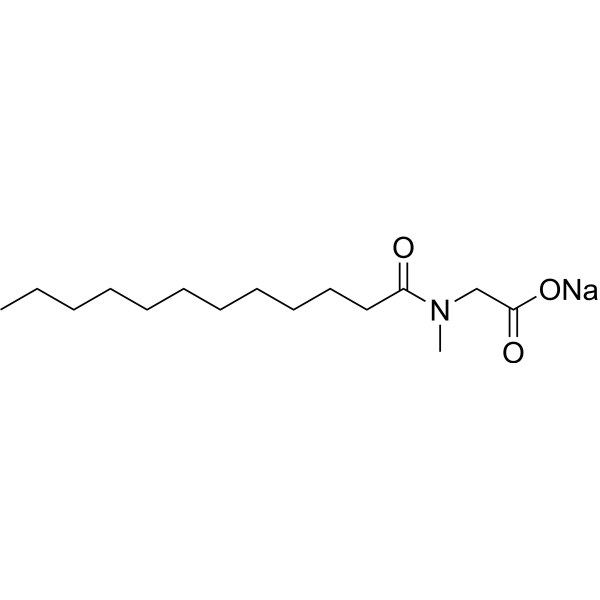
HY-125920
Lauroylsarcosine sodiumBiochemical Assay Reagent -
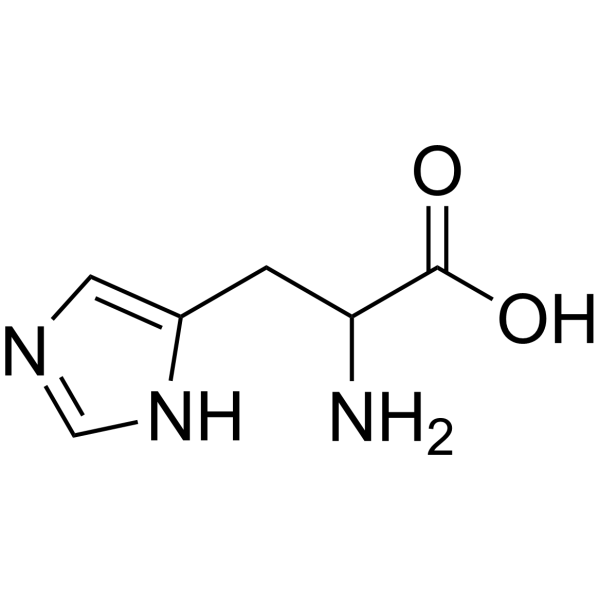
HY-W010209
DL-HistidineAmino Acid Derivative -
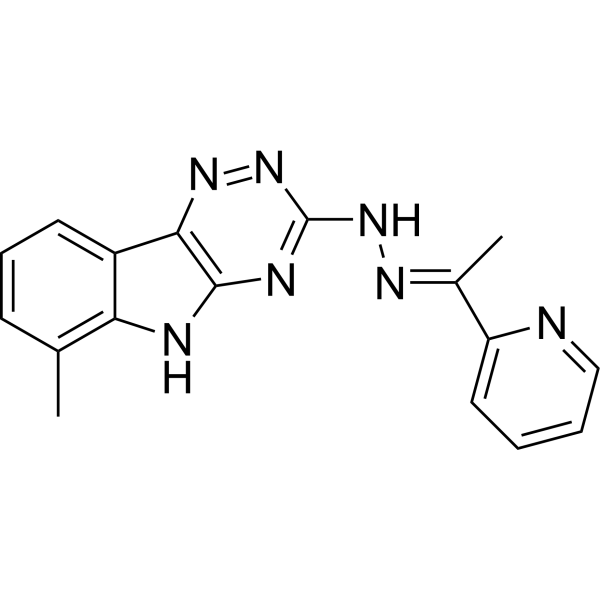
HY-12406
VLX600OXPHOS Inhibitor/Iron Chelator


Biological Activity
Description
In Vitro
D-Histidine (100 mM; 24 h) significantly inhibited biofilm formation and promoted the disintegration of mature biofilm in the Pseudomonas aeruginosa PAO1 biofilm formation experiment. Crystal violet staining and laser confocal microscopy showed that the amount of biofilm was reduced by about 55%[1].
D-Histidine (100 nM-100 mM; 24 h) downregulated RhlI/RhlR gene expression in a concentration-dependent manner in the quorum sensing (QS)-related gene expression experiment. At 100 mM, the expression levels of RhlI and RhlR genes decreased by about 80% and 90%, respectively[1].
D-Histidine (2.5 mM) increases the production of di-alanine by 14-22 times compared to the absence of catalyst; for the lysine system, D-Histidine increases the catalytic effect about 2-3 times[2].
MedChemExpress (MCE) has not independently confirmed the accuracy of these methods. They are for reference only. Further protocols information, click here.
-
Cell Line:Pseudomonas aeruginosa PAO1
-
Concentration:0 mM, 100 nM, 10 µM, 1 mM, 50 mM, 100 mM
-
Incubation Time:24 h
-
Result:High concentrations (50-100 mM) significantly reduced bacterial motility. Swarming motility diameter decreased by 68% and swimming motility by 81% at 100 mM, indicating impaired movement on semi-solid agar media.
In Vivo
In the rat cryoinjury model, only L-histidine (HY-N0832) (100 mg/kg; intravenous injection; injection 30 min before injury) has singlet oxygen scavenger activity compared with D-histidine, and L-histidine reduces brain edema in rats after cryoinjury[3].
MedChemExpress (MCE) has not independently confirmed the accuracy of these methods. They are for reference only.
-
Animal Model:Rats cryogenic injury model[3]
-
Dosage:Both L-histidine and D-histidine were 100 mg/kg
-
Administration:Intravenously at 30 minutes before lesion production
-
Result:Had no effect on rectal and brain temperature.
L-histidine but not D-histidine significantly attenuated BE following cryogenic injury.


Chemical Information
-
CAS No. 351-50-8
-
Appearance Solid
-
Molecular Weight 155.16
-
Formula C6H9N3O2
-
Color White to light yellow
-
SMILES
OC([C@H](N)CC1=CN=CN1)=O
-
Shipping
Room temperature in continental US; may vary elsewhere.
-
Storage
Powder -20°C 3 years 4°C 2 years In solvent -80°C 6 months -20°C 1 month


Solvent & Solubility
In Vitro:
1 M HCl : ≥ 100 mg/mL (644.50 mM)
H2O : 44.44 mg/mL (286.41 mM; ultrasonic and adjust pH to 7 with 1 M HCl)
* "≥" means soluble, but saturation unknown.
Please refer to the solubility information to select the appropriate solvent. Once prepared, please aliquot and store the solution to prevent product inactivation from repeated freeze-thaw cycles.
Storage method and period of stock solution: -80°C, 6 months; -20°C, 1 month. When stored at -80°C, please use it within 6 months. When stored at -20°C, please use it within 1 month.
* Note: If you choose water as the stock solution, please dilute it to the working solution, then filter and sterilize it with a 0.22 μm filter before use.
Please refer to the solubility information to select the appropriate solvent. Once prepared, please aliquot and store the solution to prevent product inactivation from repeated freeze-thaw cycles.
Storage method and period of stock solution: -80°C, 6 months; -20°C, 1 month. When stored at -80°C, please use it within 6 months. When stored at -20°C, please use it within 1 month.
* Note: If you choose water as the stock solution, please dilute it to the working solution, then filter and sterilize it with a 0.22 μm filter before use.
Concentration (start) × Volume (start) = Concentration (final) × Volume (final)

Protocols
-
RT-PCR
Reverse transcription technology uses RNA as a template to synthesize DNA. RT-PCR is simple, specific and sensitive, and can be used to detect gene expression levels and expression differences in cells; detect RNA virus content; clone cDNA sequences of specific genes.
-
Research Protocol for Infectious Diseases
Infectious-disease experiments test how pathogens interact with host barriers, innate immune receptors, inflammatory signaling, pathogen replication, and tissue injury; pattern-recognition receptors such as TLRs, RIG-I-like receptors, NOD-like receptors, and inflammasomes detect microbial molecules and activate NF-κB, interferon, and cytokine responses. The central hypothesis is that infection severity reflects the balance between pathogen burden and host response: protective inflammation restricts pathogen growth, whereas excessive or mislocalized inflammation contributes to tissue damage and disease phenotype. Unresolved questions include which host pathways are protective versus pathogenic, why some infection models fail to translate to human disease, and which combined readouts best predict clinically relevant infection outcomes.
-
RNA extraction experimental
By lysing cells, releasing RNA, and removing impurities such as proteins and DNA, high-purity RNA products are finally obtained. The commonly used traditional method is the guanidine isothiocyanate/phenol/chloroform method (Trizol), which is suitable for a variety of animal materials including animal tissues, microorganisms, cultured cells, etc., and most plant materials.
-
Bacterial live/dead nucleic-acid viability staining
The LIVE/DEAD bacterial viability staining method is based on differential permeability of nucleic-acid-binding fluorescent dyes, most commonly SYTO 9 and propidium iodide (PI), which enables discrimination of bacterial populations with intact versus compromised cytoplasmic membranes. SYTO 9 penetrates both intact and damaged bacterial membranes and binds nucleic acids to produce green fluorescence, whereas propidium iodide penetrates only cells with compromised membranes and fluoresces red while also reducing SYTO 9 signal through competitive binding and fluorescence interactions. The resulting fluorescence pattern is interpreted as a proxy for membrane integrity, which is widely used as an indicator of bacterial viability in microscopy, flow cytometry, and spectroscopic platforms. However, mechanistic studies show that SYTO 9 and PI interactions involve displacement and fluorescence resonance energy transfer effects, which can influence signal interpretation depending on dye ratios a
-
Fungal Biofilm Culture
Fungal biofilm culture is an in vitro method for growing surface-attached fungal communities, most commonly Candida albicans, on abiotic substrates such as polystyrene wells, silicone elastomer, or polymethylmethacrylate; the assay models adhesion, proliferation, filamentation, extracellular-matrix-associated maturation, and dispersion. Biofilm output can be read by optical density at 600 nm for adherent biomass, XTT reduction for metabolic activity, CFU recovery for viable attached or dispersed cells, and microscopy for architecture.
-
Real Time qPCR (Q-PCR)
Real-time quantitative PCR (qPCR) quantifies an amplifiable nucleic-acid target by monitoring fluorescence during PCR cycling rather than measuring product only after amplification. The increase in fluorescence tracks accumulation of PCR product, and the quantification cycle (Cq; historically also Ct/CP) is related to the initial amount of target: samples containing more starting target generally reach the defined fluorescence threshold in fewer cycles.


Purity & Documentation
-
Data Sheet (303 KB)
-
SDS (396 KB)
- English - EN (396 KB)
- Français - FR (396 KB)
- Deutsch - DE (396 KB)
- Norwegian - NO (396 KB)
- Español - ES (396 KB)
- Swedish - SV (396 KB)
- Italian - IT (396 KB)
- Korean - KR (396 KB)
- Portuguese - PT (396 KB)
-
Handling Instructions (2659 KB)
References
[1]. Zhang H, et al. D-histidine combated biofilm formation and enhanced the effect of amikacin against Pseudomonas aeruginosa in vitro. Arch Microbiol. 2024 Mar 11;206(4):148. [Content Brief]
[2]. Fitz D, et al. The catalytic effect of L- and D-histidine on alanine and lysine peptide formation. J Inorg Biochem. 2008 Dec;102(12):2097-102. [Content Brief]
[3]. Ikeda Y, et al. L-histidine but not D-histidine attenuates brain edema following cryogenic injury in rats. Acta Neurochir Suppl. 2000;76:195-7. [Content Brief]


Complete Stock Solution Preparation Table
Please refer to the solubility information to select the appropriate solvent. Once prepared, please aliquot and store the solution to prevent product inactivation from repeated freeze-thaw cycles.
Storage method and period of stock solution: -80°C, 6 months; -20°C, 1 month. When stored at -80°C, please use it within 6 months. When stored at -20°C, please use it within 1 month.
| Optional Solvent | Concentration Solvent Mass | 1 mg | 5 mg | 10 mg | 25 mg |
|---|---|---|---|---|---|
| H2O / 1 M HCl | 1 mM | 6.4450 mL | 32.2248 mL | 64.4496 mL | 161.1240 mL |
| 5 mM | 1.2890 mL | 6.4450 mL | 12.8899 mL | 32.2248 mL | |
| 10 mM | 0.6445 mL | 3.2225 mL | 6.4450 mL | 16.1124 mL | |
| 15 mM | 0.4297 mL | 2.1483 mL | 4.2966 mL | 10.7416 mL | |
| 20 mM | 0.3222 mL | 1.6112 mL | 3.2225 mL | 8.0562 mL | |
| 25 mM | 0.2578 mL | 1.2890 mL | 2.5780 mL | 6.4450 mL | |
| 30 mM | 0.2148 mL | 1.0742 mL | 2.1483 mL | 5.3708 mL | |
| 40 mM | 0.1611 mL | 0.8056 mL | 1.6112 mL | 4.0281 mL | |
| 50 mM | 0.1289 mL | 0.6445 mL | 1.2890 mL | 3.2225 mL | |
| 60 mM | 0.1074 mL | 0.5371 mL | 1.0742 mL | 2.6854 mL | |
| 80 mM | 0.0806 mL | 0.4028 mL | 0.8056 mL | 2.0140 mL | |
| 100 mM | 0.0644 mL | 0.3222 mL | 0.6445 mL | 1.6112 mL |
* Note: If you choose water as the stock solution, please dilute it to the working solution, then filter and sterilize it with a 0.22 μm filter before use.


D-Histidine Related Classifications
HY-W012572 Related Classifications
 Powered by Bioz