



Em 571-590 nm Yellow
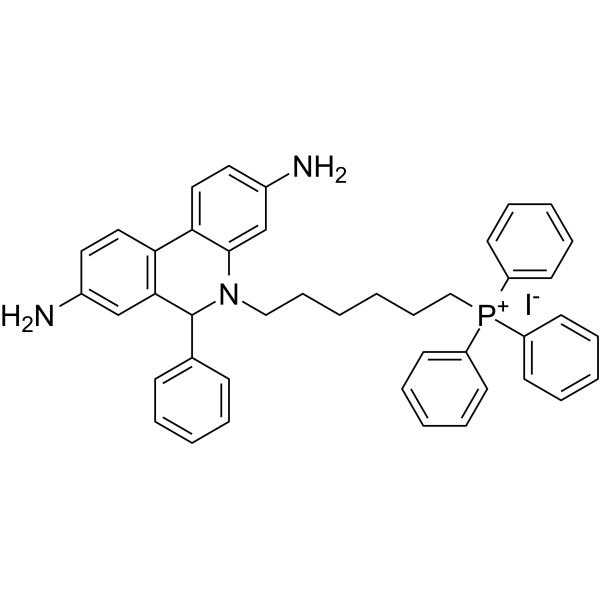
- Formula: C43H43IN3P
- Molecular Weight: 759.70
MitoSOX Red is a live cell fluorescent probe that specifically targets mitochondria and is cell membrane permeable. MitoSOX Red enters mitochondria and is oxidized by superoxide but not by other ROS or RNS generating systems. The oxidized MitoSOX Red then binds to nucleic acids in mitochondria/nucleus, producing strong red fluorescence. MitoSOX Red can be used as a fluorescent indicator to specifically detect superoxide. In addition, superoxide dismutase (SOD) can prevent the oxidation of MitoSOX Red.
Excitation/emission wavelength: 510/580 nm.
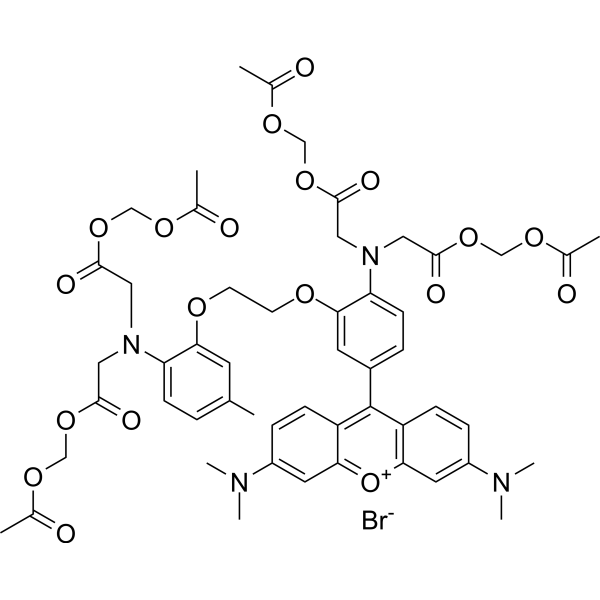
- Formula: C52H59BrN4O19
- Molecular Weight: 1123.94
Rhod-2 is a high-affinity visible light excitation wavelength Ca2+ fluorescent probe, Rhod-2, AM is an acetyl methyl ester derivative of Rhod-2, which has cell membrane permeability and can easily enter cells with simple culture. Once it enters the cell, it is sheared by its lactesterase to produce Rhod-2 without membrane permeability, which remains in the cell to perform the corresponding physiological functions. Maximum excitation/emission wavelength: 549/578 nm.
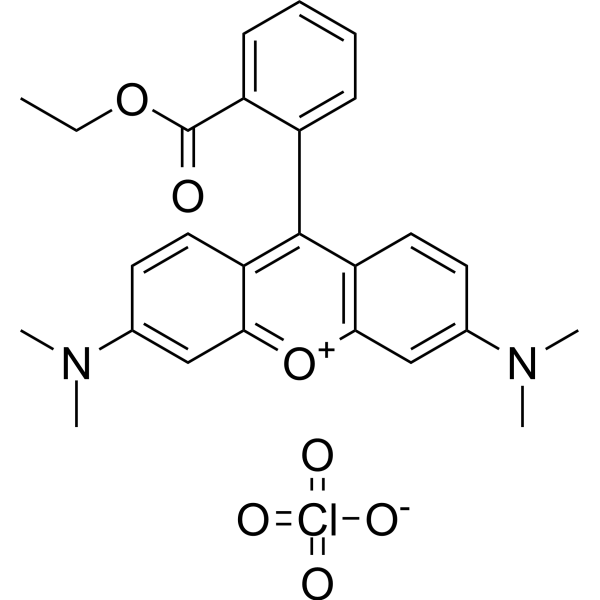
- Formula: C26H27ClN2O7
- Molecular Weight: 514.95
Rhodamine dyes are membrane-permeable cationic fluorescent probes that specifically recognize mitochondrial membrane potentials, thereby attaching to mitochondria and producing bright fluorescence, and at certain concentrations, rhodamine dyes have low toxicity to cells, so they are commonly used to detect mitochondria in animal cells, plant cells, and microorganisms.
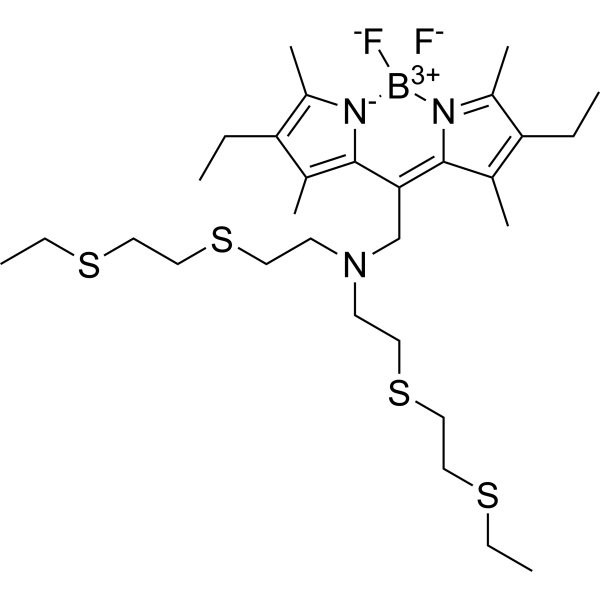
- Formula: C30H50BF2N3S4
- Molecular Weight: 629.81
Coppersensor-1 (CS1) is a membrane-permeable fluorescent dye. Coppersensor-1 has a picomolar affinity for Cu+ with high selectivity over competing cellular metalions. Coppersensor-1 as a probe, can selective and sensitive detection of copper(I) ions (Cu+) in biological samples, including live cells. Coppersensor-1 can be used for the research of imaging of severe diseases such as cancer, cardiovascular disorders and neurogenerative diseases.
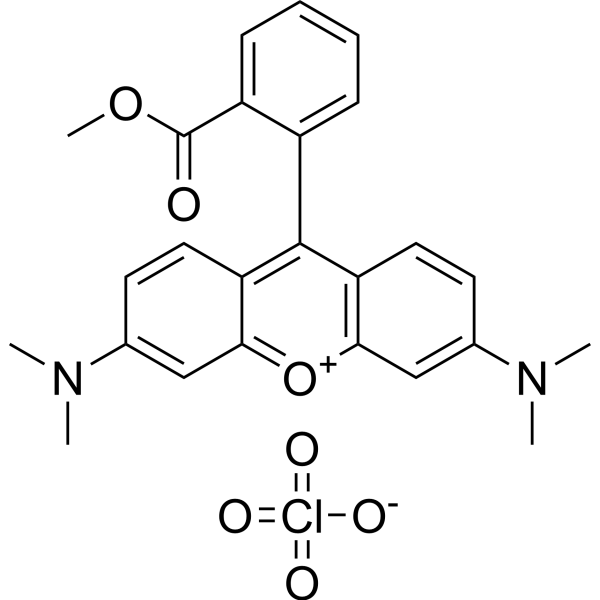
- Formula: C25H25ClN2O7
- Molecular Weight: 500.93
Rhodamine dyes are membrane-permeable cationic fluorescent probes that specifically recognize mitochondrial membrane potentials, thereby attaching to mitochondria and producing bright fluorescence, and at certain concentrations, rhodamine dyes have low toxicity to cells, so they are commonly used to detect mitochondria in animal cells, plant cells, and microorganisms.
![Hydrogen 3-(2-carboxylatoethyl)-5,5-difluoro-7-(1H-pyrrol-2-yl)-5H-dipyrrolo[1,2-c:2',1'-f][1,3,2]diazaborinin-4-ium-5-uide](https://file.medchemexpress.com/product_pic/hy-d1118.gif "Click to View Hydrogen 3-(2-carboxylatoethyl)-5,5-difluoro-7-(1H-pyrrol-2-yl)-5H-dipyrrolo[1,2-c:2',1'-f][1,3,2]diazaborinin-4-ium-5-uide Product Detail")
- Formula: C16H14BF2N3O2
- Molecular Weight: 329.11
BODIPY 576/589 is a long wavelength biological labeled dye contains a free COOH-group (Em/Ex = 589/576 nm).

- Formula: C30H50BF2N3S4
- Molecular Weight: 629.81
Coppersensor 1 (solution) is a membrane-permeable fluorescent dye. Coppersensor-1 has a picomolar affinity for Cu+ with high selectivity over competing cellular metalions. Coppersensor-1 as a probe, can selective and sensitive detection of copper(I) ions (Cu+) in biological samples, including live cells. Coppersensor-1 can be used for the research of imaging of severe diseases such as cancer, cardiovascular disorders and neurogenerative diseases.
Solvent and concentration: DMSO: 2 mM
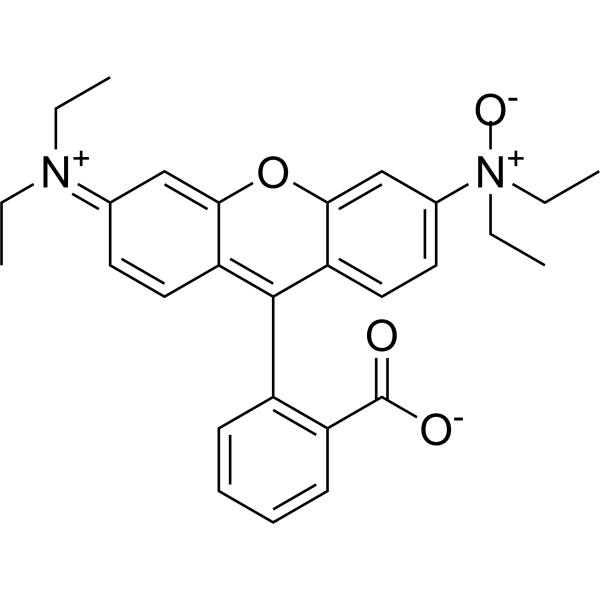
- Formula: C28H30N2O4
- Molecular Weight: 458.55
RhoNox-1 is a fluorescent probe for the specific detection of divalent iron ions, and when RhoNox-1 reacts with Fe2+. RhoNox-1 can generate an irreversible orange (red) fluorescent product (Ex/Em:540/575 nm) . FeRhoNox-1 can enter the cell well, suitable for the detection of Fe2+ in living cells, and tends to be localized in the Golgi apparatus.
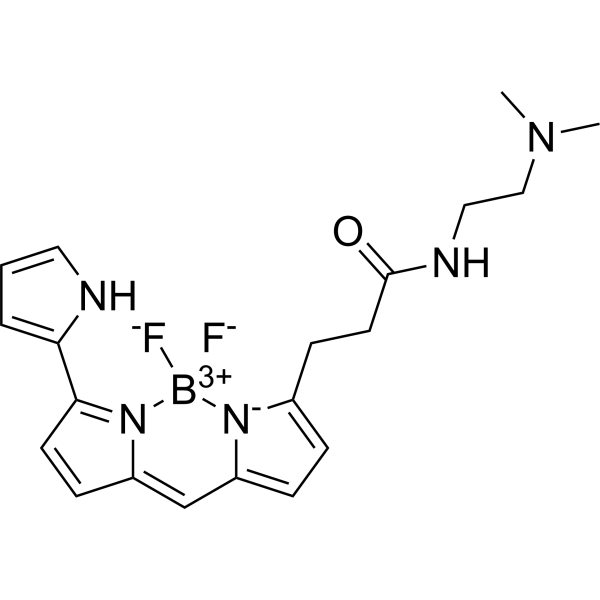
- Formula: C20H24BF2N5O
- Molecular Weight: 399.25
LysoTracker Red is a Red fluorescently labeled lysosomal probe with a maximum excitation/emission wavelength of 577/590 nm. The structure is composed of a fluorescein group and linked weak bases, which can freely cross the cell membrane and gather on spherical organelles. It is suitable for observing the internal biosynthesis and related pathogenesis of lysosomes.
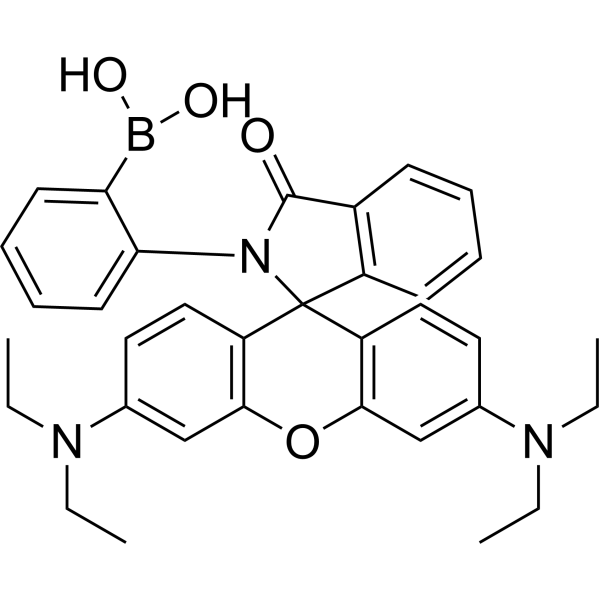
- Formula: C34H36BN3O4
- Molecular Weight: 561.48
ATP-Red 1 is a multisite-binding switchable fluorescent probe, and can selectively and rapidly responds to intracellular concentrations of ATP in living cells (Ex/Em = 510/590 nm).
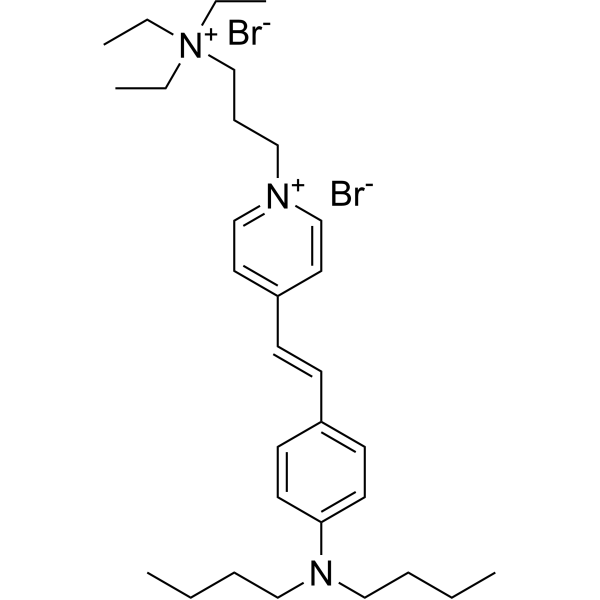
- Formula: C30H49Br2N3
- Molecular Weight: 611.54
FM1-43 is a very lipophilic, water-soluble styrene dyes, can specifically bind to cell membranes and inner membrane organelles to produce fluorescence. FM1-43 is widely used in endocytic and exospic membrane structure markers.
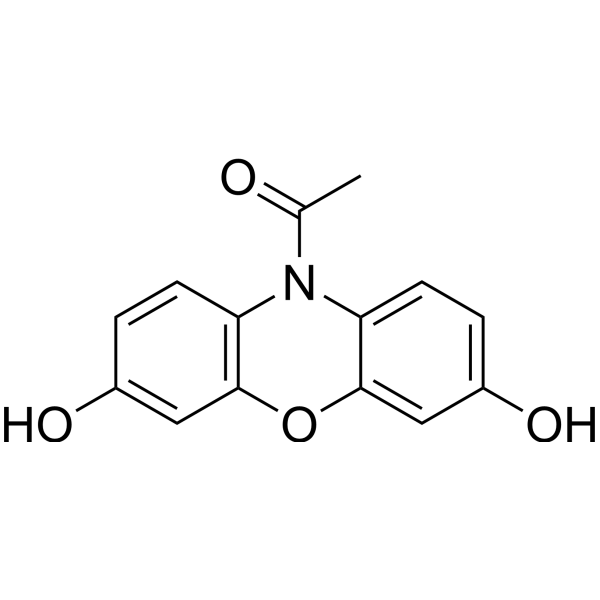
- Formula: C14H11NO4
- Molecular Weight: 257.24
ADHP is a fluorogenic peroxidase substrate (λex=530 nm, λem=590 nm).
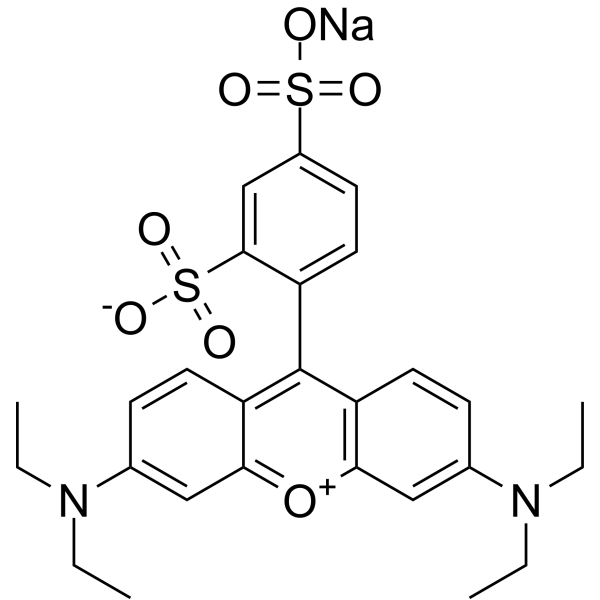
- Formula: C27H29N2NaO7S2
- Molecular Weight: 580.65
Sulforhodamine B sodium salt is a fluorescent dye with uses spanning from laser-induced fluorescence (LIF) to the quantification of cellular proteins of cultured cells.
R-Phycoerythrin is found in Heterosiphonia japonica. R-Phycoerythrin is an orange-red fluorescent probe with α, β, and γ subunits. R-Phycoerythrin can be used in photodynamic therapy (PDT) to induce apoptosis in tumor cells. R-Phycoerythrin can be used in fluorescence microscopy, flow cytometry, and immunofluorescence analysis (Ex: 495 nm).
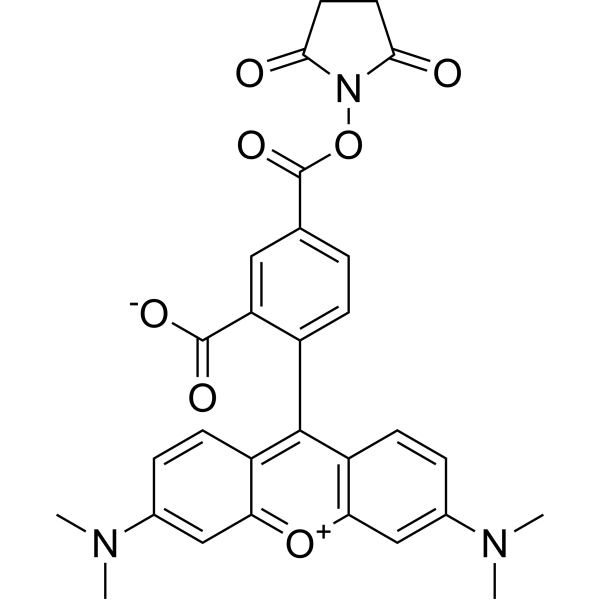
- Formula: C29H25N3O7
- Molecular Weight: 527.52
5-TAMRA-SE is an amine-reactive fluorescent agent, and its conjugate produces bright, pH-insensitive orange-red fluorescence with good photostability (Ex/Em = 565/580 nm).
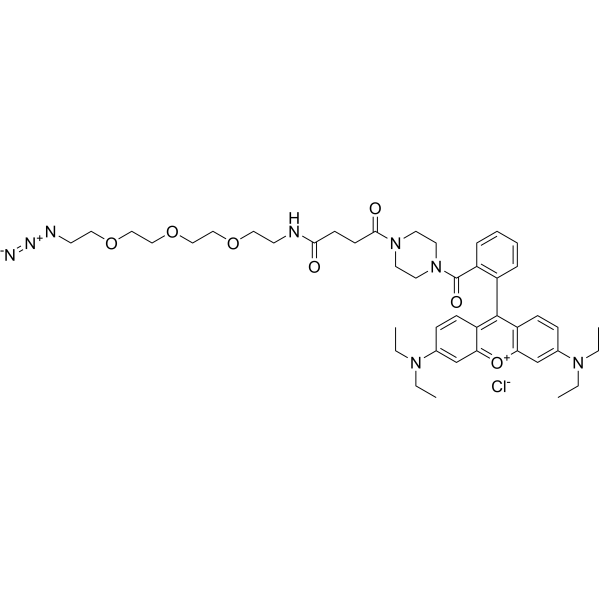
- Formula: C44H59ClN8O7
- Molecular Weight: 847.44
Rhodamine-N3 chloride is an azide-rhodamine fluorescent dye that can be used to label biomolecules containing alkyne groups. Rhodamine-N3 chloride is a click chemistry reagent, it contains an Azide group and can undergo copper-catalyzed azide-alkyne cycloaddition reaction (CuAAc) with molecules containing Alkyne groups. It can also undergo strain-promoted alkyne-azide cycloaddition (SPAAC) reactions with molecules containing DBCO or BCN groups (Ex/Em = 544/576 nm).
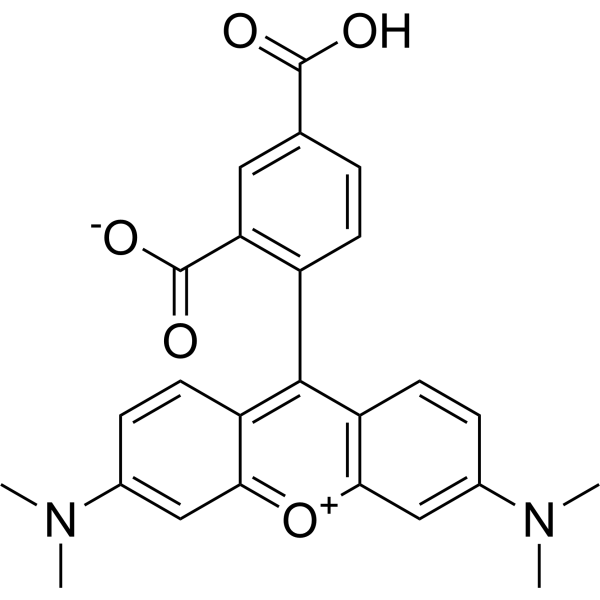
- Formula: C25H22N2O5
- Molecular Weight: 430.45
5-TAMRA can produce bright, pH-insensitive orange-red fluorescence (excitation and emission extremes of 546/579) and has good photostability. 5-TAMRA is mainly used as a fluorescent marker for the synthesis and study of specific oligonucleotide probes.
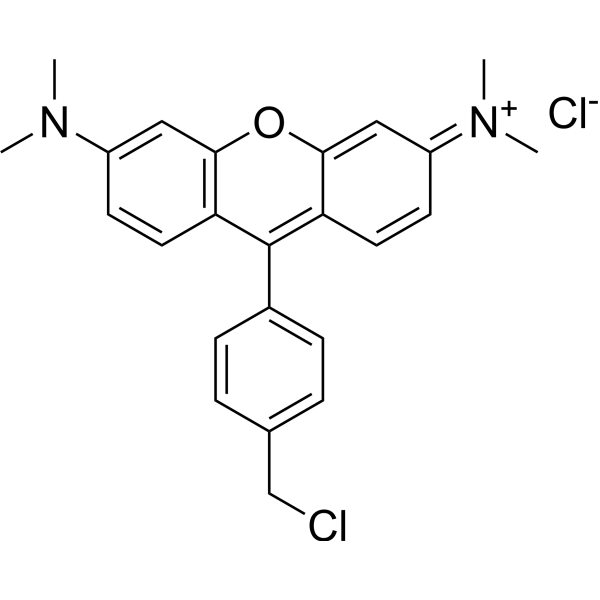
- Formula: C24H24Cl2N2O
- Molecular Weight: 427.37
MitoTracker Orange CMTMRos is a fluorescent dye that labels mitochondria within live cells utilizing the mitochondrial membrane potential (Ex/Em: 551/576 nm).
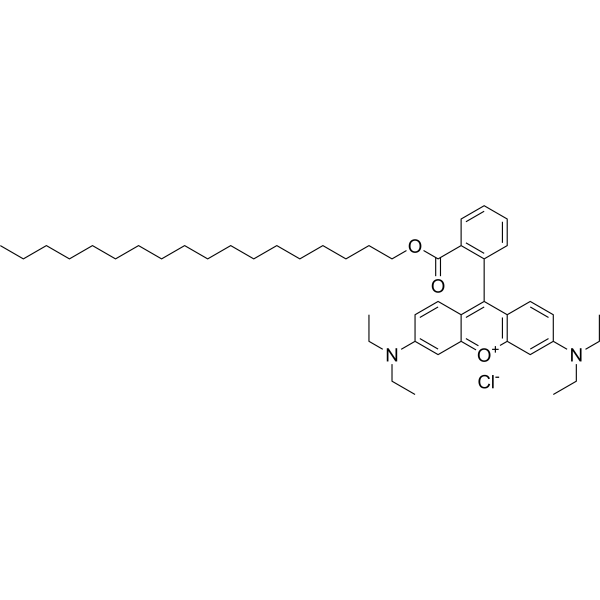
- Formula: C46H67ClN2O3
- Molecular Weight: 731.49
Octadecyl Rhodamine B chloride is an amphiphilic fluorescent probe with both membrane-binding ability and fluorescent properties, which easily forms aggregates in aqueous phase leading to self-quenching. Octadecyl Rhodamine B chloride can be used for cell membrane staining and further applied in membrane biology research. The maximum absorption/emission wavelengths of Octadecyl Rhodamine B chloride monomer in Triton X-100 are 565 nm/585 nm; the absorption peaks of aggregates in water are blue-shifted to 524 nm and 574 nm, with significantly quenched fluorescence.
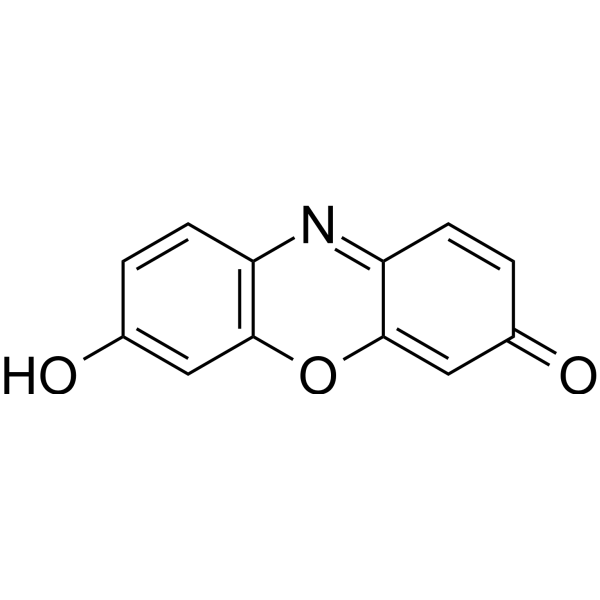
- Formula: C12H7NO3
- Molecular Weight: 213.19
Resorufin (NSC 12097) is a highly fluorescent pink dye. Resorufin shows favorable properties such as water solubility, red-shifted absorption/emission signals. Resorufin is used for the detection of ROS/RNS and a second analyte.



