



TTK21

Based on 1 Customer Validation
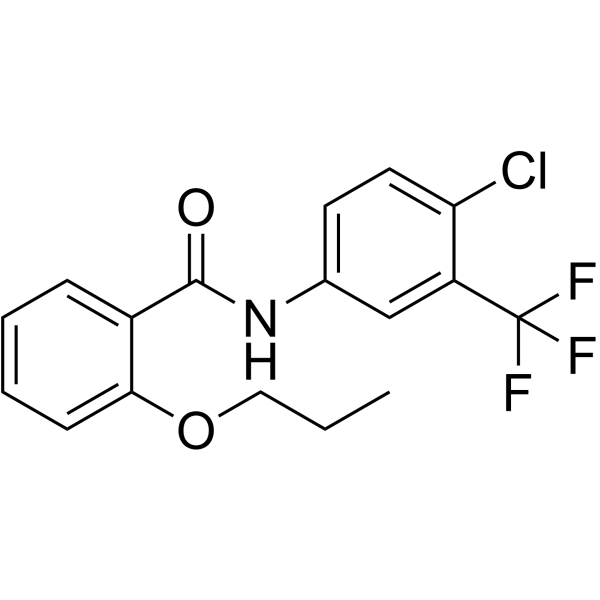
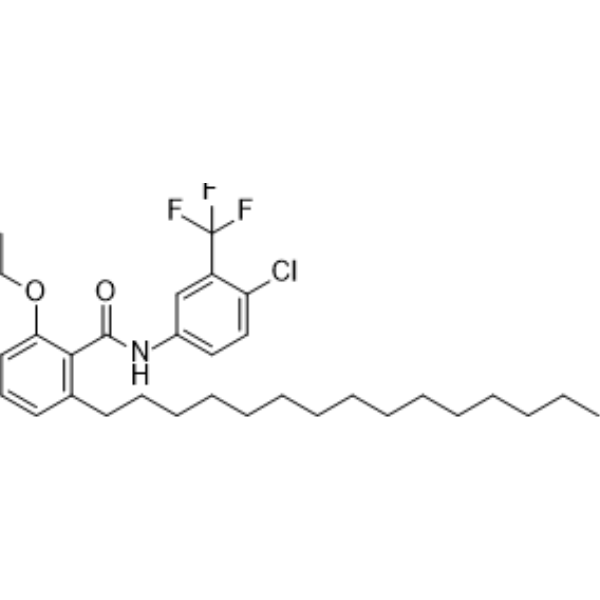
TTK21 is an activator of the histone acetyltransferases CBP/p300. TTK21 passes the blood–brain barrier, induces no toxicity, and reaches different parts of the brain when conjugated to glucose-based carbon nanosphere (CSP). TTK21 has beneficial implications for the brain functions of neurogenesis and long-term memory.CSP-TTK21 can ameliorate Aβ-impaired long-term potentiation (LTP). CSP-TTK21 may enhance the transcription of genes that promote synaptic health and cognitive function. CSP-TTK21 is orally effective and leads to improvements in motor functions, histone acetylation dynamics in a spinal injury rat model.
For research use only. We do not sell to patients.
- Purity : 99.39%
- CAS No.: 709676-56-2
- Formula: C17H15ClF3NO2
- Molecular Weight:357.75
-
Storage:Powder -20°C, 3 years , 4°C, 2 years ; In solvent -80°C, 6 months , -20°C, 1 month

To place orders, for customer services and technical support, please contact: MedChemExpress USA
Tel: 609-228-6898 E-mail: [email protected] [email protected]


-
 Biological Activity
-
Chemical Information
-
Solvent & Solubility
- Protocols
- Purity & Documentation
- References
-
 Help & FAQs


-
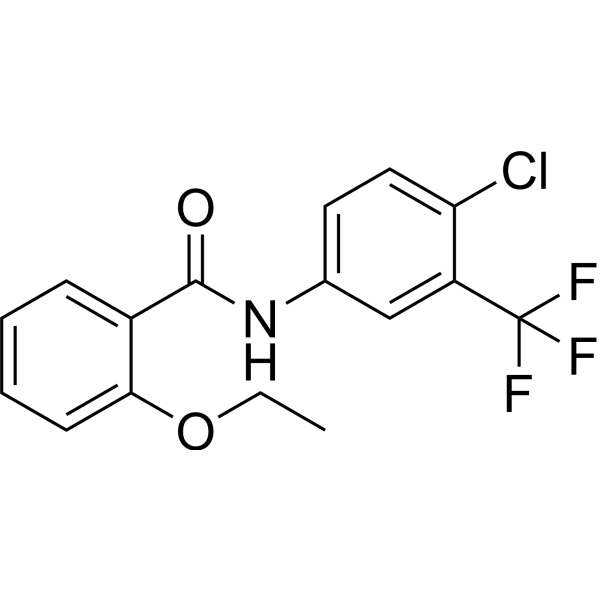
HY-134964
CTBp300 Activator -
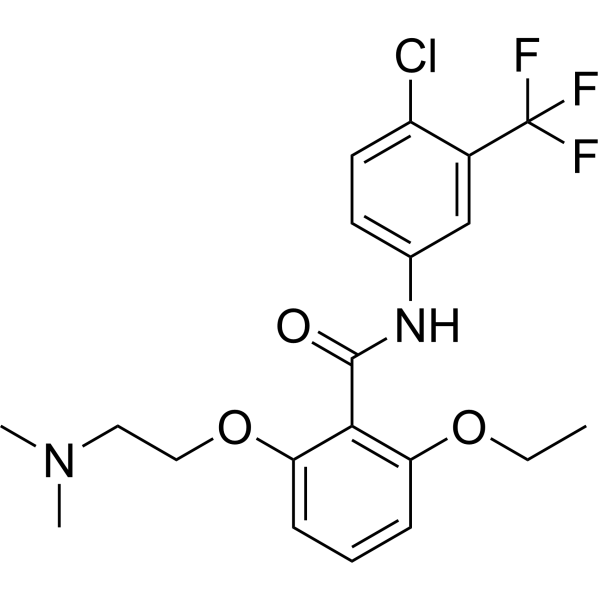
HY-16531
YF-2Histone Acetyltransferase -
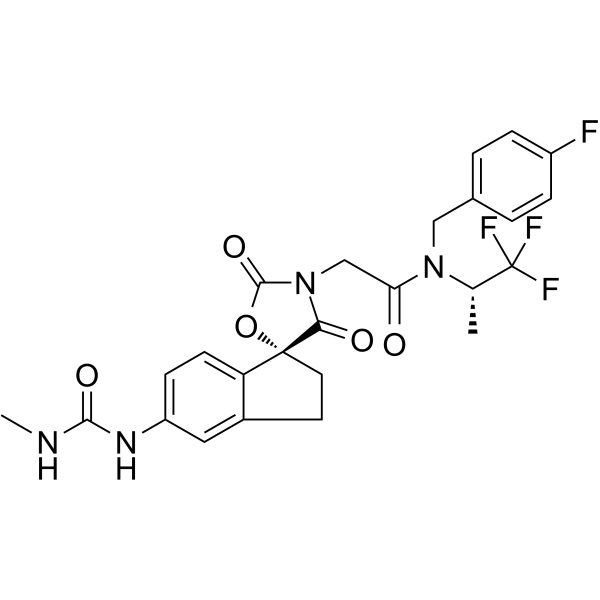
HY-107455
A-485p300/CBP Inhibitor -
HY-124960
CTPBHistone Acetyltransferase Activator -
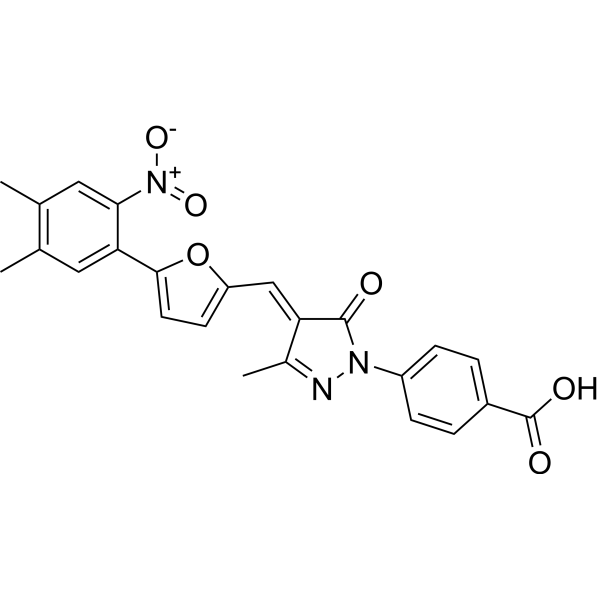
HY-13823
C646p300/CBP HAT Inhibitor -
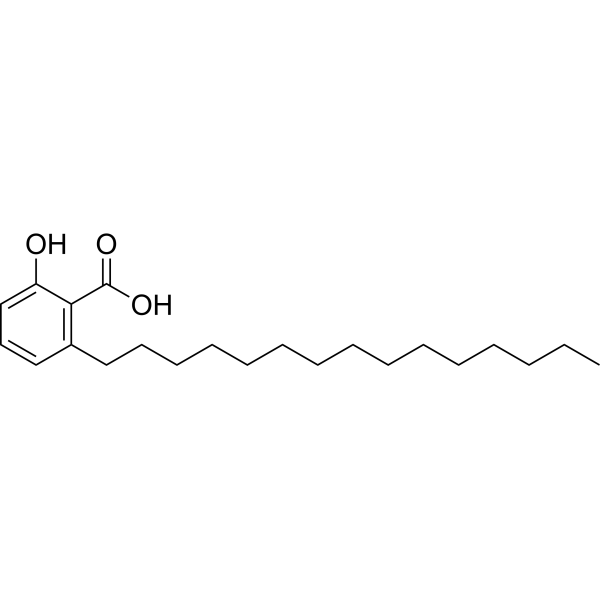
HY-N2020
Anacardic AcidHistone Acetyltransferase Inhibitor -

HY-N0005R
Curcumin (Standard)Standard of Curcumin -
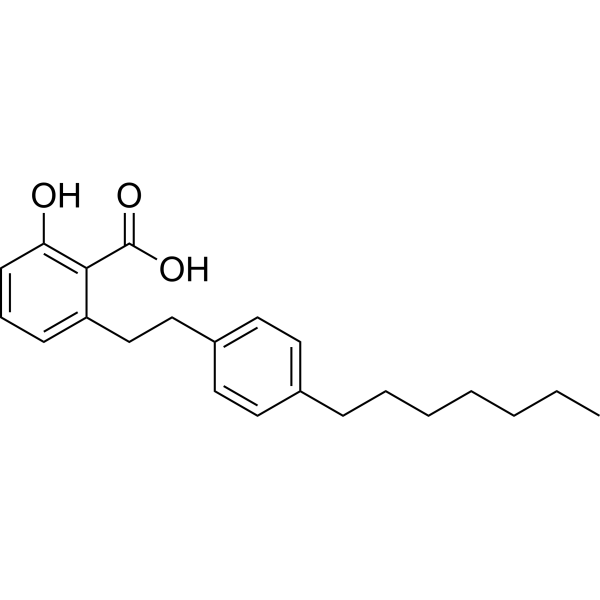
HY-15887
MG 149Tip60 Inhibitor -
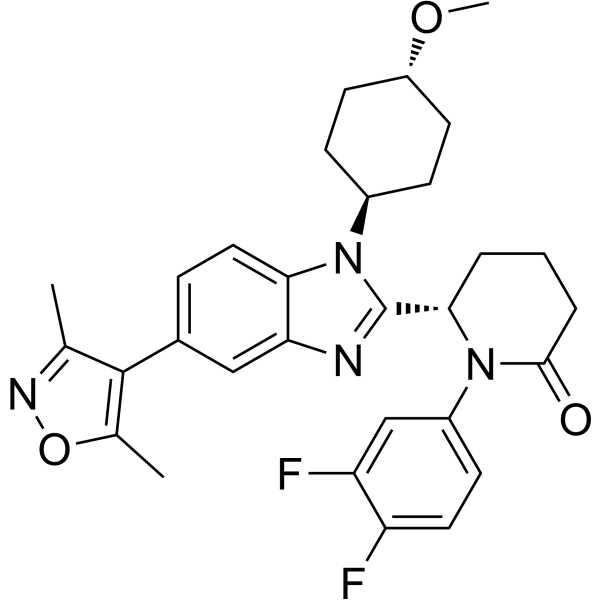
HY-111784
Inobrodibp300/CBP Inhibitor -
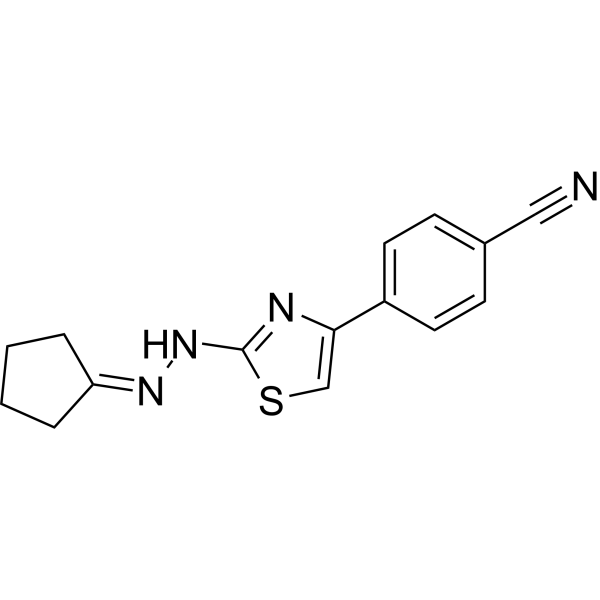
HY-16706
RemodelinHistone Acetyltransferase Inhibitor -
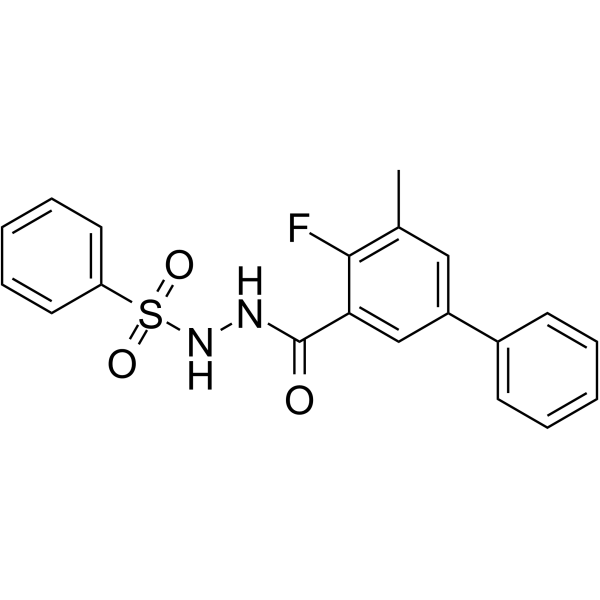
HY-102060
WM-8014MOZ Inhibitor -
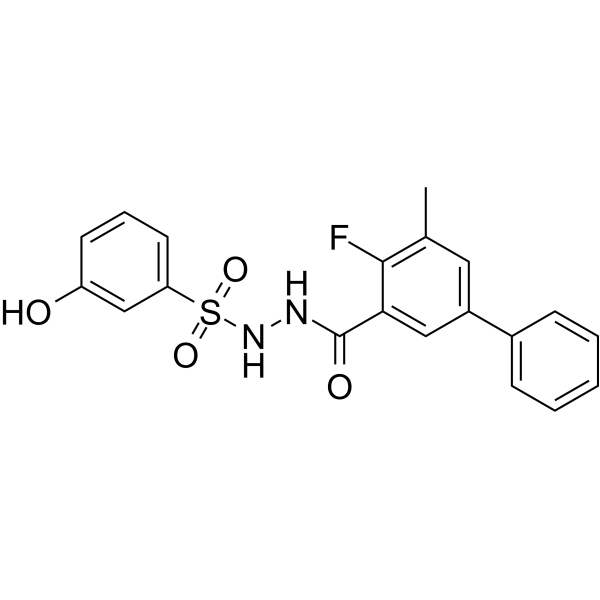
HY-134901
WM-3835HBO1 Inhibitor


Biological Activity
Description
IC50 & Target
[1]|
CBP/p300 |
In Vitro
TTK21 (50-275 μM) is able to concentration-dependently activate CBP and p300 acetyltransferases and increase histone acetylation. Effectively activates CBP/p300 activity and increases the acetylation of histone H3 and H4. 100 μM TTK21 can promote the self-acetylation of p300[1].
TTK21 (50-275 μM; 6-24 h) in Hela cells, can't effectively penetrate the cell membrane to enter the cell by itself. However, when combined with carbon nanosphere CSP, it is able to enter SH-SY5Y neuronal cells and significantly increase the acetylation level of histone H3, indicating that the CSP-TTK21 complex has the ability to penetrate the cell membrane[1].
CSP-TTK21 (0.36 µg/ml; 1 h) can restor protein synthesis-dependent long-term potentiation (LTP) damage caused by Aβ (1-42) multimerst[2].
MedChemExpress (MCE) has not independently confirmed the accuracy of these methods. They are for reference only. Further protocols information, click here.
-
Cell Line:Rat hippocampal CA1 area slices
-
Concentration:CSP-TTK21 0.36 µg/ml
-
Incubation Time:1 h
-
Result:CSP-TTK21 upregulated certain genes whose expression was decreased under Aβ(1–42) treatment, such as genes involved in the Wnt signaling pathway. CSP-TTK21 also potentially downregulated genes associated with inflammation, helping to reduce the neuroinflammatory response caused by Aβ(1–42).
In Vivo
CSP-TTK21 (20 mg/kg; p.o; single dose) enhances long-term potentiation comparably to intraperitoneal injection, suggesting effective memory enhancement in Wild-type mice[3].
CSP-TTK21 (10 mg/kg; p.o; weekly) promotes motor recovery after spinal cord injury in rats, and enhances the expression of regeneration-associated genes in the prefrontal cortex and cerebellum following spinal cord injury[3].
MedChemExpress (MCE) has not independently confirmed the accuracy of these methods. They are for reference only.
-
Animal Model:B57BL/6J male [1]
-
Dosage:CSP-TTK21; 20 mg/kg; single dose
-
Administration:i.p.
-
Result:Increased histone acetylation significantly in the hippocampus and frontal cortex. CSP-TTK21 crossed the blood-brain barrier and was primarily detected in the brain, liver, and spleen. It promoted differentiation of newly generated neurons in the dentate gyrus.
Mice with CSP-TTK21 displayed a persistent memory of the platform location in a Morris water maze task for a longer period compared to controls, demonstrating enhanced long-term memory.
-
Animal Model:Wild-type mice [3]
-
Dosage:CSP-TTK21; 20 mg/kg; single dose
-
Administration:p.o.
-
Result:The administered compound crossed the blood-brain barrier, induced histone acetylation specifically H4K12ac and H3K14ac marks in the hippocampus, and did not alter basal synaptic transmission. It was found to enhance long-term potentiation comparably to intraperitoneal injection, suggesting effective memory enhancement through oral delivery.
-
Animal Model:rats with spinal cord injury[3]
-
Dosage:CSP-TTK21; 10 mg/kg; weekly
-
Administration:p.o.
-
Result:Rats with CSP-TTK21 showed significant improvement in locomotion and rearing activity compared to controls. Histone acetylation was notably increased in the spinal cord, suggesting enhanced gene expression linked to regeneration and functional recovery. Enhanced histone acetylation levels (H4K12ac, H3K27ac, H3K9ac) were observed in the prefrontal cortex and cerebellum of rats with CSP-TTK21, indicating active epigenetic modifications that support neuronal regeneration and functional recovery.


Chemical Information
-
CAS No. 709676-56-2
-
Appearance Solid
-
Molecular Weight 357.75
-
Formula C17H15ClF3NO2
-
Color White to off-white
-
SMILES
ClC1=CC=C(C=C1C(F)(F)F)NC(C2=CC=CC=C2OCCC)=O
-
Shipping
Room temperature in continental US; may vary elsewhere.
-
Storage
Powder -20°C 3 years 4°C 2 years In solvent -80°C 6 months -20°C 1 month


Solvent & Solubility
In Vitro:
DMSO : 100 mg/mL (279.52 mM; ultrasonic and warming and heat to 60°C; Hygroscopic DMSO has a significant impact on the solubility of product, please use newly opened DMSO)
Please refer to the solubility information to select the appropriate solvent. Once prepared, please aliquot and store the solution to prevent product inactivation from repeated freeze-thaw cycles.
Storage method and period of stock solution: -80°C, 6 months; -20°C, 1 month. When stored at -80°C, please use it within 6 months. When stored at -20°C, please use it within 1 month.
Please refer to the solubility information to select the appropriate solvent. Once prepared, please aliquot and store the solution to prevent product inactivation from repeated freeze-thaw cycles.
Storage method and period of stock solution: -80°C, 6 months; -20°C, 1 month. When stored at -80°C, please use it within 6 months. When stored at -20°C, please use it within 1 month.
Concentration (start) × Volume (start) = Concentration (final) × Volume (final)
In Vivo:
Select the appropriate dissolution method based on your experimental animal and administration route.
- For the following dissolution methods, please ensure to first prepare a clear stock solution using an In Vitro approach and then sequentially add co-solvents:
- To ensure reliable experimental results, the clarified stock solution can be appropriately stored based on storage conditions. As for the working solution for In Vivo experiments, it is recommended to prepare freshly and use it on the same day.
- The percentages shown for the solvents indicate their volumetric ratio in the final prepared solution. If precipitation or phase separation occurs during preparation, heat and/or sonication can be used to aid dissolution.
In Vivo Dissolution Calculator
Please enter the basic information of animal experiments:
-
-
-
-
Recommended: Prepare an additional quantity of animals to account for potential losses during experiments.
Please enter your animal formula composition:
-
%DMSO +
Recommended: Keep the proportion of DMSO in working solution below 2% if your animal is weak.
-
%+
-
+%Tween-80 + +
-
%Saline +
The co-solvents required include: DMSO, . All of co-solvents are available by MedChemExpress (MCE). , Tween 80. All of co-solvents are available by MedChemExpress (MCE).
Working solution concentration: 0.22 mg/mL
Method for preparing stock solution: mg drug dissolved in μL DMSO. Stock solution concentration: mg/mL.
1. Take μL DMSO stock solution;
2. Add μL .
μL , mix evenly;
3. Then add μL Tween 80, mix evenly;
4. Then add μL
Please ensure that the stock solution in the first step is dissolved to a clear state, and add co-solvents in sequence. You can use ultrasonic heating (ultrasonic cleaner, recommended frequency 20-40 kHz), vortexing, etc. to assist dissolution.

Protocols
-
How to Select a Suitable Non-Mouse Animal Model
Selecting a suitable non-mouse animal model is a structured decision based on the research question, required anatomy or physiology, disease mechanism, endpoint feasibility, translational relevance, and ethical justification. Non-mouse models are preferred when mice cannot reproduce key human-relevant features, such as organ size, surgical anatomy, cardiovascular physiology, neuroanatomy, immune features, pharmacology, toxicology, or long-term clinical procedures. Candidate species may include rats, rabbits, guinea pigs, ferrets, zebrafish, pigs, sheep, goats, dogs, cats, horses, and non-human primates, but each species must be justified by its specific scientific advantage rather than convenience or tradition. Unresolved questions include how to quantify translational superiority across species, how to balance increased biological relevance against higher ethical burden, and when human-derived systems or new approach methodologies should replace animal use.
-
SH-SY5Y neuronal-like differentiation
SH-SY5Y neuronal-like differentiation uses defined culture conditions to shift proliferative human neuroblastoma cells toward a neuron-like state, mainly assessed by reduced proliferation, neurite extension, neuronal-marker expression, and, in some protocols, increased dependence on neurotrophic support. Retinoic acid (RA) is commonly used for the first differentiation phase, and sequential RA followed by brain-derived neurotrophic factor (BDNF) in serum-free medium is a well-characterized approach for generating neuron-like SH-SY5Y cultures with extensive neurite outgrowth. The primary readouts are morphology-based neurite outgrowth and marker-based confirmation using proteins such as βIII-tubulin, MAP2, GAP43, synaptophysin, NeuN, NSE, TH, or related neuronal/synaptic markers, depending on the study endpoint.
-
Protocol for Water Maze
The Morris Water Maze is a rodent spatial learning and memory assay in which a mouse or rat swims in opaque water to find an escape platform; in the hidden-platform version, the animal cannot see the platform and must use distal extra-maze cues to learn its fixed spatial location. The assay primarily measures hippocampus-dependent spatial learning during acquisition trials and spatial reference memory during probe trials after platform removal; readouts include escape latency, swim path length, swim speed, quadrant occupancy, platform-site crossings, and proximity to the former platform location.
-
Cell differentiation
Cell differentiation refers to the process in which cells of the same origin gradually produce cell groups with different morphological structure and functional characteristics.
-
Alzheimer’s Disease Modeling
Alzheimer’s Disease (AD) is a neurodegenerative disorder characterized by a progressive decline in cognitive functions and loss of specific types of neurons and synapses. Alzheimer's symptoms can be simulated in mice by injecting drugs (such as Aβ) or genetically modified.
-
How to Choose the Right Model Animal
Choosing the right model animal is a validity-driven decision in which the species, strain, sex, age, genetic background, disease-induction method, outcome measures, and welfare burden must match the scientific question rather than laboratory tradition or convenience. A model should be selected by judging face validity, construct validity, and predictive validity: whether it resembles the human phenotype, whether it reproduces relevant mechanisms, and whether results are likely to predict human biology or treatment response. Animal studies often fail to translate because of species differences, weak disease resemblance, poor experimental design, inadequate reporting, publication bias, and underuse of randomization, blinding, and sample-size justification. Unresolved questions include how to rank competing models objectively, how much human-disease complexity must be reproduced for a given objective, and when non-animal systems such as organoids, ex vivo tissue, or computational models


Purity & Documentation
-
Data Sheet (281 KB)
-
SDS (393 KB)
- English - EN (393 KB)
- Français - FR (393 KB)
- Deutsch - DE (393 KB)
- Norwegian - NO (393 KB)
- Español - ES (393 KB)
- Swedish - SV (393 KB)
- Italian - IT (393 KB)
- Korean - KR (393 KB)
- Portuguese - PT (393 KB)
-
Handling Instructions (2659 KB)
References
[1]. Chatterjee S, et al. A novel activator of CBP/p300 acetyltransferases promotes neurogenesis and extends memory duration in adult mice. J Neurosci. 2013;33(26):10698-10712. [Content Brief]
[2]. Singh A et al. Glucose derived carbon nanosphere (CSP) conjugated TTK21, an activator of the histone acetyltransferases CBP/p300, ameliorates amyloid-beta 1-42 induced deficits in plasticity and associativity in hippocampal CA1 pyramidal neurons. Aging Cell. 2022 Sep;21(9):e13675. [Content Brief]


Complete Stock Solution Preparation Table
Please refer to the solubility information to select the appropriate solvent. Once prepared, please aliquot and store the solution to prevent product inactivation from repeated freeze-thaw cycles.
Storage method and period of stock solution: -80°C, 6 months; -20°C, 1 month. When stored at -80°C, please use it within 6 months. When stored at -20°C, please use it within 1 month.
| Optional Solvent | Concentration Solvent Mass | 1 mg | 5 mg | 10 mg | 25 mg |
|---|---|---|---|---|---|
| DMSO | 1 mM | 2.7952 mL | 13.9762 mL | 27.9525 mL | 69.8812 mL |
| 5 mM | 0.5590 mL | 2.7952 mL | 5.5905 mL | 13.9762 mL | |
| 10 mM | 0.2795 mL | 1.3976 mL | 2.7952 mL | 6.9881 mL | |
| 15 mM | 0.1863 mL | 0.9317 mL | 1.8635 mL | 4.6587 mL | |
| 20 mM | 0.1398 mL | 0.6988 mL | 1.3976 mL | 3.4941 mL | |
| 25 mM | 0.1118 mL | 0.5590 mL | 1.1181 mL | 2.7952 mL | |
| 30 mM | 0.0932 mL | 0.4659 mL | 0.9317 mL | 2.3294 mL | |
| 40 mM | 0.0699 mL | 0.3494 mL | 0.6988 mL | 1.7470 mL | |
| 50 mM | 0.0559 mL | 0.2795 mL | 0.5590 mL | 1.3976 mL | |
| 60 mM | 0.0466 mL | 0.2329 mL | 0.4659 mL | 1.1647 mL | |
| 80 mM | 0.0349 mL | 0.1747 mL | 0.3494 mL | 0.8735 mL | |
| 100 mM | 0.0280 mL | 0.1398 mL | 0.2795 mL | 0.6988 mL |


TTK21 Related Classifications
HY-116673 Related Classifications
 Powered by Bioz