



Halogenated Fatty Acids
- 1
- 2
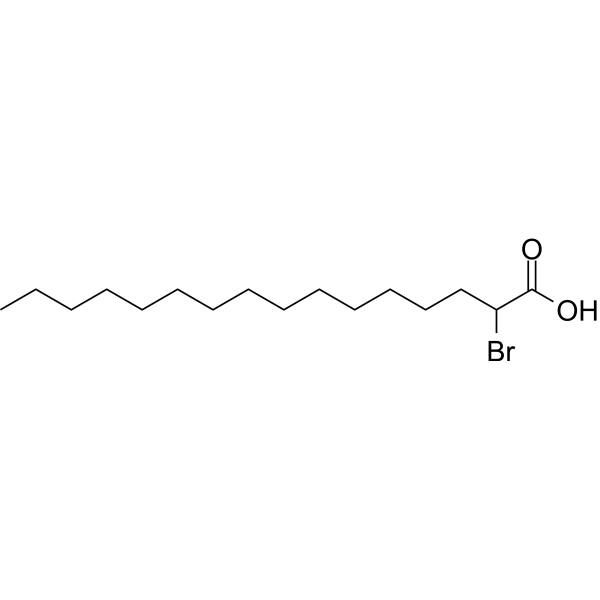
- Formula: C16H31BrO2
- Molecular Weight: 335.32
2-Bromohexadecanoic acid (2-Bromopalmitate; 2-BP) is a palmitoylation inhibitor targeting DHHC (Asp-His-His-Cys) protein palmitoyltransferase. 2-Bromohexadecanoic acid inhibits palmitoylation of GSDME-C during pyroptosis and inhibits BAK/BAX-Caspase 3-GSDME pathway-mediated pyroptosis.
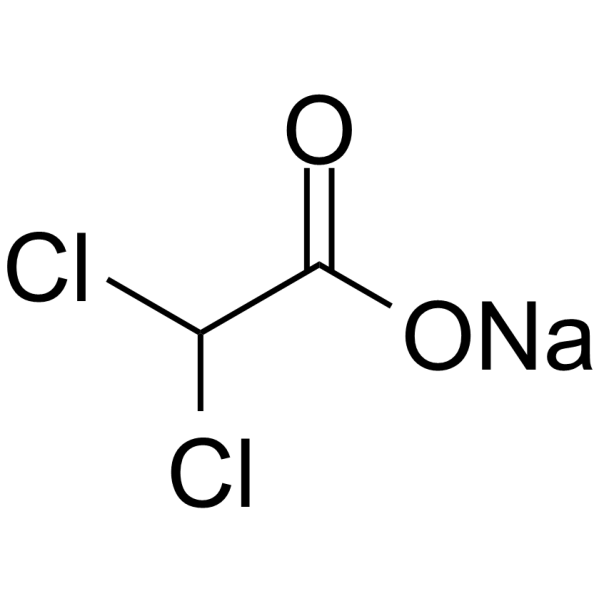
- Formula: C2HCl2NaO2
- Molecular Weight: 150.92
Sodium dichloroacetate is an orally active pyruvate dehydrogenase kinase (PDK) inhibitor. Sodium dichloroacetate also stimulates pyruvate dehydrogenase (PDH) activity and works as a Na+-K+-2Cl− cotransporter (NKCC) inhibitor. Sodium dichloroacetate prevents the phosphorylation of the E1α subunit of PDC, promoting the entry of pyruvate into the mitochondria for oxidative metabolism, reducing lactate production, and simultaneously increasing the production of reactive oxygen species (ROS). Sodium dichloroacetate inhibits tumor cell proliferation and induces apoptosis. Sodium dichloroacetate is promising for research of cancers.

- Formula: C9H17BrO2
- Molecular Weight: 237.13
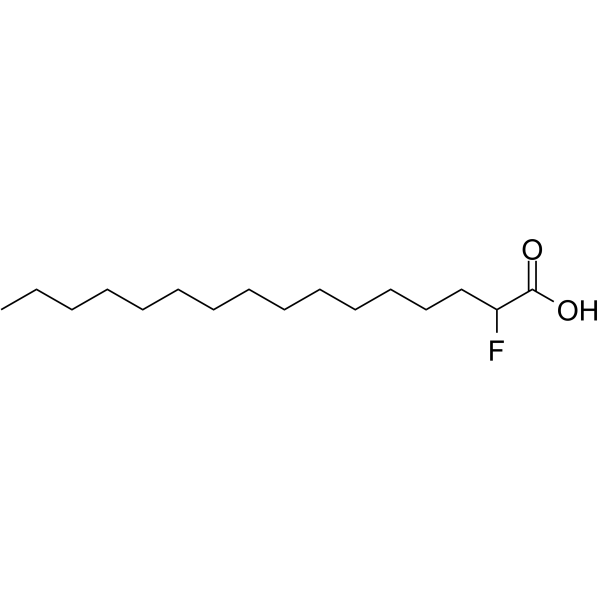
- Formula: C16H31FO2
- Molecular Weight: 274.41
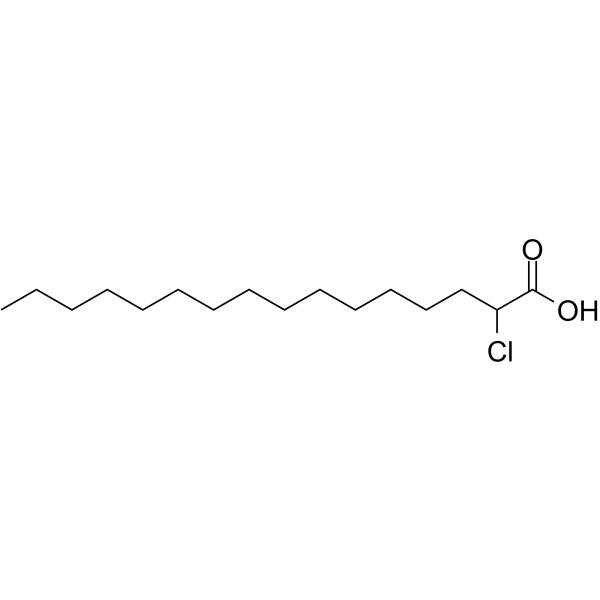
- Formula: C16H31ClO2
- Molecular Weight: 290.87
2-Chlorohexadecanoic acid, an inflammatory lipid mediator, interferes with protein palmitoylation,induces ER-stress markers, reduced the ER ATP content, and activates transcription and secretion of IL-6 as well as IL-8.2-Chlorohexadecanoic acid disrupts the mitochondrial membrane potential and induces procaspase-3 and PARP cleavage.2-Chlorohexadecanoic acid can across blood-brain barrier (BBB) and compromises ER- and mitochondrial functions in the human brain endothelial cell line hCMEC/D3.

- Formula: C11H21BrO2
- Molecular Weight: 265.19
11-Bromoundecanoic acid is a PROTAC linker that can be used for the synthesis of PROTACs, such as INY-05-040 (HY-160469).

- Formula: C10H19BrO2
- Molecular Weight: 251.16

- Formula: C12H23BrO2
- Molecular Weight: 279.21
12-Bromododecanoic acid is a bromo fatty acid. 12-Bromododecanoic acid can be used in the synthesis of clickable forms of myristic acid. 12-Bromododecanoic acid inhibits HIV replication in CEM-SS T cells (EC50 = 38 µM).

- Formula: C16H31BrO2
- Molecular Weight: 335.33

- Formula: C18H35BrO2
- Molecular Weight: 363.38

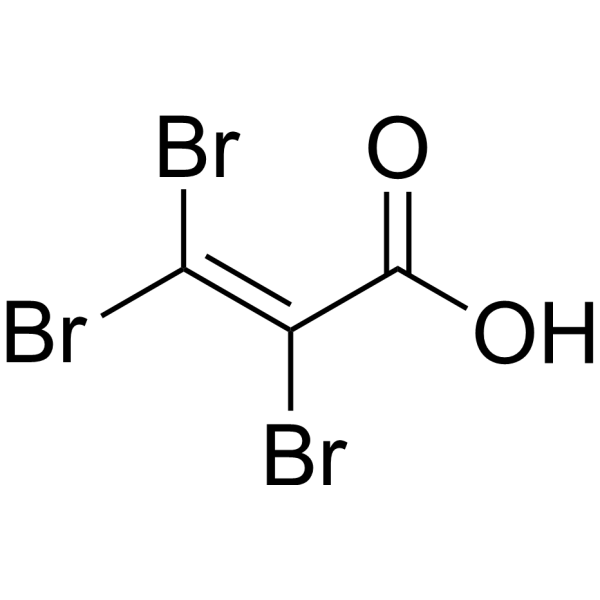
- Formula: C3HBr3O2
- Molecular Weight: 308.75
2,3,3-Tribromopropenoic acid is a 2,3,3-Tribromo product based on propenoic acid. 2,3,3-Tribromopropenoic acid is a polar aromatic brominated disinfection byproduct during chlorination in water and shows cytotoxic potency in mammalian cell chronic cytotoxicity experiments.
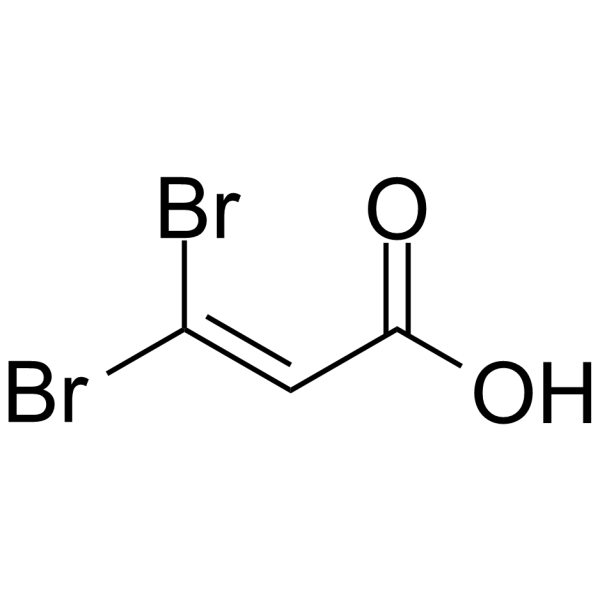
- Formula: C3H2Br2O2
- Molecular Weight: 229.85
3,3-Dibromopropenoic acid is a 3,3-dibromo product based on propenoic acid. 3,3-Dibromopropenoic acid is a polar aromatic brominated disinfection byproduct during chlorination in water.
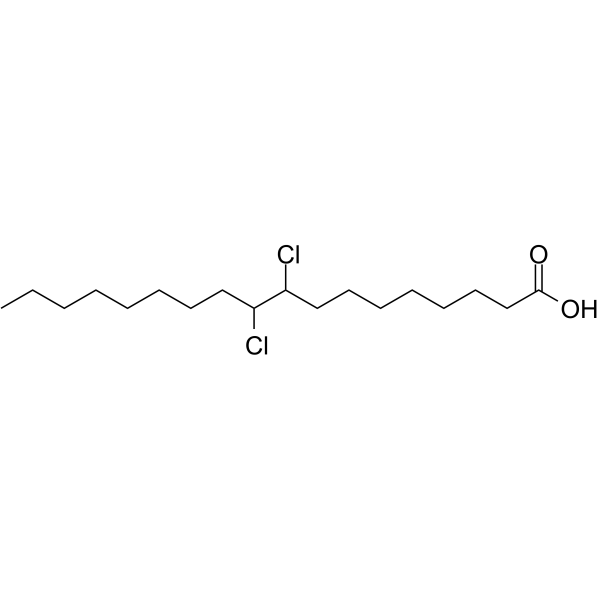
- Formula: C18H34Cl2O2
- Molecular Weight: 353.37
9,10-Dichlorostearic acid is a chlorinated stearic acid with antimutagenic properties. 9,10-Dichlorostearic acid can cause membrane damage by inducing leakage of adenosine triphosphate (ATP) from mammalian tumour cells in vitro.
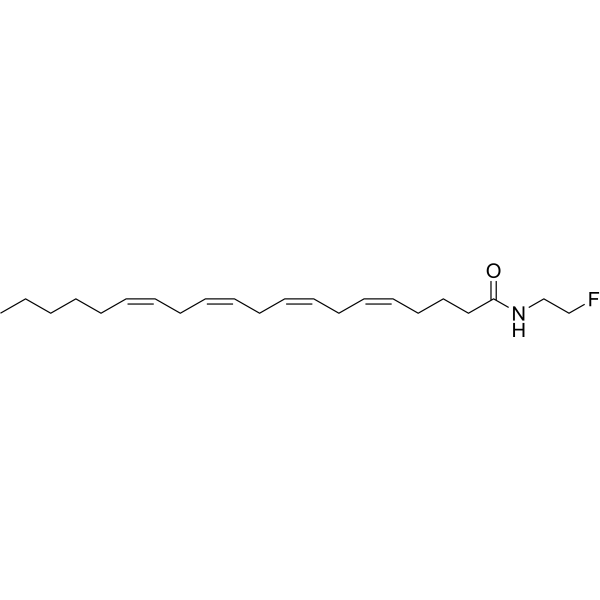
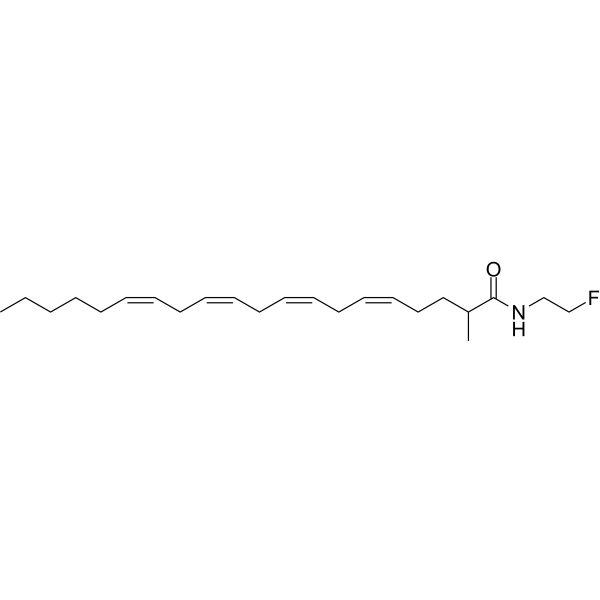
- Formula: C22H36FNO
- Molecular Weight: 349.53
Arachidonoyl 2'-fluoroethylamide is an anandamide analog. Arachidonoyl 2'-fluoroethylamide has the potential for the research of intraocular hypertension.

- Formula: C22H31ClO
- Molecular Weight: 346.94
4,7,10,13,16,19-Docosahexaenoyl chloride is an ester derivative formed by Iloperidone (HY-17410) metabolite P-88-8991 and polyunsaturated fatty acid (linoleic acid derivative), which acts as a prodrug of P-88-8991. 4,7,10,13,16,19-Docosahexaenoyl chloride can be used for the research of mental disorders (schizophrenia, bipolar disorder).

- Formula: C11H21ClO
- Molecular Weight: 204.74
Undecanoyl chloride is a fatty acid chloride.

- Formula: C18H33ClO
- Molecular Weight: 300.91
cis-Vaccenoyl chloride is a fatty acid chloride.
- 1
- 2



