



Straight Chain Fatty Acids
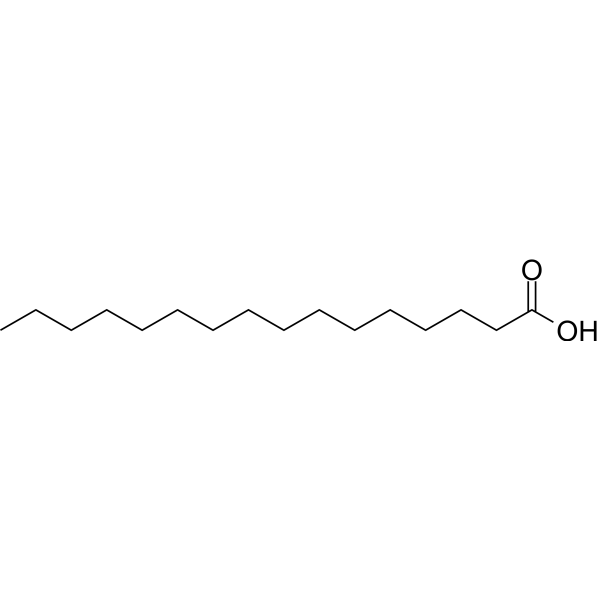
- Formula: C16H32O2
- Molecular Weight: 256.42
Palmitic acid is a long-chain saturated fatty acid commonly found in both animals and plants. PA can induce the expression of glucose-regulated protein 78 (GRP78) and CCAAT/enhancer binding protein homologous protein (CHOP) in in mouse granulosa cells. Palmitic acid is used to establish a cell steatosis model.
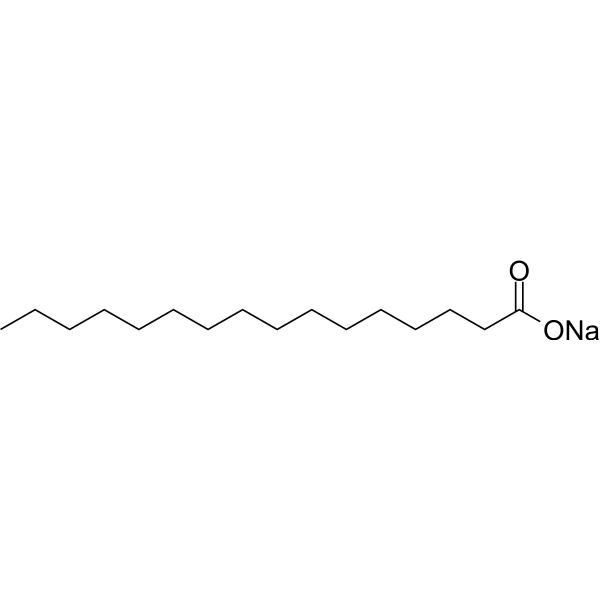
- Formula: C16H31NaO2
- Molecular Weight: 278.41
Palmitic acid sodium is a long-chain saturated fatty acid commonly found in both animals and plants. Palmitic acid sodium can induce the expression of glucose-regulated protein 78 (GRP78) and CCAAT/enhancer binding protein homologous protein (CHOP) in in mouse granulosa cells. Palmitic acid sodium is used to establish a cell steatosis model .

- Formula: C3H5NaO2
- Molecular Weight: 96.06
Sodium propionate is an orally active short-chain fatty acid. Sodium propionate can be produced by intestinal bacteria from the metabolism of dietary fiber. Sodium propionate increases PPAR-γ, inhibits NF-κB activation, and reduces COX-2 expression and NO production. Sodium propionate also induces Apoptosis and Autophagy. Sodium propionate reduces HSV-1-induced keratitis. Sodium propionate has anticancer effects against glioblastoma. Sodium propionate exhibits neuroprotective, antioxidant, and anti-inflammatory activities. Sodium propionate can be used in the research of spinal cord injury and Alzheimer's disease.
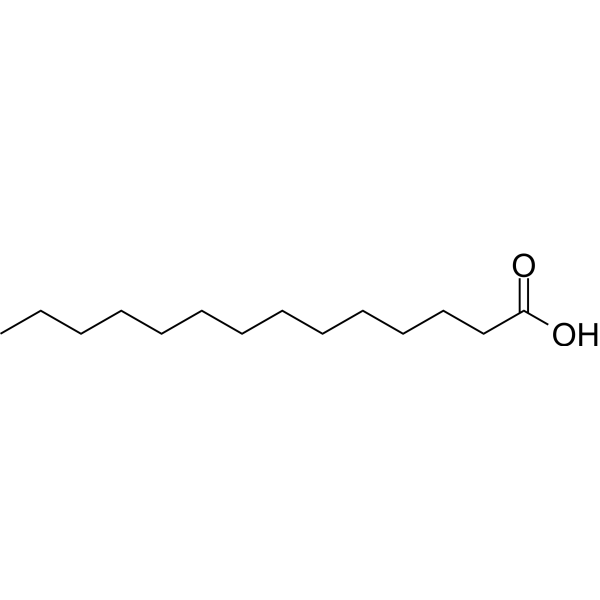
- Formula: C14H28O2
- Molecular Weight: 228.37
Myristic acid is an orally active saturated 14-carbon fatty acid found in most animal and plant fats, especially milk fat coconut oil, palm oil and nutmeg oil. Myristic acid exerts anti-inflammatory activity through the NF-κB pathway. Myristic acid has antibacterial, anti-inflammatory and analgesic properties.
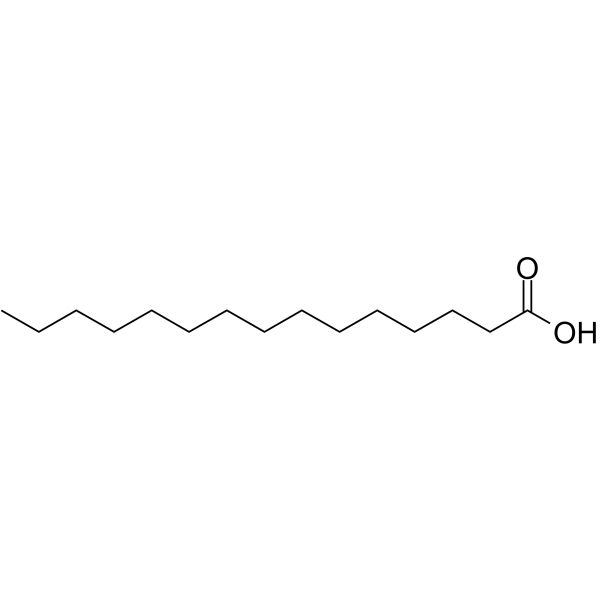
- Formula: C15H30O2
- Molecular Weight: 242.40
Pentadecylic acid is a saturated fatty acid with a 15-carbon backbone.
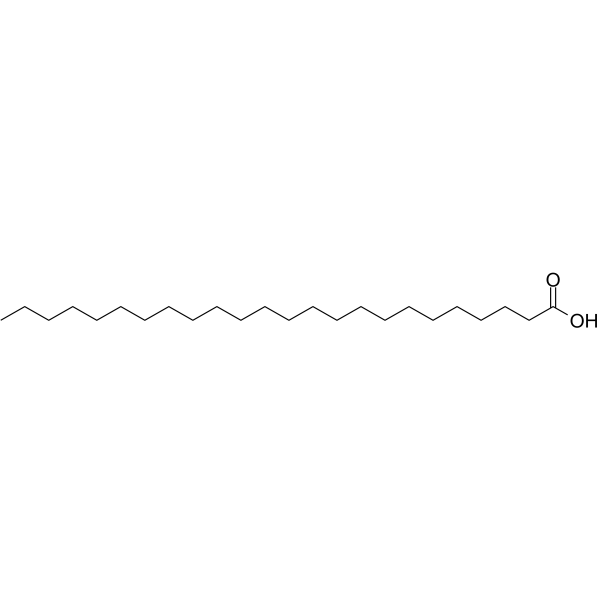
- Formula: C24H48O2
- Molecular Weight: 368.64
Lignoceric acid (Tetracosanoic acid) is a 24-carbon saturated (24:0) fatty acid, which is synthesized in the developing brain. Lignoceric acid is also a by-product of lignin production. Lignoceric acid can be used for Zellweger cerebro‐hepato‐renal syndrome and adrenoleukodystrophy research.
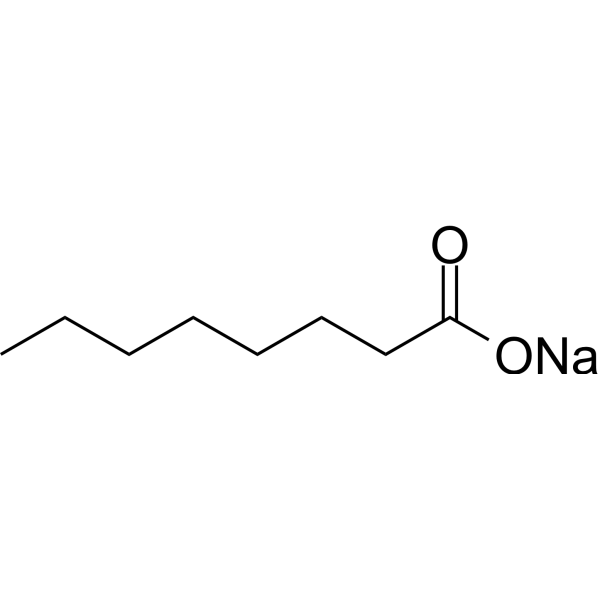
- Formula: C8H15NaO2
- Molecular Weight: 166.19
Octanoate, 99% sodium is an oily liquid with a slightly unpleasant rancid taste and used commercially in the production of esters used in perfumery and also in the manufacture of dyes. Octanoate, 99% sodium is also an orally active tremor-suppressing agent.
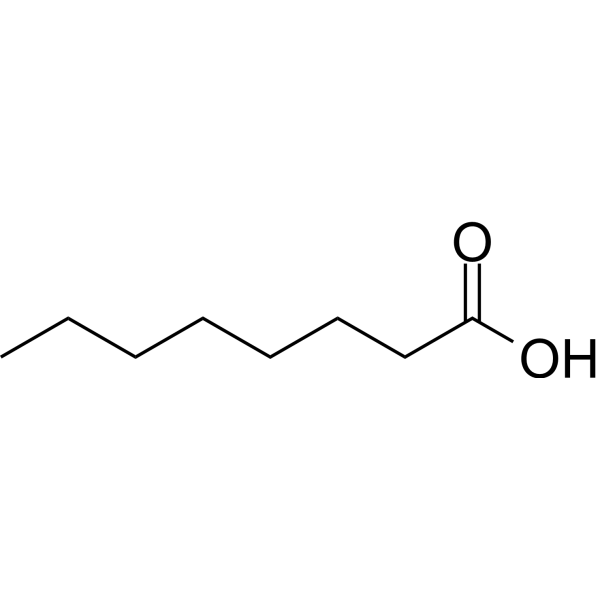
- Formula: C8H16O2
- Molecular Weight: 144.21
Octanoic acid (Caprylic acid) is an oily liquid with a slightly unpleasant rancid taste and used commercially in the production of esters used in perfumery and also in the manufacture of dyes. Octanoic acid is also a tremor-suppressing agent.
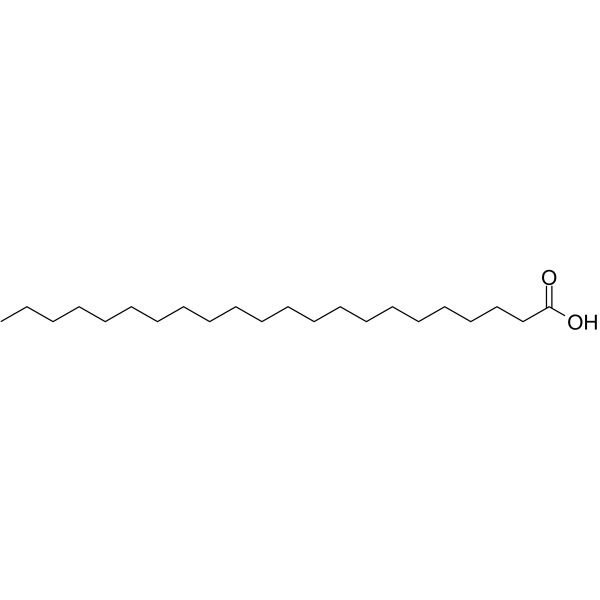
- Formula: C22H44O2
- Molecular Weight: 340.59
Docosanoic acid (Behenic acid) is a long-chain saturated fatty acid. Docosanoic acid inhibits the double-stranded DNA (dsDNA) binding activity of p53 DNA binding domain, with a Kd of 12 nM. Docosanoic acid has low bioavailability and can increase cholesterol in humans.
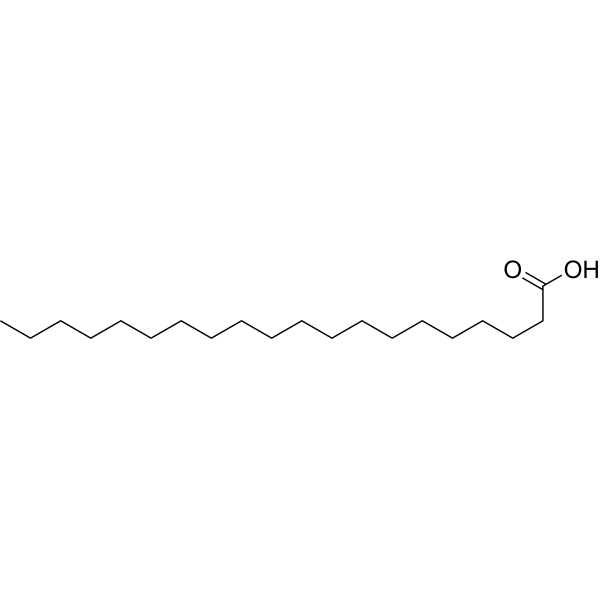
- Formula: C20H40O2
- Molecular Weight: 312.53
Arachidic acid is an orally bioavailable membrane fluidity modulator and receptor/ion channel effector. Arachidic acid does not activate arachidonic acid-sensitive K+ channels in rat midbrain and hypothalamic neurons. Arachidic acid alleviates age-related spatial cognitive impairment. Arachidic acid is applicable for research related to age-related spatial cognitive impairment.
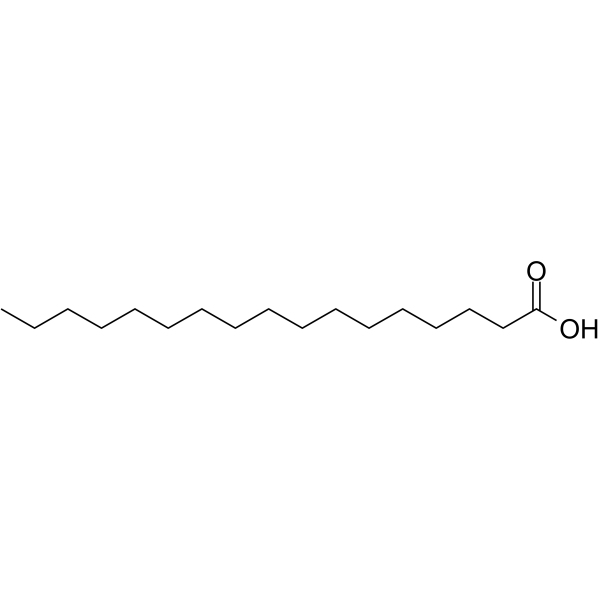
- Formula: C17H34O2
- Molecular Weight: 270.45
Heptadecanoic acid is an odd-chain saturated fatty acid (OCS-FA) with oral activity. Heptadecanoic acid can inhibit cell proliferation and induce Apoptosis. Heptadecanoic acid has antitumor activity. Heptadecanoic acid is associated with a number of diseases, including coronary heart disease, pre-diabetes and type 2 diabetes, and multiple sclerosis.
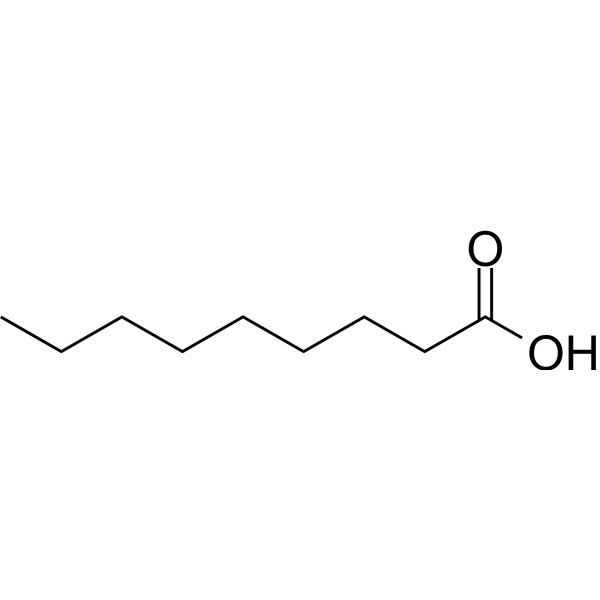
- Formula: C9H18O2
- Molecular Weight: 158.24
Nonanoic acid (Pelargonic acid) is a naturally-occurring saturated fatty acid with nine carbon atoms. Nonanoic acid significantly reduces bacterial translocation, enhances antibacterial activity, and remarkably increases the secretion of porcine β-defensins 1 (pBD-1) and pBD-2.
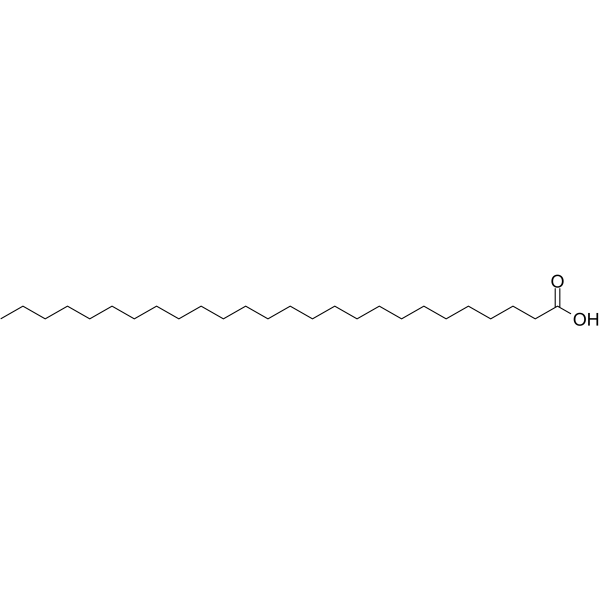
- Formula: C26H52O2
- Molecular Weight: 396.69
Hexacosanoic acid is a very long-chain fatty acid. Abnormally elevated levels of Hexacosanoic acid are closely associated with various diseases, such as X-linked adrenoleukodystrophy, adrenomyeloneuropathy, atherosclerosis, and dementia.
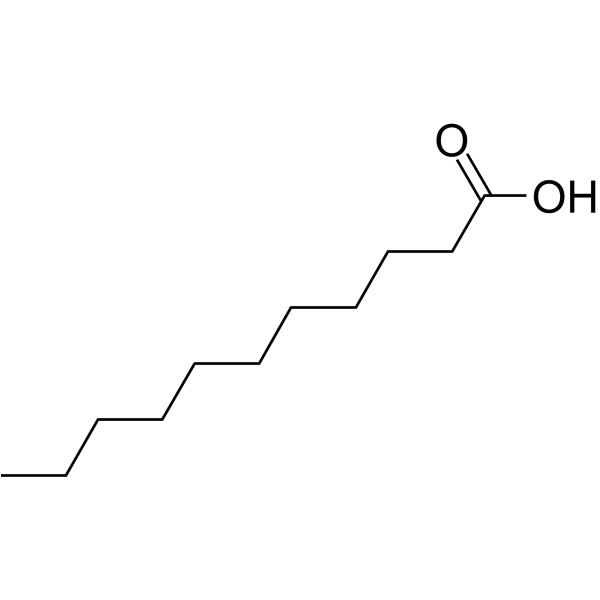
- Formula: C11H22O2
- Molecular Weight: 186.29
Undecanoic acid (Undecanoate) is a monocarboxylic acid with antifungal property. Undecanoic acid inhibits the production of exocellular keratinase, lipase and the biosynthesis of several phospholipids in T. rubrum.
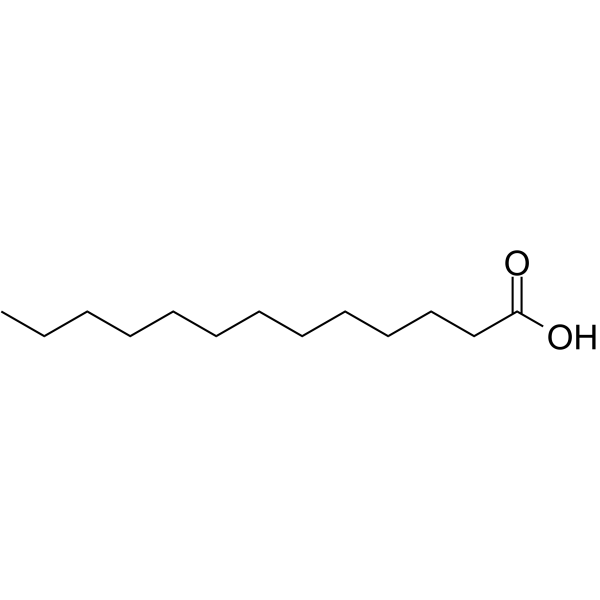
- Formula: C13H26O2
- Molecular Weight: 214.34
Tridecanoic acid (N-Tridecanoic acid) is a medium-chain saturated fatty acid and inhibitor with no antibacterial activity against enterohemorrhagic E. coli (EHEC). When used in combination with Ciprofloxacin (HY-B0356) or Ampicillin (HY-B0522), Tridecanoic acid suppresses persister formation in exponentially growing E. coli and EHEC, but exerts no inhibitory effect on persister formation induced by Kanamycin (HY-16566) or in stationary-phase cells. Tridecanoic acid inhibits biofilm formation in EHEC. It can be used in the research of bacterial infections.
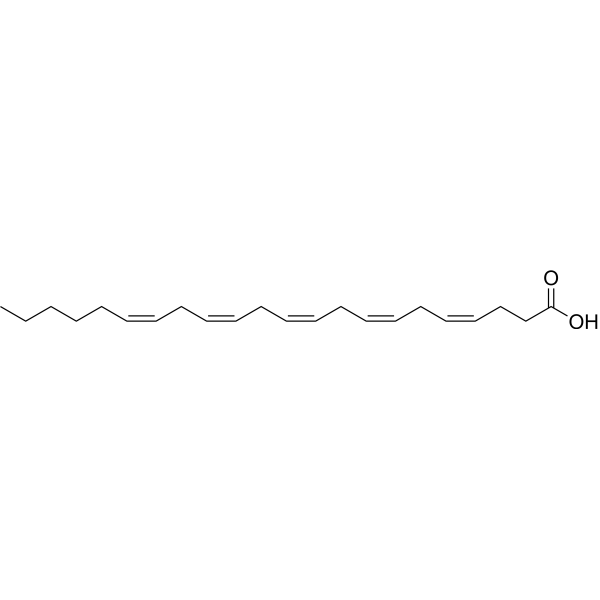
- Formula: C22H34O2
- Molecular Weight: 330.50
Osbond acid (all-cis-4,7,10,13,16-Docosapentaenoic acid) is an all-cis-4,7,10,13,16-docosapentaenoic acid (22:5n-6) and specific deficiency marker for docosahexaenoic acid (DHA) shortage.

- Formula: C12H23NaO2
- Molecular Weight: 222.30
Sodium LaurateIt is an organic compound belonging to fatty acids. It is the sodium salt of lauric acid, a medium-chain saturated fatty acid found in various animal and vegetable fats. Sodium LaurateCommonly used as surfactants, emulsifiers and cleaning agents in various industries such as cosmetics, personal care and detergent industries. It's found in a variety of products, including soaps, shampoos, toothpaste, and laundry detergent. Furthermore, it also has applications in the food industry where it is used as a food additive to improve texture and stability.
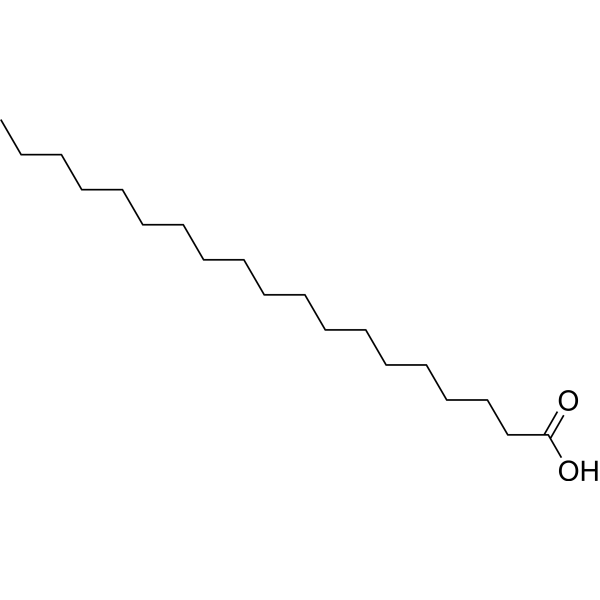
- Formula: C19H38O2
- Molecular Weight: 298.50
Nonadecanoic acid is a 19-carbon long saturated fatty acid. Nonadecanoic acid is the major constituent of the substance secreted by Rhinotermes marginalis. Nonadecanoic acid can be isolated from several sources, including fungus, plant, and marine sponge. Nonadecanoic acid exhibits inhibitory effects on fibrinolysis and plasmin activity. Nonadecanoic acid produced from Streptomyces is an anti-tumor agent and inhibits IL-12 production.
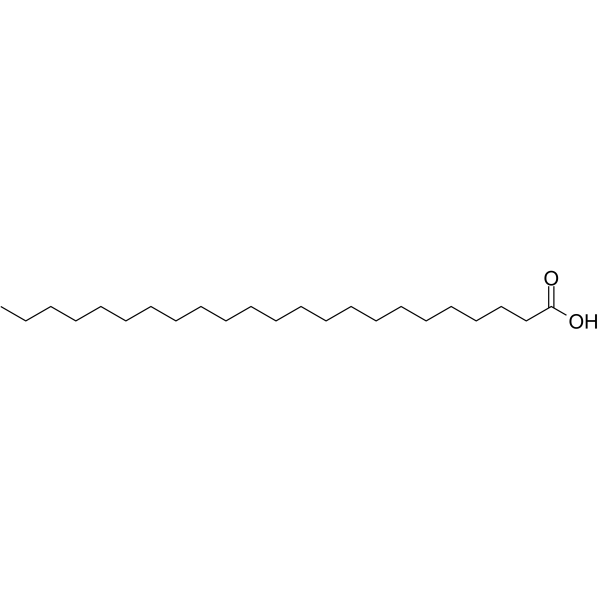
- Formula: C23H46O2
- Molecular Weight: 354.62
Tricosanoic acid is an endogenous agonist of long-chain saturated fatty acids and free fatty acid receptor FFAR1, which can activate hair growth. Tricosanoic acid (C23:0) has the activity of improving cognitive function by regulating neuronal membrane fluidity, inhibiting neuroinflammatory response, participating in myelination and neuronal energy metabolism. Tricosanoic acid expression levels are low in the prefrontal cortex of Alzheimer's disease (AD) models; while better cognitive performance corresponds to higher serum concentration levels. Tricosanoic acid can be used as a biomarker for diseases related to cognitive decline.



