



MEG hemisulfate
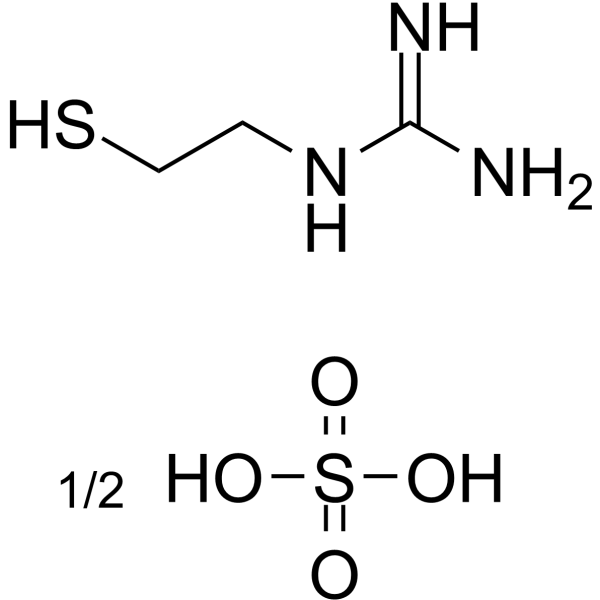
MEG (Mercaptoethylguanidine) hemisulfate is a potent and selective inhibitor of the inducible NO synthase (iNOS), with EC50s of 11.5, 110, and 60 μM for iNOS, ecNOS, and bNOS respectively in tissue homogenates. MEG hemisulfate is also a potent scavenger of peroxynitrite and inhibits peroxynitrite-induced oxidative processes. MEG hemisulfate has a protective effect in many experimental models of inflammation, including ischemia/reperfusion injury, periodontitis, hemorrhagic shock, inflammatory bowel disease, and endotoxic and septic shock.
For research use only. We do not sell to patients.
- CAS No.: 3979-00-8
- Formula: C3H9N3S.1/2H2O4S
- Molecular Weight:168.23
-
Storage:
Please store the product under the recommended conditions in the Certificate of Analysis.

To place orders, for customer services and technical support, please contact: MedChemExpress USA
Tel: 609-228-6898 E-mail: [email protected] [email protected]


-
 Biological Activity
-
Chemical Information
- Protocols
- Purity & Documentation
- References
-
 Help & FAQs


-
HY-B1041
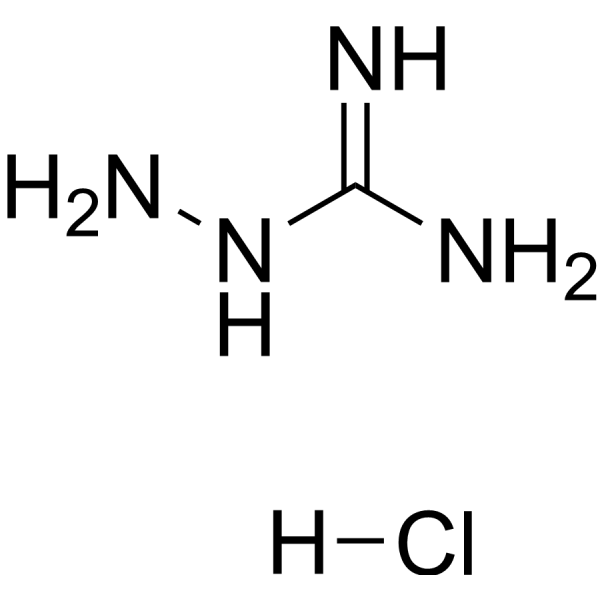
Aminoguanidine hydrochlorideDiamine Oxidase/NO Synthase Inhibitor -
HY-131929
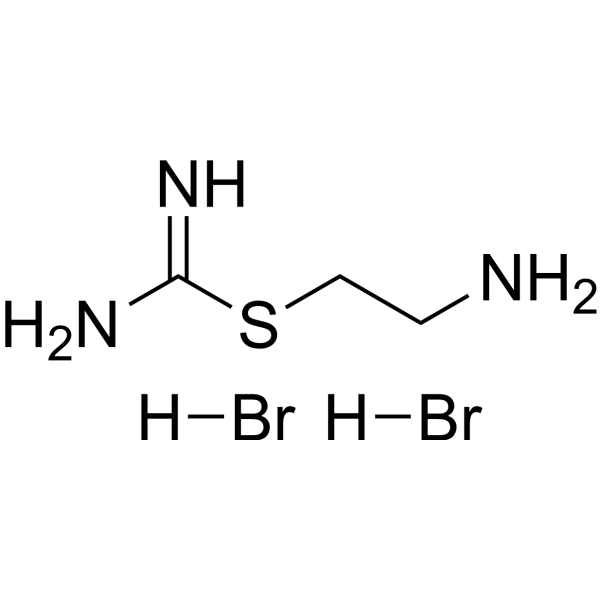
AE-ITU dihydrobromideiNOS Inhibitor -
HY-79457
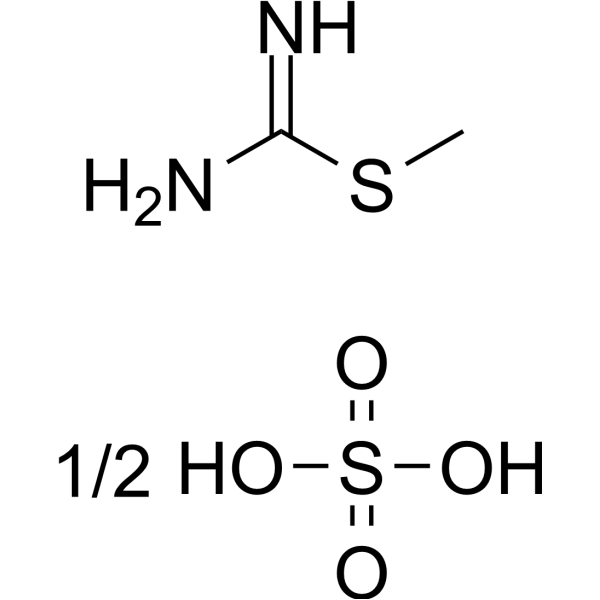
S-Methylisothiourea sulfateiNOS Inhibitor -
HY-B0503
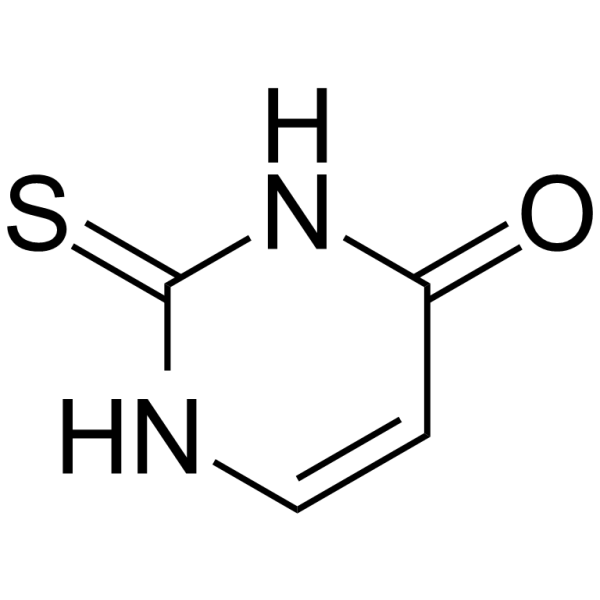
2-ThiouracilnNOS Inhibitor -
HY-18731
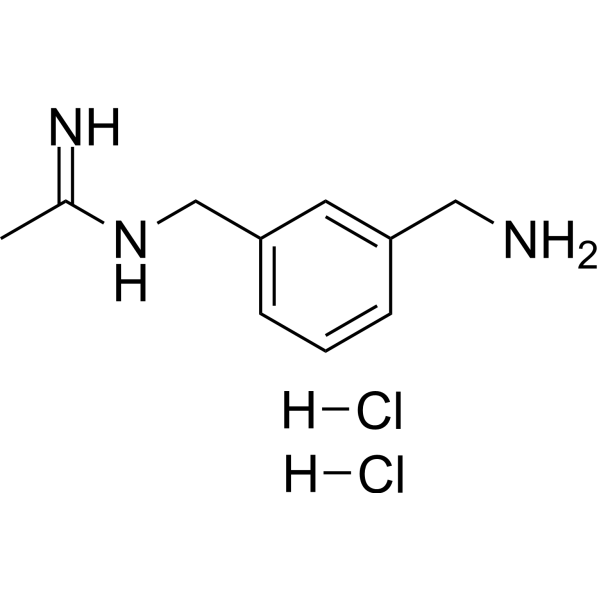
1400W DihydrochlorideNO Synthase Inhibitor -
HY-118700
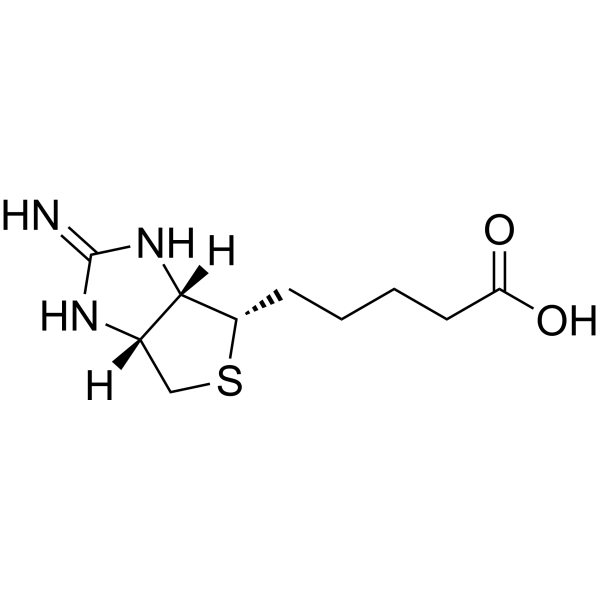
2-IminobiotinNitric Oxide Synthases Inhibitor -
HY-136278
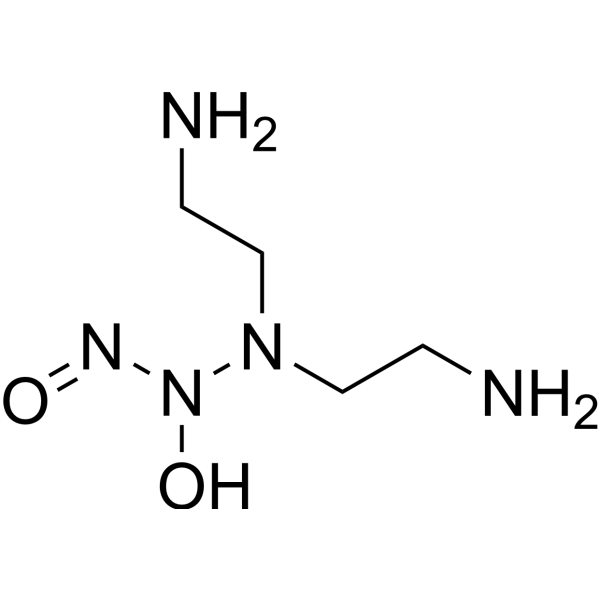
DETA NONOateNO Donor -
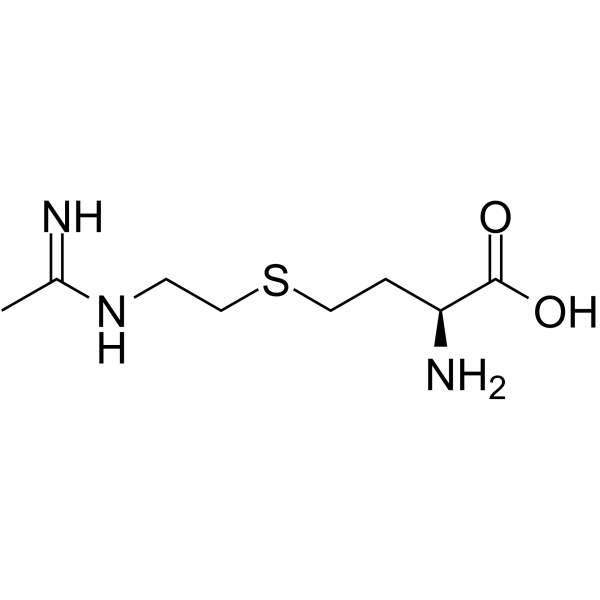
HY-12119
GW274150iNOS Inhibitor -
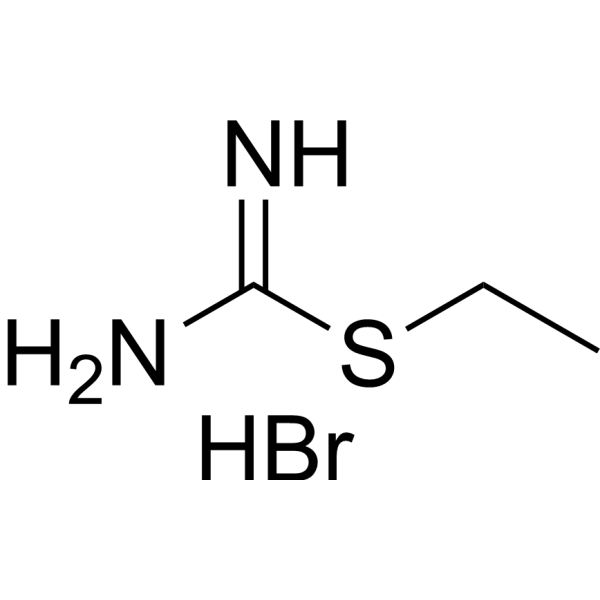
HY-101252
S-EIT hydrobromideBiochemical Reagent -
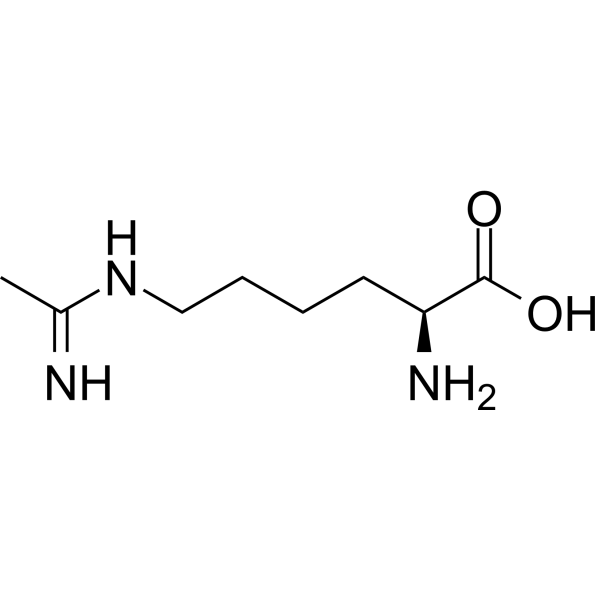
HY-12116
L-NILNO Synthase Inhibitor -

HY-B1041R
Aminoguanidine hydrochloride (Standard)Diamine Oxidase/NO Synthase Inhibitor -
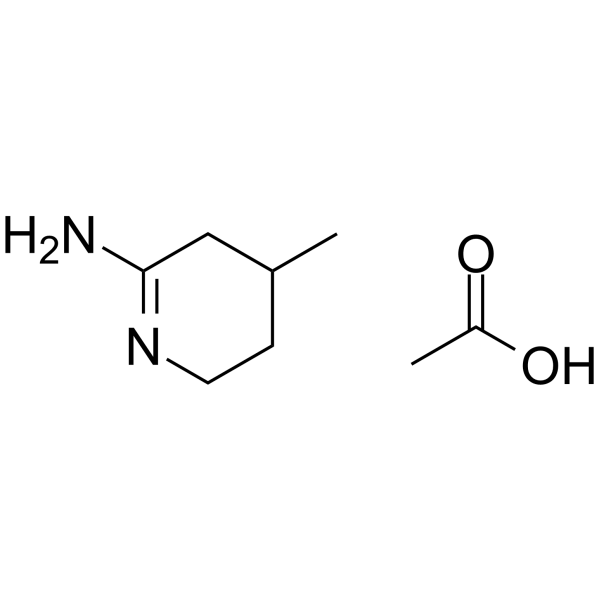
HY-138564
NOS-IN-1NO Synthase Inhibitor


Biological Activity
Description
IC50 & Target
IC50: 11.5 μM (iNOS), 110 μM (ecNOS), 60 μM (bNOS)[1]
In Vitro
MEG (0.1-1000 μM; 18 h) reduces nitrite accumulation in the supernatant of cultured J774.2 macrophages activated with LPS (10 μg/mL) and INF (50 μg/mL). MEG inhibits iNOS activity in homogenates of lungs taken from LPS-treated rats[1].
MEG (1 μM-3 mM; 3 min) dose-dependently inhibits the peroxynitrite-induced oxidation of cytochrome c2+ and hydroxylation of benzoate[2].
MEG (1-300 μM) inhibits the suppression of mitochondrial respiration and DNA single strand breakage in response to peroxynitrite in J774 cells[2].
MEG (300 μM; 30 min) inhibits the suppression of vascular contractility in response to peroxynitrite in thoracic aortic rings[2].
MedChemExpress (MCE) has not independently confirmed the accuracy of these methods. They are for reference only. Further protocols information, click here.
In Vivo
MEG (30-60 mg/kg; a single i.p.) decreases mean arterial blood pressure (MAP) of normal rats[1].
MEG (10 mg/kg; a single i.p.) improves the renal dysfunction and tissue injury induced by ischemia/reperfusion (I/R) of rat kidney[4].
MedChemExpress (MCE) has not independently confirmed the accuracy of these methods. They are for reference only.
-
Animal Model:Sprague-Dawley rats (200-250 g) were injured the esophagus[3]
-
Dosage:10 mg/kg
-
Administration:I.p. for 5 days
-
Result:Reduced the stenosis index (SI) and the histopathologic damage score.
Decreased the malondialdehyde and protein carbonyl content and increased the activities of superoxide dismutase and glutathione peroxidase.
Regulated the nitrate and nitrite level.


Chemical Information
-
CAS No. 3979-00-8
-
Molecular Weight 168.23
-
Formula C3H9N3S.1/2H2O4S
-
SMILES
NC(NCCS)=N.O=S(O)(O)=O.[1/2]
-
Synonyms
Mercaptoethylguanidine hemisulfate
-
Shipping
Room temperature in continental US; may vary elsewhere.
-
Storage
Please store the product under the recommended conditions in the Certificate of Analysis.

Protocols
-
DSS-Induced Colitis
Dextran sulfate sodium (DSS)-induced colitis is generated by administering DSS in mouse drinking water, producing epithelial injury, barrier disruption, weight loss, diarrhea, fecal blood, colon shortening, histologic mucosal damage, and inflammatory mediator changes; the model is mainly used to study acute or chronic intestinal inflammation resembling selected features of ulcerative colitis. DSS injury is interpreted through clinical and tissue readouts rather than a single molecular endpoint: daily body weight, stool consistency, and bleeding are combined into a disease activity index, while colon length, histology, cytokines, myeloperoxidase activity, intestinal permeability, and tight-junction markers provide complementary measures of inflammation and barrier damage.
-
TNBS-Induced Colitis
TNBS-induced colitis is produced by intrarectal delivery of 2,4,6-trinitrobenzene sulfonic acid in ethanol, where ethanol disrupts the mucosal barrier and TNBS haptenates colonic proteins, generating immune-mediated colonic inflammation with weight loss, diarrhea, ulceration, transmural injury, inflammatory-cell infiltration, and cytokine responses. The model is used as an experimental intestinal inflammation model with Crohn’s disease–like features, especially when Th1-type responses, IL-12–dependent inflammation, chronic relapsing inflammation, or fibrosis-related endpoints are studied.
-
Research Protocol for Inflammation-related Diseases
The NLRP3 inflammasome is a cytosolic innate immune signaling platform that integrates priming signals and danger-signal activation to promote caspase-1 activation, maturation of IL-1β and IL-18, and gasdermin D-mediated pyroptotic cell death. The core experimental logic is to determine whether inflammatory disease phenotypes are driven by increased NLRP3 expression, ASC-containing inflammasome assembly, caspase-1 cleavage, GSDMD cleavage, and extracellular release of IL-1β/IL-18 rather than by nonspecific cell injury alone. The pathway is strongly linked to inflammation-related disease phenotypes because monosodium urate crystals activate NALP3/NLRP3 inflammasome signaling in gout-like crystal inflammation, cholesterol crystals activate NLRP3 inflammasomes in atherogenesis models, and DSS-induced intestinal inflammation has been reported to involve NLRP3 inflammasome activity. However, experimental colitis studies also show context-dependent protective effects of NLRP3 inflammasome co


Purity & Documentation
References
[1]. Southan GJ, et, al. Spontaneous rearrangement of aminoalkylisothioureas into mercaptoalkylguanidines, a novel class of nitric oxide synthase inhibitors with selectivity towards the inducible isoform. Br J Pharmacol. 1996 Feb;117(4):619-32. [Content Brief]
[2]. Szabó C, et, al. Mercaptoethylguanidine and guanidine inhibitors of nitric-oxide synthase react with peroxynitrite and protect against peroxynitrite-induced oxidative damage. J Biol Chem. 1997 Apr 4;272(14):9030-6. [Content Brief]
[3]. Guven A, et, al. Mercaptoethylguanidine attenuates caustic esophageal injury in rats: a role for scavenging of peroxynitrite. J Pediatr Surg. 2011 Sep;46(9):1746-52. [Content Brief]
[4]. Guven A, et, al. Scavenging of peroxynitrite reduces renal ischemia/reperfusion injury. Ren Fail. 2008;30(7):747-54. [Content Brief]

Calculators
Concentration (start) × Volume (start) = Concentration (final) × Volume (final)


MEG hemisulfate Related Classifications
HY-138454 Related Classifications
 Powered by Bioz