



Obtusifolin
Based on 4 publication(s) in Google Scholar
Obtusifolin, isolated from the seeds of Cassia obtusifolia, regulates the gene expression and production of MUC5AC mucin in airway epithelial cells via inhibiting NF-kB pathway. Obtusifolin suppresses phthalate esters-induced breast cancer bone metastasis by targeting parathyroid hormone-related protein.
For research use only. We do not sell to patients.
- Purity : 99.91%
- CAS No.: 477-85-0
- Formula: C16H12O5
- Molecular Weight:284.26
-
Storage:Powder -20°C, 3 years , 4°C, 2 years ; In solvent -80°C, 6 months , -20°C, 1 month

To place orders, for customer services and technical support, please contact: MedChemExpress USA
Tel: 609-228-6898 E-mail: [email protected] [email protected]


-
 Biological Activity
-
Chemical Information
-
Solvent & Solubility
- Protocols
- Purity & Documentation
- References
-
 Help & FAQs


-

HY-B0923
DanthronAMPK Activator -
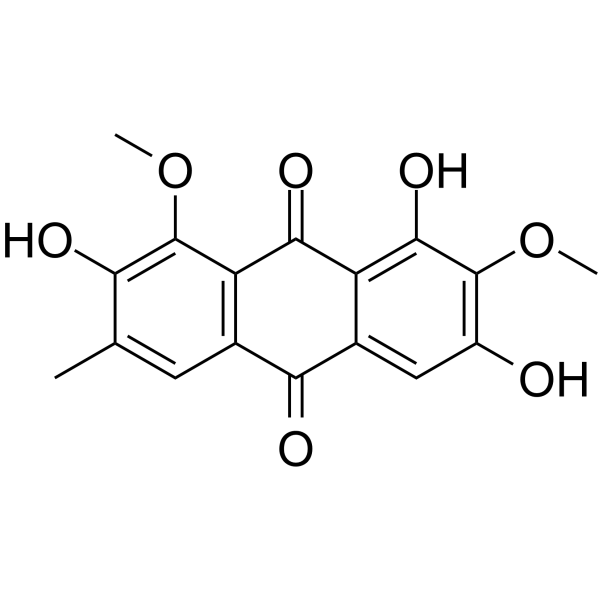
HY-N0261
Aurantio-obtusinVasodilator, Anti-inflammatory agent -

HY-N2098R
Obtusifolin (Standard)NF-kB Inhibitor -
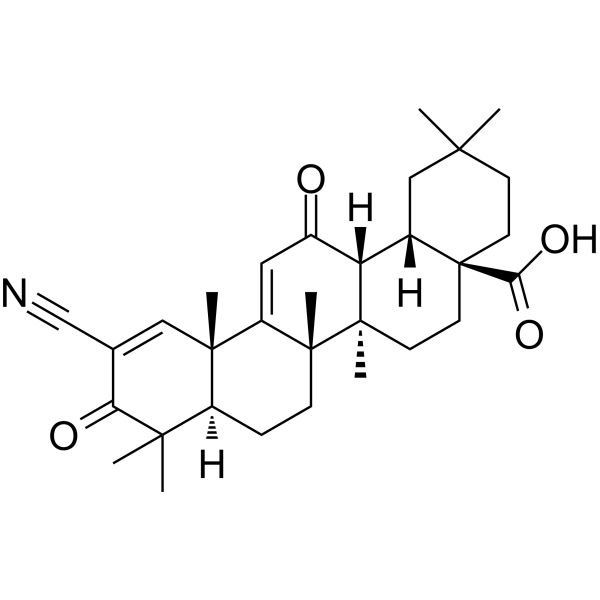
HY-14909
BardoxoloneNrf2 Activator -
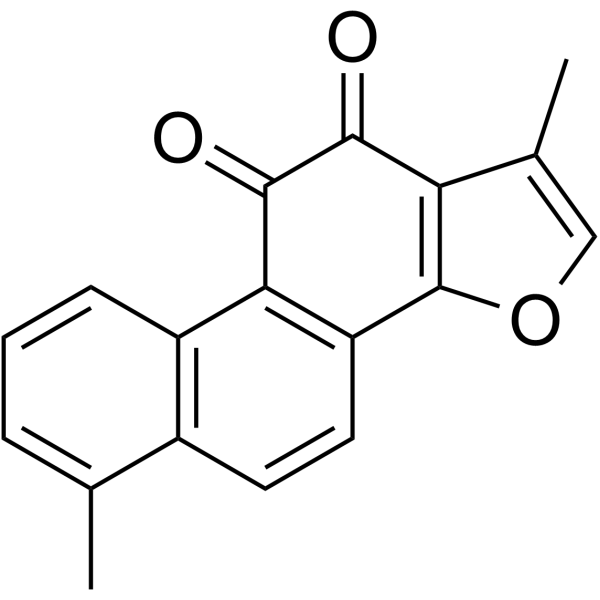
HY-N0134
Tanshinone IPhospholipase Inhibitor -
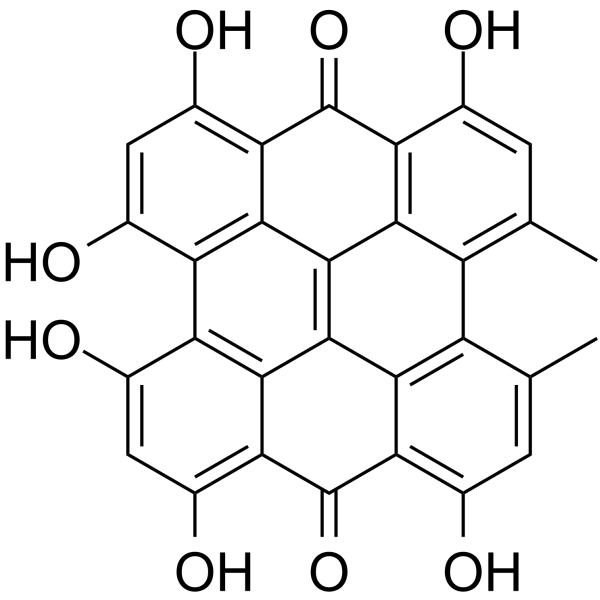
HY-N0453
HypericinPKC Inhibitor -
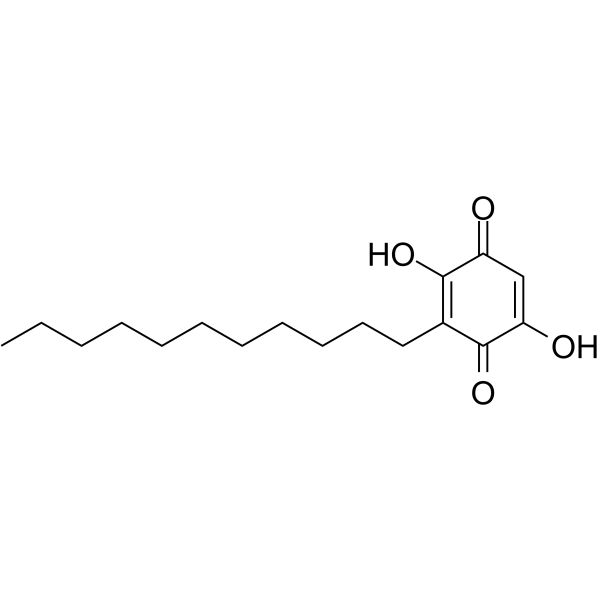
HY-17473
EmbelinXIAP Inhibitor -
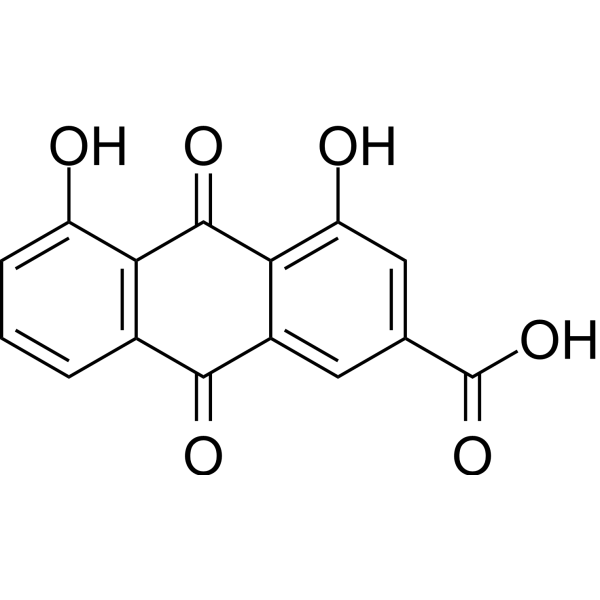
HY-N0105
RheinAntioxidant -
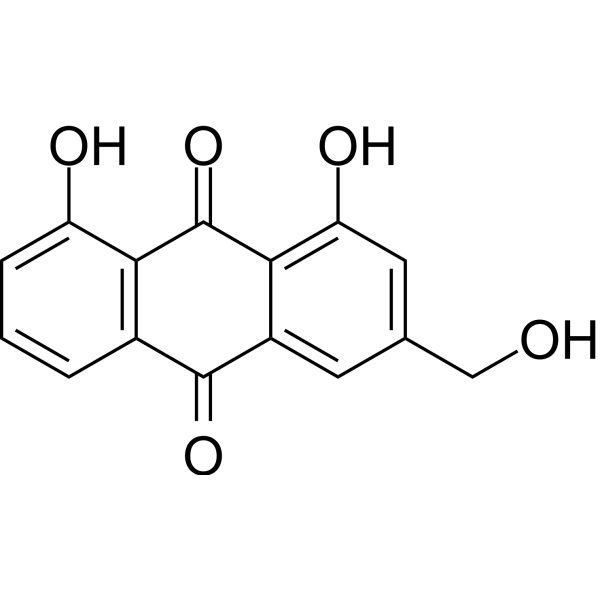
HY-N0189
Aloe emodinmTORC2 Inhibitor -
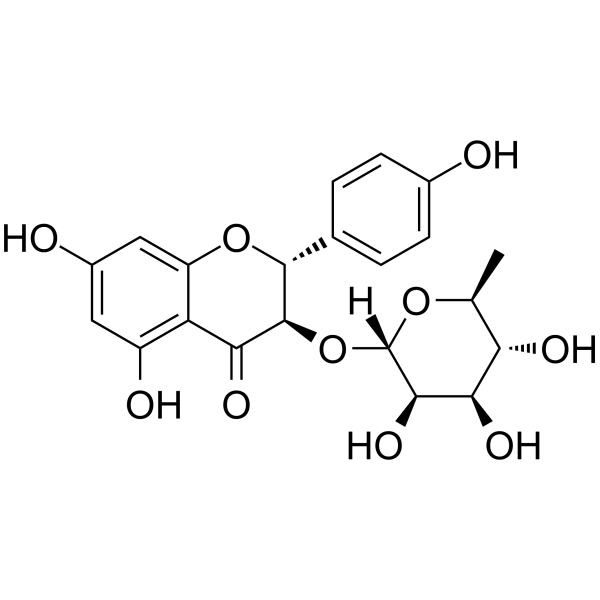
HY-N0436
EngeletinNF-κB Inhibitor -

HY-13595
ChrysophanolEGFR Inhibitor -

HY-N0108
PhyscionAnthraquinone
Publications Citing Use of MedChemExpress (MCE) Obtusifolin
More

Biological Activity
Description
IC50 & Target
[1]|
NF-κB |
In Vitro


Chemical Information
-
CAS No. 477-85-0
-
Appearance Solid
-
Molecular Weight 284.26
-
Formula C16H12O5
-
Color Yellow to orange
-
SMILES
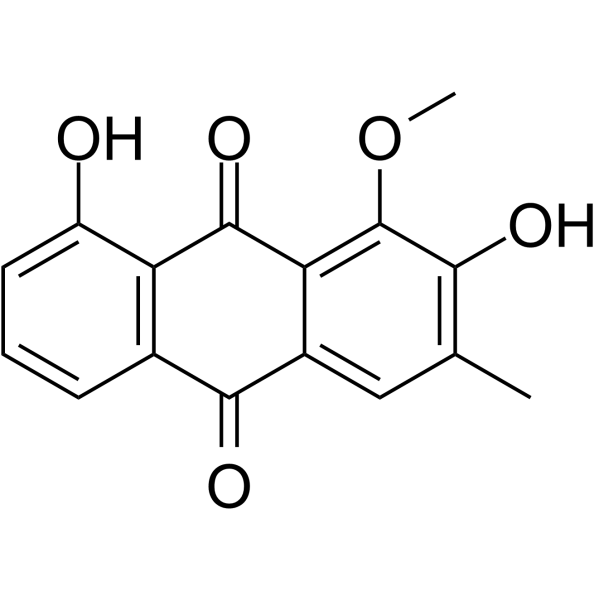
O=C1C2=C(C=CC=C2O)C(C3=CC(C)=C(O)C(OC)=C13)=O
-
Structure Classification
-
Shipping
Room temperature in continental US; may vary elsewhere.
-
Storage
Powder -20°C 3 years 4°C 2 years In solvent -80°C 6 months -20°C 1 month


Publications (4)
-
Journal Impact Factor
-
Most Recent
-
Eur J Pharmacol
Obtusifolin mitigates CCl4-induced inflammation and liver fibrosis by modulating the ROCK2/ Cofilin-1 / NFκB pathway. [Abstract]2026 Jan 20:1012:178479. PMID: 41412261 -
Naunyn Schmiedebergs Arch Pharmacol
Obtusifolin mitigates acute lung injury and improves cardio-pulmonary functions in acute lung injury model by modulating oxidative stress and NF-κB signaling. [Abstract]2025 Jun 10. PMID: 40493249 -
J Mol Histol
Obtusifolin ameliorates pancreatic tissue injury and inflammation by modulating the NFκB signaling. [Abstract]2026 Jan 5;57(1):21. PMID: 41491435 -
Int J Ophthalmol
Obtusifolin ameliorates dry eye model in rats by reducing inflammation and blocking MAPK/NF-κB pathways. [Abstract]2025 Aug 18;18(8):1426-1432. PMID: 40827285


Solvent & Solubility
In Vitro:
DMSO : 10 mg/mL (35.18 mM; Need ultrasonic; Hygroscopic DMSO has a significant impact on the solubility of product, please use newly opened DMSO)
Please refer to the solubility information to select the appropriate solvent. Once prepared, please aliquot and store the solution to prevent product inactivation from repeated freeze-thaw cycles.
Storage method and period of stock solution: -80°C, 6 months; -20°C, 1 month. When stored at -80°C, please use it within 6 months. When stored at -20°C, please use it within 1 month.
Please refer to the solubility information to select the appropriate solvent. Once prepared, please aliquot and store the solution to prevent product inactivation from repeated freeze-thaw cycles.
Storage method and period of stock solution: -80°C, 6 months; -20°C, 1 month. When stored at -80°C, please use it within 6 months. When stored at -20°C, please use it within 1 month.
Concentration (start) × Volume (start) = Concentration (final) × Volume (final)

Protocols
-
RT-PCR
Reverse transcription technology uses RNA as a template to synthesize DNA. RT-PCR is simple, specific and sensitive, and can be used to detect gene expression levels and expression differences in cells; detect RNA virus content; clone cDNA sequences of specific genes.
-
RNA extraction experimental
By lysing cells, releasing RNA, and removing impurities such as proteins and DNA, high-purity RNA products are finally obtained. The commonly used traditional method is the guanidine isothiocyanate/phenol/chloroform method (Trizol), which is suitable for a variety of animal materials including animal tissues, microorganisms, cultured cells, etc., and most plant materials.
-
Research Protocol for Endocrine Diseases
Endocrine diseases often arise from disrupted hormone production, hormone signaling, or target-tissue responsiveness; for diabetes-focused endocrine disease models, insulin signaling regulates glucose uptake, hepatic glucose output, lipid metabolism, and β-cell compensation. Type 2 diabetes develops through interacting defects in insulin resistance, β-cell dysfunction, adipose inflammation, hepatic glucose overproduction, altered incretin signaling, and ectopic lipid metabolism. A major unresolved question is whether endocrine dysfunction is driven primarily by target-tissue insulin resistance, intrinsic β-cell failure, immune/inflammatory stress, or combined multi-organ failure that differs by disease stage.
-
Intracardiac/Intra-Arterial Metastasis Xenograft
Intracardiac xenograft metastasis models are based on the direct delivery of fluorescent or bioluminescent tumor cells into the left ventricle of immunocompromised mice, allowing systemic arterial dissemination that mimics hematogenous spread and enables colonization of distant organs such as bone, brain, and lung. Real-time bioluminescence imaging (BLI) is used to non-invasively track tumor cell seeding, survival, and metastatic outgrowth over time, reflecting early arrest in capillary beds followed by organ-specific colonization and proliferation.
-
Breast Cancer Modeling
Breast cancer is a heterogeneous cancer, and it has been distinguished into four subtypes: luminal A, luminal B, HER2-positive and basal-like. Molecular mutations, epigenetic alterations, hormone exposure and immune microenvironment are related to the progression of breast cancer.
-
Real Time qPCR (Q-PCR)
Real-time quantitative PCR (qPCR) quantifies an amplifiable nucleic-acid target by monitoring fluorescence during PCR cycling rather than measuring product only after amplification. The increase in fluorescence tracks accumulation of PCR product, and the quantification cycle (Cq; historically also Ct/CP) is related to the initial amount of target: samples containing more starting target generally reach the defined fluorescence threshold in fewer cycles.
-
Orthotopic Cell-Line Xenograft
Orthotopic cell-line xenograft models involve implantation of human cancer cell lines into the anatomically corresponding organ of immunodeficient mice to reproduce tumor growth within a native microenvironment, enabling more clinically relevant tumor behavior compared with subcutaneous models. These models are widely used because orthotopic placement better recapitulates tumor progression, including invasion and metastatic spread, which are often underrepresented in heterotopic implantation systems. Compared with conventional xenografts, orthotopic implantation is described as more technically complex but provides improved simulation of tumor-microenvironment interactions and metastatic behavior, making it particularly valuable for translational oncology research. Surgical orthotopic implantation approaches have been emphasized as enabling faithful reproduction of clinical cancer features, including metastasis and disease progression patterns that align with the tumor’s organ of origi


Purity & Documentation
-
Data Sheet (277 KB)
-
SDS (393 KB)
- English - EN (393 KB)
- Français - FR (393 KB)
- Deutsch - DE (393 KB)
- Norwegian - NO (393 KB)
- Español - ES (393 KB)
- Swedish - SV (393 KB)
- Italian - IT (393 KB)
- Korean - KR (393 KB)
- Portuguese - PT (393 KB)
-
Handling Instructions (2659 KB)
References
[1]. Choi BS, et al. Obtusifolin isolated from the seeds of Cassia obtusifolia regulates the gene expression and production of MUC5AC mucin in airway epithelial cells via affecting NF-κB pathway. Phytother Res. 2019 Apr;33(4):919-928. [Content Brief]
[2]. Hsu YL, et al. Obtusifolin suppresses phthalate esters-induced breast cancer bone metastasis by targeting parathyroid hormone-related protein. J Agric Food Chem. 2014 Dec 10;62(49):11933-40. [Content Brief]


Complete Stock Solution Preparation Table
Please refer to the solubility information to select the appropriate solvent. Once prepared, please aliquot and store the solution to prevent product inactivation from repeated freeze-thaw cycles.
Storage method and period of stock solution: -80°C, 6 months; -20°C, 1 month. When stored at -80°C, please use it within 6 months. When stored at -20°C, please use it within 1 month.
| Optional Solvent | Concentration Solvent Mass | 1 mg | 5 mg | 10 mg | 25 mg |
|---|---|---|---|---|---|
| DMSO | 1 mM | 3.5179 mL | 17.5895 mL | 35.1791 mL | 87.9477 mL |
| 5 mM | 0.7036 mL | 3.5179 mL | 7.0358 mL | 17.5895 mL | |
| 10 mM | 0.3518 mL | 1.7590 mL | 3.5179 mL | 8.7948 mL | |
| 15 mM | 0.2345 mL | 1.1726 mL | 2.3453 mL | 5.8632 mL | |
| 20 mM | 0.1759 mL | 0.8795 mL | 1.7590 mL | 4.3974 mL | |
| 25 mM | 0.1407 mL | 0.7036 mL | 1.4072 mL | 3.5179 mL | |
| 30 mM | 0.1173 mL | 0.5863 mL | 1.1726 mL | 2.9316 mL |


Obtusifolin Related Classifications
HY-N2098 Related Classifications
 Powered by Bioz