



PF-03654746

Based on 1 Customer Validation
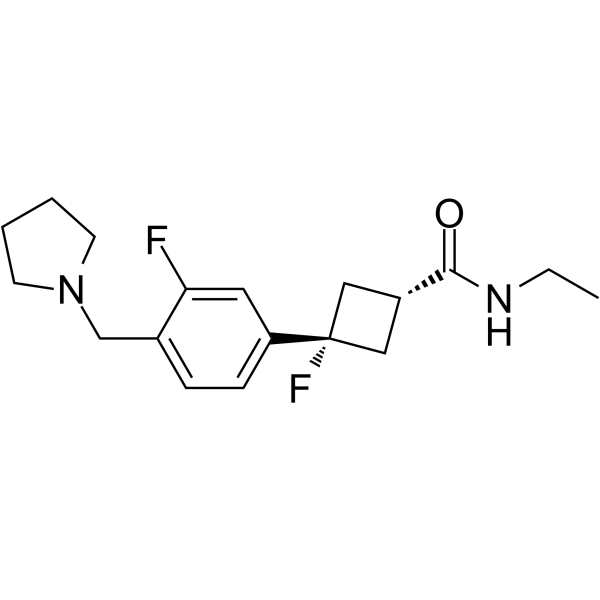
PF-03654746 is a potent and selective histamine H3 receptor antagonist with high brain penetration. PF-03654746 reduces allergen-induced nasal symptoms, might be a novel therapeutic strategy to further explore allergic rhinitis. PF-03654746 improves cognitive efficacy and disease-modifying effects in Alzheimer's disease (AD).
For research use only. We do not sell to patients.
- Purity : 99.98%
- CAS No.: 935840-31-6
- Formula: C18H24F2N2O
- Molecular Weight:322.39
-
Storage:Powder -20°C, 3 years ; In solvent -80°C, 6 months , -20°C, 1 month

To place orders, for customer services and technical support, please contact: MedChemExpress USA
Tel: 609-228-6898 E-mail: [email protected] [email protected]


-
 Biological Activity
-
Chemical Information
- Protocols
- Purity & Documentation
- References
-
 Help & FAQs


-
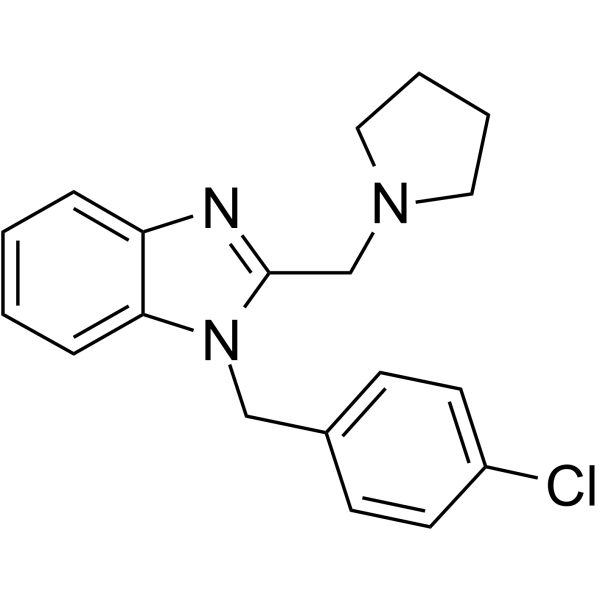
HY-30234
ClemizoleTRPC5 Inhibitor -
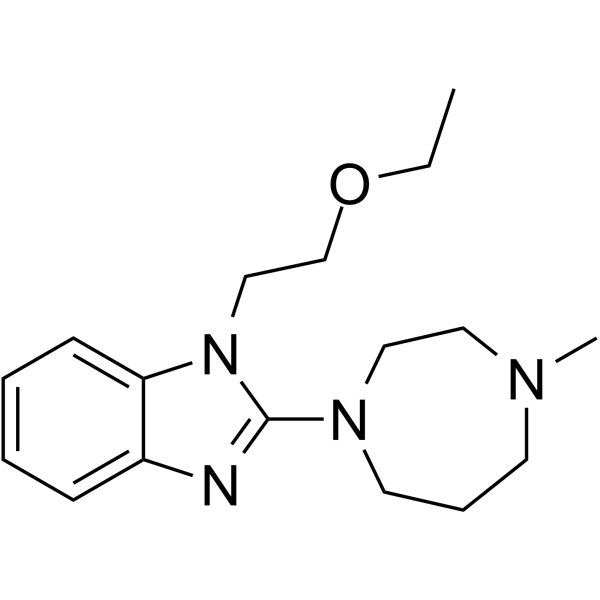
HY-108411
EmedastineHistamine H1 Receptor Antagonist -
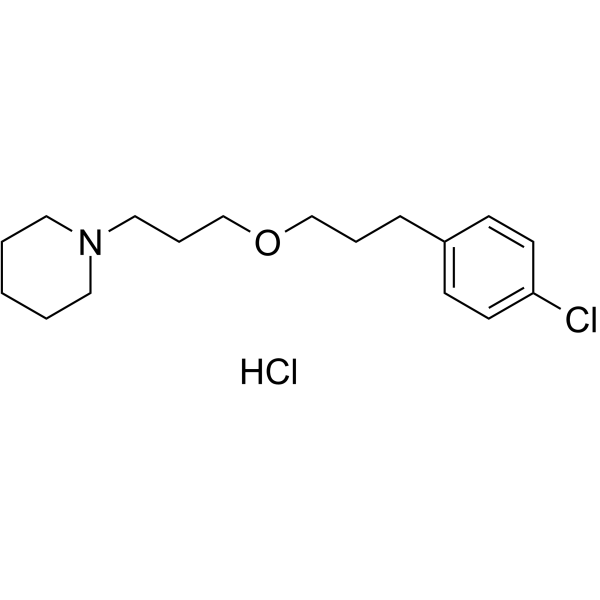
HY-12199B
Pitolisant hydrochlorideH3 Receptor Antagonist -
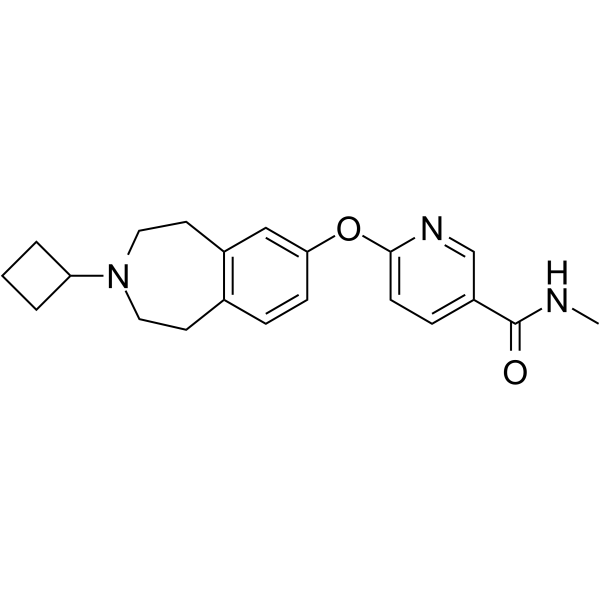
HY-14111
GSK189254AHistamine Receptor Antagonist -
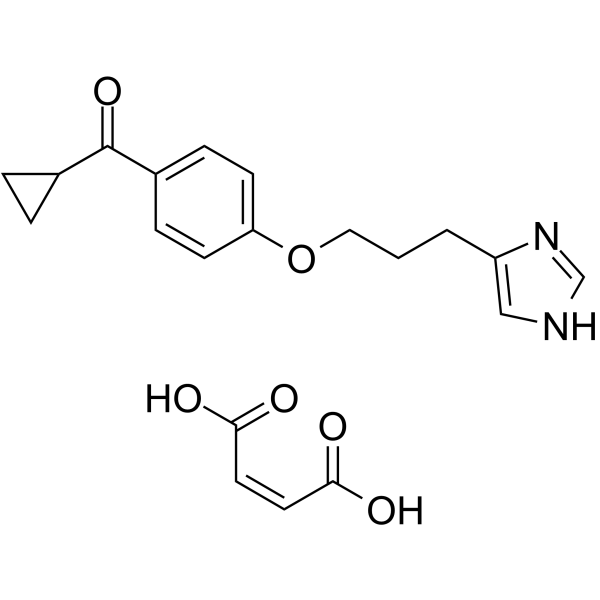
HY-15289
Ciproxifan maleateHistamine H3-Receptor Antagonist -
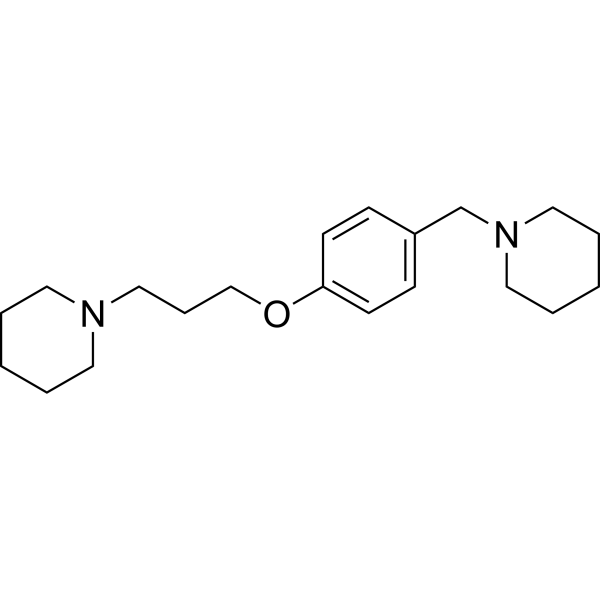
HY-12190
JNJ-5207852Histamine Receptor Antagonist -
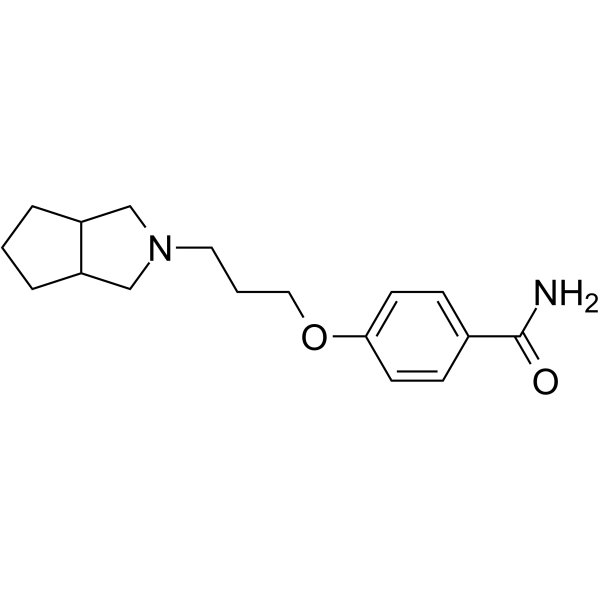
HY-104003
S 38093H3 Receptor Antagonist -
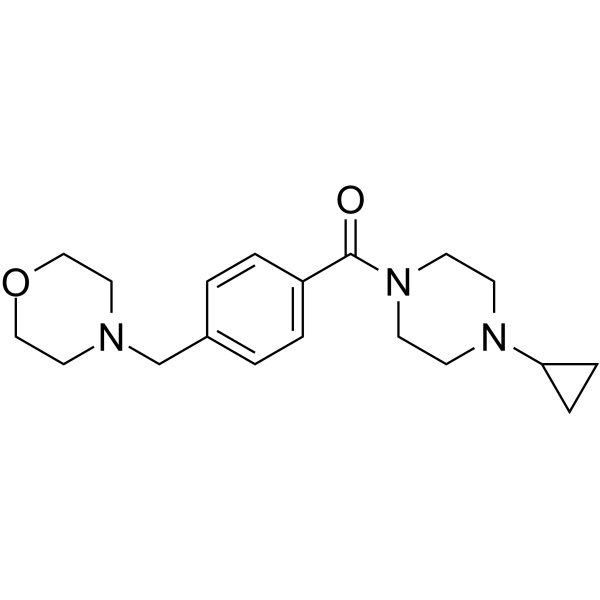
HY-14880
BavisantH3 Receptor Antagonist -
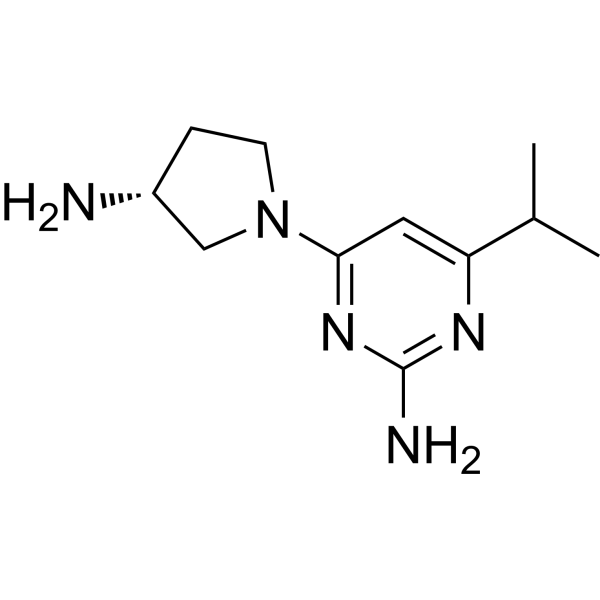
HY-101189
JNJ-39758979Histamine H4 Receptor Antagonist -
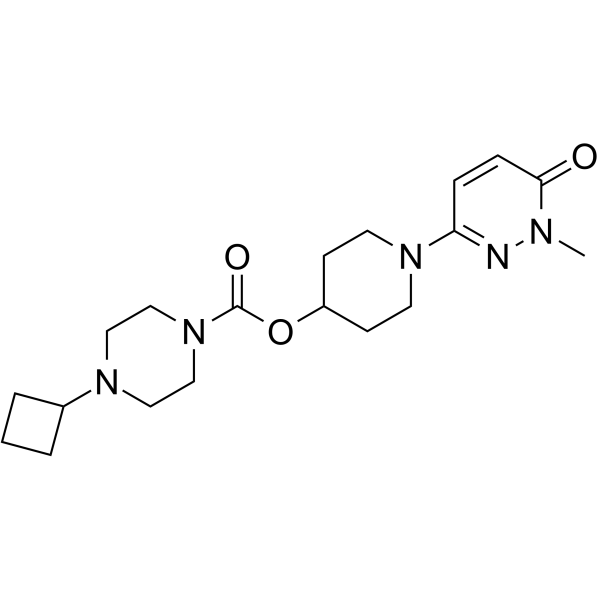
HY-128656
LML134 -

HY-108411R
Emedastine (Standard)Histamine H1 Receptor Antagonist -

HY-14111R
GSK189254A (Standard)Histamine Receptor Antagonist
All Histamine Receptor Isoforms
More

Biological Activity
Description


Chemical Information
-
CAS No. 935840-31-6
-
Appearance Solid
-
Molecular Weight 322.39
-
Formula C18H24F2N2O
-
Color White to off-white
-
SMILES
O=C([C@H]1C[C@@](C2=CC=C(CN3CCCC3)C(F)=C2)(F)C1)NCC
-
Shipping
Room temperature in continental US; may vary elsewhere.
-
Storage
Powder -20°C 3 years In solvent -80°C 6 months -20°C 1 month

Protocols
-
Alzheimer’s Disease Modeling
Alzheimer’s Disease (AD) is a neurodegenerative disorder characterized by a progressive decline in cognitive functions and loss of specific types of neurons and synapses. Alzheimer's symptoms can be simulated in mice by injecting drugs (such as Aβ) or genetically modified.


Purity & Documentation
-
Data Sheet (266 KB)
-
SDS (252 KB)
- English - EN (252 KB)
- Français - FR (252 KB)
- Deutsch - DE (252 KB)
- Norwegian - NO (252 KB)
- Español - ES (252 KB)
- Swedish - SV (252 KB)
- Italian - IT (252 KB)
- Korean - KR (252 KB)
- Portuguese - PT (252 KB)
-
Handling Instructions (2659 KB)
References
[1]. Stokes JR, et al. The effects of an H3 receptor antagonist (PF-03654746) with fexofenadine on reducing allergic rhinitis symptoms. J Allergy Clin Immunol. 2012 Feb;129(2):409-12, 412.e1-2. [Content Brief]
[2]. Brioni JD, et al. Discovery of histamine H3 antagonists for the treatment of cognitive disorders and Alzheimer's disease. J Pharmacol Exp Ther. 2011 Jan;336(1):38-46. [Content Brief]

Calculators
Concentration (start) × Volume (start) = Concentration (final) × Volume (final)


PF-03654746 Related Classifications
HY-11045 Related Classifications
 Powered by Bioz