



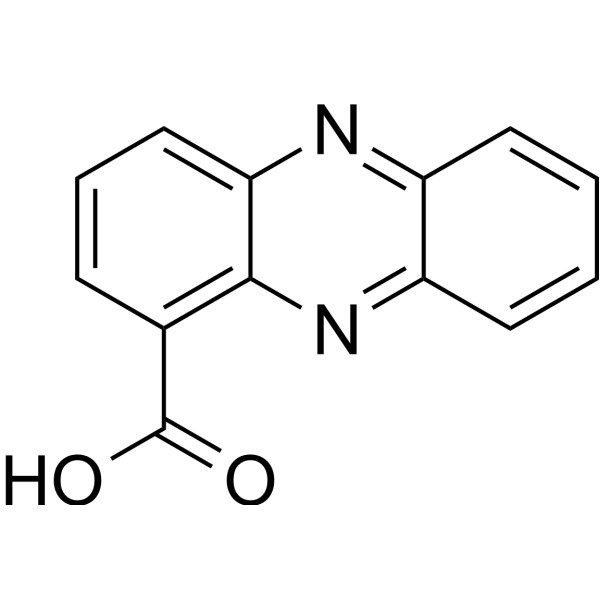
Phenazine-1-carboxylic acid

Based on 1 Customer Validation
Phenazine-1-carboxylic acid (Tubermycin B) is an antifungal agent. Additionally, Phenazine-1-carboxylic acid exhibits anticancer activity by inducing apoptosis in cancer cells through the regulation of ROS generation. Phenazine-1-carboxylic acid can upregulate the expression of IL-8 and ICAM-1 while inhibiting the release of RANTES and MCP-1, demonstrating its potential immunomodulatory effects. Phenazine-1-carboxylic acid holds significant research value in the areas of anti-infection, anticancer, and immune response modulation.
For research use only. We do not sell to patients.
- Purity : 99.97%
- CAS No.: 2538-68-3
- Formula: C13H8N2O2
- Molecular Weight:224.21
-
Storage:Powder -20°C, 3 years , 4°C, 2 years ; In solvent -80°C, 6 months , -20°C, 1 month

To place orders, for customer services and technical support, please contact: MedChemExpress USA
Tel: 609-228-6898 E-mail: [email protected] [email protected]


-
 Biological Activity
-
Chemical Information
-
Solvent & Solubility
- Protocols
- Purity & Documentation
- References
-
 Help & FAQs


-
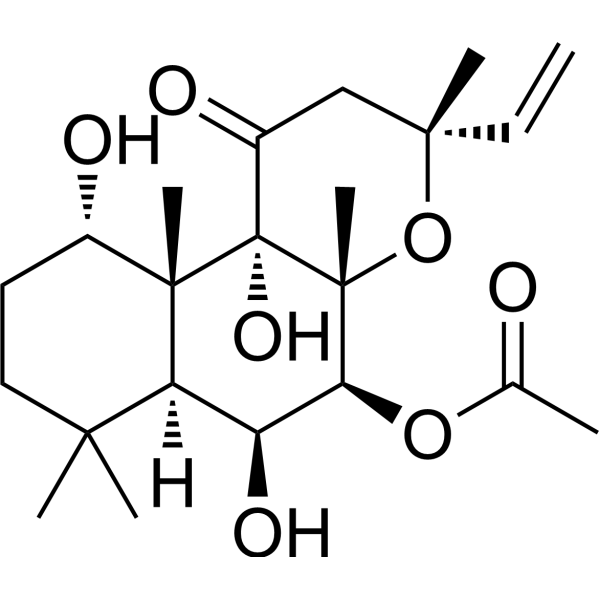
HY-15371
ForskolinAdenylate Cyclase Activator -
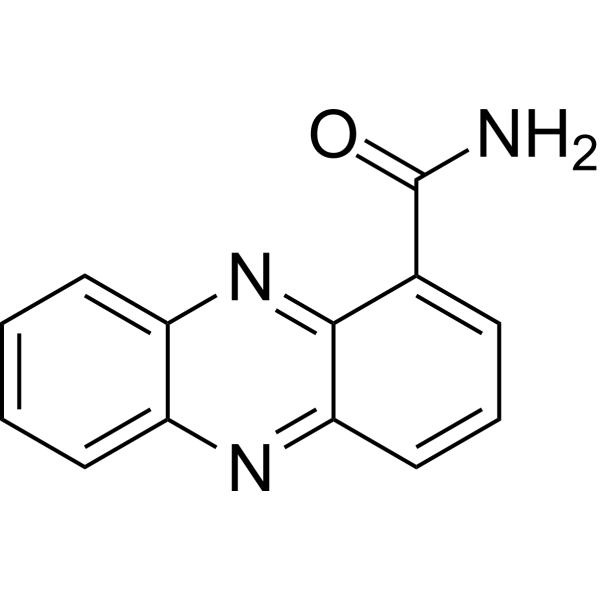
HY-W042191
OxychlororaphineAntifungal Agent -
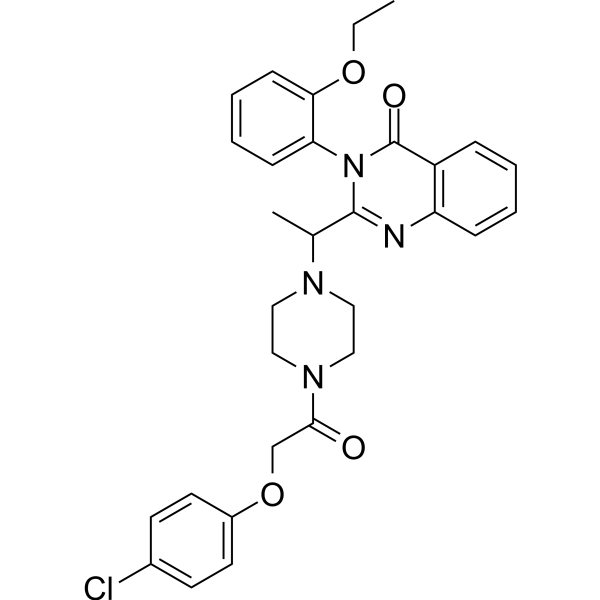
HY-15763
ErastinFerroptosis Inducer -
HY-B2176
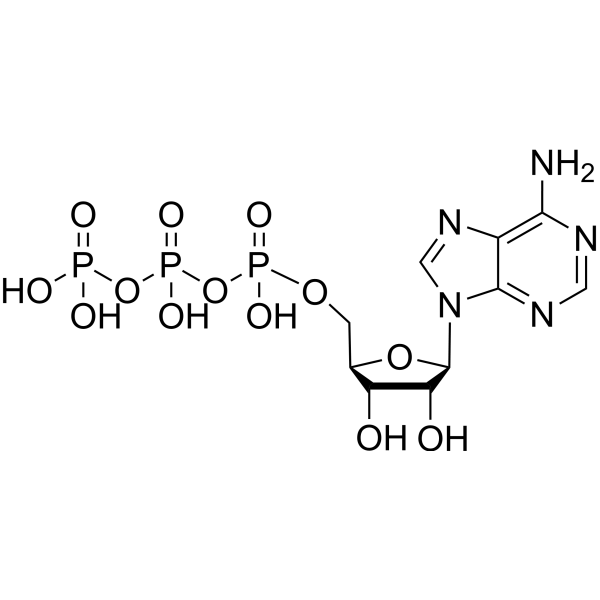
ATPEndogenous Metabolite -
HY-19363
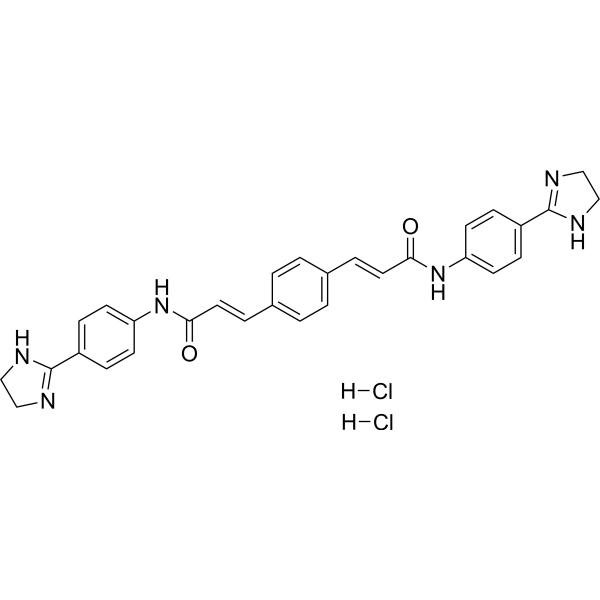
GW4869N-SMase Inhibitor -
HY-N0156
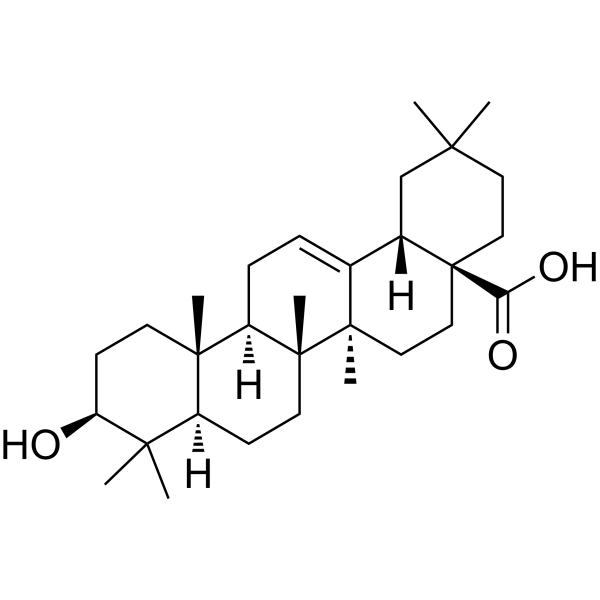
Oleanolic acidAutophagy Inducer -
HY-13323
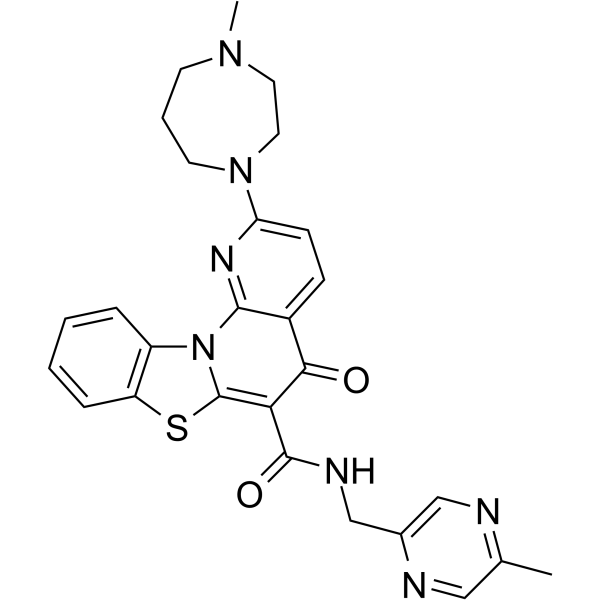
CX-5461RNA Polymerase I Inhibitor -
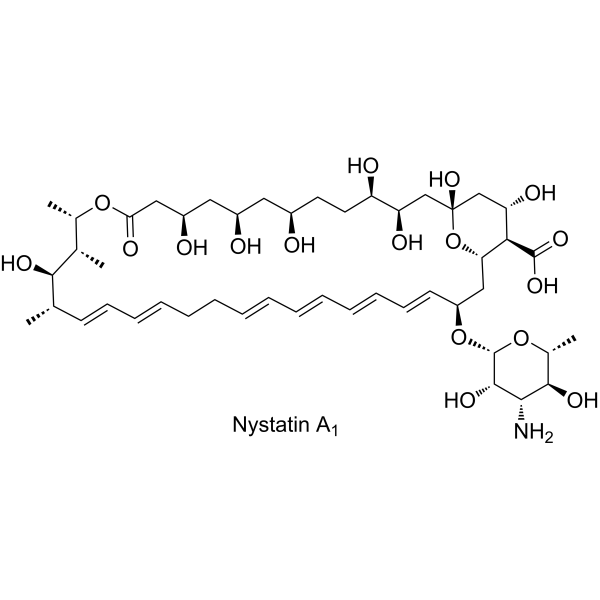
HY-17409
NystatinAntifungal Antibiotic -

HY-K0301
Cell Counting Kit-8 -

HY-33037R
Phenazine-1-carboxylic acid (Standard)Fungal Inhibitor -
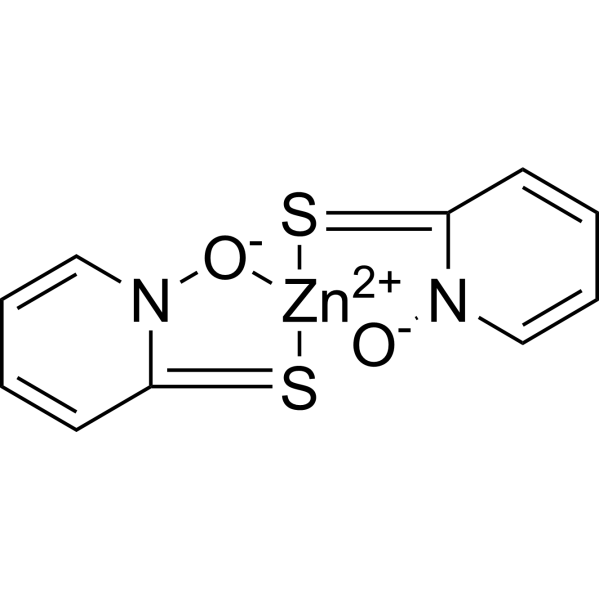
HY-B0572
Zinc PyrithioneAntimicrobial Agent -
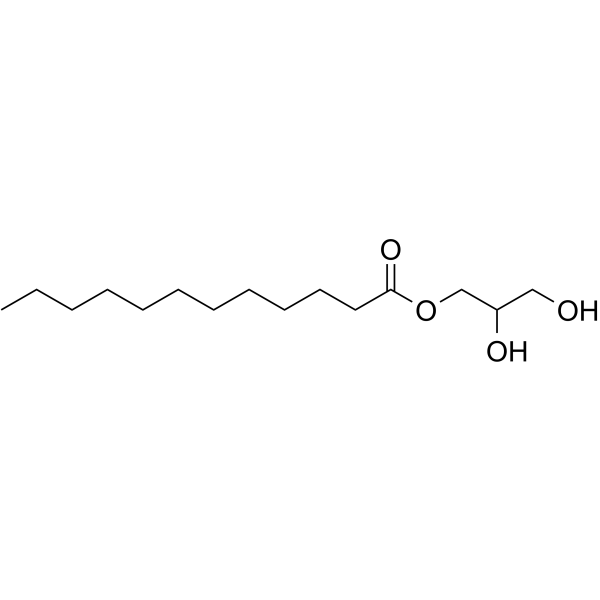
HY-121620
MonolaurinAntimicrobial Agent


Biological Activity
Description
Cellular Effect
|
Cell Line

|
Type | Value | Description | References |
|---|---|---|---|---|
| BV-2 | IC50 |
8.4 μM
Compound: 5
|
Antineuroinflammatory activity in LPS induced mouse BV-2 cells assessed as inhibition of NO production pretreated for 3 hrs followed by LPS addition and measured after 21 hrs by griess reagent based assay
Antineuroinflammatory activity in LPS induced mouse BV-2 cells assessed as inhibition of NO production pretreated for 3 hrs followed by LPS addition and measured after 21 hrs by griess reagent based assay
|
[PMID: 39140432] |
| HCT-116 | IC50 |
15.6 μM
Compound: 4, Tubermycin B
|
Cytotoxicity against human HCT116 cells assessed as growth inhibition after 5 days by hemocytometry
Cytotoxicity against human HCT116 cells assessed as growth inhibition after 5 days by hemocytometry
|
[PMID: 23402329] |
In Vitro
Phenazine-1-carboxylic acid (Tubermycin B) (10-100 µM, 24 and 48 hours) can effectively inhibit the proliferation of DU145 cells in a time- and dose-dependent manner[2]. Phenazine-1-carboxylic acid (50 µM, 24 hours) can induce apoptosis in DU145 cells through ROS generation and mitochondrial apoptosis pathways[2]. Phenazine-1-carboxylic acid (50 µM, 36 hours) can upregulate IL-8 and ICAM-1 expression, inhibit RANTES and MCP-1 release, and has potential immunomodulatory activity[3].
MedChemExpress (MCE) has not independently confirmed the accuracy of these methods. They are for reference only. Further protocols information, click here.
-
Cell Line:DU145 prostate cancer cells
-
Concentration:10, 25, 50, 75, 100 µM
-
Incubation Time:24 and 48 hours
-
Result:Inhibited DU145 cell proliferation in a time- and dose-dependent manner, with the highest inhibition at the maximum concentration.
-
Cell Line:DU145 prostate cancer cells
-
Concentration:50 µM
-
Incubation Time:24 hours
-
Result:Induced reactive oxygen species (ROS) generation in DU145 cells, causing mitochondrial membrane depolarization and apoptosis.
In Vivo
MedChemExpress (MCE) has not independently confirmed the accuracy of these methods. They are for reference only.
-
Animal Model:Zebrafish embryos infected with Vibrio anguillarum[4]
-
Dosage:2 µg/mL and 3 µg/mL
-
Administration:Added through zebrafish embryo E3 medium, single dose
-
Result:Effectively inhibited V. anguillarum infection in zebrafish embryos and increased embryo hatching rate.


Chemical Information
-
CAS No. 2538-68-3
-
Appearance Solid
-
Molecular Weight 224.21
-
Formula C13H8N2O2
-
Color Light yellow to green yellow
-
SMILES
O=C(O)C1=C(N=C(C=CC=C2)C2=N3)C3=CC=C1
-
Synonyms
Tubermycin B
-
Structure Classification
-
Initial Source
-
Shipping
Room temperature in continental US; may vary elsewhere.
-
Storage
Powder -20°C 3 years 4°C 2 years In solvent -80°C 6 months -20°C 1 month


Solvent & Solubility
In Vitro:
DMSO : 5 mg/mL (22.30 mM; Need ultrasonic; Hygroscopic DMSO has a significant impact on the solubility of product, please use newly opened DMSO)
Please refer to the solubility information to select the appropriate solvent. Once prepared, please aliquot and store the solution to prevent product inactivation from repeated freeze-thaw cycles.
Storage method and period of stock solution: -80°C, 6 months; -20°C, 1 month. When stored at -80°C, please use it within 6 months. When stored at -20°C, please use it within 1 month.
Please refer to the solubility information to select the appropriate solvent. Once prepared, please aliquot and store the solution to prevent product inactivation from repeated freeze-thaw cycles.
Storage method and period of stock solution: -80°C, 6 months; -20°C, 1 month. When stored at -80°C, please use it within 6 months. When stored at -20°C, please use it within 1 month.
Concentration (start) × Volume (start) = Concentration (final) × Volume (final)

Protocols
-
RNA extraction experimental
By lysing cells, releasing RNA, and removing impurities such as proteins and DNA, high-purity RNA products are finally obtained. The commonly used traditional method is the guanidine isothiocyanate/phenol/chloroform method (Trizol), which is suitable for a variety of animal materials including animal tissues, microorganisms, cultured cells, etc., and most plant materials.
-
Research Protocol for Infectious Diseases
Infectious-disease experiments test how pathogens interact with host barriers, innate immune receptors, inflammatory signaling, pathogen replication, and tissue injury; pattern-recognition receptors such as TLRs, RIG-I-like receptors, NOD-like receptors, and inflammasomes detect microbial molecules and activate NF-κB, interferon, and cytokine responses. The central hypothesis is that infection severity reflects the balance between pathogen burden and host response: protective inflammation restricts pathogen growth, whereas excessive or mislocalized inflammation contributes to tissue damage and disease phenotype. Unresolved questions include which host pathways are protective versus pathogenic, why some infection models fail to translate to human disease, and which combined readouts best predict clinically relevant infection outcomes.
-
Apoptosis
Apoptosis, also called programmed cell death, is generally characterized by distinct morphological characteristics.
-
TUNEL staining for apoptotic DNA fragmentation
TUNEL staining detects DNA strand breaks by using terminal deoxynucleotidyl transferase to add labeled nucleotides to exposed 3′-OH DNA termini, generating either microscopic staining in fixed cells or tissue sections, or fluorescence/cytometric signal in cell suspensions. TUNEL positivity reflects DNA fragmentation but should not be interpreted alone as definitive apoptosis, because TUNEL can also label necrotic, autolytic, mechanically damaged, or DNA-repair-associated DNA breaks.
-
Annexin V plus membrane-impermeant dye apoptosis staining
Annexin V-based apoptosis assays rely on the detection of phosphatidylserine (PS) externalization from the inner leaflet of the plasma membrane to the outer leaflet, an early biochemical hallmark of apoptosis. Fluorescently labeled Annexin V binds PS in a calcium-dependent manner, enabling identification of early apoptotic cells by flow cytometry or fluorescence microscopy. When combined with a membrane-impermeant DNA-binding dye (e. g. , propidium iodide), this approach allows discrimination between viable (Annexin V−/dye−), early apoptotic (Annexin V+/dye−), and late apoptotic or necrotic (Annexin V+/dye+) cell populations by assessing membrane integrity and PS exposure.
-
ROS/oxidative-stress fluorescent staining
ROS/oxidative-stress fluorescent staining uses cell-permeant fluorogenic probes that become fluorescent after oxidation inside cells or tissues; commonly used examples include DCFH-DA/DCFDA for broad cellular oxidant detection, DHE for superoxide-related signal detection, MitoSOX for mitochondrial superoxide-related signal detection, and CellROX probes for oxidative-stress-associated fluorescence readouts. The assay detects probe oxidation rather than a single ROS species unless the probe and analysis method have been chemically validated for that species. DCFH-DA enters cells, is deacetylated by intracellular esterases to DCFH, and produces fluorescent DCF after oxidation, so the readout is used as an operational measure of total cellular oxidative stress rather than a species-specific ROS measurement. DHE and MitoSOX can report superoxide-related oxidation, but red fluorescence alone can include non-specific ethidium-like oxidation products; HPLC or optimized spectral approaches are
-
Apoptosis Solutions
Apoptosis is a regulated, generally non-lytic cell-death pathway that removes unwanted, damaged, infected, or abnormal cells through coordinated morphological changes, caspase activation, DNA fragmentation, and membrane remodeling. The intrinsic apoptosis pathway is controlled mainly by mitochondrial outer membrane permeabilization, BCL-2 family proteins, cytochrome c release, apoptosome formation, caspase-9 activation, and downstream executioner caspase-3/7 activation. The extrinsic apoptosis pathway is initiated by death receptors such as Fas, TNFR, and TRAIL receptors, which recruit adaptor proteins and activate caspase-8 before engaging executioner caspases or mitochondrial amplification through BID cleavage. Apoptosis is linked to many phenotypes, including cancer cell killing, tissue homeostasis, immune regulation, neurodegeneration, infection response, and treatment-induced cytotoxicity; unresolved questions include how apoptosis interacts with necroptosis, pyroptosis, ferroptos


Purity & Documentation
-
Data Sheet (289 KB)
-
SDS (394 KB)
- English - EN (394 KB)
- Français - FR (394 KB)
- Deutsch - DE (394 KB)
- Norwegian - NO (394 KB)
- Español - ES (394 KB)
- Swedish - SV (394 KB)
- Italian - IT (394 KB)
- Korean - KR (394 KB)
- Portuguese - PT (394 KB)
-
Handling Instructions (2659 KB)
References
[1]. Cimmino A, et al. Phenazine-1-Carboxylic Acid (PCA), Produced for the First Time as an Antifungal Metabolite by Truncatella angustata, a Causal Agent of Grapevine Trunk Diseases (GTDs) in Iran. J Agric Food Chem. 2021 Oct 20;69(41):12143-12147. [Content Brief]
[3]. Denning GM, et al. Phenazine-1-carboxylic acid, a secondary metabolite of Pseudomonas aeruginosa, alters expression of immunomodulatory proteins by human airway epithelial cells. Am J Physiol Lung Cell Mol Physiol. 2003 Sep;285(3):L584-92. [Content Brief]
[4]. Zhang L, et al. Antagonistic activity and mode of action of phenazine-1-carboxylic acid, produced by marine bacterium Pseudomonas aeruginosa PA31x, against Vibrio anguillarum in vitro and in a zebrafish in vivo model[J]. Frontiers in microbiology, 2017, 8: 289. [Content Brief]


Complete Stock Solution Preparation Table
Please refer to the solubility information to select the appropriate solvent. Once prepared, please aliquot and store the solution to prevent product inactivation from repeated freeze-thaw cycles.
Storage method and period of stock solution: -80°C, 6 months; -20°C, 1 month. When stored at -80°C, please use it within 6 months. When stored at -20°C, please use it within 1 month.
| Optional Solvent | Concentration Solvent Mass | 1 mg | 5 mg | 10 mg | 25 mg |
|---|---|---|---|---|---|
| DMSO | 1 mM | 4.4601 mL | 22.3005 mL | 44.6010 mL | 111.5026 mL |
| 5 mM | 0.8920 mL | 4.4601 mL | 8.9202 mL | 22.3005 mL | |
| 10 mM | 0.4460 mL | 2.2301 mL | 4.4601 mL | 11.1503 mL | |
| 15 mM | 0.2973 mL | 1.4867 mL | 2.9734 mL | 7.4335 mL | |
| 20 mM | 0.2230 mL | 1.1150 mL | 2.2301 mL | 5.5751 mL |


Phenazine-1-carboxylic acid Related Classifications
HY-33037 Related Classifications
 Powered by Bioz