



PK44
PK44 (Compound 67) is a potent dipeptidyl peptidase IV (DPP-IV) inhibitor with an IC50 value of 15.8 nM. PK44 is promising for research of diabetes.
Nos produits utilisent uniquement pour la recherche. Nous ne vendons pas aux patients.
- CAS No.: 1017682-65-3
- Formule: C17H16F5N7O
- Masse moléculaire:429.35
-
Stockage:
Please store the product under the recommended conditions in the Certificate of Analysis.


To place orders, for customer services and technical support, please contact: MedChemExpress USA
Tel: 609-228-6898 E-mail: [email protected] [email protected]


-
 Activité biologique
-
Chemical Information
- Protocole
- Pureté et documentation
- Références
-
 Help & FAQs


-
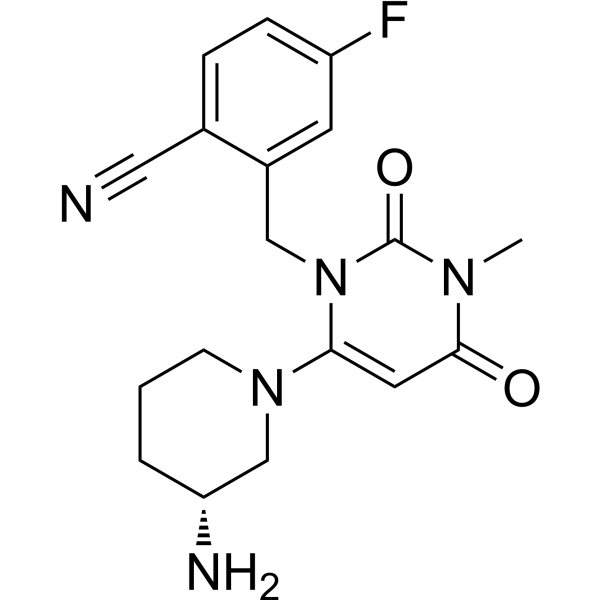
HY-15408
TrelagliptinDPP-4 Inhibitor -
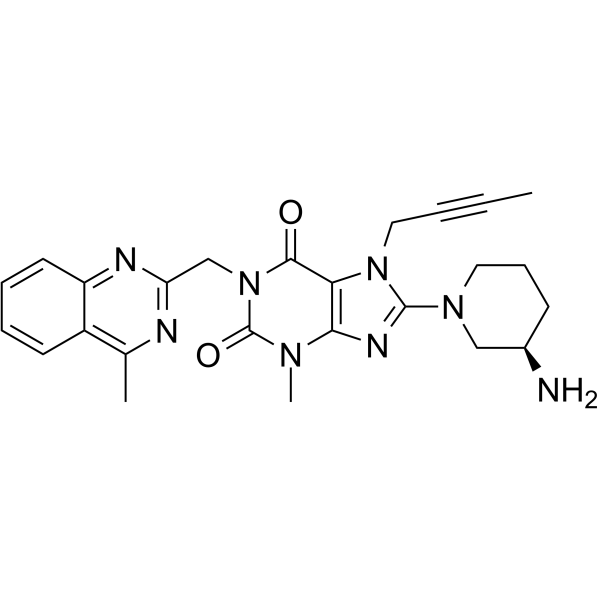
HY-10284
LinagliptinDPP-4 Inhibitor -
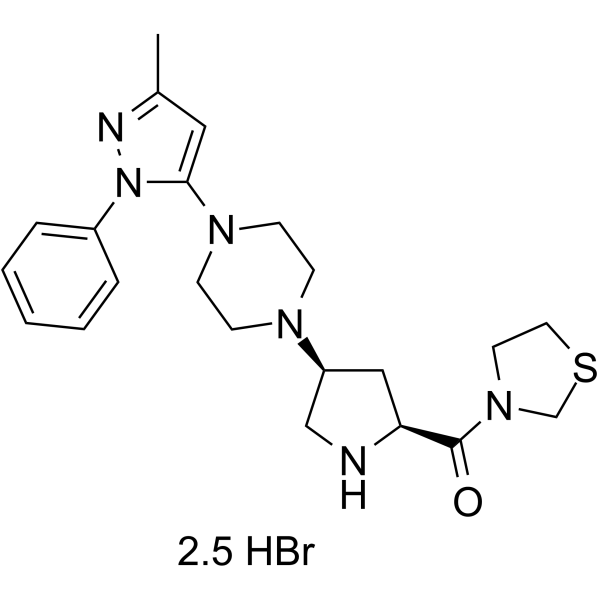
HY-14806A
Teneligliptin hydrobromideDipeptidyl Peptidase Inhibitor -
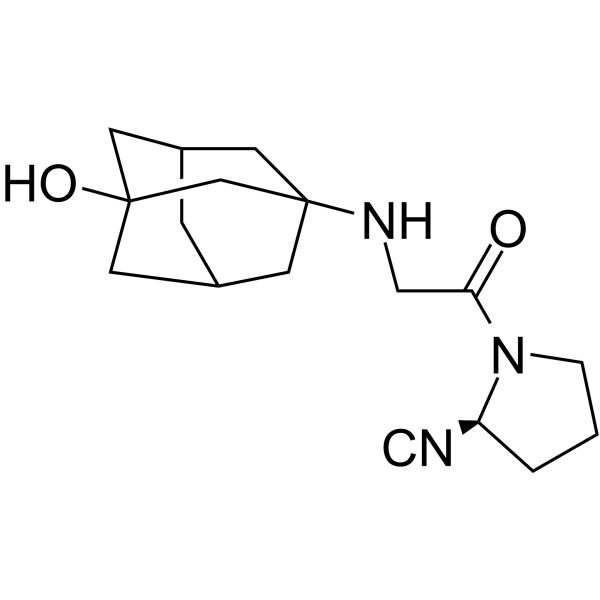
HY-14291
VildagliptinDPP-IV Inhibitor -
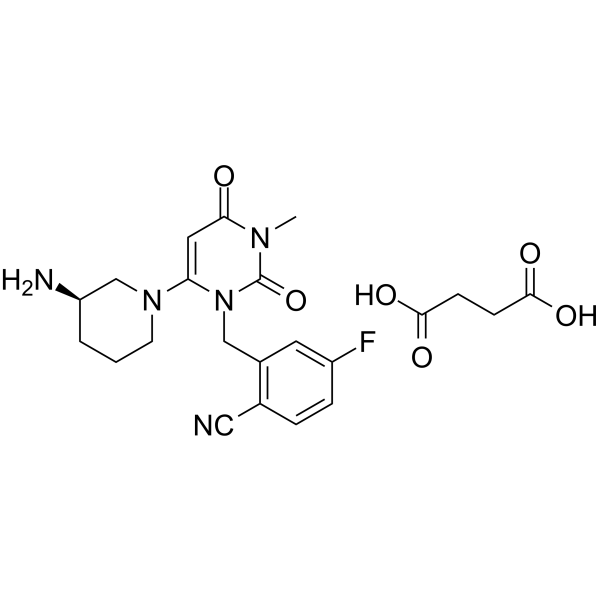
HY-15408A
Trelagliptin succinateDPP-4 Inhibitor -
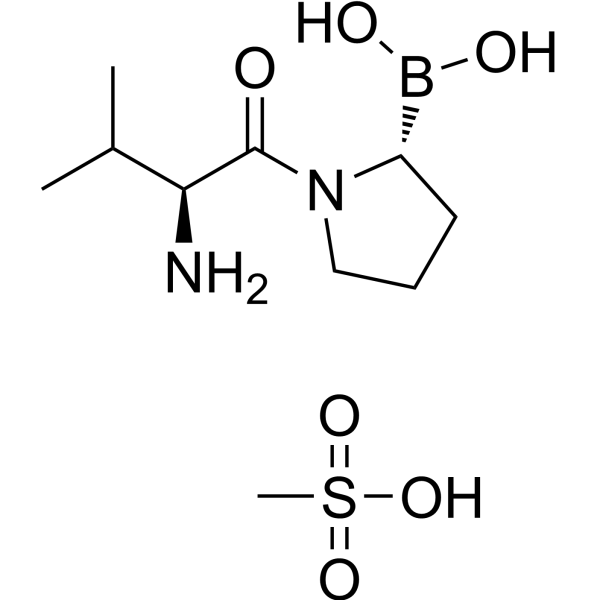
HY-13233A
Talabostat mesylateDipeptidyl Peptidase Inhibitor -
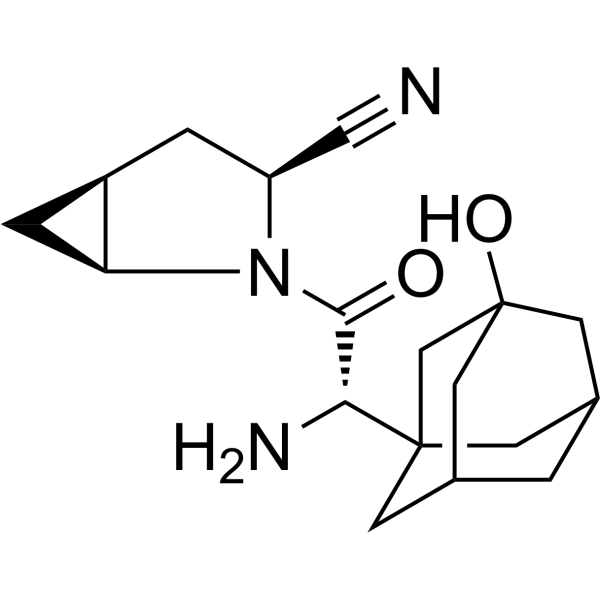
HY-10285
SaxagliptinDPP-4 Inhibitor -
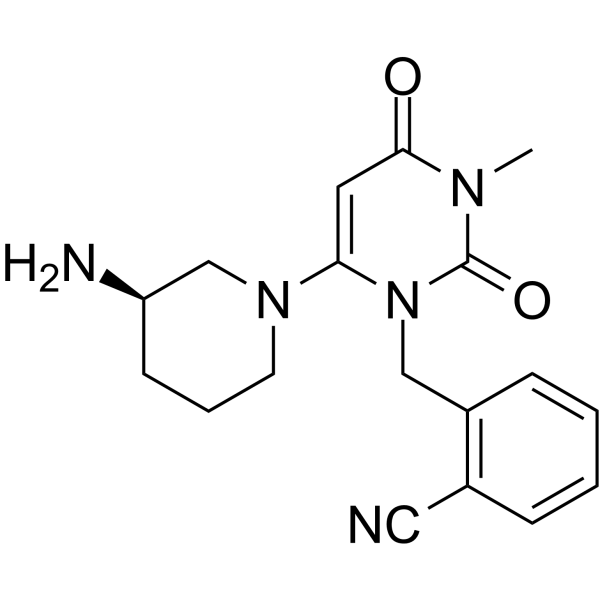
HY-A0023A
AlogliptinDPP-4 Inhibitor -
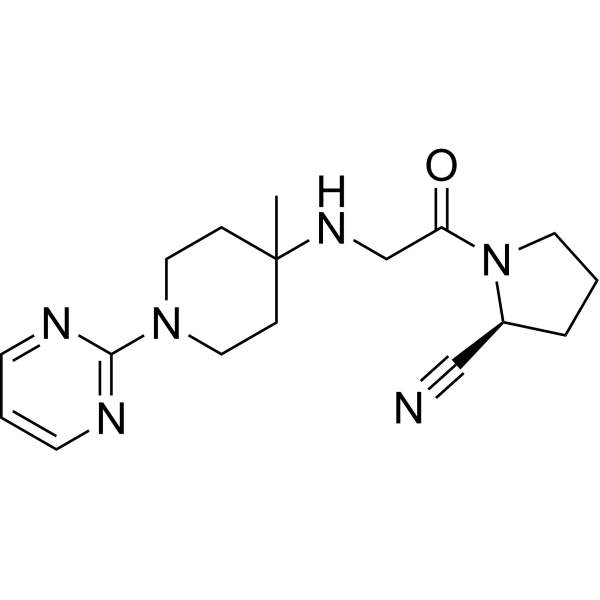
HY-103433
K579DPPIV Inhibitor -
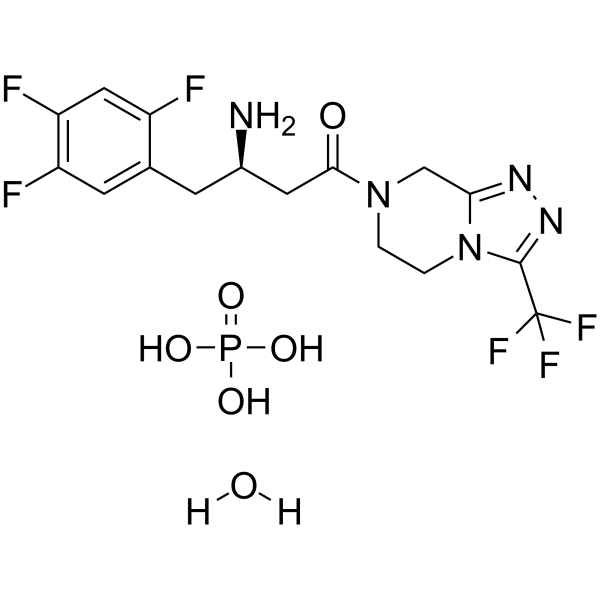
HY-13749B
Sitagliptin phosphate monohydrateDPP4 Inhibitor -
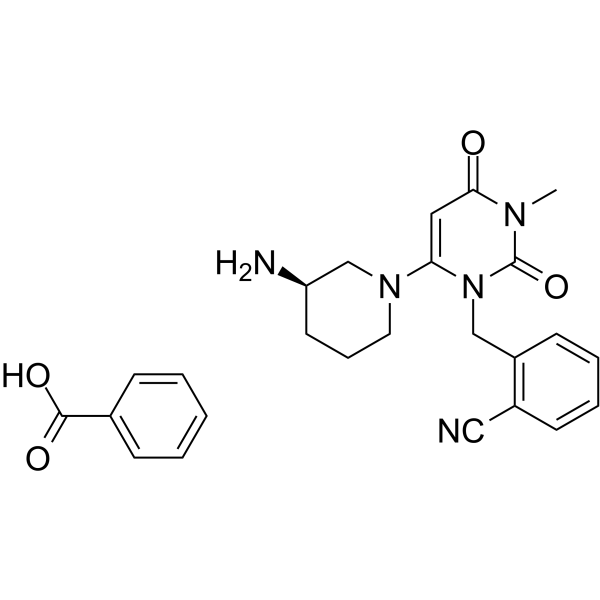
HY-A0023
Alogliptin BenzoateDPP-4 Inhibitor -
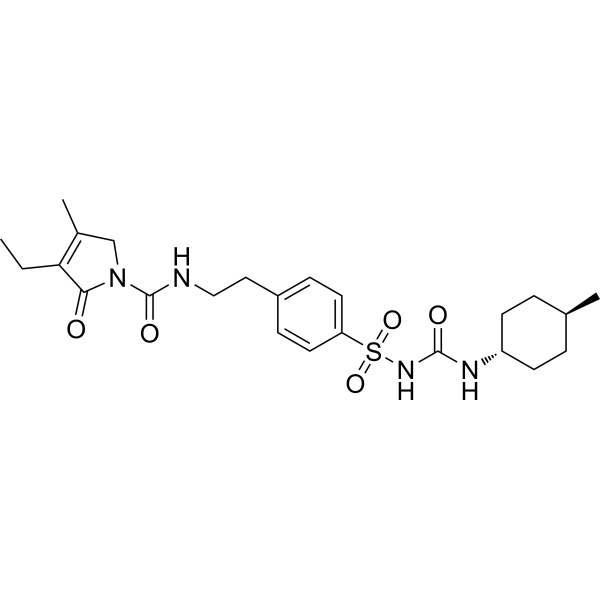
HY-B0104
GlimepirideAnti-diabetic Agent


Activité biologique
Description


Chemical Information
-
CAS No. 1017682-65-3
-
Masse moléculaire 429.35
-
Formule C17H16F5N7O
-
SMILES
FC(F)(C1=NN=C2N1CCN(C(C[C@H](N)CC(C3=CC=C4F)=NNC3=C4F)=O)C2)F
-
Livraison
Room temperature in continental US; may vary elsewhere.
-
Stockage
Please store the product under the recommended conditions in the Certificate of Analysis.


Pureté et documentation
Références

Calculators
Concentration (start) × Volume (start) = Concentration (final) × Volume (final)


PK44 Related Classifications
HY-103434 Related Classifications
 Powered by Bioz