



PKI (14-24)amide TFA
Based on 1 publication(s) in Google Scholar
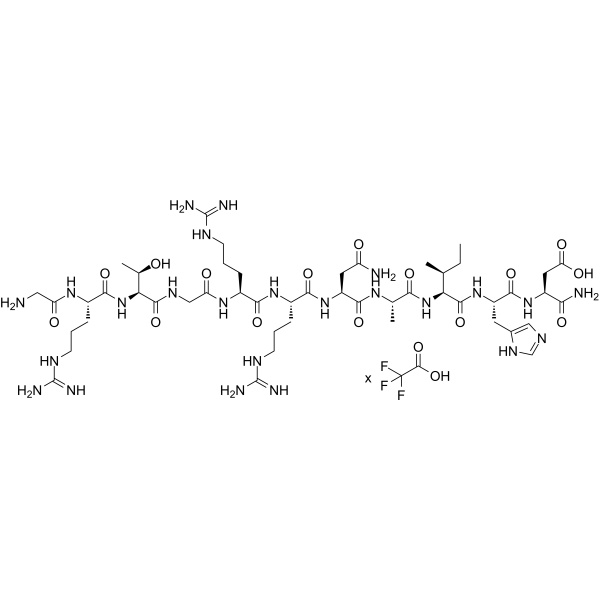
PKI (14-24)amide TFA is a potent PKA inhibitor. PKI (14-24)amide strongly inhibited cyclic AMP-dependent protein kinase activity in the cell homogenate.
For research use only. We do not sell to patients.
- Purity : 98.27%
- CAS No.: 1293946-39-0
- Formula: C49H86N24O15.xC2HF3O2
- Molecular Weight:1251.36 (free base)
-
Storage:
Sealed storage, away from moisture and light, under nitrogen.
Powder -80°C, 2 years , -20°C, 1 year* In solvent : -80°C, 6 months; -20°C, 1 month (sealed storage, away from moisture and light, under nitrogen)

To place orders, for customer services and technical support, please contact: MedChemExpress USA
Tel: 609-228-6898 E-mail: [email protected] [email protected]


-
 Biological Activity
-
Chemical Information
-
Solvent & Solubility
- Protocols
- Purity & Documentation
- References
-
 Help & FAQs


-
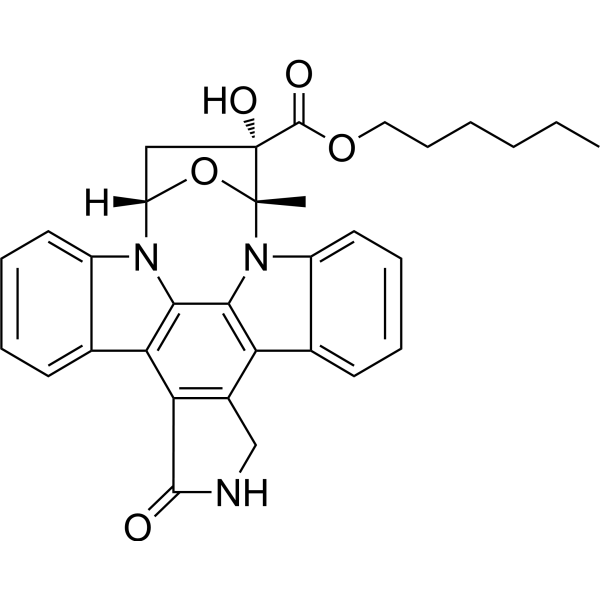
HY-N6789
KT5720PKA Inhibitor -
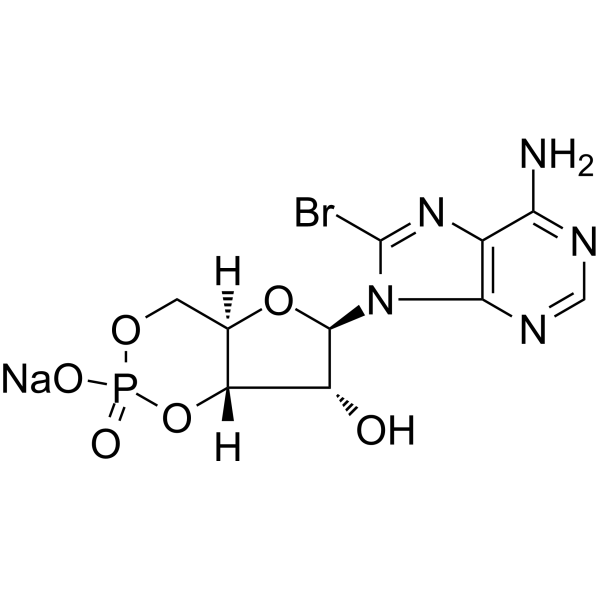
HY-12306
8-Bromo-cAMP sodium saltPKA Activator -
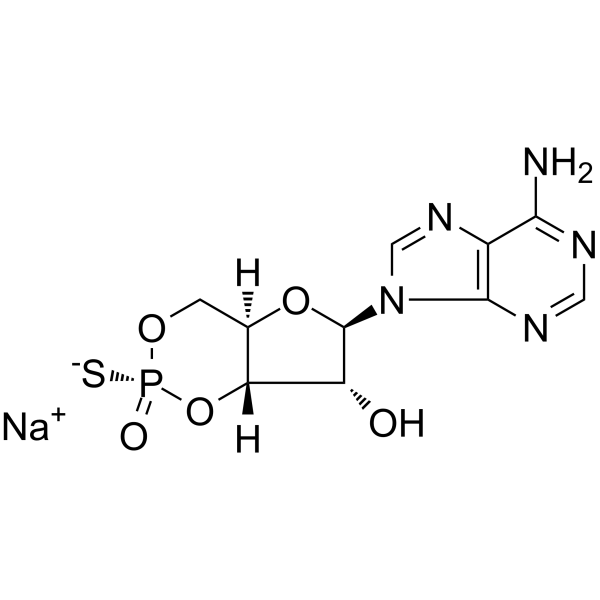
HY-100530D
Rp-cAMPS sodium saltPKA I/II Antagonist -
HY-111673
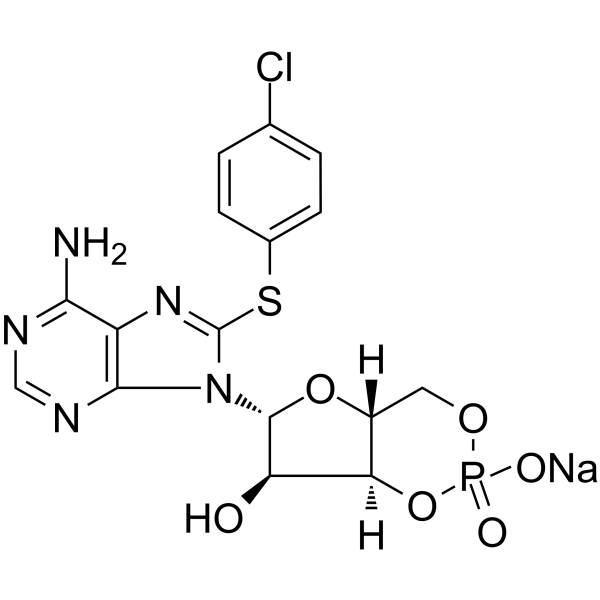
8-CPT-Cyclic AMP sodiumPKA Activator -
HY-B1898
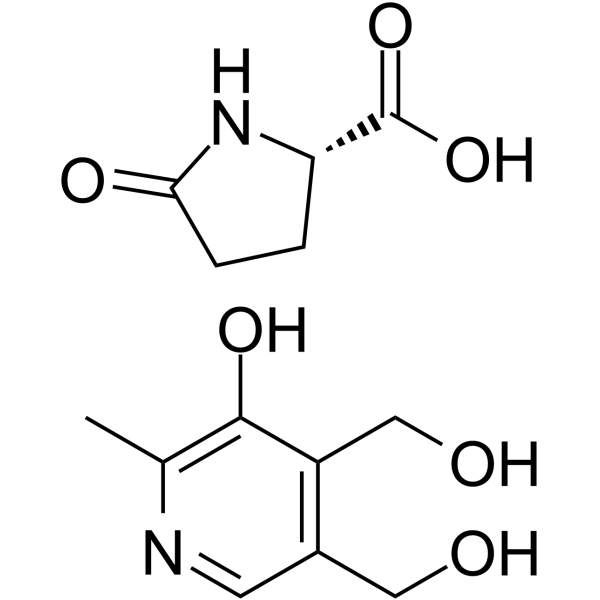
MetadoxinePKA Inhibitor -
HY-100530
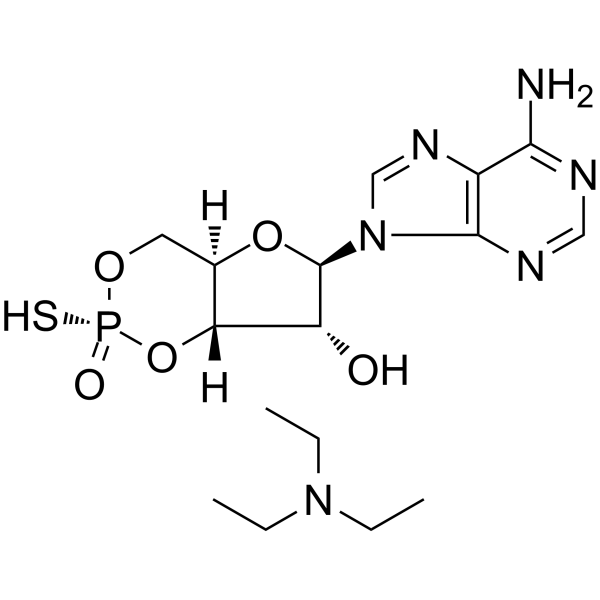
Rp-cAMPS triethylammonium saltPKA I/II Antagonist -
HY-110218
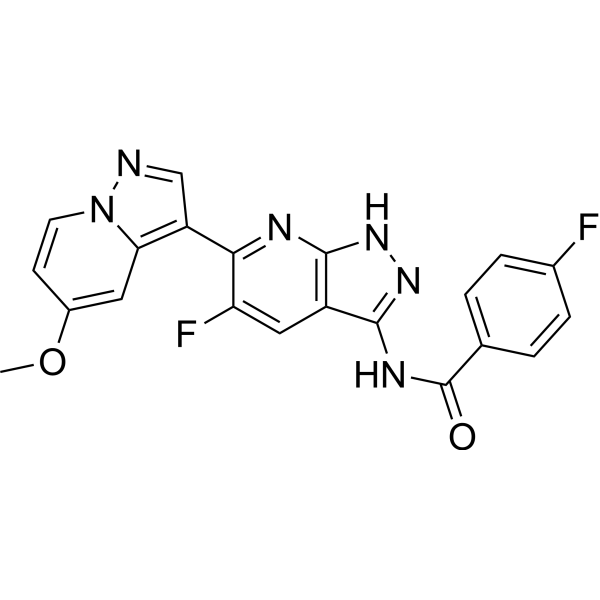
CW 008CREB/PKA Agonist -
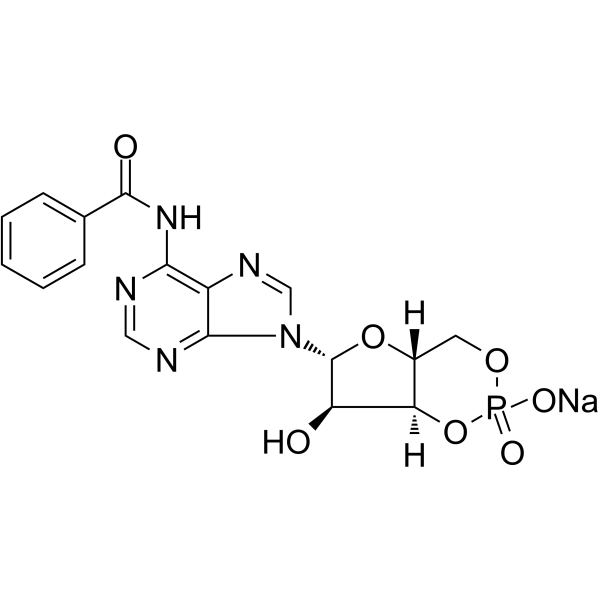
HY-103322
6-Bnz-cAMP sodium saltPKA Activator -
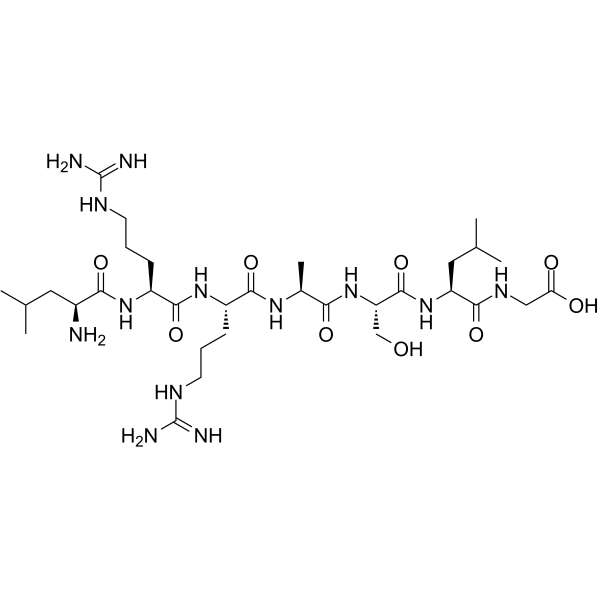
HY-P0248
KemptidePKA Substrate -
HY-111759
JaspamycinPKA Activator -
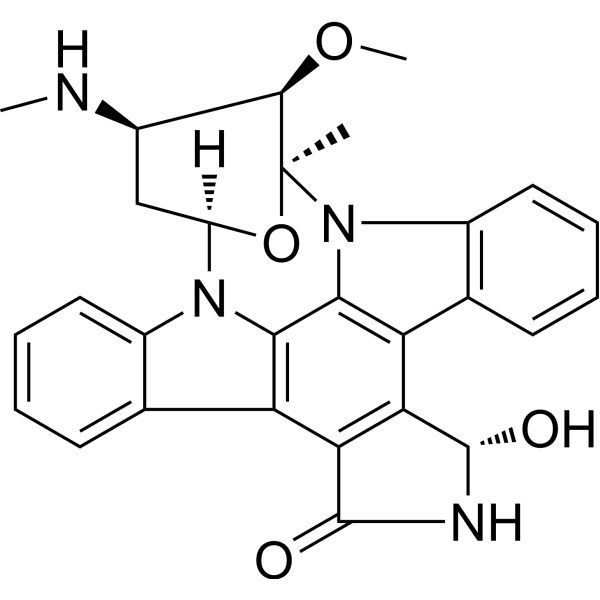
HY-108262
UCN-02PKC Inhibitor -
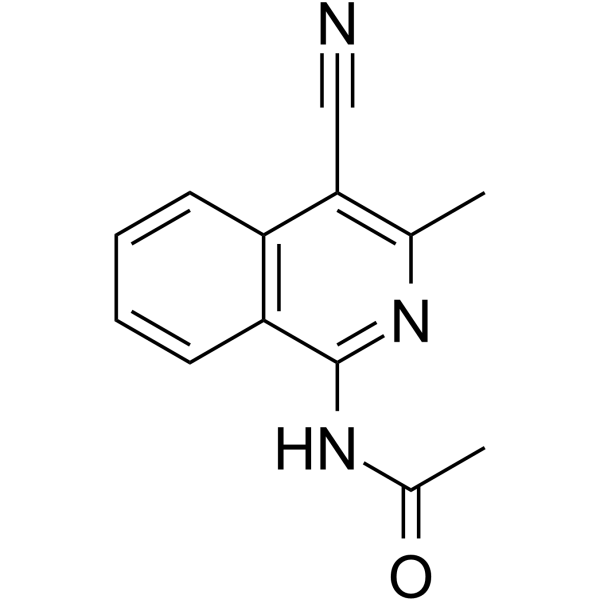
HY-115732
PKA-IN-1cAK Inhibitor
Publications Citing Use of MedChemExpress (MCE) PKI (14-24)amide TFA
More

Biological Activity
Description
In Vitro
PKI (14-24)amide TFA does not inhibit cyclic AMP-evoked amylase release from saponin-permeabilized cells[2].
MedChemExpress (MCE) has not independently confirmed the accuracy of these methods. They are for reference only. Further protocols information, click here.


Chemical Information
-
CAS No. 1293946-39-0
-
Appearance Solid
-
Molecular Weight 1251.36 (free base)
-
Formula C49H86N24O15.xC2HF3O2
-
Color White to off-white
-
Sequence
Gly-Arg-Thr-Gly-Arg-Arg-Asn-Ala-Ile-His-Asp-NH2
-
Sequence Shortening
GRTGRRNAIHD-NH2
-
Shipping
Room temperature in continental US; may vary elsewhere.
-
Storage
Sealed storage, away from moisture and light, under nitrogen
Powder -80°C 2 years -20°C 1 year * In solvent : -80°C, 6 months; -20°C, 1 month (sealed storage, away from moisture and light, under nitrogen)


Publications (1)
-
Journal Impact Factor
-
Most Recent


Solvent & Solubility
In Vitro:
H2O : 100 mg/mL (Need ultrasonic)

Protocols
-
Kinase activity and phosphorylation assays
Kinase activity assays measure the ability of kinases to transfer phosphate groups from ATP to specific substrates, while phosphorylation assays detect the presence and levels of phosphorylated proteins. Common methods include radiolabeled ATP incorporation (e. g. ,), ADP release detection via bioluminescence (e. g. ,[3]), enzyme-linked immunosorbent assays (ELISA) for phospho-specific epitopes (e. g. ,[6]), and microtiter-based formats for high-throughput screening (e. g. ,[8]). The ADP-Glo assay quantifies kinase activity by measuring ADP produced during phosphorylation using a luciferase-based system. Radiometric assays involve autoradiography or scintillation counting after incorporation of 32P-labeled ATP into substrate proteins. ELISA-based approaches rely on phospho-specific antibodies to detect activated kinases in cell lysates or purified samples.
-
Protocol for Kinase activity and phosphorylation assays
Kinase activity assays measure transfer of phosphate from ATP to a protein or peptide substrate, generating phosphorylated substrate, ADP, or incorporated radiolabeled phosphate as the readout; phosphorylation assays measure site-specific phosphorylation in cells or tissues as a proxy for kinase-pathway activation, inhibition, or substrate regulation. Phosphorylation can be detected by phospho-specific Western blot, immunoprecipitation kinase assay, phospho-immunofluorescence, phospho-flow cytometry, luminescent ADP detection, radiolabeled ATP incorporation, or reporter-based pathway assays, and these readouts can be applied to cancer cells, primary neurons, mouse tumors, organoids, inflammatory macrophages, ferroptosis studies, and mitophagy studies when the kinase target is biologically relevant.


Purity & Documentation
-
Data Sheet (270 KB)
-
SDS (252 KB)
- English - EN (252 KB)
- Français - FR (252 KB)
- Deutsch - DE (252 KB)
- Norwegian - NO (252 KB)
- Español - ES (252 KB)
- Swedish - SV (252 KB)
- Italian - IT (252 KB)
- Korean - KR (252 KB)
- Portuguese - PT (252 KB)
-
Handling Instructions (2659 KB)
References
[1]. Nörenberg W, et al. Adenosine A2A receptors inhibit the conductance of NMDA receptor channels in rat neostriatal neurons. Amino Acids. 1998;14(1-3):33-9. [Content Brief]
[2]. Takuma T. Evidence against direct involvement of cyclic AMP-dependent protein phosphorylation in the exocytosis of amylase. Biochem J. 1988 Dec 15;256(3):867-71. [Content Brief]

Calculators
Concentration (start) × Volume (start) = Concentration (final) × Volume (final)


PKI (14-24)amide TFA Related Classifications
HY-P3929A Related Classifications
 Powered by Bioz