



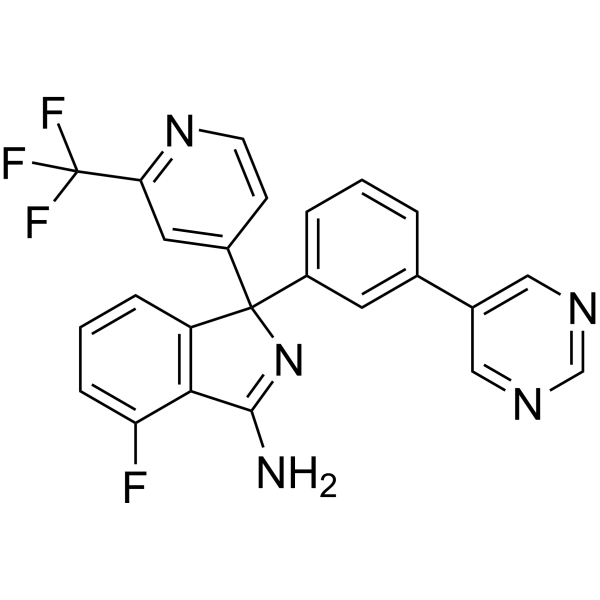
(Rac)-AZD3839
(Rac)-AZD3839 is an orally active beta-amyloid precursor protein cleaving enzyme (BACE1) inhibitor that is blood-brain barrier-permeable. (Rac)-AZD3839 has an affinity for the human ether-a-go-go related gene (hERG) ion channel. (Rac)-AZD3839 can be used in the research of Alzheimer's disease.
For research use only. We do not sell to patients.
- CAS No.: 1227163-56-5
- Formula: C24H15F4N5
- Molecular Weight:449.40
-
Storage:
Please store the product under the recommended conditions in the Certificate of Analysis.

To place orders, for customer services and technical support, please contact: MedChemExpress USA
Tel: 609-228-6898 E-mail: [email protected] [email protected]


-
 Biological Activity
-
Chemical Information
- Protocols
- Purity & Documentation
- References
-
 Help & FAQs


-
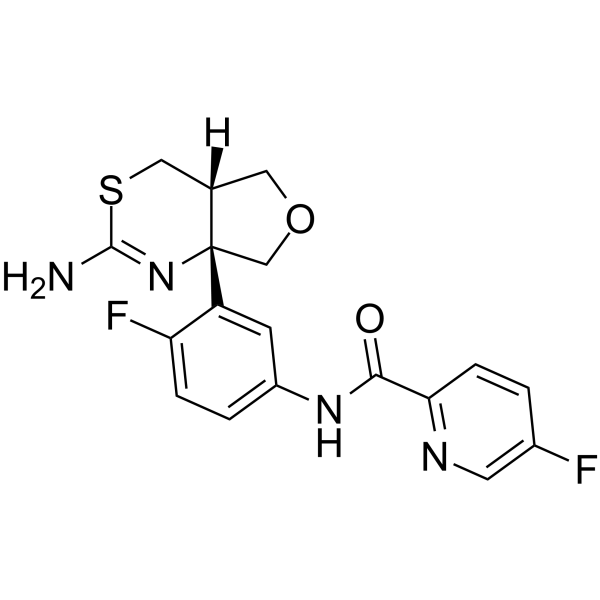
HY-13240
LY2886721BACE1 Inhibitor -
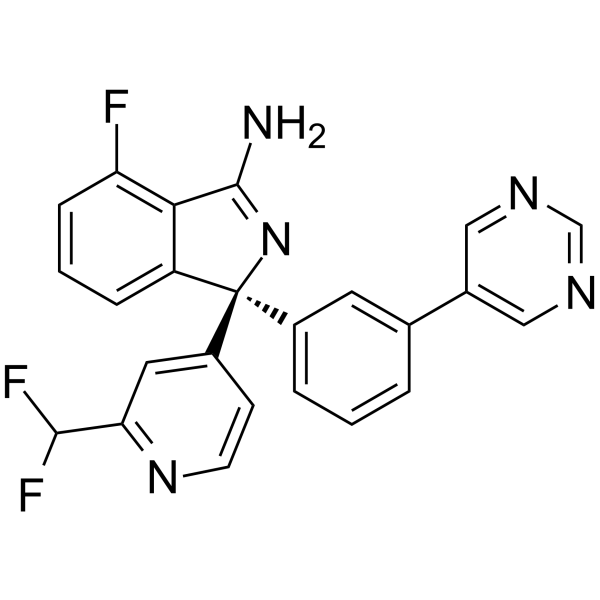
HY-13438
AZD3839 free baseBACE1 Iinhibitor -
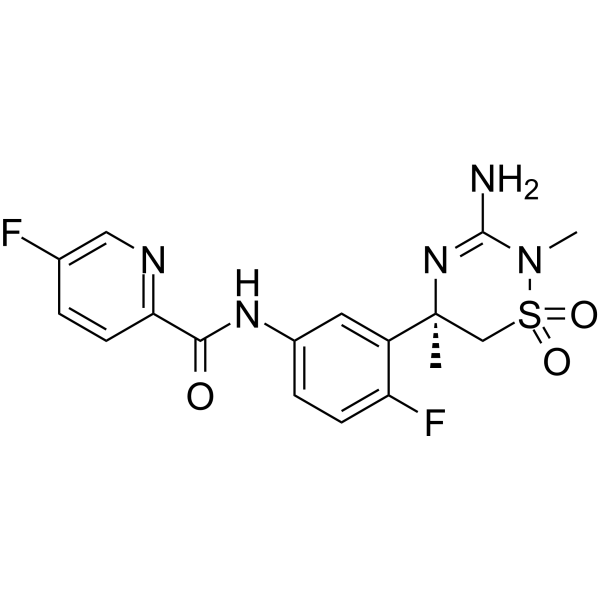
HY-16759
VerubecestatBACE1/2 Inhibitor -
HY-100740
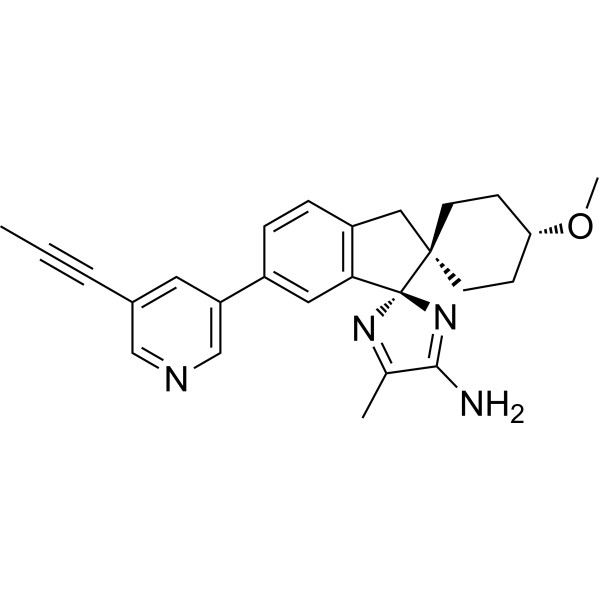
LanabecestatBACE1 Inhibitor -
HY-10133
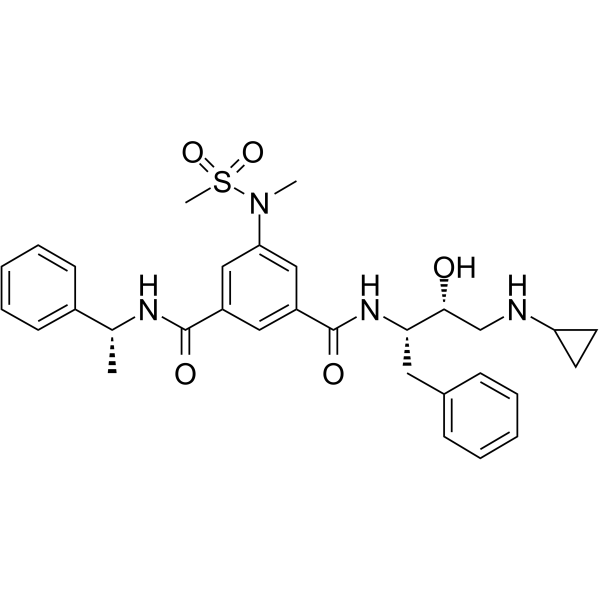
β-Secretase Inhibitor IVBACE-1 Inhibitor -
HY-109055
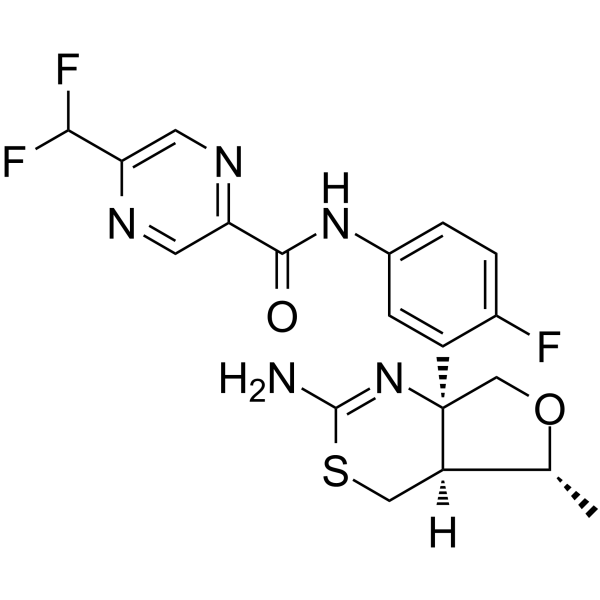
ElenbecestatBACE-1 Inhibitor -
HY-111383
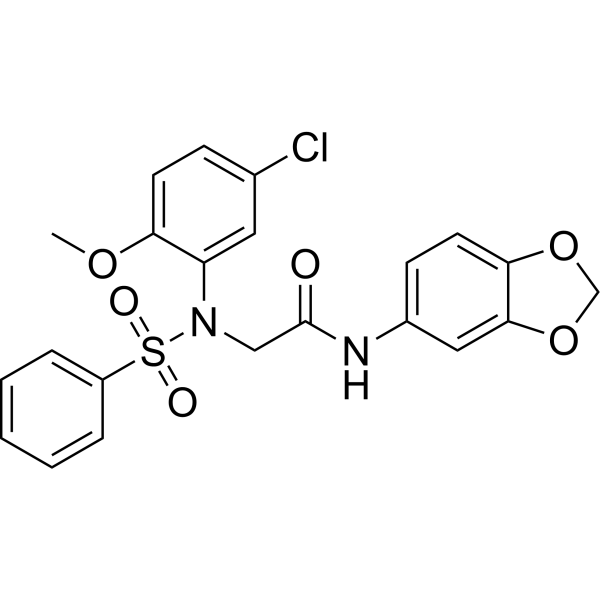
LX2343Beta-secretase Inhibitor -
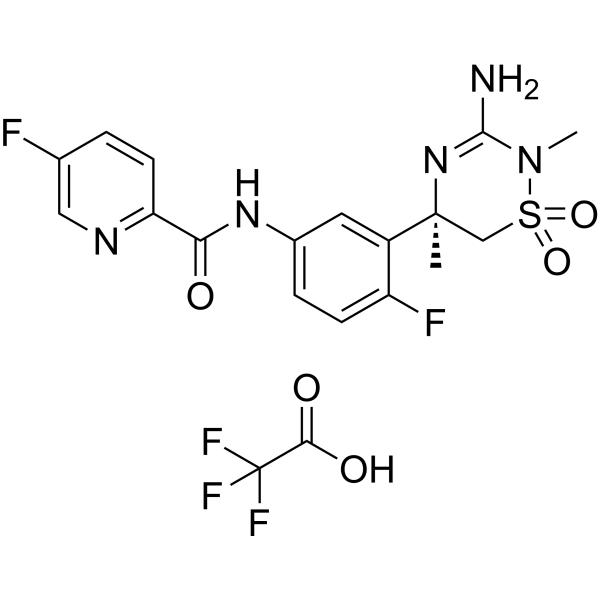
HY-16759A
Verubecestat TFABACE1/2 Inhibitor -
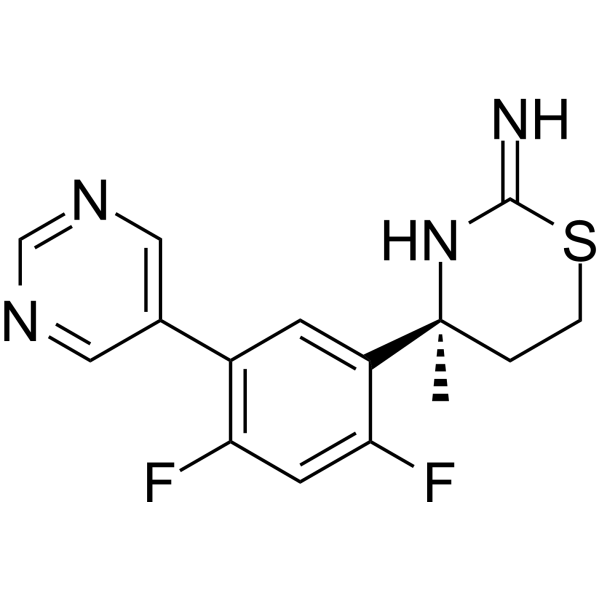
HY-10472
LY2811376BACE1 Inhibitor -

HY-16759R
Verubecestat (Standard)BACE1/2 Inhibitor -

HY-109055R
Elenbecestat (Standard)Reference Standard -
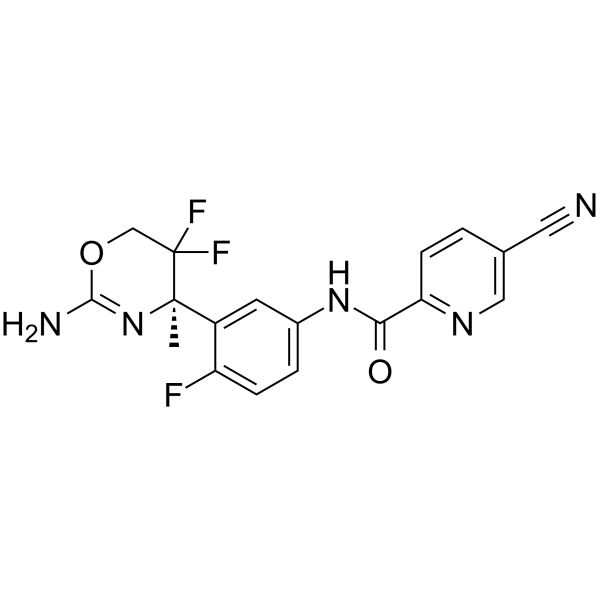
HY-100182
BACE1-IN-1BACE1/2 Inhibitor


Biological Activity
Description
Cellular Effect
|
Cell Line

|
Type | Value | Description | References |
|---|---|---|---|---|
| Cerebral cortex neuron | IC50 |
436 nM
Compound: 27
|
Inhibition of BACE1-mediated amyloid beta 40 release in C57/BL6 mouse primary cortical neurons after overnight incubation by ELISA
Inhibition of BACE1-mediated amyloid beta 40 release in C57/BL6 mouse primary cortical neurons after overnight incubation by ELISA
|
[PMID: 22924815] |
| CHO | IC50 |
11 μM
Compound: 27
|
Inhibition of human ERG expressed in CHO cells by IonWorks assay
Inhibition of human ERG expressed in CHO cells by IonWorks assay
|
[PMID: 22924815] |
| SH-SY5Y | IC50 |
43.1 nM
Compound: 27
|
Inhibition of BACE1 in human SH-SY5Y cells assessed as inhibition of sAPPbeta release after 16 hrs by immunoassay
Inhibition of BACE1 in human SH-SY5Y cells assessed as inhibition of sAPPbeta release after 16 hrs by immunoassay
|
[PMID: 22924815] |


Chemical Information
-
CAS No. 1227163-56-5
-
Molecular Weight 449.40
-
Formula C24H15F4N5
-
SMILES
NC1=NC(C2=CC(C(F)(F)F)=NC=C2)(C3=CC=CC(C4=CN=CN=C4)=C3)C5=C1C(F)=CC=C5
-
Shipping
Room temperature in continental US; may vary elsewhere.
-
Storage
Please store the product under the recommended conditions in the Certificate of Analysis.

Protocols
-
Two-electrode voltage clamp in Xenopus oocytes
Two-electrode voltage clamp measures whole-oocyte membrane current from Xenopus oocytes expressing exogenous ion channels, receptors, or transporters; one intracellular microelectrode senses membrane voltage, and the second injects current so the amplifier can hold the membrane at command voltages while recording the compensating current as the functional readout. The method is suited to Xenopus oocytes because their large size supports microinjection and intracellular electrode impalement, but the large membrane area can limit voltage-clamp speed and accuracy, especially for large or fast currents.
-
Amyloid: Congo Red Amyloid Staining
Congo red amyloid staining is a histochemical method used to detect extracellular amyloid deposits in tissue sections based on the affinity of Congo red dye for β-pleated sheet-rich protein aggregates. When bound to amyloid, Congo red produces characteristic apple-green birefringence under polarized light microscopy, which is widely regarded as a diagnostic feature of amyloid deposition in histopathology. The diagnostic principle relies on the combination of dye binding (congophilia) and optical anisotropy under polarized illumination, which distinguishes amyloid from most non-amyloid eosinophilic extracellular deposits in routine histological evaluation. Amyloid identification by Congo red staining remains a cornerstone in diagnostic pathology despite the availability of adjunct methods such as immunohistochemistry and mass spectrometry, particularly because of its ability to localize deposits directly within tissue architecture. The specificity of Congo red-positive deposits is incre
-
Alzheimer’s Disease Modeling
Alzheimer’s Disease (AD) is a neurodegenerative disorder characterized by a progressive decline in cognitive functions and loss of specific types of neurons and synapses. Alzheimer's symptoms can be simulated in mice by injecting drugs (such as Aβ) or genetically modified.


Purity & Documentation
References

Calculators
Concentration (start) × Volume (start) = Concentration (final) × Volume (final)


(Rac)-AZD3839 Related Classifications
HY-103268 Related Classifications
 Powered by Bioz