
238 Results for "

composition

" in MedChemExpress (MCE) Product Catalog:
Products (238)

238 Results for "composition" in MCE Product Catalog:

Cat. No.: HY-W010476
CAS No.: 14667-55-1
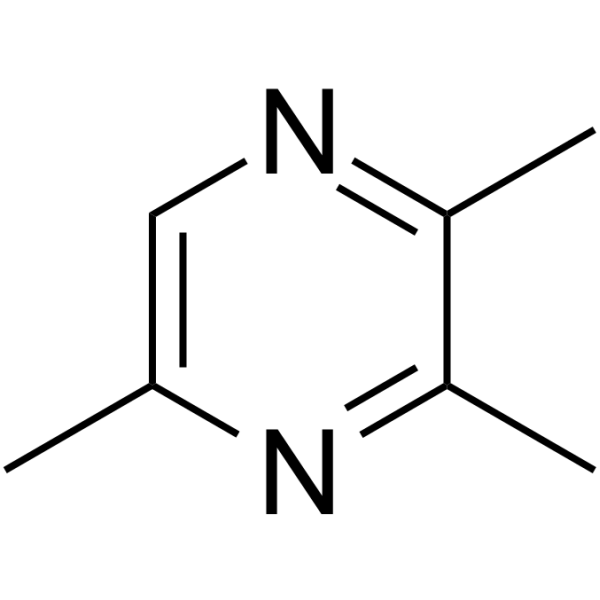
2,3,5-Trimethylpyrazine is an activator of OR5K1 with an EC50 of 65.03 μM in Hana-3A cells. 2,3,5-Trimethylpyrazine inhibits ZEN biosynthetic gene expression, disrupts cell membrane phospholipid composition, and inhibits mycelial growth. 2,3,5-Trimethylpyrazine inhibits DNA synthesis in the chorioallantoic membrane without disrupting vascular pattern formation. 2,3,5-Trimethylpyrazine inhibits ciliary beating frequency, oocyte pickup, and infundibular smooth muscle contraction in hamster oviduct explants. 2,3,5-Trimethylpyrazine is useful for research related to plant fungal infections .
loading...
    loading...
Cat. No.: HY-L247
296 compounds

Environmental pollution refers to the process where human activities release harmful chemicals or energy (such as industrial waste, pesticides, and plastic particles) into the natural environment at a rate that exceeds the ecosystem's capacity for self-purification, leading to deterioration in the composition or state of the atmosphere, water bodies, and soil. Environmental pollution is not only a direct threat to biodiversity but also ultimately impacts human health through the bioaccumulation effect of the food chain. Therefore, the accurate identification and dynamic monitoring of pollutants constitute the scientific cornerstone for formulating environmental policies, assessing ecological risks, and promoting green chemistry transformation.

MCE features a collection of 296 environmental pollutants, covering categories such as air pollutants, water pollutants, and pesticides, for research in the field of environmental chemistry.

Cat. No.: HY-176948
CAS No.: 1887095-86-4
Target:  

mTOR

Research Areas:  

Cancer

M-1111 is a Rapa-Link inhibitor. M-1111 is covalently linked by Rapamycin (HY-10219) and an inhibitor of the active site mTOR. M-1111 has strong inhibitory activity on the mTORC1 signaling pathway (pS6 and p4E-BP1). M-1111 has nanomolar-level inhibitory activity against various cancer cells. M-1111 completely inhibits p4E-BP1 without inhibiting pAkt S473. M-1111 can be used for research on liver cancer, kidney cancer, and colorectal cancer .
loading...
    loading...
Cat. No.: HY-21200
CAS No.: 375-92-8
Synonyms: 1-Perfluoroheptanesulfonic acid; Perfluoroheptanesulphonic acid; PFHpS
Target:  

PPAR

Perfluoroheptanesulfonic acid (1-Perfluoroheptanesulfonic acid; Perfluoroheptanesulphonic acid; PFHpS) is a per- and polyfluoroalkyl substance (PFAS) that penetrates the skin and induces systemic toxicity and immunotoxicity. Perfluoroheptanesulfonic acid reduces the expression of PPARδ in liver tissue; it induces hepatocyte hypertrophy and necrosis in liver tissue and alters serum biochemical markers associated with liver injury. Perfluoroheptanesulfonic acid upregulates genes related to fatty acid metabolism, cell necrosis and inflammation, reduces the relative weights of the spleen and thymus, suppresses humoral immune responses, and alters the composition of immune cell subsets in the spleen and skin. The plasma concentration of Perfluoroheptanesulfonic acid correlates with food intake. Perfluoroheptanesulfonic acid and perfluorooctanesulfonic acid exhibit synchronous pulse events in influent samples from wastewater treatment plants. Perfluoroheptanesulfonic acid can be used in studies related to liver injury and immune system damage .
loading...
    loading...
Cat. No.: HY-40178S
CAS No.: 2102057-88-3
NH2-C4-NH-Boc-d8 is the deuterium labeled NH2-C4-NH-Boc (HY-40178). NH2-C4-NH-Boc (compound 15) is a PROTAC linker, which refers to the Alkyl/ether composition. NH2-C4-NH-Boc can be used in the synthesis of a series of PROTACs. PROTACs contain two different ligands connected by a linker; one is a ligand for an E3 ubiquitin ligase and the other is for the target protein. PROTACs exploit the intracellular ubiquitin-proteasome system to selectively degrade target proteins .
loading...
    loading...
Cat. No.: HY-B1580
CAS No.: 4075-81-4
Synonyms: Propionic acid calcium
Calcium propionate (Propionic acid calcium) is a calcium salt of Propionic acid with oral activity, which can be hydrolyzed into propionate and calcium ions. Calcium propionate elevates intracellular ROS levels in tumor cells, depletes GSH, reduces mitochondrial membrane potential, and thereby induces tumor cell apoptosis. In mouse colitis models, Calcium propionate modulates inflammatory factors such as IFN-γ, calprotectin, and Pglyrp3, ameliorating intestinal inflammation and metabolic disorders. In ruminants, Calcium propionate serves as a gluconeogenic precursor, regulating rumen fermentation and microbial diversity; in high-fat diet rats, it alters gut microbiota composition and affects blood biochemical parameters. Calcium propionate is commonly used as a food and feed additive, and is also used in research related to hypocalcemia, dyslipidemia, colitis, and lung cancer .
loading...
    loading...
Cat. No.: HY-P2917
CAS No.: 9030-66-4
Synonyms: GyK
Glycerol kinase, microorganism (GyK) acts as a NR4A1 inhibitor with enzymatic activity. It directly binds to and inhibits the transcription factor NR4A1, thereby negatively regulating hepatic gluconeogenesis and reducing blood glucose levels. Glycerol kinase, microorganism positively regulates UCP1 expression via partial dependence on the β-adrenergic receptor-cAMP-CREB pathway, promotes browning of white adipose tissue and thermogenesis, and further modulates intracellular fatty acid composition and energy metabolism. In diabetic mouse models, overexpression of Glycerol kinase effectively antagonizes NR4A1-induced hyperglycemia, demonstrating potential for improving glucose homeostasis. Glycerol kinase, microorganism can be used for studies on diabetes and obesity .
loading...
    loading...
Cat. No.: HY-W040536
CAS No.: 6440-58-0
Synonyms: Dimethyloldimethyl hydantoin
DMDM hydantoin (Dimethyloldimethyl hydantoin) is a hydantoin-derived formaldehyde-releasing preservative and allergen. DMDM hydantoin releases formaldehyde via hydrolysis in water, including under physiological pH conditions, and the release amount is affected by pH, concentration, composition, temperature and storage duration. DMDM hydantoin exerts bactericidal effects by mediating the cross-linking of proteins, RNA and DNA through the released formaldehyde, thereby inhibiting metabolism and cell division. DMDM hydantoin can induce allergic contact dermatitis directly, via the released formaldehyde, or through both pathways simultaneously. DMDM hydantoin is skin-irritating, and the released formaldehyde brings toxicological risks including carcinogenicity, mutagenicity and reproductive toxicity after entering the body. DMDM hydantoin can be used in studies related to allergic contact dermatitis .
loading...
    loading...
Cat. No.: HY-L216
70 compounds

Polysaccharides are long chains of carbohydrate molecules, consisting of multiple smaller monosaccharides. Polysaccharides are found mainly in natural sources such as plants, microorganisms, algae and animals. Polysaccharides have a large number of active functional groups, different chemical compositions and different molecular weight ranges, which determines their diversity in nature and structure. Also in the field of medical research, polysaccharides act as a class of functional compounds and thus play a role. For example, nanocarrier construction, immunomodulation and vaccine development, new strategies for antitumor therapy, tissue regeneration engineering applications and disease diagnosis. With the advancement of glycomics and synthetic biotechnology, human beings are moving from “knowing polysaccharides” to “designing polysaccharides”, which will provide innovative solutions for materials science, precision medicine and sustainable development.

MCE offers 70 polysaccharides that can be used in biomedical studies.

Cat. No.: HY-E0285
compounds

The Echo 384-well polypropylene microplate exhibits excellent resistance to DMSO, various buffers, and a wide range of organic solvents, making it suitable for compound and sample storage and ensuring precise and accurate liquid transfer when used with the Echo Liquid Handler.

Cat. No.: HY-103249
CAS No.: 303957-69-9
Purity:  98.08%
Synonyms: Reutericycline
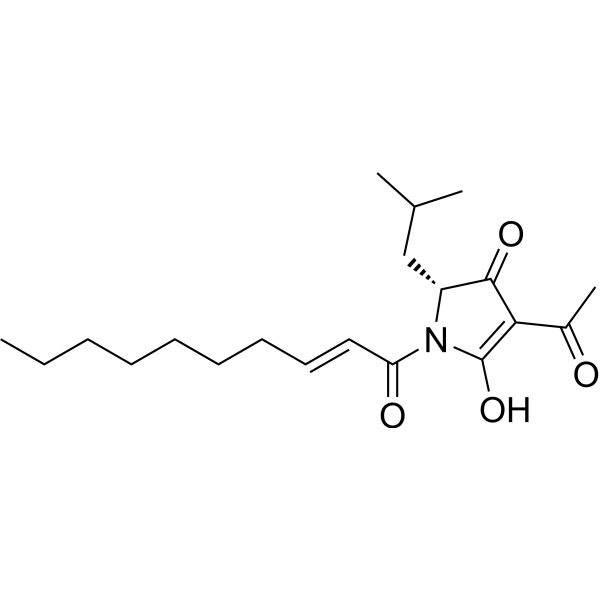
Reutericyclin (Reutericycline) is an orally active antibacterial and anti-obesity agent that selectively inhibits Gram-positive bacteria. By selectively dissipating transmembrane potential, Reutericyclin exerts non-lytic bactericidal or bacteriostatic activity against pathogens such as Clostridium difficile and Staphylococcus aureus, and rapidly kills vegetative cells and spores of Clostridium difficile. Reutericyclin possesses favorable properties including resistance to enzymatic hydrolysis, iron-chelating function, and poor absorption by colonic epithelium. Reutericyclin not only eradicates staphylococcal biofilms and inhibits drug-resistant strains, but also counteracts Risperidone (HY-11018)-induced weight gain by inducing changes in gut microbiota composition and restoring energy utilization efficiency. Reutericyclin can be used in research related to Clostridium difficile infection, Risperidone-induced weight gain, and staphylococcal superficial skin infections .
loading...
    loading...
Cat. No.: HY-108374R
CAS No.: 88192-20-5
Research Areas:  

Cancer

4-Azidobutylamine (Standard) is the analytical standard of 4-Azidobutylamine (HY-108374). This product is intended for research and analytical applications. 4-Azidobutylamine is a PROTAC linker, which refers to the alkyl chain composition. 4-Azidobutylamine can be used in the synthesis of a series of PROTACs. PROTACs contain two different ligands connected by a linker; one is a ligand for an E3 ubiquitin ligase and the other is for the target protein. PROTACs exploit the intracellular ubiquitin-proteasome system to selectively degrade target proteins . 4-Azidobutylamine is a click chemistry reagent, it contains an Azide group and can undergo copper-catalyzed azide-alkyne cycloaddition reaction (CuAAc) with molecules containing Alkyne groups. It can also undergo strain-promoted alkyne-azide cycloaddition (SPAAC) reactions with molecules containing DBCO or BCN groups.
loading...
    loading...
Cat. No.: HY-129987
CAS No.: 15087-02-2
Purity:  99.46%
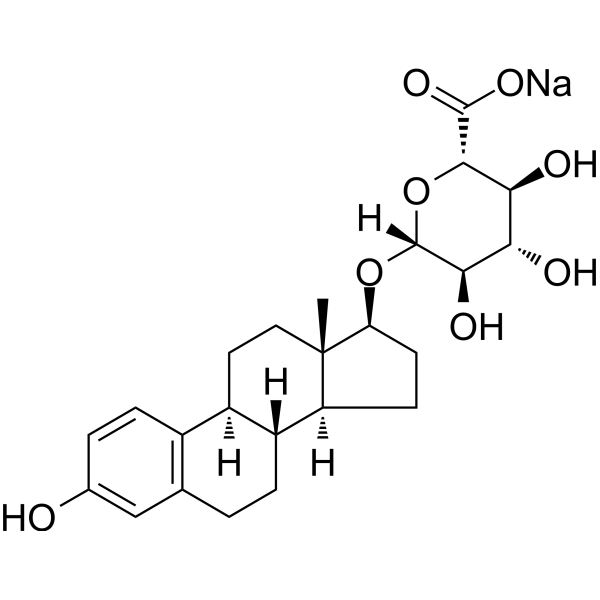
Estradiol 17-(β-D-Glucuronide) sodium is a D-ring glucuronide metabolite of natural estrogen formed in the liver. Estradiol 17-(β-D-Glucuronide) sodium is a substrate of the organic anion-transporting polypeptide family (Oatp) and multidrug resistance-associated protein 2 (Mrp2). Estradiol 17-(β-D-Glucuronide) sodium regulates MRP8-mediated transport processes and inhibits MRP8-mediated transport of dehydroepiandrosterone 3-sulfate and taurocholic acid. Estradiol 17-(β-D-Glucuronide) sodium induces immediate, reversible reduction of bile flow and acute intrahepatic cholestasis in female rats without altering the bile acid composition in bile. Estradiol 17-(β-D-Glucuronide) sodium can be used in studies related to intrahepatic cholestasis .
loading...
    loading...
Cat. No.: HY-143712R
CAS No.: 2276-94-0
Allolithocholic acid (Standard) is the analytical standard of Allolithocholic acid (HY-143712). This product is intended for research and analytical applications. Allolithocholic acid is an orally active metabolite of Lithocholic acid (HY-B0172). Allolithocholic acid is a dual GPBAR1 agonist (EC50 = 2.7 μM) and RORγt inverse agonist (IC50 = 3.4 μM). Allolithocholic acid modulates immune and metabolic pathways, regulates immune cell polarization, prevents M1 macrophage and Th17 CD4 cell polarization. Allolithocholic acid improves insulin sensitivity, reduces liver lipid accumulation, reverses liver immunological, inflammatory and metabolic signaling dysregulation, restores bile acid homeostasis, adipose tissue histopathology/function, and intestinal microbiota composition, modulates intestinal immunity. Allolithocholic acid can be used for the researches of cancer, inflammayion, immunology and metabolic disease .
loading...
    loading...
Cat. No.: HY-160912
CAS No.: 1135000-36-0
Target:  

ELOVL

Research Areas:  

Metabolic Disease

ELOVL6-IN-5 is an orally active and selective elongase enzyme of long-chain fatty acid family 6 (ELOVL6) inhibitor with IC50 values of 85 nM and 38 nM for human and mouse ELOVL6, respectively. ELOVL6-IN-5 shows >60-fold selectivity over other ELOVL family enzymes (ELOVL1, 2, 3, 5) and no effect on other lipid synthesis enzymes like ACC1, ACC2. ELOVL6-IN-5 reduces hepatic fatty acid composition ratio of C18 to C16 in diet-induced obesity (DIO) and KKAy mice. ELOVL6 inhibition by ELOVL6-IN-5 does not improve insulin resistance. ELOVL6-IN-5 can be used for the research of metabolic disease .
loading...
    loading...
Cat. No.: HY-L078
475 compounds

Accumulating evidence has revealed that intestinal microbiota play an important role in human health and disease, including cardiovascular diseases, inflammatory bowel disease, diabetes, obesity, cancer, and depression, etc. Changes in the composition of gut microbiota associated with disease, referred to as dysbiosis, have been linked to pathologies. Indeed, the gut microbiome functions like an endocrine organ, generating bioactive metabolites which play important roles in human metabolism, health, and disease. Gut microbiome has become a novel therapeutic target for many diseases. Analysis and identification of gut microbial metabolite will contribute to the development of therapeutic methods.

In order to meet the need of gut microbiome research, MCE carefully selected a unique collection of 475 gut microbial metabolites. MCE gut microbial metabolite library is a powerful tool for gut microbiome research and gut microbiome -related drug discovery.

Cat. No.: HY-W010476R
CAS No.: 14667-55-1
2,3,5-Trimethylpyrazine (Standard) is the analytical standard of 2,3,5-Trimethylpyrazine (HY-W010476). This product is intended for research and analytical applications. 2,3,5-Trimethylpyrazine is an activator of OR5K1 with an EC50 of 65.03 μM in Hana-3A cells. 2,3,5-Trimethylpyrazine inhibits ZEN biosynthetic gene expression, disrupts cell membrane phospholipid composition, and inhibits mycelial growth. 2,3,5-Trimethylpyrazine inhibits DNA synthesis in the chorioallantoic membrane without disrupting vascular pattern formation. 2,3,5-Trimethylpyrazine inhibits ciliary beating frequency, oocyte pickup, and infundibular smooth muscle contraction in hamster oviduct explants. 2,3,5-Trimethylpyrazine is useful for research related to plant fungal infections .
loading...
    loading...
Cat. No.: HY-W010476S
CAS No.: 85735-49-5
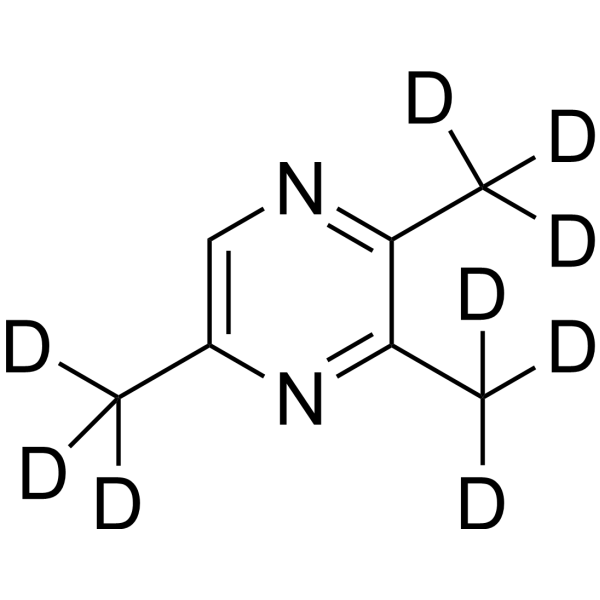
2,3,5-Trimethylpyrazine-d9 is the deuterated-labeled 2,3,5-Trimethylpyrazine (HY-W010476). 2,3,5-Trimethylpyrazine is an activator of OR5K1 with an EC50 of 65.03 μM in Hana-3A cells. 2,3,5-Trimethylpyrazine inhibits ZEN biosynthetic gene expression, disrupts cell membrane phospholipid composition, and inhibits mycelial growth. 2,3,5-Trimethylpyrazine inhibits DNA synthesis in the chorioallantoic membrane without disrupting vascular pattern formation. 2,3,5-Trimethylpyrazine inhibits ciliary beating frequency, oocyte pickup, and infundibular smooth muscle contraction in hamster oviduct explants. 2,3,5-Trimethylpyrazine is useful for research related to plant fungal infections .
loading...
    loading...
Cat. No.: HY-W010476S1
CAS No.: 1082582-30-6
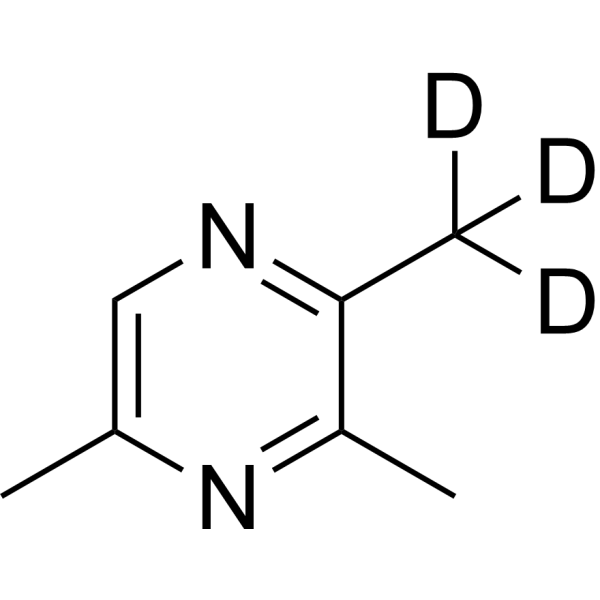
2,3,5-Trimethylpyrazine-d3 is the deuterated-labeled 2,3,5-Trimethylpyrazine (HY-W010476). 2,3,5-Trimethylpyrazine is an activator of OR5K1 with an EC50 of 65.03 μM in Hana-3A cells. 2,3,5-Trimethylpyrazine inhibits ZEN biosynthetic gene expression, disrupts cell membrane phospholipid composition, and inhibits mycelial growth. 2,3,5-Trimethylpyrazine inhibits DNA synthesis in the chorioallantoic membrane without disrupting vascular pattern formation. 2,3,5-Trimethylpyrazine inhibits ciliary beating frequency, oocyte pickup, and infundibular smooth muscle contraction in hamster oviduct explants. 2,3,5-Trimethylpyrazine is useful for research related to plant fungal infections .
loading...
    loading...
Cat. No.: HY-W012846
CAS No.: 2418-52-2
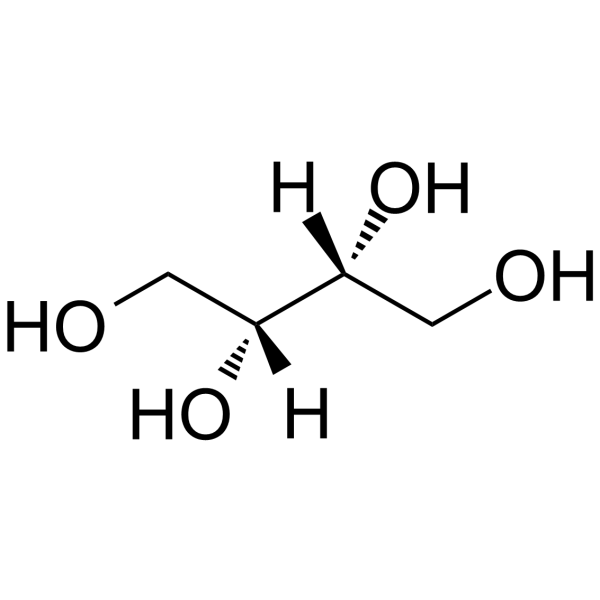
D-Threitol is a naturally occurring four-carbon sugar alcohol and an α-glucosidase (α‑glucosidase) inhibitor with an IC50 of 49 mM against yeast α-glucosidase, and it is orally active. D-Threitol modulates gut microbiota composition, increases microbial diversity, enriches beneficial bacterial genera, and restores fecal short-chain fatty acid levels. D-Threitol reduces body weight gain and fat accumulation, improves glucose tolerance and insulin sensitivity, and alleviates liver, kidney, and pancreatic tissue damage. D-Threitol inhibits hepatic accumulation of ceramides and diacylglycerols. D-Threitol preserves glomerular morphology and islet structure in diabetes models. D-Threitol is also a low-calorie sweetener. D-Threitol serves as a cryoprotective polyol that stabilizes protein structure at low temperatures. D-Threitol is used in research on type 2 diabetes and as an antifreeze agent for the Alaskan beetle .
loading...
    loading...

