
107 Results for "

PLC-

" in MedChemExpress (MCE) Product Catalog:
Products (107)

107 Results for "PLC-" in MCE Product Catalog:

Cat. No.: HY-150520
CAS No.: 1404-04-2
Research Areas:  

Infection Cancer

Neomycin, an aminoglycoside antibiotic, exerts antibacterial activity through irreversible binding of the nuclear 30S ribosomal subunit, thereby blocking bacterial protein synthesis. Neomycin is a known phospholipase C (PLC) inhibitor. Neomycin potently inhibits both the nuclear translocation of angiogenin and angiogenin-induced cell proliferation and angiogenesis. Neomycin inhibits IP3-mediated Ca 2+ release, MgATP-dependent Ca 2+ uptake, and electrical excitation-evoked skeletal muscle Ca 2+ transients. Neomycin depletes gut microbiota in specific mouse models, causes hearing impairment, and kidney damage with prolonged exposure. Neomycin can be used for the research of cancer .
loading...
    loading...
Cat. No.: HY-P991413
ZEB85 is a human monoclonal antibody (mAb) targeting TrkB. ZEB85 activates TrkB and its downstream cascades, including the ERK, PLCγ, AKT, MAPK signaling pathways and cFOS expression, and enhances neuronal activity. ZEB85 prevents β-amyloid toxicity in cultured hippocampal neurons. ZEB85 is applicable to the research of Alzheimer's disease (AD) .
loading...
    loading...
Cat. No.: HY-148123
CAS No.: 39382-08-6
Purity:  88.59%
Research Areas:  

Neurological Disease

Glycerophospholipids and cephalins are a class of phospholipid compounds and important components of neural membranes. Glycerophospholipids and cephalins are hydrolysis substrates of phospholipase (such as PLA2, PLC, and PLD). After complete hydrolysis, they produce 1 mol of glycerol, phosphate, ethanolamine, and 2 mol of fatty acids, respectively. Glycerophospholipids and cephalins can maintain membrane structure, fluidity, and ion permeability, and serve as precursors of second messengers such as arachidonic acid and diacylglycerol. Glycerophospholipids and cephalins can regulate signal transduction, cell apoptosis, and membrane transport, and are used in the study of neurodegenerative diseases (such as Alzheimer's disease) .
loading...
    loading...
Cat. No.: HY-12825
CAS No.: 56632-39-4
Purity:  ≥98.0%
Research Areas:  

Cancer

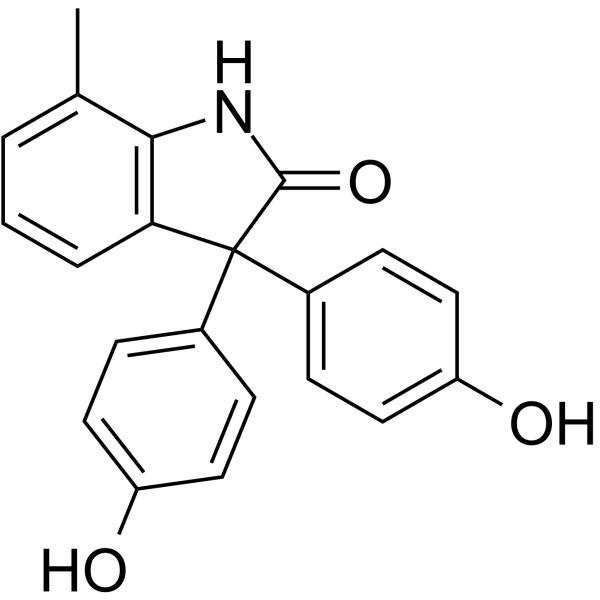
BHPI is a nuclear receptor ERα inhibitor. BHPI activates PLCγ and UPR. BHPI has antitumor activity against breast, endometrial, and ovarian cancers .
loading...
    loading...
Cat. No.: HY-123070
CAS No.: 99754-06-0
Purity:  99.31%
Target:  

Phospholipase

Research Areas:  

Inflammation/Immunology

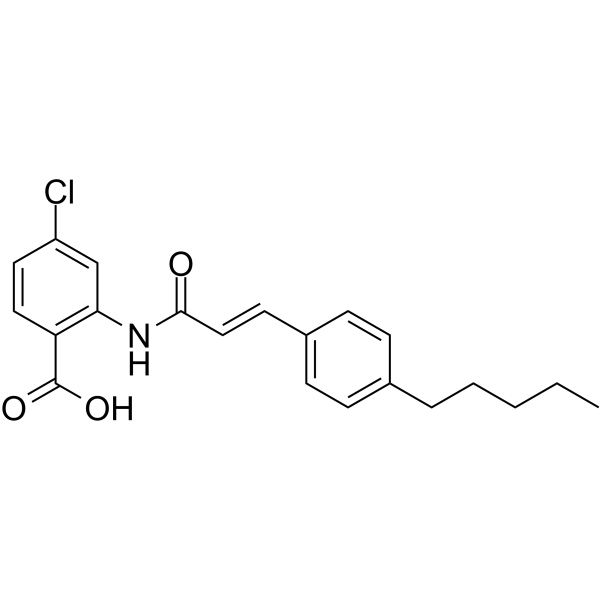
ONO-RS-082 is an inhibitor of phospholipase A (PLA) . ONO-RS-082 inhibits PLA2 with the IC50 of 1.0 μM, but does not inhibit PLC even at 100 μM .
loading...
    loading...
Cat. No.: HY-108608
CAS No.: 313981-55-4
Purity:  99.88%
Target:  

Calcium Channel

Research Areas:  

Others

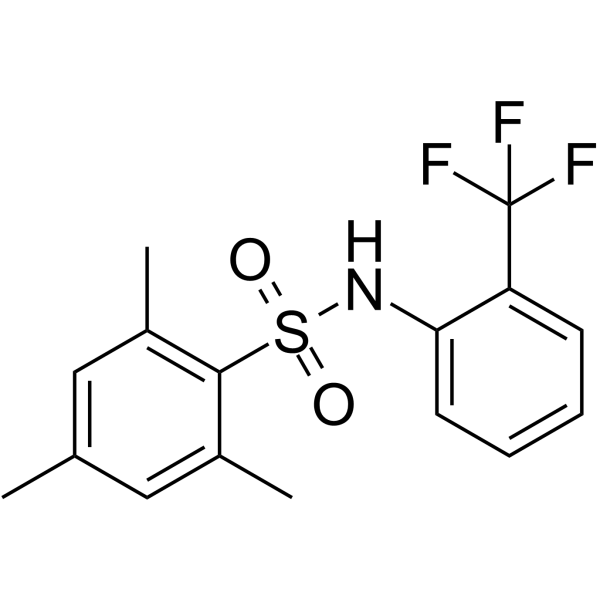
o-3M3FBS is the negative control of m-3M3FBS. o-3M3FBS inhibits inward and outward currents via mechanisms independent of PLC acting in an antagonistic manner. In contrast, o-3M3FBS also causes an increase in [Ca 2+]i in an agonistic manner .
loading...
    loading...
Cat. No.: HY-163985
CAS No.: 3099123-99-3
Target:  

PROTACs FGFR Apoptosis

Research Areas:  

Cancer

PROTAC FGFR2 degrader 1 (compound N5) is a PROTAC that effectively targets FGFR2 with DC50 of 6.46 nM, the FGFR2 IC50 is 0.08 nM. PROTAC FGFR2 degrader 1 has anti-proliferative activity and highly selective, induces G0/G1 arrest of KATOIII and SNU16 cell cycle and inhibits apoptosis by reducing the activation of p-ERK and p-PLCγ, the downstream proteins of FGFR2. PROTAC FGFR2 degrader 1 potently inhibits the growth of SNU16 xenograft tumors in mouse model .
loading...
    loading...
Cat. No.: HY-135799
CAS No.: 1264748-47-1
Purity:  99.51%
Target:  

Phospholipase

Research Areas:  

Neurological Disease Cancer

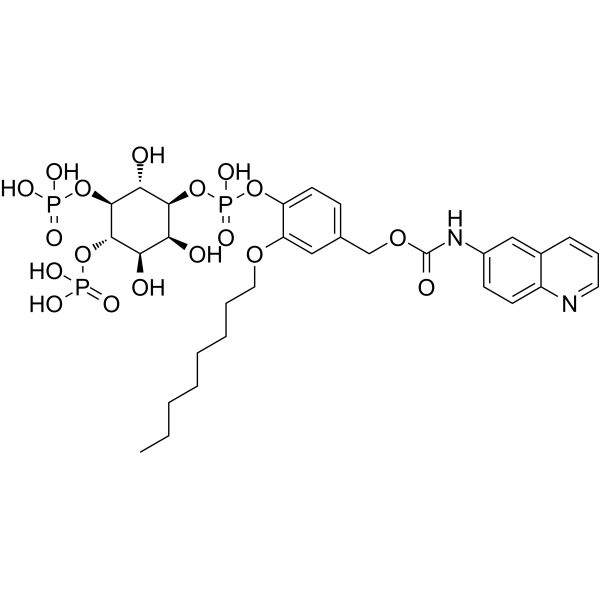
WH-15 is a fluorogenic PLC reporter with Km value of 49; 30, 86.1 µM for PLC-γ1, PLC-δ1, PLC-β2, respectively. WH-15 can be cleaved in a cascade reaction to generate fluorescent 6-aminoquinoline. WH-15 can be used to respond to imaging PLC activity in live cells (Ex/Em = ~344/530 nm) .
loading...
    loading...
Cat. No.: HY-N1773
CAS No.: 97914-19-7
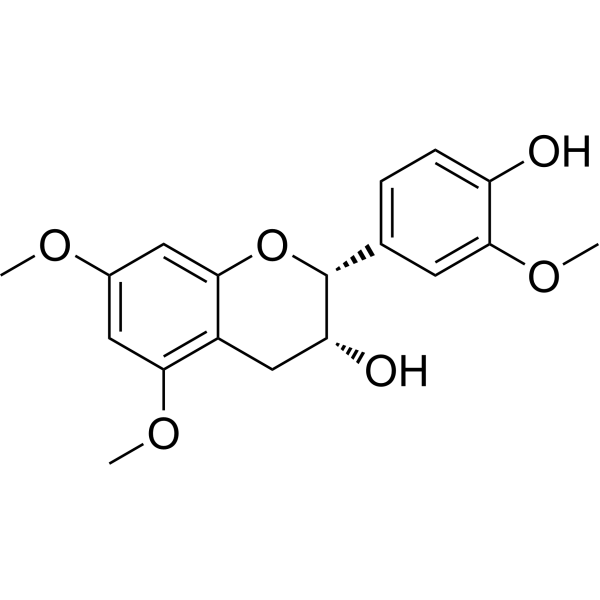
5,7,3' -tri-O-Methyl (-)-epicatechin (Compound 13) is a phospholipase Cγ1 (PLCγ1) inhibitor. 5,7,3' -tri-o-methyl (-)-epicatechin has a methylene dioxy benzene ring and can express inhibitory activity against PLCγ1. 5,7,3' -tri-O-Methyl (-)-epicatechin can be used in the study of chemotherapy and chemopexic agents for cancer .
loading...
    loading...
Cat. No.: HY-156202
CAS No.: 35750-48-2
Research Areas:  

Cancer

Geranylgeranoic acid (Compound 5) is inhibits lysine-specific demethylase 1 (LSD1) with an IC50 value of 46.97 µM. Geranylgeranoic acid induces apoptosis via loss of the mitochondrial membrane potential and activation of interleukin-1β-converting enzyme (ICE) and cysteine protease precursor 32 (CPP32) in Huh7 and PLC/PRF/5 human hepatoma cells and MLE-10 transformed mouse hepatocytes. Geranylgeranoic acid an isoprenoid with anticancer activity, which is found in S. chinensis .
loading...
    loading...
Cat. No.: HY-113420
CAS No.: 67910-12-7
Purity:  ≥98.0%
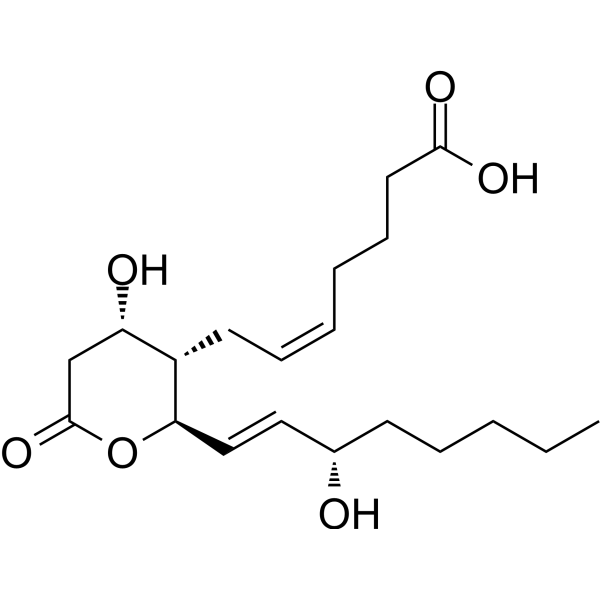
11-Dehydro-thromboxane B2 is a stable terminal metabolite of thromboxane A2 and an agonist of the CRTH2 receptor. 11-Dehydro-TXB2 activates human eosinophils, basophils, and CRTH2-transfected BaF/3 cells through a pertussis toxin-insensitive G protein-PLC pathway, inducing intracellular calcium mobilization, morphological changes, and chemotaxis, but does not affect platelet aggregation. 11-Dehydro-thromboxane B2 is involved in thrombosis and promotes eosinophil recruitment to the lungs in allergic inflammation, and its urinary levels are used to assess the inhibitory effect of Aspirin (HY-14654) on thromboxane production. 11-Dehydro-TXB2 serves as a biomarker for research related to asthma, atopic rhinitis, nephropathy, and coronary artery disease .
loading...
    loading...
Cat. No.: HY-70083
CAS No.: 1096687-52-3
Synonyms: LMV-601
Research Areas:  

Infection

SPK-601 (LMV-601) is an inhibitor of the phosphatidylcholine-specific phospholipase C (PC-PLC). SPK-601 also can be used as an antimicrobial agent .
loading...
    loading...
Cat. No.: HY-153213A
Target:  

TSH Receptor

Research Areas:  

Endocrinology

Org 274178-0 is a selective thyroid-stimulating hormone receptor (TSHR) antagonist with a pIC50 value for TSHR is 5.03. Org 274178-0 inhibits the activation of cAMP signaling pathway and phospholipase C (PLC) signaling pathway mediated by thyroid-stimulating hormone (TSH) and TSH receptor-stimulating immunoglobulins (TSIs). Org 274178-0 is promising for research of Graves’ disease and Graves’ ophthalmopathy .
loading...
    loading...
Cat. No.: HY-163962
CAS No.: 2451070-32-7
L18I is a Bruton's tyrosine kinase (BTK) PROTAC degrader that targets wild-type and BTK C481, and recruits the cereblon E3 ligase to mediate proteasomal degradation. L18I regulates the BCR, TLR, FcγR and NLRP3 inflammasome signaling pathways, inhibits the phosphorylation of PLCγ-2, ERK1/2 and p38, and reduces the levels of B cell activation markers CD25, CD69 and CD86. L18I downregulates the NF-κB, TNF and TLR signaling pathways, reduces the production of pro-inflammatory cytokines, and decreases immune cell infiltration and immune complex deposition. L18I inhibits the proliferation of BTK-expressing lymphoma cells, induces tumor regression in xenograft models, and exhibits synergistic activity when combined with inhibitors of SYK, PI3K or Lyn. L18I can be used in research related to lupus, diffuse alveolar hemorrhage and B-cell lymphoma .
loading...
    loading...
Cat. No.: HY-P2817
CAS No.: 9001-86-9
Synonyms: PLCs
Target:  

Phospholipase

Research Areas:  

Infection Metabolic Disease

Phospholipase C (PLCs) is a class of phospholipases. Phospholipase C participates in cellular signaling and regulation by virtue of its ability to hydrolyze membrane phospholipids into di-acyl-glycerol (DAG) and inositol triphosphate (IP3), which further causes the activation of other signaling pathways involved in various processes, including immune response .
loading...
    loading...
Cat. No.: HY-176525
Target:  

Phospholipase

Research Areas:  

Inflammation/Immunology

PLC-β-IN-1 (Compound 8a) is a PLCβ inhibitor. PLC-β-IN-1 exerts anti-airway contraction activity by inhibiting PLCβ and its downstream signaling pathways, and can enhance the airway relaxation effect of β-agonists. PLC-β-IN-1 can be used in the study of asthma .
loading...
    loading...
Cat. No.: HY-148388
CAS No.: 58909-84-5
Purity:  98.60%
Synonyms: N-Stearoyl-D-sphingomyelin
Target:  

Phospholipase

Research Areas:  

Cancer

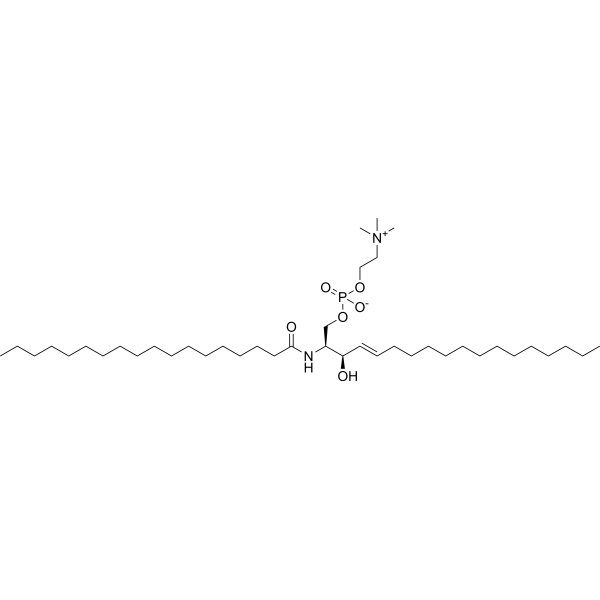
N-Stearoylsphingomyelin (N-Stearoyl-D-sphingomyelin) is a sphingolipid, which can inhibit Phospholipase Cδ1 (PLCδ1) .
loading...
    loading...
Cat. No.: HY-122967
CAS No.: 142115-17-1
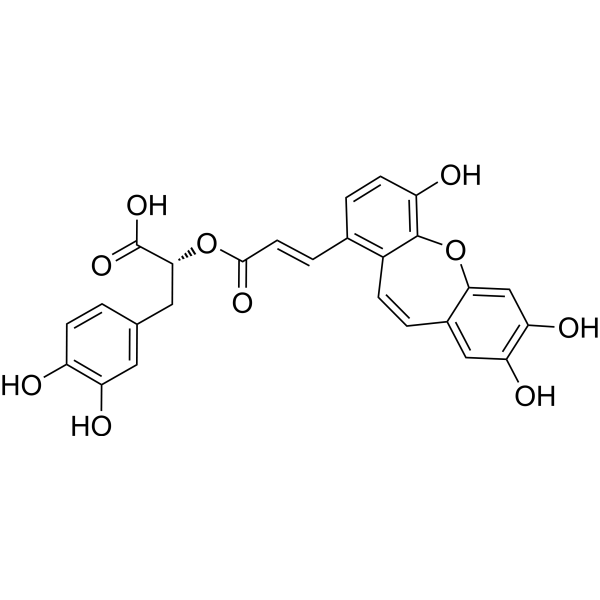
Isosalvianolic acid C is a naturally derived phenolic compound that acts as a signal modulator, antioxidant, and enzyme inhibitor. Isosalvianolic acid C induces the phosphorylation of PLC-γ, IP3R, PKC, and P38, triggering Ca 2+ mobilization, degranulation, and chemokine release. Isosalvianolic acid C activates MRGPRX2 and its murine homolog MrgprB2, leading to pseudo-allergic reactions in vivo. Isosalvianolic acid C inhibits Cu 2+-induced LDL peroxidation. Isosalvianolic acid C can be used in studies related to pseudo-allergy, diabetes, and atherosclerosis .
loading...
    loading...
Cat. No.: HY-N15873
CAS No.: 2770684-26-7
Research Areas:  

Others

XY-69 triethylamine is a fluorescent analog of PIP2. XY-69 liposomal assay can be utilized in monitoring PLC enzymatic activity .
loading...
    loading...
Cat. No.: HY-110119
CAS No.: 1780260-20-9
Research Areas:  

Others

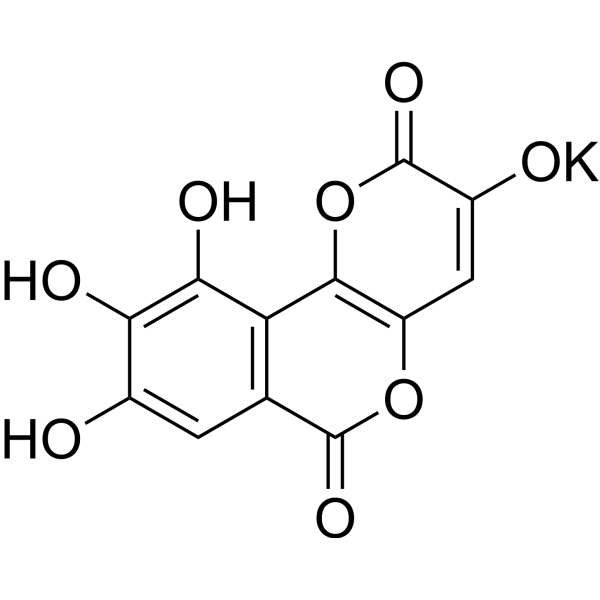
Galloflavin potassium is a novel lactate dehydrogenase inhibitor that can be used for the research of cancer. Galloflavin inhibits aerobic glycolysis in PLC/PRF/5 cells and triggers cell death via apoptosis .
loading...
    loading...

