
675 Results for "

utilization

" in MedChemExpress (MCE) Product Catalog:
Products (675)

675 Results for "utilization" in MCE Product Catalog:

2
2 Cited Publications
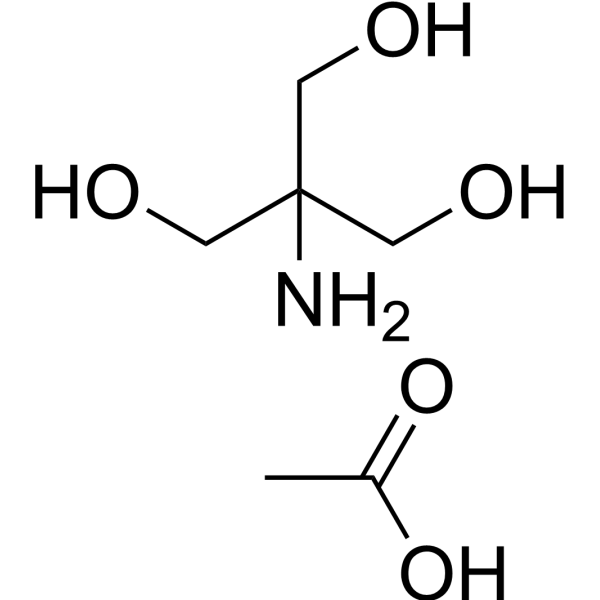
Cat. No.: HY-D0227B
CAS No.: 6850-28-8
Synonyms: Tris acetate; Tris(hydroxymethyl)aminomethane acetate
Research Areas:  

Metabolic Disease

THAM acetate is a low-toxicity amino alcohol buffer, a CO2-consuming proton acceptor that buffers carbon dioxide and acid both in vitro and in vivo. THAM acetate binds protons to form bicarbonate, reduces PaCO2, and induces intracellular alkalization, thereby ameliorating hypercapnia-induced elevation of pulmonary blood vessels and pulmonary arterial pressure. THAM acetate may cause PaCO2 rebound, hypoglycemia, and respiratory depression. THAM acetate removes amniotic epithelium and preserves the basement membrane, but depletes extracellular matrix and reduces the adhesion rate of limbal epithelial cells. THAM acetate can act as a CO2 carrier to enhance the productivity and carbon utilization rate of Scenedesmus obliquus. THAM acetate is a key component of buffer solutions used in various biological, cell culture, biochemical, and molecular biology applications .
loading...
    loading...
2
2 Cited Publications
Cat. No.: HY-D0227J
CAS No.: 1185-53-1
Synonyms: Tris HCl (≥99%, for cell culture); Tris hydrochloride (≥99%, for cell culture)
THAM hydrochloride (≥99%, for cell culture) is a low-toxicity amino alcohol buffer, a specific CO2-consuming proton acceptor that buffers carbon dioxide and acid both in vitro and in vivo. THAM hydrochloride (≥99%, for cell culture) binds protons to form bicarbonate, reduces PaCO2, and induces intracellular alkalization, thereby ameliorating hypercapnia-induced elevation of pulmonary blood vessels and pulmonary arterial pressure. THAM hydrochloride (≥99%, for cell culture) may cause PaCO2 rebound, hypoglycemia, and respiratory depression. THAM hydrochloride (≥99%, for cell culture) removes amniotic epithelium and preserves the basement membrane, but depletes extracellular matrix and reduces the adhesion rate of limbal epithelial cells. THAM hydrochloride (≥99%, for cell culture) can act as a CO2 carrier to enhance the productivity and carbon utilization rate of Scenedesmus obliquus. THAM hydrochloride (≥99%, for cell culture) is a key component of buffer solutions used in various biological, cell culture, biochemical, and molecular biology applications .
loading...
    loading...
1
1 Cited Publications
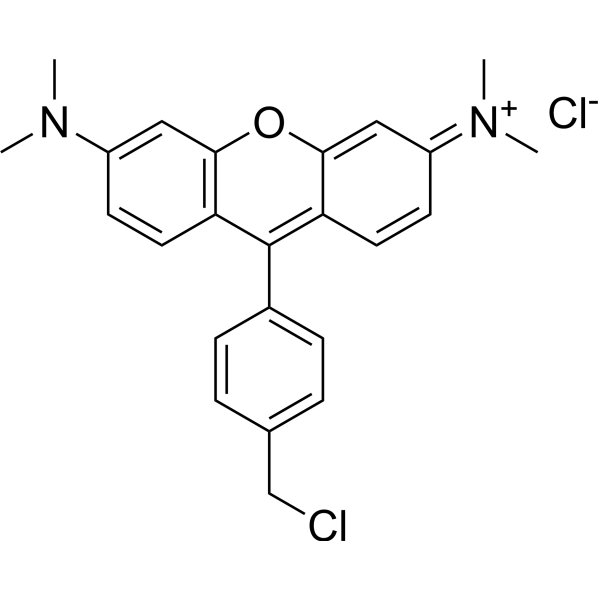
Cat. No.: HY-D1696
CAS No.: 199116-50-2
MitoTracker Orange CMTMRos is a fluorescent dye that labels mitochondria within live cells utilizing the mitochondrial membrane potential (Ex/Em: 551/576 nm) .
loading...
    loading...
1
1 Cited Publications
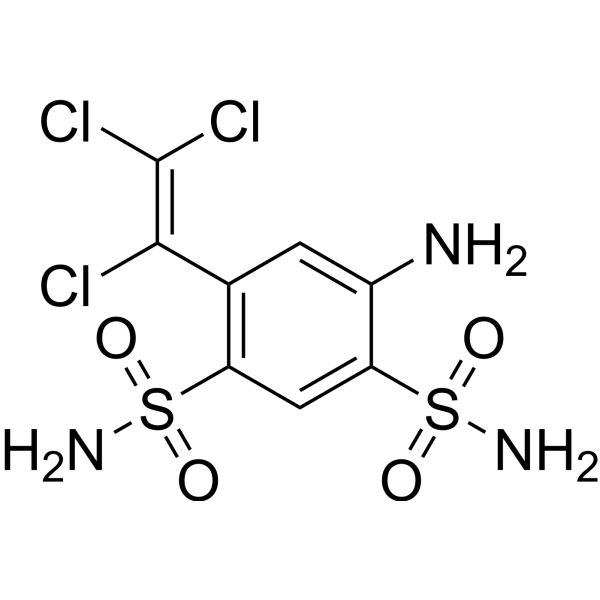
Cat. No.: HY-B0488
CAS No.: 60200-06-8
Synonyms: L631529; MK401
Target:  

Parasite

Research Areas:  

Infection

Clorsulon (L631529; MK401) is an orally active flukicidal agent. Clorsulon inhibits glycolysis, the primary energy production pathway in flukes. Clorsulon is also a competitive inhibitor of 3-phosphoglycolate and ATP, inhibiting glucose utilization and acetate and propionate formation by mature Fasciola hepatica in vitro. Clorsulon can be used in studies of liver fluke (Fasciola hepatica and Fasciola gigantica) infection in calves and sheep .
loading...
    loading...
1
1 Cited Publications
Cat. No.: HY-E70234B
Target:  

Bacterial

Research Areas:  

Others

Sortase A (MS grade) is a transpeptidase of Staphylococcus aureus, which can perform site-specific cleavage or transpeptidation linkage by utilizing the LPXTG recognition sequence. Sortase A (MS grade) can be utilized in high-sensitivity mass spectrometry (MS) applications and chemical enzymatic protein labeling.
loading...
    loading...
1
1 Cited Publications
Cat. No.: HY-K1093

MCE VF 647A-Annexin V/PI Apoptosis Detection Kit can be utilized to detect the level of cell apoptosis.

loading...
    loading...
1
1 Cited Publications
Cat. No.: HY-K0551

MCE Mycoplasma Detection Kit (Luminescence) utilizes chemiluminescence technology to detect the activity of specific enzymes in the sample, determining the presence of mycoplasma contamination.

loading...
    loading...
1
1 Cited Publications
Cat. No.: HY-K1096

MCE Annexin V-FITC/7-AAD Apoptosis Detection Kit can be utilized to detect the occurrence of early apoptosis.

loading...
    loading...
1
1 Cited Publications
Cat. No.: HY-115391
CAS No.: 109358-46-5
Synonyms: Boc-Leu-Arg-Arg-AMC
Research Areas:  

Others

Boc-LRR-AMC (Boc-Leu-Arg-Arg-AMC) is a fluorogenic substrate, which can be utilized for detecting the trypsin-like activity of the 26S proteasome or the 20S proteasome core .
loading...
    loading...
1
1 Cited Publications
Cat. No.: HY-114806
CAS No.: 34645-84-6
Purity:  99.09%
Synonyms: Flenac; R 67408
Research Areas:  

Inflammation/Immunology

Fenclofenac is an orally active anti-inflammatory agent with a low ulcerogenic effect. Fenclofenac also exhibits antipyretic and analgesic activities, with an oral LD50 of 2280 mg/kg in rats. Fenclofenac can be utilized in inflammation research .
loading...
    loading...
1
1 Cited Publications
Cat. No.: HY-112624P
CAS No.: 9004-54-0
Synonyms: Dextran 500; Dextran D500; Dextran T500(MW 440000-560000)
Dextran T500 MW 500,000 (Dextran 500; Dextran D500; Dextran T500 MW 440000-560000) is a polymer of anhydroglucose with the average molecular weight of 500,000. Dextran T500 MW 500,000 exhibits good biodegradability and good biocompatibility, that is utilized in food, pharmaceutics, cosmetics, and research area .
loading...
    loading...
1
1 Cited Publications
Cat. No.: HY-D2875
CAS No.: 1396969-23-5
5-FITC tyramide is a green fluorescent dye composed of FITC (HY-66019) and tyramide (Ex=488 nm, Em=525 nm). 5-FITC tyramide is utilized as reporter fluorescent substrate of horseradish peroxidase (HRP)-catalyzed deposition for tyramide signal amplification (TSA). 5-FITC tyramide can be used for multiplex immunohistochemistry (mIHC) .
loading...
    loading...
1
1 Cited Publications
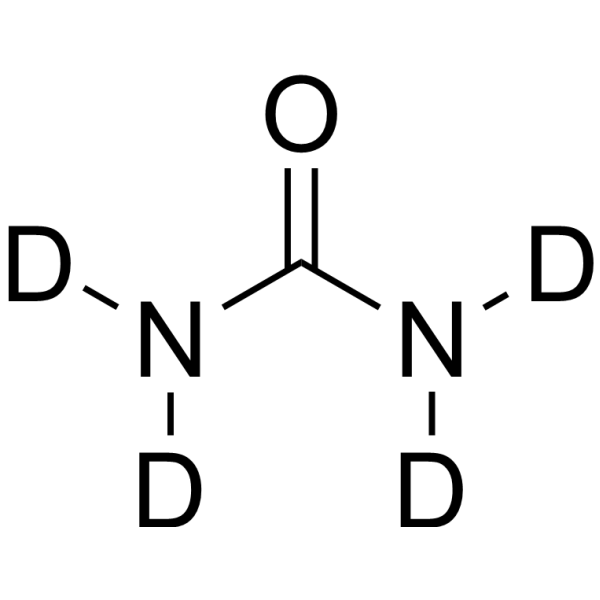
Cat. No.: HY-Y0271S1
CAS No.: 1433-11-0
Synonyms: Carbonyl diamide-d4
Urea-d4 is the deuterium labeled Urea . Urea is a powerful protein denaturant via both direct and indirect mechanisms . A potent emollient and keratolytic agent . Used as a diuretic agent. Blood urea nitrogen (BUN) has been utilized to evaluate renal function . Widely used in fertilizers as a source of nitrogen and is an important raw material for the chemical industry.
loading...
    loading...
1
1 Cited Publications
Cat. No.: HY-K0524

MCE 2-Color Tracking SYBR qPCR Master Mix (Universal) is a 2× concentration premixed reagent utilizing a special performance-enhanced Taq DNA polymerase protected via a hot-start activation technique, and optimized qPCR buffer system to perform SYBR Green I based quantitative PCR (qPCR). The 500 rxns is defined as the base specification. All larger sizes correspond to incremental volumes of this base.

loading...
    loading...
1
1 Cited Publications
Cat. No.: HY-D0367
CAS No.: 4193-55-9
Synonyms: Calcofluor White M2R
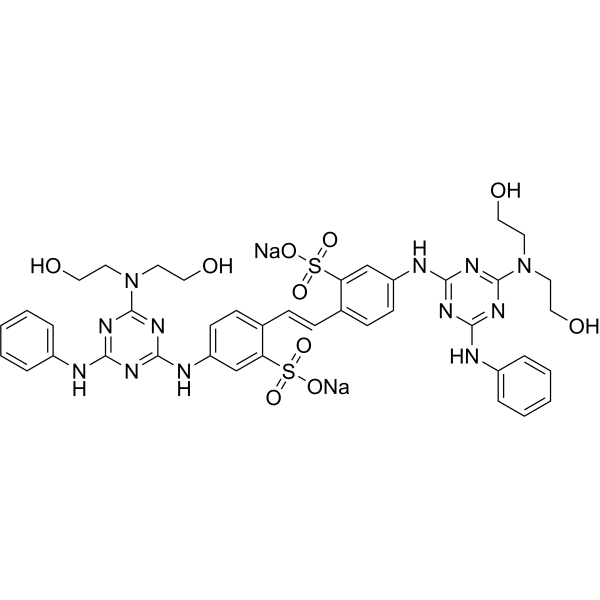
Fluorescent brightener 28 is a fluorescent whitening agent commonly used in the padding process of the textile industry. Fluorescent brightener 28 is capable of staining polysaccharides such as cellulose, and when the plasma membrane ruptures, it also weakly stains the cytoplasm and strongly stains the cell nucleus. Additionally, Fluorescent brightener 28 can be utilized to detect intracellular chitin in living cells. Fluorescent Brightener 28 also is a visible light emitting diode (LED)-light sensitive photoinitiator for free radical photopolymerizations .
loading...
    loading...
1
1 Cited Publications
Cat. No.: HY-W750459
CAS No.: 4404-43-7
Target:  

Fluorescent Dye

Research Areas:  

Others

Fluorescent brightener 28 (Technical Grade) is a fluorescent whitening agent commonly used in the padding process of the textile industry. Fluorescent brightener 28 is capable of staining polysaccharides such as cellulose, and when the plasma membrane ruptures, it also weakly stains the cytoplasm and strongly stains the cell nucleus. Additionally, Fluorescent brightener 28 can be utilized to detect intracellular chitin in living cells. Fluorescent Brightener 28 also is a visible light emitting diode (LED)-light sensitive photoinitiator for free radical photopolymerizations .
loading...
    loading...
1
1 Cited Publications
Cat. No.: HY-Y0543
CAS No.: 620-02-0
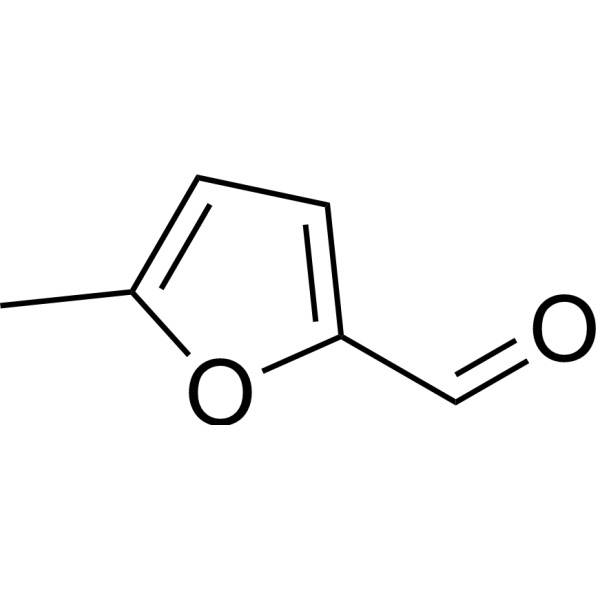
5-Methylfurfural is a chemical that can be utilized as food additive, intermediate in the production of agrochemicals, and precursor of certain anti-cancer natural products. 5-Methylfurfural is formed during the photoexposition of ranitidine hydrochloride. 5-Methylfurfural is an organic compound. 5-Methylfurfural has a strong tendency to be further hydrogenated to 2,5-dimethylfuran (DMF). 5-Methylfurfural can predominantly evoke skin inflammation and barrier disintegration. 5-Methylfurfural degrades native DNA through the formation of single-strand breaks .
loading...
    loading...
Cat. No.: HY-116013
CAS No.: 29557-51-5
Purity:  99.91%
Research Areas:  

Others

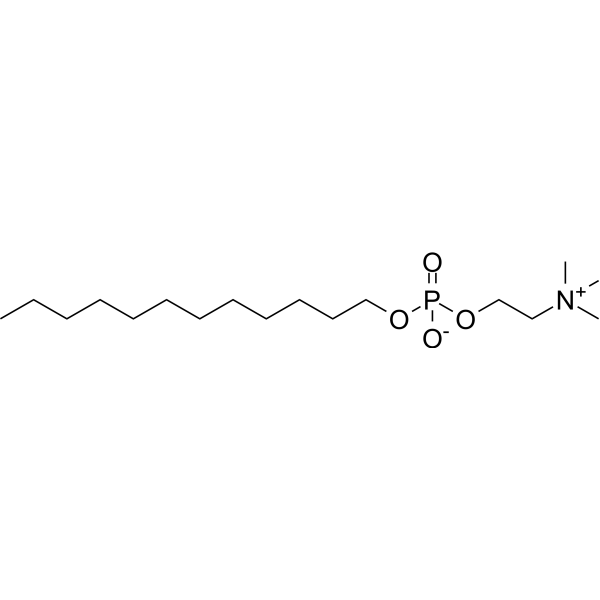
Dodecylphosphocholine is a detergent widely utilized in NMR studies of membrane proteins .
loading...
    loading...
Cat. No.: HY-P2756
CAS No.: 9073-63-6
Synonyms: AO; AOX
Target:  

Endogenous Metabolite

Research Areas:  

Metabolic Disease

Alcohol oxidase is a functional enzyme of methanol utilization pathway and can be isolated from yeast peroxisome .
loading...
    loading...
Cat. No.: HY-N3686
CAS No.: 488-82-4
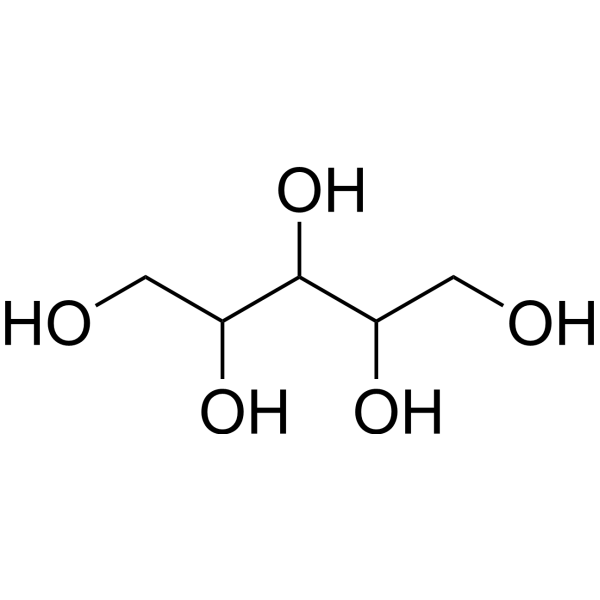
D-Arabitol is an orally active D-enantiomer of arabitol. D-Arabitol modulates the composition of gut microbiota, increases short-chain fatty acids, and promotes AMPK-PGC-1α-related browning of white adipose tissue. D-Arabitol improves weight gain, fat accumulation, insulin resistance, lipid deposition and inflammatory responses. D-Arabitol serves as the sole carbon/energy source for Bacillus methanolicus MGA3, a strain that can co-utilize it with mannitol. D-Arabitol is applicable to obesity-related research .
loading...
    loading...

