261 Results for "

membrane function

" in MedChemExpress (MCE) Product Catalog:
Products (261)

261 Results for "membrane function" in MCE Product Catalog:

6
6 Cited Publications
Art. -Nr.: HY-131615
CAS. Nr.: 2804595-86-4
Reinheit:  99.79%
Target:  

Sodium Channel

Forschungsgebiete:  

Others

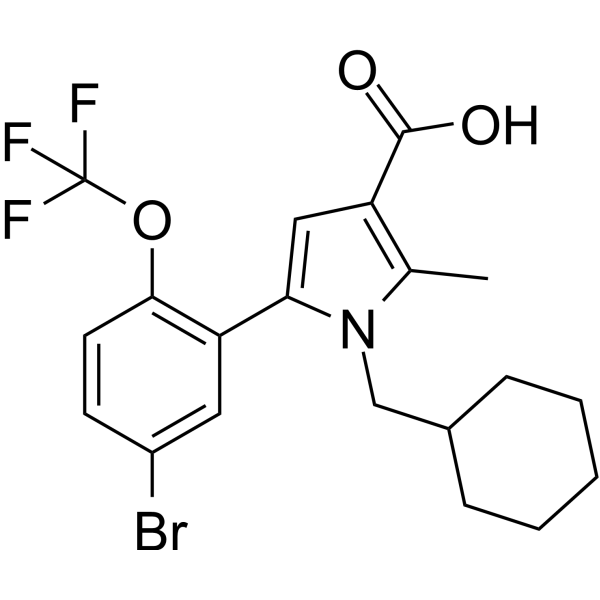
TPC2-A1-P is a powerful and membrane permeable agonist of two pore channel 2 (TPC2) with an EC50 of 10.5 μM. TPC2-A1-P plays its role by mimicking the physiological actions of PI(3,5)P2. TPC2-A1-P also shows higher potency to induce Na 2+ mobilisation from TPC2 than TPC-A1-N (HY-131614). TPC2-A1-P can be used to probe different functions of TPC2 channels in intact cells .
loading...
    loading...
6
6 Cited Publications
Art. -Nr.: HY-113308
CAS. Nr.: 516-90-5
Reinheit:  98.06%
Taurolithocholic acid is an orally active bile acid and antiviral agent. Taurolithocholic acid upregulates FADS2 by activating the TGR5-PI3K/AKT-SREBP2 signaling axis, inhibits SFTSV-induced ferroptosis (Ferroptosis), viral replication and viral entry of HBV/HDV, while reducing the release of IL-1β, lipid ROS and LDH. While exerting antiviral protective effects, Taurolithocholic acid also stimulates the recycling of hepatocellular membrane transporters, impairs canalicular bile acid secretion function, and induces hepatocyte cholestasis, apoptosis and acute hepatocellular injury. Taurolithocholic acid serves as an experimental model compound for hepatocellular cholestasis. At concentrations ≤200 μM, Taurolithocholic acid shows no cytotoxicity and does not activate the interferon pathway. Taurolithocholic acid not only protects mice from lethal SFTSV infection but also is suitable for studies related to severe fever with thrombocytopenia syndrome and cholestasis .
loading...
    loading...
6
6 Cited Publications
Art. -Nr.: HY-113308A
CAS. Nr.: 6042-32-6
Reinheit:  99.81%
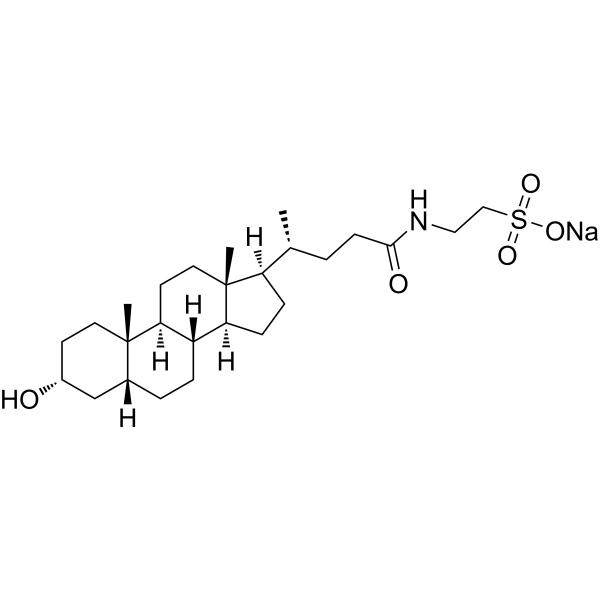
Taurolithocholic acid sodium salt is an orally active bile acid and antiviral agent. Taurolithocholic acid sodium salt upregulates FADS2 by activating the TGR5-PI3K/AKT-SREBP2 signaling axis, inhibits SFTSV-induced ferroptosis, viral replication and viral entry of HBV/HDV, while reducing the release of IL-1β, lipid ROS and LDH. While exerting antiviral protective effects, Taurolithocholic acid sodium salt also stimulates the recycling of hepatocellular membrane transporters, impairs canalicular bile acid secretion function, and induces hepatocyte cholestasis, apoptosis and acute hepatocellular injury. Taurolithocholic acid sodium salt serves as an experimental model compound for hepatocellular cholestasis. At concentrations ≤200 μM, Taurolithocholic acid sodium salt shows no cytotoxicity and does not activate the interferon pathway. Taurolithocholic acid sodium salt not only protects mice from lethal SFTSV infection but also is suitable for studies related to severe fever with thrombocytopenia syndrome and cholestasis .
loading...
    loading...
5
5 Cited Publications
Art. -Nr.: HY-14273
CAS. Nr.: 241479-67-4
Reinheit:  99.97%
Synonyms: BAL-4815; RO-0094815
Forschungsgebiete:  

Infection Cancer

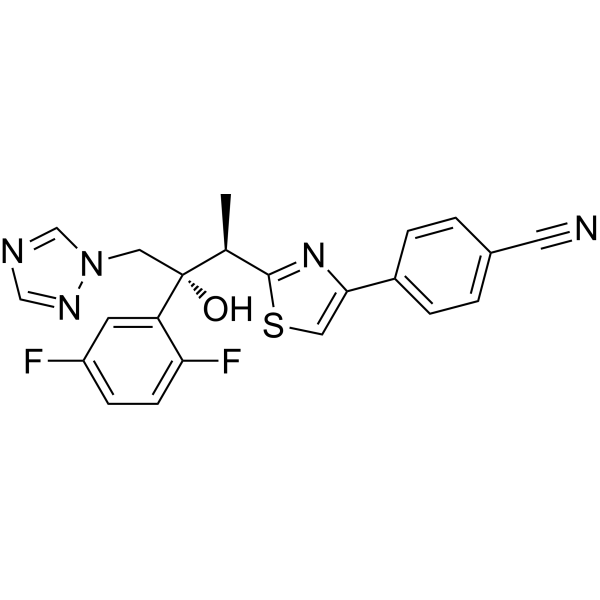
Isavuconazole (BAL-4815) is a triazole proagent with antifungal activity against yeasts, molds, and dimorphic fungi. Isavuconazole inhibits ergosterol biosynthesis and results in the disruption of fungal membrane structure and function. Isavuconazole is a moderate inhibitor of CYP3A4.
loading...
    loading...
4
4 Cited Publications
Art. -Nr.: HY-N5034
CAS. Nr.: 1071-23-4
Synonyms: Monoaminoethyl phosphate; NSC 254167; O-Phosphoethanolamine
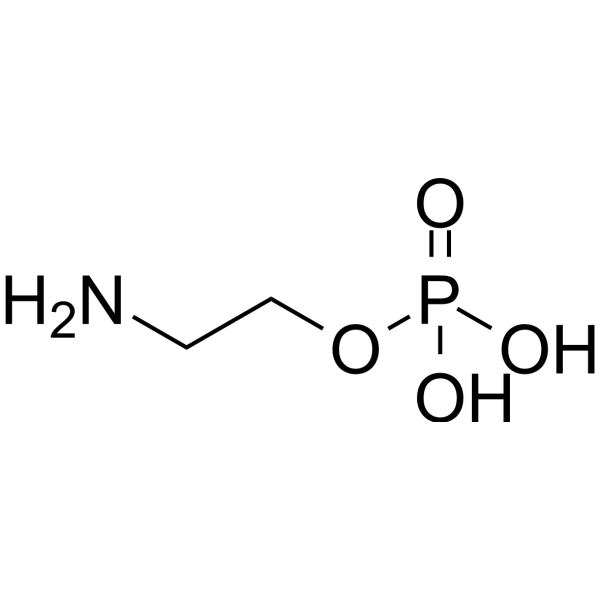
Phosphorylethanolamine (Monoaminoethyl phosphate) is a membrane phospholipid and an important precursor of Phosphatidylcholine (HY-N18891). It is found in most animal tissues and various human extracranial tumors, playing a critical role in membrane integrity, cell division, mitochondrial respiratory function, and more. Studies have shown that changes in the abundance of Phosphorylethanolamine are associated with Alzheimer's disease and Parkinson's disease. Lowering the ratio of Phosphorylethanolamine to Phosphatidylcholine in the liver can improve insulin signaling. Phosphorylethanolamine holds promise for research in the fields of cancer, neurodegenerative disorders, and metabolic diseases .
loading...
    loading...
4
4 Cited Publications
Art. -Nr.: HY-10655
CAS. Nr.: 540769-28-6
Reinheit:  99.78%
Synonyms: ACT-058362
Target:  

Urotensin Receptor

Forschungsgebiete:  

Cardiovascular Disease

Palosuran (ACT-058362) is a potent, selective, and orally active antagonist of urotensin II receptor, with an IC50 of 3.6 nM for CHO cell membranes expressing human recombinant receptors. Palosuran can improves pancreatic and renal function in diabetic rats .
loading...
    loading...
4
4 Cited Publications
Art. -Nr.: HY-10655A
CAS. Nr.: 2469274-58-4
Reinheit:  98.67%
Synonyms: ACT-058362 hydrochloride
Target:  

Urotensin Receptor

Forschungsgebiete:  

Cardiovascular Disease

Palosuran hydrochloride (ACT-058362 hydrochloride) is a potent, selective, and orally active antagonist of urotensin II receptor, with an IC50 of 3.6 nM for CHO cell membranes expressing human recombinant receptors. Palosuran hydrochloride can improves pancreatic and renal function in diabetic rats .
loading...
    loading...
3
3 Cited Publications
Art. -Nr.: HY-D0505
CAS. Nr.: 15086-94-9
Synonyms: Acid Red 87 free base
Target:  

Fluorescent Dye

Forschungsgebiete:  

Others

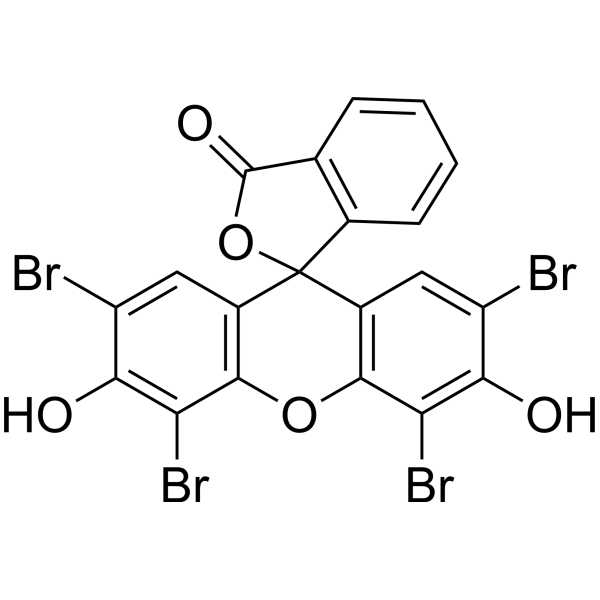
Eosin Y (Acid Red 87 free base) is a soluble acid red dye molecule. Eosin Y has a wide application in organic synthesis as a photoredox catalyst. Eosin Y can be used as a component of Eosin-Nigrosin Sperm Viability Staining Solution (HY-DY2022) to assess sperm viability and identify the integrity of the membrane structure and function of inactive sperm .
loading...
    loading...
3
3 Cited Publications
Art. -Nr.: HY-D0505A
CAS. Nr.: 17372-87-1
Synonyms: Acid Red 87
Target:  

Fluorescent Dye

Forschungsgebiete:  

Others

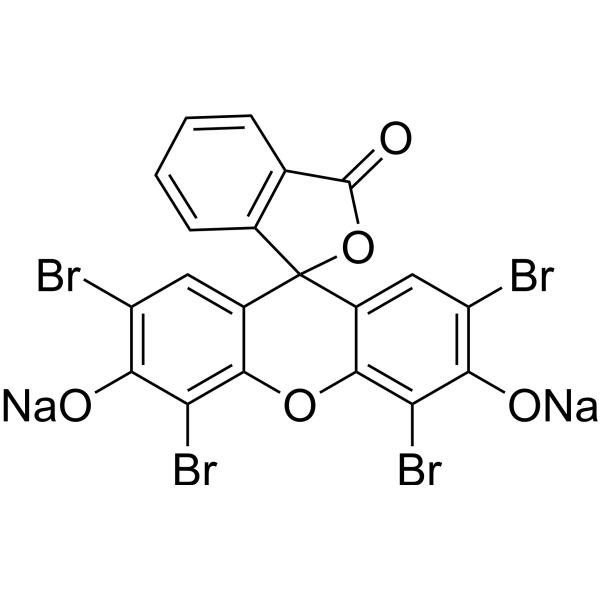
Eosin Y disodium (Acid Red 87) is a soluble acid red dye molecule. Eosin Y disodium has a wide application in organic synthesis as a photoredox catalyst. Eosin Y disodium can be used as a component of Eosin-Nigrosin Sperm Viability Staining Solution (HY-DY2022) to assess sperm viability and identify the integrity of the membrane structure and function of inactive sperm .
loading...
    loading...
3
3 Cited Publications
Art. -Nr.: HY-D1098
CAS. Nr.: 195199-08-7
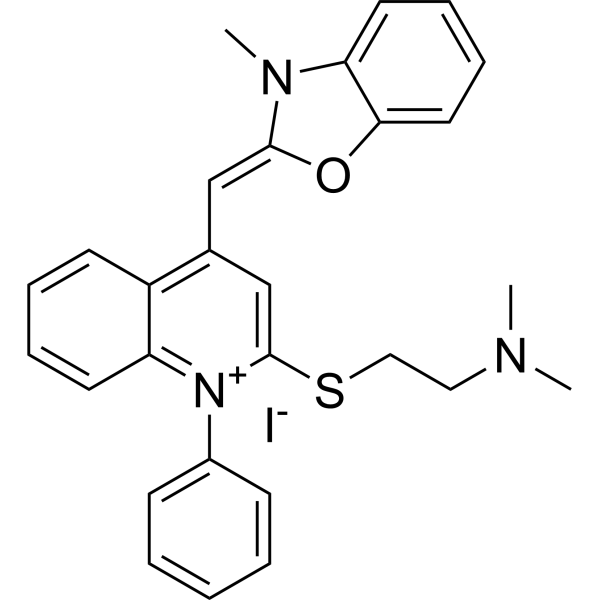
SYBR Green II is a fluorescent nucleic acid dye that mainly binds single-stranded nucleotides. SYBR Green II is sensitive to oligonucleotides or larger nucleic acid polymers in a variety of cells and gels. SYBR Green II can be used to study cell structure, membrane integrity or function, and cell cycle distribution. Wavelength 484/515 nm .
loading...
    loading...
2
2 Cited Publications
Art. -Nr.: HY-P5712
CAS. Nr.: 113-73-5
Synonyms: Gramicidin soviet
Forschungsgebiete:  

Infection

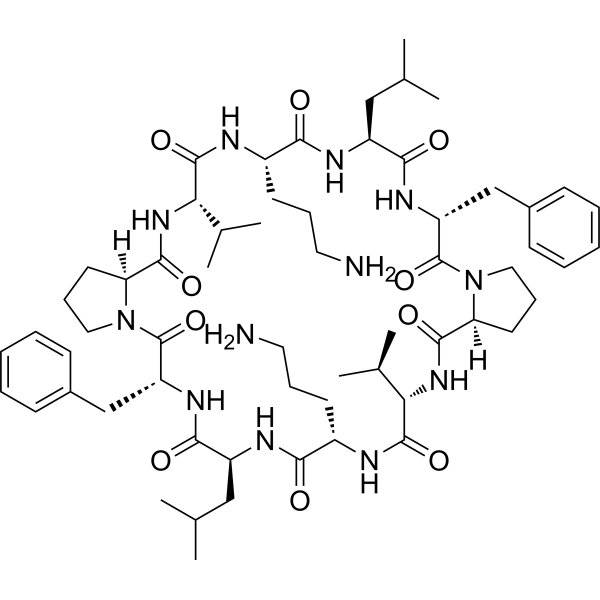
Gramicidin S (Gramicidin soviet) is a cationic cyclic peptide antibiotic that selectively targets bacterial cell membranes and has anticancer activity. Gramicidin S also exerts antibacterial activity by destroying membrane integrity and interfering with membrane protein function. Gramicidin S inserts into the phospholipid bilayer through hydrophobic amino acid residues, specifically binds to negatively charged membrane lipids and disrupts membrane structure, thereby inhibiting cell division and cell wall synthesis, and ultimately causing bacterial death. Gramicidin S also inhibits ion channels, with IC50s of 41 μM, 24 μM, and 3 μM for Na +/K +-ATPase, tobacco leaf plasma membrane Mg 2+/K +-ATPase, and rat heart plasma membrane Ca 2+-ATPase, respectively .
loading...
    loading...
2
2 Cited Publications
Art. -Nr.: HY-P1723
CAS. Nr.: 1370290-58-6
Synonyms: Neuropeptide Q
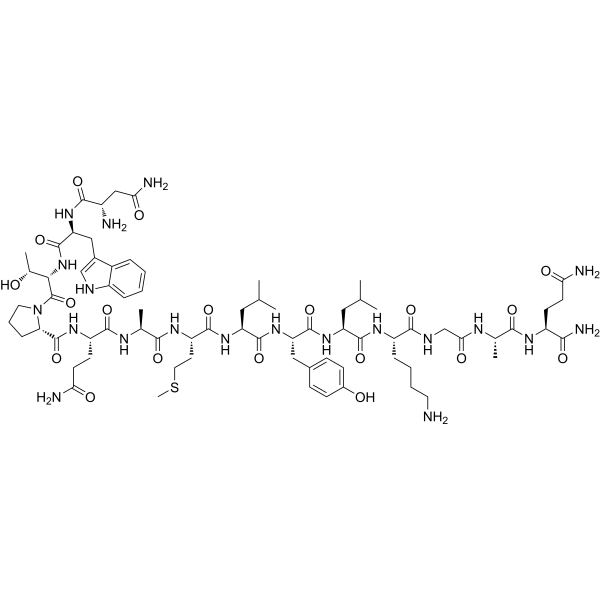
Spexin (Neuropeptide Q) is a selective agonist of galanin receptors GAL2 and GAL3, and is a conserved peptide that functions as a neurotransmitter/neuromodulator and endocrine factor. Spexin can function through both central and peripheral actions. Spexin upregulates Beclin 1 to inhibit ferroptosis induced by excessive autophagy, reduces the uptake of long-chain fatty acids by adipocytes, and regulates energy metabolism by increasing lipid oxidation (e.g., reducing the respiratory exchange ratio in rodents). Spexin improves cardiac function in the Doxorubicin hydrochloride (HY-15142)-induced cardiotoxicity model, protects mitochondrial membrane potential, and reduces iron accumulation and lipid peroxidation. Spexin can be used to study obesity and its related metabolic disorders, cardiovascular diseases (e.g., cardioprotection), and side effects of tumor chemotherapy .
loading...
    loading...
2
2 Cited Publications
Art. -Nr.: HY-P2733
CAS. Nr.: 9046-28-0
Synonyms: GPO
Forschungsgebiete:  

Infection Metabolic Disease

Glycerol-3-phosphate oxidase, E. coli (GPO) is a key intermediate in glycerol metabolism. Glycerol-3-phosphate oxidase, E. coli is the skeleton of phospholipids in membrane lipids, and also a substrate in the respiratory chain. Glycerol-3-phosphate oxidase, E. coli produces electrons through oxidation. Glycerol-3-phosphate oxidase, E. coli is an enzyme with important functions in the field of biochemistry, and is widely used in medical testing and scientific research .
loading...
    loading...
2
2 Cited Publications
Art. -Nr.: HY-109038
CAS. Nr.: 509092-16-4
Synonyms: KRP-203 free base
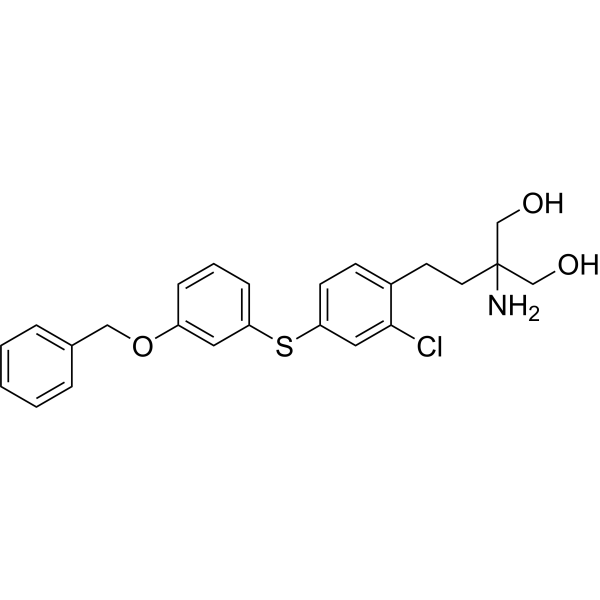
Mocravimod (KRP-203 free base) is a sphingosine-1-phosphate receptor (S1PR) modulator that blocks the signal required by T cells to egress from lymph nodes and other lymphoid organs. Mocravimod preferentially binds to S1PR1 over S1PR2 and S1PR3 in cardiomyocytes. Mocravimod significantly lowered the concentration of reactive oxygen species (ROS), prevented mitochondrial permeability transition pore opening, boosted mitochondrial membrane potential (MMP), and increased phosphorylation of AKT, EKR, GSK-3β, JAK2, and STAT3. Mocravimod retains T cell effector function. Mocravimod can be used for the study of acute myelogenous leukemia, diabetes and Myocardial Ischemia-Reperfusion Injury (MIRI) .
loading...
    loading...
2
2 Cited Publications
Art. -Nr.: HY-13660
CAS. Nr.: 509088-69-1
Reinheit:  99.68%
Synonyms: KRP-203
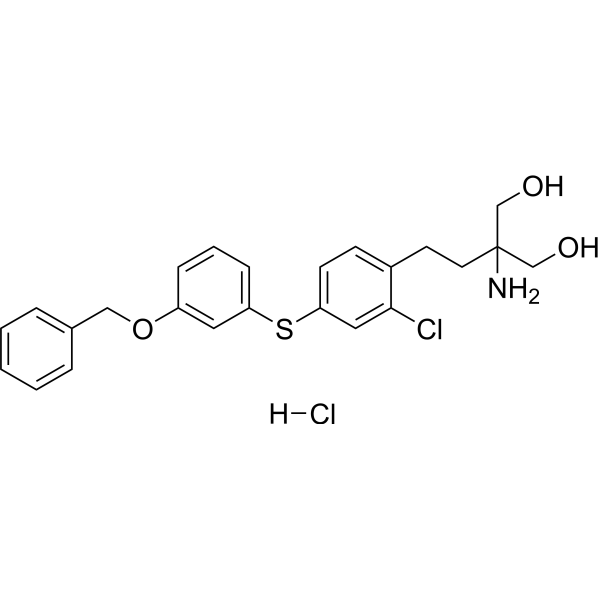
Mocravimod (hydrochloride) is an orally active sphingosine-1-phosphate receptor (S1PR) modulator that blocks the signal required by T cells to egress from lymph nodes and other lymphoid organs. Mocravimod (hydrochloride) preferentially binds to S1PR1 over S1PR2 and S1PR3 in cardiomyocytes. Mocravimod (hydrochloride) significantly lowered the concentration of reactive oxygen species (ROS), prevented mitochondrial permeability transition pore opening, boosted mitochondrial membrane potential (MMP), and increased phosphorylation of AKT, EKR, GSK-3β, JAK2, and STAT3. Mocravimod (hydrochloride) retains T cell effector function. Mocravimod (hydrochloride) can be used for the study of acute myelogenous leukemia, diabetes and Myocardial Ischemia-Reperfusion Injury (MIRI) .
loading...
    loading...
1
1 Cited Publications
Art. -Nr.: HY-D1359
CAS. Nr.: 1021902-10-2
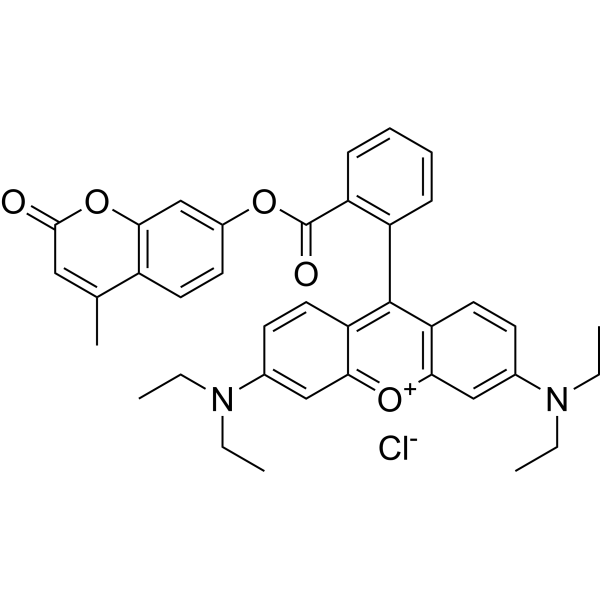
Mito Red is a vital dye and mitochondrial stain that can be used to detect and evaluate mitochondrial function and status. Mito Red accumulates in mitochondria, and its fluorescence intensity is positively correlated with mitochondrial membrane potential. When the mitochondrial membrane potential increases, the fluorescence signal of Mito Red increases .
loading...
    loading...
1
1 Cited Publications
Art. -Nr.: HY-N0322S4
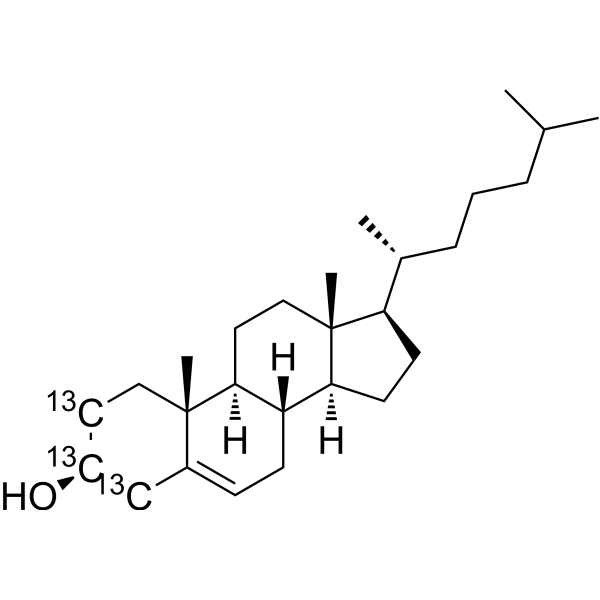
Cholesterol- 13C3 is the 13C-labeled Cholesterol. Cholesterol is the major sterol in mammals. It is making up 20-25% of structural component of the plasma membrane. Plasma membranes are highly permeable to water but relatively impermeable to ions and protons. Cholesterol plays an important role in determining the fluidity and permeability characteristics of the membrane as well as the function of both the transporters and signaling proteins . Cholesterol is also an endogenous estrogen-related receptor α (ERRα) agonist .
loading...
    loading...
1
1 Cited Publications
Art. -Nr.: HY-N0322S6
CAS. Nr.: 956029-28-0
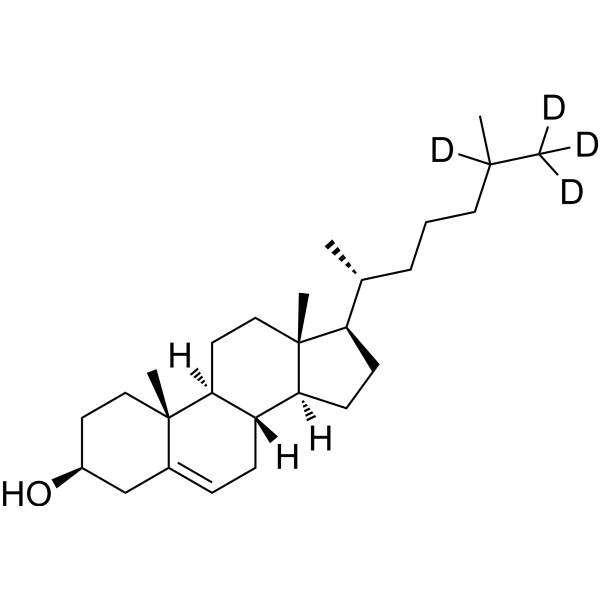
Cholesterol-d4 is deuterium labeled Cholesterol. Cholesterol is the major sterol in mammals. It is making up 20-25% of structural component of the plasma membrane. Plasma membranes are highly permeable to water but relatively impermeable to ions and protons. Cholesterol plays an important role in determining the fluidity and permeability characteristics of the membrane as well as the function of both the transporters and signaling proteins . Cholesterol is also an endogenous estrogen-related receptor α (ERRα) agonist .
loading...
    loading...
1
1 Cited Publications
Art. -Nr.: HY-16485
CAS. Nr.: 560130-42-9
Synonyms: TD-6424 hydrochloride
Target:  

Antibiotic Bacterial

Forschungsgebiete:  

Infection

Telavancin hydrochloride (TD-6424 hydrochloride) is a bactericidal agent that exhibits inhibitory activity against Staphylococcus aureus. Telavancin hydrochloride inhibits bacterial cell wall synthesis by binding to the lipid-linked N-acetylglucosamine-N-muramyl pentapeptide (with a D-Ala-D-Ala terminus), a peptidoglycan precursor, and blocks the transglycosylation and transpeptidation steps. Telavancin hydrochloride disrupts bacterial membrane barrier function, induces dissipation of bacterial membrane potential, and causes leakage of cytoplasmic ATP and potassium ions, with its activity restricted exclusively to bacterial membranes. Telavancin hydrochloride can be used in research on bacterial infections, central venous catheter-related bloodstream infections, and Gram-positive bacterial pneumonia .
loading...
    loading...
1
1 Cited Publications
Art. -Nr.: HY-137016A
CAS. Nr.: 51239-26-0
Reinheit:  ≥99.0%
Target:  

HCN Channel

Forschungsgebiete:  

Neurological Disease

8-Pcpt-cGMP sodium is the sodium salt form of 8-Pcpt-cGMP (HY-137016). 8-Pcpt-cGMP sodium is an agonist for cyclic nucleotide-gated (CNG) channel with an EC50 of 0.5 μM. 8-Pcpt-cGMP sodium exhibits good membrane permeability. 8-Pcpt-cGMP sodium can be used in studies about the function of CNG channels in visual signal transduction and olfactory transduction .
loading...
    loading...

