
81 Results for "

antioxidation

" in MedChemExpress (MCE) Product Catalog:
Products (81)

81 Results for "antioxidation" in MCE Product Catalog:

Cat. No.: HY-W540232
CAS No.: 2284-20-0
Synonyms: 4-Methylphenyl ITC
4-Methoxyphenyl isothiocyanate (4-Methylphenyl ITC) is an antioxidant, with a IC50 value of 1.25 mM for scavenging DPPH radicals. ORAC testing indicates its antioxidant capacity as 11.7 mM TE (indicating that the antioxidant efficacy of this compound is equivalent to 11.7 mmol of Trolox (HY-101445, a standard antioxidant) under the same conditions), and it extends the oxidation process by approximately 9180 seconds in the Briggs–Rauscher reaction. Additionally, 4-Methoxyphenyl isothiocyanate exhibits moderate cholinesterase inhibitory activity, with an inhibition rate of 30.4% against acetylcholinesterase (AChE) and 17.9% against butyrylcholinesterase (BChE). 4-Methoxyphenyl isothiocyanate holds potential for research in the fields of antioxidation and neurological disorders .
loading...
    loading...
Cat. No.: HY-N1953
CAS No.: 8000-34-8
Synonyms: Clove leaf oil,rectified
Target:  

Bacterial

Research Areas:  

Infection Inflammation/Immunology

Clove oil (Clove leaf oil,rectified) is a volatile aromatic essential oil with antibacterial, anti-inflammatory and antioxidant activities. Clove oil disrupts the integrity of bacterial cell membranes, releases intracellular nucleic acids and proteins, and inhibits bacterial growth and reproduction. Clove oil scavenges DPPH, ABTS, superoxide anions, hydrogen peroxide and hydroxyl radicals. Clove oil reduces Fe 3+ to Fe 2+, chelates Fe 2+ and iron ions, and inhibits lipid peroxidation in linoleic acid emulsions. Clove oil acts as a natural preservative to reduce the loss of oxidation products. Clove oil can be isolated from the flowers, stems and leaves of Eugenia aromatica and Eugenia caryophyllus, which belong to the Myrtaceae family. Clove oil can be used in studies related to bacterial infection, antioxidation and preservation .
loading...
    loading...
Cat. No.: HY-N8517
CAS No.: 63335-24-0
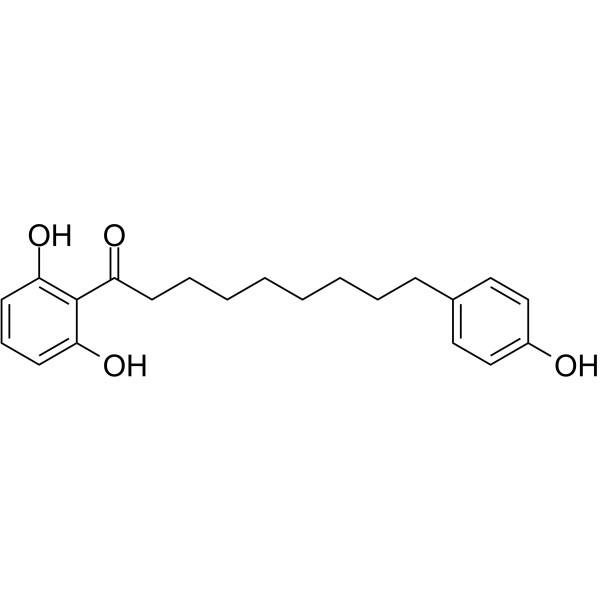
Malabaricone B, a naturally occurring plant phenolic, is an orally active α-glucosidase inhibitor with an IC50 of 63.7 µM. Malabaricone B has anticancer, antimicrobial, anti-oxidation and antidiabetic activities .
loading...
    loading...
Cat. No.: HY-N0580R
CAS No.: 574-84-5
Fraxetin (Standard) is the analytical standard of Fraxetin. This product is intended for research and analytical applications. Fraxetin is isolated from Fraxinus rhynchophylla Hance. Fraxetin has antitumor, anti-oxidation effects and anti-inflammory effects. Fraxetin induces apoptosis .
loading...
    loading...
Cat. No.: HY-N0007AR
CAS No.: 24939-16-0
Synonyms: Curcumin III (Standard); Didemethoxycurcumin (Standard)
Bisdemethoxycucurmin (Standard) (Curcumin III (Standard)) is the analytical standard of Bisdemethoxycucurmin (HY-N0007A). This product is intended for research and analytical applications. Bisdemethoxycucurmin (Curcumin III) is a curcuminoid compound and an inhibitor of P-glycoprotein and ferroptosis. Bisdemethoxycucurmin exhibits multiple activities such as anti-oxidation, anti-inflammation and anti-tumor. Bisdemethoxycucurmin can be used for the research of tumors and inflammatory diseases .
loading...
    loading...
Cat. No.: HY-B0504S5
Synonyms: NSC13123-15N
Creatinine- 15N (NSC13123- 15N) is the 15N-labeled Creatinine (HY-B0504). Creatinine (NSC13123) is an orally active, blood-brain barrier-permeable modulator of GABAA and NMDA receptors, with activities of antioxidation and metabolic regulation. Creatinine is generated via non-enzymatic conversion of creatine and phosphocreatine in muscle. Creatinine serum levels correlate with muscle mass, glomerular filtration rate, and extrarenal clearance, serving as an evaluation biomarker for renal function, muscle mass, and clinical outcomes, and used for perioperative renal risk assessment. In addition, Creatinine can induce specific Cryptococcus species to produce creatinine deiminase and act as their nitrogen source, while it can be secreted via renal tubules. Creatinine is widely used in research related to various diseases such as neurodegenerative diseases, psychiatric disorders, acute kidney injury, chronic kidney disease, and renal failure .
loading...
    loading...
Cat. No.: HY-141439
CAS No.: 936475-62-6
TBE 31 is an orally active Keap1/Nrf2 pathway activator and NQO1 inducer with a Dm value of 1.1 nM for NQO1. TBE 31 binds to cysteine residues of Keap1, inhibits ubiquitination and degradation of Nrf2, thereby activating the expression of ARE-dependent genes. TBE 31 induces cytoprotective enzymes including NQO1 and GST isoforms, promotes Nrf2 accumulation, and upregulates Nrf2-regulated genes related to antioxidation and lipid metabolism. TBE 31 inhibits pro-inflammatory responses, formation of AFB1-DNA adducts, endoplasmic reticulum stress, cell apoptosis (apoptosis), hepatic fibrosis, oxidative stress, and the expression of ChREBP. TBE 31 reduces the number of tumors in a mouse model of ultraviolet-induced skin carcinogenesis. TBE 31 enhances nerve growth factor-induced neurite outgrowth. TBE 31 attenuates LPS-induced serum TNF-α levels and immobility time in mice. TBE 31 can be used in research related to liver cancer, skin cancer, inflammation-related depression, and non-alcoholic steatohepatitis .
loading...
    loading...
Cat. No.: HY-W100715
CAS No.: 6638-05-7
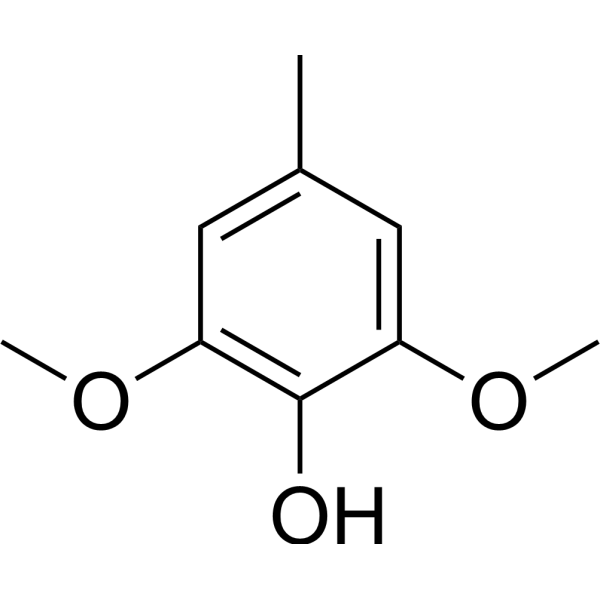
4-Methylsyringol is a phenolic syringol derivative found in a variety of plants. Phenolic compounds are widely present in food and plants and have high synthetic, medicinal, and industrial value. Polyphenols are compounds with various phenolic functions. Natural polyphenols can regulate the cell cycle, induce apoptosis, inhibit cell adhesion, migration, proliferation, and differentiation, and possess a variety of biological activities such as antioxidation, anti-inflammation, anticancer, and antimutagenic effects .
loading...
    loading...
Cat. No.: HY-23212A
CAS No.: 2421153-68-4
Research Areas:  

Cancer

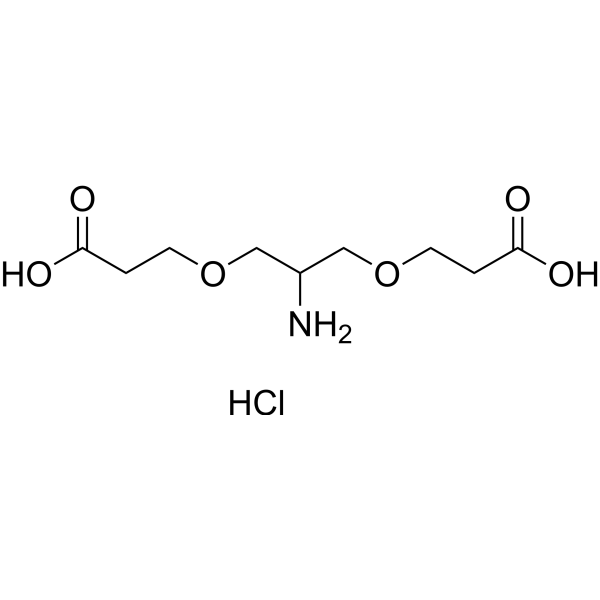
2-Amino-1,3-bis(carboxylethoxy)propane hydrochloride is a non-protein amino acid, sulfamic acid.2-Amino-1,3-bis(carboxylethoxy)propane hydrochloride contains one amino group and two terminal carboxylic acids.2-Amino-1,3-bis(carboxylethoxy)propane hydrochloride has a variety of physiological functions, including maintaining the stability of cell membranes, regulating cholesterol metabolism, supporting the normal function of the nervous system, participating in collagen synthesis, and anti-oxidation .
loading...
    loading...
Cat. No.: HY-N2381R
CAS No.: 10458-14-7
Menthone (Standard) is the analytical standard of Menthone. This product is intended for research and analytical applications. Menthone, an orally active monoterpene that can be isolated from plants and Mentha oil with antibacterial, antitumor, antioxidation, and antivirus properties. Menthone is a main volatile component of the essential oil, and has anti-Inflammatory properties in Schistosoma mansoni infection and rheumatoid arthritis .
loading...
    loading...
Cat. No.: HY-175005
CF-Carvacrol is an orally active lipid-lowering agent synthesized by merging the pharmacophores of Carvacrol (HY-N0711) and Clofibric acid (HY-B1415). CF-Carvacrol has a good affinity for PPAR-α. CF-Carvacrol has significant hypolipidemic activity and may exert antioxidant and anti-inflammatory activity by activating the Nrf2/HO-1 signaling pathway to reduce liver injury. CF-Carvacrol can be used for the study of CF-induced liver damage .
loading...
    loading...
Cat. No.: HY-N8707
CAS No.: 34000-39-0
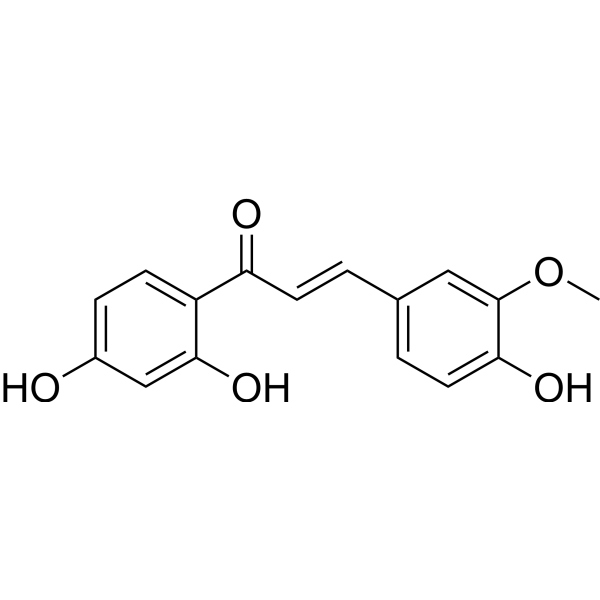
Homobutein a natural chalcones (can be found in many medicinal plants, fruits, vegetables, spices and nuts), is a potent HDACs/NF-κB dual inhibitor with IC50s of 190 and 38 μM, respectively. Homobutein also a chelator of iron (II and III) cations, shows various activities, including anticancer, anti-inflammatory, antiparasite and antioxidation .
loading...
    loading...
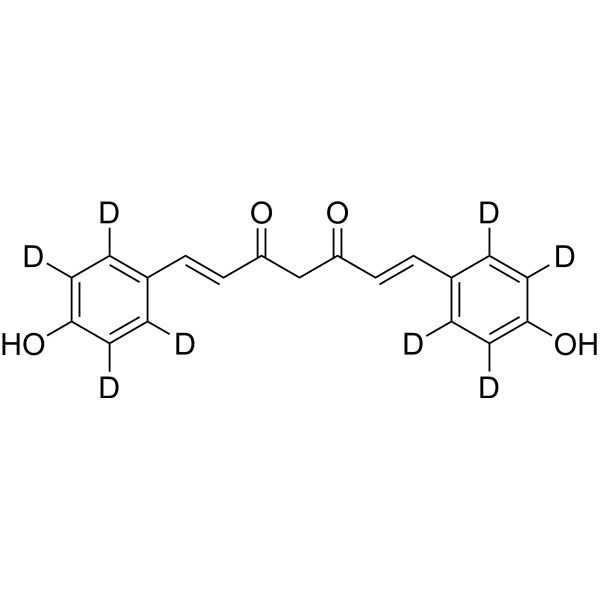
Cat. No.: HY-N0007S
CAS No.: 2470233-08-8
Synonyms: Curcumin III-d8; Didemethoxycurcumin-d8
Bisdemethoxycurcumin-d8 (Curcumin III-d8) is the deuterium labeled Bisdemethoxycurcumin (HY-N0007A). Bisdemethoxycucurmin (Curcumin III) is a curcuminoid compound and an inhibitor of P-glycoprotein and ferroptosis. Bisdemethoxycucurmin exhibits multiple activities such as anti-oxidation, anti-inflammation and anti-tumor. Bisdemethoxycucurmin can be used for the research of tumors and inflammatory diseases .
loading...
    loading...
Cat. No.: HY-174339
CAS No.: 2522599-69-3
Neuroprotective agent 12 is an orally active and BBB-penetrable neuroprotective agent. Neuroprotective agent 12 has potent neuroprotective effects with robust anti-oxidation and anti-inflammation. Neuroprotective agent 12 significantly inhibits glutamate- and acrolein-induced cell death, reduces PDE4B expression but increases the HO-1, p-CREB and BDNF levels. Neuroprotective agent 12 exhibits potent neuroprotection in traumatic brain injury (TBI) mice model, promising for TBI and other central nervous system diseases .
loading...
    loading...
Cat. No.: HY-176817
CAS No.: 944559-31-3
Target:  

GPR109A

GPR109 receptor agonist-3 is an orally active GPR109 receptor agonist, with an IC50 of 310 nM. GPR109 receptor agonist-3 retains the antioxidation and cytoprotection of Lipoic acid (HY-18733). GPR109 receptor agonist-3 reduces total cholesterol (TC), triglyceride (TG), low-density lipoprotein cholesterol (LDL-C) and increases high-density lipoprotein cholesterol (HDL-C) in high-fat diet-fed rats. GPR109 receptor agonist-3 can be used for the study of atherosclerosis .
loading...
    loading...
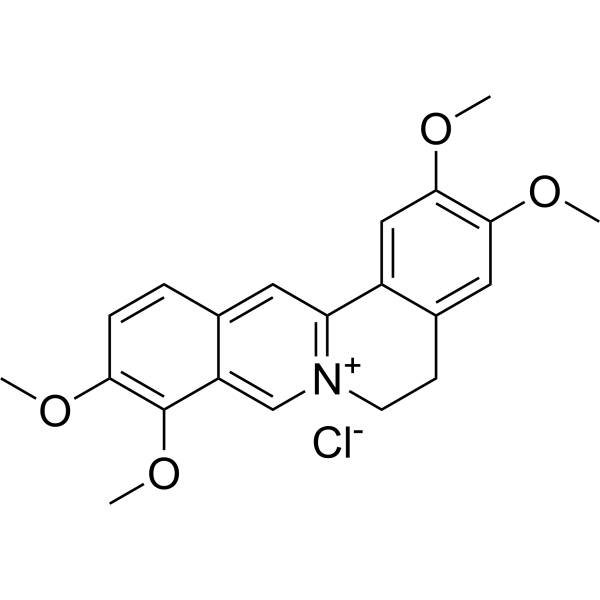
Cat. No.: HY-N0110R
CAS No.: 10605-02-4
Palmatine (chloride) (Standard) is the analytical standard of Palmatine (chloride). This product is intended for research and analytical applications. Palmatine chloride is an orally active and irreversible indoleamine 2,3-dioxygenase 1 (IDO-1) inhibitor with IC50s of 3 μM and 157μM against HEK 293-hIDO-1 and rhIDO-1, respectively. Palmatine chloride can also inhibit West Nile virus (WNV) NS2B-NS3 protease in an uncompetitive manner with an IC50 of 96 μM. Palmatine chloride shows anti-cancer, anti-oxidation, anti-inflammatory, neuroprotection, antibacterial, anti-viral activities .
loading...
    loading...
Cat. No.: HY-N15572
CAS No.: 84297-49-4
1,2,4,6-Tetra-O-galloyl-β-D-glucose is an acetylcholinesterase inhibitor with an IC50 of 1.5 μM against human targets. 1,2,4,6-Tetra-O-galloyl-β-D-glucose inhibits the aggregation of amyloid-β. 1,2,4,6-Tetra-O-galloyl-β-D-glucose exhibits anti-herpesvirus activity against both HSV-1 and HSV-2 in vitro. 1,2,4,6-Tetra-O-galloyl-β-D-glucose possesses superoxide dismutase-like antioxidant activity, and also inhibits tyrosinase and hyaluronidase. 1,2,4,6-Tetra-O-galloyl-β-D-glucose can be used in studies related to Alzheimer's disease, herpesvirus infection and antioxidation .
loading...
    loading...
Cat. No.: HY-115940
CAS No.: 1687735-82-5
Target:  

Aldose Reductase

Research Areas:  

Metabolic Disease

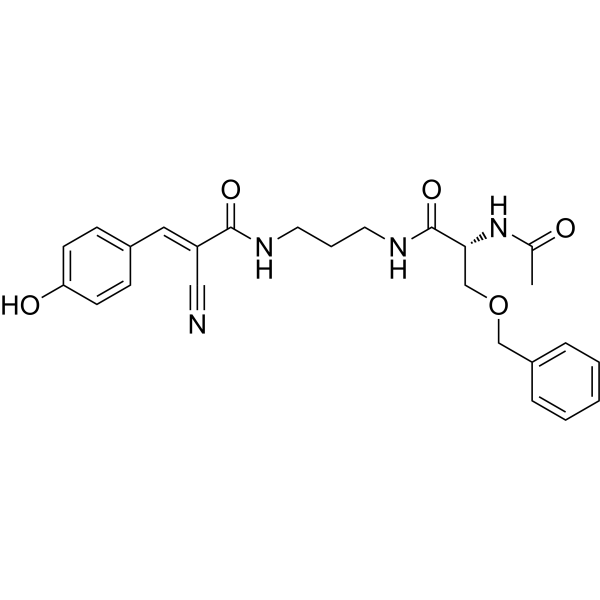
Aldose reductase-IN-2 (Compound 5f) is a potent inhibitor of aldose reductase (AR). Aldose reductase-IN-2 has antioxidation capacity. Aldose reductase-IN-2 is a promising anti-diabetic complications agent .
loading...
    loading...
Cat. No.: HY-N2628
CAS No.: 59219-76-0
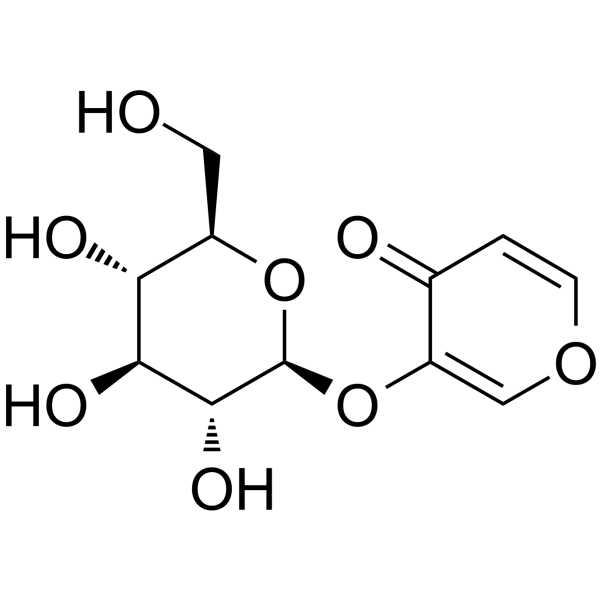
Erigeroside is as a derivatives of -glucose extracted from Satureja khuzistanica Jamzad. Erigeroside has good ability of anti-oxidation and scavenging oxidation free radical .
loading...
    loading...
Cat. No.: HY-137034
CAS No.: 53587-37-4
(+)-Secolongifolene-diol is a sesquiterpene, that can be isolated from the marine fungal Drechslera sp. (+)-Secolongifolene-diol exhibits slightly weak effectiveness in antioxidation, antimicrobial and antifouling aspects .
loading...
    loading...

