
349 Results for "

activation system

" in MedChemExpress (MCE) Product Catalog:
Products (349)

349 Results for "activation system" in MCE Product Catalog:

1
1 Cited Publications
Cat. No.: HY-N3297
CAS No.: 5875-49-0
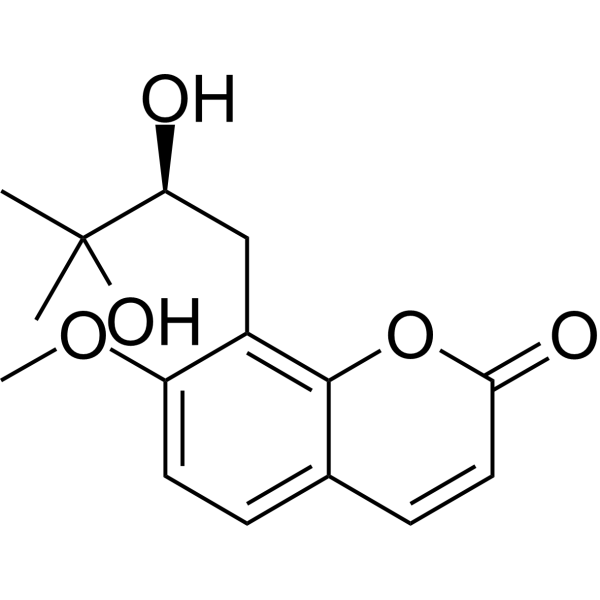
Meranzin hydrate is an orally active antidepressant and GHSR modulator. Meranzin hydrate significantly upregulates the expression levels of brain-derived neurotrophic factor and p-mTOR in the hippocampus via the ghrelin-growth hormone secretagogue receptor pathway. Meranzin hydrate regulates blood oxygen level-dependent signals in the hippocampus-thalamus-basal ganglia circuit, attenuates reward system activation, and promotes the normalization of related hormone levels. Meranzin hydrate effectively ameliorates depression-like behaviors and gastrointestinal hypomotility, and can be used in research related to depression and major depressive disorder .
loading...
    loading...
1
1 Cited Publications
Cat. No.: HY-D1056H
Synonyms: LPS, from Serratia marcescens
Lipopolysaccharides, from S. marcescens (Serratia marcescens) are lipopolysaccharide endotoxins and TLR-4 activators derived from Serratia marcescens, classified as S-type LPS, which can activate pathogen-associated molecular patterns (PAMP) of the immune system and induce cellular secretion of migrasomes. Lipopolysaccharides, from S. marcescens exhibit a typical three-part structure: O-antigen (O-antigen), core oligosaccharide (core oligosaccharide), and lipid A (Lipid A). Lipopolysaccharides, from S. marcescens induce NF-κB activation in mouse cells via Toll-like receptor (TLR4)/MD-2. The lipopolysaccharides of S. marcescens can induce apoptosis in host immune cells, thereby suppressing the host's innate immunity .
It is recommended to prepare a solution with concentration ≥2 mg/mL. Vortex thoroughly for more than 10 minutes. Due to the adsorption characteristics of LPS, silanized container or low adsorption centrifuge tubes should be used for aliquoting and storage, and mix thoroughly before use.
loading...
    loading...
1
1 Cited Publications
Cat. No.: HY-133910
CAS No.: 849000-18-6
Purity:  98.02%
Target:  

Sodium Channel

Research Areas:  

Neurological Disease

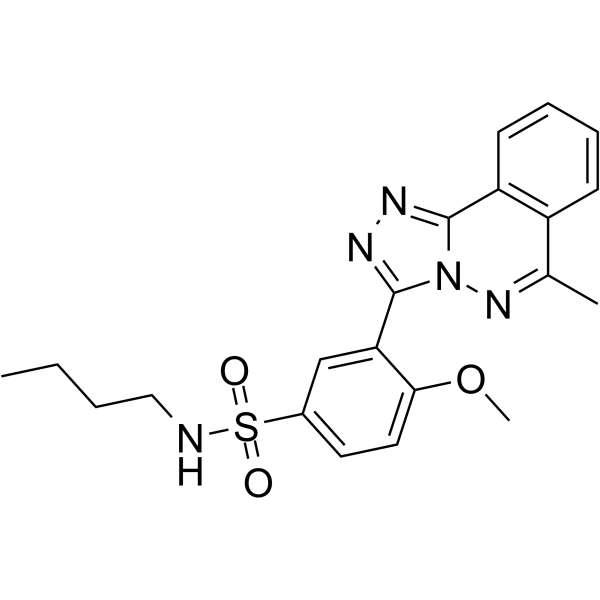
Lu AE98134, an activator of voltage-gated sodium channels, acts as a partly selective Nav1.1 channels positive modulator. Lu AE98134 also increases the activity of Nav1.2 and Nav1.5 channels but not of Nav1.4, Nav1.6 and Nav1.7 channels. Lu AE98134 can be used to analyze pathophysiological functions of the Nav1.1 channel in various central nervous system diseases, including cognitive restoring in schizophrenia, et al .
loading...
    loading...
1
1 Cited Publications
Cat. No.: HY-B0298AS
Synonyms: HS-592-d5 fumarate; Meclastine-d5 fumarate
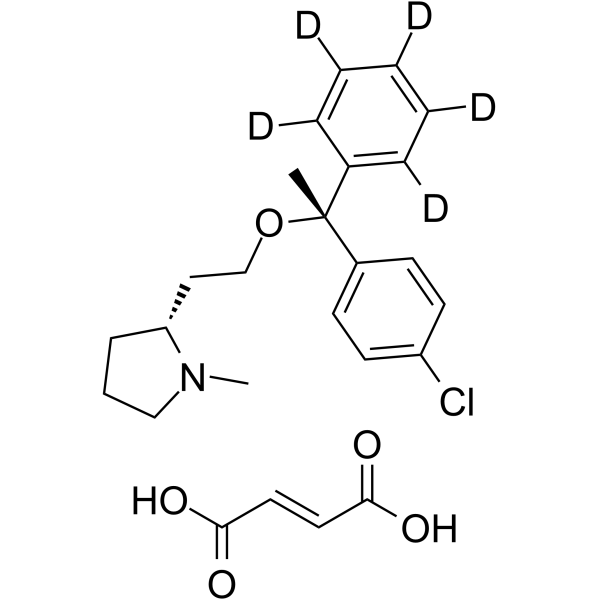
Clemastine (HS-592; Meclastine)-d5 fumarate is the deuterium labeled Clemastine fumarate. Clemastine fumarate is an orally active, blood-brain barrier-permeable H1 histamine receptor (H1 histamine receptor) antagonist with potent antiallergic effects. Clemastine fumarate also antagonizes muscarinic acetylcholine receptors (mAChR), particularly the M1 and M4 subtypes. In addition to antihistamine effects, Clemastine fumarate exhibits multiple pharmacological activities, especially in promoting central nervous system remyelination, activating autophagy and pyroptosis, exerting anti-apoptotic and neuroprotective effects, and suppressing inflammation .
loading...
    loading...
1
1 Cited Publications
Cat. No.: HY-108652
CAS No.: 1343364-54-4
Purity:  99.75%
Target:  

P2X Receptor

Research Areas:  

Inflammation/Immunology

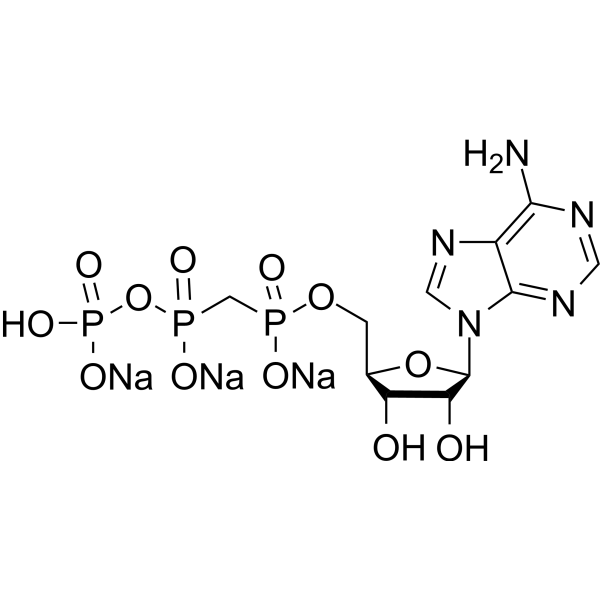
α,β-Methylene-ATP trisodium is an agonist of P2X1 and P2X3 receptors and can cross the blood-brain barrier. α,β-Methylene-ATP trisodium can trigger a reflex pressor response by activating P2X receptors in peripheral muscles and the central locus coeruleus (LC); this effect can be blocked by the P2X antagonist PPADS (HY-108960). α,β-Methylene-ATP trisodium also activates noradrenergic neurons in the central locus coeruleus, mediating antinociceptive effects; this effect can be attenuated by the locus coeruleus damaging agent DSP-4 (HY-103210/HY-121602). α,β-Methylene-ATP trisodium can be used to study the pathological mechanisms of neuropathic pain, cardiovascular reflex regulation, and antinociceptive effects of the central nervous system .
loading...
    loading...
1
1 Cited Publications
Cat. No.: HY-106901AS
Purity:  ≥96.0%
Synonyms: HI-6-d4
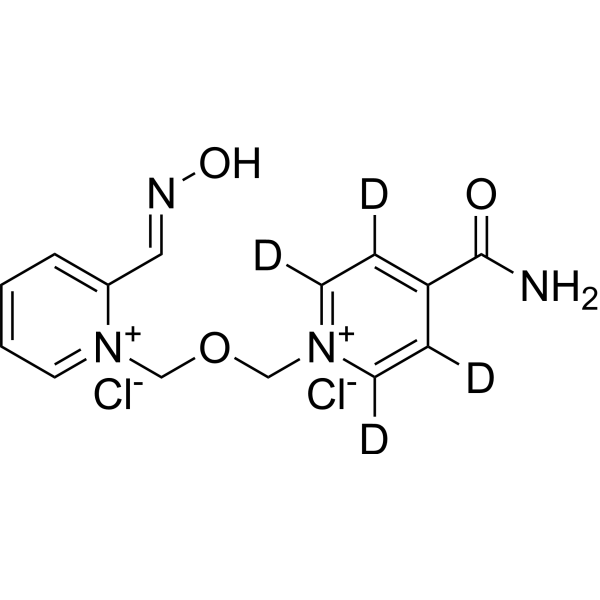
Asoxime-d4 dichloride (HI-6-d4) is the deuterium labeled Asoxime dichloride. Asoxime dichloride is an orally active thiosemicarbazone-based antidote. Asoxime dichloride is a reversible inhibitor of AChE, and its core mechanism of action is to re-activate AChE inhibited by nerve toxins, thereby restoring the cholinergic nerve function. Asoxime dichloride significantly restores the function of poisoned muscles without reactivating AChE. Asoxime dichloride is an antagonist of acetylcholine receptors (AChRs), including nicotinic receptor and α7 nAChR. Asoxime dichloride can serve as an effective immunomodulator, improving the immune effect of the nervous system.
loading...
    loading...
1
1 Cited Publications
Cat. No.: HY-W021448
CAS No.: 352-97-6
Synonyms: Guanidinoacetic acid
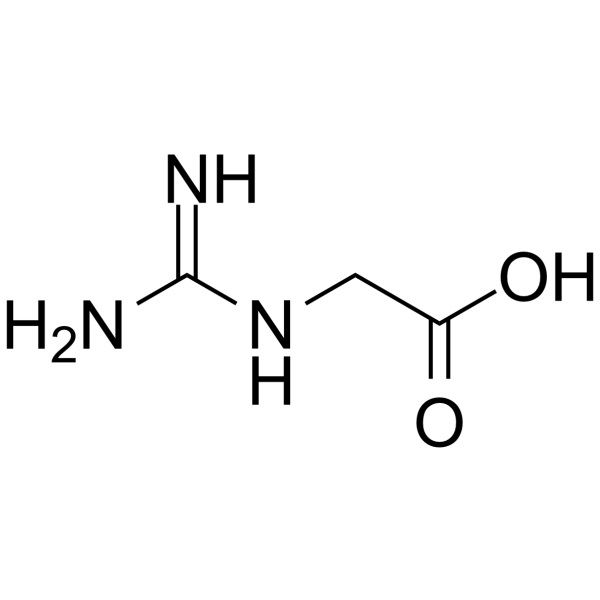
Glycocyamine (Guanidinoacetic acid) is a direct precursor of creatine and an orally active energy metabolism regulator and myogenic differentiation inducer. Glycocyamine can activate the Akt/mTOR/S6K signaling pathway via miR-133a-3p and miR-1a-3p, and stimulate the mRNA expression of myogenic differentiation factor 1 (MyoD) and myopoietin (MyoG). Glycocyamine can increase muscle creatine concentration and maintain ATP homeostasis through the creatine phosphate/creatine kinase system. Glycocyamine can be used in research on feed additives for poultry farming .
loading...
    loading...
1
1 Cited Publications
Cat. No.: HY-107581
CAS No.: 1268882-43-4
Purity:  99.68%
Target:  

GPR109A MMP

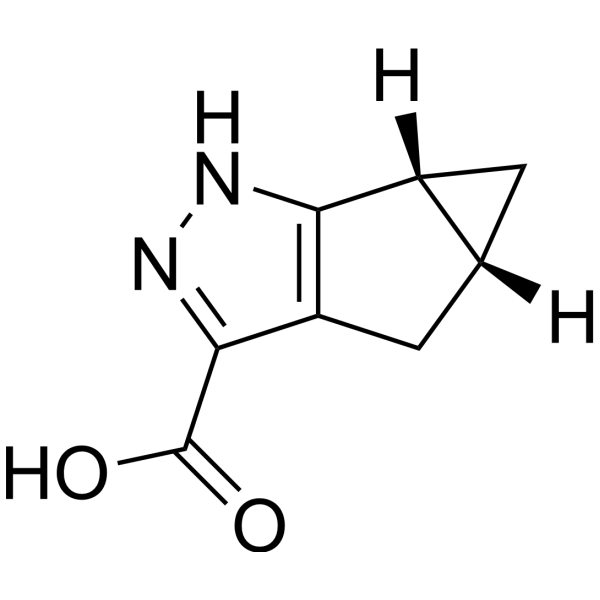
MK-1903 is an orally active full agonist of GPR109a/HCAR2, with an EC50 of 12.9 nM. MK-1903 activates antilipolytic and vasodilatory pathways, reduces plasma free fatty acid levels, and induces skin flushing. MK-1903 stimulates the expression of HCAR2 protein and regulates the inflammatory response of microglia. MK-1903 prevents the enhanced firing activity of spinal nociceptive neurons. MK-1903 triggers the release of MMP-9 and the formation of NET. MK-1903 can be used in the research of dyslipidemia and neuroinflammation-based central nervous system diseases .
loading...
    loading...
1
1 Cited Publications
Cat. No.: HY-132830
CAS No.: 1933514-13-6
Purity:  99.58%
Synonyms: KVD900
Target:  

Kallikrein

Research Areas:  

Cardiovascular Disease

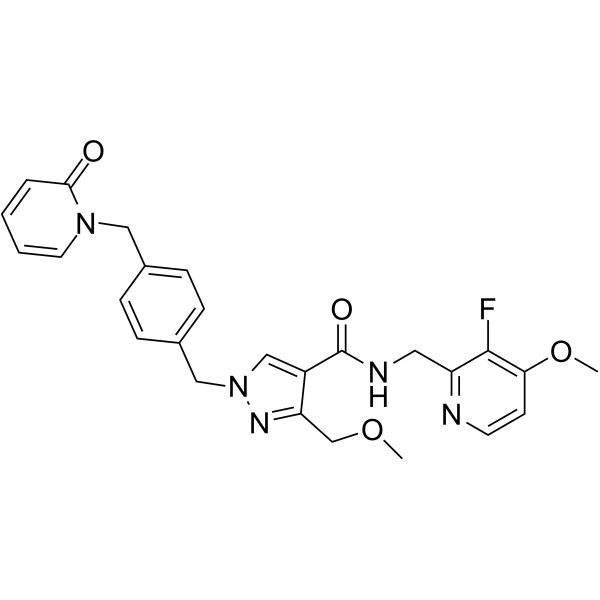
Sebetralstat (KVD900) is an orally active and selective plasma kallikrein inhibitor, with an IC50 of 6.0 nM and a Ki of 3.0 nM against the human target. Sebetralstat binds to the active site of plasma kallikrein, inducing a conformational flip of Trp215 to form a U-shaped conformation; its P1 group interacts with the S1 pocket through hydrophobic interactions and displacement of high-energy water molecules, independent of the Asp189 ionic bond. Sebetralstat inhibits plasma kallikrein-kinin system activation in whole plasma, rapidly relieves laryngeal and abdominal attack symptoms of hereditary angioedema (HAE-C1INH), and reduces attack severity. Sebetralstat can be used in research related to hereditary angioedema (HAE) .
loading...
    loading...
Cat. No.: HY-N10546
CAS No.: 37758-47-7
Ganglioside GM1 is a type of glycosphingolipid, mainly found on the cell membranes of the central nervous system of vertebrates. Ganglioside GM1 exerts neuroprotective effects by reducing excessive activation of NMDAR, activating TrkA and ERK1/2, and inhibiting oxidative stress and cell apoptosis and autophagy. Ganglioside GM1 can be used in the research of diseases such as traumatic brain injury, Parkinson's disease, Alzheimer's disease, and Huntington's disease .
loading...
    loading...
Cat. No.: HY-135013
CAS No.: 546-78-1
Purity:  99.60%
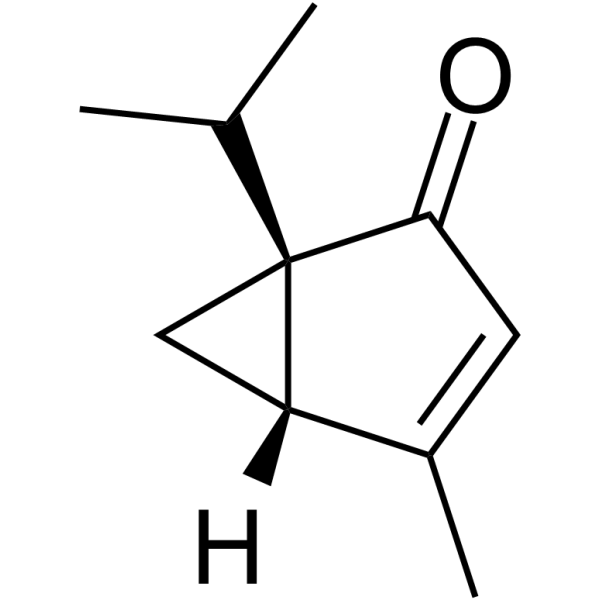
Umbellulone is an active constituent of the leaves of Umbellularia californica. Umbellulone stimulates the TRPA1 channel in a subset of peptidergic, nociceptive neurons, activating the trigeminovascular system via this mechanism .
loading...
    loading...
Cat. No.: HY-P2847
CAS No.: 330648-32-3
Target:  

CRFR

Research Areas:  

Metabolic Disease Endocrinology

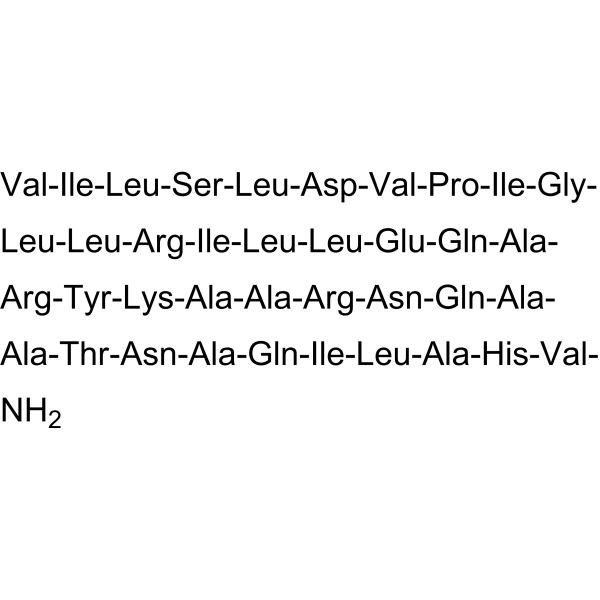
Urocortin II, mouse is a potent and selective endogenous peptide agonist of type-2 corticotropin-releasing factor (CRF2) receptor with Ki values of 0.66 nM and ﹥100 nM for CRFR2 and CRFR1, respectively. Urocortin II, mouse activates CRF2 receptors in a cAMP/PKA- and Ca 2+/CaMKII-dependent manner.Urocortin II, mouse is expressed in discrete areas of the central nervous system, and activates central neurons involved in the processing of visceral sensory information, and in modulating autonomic outflow .
loading...
    loading...
Cat. No.: HY-34431
CAS No.: 120-73-0
Synonyms: 7H-Imidazo(4,5-d)pyrimidine
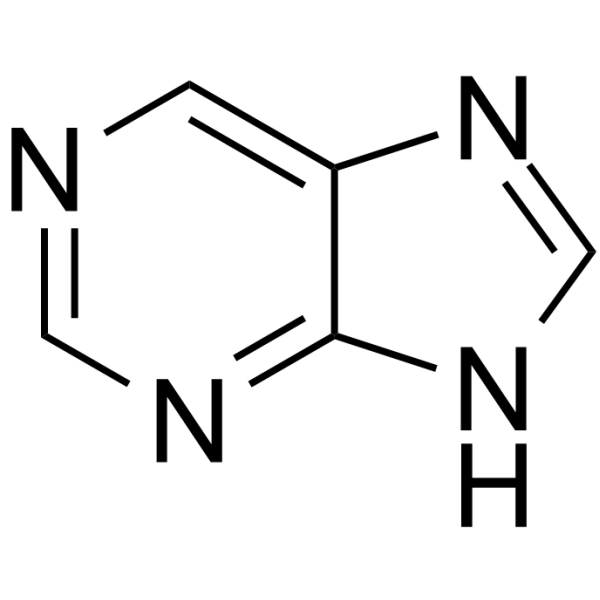
Purine is an endogenous metabolite. Purine bases are the building blocks of the nucleic acids. Purine inhibits the activation of PARP. Purine protects against oxidant-induced cell injury. Purine can be used in the research of cancer and nervous system diseases .
loading...
    loading...
Cat. No.: HY-113884B
CAS No.: 29623-28-7
Purity:  ≥99.0%
Synonyms: 13(S)-HODE
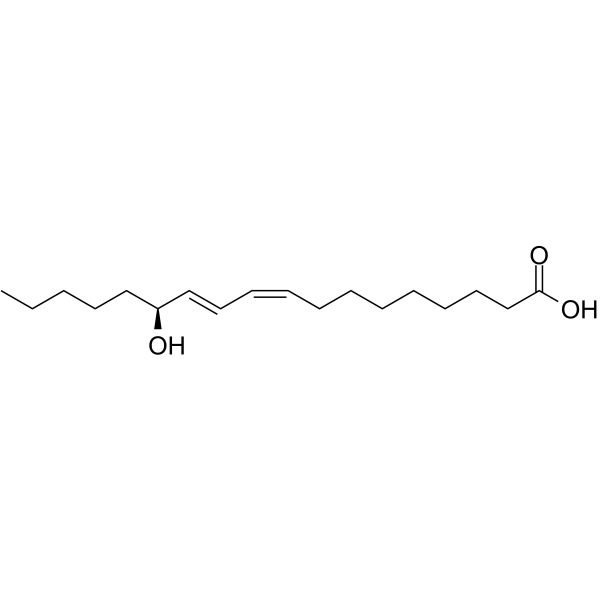
(S)-Coriolic acid (13(S)-HODE), the product of 15-lipoxygenase (15-LOX) metabolism of linoleic acid, functions as the endogenous ligand to activate PPARγ. (S)-Coriolic acid is an important intracellular signal agent and is involved in cell proliferation and differentiation in various biological systems. (S)-Coriolic acid induces mitochondrial dysfunction and airway epithelial injury .
loading...
    loading...
Cat. No.: HY-113313S1
Purity:  99.78%
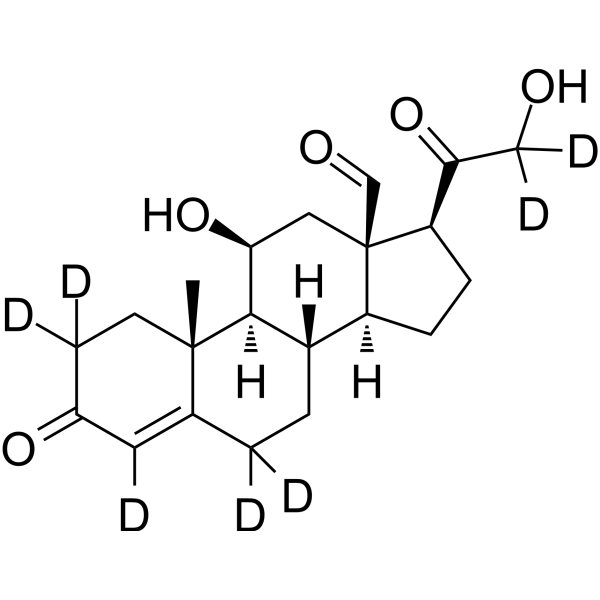
Aldosterone-d7 is the deuterium labeled Aldosterone. Aldosterone is the primary mineralocorticoid. Aldosterone is a steroid hormone, and it is synthesized and secreted in response to renin-angiotensin system activation (RAS) or high dietary potassium by the zona glomerulosa (ZG) of the adrenal cortex. Aldosterone activity is dependent by the binding and activation of the cytoplasmic/nuclear mineralocorticoid receptor (MR) at cellular level .
loading...
    loading...
Cat. No.: HY-150602
CAS No.: 2761578-18-9
Purity:  99.87%
Target:  

Proteasome

Research Areas:  

Neurological Disease

20S Proteasome activator 1 is a potent 20S proteasome activator with EC200 values of 0.3 μM, 0.7 μM and 1.8 μM for trypsin-like site, chymotrypsin-like site and caspase-like site. 20S Proteasome activator 1 translates well in a cellular system, preventing the accumulation of the pathogenic A53T mutant of α-synuclein. 20S Proteasome activator 1 can be used for researching neurodegenerative diseases .
loading...
    loading...
Cat. No.: HY-117541
CAS No.: 13115-71-4
Purity:  ≥98.0%
Synonyms: Glycyl-L-glutamine
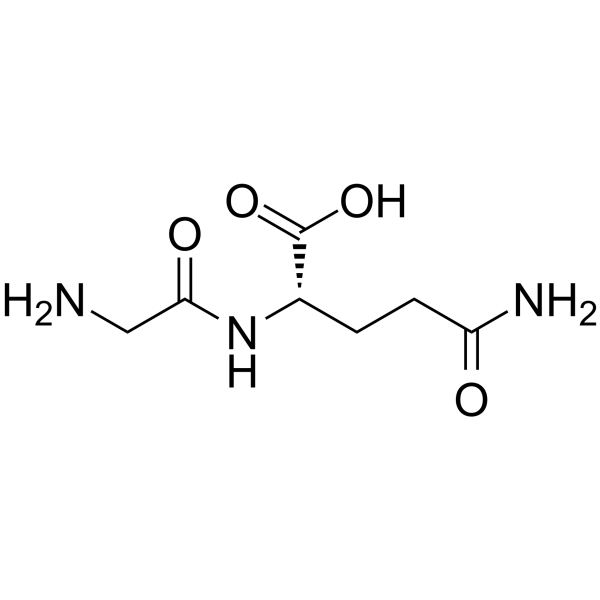
Glycyl-glutamine (Glycyl-L-glutamine), as a enzymatic cleavage product of β-endorphin, is apparently an endogenous antagonist of beta-endorphin(1-31) in several systems . Glycyl-glutamine (Glycyl-L-glutamine) is an activate and stable glutamine-containing neuropeptide over glutamine (Gln) .
loading...
    loading...
Cat. No.: HY-B1435
CAS No.: 964-52-3
Synonyms: Thymoxamine hydrochloride
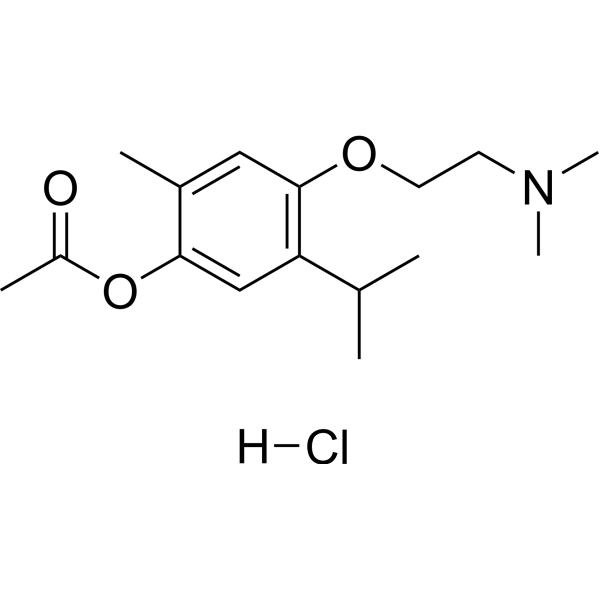
Moxisylyte (Thymoxamine) hydrochloride is a selective α1A-adrenergic receptor antagonist. Moxisylyte hydrochloride competitively antagonizes the activation mediated by norepinephrine. Moxisylyte hydrochloride relaxes penile cavernous smooth muscle and aids erectile function. Moxisylyte hydrochloride is applicable to research related to erectile dysfunction and multiple system atrophy .
loading...
    loading...
Cat. No.: HY-160719
NHS-activated 2-octynoic acid-BSA is an immunogen used to establish a mouse model of primary biliary cholangitis (PBC). When used in combination with Complete Freund's Adjuvant (HY-153808), NHS-activated 2-octynoic acid-BSA stimulates the body's immune system, which recognizes it as a foreign antigen and triggers an immune response against autologous biliary epithelial cells. This leads to the production of anti-PDC-E2 antibodies, causing bile duct damage and inflammation. NHS-activated 2-octynoic acid-BSA is promising for use in primary biliary cholangitis research .
loading...
    loading...
Cat. No.: HY-176949
CAS No.: 3092076-19-9
Target:  

STAT

Research Areas:  

Inflammation/Immunology

STAT6-IN-10 is a STAT6 (signal transducer and activator of transcription 6) inhibitor with an EC50 of 2 nM. STAT6-IN-10 can inhibit the secretion of CCL17 in human peripheral whole blood. STAT6-IN-10 can be used in the research of dermatological and respiratory system diseases .
loading...
    loading...

