129 Results for "

Stat-1

" in MedChemExpress (MCE) Product Catalog:
Products (129)

129 Results for "Stat-1" in MCE Product Catalog:

  • Isoforms Recommended:
  • Targets Recommended:
Cat. No.: HY-178913
CAS No.: 2734918-75-1
Target:  

JAK STAT

Research Areas:  

Inflammation/Immunology

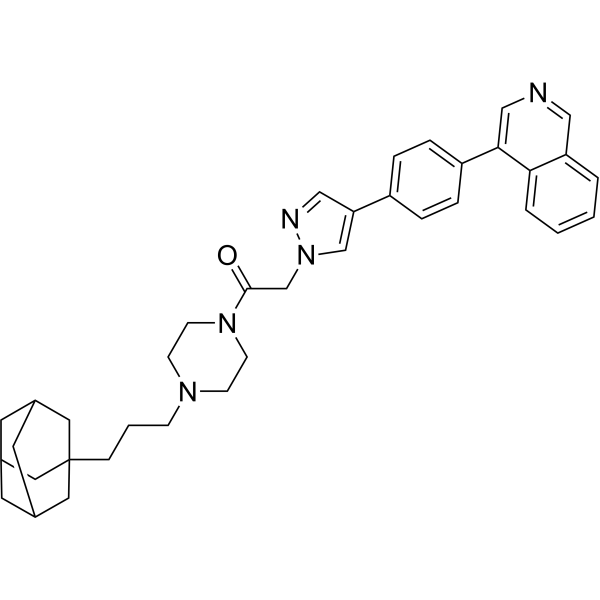
Tyk2-IN-23 is a potent, orally active, selective TYK2 inhibitor (IC50 = 18 nM), exhibiting more than > 70-fold selectivity over JAK1/2/3 isoforms. Tyk2-IN-23 potently inhibits p-STAT3 in TYK2-dependent signaling activated by IFN-α and IL-10. Tyk2-IN-23 potently inhibits IFN-α-induced STAT1 phosphorylation in H9 cells. Tyk2-IN-23 can be used for the study of alopecia areata and allergic Rhinitis [1].
loading...
    loading...
Cat. No.: HY-N17963
CAS No.: 229483-41-4
Cappariloside A is a larvicide that exhibits larvicidal activity against Aedes aegypti larvae and reduces larval glutathione-S-transferase activity. Cappariloside A also possesses antiviral activity, decreases the level of phosphorylated STAT1 in cells, inhibits the replication of influenza viruses H1N1, H3N2, PIV3 and ADV, and downregulates the expression of IL-6, IP-10, MIG, RANTES/CCL-5, IFN-β and IL-29. Cappariloside A suppresses the inflammatory response induced by mouse lung-adapted influenza virus strains. Cappariloside A can be used in studies related to larvicidal applications and influenza virus infection [1] .
loading...
    loading...
Cat. No.: HY-183554
Fa-Au is a TrxR inhibitor. Fa-Au downregulates GPX4, induces oxidative stress, mitochondria-associated ferroptosis (ferroptosis) and immunogenic cell death. Fa-Au induces ROS production in hepatoma cells. Fa-Au remodels the tumor immune microenvironment via M1 macrophage polarization, dendritic cell maturation, CD8+ T cell activation and reduction of regulatory T cells. Fa-Au induces an anti-tumor immune feedback loop through the IFNγ/STAT1/SLC7A11 axis. Fa-Au inhibits tumor growth. Fa-Au is applicable to hepatocellular carcinoma-related research [1].
loading...
    loading...
Cat. No.: HY-187035
CAS No.: 868066-26-6
Target:  

CDK STAT

Research Areas:  

Cancer

SNX631 is an orally active and selective CDK8/CDK19 inhibitor. SNX631 reduces the phosphorylation of STAT1/STAT3 S727, and upregulates miR-21-5p, miR-21-3p and miR-221 in cancer cells. SNX631 transcription-independently inhibits meiotic resumption in mouse oocytes, blocks nuclear envelope breakdown, first polar body extrusion and mitochondrial expansion and aggregation, with no cytotoxicity. SNX631, in combination with Lapatinib (HY-50898) or Trastuzumab (HY-P9907), synergistically inhibits cancer cell growth, upregulates the tumor suppressor BTG2, prevents Lapatinib-induced upregulation of oncogenic miRNAs, overcomes drug resistance, reduces the infiltration of αSMA+ stromal fibroblasts and ARG1+ M2 macrophages, and exhibits favorable biosafety. SNX631 can be used in studies related to HER2-positive breast cancer and cancer [1] .
loading...
    loading...
Cat. No.: HY-111152R
CAS No.: 912798-42-6
Research Areas:  

Cancer

ML115 (Standard) is the analytical standard of ML115 (HY-111152). This product is intended for research and analytical applications. ML115, a molecular probe of the signal transducer, is a selective STAT3 agonist, with an EC50 of 2 nM. ML115 increases the expression of BCL3, a known STAT3-dependent oncogene. ML115 is inactive against the related STAT1, STAT5 and NF-κB anti-targets. ML115 counteracts the effects of Ginsenoside Rc (HY-N0042) on cell viability and inflammatory responses in LPS (HY-D1056)-stimulated H9c2 and RAW264.7 cells, while altering oxidative stress markers. ML115 can be used for the study of breast and prostate cancers [1] .
loading...
    loading...
Cat. No.: HY-111388AR
CAS No.: 2443816-41-7
Synonyms: SEL120-34A monohydrochloride (Standard)
Target:  

Reference Standards CDK

Research Areas:  

Cancer

Romaciclib monohydrochloride (Standard) is the analytical standard of Romaciclib (monohydrochloride) (HY-111388A). This product is intended for research and analytical applications. SEL120-34A monohydrochloride is an ATP-competitive and selective CDK8 inhibitor, inhibits Kinase activities of CDK8/CycC and CDK19/CycC complexes with IC50s of 4.4 nM and 10.4 nM, respectively, with a Kd of 3 nM for CDK8. SEL120-34A monohydrochloride weakly inhibits CDK9 (calculated IC50=1070 nM), but shows no obvious activity against CDK1, 2, 4, 6, 5, 7. SEL120-34A monohydrochloride inhibits phosphorylation of STAT1 S727 and STAT5 S726 [1]. Has anti-tumor activity [1].
loading...
    loading...
Cat. No.: HY-149209
CAS No.: 3034487-84-5
Purity:  99.76%
Research Areas:  

Metabolic Disease Cancer

LL-K8-22 is a dual degrader of CDK8 and cyclin C HyT, with DC50 values of 2.52 μM and 2.64 μM, respectively. LL-K8-22 inhibits phosphorylation of STAT1 Ser 727, phosphorylation of the C-terminal domain Ser 2/5 of RNA polymerase II, and phosphorylation of Rb. LL-K8-22 represses E2F- and MYC-driven transcriptional programs and exhibits antiproliferative effects. LL-K8-22 synchronously induces proteasome-dependent selective degradation of CDK8 and cyclin C without degrading CDK19, other CDK family members, or other cyclins. LL-K8-22 can be used in the research of triple-negative breast cancer and colon cancer [1].
loading...
    loading...
Cat. No.: HY-173679
CAS No.: 2569517-30-0
Research Areas:  

Infection Cancer

RBN012811 is a highly selective PROTAC-based PARP14 degrader. RBN012811 forms a ternary complex with cereblon by binding to the NAD + site of PARP14, and mediates the specific degradation of PARP14 via the ubiquitin-proteasome pathway (IC50=10 nM). RBN012811 effectively depletes endogenous PARP14 in various cell lines and primary human macrophages, thereby downregulating IL-10 production and IFN-β mRNA levels, increasing phosphorylated STAT1 levels to enhance inflammatory signaling, and inhibiting interferon-induced ADPr condensate formation. RBN012811 also modulates viral replication, exhibiting increased HSV1 replication while reducing VSV replication. RBN012811 has important application value in research related to cancer and viral infections [1] .
loading...
    loading...
Cat. No.: HY-17663
CAS No.: 2992741-10-1
Target:  

PARP STAT STING IFNAR

Research Areas:  

Cancer

KMR-206 is a PARP7 inhibitor with an IC50 of 13.7 nM. KMR-206 relieves AHR-mediated transcriptional repression and enhances CYP1A1 expression in the presence of TCDD. KMR-206 induces the STING-dependent IFN-β signaling pathway and increases the levels of STAT1, pSTAT1 and nuclear PARP7 in cancer cells. KMR-206 reduces the viability of lung adenocarcinoma cells, enhances radiation-induced immunogenic signals, and induces the production of immunogenic signals in glioblastoma cancer stem cells. KMR-206 destabilizes FRA1 to increase IRF1 levels and promotes the IRF3-CBP/p300 interaction. KMR-206 can be used in studies related to lung adenocarcinoma and glioblastoma [1] .
loading...
    loading...
Cat. No.: HY-181691
Target:  

JAK Influenza Virus

Research Areas:  

Infection

JAK2-IN-20 is an orally active dual inhibitor targeting JAK2 kinase (IC50=49.17 nM) and influenza A virus PB2 protein (IC50=3.337 μM, Kd=2.82 μM). JAK2-IN-20 effectively blocks the JAK/STAT signaling pathway by reducing the phosphorylation levels of STAT1 and STAT3, thereby inhibiting viral replication and downregulating the expression of viral NP and PB2 proteins. In addition, JAK2-IN-20 significantly inhibits the mRNA expression of key inflammatory cytokines such as IL-6, TNF-α and IFN-β in inflammation and influenza infection models. JAK2-IN-20 serves as an important tool molecule for the study of influenza A virus infection and related pathologies [1].
loading...
    loading...
Cat. No.: HY-P1758
CAS No.: 153840-64-3
Synonyms: IRRP1
Target:  

IFNAR STAT Influenza Virus

Research Areas:  

Infection

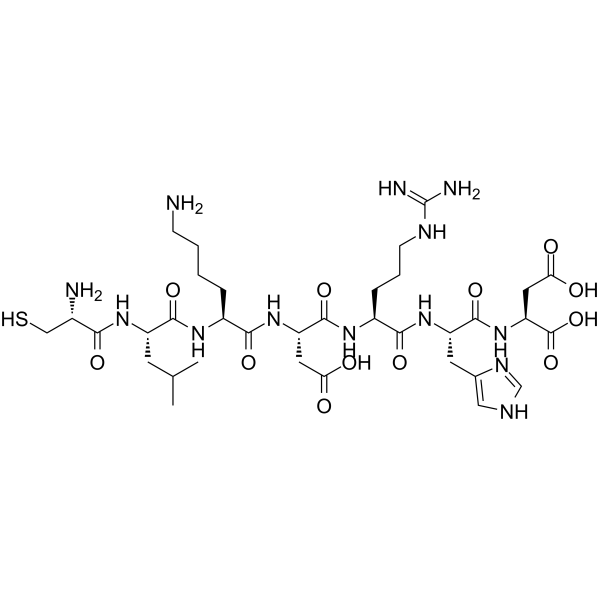
IFN-α Receptor Recognition Peptide 1 (IRRP1) is an amino acid synthetic peptide and also a regulator of IFN-α Receptor. IFN-α Receptor Recognition Peptide 1 binds to IFNAR2, enhances the binding capacity of IFN-α receptor, and slightly increases the IFN-α-induced growth inhibitory activity. IFN-α Receptor Recognition Peptide 1 inhibits IFN-α-induced STAT1 phosphorylation and STAT-DNA binding by blocking the activation of IFNAR by IFN-α. IFN-α Receptor Recognition Peptide 1 increases the occupancy of IFN-α on cell surface receptors, enhances the phosphorylation activation of ISGF3, and elevates IFN-α-induced antiviral activity. IFN-α Receptor Recognition Peptide 1 can be used in studies related to encephalomyocarditis virus infection [1] .
loading...
    loading...
Cat. No.: HY-P1758A
Synonyms: IRRP1 acetate
Target:  

IFNAR STAT Influenza Virus

Research Areas:  

Infection

IFN-α Receptor Recognition Peptide 1 acetate (IRRP1 acetate) is an amino acid synthetic peptide and also a regulator of IFN-α Receptor. IFN-α Receptor Recognition Peptide 1 acetate binds to IFNAR2, enhances the binding capacity of IFN-α receptor, and slightly increases the IFN-α-induced growth inhibitory activity. IFN-α Receptor Recognition Peptide 1 acetate inhibits IFN-α-induced STAT1 phosphorylation and STAT-DNA binding by blocking the activation of IFNAR by IFN-α. IFN-α Receptor Recognition Peptide 1 acetate increases the occupancy of IFN-α on cell surface receptors, enhances the phosphorylation activation of ISGF3, and elevates IFN-α-induced antiviral activity. IFN-α Receptor Recognition Peptide 1 acetate can be used in studies related to encephalomyocarditis virus infection [1] .
loading...
    loading...
Cat. No.: HY-N19899
CAS No.: 910050-51-0
Phaeosphaeride A is a STAT3 inhibitor with an IC50 of 0.61 mM against human STAT3. It exhibits higher selectivity for STAT3 over STAT1 and STAT5. Phaeosphaeride A inhibits the binding of STAT3 to DNA, STAT3-dependent transcriptional activity, as well as IL-6-induced phosphorylation and signaling of STAT3. Phaeosphaeride A activates the JNK, p38, Akt, CREB and STAT5A/B signaling pathways. Phaeosphaeride A induces oxidative stress (ROS), exerts antiproliferative and growth-inhibitory effects in cancer cells, and shows low cytotoxicity toward non-cancerous cells. Phaeosphaeride A is a phytotoxin and a weak animal toxin, with no antimicrobial activity against tested bacteria and fungi. Phaeosphaeride A can be used in research related to conditions such as cervical cancer and multiple myeloma, as well as weed infestations [1] .
loading...
    loading...
Cat. No.: HY-N3963
CAS No.: 82425-45-4
Synonyms: (+)-Gomisin M2
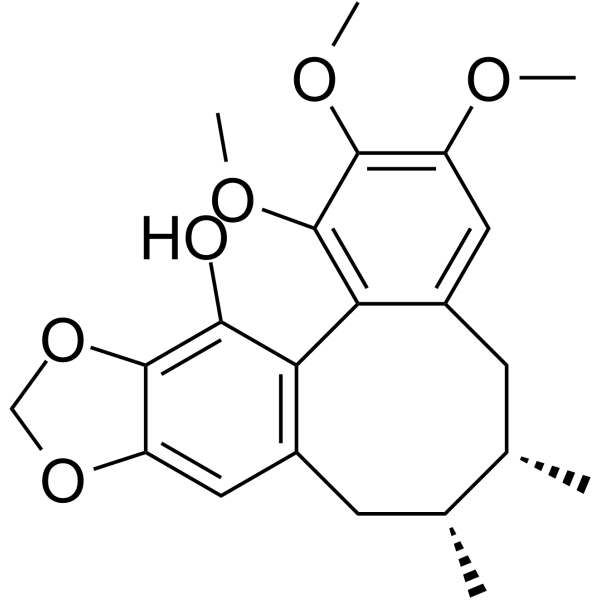
Gomisin M2 ((+)-Gomisin M2) is a lignan isolated from the fruits of Schisandra chinensis with oral availability. Gomisin M2 inhibits STAT1 phosphorylation as well as NF-κB p65 phosphorylation and nuclear translocation. Gomisin M2 reduces inflammatory cell infiltration, cytokine and chemokine expression, and serum IgE and IgG2a levels. Gomisin M2 inhibits MAPK phosphorylation, IκBα degradation, and NF-κB nuclear translocation in keratinocytes. Gomisin M2 induces apoptosis, mitochondrial membrane potential disruption, and cytochrome c release, and inhibits DNA synthesis and mammosphere formation through downregulation of Wnt/β-catenin. Gomisin M2 can be used for research on atopic dermatitis, psoriasis, breast cancer, liver injury, and multidrug-resistant mammary adenocarcinoma [1] .
loading...
    loading...
Cat. No.: HY-W031757R
CAS No.: 117-78-2
Anthraquinone-2-carboxylic acid (Standard) is the analytical standard of Anthraquinone-2-carboxylic acid (HY-W031757). This product is intended for research and analytical applications. Anthraquinone-2-carboxylic acid is an orally active anthraquinone compound and Antibacterial agent. Anthraquinone-2-carboxylic acid can be isolated from Bajitian. Anthraquinone-2-carboxylic acid inhibits the activation of DPP-IV, COX-2, NF-κB and AP-1. Anthraquinone-2-carboxylic acid blocks IAV-induced activation of the RIG-I/STAT1 pathway, alleviates IAV-mediated weight loss, and protects against lethal IAV infection. Anthraquinone-2-carboxylic acid inhibits the growth of various Staphylococcus strains. It possesses potent anti-inflammatory, immunomodulatory, analgesic and antibacterial activities [1] .\n


loading...
    loading...
Cat. No.: HY-13571AR
CAS No.: 5534-09-8
Synonyms: Beclomethasone dipropionate (Standard)
Beclometasone dipropionate (Standard) is the analytical standard of Beclometasone dipropionate. This product is intended for research and analytical applications. Beclometasone dipropionate, the proagent of Beclometasone, is an orally active and potent glucocorticoid recepter agonist. Beclometasone dipropionate acts via a glucocorticoid receptor and suppresses inflammation and hyperproliferation. Beclometasone dipropionate can be used for asthma [1] .
loading...
    loading...
Cat. No.: HY-13571B
CAS No.: 77011-63-3
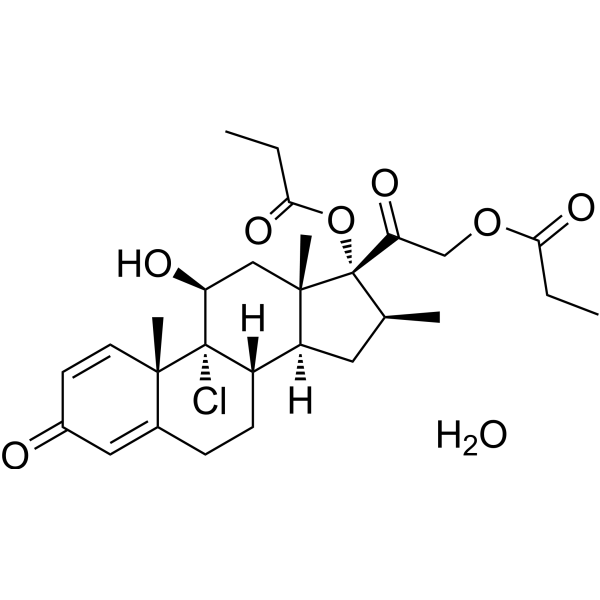
Beclometasone dipropionate monohydrate, the proagent of Beclometasone, is an orally active and potent glucocorticoid recepter agonist. Beclometasone dipropionate monohydrate acts via a glucocorticoid receptor and suppresses inflammation and hyperproliferation. Beclometasone dipropionate monohydrate can be used for asthma [1] .
loading...
    loading...
Cat. No.: HY-15136B
CAS No.: 193275-86-4
Synonyms: Sch66336 racemate
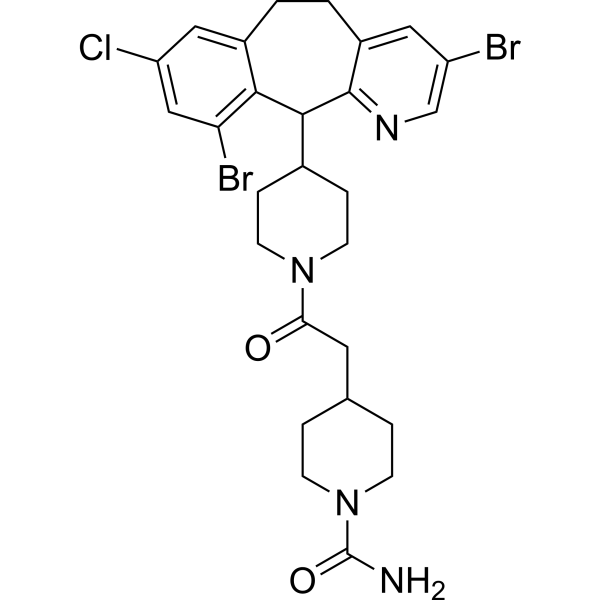
(Rac)-Lonafarnib (Sch66336 racemate) is an isomer of Lonafarnib (HY-15136). Lonafarnib (Sch66336) is an orally active, blood-brain barrier penetrant farnesyltransferase (FPTase) inhibitor. Lonafarnib increases the phosphorylation levels of Akt, CaMKII and CREB, upregulates BDNF expression in the hippocampus, elevates the content of α7nAChR on cell membranes, and blocks the isoprenylation of H-Ras. Lonafarnib repairs synapses and reverses spatial memory deficits in Aβ1-42 model mice. Lonafarnib inhibits RSV fusion and replication, and alleviates virus-induced lung injury. Lonafarnib activates the lysosomal and autophagic pathways, and reduces the phosphorylation and aggregation of tau. Lonafarnib acts synergistically with Sorafenib (HY-10201) to promote apoptosis, and inhibits the proliferation and invasion of melanoma cells. Lonafarnib inhibits the farnesylation of progerin, repairs nuclear membrane defects, and activates the cGAS-STING-STAT1 signaling pathway. Lonafarnib can be used in research related to diseases including Alzheimer's disease, viral infections, melanoma, and progeria [1] .
loading...
    loading...
Cat. No.: HY-L008
738 compounds

The Janus kinase (JAK)/signal transducer and activator of transcription (STAT) pathway is central to signaling by cytokine receptors, a superfamily of more than 30 transmembrane proteins that recognize specific cytokines, and is critical in blood formation and immune response. Canonical JAK/STAT signaling begins with the association of cytokines and their corresponding transmembrane receptors. Activated JAKs then phosphorylate latent STAT monomers, leading to dimerization, nuclear translocation, and DNA binding. In mammals, there are four JAKs (JAK1, JAK2, JAK3, TYK2) and seven STATs (STAT1, STAT2, STAT3, STAT4, STAT5a, STAT5b, STAT6). Since the JAK/STAT pathway plays a major role in many fundamental processes, such as apoptosis and inflammation, dysfunctional proteins in the pathway may lead to a number of diseases. For example, alterations in JAK/STAT signalling can result in cancer and diseases affecting the immune system, such as severe combined immunodeficiency disorder (SCID).

MCE provides 738 compounds that can be used in the study of the JAK/STAT signaling pathway and related diseases.

Cat. No.: HY-142026
CAS No.: 142449-89-6
Synonyms: (+)-Vitisin A
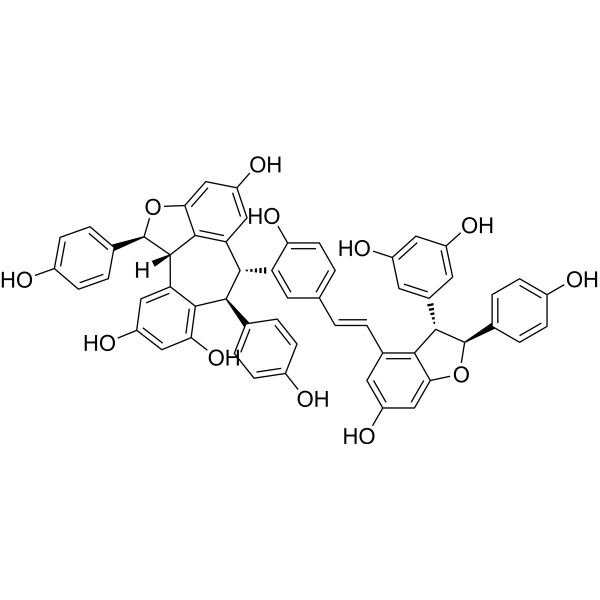
Vitisin A ((+)-Vitisin A) is an orally active natural product with multiple pharmacological activities including anti-inflammatory, anti-tumor, anti-oxidant, anti-pathogenic microorganism, hypoglycemic and lipid-regulating, anti-osteoporotic, neuroprotective and cardiovascular protective effects. Vitisin A exhibits inhibitory effects on human AChE and MAO-B with IC50 values of 1.29 µM and 4.94 µM, respectively. Vitisin A inhibits the ERK, MAPK, NF-κB, STAT1, HMGCR and TRAF6 pathways, downregulates the related phosphorylation and protein expression, while activates the Nrf2/HO-1 pathway and upregulates p21 expression. Vitisin A induces tumor cell apoptosis and cell cycle arrest, inhibits adipogenesis and lipid accumulation, while alleviates oxidative stress, suppresses inflammatory responses, blocks hepatic fibrosis, Cuproptosis and cholesterol synthesis, and increases the expression levels of central BDNF and TrkB. Vitisin A can be used in the research of tumors, infectious diseases, metabolic diseases, bone and joint diseases, liver diseases, skin injuries, as well as neurodegenerative and cognitive dysfunction-related diseases [1] .
loading...
    loading...

