1. Search Result
Search Result
Results for "

ATP metabolism

" in MedChemExpress (MCE) Product Catalog:

105

Inhibitors & Agonists

6

Screening Libraries

8

Biochemical Assay Reagents

23

Natural
Products

33

Isotope-Labeled Compounds

6

Oligonucleotides

Cat. No. Product Name Target Research Areas Chemical Structure
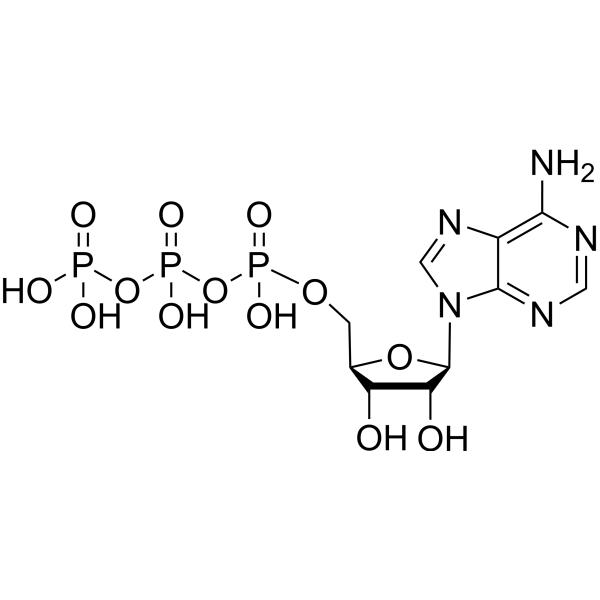
  • HY-B2176
    ATP
    Maximum Cited Publications
    152 Publications Verification

    Adenosine 5'-triphosphate

    Endogenous Metabolite NOD-like Receptor (NLR) Interleukin Related Bacterial Infection Metabolic Disease Inflammation/Immunology
    ATP (Adenosine 5'-triphosphate) is a central component of energy storage and metabolism in vivo. ATP provides the metabolic energy to drive metabolic pumps and serves as a coenzyme in cells. ATP is an important endogenous signaling molecule in immunity and inflammation. ATP can activate the NLRP3 inflammasome and induce IL-1β and chemokines secretion. ATP has anti-bacterial infection effects and can protect mice against bacterial infection in mice .
    ATP
  • HY-N0305

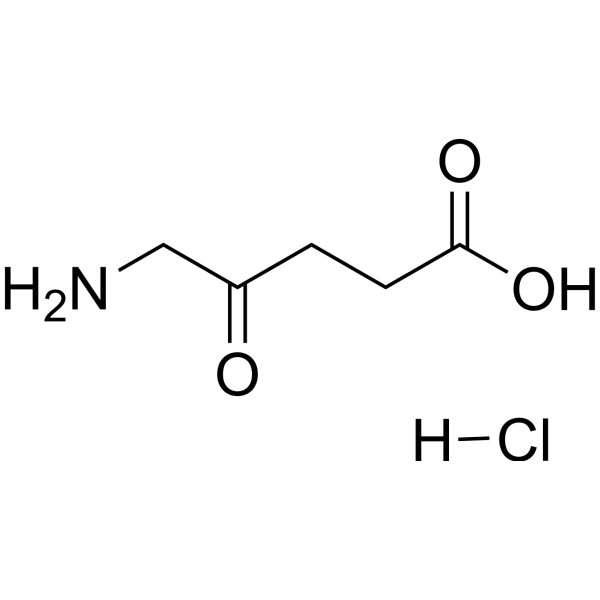
    5-ALA hydrochloride; δ-Aminolevulinic acid hydrochloride; 5-Amino-4-oxopentanoic acid hydrochloride

    Reactive Oxygen Species (ROS) Neurological Disease Metabolic Disease Inflammation/Immunology Cancer
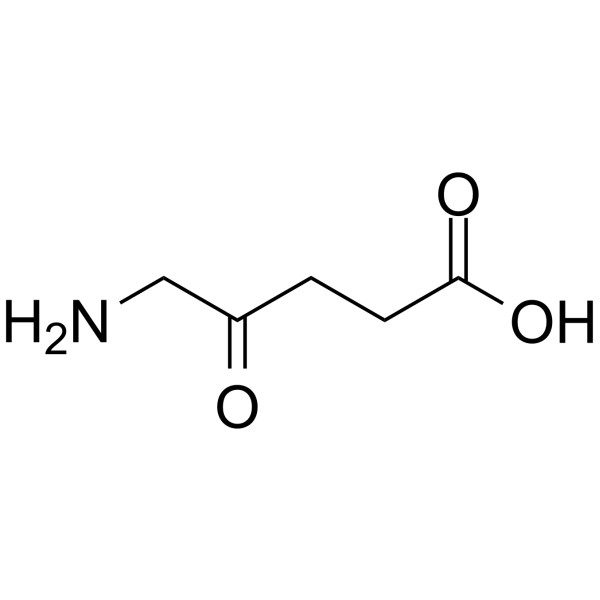
    5-Aminolevulinic acid (5-ALA; δ-Aminolevulinic acid; 5-Amino-4-oxopentanoic acid) hydrochloride is an orally active heme precursor. 5-Aminolevulinic acid hydrochloride promotes aerobic energy metabolism and increases ATP levels by enhancing the activity of cytochrome c oxidase. 5-Aminolevulinic acid hydrochloride enhances LPS-induced proinflammatory cytokine production and gene activation, and restores the phagocytic activity and ROS generation capacity of neutrophils. 5-Aminolevulinic acid hydrochloride selectively accumulates protoporphyrin IX in tumor cells; as a photosensitizer and radiosensitizer, it induces ROS burst upon light or X-ray irradiation to inhibit tumor growth. 5-Aminolevulinic acid hydrochloride can be applied to the research of septic shock, melanoma, and cancer radiotherapy .
    5-Aminolevulinic acid hydrochloride
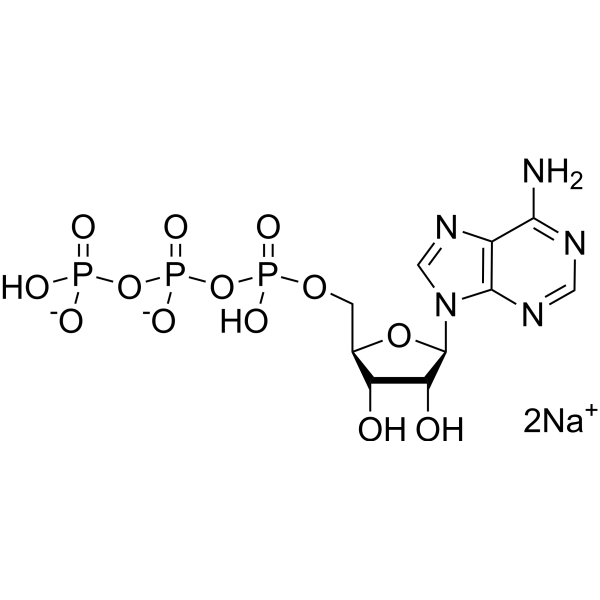
  • HY-B0345A
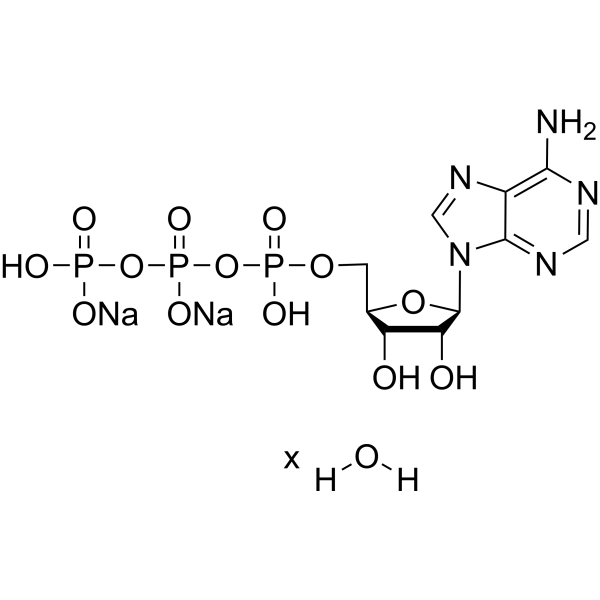
    ATP disodium salt
    145+ Cited Publications

    Adenosine 5'-triphosphate disodium salt; Disodium adenosine triphosphate

    Endogenous Metabolite Metabolic Disease Inflammation/Immunology Cancer
    ATP disodium salt (Adenosine 5'-triphosphate disodium salt) is a central component of energy storage and metabolism in vivo, provides the metabolic energy to drive metabolic pumps and serves as a coenzyme in cells. ATP disodium salt is an important endogenous signaling molecule in immunity and inflammation .
    ATP disodium salt
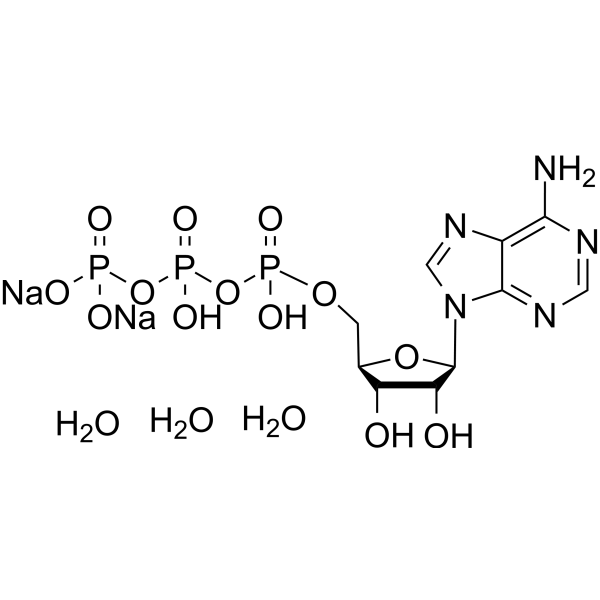
  • HY-B2176A
    ATP disodium trihydrate
    Maximum Cited Publications
    152 Publications Verification

    Adenosine-5'-triphosphate disodium trihydrate

    Endogenous Metabolite Metabolic Disease Inflammation/Immunology Cancer
    ATP disodium trihydrate (Adenosine 5'-triphosphate disodium trihydrate) is a central component of energy storage and metabolism in vivo. ATP disodium trihydrate provides the metabolic energy to drive metabolic pumps and serves as a coenzyme in cells. ATP disodium trihydrate is an important endogenous signaling molecule in immunity and inflammation .
    ATP disodium trihydrate
  • HY-128933
    AMP-PNP tetralithium
    3 Publications Verification

    Adenylyl-imidodiphosphate tetralithium

    Potassium Channel Metabolic Disease
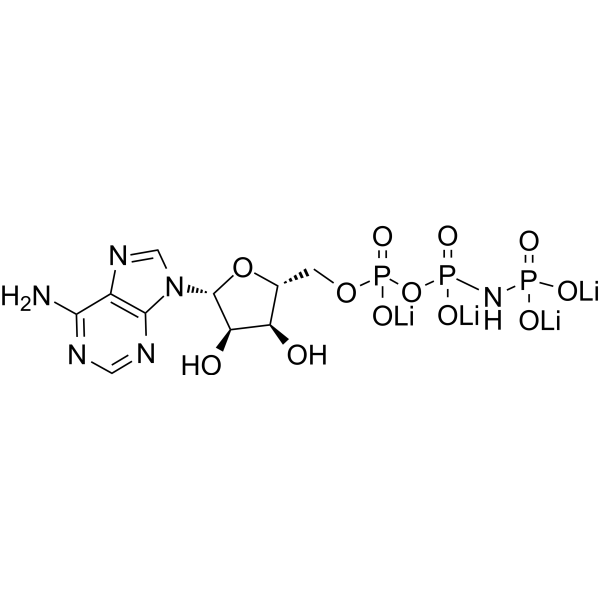
    AMP-PNP (Adenylyl-imidodiphosphate) tetralithium is a non-hydrolyzable ATP analog. AMP-PNP tetralithium binds to ATP binding sites competely but is not hydrolyzed by enzymes, providing stable experimental conditions for studying ATP-dependent processes. AMP-PNP tetralithium can also be used to study enzyme activity, kinase regulation, DNA/RNA metabolism, ion channel function, and protein complex assembly .
    AMP-PNP tetralithium
  • HY-119976
    Boscalid
    1 Publications Verification

    Environmental Pollutants Apoptosis Fungal Mitochondrial Metabolism Succinate Dehydrogenase Infection
    Boscalid is a succinate dehydrogenase (SDHI) inhibitor with antifungal activity. Boscalid binds to the ubiquinone-binding site of fungal mitochondrial complex II, blocks ATP production and aerobic respiration, exhibits good control efficacy against a variety of plant fungal diseases including gray mold, sclerotinia rot and powdery mildew, and is widely used for disease control in agriculture. Boscalid induces apoptosis, altered lipid metabolism, mitochondrial dysfunction, respiratory impairment, oxidative stress, ROS accumulation and neurodevelopmental disorders in zebrafish. Boscalid reduces foraging ability, shortens median death time and causes chronic toxicity in exposed honeybees. Boscalid also possesses genotoxicity, cytotoxicity, elevated mitochondrial superoxide levels and early-stage apoptosis .
    Boscalid
  • HY-W000450
    5-Aminolevulinic acid
    15+ Cited Publications

    5-ALA; δ-Aminolevulinic acid; 5-Amino-4-oxopentanoic acid

    Reactive Oxygen Species (ROS) Cardiovascular Disease Cancer
    5-Aminolevulinic acid (5-ALA; δ-Aminolevulinic acid; 5-Amino-4-oxopentanoic acid) is an orally active heme precursor. 5-Aminolevulinic acid promotes aerobic energy metabolism and increases ATP levels by enhancing the activity of cytochrome c oxidase. 5-Aminolevulinic acid enhances LPS-induced proinflammatory cytokine production and gene activation, and restores the phagocytic activity and ROS generation capacity of neutrophils. 5-Aminolevulinic acid selectively accumulates protoporphyrin IX in tumor cells; as a photosensitizer and radiosensitizer, it induces ROS burst upon light or X-ray irradiation to inhibit tumor growth. 5-Aminolevulinic acid can be applied to the research of septic shock, melanoma, and cancer radiotherapy .
    5-Aminolevulinic acid
  • HY-W010735
    ATP disodium salt hydrate
    145+ Cited Publications

    Adenosine 5'-triphosphate disodium salt hydrate

    Endogenous Metabolite Metabolic Disease Inflammation/Immunology Cancer
    ATP disodium salt hydrate (Adenosine 5'-triphosphatedisodium salt hydrate) is a central component of energy storage and metabolism in vivo, provides the metabolic energy to drive metabolic pumps and serves as a coenzyme in cells. ATP disodium salt hydrate is an important endogenous signaling molecule in immunity and inflammation .
    ATP disodium salt hydrate
  • HY-W018772
    D-Ribose(mixture of isomers)
    5 Publications Verification

    Endogenous Metabolite Inflammation/Immunology Cancer
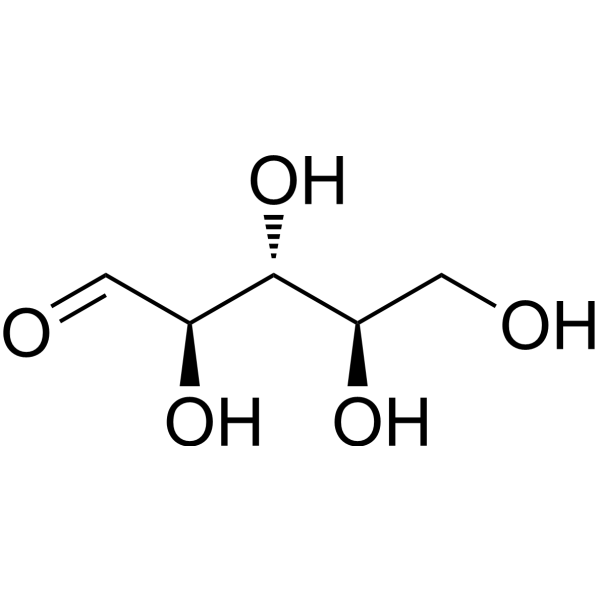
    D-Ribose(mixture of isomers) is an energy enhancer, and acts as a sugar moiety of ATP, and widely used as a metabolic therapy supplement for chronic fatigue syndrome or cardiac energy metabolism. D-Ribose(mixture of isomers) is active in protein glycation, induces NF-κB inflammation in a RAGE-dependent manner .
    D-Ribose(mixture of isomers)
  • HY-W021448
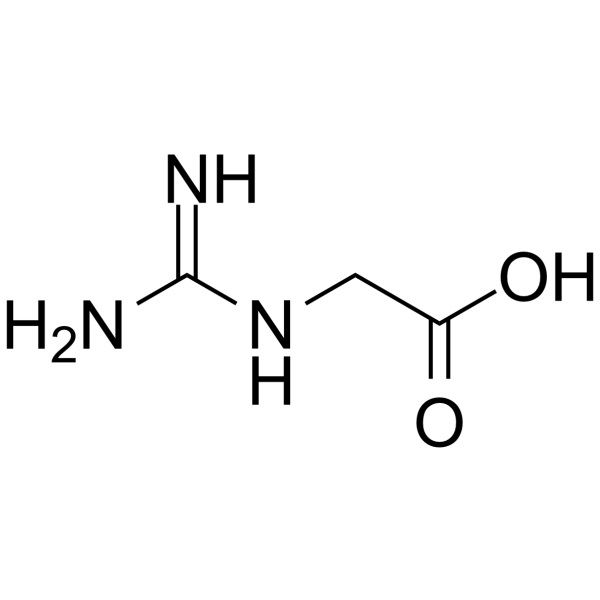
    Glycocyamine
    1 Publications Verification

    Guanidinoacetic acid

    Endogenous Metabolite Metabolic Disease
    Glycocyamine (Guanidinoacetic acid) is a direct precursor of creatine and an orally active energy metabolism regulator and myogenic differentiation inducer. Glycocyamine can activate the Akt/mTOR/S6K signaling pathway via miR-133a-3p and miR-1a-3p, and stimulate the mRNA expression of myogenic differentiation factor 1 (MyoD) and myopoietin (MyoG). Glycocyamine can increase muscle creatine concentration and maintain ATP homeostasis through the creatine phosphate/creatine kinase system. Glycocyamine can be used in research on feed additives for poultry farming .
    Glycocyamine
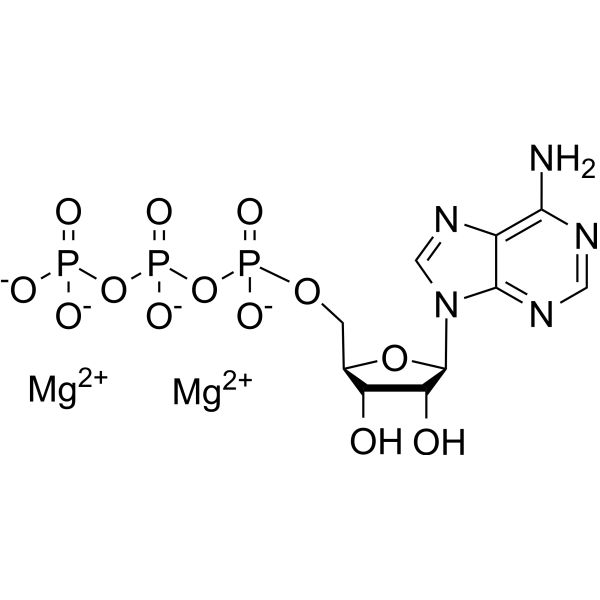
  • HY-B2176B
    ATP dimagnesium
    Maximum Cited Publications
    152 Publications Verification

    Adenosine 5'-triphosphate dimagnesium

    Endogenous Metabolite Inflammation/Immunology
    ATP (Adenosine 5'-triphosphate) dimagnesium is a central component of energy storage and metabolism in vivo. ATP dimagnesium provides the metabolic energy to drive metabolic pumps and serves as a coenzyme in cells. ATP dimagnesium is an important endogenous signaling molecule in immunity and inflammation .
    ATP dimagnesium
  • HY-130777A
    AMP-PNP lithium hydrate
    3 Publications Verification

    Adenylyl imidodiphosphate lithium hydrate

    Drug Derivative Metabolic Disease
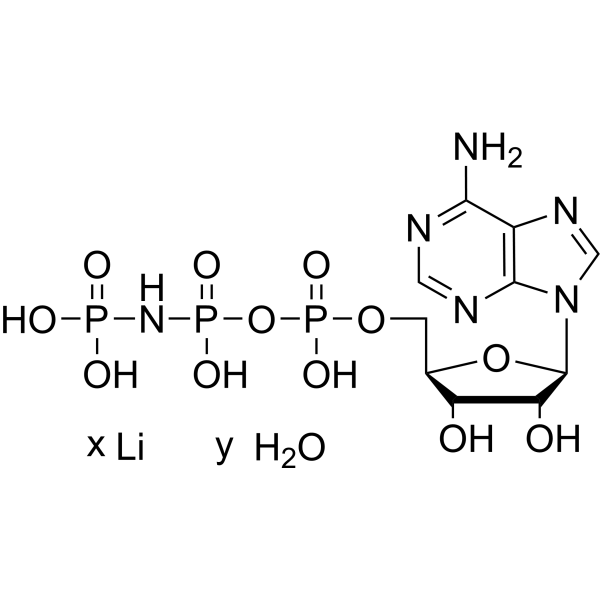
    AMP-PNP (Adenylyl imidodiphosphate) lithium hydrate is a non-hydrolyzable ATP analog. AMP-PNP lithium hydrate binds to ATP binding sites competely but is not hydrolyzed by enzymes, providing stable experimental conditions for studying ATP-dependent processes. AMP-PNP lithium hydrate can also be used to study enzyme activity, kinase regulation, DNA/RNA metabolism, ion channel function, and protein complex assembly .
    AMP-PNP lithium hydrate
  • HY-B2176R

    Adenosine 5'-triphosphate (Standard)

    Reference Standards Endogenous Metabolite Metabolic Disease Inflammation/Immunology
    ATP (Standard) is the analytical standard of ATP. This product is intended for research and analytical applications. ATP (Adenosine 5'-triphosphate) is a central component of energy storage and metabolism in vivo. ATP provides the metabolic energy to drive metabolic pumps and serves as a coenzyme in cells. ATP is an important endogenous signaling molecule in immunity and inflammation . In Vitro: ATP (5 mM; 1 hour) co-treatment with LPS (1 μg/mL) has a synergistic effect on the activation of the NLRP3 inflammasome in HGFs .
    ATP (2 mM; 0.5-24 hours) induces secretion of IL-1β, KC and MIP-2 from BMDMs in a caspase-1 activation-dependent manner .
    ATP promotes neutrophil chemotaxis in vitro .
    In Vivo: ATP (50 mg/kg; i.p.) protects mice against bacterial infection in vivo .
    ATP induces the secretion of IL-1β, KC and MIP-2 and neutrophils recruitment in vivo .
    ATP (Standard)
  • HY-W017540
    Cyclocreatine
    1 Publications Verification

    ATP Synthase Cardiovascular Disease Neurological Disease Metabolic Disease Cancer
    Cyclocreatine, a creatine analogue, acts as a brain-penetrant and potent bioenergetic protective agent by providing high levels of ATP. Cyclocreatine can be phosphorylated and dephosphorylated by creatine kinases. Cyclocreatine suppresses creatine metabolism ameliorating the cognitive, autistic and epileptic phenotype in a mouse model of creatine transporter defciency. Cyclocreatine protects against ischemic injury and enhances cardiac recovery during early reperfusion in dogs and rats. Cyclocreatine decreases plaque-adjacent neuronal dystrophy in TREM2-deficient mice with amyloid-β pathology. Cyclocreatine is proming for research of ischemic heart disease, cardiovascular diseases, Alzheimer’s disease and other neurodegenerative diseases associated with microglial dysfunction, prostate cancer .
    Cyclocreatine
  • HY-Y0095

    2-Hydroxyethanesulfonic acid

    Environmental Pollutants Mitochondrial Metabolism Parasite Metabolic Disease
    Isethionic acid is a calcium binder and anionic detergent that enhances mitochondrial calcium binding capacity by competitively binding to calcium binding sites on the outer mitochondrial membrane. Isethionic acid can inhibit calcium-activated mitochondrial respiration. Isethionic acid inhibits barnacle (Balanus amphitrite) larvae with LC50s of 23 μg/mL (24 h) and 17 μg/mL (48 h), respectively. Isethionic acid can inhibit the attachment of barnacle larvae (complete inhibition at 10 μg/mL) and regulate mitochondrial calcium transport, and can enhance ATP-dependent calcium uptake at high calcium concentrations. Isethionic acid can be used to study the mechanism of mitochondrial calcium metabolism.
    Isethionic acid (80% in water)
  • HY-B2176S

    Adenosine 5'-triphosphate-13C10,15N5

    Endogenous Metabolite Metabolic Disease
    ATP- 13C10, 15N5 is the 13C and 15N labeled ATP . ATP (Adenosine 5'-triphosphate) is a central component of energy storage and metabolism in vivo. ATP provides the metabolic energy to drive metabolic pumps and serves as a coenzyme in cells. ATP is an important endogenous signaling molecule in immunity and inflammation .
    ATP-13C10,15N5
  • HY-B2176S6

    Adenosine 5'-triphosphate-13C10 dilithium

    Isotope-Labeled Compounds Endogenous Metabolite Metabolic Disease Inflammation/Immunology
    ATP- 13C10 (Adenosine 5'-triphosphate- 13C10) dilithium is 13C-labeled ATP (HY-B2176). ATP (Adenosine 5'-triphosphate) is a central component of energy storage and metabolism in vivo. ATP provides the metabolic energy to drive metabolic pumps and serves as a coenzyme in cells. ATP is an important endogenous signaling molecule in immunity and inflammation.
    ATP-13C10 dilithium
  • HY-B2176I

    Adenosine 5'-triphosphate disodium salt, 100 mM Solution, PCR Grade

    Endogenous Metabolite NOD-like Receptor (NLR) Interleukin Related Bacterial Infection Metabolic Disease Inflammation/Immunology
    ATP (Adenosine 5'-triphosphate) disodium salt, 100 mM Solution, PCR Grade is a central component of energy storage and metabolism in vivo. ATP disodium salt, 100 mM Solution, PCR Grade provides the metabolic energy to drive metabolic pumps and serves as a coenzyme in cells. ATP disodium salt, 100 mM Solution, PCR Grade is an important endogenous signaling molecule in immunity and inflammation. ATP disodium salt, 100 mM Solution, PCR Grade can activate the NLRP3 inflammasome and induce IL-1β and chemokines secretion. ATP disodium salt, 100 mM Solution, PCR Grade has anti-bacterial infection effects and can protect mice against bacterial infection in mice .
    ATP disodium salt, 100 mM Solution, PCR Grade
  • HY-B0859
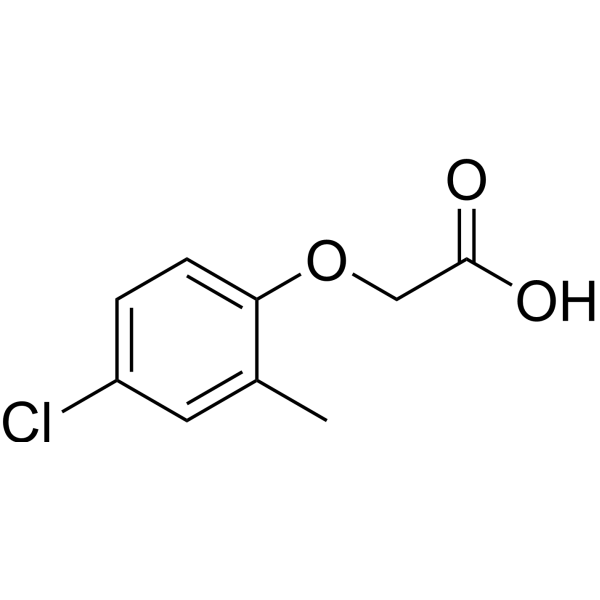
    MCPA
    1 Publications Verification

    Environmental Pollutants Cytochrome P450 Herbicide Metabolic Disease
    MCPA is an orally active phenoxyacetic acid herbicide. MCPA interferes with membrane integrity, energy metabolism (decreases ATP levels), and redox balance in plant cells. MCPA increases hepatic cytochrome P-450 levels and increases aniline hydroxylase and 7-ethoxycoumarin O-deethylase activities. MCPA can be used to control broadleaf weeds .
    MCPA
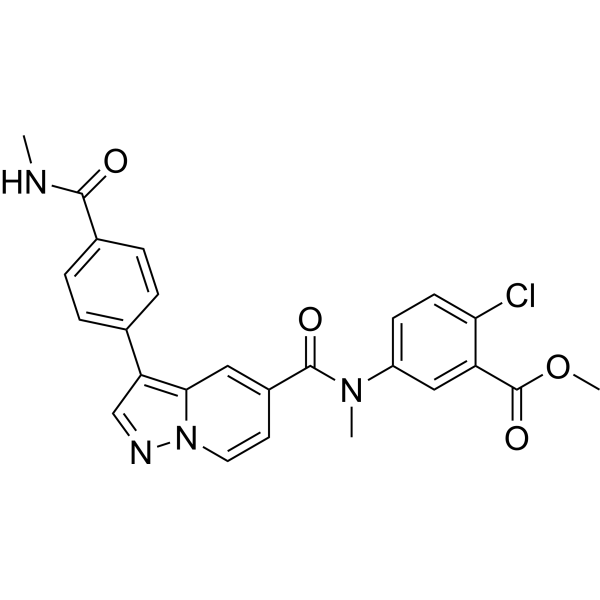
  • HY-125209

    DNA/RNA Synthesis Cancer
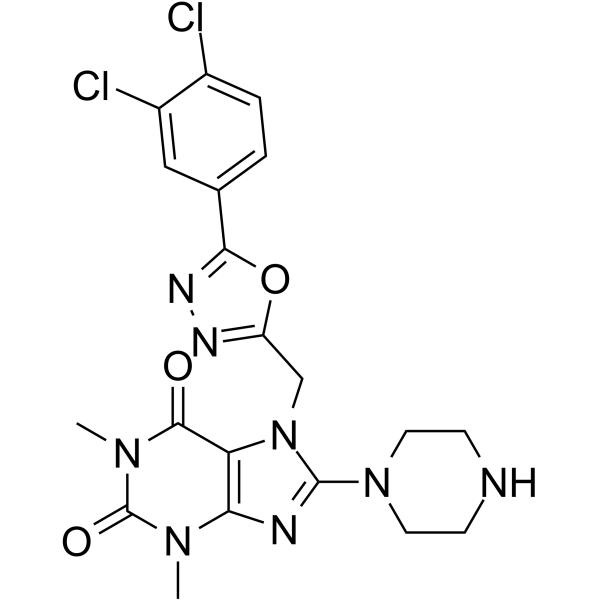
    TH5427 is a promising, targeted inhibitor that can be used to further study NUDT5 activity and ADP-ribose metabolism. TH5427, blocks progestin-dependent, PAR-derived nuclear ATP synthesis and subsequent chromatin remodeling, gene regulation and proliferation in breast cancer cells. NUDT5 is recently identified as a rheostat of hormone-dependent gene regulation and proliferation in breast cancer cells .
    TH5427
  • HY-113355

    Endogenous Metabolite Apoptosis Neurological Disease Inflammation/Immunology Endocrinology
    NADH is an orally active dehydrogenase coenzyme that acts as a crucial electron carrier in cellular respiration and participates in ATP production. NADH promotes metabolism, supports brain function, and counteracts oxidative stress by transferring electrons to the electron transport chain. As a signaling molecule, NADH regulates multiple biological processes, including anti-apoptosis, synaptic plasticity, gene expression, and calcium homeostasis. Redox imbalance of NADH/NAD⁺ is one of the key pathological mechanisms of various diseases, such as diabetic nephropathy, neurodegenerative diseases, and ischemia-reperfusion injury.
    NADH
  • HY-W011012

    Adenosine Receptor Metabolic Disease
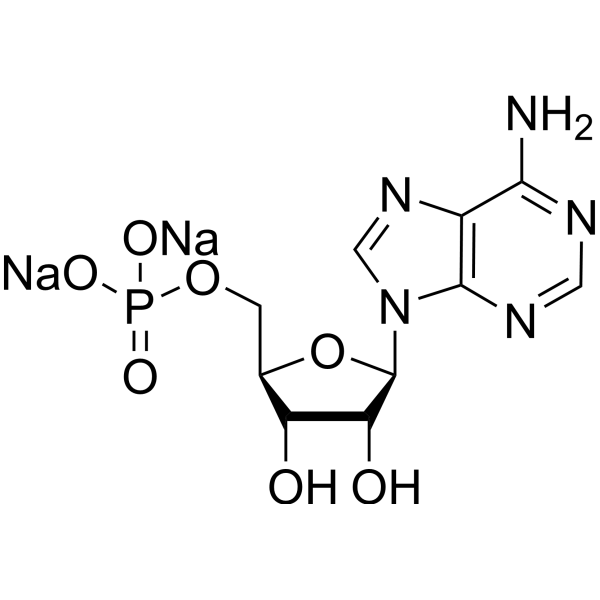
    Adenosine 5'-monophosphate disodium is an orally active purine nucleotide, and participates in ATP metabolism. Adenosine 5'-monophosphate disodium is also a ligand for adenosine 2B receptor. Adenosine 5'-monophosphate disodium can activate AMPK in skeletal muscle, and ameliorates insulin resistance and impaired glucose metabolism. Adenosine 5'-monophosphate disodium can be used for research of diabetes .
    Adenosine 5'-monophosphate disodium
  • HY-126411

    Lipase ATP Synthase Others
    Peonidin-3-O-galactoside chloride is an anthocyanin with antioxidant properties and blood-brain barrier permeability. Peonidin-3-O-galactoside chloride inhibits pancreatic lipase, with an IC50 value of 23.2 μg/mL against porcine pancreatic lipase. Peonidin-3-O-galactoside chloride mediates neuroprotection, regulates glucose metabolism, protects cells from high glucose-induced damage, promotes glucose uptake and increases ATP production. Peonidin-3-O-galactoside (chloride) can be used in the research of obesity and neurodegenerative diseases .
    Peonidin-3-O-galactoside chloride
  • HY-B2176S5

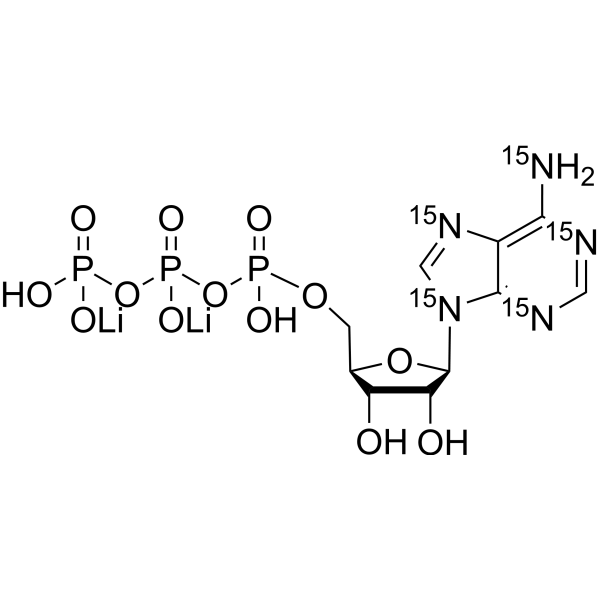
    Adenosine 5'-triphosphate-15N5 dilithium

    Isotope-Labeled Compounds Endogenous Metabolite Metabolic Disease Inflammation/Immunology
    ATP- 15N5 (Adenosine 5'-triphosphate- 15N5) dilithium is 15N labeled ATP (HY-B2176). ATP (Adenosine 5'-triphosphate) is a central component of energy storage and metabolism in vivo. ATP provides the metabolic energy to drive metabolic pumps and serves as a coenzyme in cells. ATP is an important endogenous signaling molecule in immunity and inflammation.
    ATP-15N5 dilithium
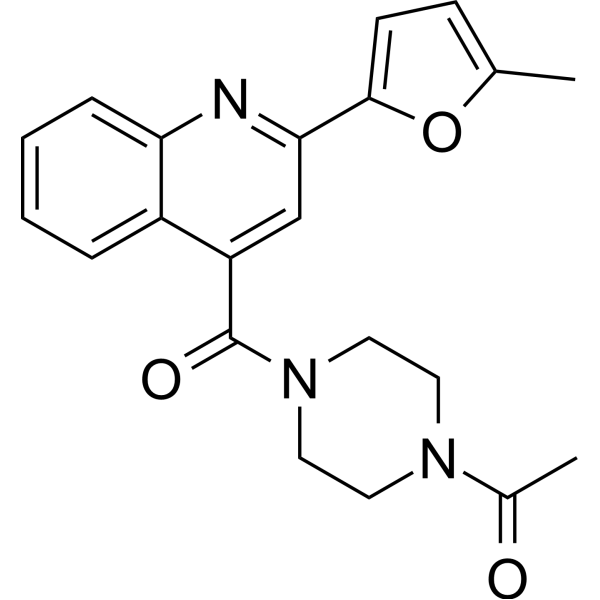
  • HY-117006
    E1231
    1 Publications Verification

    1-{4-[2-(5-Methylfuran-2-yl)quinoline-4-carbonyl]piperazin-1-yl}ethan-1-one

    Sirtuin Cardiovascular Disease
    E1231 is an orally active activator of Sirtuin 1 (SIRT1) (EC50=0.83 μM), to modulate cholesterol and lipid metabolism. E1231 interactes with SIRT1 (KD=9.61 μM) and deacetylated liver X receptor-alpha (LXRα), and increases ATP-binding cassette transporter A1 (ABCA1) expression. E1231 also reduces atherosclerotic plaque development in ApoE -/- mice model. E1231 can be used for research in cholesterol and lipid disorder-related diseases .
    E1231
  • HY-156622

    HMC-C-01-A; MBS2320

    Mitochondrial Metabolism Cancer
    Leramistat (HMC-C-01-A; MBS2320) is a mitochondrial complex 1 inhibitor, involving in cell metabolism immune metabolism regulation. Leramistat also inhibits ATP production in Thp1 human monocytes (IC50: 0.63 μM). Leramistat inhibits atopic dermatitis and other skin diseases autoimmune diseases, inflammatory diseases, cancer; and also inhibits osteoclast mediated disease .
    Leramistat
  • HY-149987

    KHK-IN-3

    Ketohexokinase Cardiovascular Disease Metabolic Disease Inflammation/Immunology
    KHK-IN-3 (Example 1) is a ketohexokinase (KHK) inhibitor. KHK-IN-3 can be used in the study of kidney disease, nonalcoholic steatohepatitis (NASH), diabetes and heart failure. KHK is a rate-limiting enzyme and fructokinase involved in fructose metabolism. KHK catalyzes the phosphorylation of fructose to fructose-1-phosphate (FIP) at the expense of ATP. The lack of feedback inhibition of fructose metabolism triggers the accumulation of downstream intermediates such as lipogenesis, gluconeogenesis, and oxidative phosphorylation .
    LY3522348
  • HY-156685

    PI4K Parasite Infection Metabolic Disease Cancer
    EDI048 is an orally active, gut-restricted parasiticidal agent. EDI048 specifically binds to the ATP-binding site of Cryptosporidium phosphatidylinositol 4-kinase (CpPI (4) K), blocks parasite membrane biogenesis, arrests the pathogen at the schizont stage, and thus irreversibly clears the infection. EDI048 is rapidly converted to an inactive carboxylic acid metabolite via hepatic first-pass metabolism, with extremely low systemic exposure, good safety profile, and no cardiotoxicity, genotoxicity or off-target effects. EDI048 is used in studies of intestinal cryptosporidiosis in children .
    EDI048
  • HY-136647

    8-Br-ATP tetrasodium

    Drug Derivative Others
    8-Bromoadenosine 5'-triphosphate tetrasodium (8-Br-ATP tetrasodium) is an ATP analogue. ATP is a central component of energy storage and metabolism in vivo .
    8-Bromoadenosine 5'-triphosphate tetrasodium
  • HY-B2176C
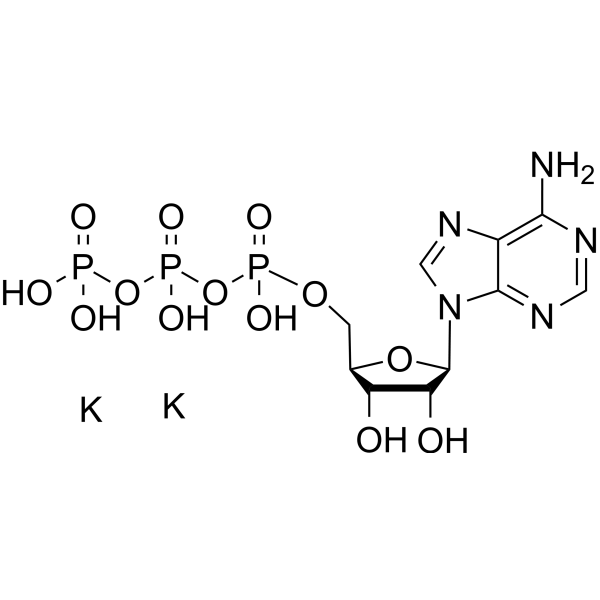
    ATP dipotassium
    140+ Cited Publications

    Adenosine 5'-triphosphate dipotassium

    Endogenous Metabolite Metabolic Disease Inflammation/Immunology Cancer
    ATP dipotassium (Adenosine 5'-triphosphate dipotassium) is a central component of energy storage and metabolism in vivo. ATP dipotassium provides the metabolic energy to drive metabolic pumps and serves as a coenzyme in cells. ATP dipotassium is an important endogenous signaling molecule in immunity and inflammation .
    ATP dipotassium
  • HY-B2176S4

    Adenosine 5'-triphosphate-d14 dilithium

    Isotope-Labeled Compounds Endogenous Metabolite Metabolic Disease Inflammation/Immunology
    ATP-d14 (Adenosine 5'-triphosphate-d14) dilithium is deuterium labeled ATP (HY-B2176). ATP (Adenosine 5'-triphosphate) is a central component of energy storage and metabolism in vivo. ATP provides the metabolic energy to drive metabolic pumps and serves as a coenzyme in cells. ATP is an important endogenous signaling molecule in immunity and inflammation.
    ATP-d14 dilithium
  • HY-B0345AS

    Endogenous Metabolite Metabolic Disease
    ATP- 18O4 (disodium salt) is the 18O labeled ATP disodium salt . ATP disodium salt (Adenosine 5'-triphosphate disodium salt) is a central component of energy storage and metabolism in vivo, provides the metabolic energy to drive metabolic pumps and serves as a coenzyme in cells. ATP disodium salt is an important endogenous signaling molecule in immunity and inflammation .
    ATP-18O4 sodium
  • HY-B2176S7

    Adenosine 5'-triphosphate-13C2 dilithium

    Isotope-Labeled Compounds Endogenous Metabolite Metabolic Disease Inflammation/Immunology
    ATP- 13C2 (Adenosine 5'-triphosphate- 13C2) dilithium is 13C-labeled ATP (HY-B2176). ATP (Adenosine 5'-triphosphate) is a central component of energy storage and metabolism in vivo. ATP provides the metabolic energy to drive metabolic pumps and serves as a coenzyme in cells. ATP is an important endogenous signaling molecule in immunity and inflammation.
    ATP-13C2 dilithium
  • HY-W018772S12

    Isotope-Labeled Compounds Endogenous Metabolite Inflammation/Immunology Cancer
    D-Ribose-d6 is the deuterium labeled D-Ribose. D-Ribose is an energy enhancer, and acts as a sugar moiety of ATP, and widely used as a metabolic therapy supplement for chronic fatigue syndrome or cardiac energy metabolism. D-Ribose is active in protein gl
    D-Ribose-d6
  • HY-W587827

    Thiamine triphosphate

    Endogenous Metabolite Metabolic Disease
    Thiamine triphosphoric acid ester (Thiamine triphosphate) is a neuroactive compound and a triphosphate derivative of vitamin thiamine. Thiamine triphosphoric acid ester exists in microorganisms, animal organs and plants. In E. coli, Thiamine triphosphoric acid ester is transiently produced under amino acid deficiency, while in mammalian cells, it is continuously produced at a low rate. Thiamine triphosphoric acid ester can be synthesized by two distinct enzymes (cytosolic AK1 and FoF1-ATP synthase in brain mitochondria). Thiamine triphosphoric acid ester plays a fundamental role in cellular metabolism or cellular signal transduction .
    Thiamine triphosphoric acid ester
  • HY-W018772S15

    Endogenous Metabolite Inflammation/Immunology
    D-Ribose(mixture of isomers)- 13C5 isomers)- 13C5 is the 13C labeled D-Ribose(mixture of isomers) . D-Ribose(mixture of isomers) is an energy enhancer, and acts as a sugar moiety of ATP, and widely used as a metabolic therapy supplement for chronic fatigue syndrome or cardiac energy metabolism. D-Ribose(mixture of isomers) is active in protein glycation, induces NF-κB inflammation in a RAGE-dependent manner .
    D-Ribose(mixture of isomers)-13C5
  • HY-P2822

    PGK

    Endogenous Metabolite Infection Endocrinology Cancer
    Phosphoglycerate kinase, yeast (PGK), namely phosphoglycerate kinase, is a glycolytic enzyme commonly used in biochemical research. Phosphoglycerate kinase can catalyze the reversible transfer of phosphate groups from 1,3-bisphosphoglycerate (1,3-BPG) to ADP to generate 3-phosphoglycerate (3-PG) and ATP. At the same time, it can also participate in gluconeogenesis, catalyzing the opposite reaction to produce 1,3BPGA and ADP. Phosphoglycerate kinase is involved in energy metabolism, interaction with nucleic acid, tumor progression, cell death and virus replication and other related processes .
    Phosphoglycerate kinase, yeast
  • HY-145249

    PROTAC Linkers Inflammation/Immunology
    ATP-PEG8-Biotin is a PEG-based linker that incorporates ATP. ATP is a central component of energy storage and metabolism in vivo. ATP provides the metabolic energy to drive metabolic pumps and serves as a coenzyme in cells. ATP is an important endogenous signaling molecule in immunity and inflammation .
    ATP-PEG8-Biotin
  • HY-B2176E

    Adenosine 5'-triphosphate magnesium

    Endogenous Metabolite Metabolic Disease Inflammation/Immunology
    ATP (Adenosine 5'-triphosphate) magnesium is a central component of energy storage and metabolism in vivo. ATP magnesium provides the metabolic energy to drive metabolic pumps and serves as a coenzyme in cells. ATP magnesium is an important endogenous signaling molecule in immunity and inflammation .
    ATP magnesium
  • HY-B0345AR

    Adenosine 5'-triphosphate disodium (Standard); Disodium adenosine triphosphate (Standard)

    Reference Standards Endogenous Metabolite Metabolic Disease Inflammation/Immunology Cancer
    ATP disodium salt (Standard) is the analytical standard of ATP disodium salt (HY-B0345A). This product is intended for research and analytical applications. ATP disodium salt (Adenosine 5'-triphosphate disodium salt) is a central component of energy storage and metabolism in vivo, provides the metabolic energy to drive metabolic pumps and serves as a coenzyme in cells. ATP disodium salt is an important endogenous signaling molecule in immunity and inflammation .
    ATP disodium (Standard)
  • HY-17640

    Fatty Acid Synthase (FASN) Autophagy Metabolic Disease
    Nicodicosapent is a fatty acid niacin conjugate that is also an inhibitor of the sterol regulatory element binding protein (SREBP), a key regulator of cholesterol metabolism proteins such as PCSK9, HMG-CoA reductase, ATP citrate lyase, and NPC1L1.
    Nicodicosapent
  • HY-W018772R

    Reference Standards Endogenous Metabolite Inflammation/Immunology Cancer
    D-Ribose(mixture of isomers) (Standard) is the analytical standard of D-Ribose(mixture of isomers). This product is intended for research and analytical applications. D-Ribose(mixture of isomers) is an energy enhancer, and acts as a sugar moiety of ATP, and widely used as a metabolic therapy supplement for chronic fatigue syndrome or cardiac energy metabolism. D-Ribose(mixture of isomers) is active in protein glycation, induces NF-κB inflammation in a RAGE-dependent manner .
    D-Ribose(mixture of isomers) (Standard)
  • HY-125209A

    Apoptosis PARP DNA/RNA Synthesis Cancer
    TH5427 hydrochloride is a NUDT5 inhibitor with a human target IC50 of 29 nM, ~690-fold selectivity over MTH1 in vitro, and selective functional inhibition over other NUDIX hydrolases including NUDT9 .TH5427 hydrochloride binds to the active site of NUDT5, blocking enzymatic activity related to ADP-ribose metabolism and PAR-derived ATP synthesis .TH5427 hydrochloride blocks progestin-dependent nuclear ATP synthesis, impairs progestin-induced chromatin remodeling, inhibits histone H1 displacement, disrupts progestin-dependent gene regulation, and abrogates progestin-dependent proliferation in breast cancer cells .TH5427 hydrochloride functions as a versatile probe to study nuclear ATP dynamics and ADP-ribose-related metabolism in cells .TH5427 hydrochloride engages NUDT5 at physiological temperatures, as demonstrated by Drug Affinity Responsive Target Stability (DARTS) assay .TH5427 hydrochloride stabilizes NUDT5 against thermal denaturation in cell lysates and intact cells, as shown by cellular thermal shift assay (CETSA) .TH5427 hydrochloride functionally inhibits NUDT5 activity, leading to downstream effects on oxidative DNA damage and DNA replication in triple-negative breast cancer (TNBC) cells .TH5427 hydrochloride suppresses proliferation of TNBC cells without inducing cell death or apoptosis, slows DNA replication in TNBC cells, promotes accumulation of oxidative DNA lesions, and triggers DNA damage response in TNBC cells .TH5427 hydrochloride suppresses growth of TNBC cells in vitro, inhibits growth of TNBC xenograft tumors in nude mice in vivo, and shows greater potency against TNBC cell lines compared to ER-positive and normal-like breast cell lines .TH5427 hydrochloride can be used for the research of breast cancer and triple-negative breast cancer .
    TH5427 hydrochloride
  • HY-W021448S

    Guanidinoacetic acid-d2

    Isotope-Labeled Compounds Endogenous Metabolite Metabolic Disease
    Glycocyamine-d2 (Guanidinoacetic acid-d2) is the deuterium labeled Glycocyamine (HY-W021448). Glycocyamine is a direct precursor of creatine and an orally active energy metabolism regulator and myogenic differentiation inducer. Glycocyamine can activate the Akt/mTOR/S6K signaling pathway via miR-133a-3p and miR-1a-3p, and stimulate the mRNA expression of myogenic differentiation factor 1 (MyoD) and myopoietin (MyoG). Glycocyamine can increase muscle creatine concentration and maintain ATP homeostasis through the creatine phosphate/creatine kinase system. Glycocyamine can be used in research on feed additives for poultry farming.
    Glycocyamine-d2
  • HY-W021448S1

    Guanidinoacetic acid-15N,13C2

    Endogenous Metabolite Metabolic Disease
    Glycocyamine- 15N, 13C2 (Guanidinoacetic acid- 15N, 13C2) is the 13C and 15N labeled Glycocyamine (HY-W021448) . Clycocyamine is a direct precursor of creatine and an orally active energy metabolism regulator and myogenic differentiation inducer. Glycocyamine can activate the Akt/mTOR/S6K signaling pathway via miR-133a-3p and miR-1a-3p, and stimulate the mRNA expression of myogenic differentiation factor 1 (MyoD) and myopoietin (MyoG). Glycocyamine can increase muscle creatine concentration and maintain ATP homeostasis through the creatine phosphate/creatine kinase system. Glycocyamine can be used in research on feed additives for poultry farming.
    Glycocyamine-15N,13C2
  • HY-W010735R

    Adenosine 5'-triphosphate disodium salt hydrate (Standard)

    Reference Standards Endogenous Metabolite Metabolic Disease Inflammation/Immunology Cancer
    ATP (disodium salt hydrate) (Standard) is the analytical standard of ATP (disodium salt hydrate). This product is intended for research and analytical applications. ATP disodium salt hydrate (Adenosine 5'-triphosphatedisodium salt hydrate) is a central component of energy storage and metabolism in vivo, provides the metabolic energy to drive metabolic pumps and serves as a coenzyme in cells. ATP disodium salt hydrate is an important endogenous signaling molecule in immunity and inflammation .
    ATP disodium salt hydrate (Standard)
  • HY-W018772S1

    Isotope-Labeled Compounds Endogenous Metabolite Inflammation/Immunology Cancer
    D-Ribose- 13C is the 13C labeled D-Ribose. D-Ribose is an energy enhancer, and acts as a sugar moiety of ATP, and widely used as a metabolic therapy supplement for chronic fatigue syndrome or cardiac energy metabolism. D-Ribose is active in protein glycati
    D-Ribose-13C
  • HY-W018772S4

    Isotope-Labeled Compounds Endogenous Metabolite Inflammation/Immunology Cancer
    D-Ribose- 13C-3 is the 13C labeled D-Ribose. D-Ribose is an energy enhancer, and acts as a sugar moiety of ATP, and widely used as a metabolic therapy supplement for chronic fatigue syndrome or cardiac energy metabolism. D-Ribose is active in protein glyca
    D-Ribose-13C-3
  • HY-W011012S

    Isotope-Labeled Compounds Others
    Adenosine 5'-monophosphate- 13C (disodium) is a 13C-labeled Adenosine 5'-monophosphate (HY-W011012). Adenosine 5'-monophosphate disodium is an orally active purine nucleotide, and participates in ATP metabolism. Adenosine 5'-monophosphate disodium is also a ligand for adenosine 2B receptor. Adenosine 5'-monophosphate disodium can activate AMPK in skeletal muscle, and ameliorates insulin resistance and impaired glucose metabolism. Adenosine 5'-monophosphate disodium can be used for research of diabetes .
    Adenosine 5'-monophosphate-13C disodium
  • HY-B0859S1

    Isotope-Labeled Compounds Herbicide Cytochrome P450 Metabolic Disease
    MCPA-d3 is the deuterium labeled MCPA (HY-B0859). MCPA is an orally active phenoxyacetic acid herbicide. MCPA interferes with membrane integrity, energy metabolism (decreases ATP levels), and redox balance in plant cells. MCPA increases hepatic cytochrome P-450 levels and increases aniline hydroxylase and 7-ethoxycoumarin O-deethylase activities. MCPA can be used to control broadleaf weeds .
    MCPA-d3

Inquiry Online

Your information is safe with us. * Required Fields.

Salutation


Country or Region *

Applicant Name *


Organization Name *

Department *


Email Address *


Product Name *

Cat. No.


Requested quantity *

Phone Number *


Remarks

Inquiry Online

Inquiry Information

Product Name:
Cat. No.:
Quantity:
MCE Japan Authorized Agent:

