
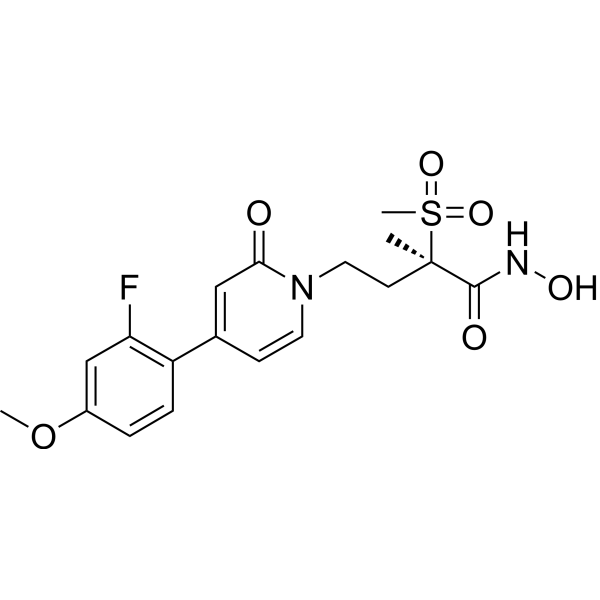
Search Result
Results for "
Acinetobacter
" in MedChemExpress (MCE) Product Catalog:
3
Biochemical Assay Reagents
4
Isotope-Labeled Compounds
| Cat. No. |
Product Name |
Target |
Research Areas |
Chemical Structure |
-
- HY-17412
-
-
-
- HY-B0117
-
|
GAR-936
|
Bacterial
Autophagy
Antibiotic
|
Infection
Cancer
|
|
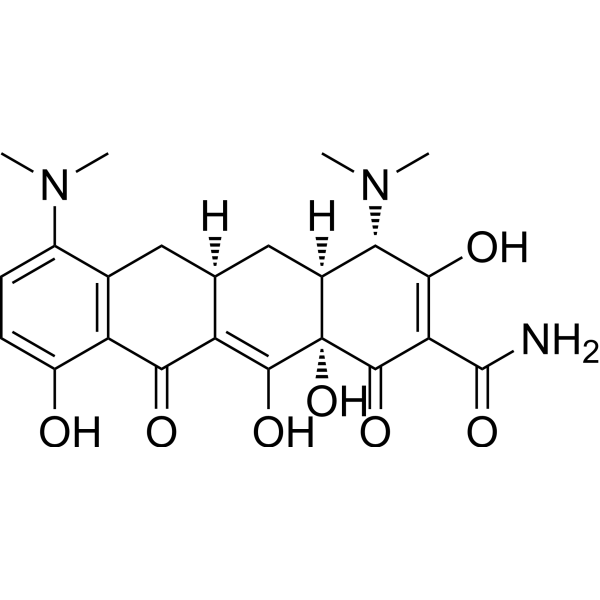
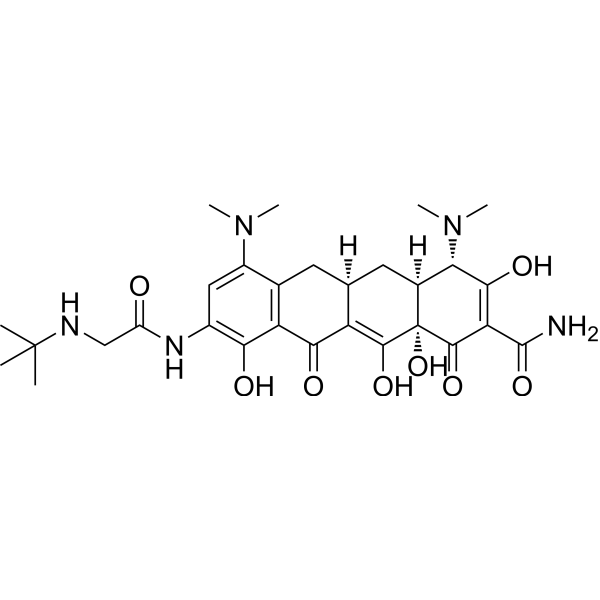
Tigecycline (GAR-936) is a broad-spectrum glycylcycline antibiotic. The mean inhibitory concentration (MIC) of Tigecycline for E. coli (MG1655 strain) is approximately 125 ng/mL . MIC50 and MIC90 are 1 and 2 mg/L for Acinetobacter baumannii (A. baumannii), respectively .
|
-
-
- HY-117974
-
|
ETX2514
|
Bacterial
|
Infection
|
|
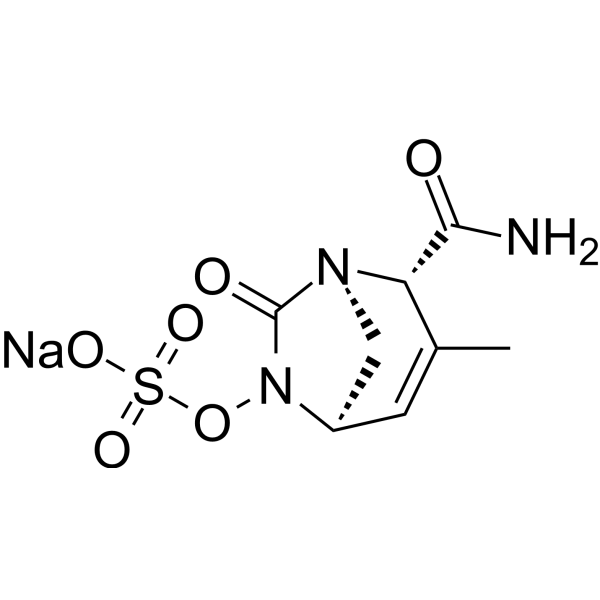
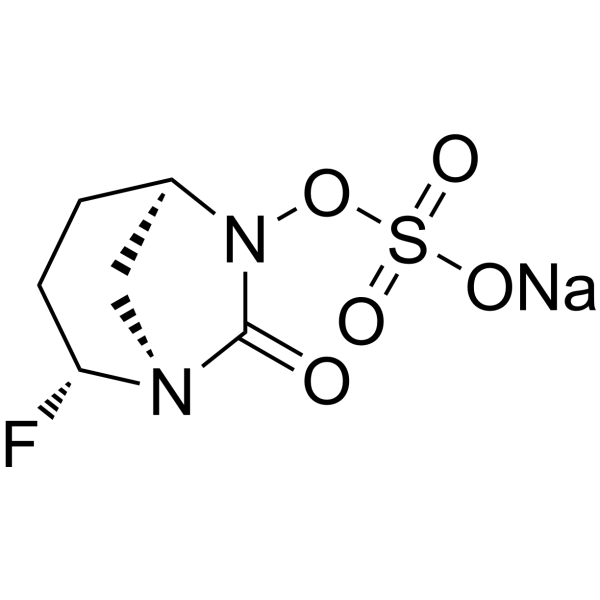
Durlobactam sodium salt (ETX2514) is a broad-spectrum β-lactamase inhibitor with IC50s of 4, 14 and 190 nM for Class A KPC-2, Class C AmpC and Class D OXA-24, respectively. For the treatment of drug-resistant Gram-negative bacteria including Acinetobacter baumannii .
|
-
-
- HY-147429
-
|
Abx MCP; RG6006
|
Antibiotic
Bacterial
|
Infection
|
|
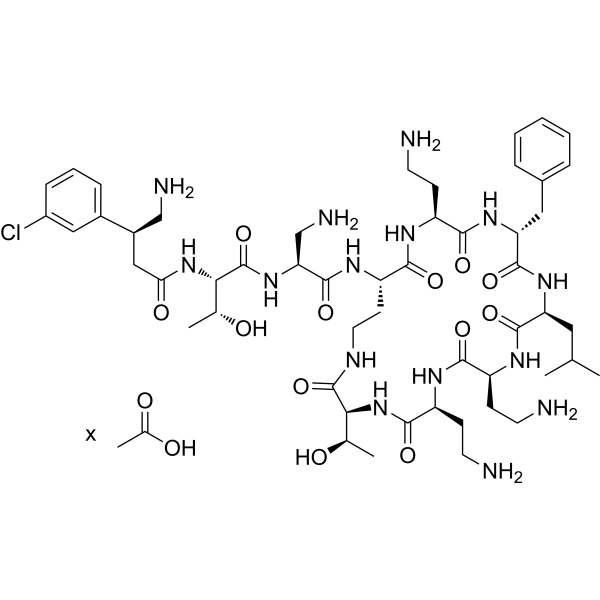
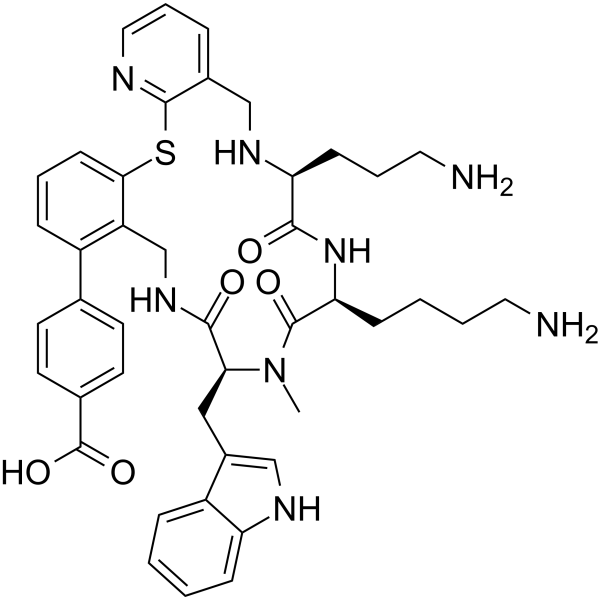
Zosurabalpin is a polypeptide antibiotic targeting LPS transporter (LptB2FGC complex), which can block the transport of LPS and lead to endotoxin accumulation in cells, and has shown excellent antibacterial activity against Carbapenem-resistant Acinetobacter baumanni (CRAB) .
|
-
-
- HY-136072
-
|
|
Bacterial
|
Infection
|
|
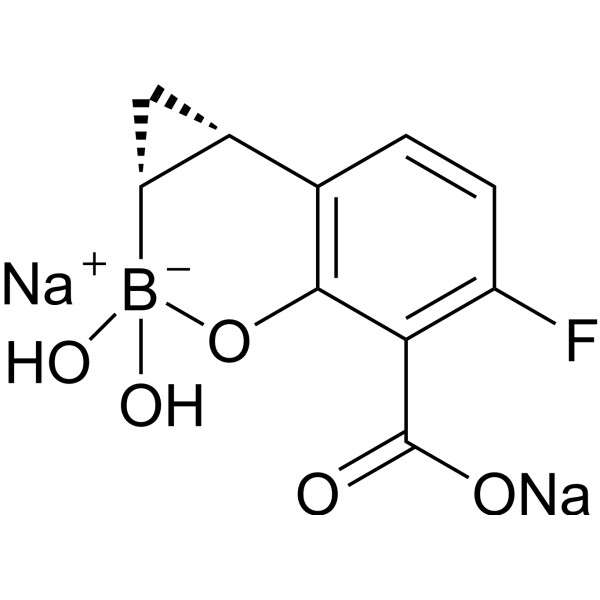
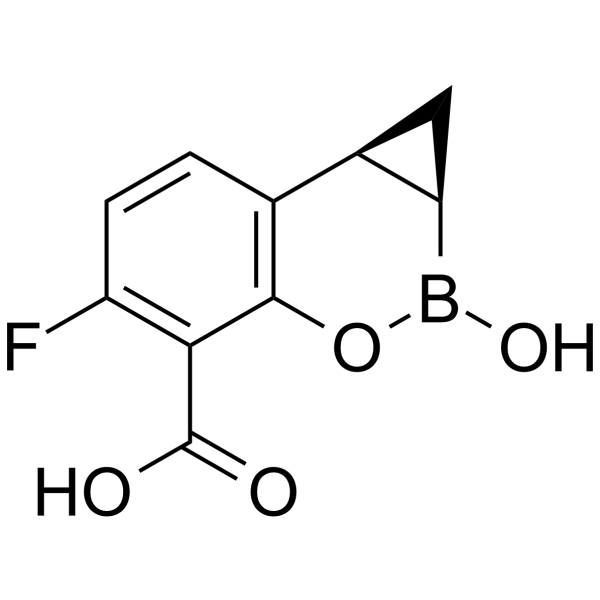
Xeruborbactam disodium is a potent, ultra-broad-spectrum boronic acid beta-lactamase inhibitor. Xeruborbactam disodium inhibits key serine and metallo beta-lactamases at a nano molar range .
|
-
-
- HY-17412A
-
-
-
- HY-113678
-
|
Polymyxin E
|
Antibiotic
Bacterial
|
Infection
|
|
Colistin is an orally active polypeptide antibiotic. Colistin has excellent activity against various Gram-negative rod-shaped bacteria, including multidrug-resistant Pseudomonas aeruginosa, Acinetobacter baumannii and Klebsiella pneumoniae. Colistin is associated with nephrotoxicity. Colistin can be used for the research of infections caused by Gram-negative bacilli .
|
-
-
- HY-B0334
-
|
CP45899
|
Bacterial
Antibiotic
|
Infection
|
|
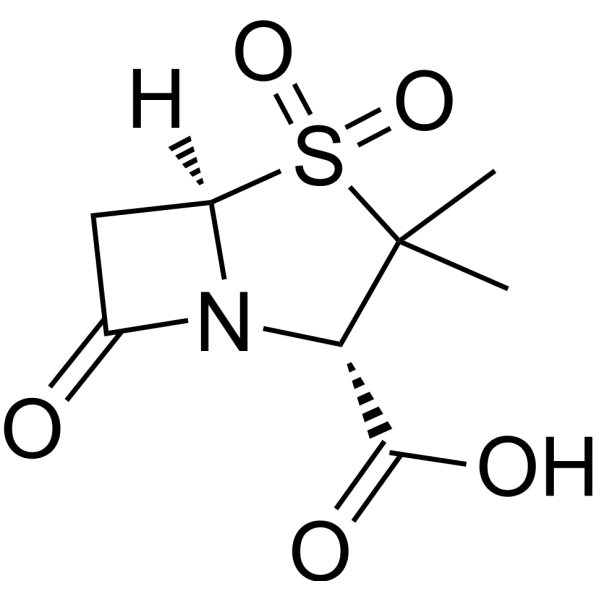
Sulbactam (CP45899) is a competitive, irreversible beta-lactamase inhibitor. Sulbactam shows antimicrobial activity against multidrug-resistant (MDR) acinetobacter calcoaceticus--Acinetobacter baumannii (Acb) complex .
|
-
-
- HY-128780B
-
|
|
Bacterial
Antibiotic
|
Infection
|
|
SPR206 acetate is a polymyxin analog with antibiotic activity against Gram-negative pathogens, including multidrug-resistant (MDR) variants. SPR206 acetate has an anti-bacterial infection effect by interacting with the bacterium’s outer membrane. The MIC values of SPR206 acetate against Pseudomonas aeruginosa Pa14 and Acinetobacter baumannii NCTC13301 are both 0.125 mg/L .
|
-
-
- HY-103251
-
|
LpxC-4
|
Antibiotic
Bacterial
|
Infection
|
|
PF-5081090 (LpxC-4) is a potent LpxC inhibitor, is a rapidly bactericidal with broad-spectrum activity. PF-5081090 serves as a regulator of lipid A biosynthesis in Gram-negative pathogens .
|
-
-
- HY-B0334A
-
|
CP45899 sodium
|
Bacterial
Antibiotic
|
Infection
|
|
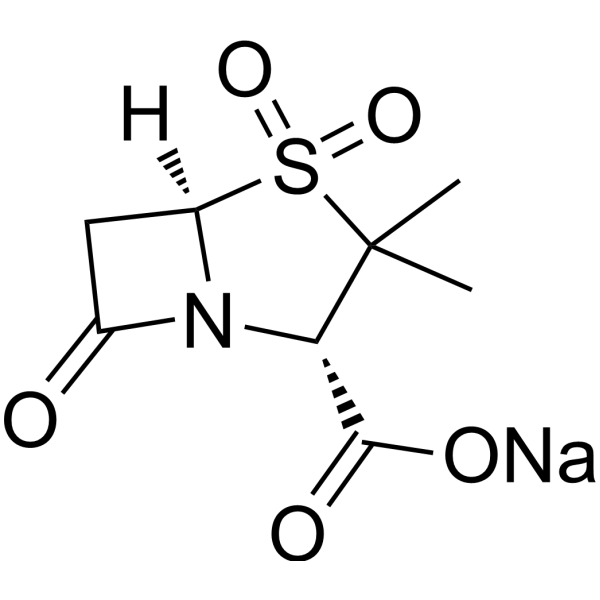
Sulbactam (CP45899) sodium is a competitive, irreversible beta-lactamase inhibitor. Sulbactam sodium shows antimicrobial activity against multidrug-resistant (MDR) acinetobacter calcoaceticus--Acinetobacter baumannii (Acb) complex .
|
-
-
- HY-B0117D
-
|
GAR-936 hydrate
|
Bacterial
Autophagy
Antibiotic
|
Infection
Cancer
|
|
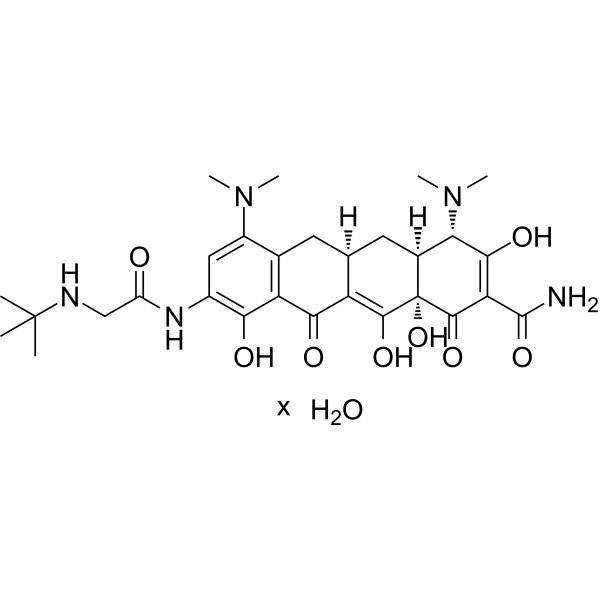
Tigecycline (GAR-936) hydrate is a broad-spectrum glycylcycline antibiotic. The mean inhibitory concentration (MIC) of Tigecycline hydrate for E. coli (MG1655 strain) is approximately 125 ng/mL . MIC50 and MIC90 are 1 and 2 mg/L for Acinetobacter baumannii (A. baumannii), respectively .
|
-
-
- HY-147349
-
|
ANT3310 sodium
|
Beta-lactamase
Bacterial
|
Infection
|
|
Pilabactam (ANT3310) sodium is a broad-spectrum covalent Serine β-Lactamase inhibitor, with IC50 values ranging from 1 nM to 175 nM (a panel of Serine β-Lactamase). Pilabactam sodium potentiates activity of β-lactam antibiotics against Carbapenem-Resistant Enterobacterales (CRE) and Acinetobacter baumannii (CRAB). Pilabactam sodium can be used in the research of bacterial infection .
|
-
-
- HY-P2460
-
|
|
Bacterial
Fungal
Interleukin Related
TNF Receptor
|
Infection
Inflammation/Immunology
|
|
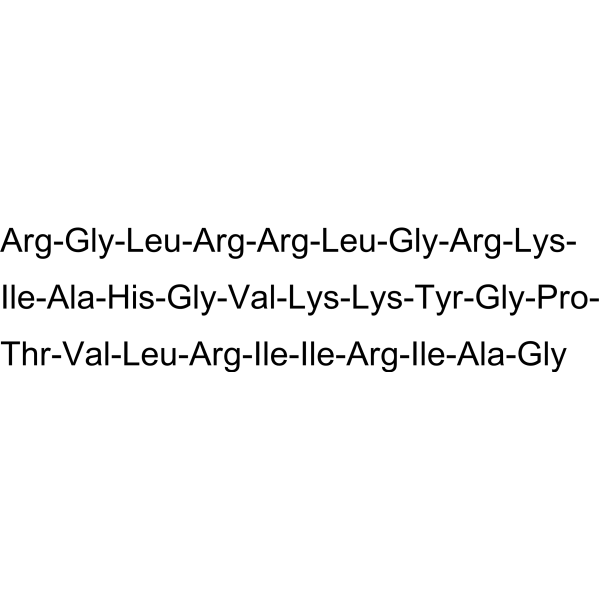
SMAP‑29 is a cathelicidin antimicrobial peptide with LPS‑binding and anti‑inflammatory properties. SMAP‑29 exerts broad‑spectrum antimicrobial activity against bacteria, fungi and multidrug‑resistant isolates. SMAP‑29 kills pathogens by permeabilizing bacterial membranes, inducing depolarization and cell lysis, and also inhibits inflammatory cytokines while reducing lethality in septic shock and pneumonia models. SMAP-29 can be used for research on bacterial infections, drug-resistant infections, septic shock .
|
-
-
- HY-W099729
-
|
|
Bacterial
|
Inflammation/Immunology
|
|
Ethylhexylglycerin has antimicrobial activity, inhibiting the growth of Acinetobacter spp., Pseudomonas aeruginosa complex, and Stenotrophomonas maltophilia. Ethylhexylglycerin can cause pigmentary contact dermatitis .
|
-
-
- HY-B0117A
-
|
GAR-936 hydrochloride
|
Bacterial
Autophagy
Antibiotic
|
Infection
Cancer
|
|
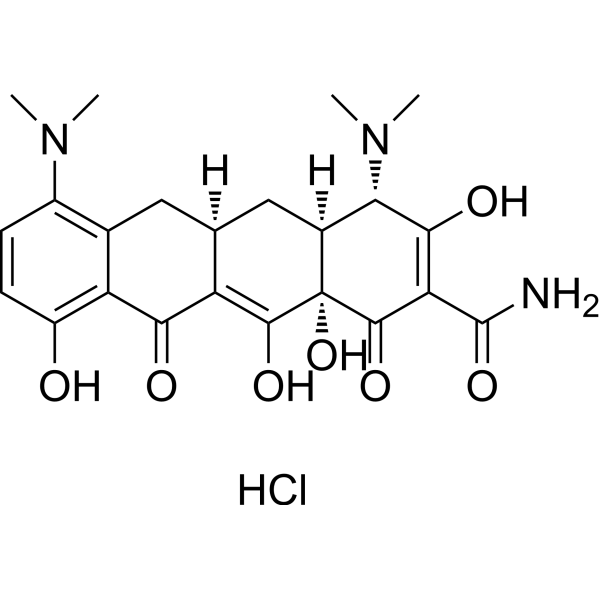
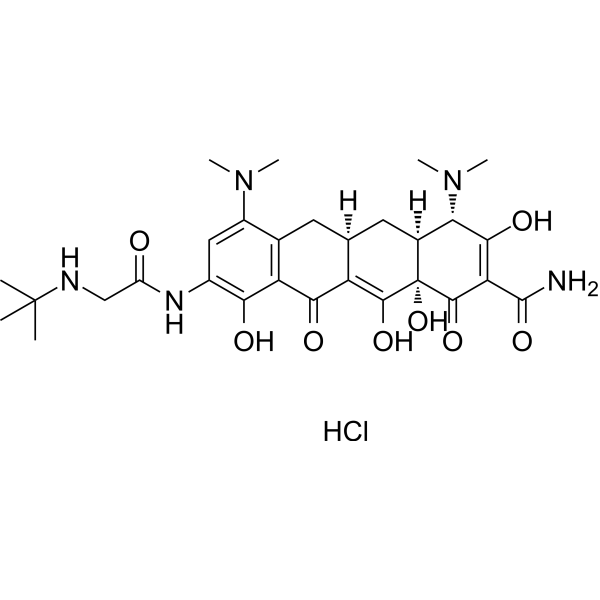
Tigecycline hydrochloride (GAR-936 hydrochloride) is a broad-spectrum glycylcycline antibiotic. The mean inhibitory concentration (MIC) of Tigecycline for E. coli (MG1655 strain) is approximately 125 ng/mL . MIC50 and MIC90 are 1 and 2 mg/L for Acinetobacter baumannii (A. baumannii), respectively .
|
-
-
- HY-136069
-
|
|
Bacterial
|
Infection
|
|
Xeruborbactam is a potent, ultra-broad-spectrum boronic acid beta-lactamase inhibitor. Xeruborbactam inhibits key serine and metallo beta-lactamases at a nano molar range .
|
-
-
- HY-Y1106
-
|
|
Environmental Pollutants
Biochemical Assay Reagents
Bacterial
|
Infection
|
|
Tripotassium phosphate is a Bactericid with bactericidal activity primarily against Gram-negative bacteria. Tripotassium phosphate reduces the population counts of Enterobacteriaceae and Campylobacter in poultry skin rinsates. Tripotassium phosphate fails to reduce the population count of Enterococcus in poultry skin rinsates .
|
-
-
- HY-124789
-
|
|
Bacterial
Antibiotic
|
Infection
|
|
TBT1 is a first-generation inhibitor of the MsbA transporter. TBT1 is an LPS transport inhibitor and MsbA ATPase stimulator in strains from the Acinetobacter genus. TBT1 stimulated ATPase activity with an EC50 of 13 µM .
|
-
-
- HY-19882
-
|
|
Bacterial
|
Infection
|
|
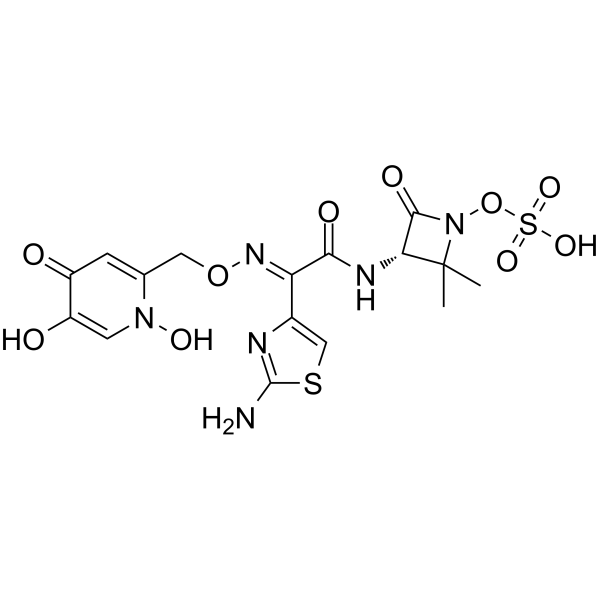
BAL-30072, a siderophore sulfactam, is a monocyclic beta-lactam antibiotic, with activity against multiresistant gram-negative bacilli. BAL30072 shows MIC90 values of 4 μg/mL for MDR Acinetobacter spp. and 8 μg/mL for MDR P. aeruginosa, respectively .
|
-
-
- HY-W006886
-
|
|
Amino Acid Derivatives
|
Others
|
Fmoc-(R)-2-(7-octenyl) Ala-OH is an unnatural Fmoc-protected amino acid and modification module. Fmoc-(R)-2-(7-octenyl) Ala-OH serves as a key building block for all-hydrocarbon cross-linking modification of antimicrobial peptides, and facilitates the generation of stapled peptide derivatives. When introduced into specific sites of the parent peptide, Fmoc-(R)-2-(7-octenyl) Ala-OH effectively increases the α-helix content of the peptide chain, thereby significantly enhancing its antimicrobial activity and proteolytic stability. Fmoc-(R)-2-(7-octenyl) Ala-OH is widely used in research on bacterial infections and the development of related antimicrobial agents . Stapled peptide is a specially chemically modified polypeptide. It locks the peptide chain into a stable α-helical structure by introducing a "staple"-like chemical bridge (usually an all-carbon backbone) at specific positions of the peptide chain.
|
-
-
- HY-117685
-
|
|
Antibiotic
Bacterial
|
Infection
|
|
Cefovecin sodium is an extended-spectrum semisynthetic cephalosporin and bactericidal agent. Cefovecin sodium exerts potent antibacterial activity against multiple bacterial. Cefovecin sodium can be used for the research of bacterial infection .
|
-
-
- HY-136648B
-
|
dATP trisodium,100 mM Solution,PCR Grade
|
Biochemical Assay Reagents
|
Others
|
2'-Deoxyadenosine-5'-triphosphate trisodium,100 mM Solution,PCR Grade (dATP trisodium,100 mM Solution,PCR Grade) is one of the raw materials used by DNA polymerase to synthesize long DNA strands during DNA replication. 2'-Deoxyadenosine-5'-triphosphate trisodium,100 mM Solution,PCR Grade is used in reverse transcription polymerase chain reaction (RT-PCR) for DNA amplification. This product is supplied in the form of an aqueous solution .
|
-
-
- HY-123515
-
|
|
|
Infection
|
|
Clorobiocin is an antibacterial agent with an IC50 of 0.21 μM against the B subunit of E. coli DNA gyrase. Clorobiocin targets the mLaC protein of Gram-negative bacteria. Clorobiocin potently inhibits bacterial DNA replication. Clorobiocin can be used in studies on Gram-negative bacterial infections, such as Acinetobacter baumannii and E. coli infections .
|
-
-
- HY-B0117S
-
|
GAR-936-d9
|
Bacterial
Autophagy
Antibiotic
|
Infection
Cancer
|
|
Tigecycline-d9 is deuterium labeled Tigecycline. Tigecycline (GAR-936) is a broad-spectrum glycylcycline antibiotic. The mean inhibitory concentration (MIC) of Tigecycline for E. coli (MG1655 strain) is approximately 125 ng/mL . MIC50 and MIC90 are 1 and 2 mg/L for Acinetobacter baumannii (A. baumannii), respectively .
|
-
-
- HY-B0867
-
|
|
Environmental Pollutants
Herbicide
|
Others
|
|
2,4-D Butyl ester is a phenoxyacetic acid herbicide used to control woody broadleaf weeds. 2,4-D Butyl ester shows high toxicity to fish and aquatic invertebrates. In animals, 2,4-D Butyl ester hydrolyzes to produce n-butanol, which further induces neurobehavioral toxicity such as ataxia in rats .
|
-
-
- HY-128780
-
|
SPR206
|
Bacterial
|
Infection
Cancer
|
|
Upleganan (SPR206), a polymyxin analogue, and shows antibiotic activity against multidrug resistant Gram-negative pathogen. The MIC values of Upleganan against Pseudomonas aeruginosa Pa14 and Acinetobacter baumannii NCTC13301 are both 0.125 mg/L .
|
-
-
- HY-B0117C
-
|
GAR-936 tetramesylate
|
Bacterial
Autophagy
Antibiotic
|
Infection
Cancer
|
|
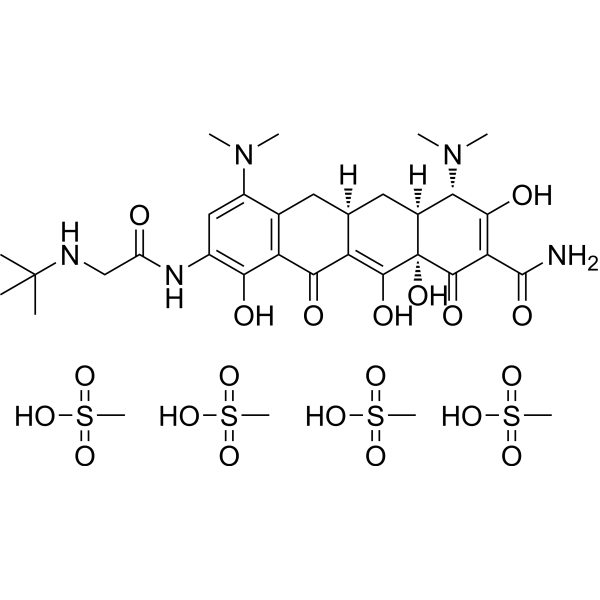
Tigecycline tetramesylate (GAR-936 tetramesylate) is a broad-spectrum glycylcycline antibiotic. The mean inhibitory concentration (MIC) of Tigecycline for E. coli (MG1655 strain) is approximately 125 ng/mL . MIC50 and MIC90 are 1 and 2 mg/L for Acinetobacter baumannii (A. baumannii), respectively .
|
-
-
- HY-124679
-
|
|
Bacterial
|
Infection
|
|
DS86760016 is a potent leucyl-tRNA synthetase (LeuRS) inhibitor with activity against multidrug-resistant (MDR) Gram-negative bacteria, such as Escherichia coli, Klebsiella pneumoniae, and Pseudomonas aeruginosa. DS86760016 inhibits LeuRS enzymes from Escherichia coli, Pseudomonas aeruginosa, and Acinetobacter baumannii, with IC50s of 0.38, 0.62, and 0.16 μM, respectively .
|
-
-
- HY-125416
-
|
|
Antibiotic
Bacterial
|
Infection
|
|
Streptothricin F is a bactericidal antibiotic. Streptothricin F interacts with the 30S subunit of 70S ribosome. Streptothricin F shows rapid, bactericidal activity against highly drug-resistant, carbapenem-resistant Enterobacterales (CRE) (MIC50 and MIC90: 2 and 4 μM, respectively) and Acinetobacter baumannii .
|
-
-
- HY-B0334AS
-
|
|
Bacterial
Antibiotic
|
Infection
|
|
Sulbactam-d5 (sodium) is the deuterium labeled Sulbactam sodium. Sulbactam (CP45899) sodium is a competitive, irreversible beta-lactamase inhibitor. Sulbactam sodium shows antimicrobial activity against multidrug-resistant (MDR) acinetobacter calcoaceticus--Acinetobacter baumannii (Acb) complex .
|
-
-
- HY-B0334AR
-
|
CP45899 sodium (Standard)
|
Reference Standards
Bacterial
Antibiotic
|
Infection
|
|
Sulbactam (sodium) (Standard) is the analytical standard of Sulbactam (sodium). This product is intended for research and analytical applications. Sulbactam (CP45899) sodium is a competitive, irreversible beta-lactamase inhibitor. Sulbactam sodium shows antimicrobial activity against multidrug-resistant (MDR) acinetobacter calcoaceticus--Acinetobacter baumannii (Acb) complex .
|
-
-
- HY-150063
-
|
|
Penicillin-binding protein (PBP)
Bacterial
|
Infection
|
|
Antibacterial agent 116 is a benzophenone-containing salicylanilide compound. Antibacterial agent 116 has potent antibacterial activity by inhibiting the peptidoglycan formation. Antibacterial agent 116 is used as a photoaffinity probe to label Acinetobacter baumannii penicillin-binding protein (PBP1b), block the propagation pathway to disrupt the growth of peptidoglycan chain .
|
-
-
- HY-147349A
-
|
ANT3310
|
Bacterial
Beta-lactamase
|
Infection
|
|
Pilabactam (ANT3310) is a broad-spectrum covalent Serine β-Lactamase inhibitor, with IC50 values ranging from 1 nM to 175 nM (a panel of Serine β-Lactamase). Pilabactam potentiates activity of β-lactam antibiotics against Carbapenem-Resistant Enterobacterales (CRE) and Acinetobacter baumannii (CRAB). Pilabactam can be used in the research of bacterial infection .
|
-
-
- HY-157492
-
|
|
Bacterial
|
Infection
|
|
RO7075573 (compound 3) is an antibiotics that targets the lipopolysaccharide (LPS) transport machine in Acinetobacter. RO7075573 protects mice from A. baumannii infections .
|
-
-
- HY-129805
-
|
|
Bacterial
Antibiotic
|
Infection
|
|
BO 1341 is a PBPs inhibitor and an antipseudomonal semisynthetic cephalosporin, which belongs to the class of Antibiotic. BO 1341 exhibits antibacterial activity against most Gram-negative bacteria, such as Pseudomonas aeruginosa (MIC90: 1.56 μg/mL), Pseudomonas maltophilia (MIC50: 1.56 μg/mL), and Acinetobacter calcoaceticus (MIC90: 3.13 μg/mL) . BO 1341 can be used in the research of infectious diseases .
|
-
-
- HY-B0334AS1
-
|
CP45899-d2 sodium
|
Bacterial
Antibiotic
|
Infection
|
|
Sulbactam-d2 (sodium) is the deuterium labeled Sulbactam sodium . Sulbactam (CP45899) sodium is a competitive, irreversible beta-lactamase inhibitor. Sulbactam sodium shows antimicrobial activity against multidrug-resistant (MDR) acinetobacter calcoaceticus--Acinetobacter baumannii (Acb) complex .
|
-
-
- HY-B0334S
-
|
CP45899-d3
|
Isotope-Labeled Compounds
Antibiotic
Bacterial
|
Infection
|
|
Sulbactam-d3 (CP45899-d3) is deuterium labeled Sulbactam. Sulbactam (CP45899) is a competitive, irreversible beta-lactamase inhibitor. Sulbactam shows antimicrobial activity against multidrug-resistant (MDR) acinetobacter calcoaceticus--Acinetobacter baumannii (Acb) complex .
|
-
-
- HY-171112
-
|
|
Beta-lactamase
Bacterial
|
Infection
|
|
KSP-1007 is a bicyclic boronate-based broad-spectrum β-lactamase inhibitor. KSP-1007 can effectively inhibit class A, B, C and D β-lactamases, including serine-type, metallo-type (such as NDM, VIM, IMP) and Acinetobacter baumannii OXA-type enzymes. KSP-1007 can enhance the antibacterial activity of Meropenem (HY-13678), reduce its MIC value, and be effective against carbapenemase-producing Enterobacteriaceae, Acinetobacter baumannii, and Pseudomonas aeruginosa. KSP-1007 can be used for the research of bacterial infection .
|
-
-
- HY-135801
-
|
|
Drug Intermediate
|
Metabolic Disease
|
|
Arachidonyl alcohol is a long-chain primary fatty alcohol. Arachidonyl alcohol is used as a substrate for the production of several ether lipids possessing beneficial functions .
|
-
-
- HY-W127616A
-
|
Sitosteryl acetate, 95%
|
Bacterial
|
Infection
|
|
β-Sitosterol acetate, 95% (Sitosteryl acetate, 95%) is a sterol that can be isolated from Hechtia glomerata Zucc., which has antibacterial activity and has a MIC value of 100µg/mL against carbapenem-resistant Acinetobacter baumannii .
|
-
-
- HY-B0117B
-
|
GAR-936 mesylate
|
Bacterial
Autophagy
Antibiotic
|
Infection
Cancer
|
|
Tigecycline mesylate (GAR-936 mesylate) is a broad-spectrum glycylcycline antibiotic. The mean inhibitory concentration (MIC) of Tigecycline for E. coli (MG1655 strain) is approximately 125 ng/mL . MIC50 and MIC90 are 1 and 2 mg/L for Acinetobacter baumannii (A. baumannii), respectively .
|
-
-
- HY-160762
-
|
|
Bacterial
|
Infection
|
|
IMB-H4 is an antibacterial agent and BamA binder. IMB-H4 disrupts BamA-BamD interaction by binding to BamA. IMB-H4 shows growth inhibition to Escherichia coli, Klebsiella pneumoniae, Pseudomonas aeruginosa, and Acinetobacter baumannii .
|
-
-
- HY-155011
-
|
|
Bacterial
|
Infection
|
|
MB076 is a novel heterocyclic triazole with improved plasma stability. MB076 inhibits seven different Class C Acinetobacter-derived cephalosporinases (ADCs) β-lactamase variants with Ki values <1 μM. MB076 acts synergistically in combination with multiple cephalosporins to restore pBCSK(-) susceptibility .
|
-
-
- HY-B0117R
-
|
GAR-936 (Standard)
|
Reference Standards
Bacterial
Autophagy
Antibiotic
|
Infection
Cancer
|
|
Tigecycline (Standard) is the analytical standard of Tigecycline. This product is intended for research and analytical applications. Tigecycline (GAR-936) is a broad-spectrum glycylcycline antibiotic. The mean inhibitory concentration (MIC) of Tigecycline for E. coli (MG1655 strain) is approximately 125 ng/mL . MIC50 and MIC90 are 1 and 2 mg/L for Acinetobacter baumannii (A. baumannii), respectively .
|
-
-
- HY-B0317F
-
|
|
Calcium Channel
|
Infection
|
|
Amlodipine hydrochloride is a biologically active drug used to lower blood pressure and prevent chest pain. Amlodipine hydrochloride has shown synergistic effects with antimicrobial drugs in in vitro studies, especially against carbene peptide-resistant Acinetobacter baumannii. Amlodipine hydrochloride can be used in combination with other antibiotics to enhance the inhibitory effect against resistant bacteria. The use of amlodipine hydrochloride helps reduce the dosage requirements of the drug, reduce toxic effects, and delay the emergence of drug resistance .
|
-
-
- HY-P11004
-
|
|
Bacterial
Antibiotic
|
Infection
|
|
A3-APO is an antimicrobial peptide. A3-APO has a significant antimicrobial activity by a dual mode of action with both membrane disintegration and intracellular target inhibition. A3-APO can deactivate bacterial toxins and increase the expression of anti-inflammatory cytokines (such as IL-4 and IL-10), without antimicrobial resistance. A3-APO accelerates burn wounds healing in mice infection model of Acinetobacter baumannii and Staphylococcus aureus .
|
-
-
- HY-122699
-
|
|
Beta-lactamase
Bacterial
|
Infection
|
|
LN-1-255 sodium is a β-lactamase inhibitor. LN-1-255 sodium has broad-spectrum inhibitory effect on type D carbapenemases (CHDLs) with an IC50 for OXA-48 of 3 nM, and it also has strong activity against OXA-23, OXA-24/40, etc. LN-1-255 sodium combined with carbapenem antibiotics has a synergistic effect. LN-1-255 sodium can be used to study the bacterial resistance crisis caused by CHDLs .
|
-
-
- HY-121195
-
|
PC-904
|
Bacterial
|
Infection
|
|
Apalcillin (PC-904) in combination with Ro 48-1220, a penam sulfone β-lactamase inhibitor, demonstrated broad-spectrum activity against gram-negative aerobic and anaerobic bacteria, excluding Klebsiella oxytoca. It exhibited potent activity against β-lactamase-producing Moraxella catarrhalis, Haemophilus influenzae, and Neisseria gonorrhoeae, with effective MICs (11 μg/mL). The combination also inhibited Pseudomonas aeruginosa, Stenotrophomonas maltophilia, and Acinetobacter species at low MICs (0.25 to 4 μg/mL). However, its efficacy against oxacillin-resistant staphylococci and certain gram-positive organisms was limited. Apalcillin/Ro 48-1220 showed comparable efficacy to piperacillin/tazobactam against some extended-spectrum β-lactamase-producing Escherichia coli but was less effective against SHV-type β-lactamases .
|
-
-
- HY-P11250
-
|
|
Bacterial
NO Synthase
Interleukin Related
Reactive Oxygen Species (ROS)
Toll-like Receptor (TLR)
ERK
JNK
p38 MAPK
|
Infection
Inflammation/Immunology
|
|
HVF18-a3-d is an antimicrobial peptide. HVF18-a3-d reduces NO production. HVF18-a3-d inhibits the production of TNF-α and IL-6, reduces ROS production, and suppresses the TLR4 signaling pathway, as well as LPS-induced phosphorylation of ERK, JNK, and p38 MAPK. HVF18-a3-d exhibits antimicrobial activity against a variety of bacteria by disrupting their outer and inner membranes. HVF18-a3-d protects mice from fatal septic shock induced by Acinetobacter baumannii resistant to Carbapenem. HVF18-a3-d shows anti-inflammatory and antioxidant effects .
|
-
- HY-103251R
-
|
LpxC-4 (Standard)
|
Reference Standards
Antibiotic
Bacterial
|
Infection
|
|
Cefalonium (dihydrate) (Standard) is the analytical standard of Cefalonium (dihydrate). This product is intended for research and analytical applications. Cefalonium dihydrate is a cephalosporin antibiotic. Cefalonium (dihydrate) is effective against Staphylococcus aureus. Cefalonium (dihydrate) has anti-inflammatory and antibacterial activities .
|
-
- HY-W104752
-
-
- HY-162839
-
|
|
Bacterial
|
Infection
|
|
Cerastecin D (compound 1) is an antibacterial agent. Cerastecin D shows inhibition on Acinetobacter baumannii ATCC19606 with MITC95 values of 165 nM .
|
-
- HY-124789R
-
|
|
Reference Standards
Bacterial
Antibiotic
|
Infection
|
|
TBT1 (Standard) is the analytical standard of TBT1. This product is intended for research and analytical applications. TBT1 is a first-generation inhibitor of the MsbA transporter. TBT1 is an LPS transport inhibitor and MsbA ATPase stimulator in strains from the Acinetobacter genus. TBT1 stimulated ATPase activity with an EC50 of 13 µM[1].
|
-
- HY-178384
-
|
|
Bacterial
|
Infection
|
|
Antibacterial agent 294 is an antibacterial agent. Antibacterial agent 294 shows antibacterial effect against carbapenem-resistant Acinetobacter baumannii (CRAB) with a MIC of 0.5 μg/mL. Antibacterial agent 294 can be used for the research of infection .
|
-
- HY-168955
-
-
- HY-N15678
-
|
1,3,6,8-THAQ
|
Bacterial
|
Infection
Cancer
|
|
Rheoemodin is an anthraquinone and antibacterial agent. Rheoemodin can be isolated from Cordyceps morakotii BCC 56811. Rheoemodin exhibits antibacterial activity against Acinetobacter baumannii (MIC: 12.5 μg/mL). Rheoemodin also exhibits weak to moderate antimycobacterial and antifungal activity. Rheoemodin also exhibits anticancer activity against breast cancer and small cell lung cancer .
|
-
- HY-P10700
-
|
|
Antibiotic
Bacterial
|
Infection
|
|
RO7196472 is a potent and selective macrocyclic peptide antibiotic that targets Acinetobacter strains. RO7196472 inhibits Acinetobacter strain activity by specifically binding to the Lipopolysaccharide (LPS) binding site on the LptB2FG complex located on the inner membrane of Acinetobacter strains, thereby blocking LPS transport and suppressing Acinetobacter strain activity .
|
-
- HY-155007
-
|
|
Bacterial
|
Infection
|
|
DNA gyrase B-IN-2 (Compound E) is a 2-aminobenzothiazole-based DNA gyrase B inhibitor with promising activity against ESKAPE bacterial pathogens. DNA gyrase B-IN-2 showed low nanomolar inhibition of DNA gyrase (IC50 < 10 nM) and broad-spectrum antibacterial activity against pathogens belonging to the ESKAPE group, with the minimum inhibitory concentration < 0.03 μg/mL for most Gram-positive strains and 4–16 μg/mL against Gram-negative E. coli, Acinetobacter baumannii, Pseudomonas aeruginosa, and Klebsiella pneumoniae.DNA gyrase B-IN-2 can be used for the research of infection .
|
-
- HY-N16389
-
|
|
Endogenous Metabolite
Bacterial
|
Infection
|
|
Oresbiusin A (Compound 6) is a plant secondary metabolite. Oresbiusin A can be isolated from Origanum dictamnus L. Oresbiusin A has antimicrobial activity against Gram-negative bacterium, such as Acinetobacter hemolyticus, Empedobacter brevis and Pseudomonas aeruginosa with a MIC of 0.236 μg/mL for Acinetobacter hemolyticus .
|
-
- HY-163473
-
|
|
Bacterial
|
Infection
|
|
IITR08367 is a potent effector pump Acinetobacter baumannii Fosfomycin Efflux pump (AbaF) inhibitor for enhancing the antimicrobial activity of Fosfomycin (HY-B1075A) against Acinetobacter baumannii. IITR08367 acts by interfering with Fosfomycin/H + reverse transporter activity. .
|
-
- HY-B0334R
-
|
CP45899 (Standard)
|
Reference Standards
Bacterial
Antibiotic
|
Infection
|
|
Sulbactam (Standard) is the analytical standard of Sulbactam. This product is intended for research and analytical applications. Sulbactam (CP45899) is a competitive, irreversible beta-lactamase inhibitor. Sulbactam shows antimicrobial activity against multidrug-resistant (MDR) acinetobacter calcoaceticus--Acinetobacter baumannii (Acb) complex .
|
-
- HY-P10402
-
|
|
Bacterial
|
Infection
Cancer
|
|
BMAP 28, bovine is an antibacterial peptide. BMAP 28, bovine exhibits antimicrobial activity against gram-positive and gram-negative bacteria, by increasing cell membrane permeability, and causing leakage of cell contents. BMAP 28, bovine exhibits cytotoxicity to cancer cells and activated human lymphocytes. BMAP 28, bovine induces apoptosis through depolarization of mitochondrial membrane potential .
|
-
- HY-144387
-
|
|
Antibiotic
Bacterial
|
Infection
Inflammation/Immunology
|
|
ient S. Tm and hyperpermeable Escherichia coli. The potencies against WT strains of E. coli, Acinetobacter baumannii, and Burkholderia cenocepacia are also improved considerably (up to >128-fold) with the outer-membrane permeabi
|
-
- HY-168281
-
|
|
Bacterial
|
Infection
|
|
P6P-10,10 is an antimicrobial agent. P6P-10,10 has an IC50 value of 3 μM against colistin-resistant Acinetobacter baumannii .
|
-
- HY-113590
-
|
|
Bacterial
|
Infection
|
|
FR295389 is a dihydroimidazopyrazolium cephalosporin with antibacterial activity. FR295389 shows activity against IMP-type metallo-β-lactamases (MBL)-producing Klebsiella pneumoniae, Acinetobacter baumanii and Pseudomonas putida with MIC values ranging from 4 to 32 mg/mL .
|
-
- HY-161413
-
|
|
Bacterial
|
Infection
Inflammation/Immunology
|
Antibacterial agent 204 (Compd P2-56-3) possesses potentiated Rifampin (RIF) activity against Acinetobacter baumannii and Klebsiella pneumoniae. Antibacterial agent 204 (Compd P2-56-3) disrupts the outer membrane of A. baumannii. T .
|
-
- HY-173239
-
|
|
Bacterial
|
Infection
|
|
Antibacterial agent 274 (Compound 18b) is a membrane-targeting antibacterial agent that demonstrates a MIC of 8 μg/mL against Acinetobacter baumannii ATCC 17978. By disrupting bacterial membrane integrity, it induces intracellular ROS accumulation and causes leakage of DNA and proteins, thereby exhibiting potent antibacterial activity. This compound is suitable for research applications targeting Gram-negative bacterial infections .
|
-
- HY-157315
-
|
|
Bacterial
|
Infection
|
|
21272541 is a potent inhibitor of FabI protein. 21272541 significantly inhibits the infections caused by Gram-negative organisms .
|
-
- HY-159969
-
|
|
Bacterial
Antibiotic
|
Infection
|
|
MLEB-22043 is a synthetic siderophore-monobactam conjugate that is taken up into bacteria via its synthetic siderophore component by TonB-dependent transporters. Once inside the bacteria, it exerts antibacterial activity through its β-lactam component. MLEB-22043 is a broad-spectrum antibiotic with significant inhibitory activity against Klebsiella pneumoniae, Escherichia coli, Acinetobacter baumannii, and Pseudomonas aeruginosa .
|
-
- HY-107120
-
|
|
Drug Derivative
Antibiotic
Bacterial
|
Infection
|
|
CB-182804, Polymyxin B (HY-149179) analogue, is a polypeptide antibiotic. CB-182804 has inhibitory activity against all Gram-negative pathogenic bacteria, including Escherichia coli, Klebsiella pneumoniae, Acinetobacter baumannii, and Pseudomonas aeruginosa with MIC50 values of 2 μg/mL. CB-182804 is mainly used for the research on refractory infections caused by multidrug-resistant (MDR) Gram-negative bacteria .
|
-
- HY-161279
-
|
|
Bacterial
Lactate Dehydrogenase
Reactive Oxygen Species (ROS)
|
Infection
|
|
Antibiofilm agent-5 (compound 6c) is a multitargeting antibacterial agent with potent antibiofilm activity. Antibiofilm agent-5 could induce metabolic dysfunction by deactivating lactate dehydrogenase and promote the accumulation of reactive oxygen species to decrease the reduced glutathione and ultimately cause oxidative damage in bacteria. Antibiofilm agent-5 can be used for the research of refractory biofilm-intensified bacterial infections .
|
-
- HY-174333
-
|
|
Bacterial
Cytochrome P450
|
Infection
Cardiovascular Disease
|
|
CYP1A1-IN-1 (Compound 47) is a small-molecule cytochrome P4501A1 (CYP1A1) inhibitor. CYP1A1-IN-1 reduces the bacterial loads of methicillin-resistant Staphylococcus aureus (MRSA) and Acinetobacter baumannii by enhancing macrophage phagocytosis. CYP1A1-IN-1 is promising for research of sepsis caused by multidrug-resistant (MDR) bacteria .
|
-
- HY-172109
-
|
|
DNA/RNA Synthesis
|
Infection
|
|
DNA Gyrase-IN-15 (Compound 11) is an antimicrobial agent and inhibitor of DHPS and DNA gyrase, with IC50s of 1.73 and 0.07 µM, respectively. DNA Gyrase-IN-15 shows antimicrobial activity against Enterococcus faecalis (MIC of 15.62 µg/mL), Acinetobacter baumannii, Enterobacter species (MIC of 7.81 µg/mL), Pseudomonas aeruginosa, Klebsiella pneumoniae and Staphylococcus aureus. DNA Gyrase-IN-15 also shows antibiofilm activity against Enterococcus faecalis .
|
-
- HY-115693
-
|
|
Bacterial
|
Infection
|
|
CAP 3 is a cholic acid-peptide conjugate (CAP) antimicrobial agent. CAP 3 effectively inhibits Gram-negative bacteria, with MIC99 (minimum inhibitory concentration for 99% bacterial killing) values of 8 μM, 16 μM, and 16 μM against E. coli, Klebsiella pneumoniae and Acinetobacter baumannii, respectively. CAP 3 exerts its antibacterial effects by disrupting the structural integrity of the bacterial lipopolysaccharide (LPS) outer membrane. CAP 3 rapidly kills bacteria, inhibits biofilm formation, and effectively combats drug-resistant strains and persistent bacterial infections .
|
-
- HY-117736
-
|
|
Penicillin-binding protein (PBP)
Bacterial
|
Infection
Inflammation/Immunology
|
|
Ro 09-1428 is a broad-spectrum parenteral cephalosporin. Ro 09-1428 has potent antibacterial activities against Pseudomonas aeruginosa and Acinetobacter caloaceticus, with MIC90s of 0.39 and 6.25 μg/mL, respectively, better than Ceftazidime (HY-B0593). Additionally, Ro 09-1428 shows high activity against Escherichia coli, Kkbsielia pneumoniae, Proteus mirabilis, P. aeruginosa, staphylococci, and more. Ro 09-1428 preferentially attacks PBP 3 for target in E. coli and P. aeruginosa, which is promising for research of septicemias and serious P. aeruginosa infections .
|
-
- HY-E71040
-
|
|
Biochemical Assay Reagents
|
Others
|
|
Cyclohexanone Monooxygenase, Acinetobacter sp. (EC 1.14.13.22) is a versatile oxygenation catalyst. Cyclohexanone Monooxygenase, Acinetobacter sp. (EC 1.14.13.22) uses the bound FAD-4a-OOH oxygenating intermediate to initiate transfer of oxygen to electrophilic substrate sites. Cyclohexanone Monooxygenase, Acinetobacter sp. (EC 1.14.13.22) is also capable of oxygenating at nitrogen, trivalent phosphorus, and boron sites in boronic acids.
|
-
- HY-E70899D
-
|
|
Topoisomerase
|
Others
|
|
Topoisomerase IV, Acinetobacter baumannii (EC 5.99.1.) is prepared by overexpressing the subunits in E. coli. Topoisomerase IV is supplied as a heterotetramer complex in Dilution buffer.
|
-
- HY-186106
-
|
|
Bacterial
|
Infection
|
|
3-Deoxyanguibactin is a siderophore and Fe(III) chelator/iron delivery agent. 3-Deoxyanguibactin binds Fe(III) with 2:1 stoichiometry in liquid phase, delivers iron into Acinetobacter baumannii cells, and relies on the BauA outer membrane receptor and bau transport system for cellular entry. 3-Deoxyanguibactin can be used for the research of acinetobacter baumannii infection .
|
-
- HY-180399
-
|
|
Bacterial
|
Infection
|
|
Antibacterial agent 323 is an antifbacterial agent with weak activity. Antibacterial agent 323 can be used for the research of bacterial nfection, such as Acinetobacter baumannii strains .
|
-
- HY-182684
-
|
|
Bacterial
Dihydrofolate reductase (DHFR)
|
Infection
|
|
MMV675968 is an inhibitor of Acinetobacter baumannii dihydrofolate reductase (AbDHFR) with an IC50 of 8.5 nM, and it exhibits selectivity against human DHFR. MMV675968 inhibits dihydrofolate reductase in Cryptosporidium, Plasmodium, and Escherichia coli, disrupting the thymidylate cycle and folate biosynthesis pathway. MMV675968 inhibits the growth of multiple A. baumannii strains, including clinical isolates and environmental isolates. MMV675968 is applicable to research related to A. baumannii infections .
|
-
- HY-182936
-
|
|
Bacterial
DNA/RNA Synthesis
|
Infection
|
|
Antibacterial agent 338 (Compound 65) is an antibacterial agent and GyrB inhibitor, with an IC50 of 12.60 nM against GyrB from E. coli. Antibacterial agent 338 binds to the ATP-binding domain of E. coli GyrB, thereby inhibiting the ATPase activity of GyrB. Antibacterial agent 338 exhibits broad-spectrum antibacterial activity against multidrug-resistant Gram-negative bacteria. Antibacterial agent 338 reduces bacterial load in a neutropenic mouse thigh infection model. Antibacterial agent 338 can be used for the research of Acinetobacter baumannii infection .
|
-
- HY-181686
-
|
|
Bacterial
Reactive Oxygen Species (ROS)
|
Infection
|
|
Antibacterial agent 326 is a bactericide that inhibits the growth of various bacterial strains. Antibacterial agent 326 inhibits biofilm formation in Escherichia coli, disrupts bacterial cell membranes, induces oxidative stress and lipid peroxidation in Escherichia coli, increases ROS levels, and reduces GSH activity. Antibacterial agent 326 can be used in studies of bacterial infections, including those caused by Escherichia coli, Staphylococcus aureus, Enterococcus faecalis, Listeria spp., Bacillus subtilis, Serratia marcescens, Salmonella enteritidis and Acinetobacter calcoaceticus .
|
-
- HY-N16389B
-
|
|
Drug Isomer
|
Inflammation/Immunology
|
|
(±)-Oresbiusin A is a racemate of Oresbiusin A (HY-N16389). Oresbiusin A is a plant secondary metabolite. Oresbiusin A can be isolated from Origanum dictamnus L.. Oresbiusin A exhibits antibacterial activity against Gram-negative bacteria (such as Acinetobacter hemolyticus, Empedobacter brevis, and Pseudomonas aeruginosa), with an MIC value of 0.236 μg/mL against Acinetobacter hemolyticus.
|
-
- HY-181939
-
|
|
Bacterial
|
Infection
|
|
Antibacterial agent 329 (Compound 9c) is an antibacterial agent. Antibacterial agent 329 inhibits the activity of MraY. Antibacterial agent 329 exhibits antibacterial activity against Escherichia coli K12 and Bacillus subtilis W23 with a MIC of 16 μg/mL, but shows no activity against Pseudomonas fluorescens Pf-5. Antibacterial agent 329 exerts antibacterial activity against Acinetobacter baumannii 19606, Staphylococcus aureus MRSA USA300 JE2, Enterobacter cloacae 19434, Klebsiella pneumoniae 700603 and Enterococcus faecium 19434, with MIC values of 8, 8, 16-32, 16-32 and 16 μg/mL, respectively, while it shows no activity against Pseudomonas aeruginosa NCTC 13437 .
|
-
- HY-128526
-
|
|
Bacterial
|
Infection
|
|
Acinetobactin is a major siderophore utilized by the human pathogen Acinetobacter baumannii. Acinetobactin can be used as an antibiotic delivery vehicle targeting A. baumannii .
|
-
- HY-N17533
-
|
|
Others
|
Infection
Cancer
|
|
Sargentodoside D is a phenolic glycoside. Sargentodoside D occurs in the stems of Sargentodoxa cuneata. Sargentodoside D is applicable to research on infections caused by Acinetobacter baumannii, Candida albicans and Staphylococcus aureus, as well as research on cervical cancer .
|
-
- HY-P11580
-
|
|
Toll-like Receptor (TLR)
Bacterial
|
Infection
|
|
Pap12-6-10 is an MD-2 ligand that binds to the hydrophobic pocket of MD-2 to inhibit the dimerization of the TLR4/MD-2 complex and downstream inflammatory signal transduction. Pap12-6-10 also binds to LPS to permeabilize bacterial cell membranes and induce oxidative stress, leading to bacterial death. Pap12-6-10 regulates LPS-induced inflammatory responses through the TLR4 signaling pathway and exhibits antibacterial activity against multidrug-resistant Gram-negative bacteria. Pap12-6-10 shows low tendency to induce drug resistance and low preclinical cytotoxicity, and it prevents organ damage in a mouse model of sepsis. Pap12-6-10 can be used for research related to Gram-negative sepsis and carbapenem-resistant Acinetobacter baumannii infections .
|
-
- HY-E71338
-
|
|
Biochemical Assay Reagents
|
Others
|
|
γ-Glutamylanilide synthase (EC 6.3.1.18) requires Mg2+. The enzyme, characterized from the bacterium Acinetobacter sp. YAA, catalyses the first step in the degradation of aniline. It can also accept chlorinated and methylated forms of aniline, preferrably in the o-and p-positions.
|
-
- HY-178368
-
|
|
Bacterial
|
Infection
|
|
Antibacterial agent 293 (Compound 5) is an antibacterial agent, exhibiting potent anti-Gram-negative bacterial activity. Antibacterial agent 293 shows activity against Escherichia coli, Acinetobacter baumannii and Klebsiella pneumonia. Antibacterial agent 293 can be used for the research of diseases related to Gram-negative bacterial infections .
|
-
- HY-U00092A
-
|
|
Bacterial
|
Infection
|
|
BAY-Y 3118 hydrochloride is a quinolone antibacterial agent. BAY-Y 3118 hydrochloride has a broad antibacterial spectrum in vitro. BAY-Y 3118 hydrochloride exhibits high activity against gram-positive cocci and anaerobes. BAY-Y 3118 hydrochloride shows moderate activity against Enterobacteriaceae and Pseudomonas aeruginosa. BAY-Y 3118 hydrochloride can be used in the research of infectious diseases .
|
-
- HY-168674
-
|
|
Bacterial
|
Infection
|
|
Antibacterial agent 255 (compound (±)-1) is a potent antibacterial agent. Antibacterial agent 255 is a potent and selective 4-diphosphocytidyl-2-C-methyl-D-erythritol (IspE) inhibitor with IC50 values of 13.0, 8.0, 20 µM for EclspE, KplspE, AblspE, respectively .
|
-
- HY-174852
-
|
|
Antibiotic
Bacterial
|
Infection
|
|
Antibacterial agent 285 (Compound 3) is a cephalosporin antibiotic. Antibacterial agent 285 has significant antibacterial activity against gram-negative bacterium with MICs of 0.125-0.5, 0.125-0.5 and 0.125-2 μg/mL for carbapenem-resistant Acinetobacter baumannii (CRAB), Klebsiella pneumoniae (CRE) and Pseudomonas aeruginosa (CRPA), respectively. Antibacterial agent 285 can be used for bacterial infection research, such as complicated urinary tract infections (cUTI) and kidney infections .
|
-
- HY-183751
-
|
|
Bacterial
Reactive Oxygen Species (ROS)
|
Infection
|
|
Antibacterial agent 346 (Compound H14d) is a broad-spectrum Antibacterial agent and BsFtsZ inhibitor, with an IC50 of 69.67 μg/mL against BsFtsZ. Antibacterial agent 346 selectively binds to phosphatidylglycerol, disrupts membrane integrity, increases permeability, triggers depolarization and causes intracellular protein leakage. Antibacterial agent 346 induces intracellular ROS accumulation, which in turn triggers oxidative stress and cell death. Antibacterial agent 346 eradicates mature biofilms formed by Gram-positive and Gram-negative bacteria. Antibacterial agent 346 exhibits antibacterial activity against methicillin-resistant Staphylococcus aureus and Acinetobacter baumannii. Antibacterial agent 346 can be used in the research of bacterial infections .
|
-
- HY-185351
-
|
Ampicillin/Sulbactam combination
|
Bacterial
Antibiotic
|
Infection
|
|
Ampicillin sodium and Sulbactam sodium are formed by mixing HY-B0522A Ampicillin sodium with HY-B0334A Sulbactam sodium (each 1.5 g of this product contains 1 g amoxicillin sodium and 0.5 g sulbactam sodium). Ampicillin is a β-lactam antimicrobial, whereas sulbactam is a β-lactamase inhibitor. Ampicillin has a broad spectrum of bactericidal activity against many gram-positive and gram-negative aerobic and anaerobic bacteria. However, ampicillin is degraded by beta-lactamases. The combination of ampicillin and sulbactam demonstrates synergy in addressing bacterial strains resistant to ampicillin, thus providing broader coverage. Bacteria susceptible to ampicillin/sulbactam include Haemophilus influenzae, Escherichia coli, Acinetobacter, Klebsiella, Staphylococcus aureus, Enterobacter, and anaerobes.
|
-
- HY-P11471
-
|
|
Bacterial
Reactive Oxygen Species (ROS)
|
Infection
|
|
(K(C10)GGGRrRPC)2 (Compound (C-C10)C-C) is a dimeric lipopeptide and antibacterial agent. (K(C10)GGGRrRPC)2 enhances the accumulation of ROS, inhibits the bacterial respiratory chain dehydrogenase activity. (K(C10)GGGRrRPC)2 exhibits significant inhibition of bacterial biofilm formation. (K(C10)GGGRrRPC)2 exhibits antimicrobial activity against Acinetobacter baumannii AB1901, A. baumannii AB1902, Pseudomonas aeruginosa 25349, Staphylococcus aureus 11011, with MICs of 4 μM, 8 μM, 4 μM, and 8 μM, respectively. (K(C10)GGGRrRPC)2 shows antimicrobial efficacy against E. coli ATCC 25922 .
|
-
- HY-P11634
-
|
|
Bacterial
|
Infection
|
|
KF-22 is an antimicrobial peptide that exhibits antimicrobial activity against both Gram-negative and Gram-positive bacteria. KF-22 demonstrates broad-spectrum, potent activity against multidrug-resistant bacteria with low toxicity. KF-22 can be used in research related to infections .
|
-
- HY-P10519A
-
|
|
Bacterial
Reactive Oxygen Species (ROS)
|
Infection
|
|
Brevicidine TFA is an antimicrobial peptide with selective bactericidal activity against Gram-negative pathogens. Brevicidine TFA disrupts bacterial morphology by binding to lipopolysaccharide (LPS) on the bacterial cell membrane to form pores. Brevicidine TFA causes dissipation of intracellular proton motive force, outer membrane damage, inhibition of ATP biosynthesis and reactive oxygen species accumulation in bacterial cells. As a sensitizer, Brevicidine TFA exerts synergistic activity when combined with a variety of conventional antibiotics .
|
-
- HY-181751
-
|
|
Bacterial
|
Infection
|
|
FabI-IN-1 is a FabI (enoyl-acyl carrier protein reductase) inhibitor with a Ki of 0.32 μM against E. coli FabI. FabI-IN-1 inhibits exhibits activity against Gram-negative bacteria including Escherichia coli (MIC = 6.25 μM) and Klebsiella pneumoniae. FabI-IN-1 rescues Galleria mellonella larvae from lethal Escherichia coli infection. FabI-IN-1 exerts a synergistic effect with Colistin (HY-113678) against Escherichia coli. FabI-IN-1 can be used for the research of gram-negative bacterial infection .
|
-
- HY-125604A
-
|
|
Beta-lactamase
Bacterial
|
Infection
Inflammation/Immunology
|
|
WCK-4234 free base is a diazabicyclooctane β-lactamase inhibitor and susceptibility restorer. WCK-4234 free base lacks direct antibacterial activity. WCK-4234 free base inhibits class A, C, D β-lactamases and extended-spectrum β-lactamases to potentiate Imipenem (HY-B1369A) and Meropenem (HY-13678) activity against Gram-negative pathogens. WCK-4234 free base can be used for the research of gram-negative bacterial infections and β-lactamase-mediated carbapenem-resistant bacterial infections .
|
-
- HY-125604
-
|
|
Beta-lactamase
Bacterial
|
Infection
Inflammation/Immunology
|
|
WCK-4234 is a diazabicyclooctane β-lactamase inhibitor and susceptibility restorer. WCK-4234 lacks direct antibacterial activity. WCK-4234 inhibits class A, C, D β-lactamases and extended-spectrum β-lactamases to potentiate Imipenem (HY-B1369A) and Meropenem (HY-13678) activity against Gram-negative pathogens. WCK-4234 can be used for the research of gram-negative bacterial infections and β-lactamase-mediated carbapenem-resistant bacterial infections .
|
-
- HY-149734
-
|
|
Bacterial
|
Infection
|
|
MA220607 is a FtsZ protein inhibitor with activity against both Gram-positive and Gram-negative bacteria. MA220607 inhibits bacterial growth and shows low bacterial resistance frequency. MA220607 increases bacterial membrane permeability and alters proton gradients. MA220607 blocks the formation of bacterial biofilms. MA220607 can be used in studies of bacterial infections .
|
-
- HY-111521
-
|
Carbavance
|
Antibiotic
Bacterial
Beta-lactamase
|
Infection
|
|
Meropenem-vaborbactam (Carbavance) is a Carbapenem Antibiotic and Boronic acid-based beta-lactamase inhibitor, is a fixed-dose combination product with potent in vitro activity against Enterobacteriaceae that are Klebsiella pneumoniae carbapenemase producers. Meropenem-vaborbactam exhibits activity against Pseudomonas aeruginosa isolates , with an MIC50 of 0.5 μg/mL and an MIC90 of 8 μg/mL .
|
-
- HY-182622
-
|
|
Antibiotic
Bacterial
|
Infection
|
|
Etimicin is a fourth-generation semisynthetic aminoglycoside antibiotic. Etimicin exhibits broad spectrum of activity against gram-positive, gram-negative, and aminoglycoside-resistant bacterial strains, with lower ototoxicity and nephrotoxicity. Etimicin exerts rapid, concentration-dependent bactericidal activity against bacteria. Etimicin can be used for the research of bacterial infections .
|
-
- HY-Y1805
-
-
| Cat. No. |
Product Name |
Type |
-
- HY-Y1106
-
|
|
Biochemical Assay Reagents
|
|
Tripotassium phosphate is a Bactericid with bactericidal activity primarily against Gram-negative bacteria. Tripotassium phosphate reduces the population counts of Enterobacteriaceae and Campylobacter in poultry skin rinsates. Tripotassium phosphate fails to reduce the population count of Enterococcus in poultry skin rinsates .
|
-
- HY-136648B
-
|
dATP trisodium,100 mM Solution,PCR Grade
|
Biochemical Assay Reagents
|
2'-Deoxyadenosine-5'-triphosphate trisodium,100 mM Solution,PCR Grade (dATP trisodium,100 mM Solution,PCR Grade) is one of the raw materials used by DNA polymerase to synthesize long DNA strands during DNA replication. 2'-Deoxyadenosine-5'-triphosphate trisodium,100 mM Solution,PCR Grade is used in reverse transcription polymerase chain reaction (RT-PCR) for DNA amplification. This product is supplied in the form of an aqueous solution .
|
-
- HY-W127616A
-
|
Sitosteryl acetate, 95%
|
Biochemical Assay Reagents
|
|
β-Sitosterol acetate, 95% (Sitosteryl acetate, 95%) is a sterol that can be isolated from Hechtia glomerata Zucc., which has antibacterial activity and has a MIC value of 100µg/mL against carbapenem-resistant Acinetobacter baumannii .
|
| Cat. No. |
Product Name |
Target |
Research Area |
-
- HY-P2460
-
|
|
Bacterial
Fungal
Interleukin Related
TNF Receptor
|
Infection
Inflammation/Immunology
|
|
SMAP‑29 is a cathelicidin antimicrobial peptide with LPS‑binding and anti‑inflammatory properties. SMAP‑29 exerts broad‑spectrum antimicrobial activity against bacteria, fungi and multidrug‑resistant isolates. SMAP‑29 kills pathogens by permeabilizing bacterial membranes, inducing depolarization and cell lysis, and also inhibits inflammatory cytokines while reducing lethality in septic shock and pneumonia models. SMAP-29 can be used for research on bacterial infections, drug-resistant infections, septic shock .
|
-
- HY-W006886
-
|
|
Amino Acid Derivatives
|
Others
|
Fmoc-(R)-2-(7-octenyl) Ala-OH is an unnatural Fmoc-protected amino acid and modification module. Fmoc-(R)-2-(7-octenyl) Ala-OH serves as a key building block for all-hydrocarbon cross-linking modification of antimicrobial peptides, and facilitates the generation of stapled peptide derivatives. When introduced into specific sites of the parent peptide, Fmoc-(R)-2-(7-octenyl) Ala-OH effectively increases the α-helix content of the peptide chain, thereby significantly enhancing its antimicrobial activity and proteolytic stability. Fmoc-(R)-2-(7-octenyl) Ala-OH is widely used in research on bacterial infections and the development of related antimicrobial agents . Stapled peptide is a specially chemically modified polypeptide. It locks the peptide chain into a stable α-helical structure by introducing a "staple"-like chemical bridge (usually an all-carbon backbone) at specific positions of the peptide chain.
|
-
- HY-P11004
-
|
|
Bacterial
Antibiotic
|
Infection
|
|
A3-APO is an antimicrobial peptide. A3-APO has a significant antimicrobial activity by a dual mode of action with both membrane disintegration and intracellular target inhibition. A3-APO can deactivate bacterial toxins and increase the expression of anti-inflammatory cytokines (such as IL-4 and IL-10), without antimicrobial resistance. A3-APO accelerates burn wounds healing in mice infection model of Acinetobacter baumannii and Staphylococcus aureus .
|
-
- HY-P11250
-
|
|
Bacterial
NO Synthase
Interleukin Related
Reactive Oxygen Species (ROS)
Toll-like Receptor (TLR)
ERK
JNK
p38 MAPK
|
Infection
Inflammation/Immunology
|
|
HVF18-a3-d is an antimicrobial peptide. HVF18-a3-d reduces NO production. HVF18-a3-d inhibits the production of TNF-α and IL-6, reduces ROS production, and suppresses the TLR4 signaling pathway, as well as LPS-induced phosphorylation of ERK, JNK, and p38 MAPK. HVF18-a3-d exhibits antimicrobial activity against a variety of bacteria by disrupting their outer and inner membranes. HVF18-a3-d protects mice from fatal septic shock induced by Acinetobacter baumannii resistant to Carbapenem. HVF18-a3-d shows anti-inflammatory and antioxidant effects .
|
-
- HY-P10700
-
|
|
Antibiotic
Bacterial
|
Infection
|
|
RO7196472 is a potent and selective macrocyclic peptide antibiotic that targets Acinetobacter strains. RO7196472 inhibits Acinetobacter strain activity by specifically binding to the Lipopolysaccharide (LPS) binding site on the LptB2FG complex located on the inner membrane of Acinetobacter strains, thereby blocking LPS transport and suppressing Acinetobacter strain activity .
|
-
- HY-P10402
-
|
|
Bacterial
|
Infection
Cancer
|
|
BMAP 28, bovine is an antibacterial peptide. BMAP 28, bovine exhibits antimicrobial activity against gram-positive and gram-negative bacteria, by increasing cell membrane permeability, and causing leakage of cell contents. BMAP 28, bovine exhibits cytotoxicity to cancer cells and activated human lymphocytes. BMAP 28, bovine induces apoptosis through depolarization of mitochondrial membrane potential .
|
-
- HY-P11580
-
|
|
Toll-like Receptor (TLR)
Bacterial
|
Infection
|
|
Pap12-6-10 is an MD-2 ligand that binds to the hydrophobic pocket of MD-2 to inhibit the dimerization of the TLR4/MD-2 complex and downstream inflammatory signal transduction. Pap12-6-10 also binds to LPS to permeabilize bacterial cell membranes and induce oxidative stress, leading to bacterial death. Pap12-6-10 regulates LPS-induced inflammatory responses through the TLR4 signaling pathway and exhibits antibacterial activity against multidrug-resistant Gram-negative bacteria. Pap12-6-10 shows low tendency to induce drug resistance and low preclinical cytotoxicity, and it prevents organ damage in a mouse model of sepsis. Pap12-6-10 can be used for research related to Gram-negative sepsis and carbapenem-resistant Acinetobacter baumannii infections .
|
-
- HY-P11471
-
|
|
Bacterial
Reactive Oxygen Species (ROS)
|
Infection
|
|
(K(C10)GGGRrRPC)2 (Compound (C-C10)C-C) is a dimeric lipopeptide and antibacterial agent. (K(C10)GGGRrRPC)2 enhances the accumulation of ROS, inhibits the bacterial respiratory chain dehydrogenase activity. (K(C10)GGGRrRPC)2 exhibits significant inhibition of bacterial biofilm formation. (K(C10)GGGRrRPC)2 exhibits antimicrobial activity against Acinetobacter baumannii AB1901, A. baumannii AB1902, Pseudomonas aeruginosa 25349, Staphylococcus aureus 11011, with MICs of 4 μM, 8 μM, 4 μM, and 8 μM, respectively. (K(C10)GGGRrRPC)2 shows antimicrobial efficacy against E. coli ATCC 25922 .
|
-
- HY-P11634
-
|
|
Bacterial
|
Infection
|
|
KF-22 is an antimicrobial peptide that exhibits antimicrobial activity against both Gram-negative and Gram-positive bacteria. KF-22 demonstrates broad-spectrum, potent activity against multidrug-resistant bacteria with low toxicity. KF-22 can be used in research related to infections .
|
-
- HY-P10519A
-
|
|
Bacterial
Reactive Oxygen Species (ROS)
|
Infection
|
|
Brevicidine TFA is an antimicrobial peptide with selective bactericidal activity against Gram-negative pathogens. Brevicidine TFA disrupts bacterial morphology by binding to lipopolysaccharide (LPS) on the bacterial cell membrane to form pores. Brevicidine TFA causes dissipation of intracellular proton motive force, outer membrane damage, inhibition of ATP biosynthesis and reactive oxygen species accumulation in bacterial cells. As a sensitizer, Brevicidine TFA exerts synergistic activity when combined with a variety of conventional antibiotics .
|
| Cat. No. |
Product Name |
Category |
Target |
Chemical Structure |
-
- HY-B0117
-
|
GAR-936
|
Microorganisms
Source Classification
|
Bacterial
Autophagy
Antibiotic
|
|
Tigecycline (GAR-936) is a broad-spectrum glycylcycline antibiotic. The mean inhibitory concentration (MIC) of Tigecycline for E. coli (MG1655 strain) is approximately 125 ng/mL . MIC50 and MIC90 are 1 and 2 mg/L for Acinetobacter baumannii (A. baumannii), respectively .
|
-
-
- HY-113678
-
|
Polymyxin E
|
Source Classification
|
Antibiotic
Bacterial
|
|
Colistin is an orally active polypeptide antibiotic. Colistin has excellent activity against various Gram-negative rod-shaped bacteria, including multidrug-resistant Pseudomonas aeruginosa, Acinetobacter baumannii and Klebsiella pneumoniae. Colistin is associated with nephrotoxicity. Colistin can be used for the research of infections caused by Gram-negative bacilli .
|
-
-
- HY-125416
-
|
|
Microorganisms
Source Classification
|
Antibiotic
Bacterial
|
|
Streptothricin F is a bactericidal antibiotic. Streptothricin F interacts with the 30S subunit of 70S ribosome. Streptothricin F shows rapid, bactericidal activity against highly drug-resistant, carbapenem-resistant Enterobacterales (CRE) (MIC50 and MIC90: 2 and 4 μM, respectively) and Acinetobacter baumannii .
|
-
-
- HY-B0117R
-
|
GAR-936 (Standard)
|
Microorganisms
Source Classification
|
Reference Standards
Bacterial
Autophagy
Antibiotic
|
|
Tigecycline (Standard) is the analytical standard of Tigecycline. This product is intended for research and analytical applications. Tigecycline (GAR-936) is a broad-spectrum glycylcycline antibiotic. The mean inhibitory concentration (MIC) of Tigecycline for E. coli (MG1655 strain) is approximately 125 ng/mL . MIC50 and MIC90 are 1 and 2 mg/L for Acinetobacter baumannii (A. baumannii), respectively .
|
-
-
- HY-N15678
-
|
1,3,6,8-THAQ
|
Quinones
Microorganisms
Antibiotics
Anthraquinones
Other Antibiotics
Source Classification
|
Bacterial
|
|
Rheoemodin is an anthraquinone and antibacterial agent. Rheoemodin can be isolated from Cordyceps morakotii BCC 56811. Rheoemodin exhibits antibacterial activity against Acinetobacter baumannii (MIC: 12.5 μg/mL). Rheoemodin also exhibits weak to moderate antimycobacterial and antifungal activity. Rheoemodin also exhibits anticancer activity against breast cancer and small cell lung cancer .
|
-
-
- HY-N16389
-
-
-
- HY-N16389B
-
-
-
- HY-N17533
-
-
| Cat. No. |
Compare |
Product Name |
Species |
Source |
Image |
Compare Products
|
| Products |
|
| Cat. No. |
|
| Species |
|
| Source |
|
| Tag |
|
| Accession |
|
| Gene ID |
|
| Molecular Weight |
|
| Purity |
|
| Endotoxin Level |
|
| Biological Activity |
|
| Appearance |
|
| Formulation |
|
| Storage & Stability |
|
| Shipping |
|
| Free Sample |
Yes
No
|
| Size |
* This product has been "discontinued".
Optimized version of product available:
|
| Cat. No. |
Product Name |
Chemical Structure |
-
- HY-B0117S
-
|
|
|
Tigecycline-d9 is deuterium labeled Tigecycline. Tigecycline (GAR-936) is a broad-spectrum glycylcycline antibiotic. The mean inhibitory concentration (MIC) of Tigecycline for E. coli (MG1655 strain) is approximately 125 ng/mL . MIC50 and MIC90 are 1 and 2 mg/L for Acinetobacter baumannii (A. baumannii), respectively .
|
-
-
- HY-B0334AS
-
|
|
|
Sulbactam-d5 (sodium) is the deuterium labeled Sulbactam sodium. Sulbactam (CP45899) sodium is a competitive, irreversible beta-lactamase inhibitor. Sulbactam sodium shows antimicrobial activity against multidrug-resistant (MDR) acinetobacter calcoaceticus--Acinetobacter baumannii (Acb) complex .
|
-
-
- HY-B0334AS1
-
|
|
|
Sulbactam-d2 (sodium) is the deuterium labeled Sulbactam sodium . Sulbactam (CP45899) sodium is a competitive, irreversible beta-lactamase inhibitor. Sulbactam sodium shows antimicrobial activity against multidrug-resistant (MDR) acinetobacter calcoaceticus--Acinetobacter baumannii (Acb) complex .
|
-
-
- HY-B0334S
-
|
|
|
Sulbactam-d3 (CP45899-d3) is deuterium labeled Sulbactam. Sulbactam (CP45899) is a competitive, irreversible beta-lactamase inhibitor. Sulbactam shows antimicrobial activity against multidrug-resistant (MDR) acinetobacter calcoaceticus--Acinetobacter baumannii (Acb) complex .
|
-
| Cat. No. |
Product Name |
|
Classification |
-
- HY-174333
-
|
|
|
Alkynes
|
|
CYP1A1-IN-1 (Compound 47) is a small-molecule cytochrome P4501A1 (CYP1A1) inhibitor. CYP1A1-IN-1 reduces the bacterial loads of methicillin-resistant Staphylococcus aureus (MRSA) and Acinetobacter baumannii by enhancing macrophage phagocytosis. CYP1A1-IN-1 is promising for research of sepsis caused by multidrug-resistant (MDR) bacteria .
|
Your information is safe with us. * Required Fields.
Inquiry Information
- Product Name:
- Cat. No.:
- Quantity:
- MCE Japan Authorized Agent:

