204 Results for "

Antibacterial effect

" in MedChemExpress (MCE) Product Catalog:
Products (204)

204 Results for "Antibacterial effect" in MCE Product Catalog:

17
17 Publications Verification
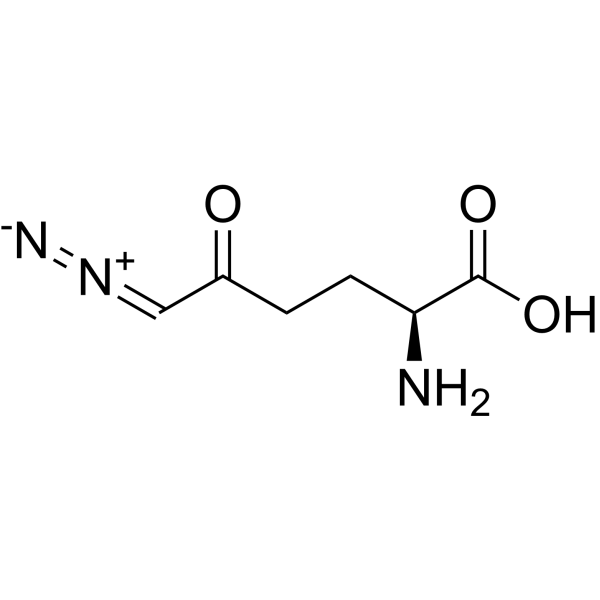
Cat. No.: HY-108357
CAS No.: 157-03-9
Purity:  99.98%
Synonyms: L-6-Diazo-5-oxonorleucine; DON
6-Diazo-5-oxo-L-nor-Leucine (L-6-Diazo-5-oxonorleucine; DON) is a glutamine antagonist that irreversibly inhibits the catabolic effect of glutamine. 6-Diazo-5-oxo-L-nor-Leucine shows good anticancer activity (especially in pancreatic cancer) and reduces the self-renewal potential and metastatic capacity of tumour cells. 6-Diazo-5-oxo-L-nor-Leucine also possesses antibacterial and antiviral activity .
loading...
    loading...
10
10 Cited Publications
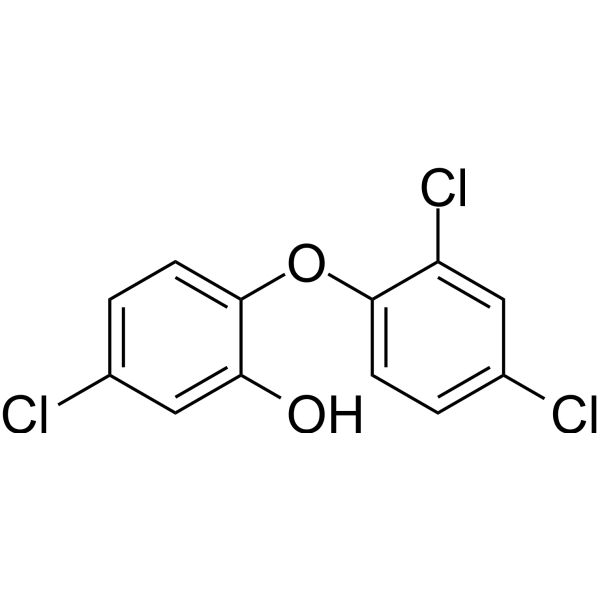
Cat. No.: HY-B1119
CAS No.: 3380-34-5
Triclosan is a broad-spectrum antibacterial agent that inhibits bacterial fatty acid synthesis at the enoyl-acyl carrier protein reductase (FabI) step. Triclosan inhibits E. coli enoyl-acyl carrier protein reductase (FabI) and FabI containing a glycine-to-valine substitution at position 93 (FabIG93V) with IC50s of 2 µM and 10 µM, respectively. Triclosan causes apoptotic effect in cultured rat neural stem cells (NSC). Triclosan exacerbates colitis and colitis-associated colorectal tumorigenesis in animal models .
loading...
    loading...
10
10 Cited Publications
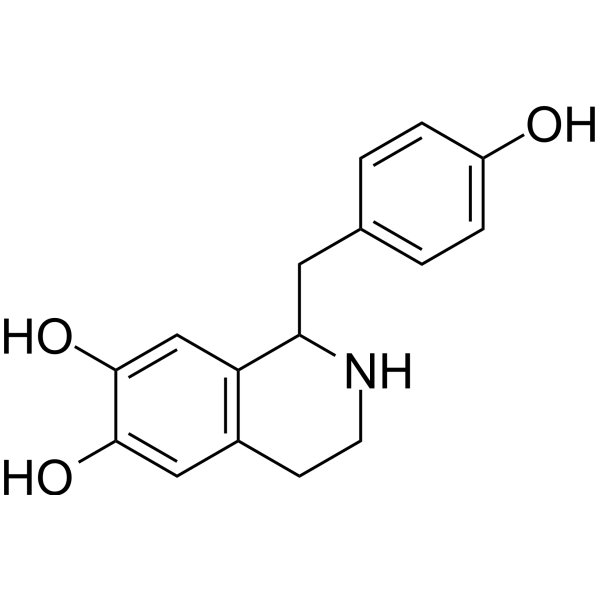
Cat. No.: HY-N2037
CAS No.: 5843-65-2
Synonyms: Norcoclaurine; Demethyl-Coclaurine
Higenamine (Norcoclaurine), a β2-AR agonist with antioxidant capability, is a key component of the Chinese herb aconite root that prescribes for treating symptoms of heart failure in the oriental Asian countries. Higenamine is also a α1-adrenergic receptor antagonist with hypotensive effect. is a selective LSD1 inhibitor (IC50=1.47 μM) that can be isolated from aconite. Higenamine hydrochloride has anti-inflammatory and antibacterial activity. Higenamine protects myocyte Apoptosis and ischemia/reperfusion (I/R) injury through selective activation of beta2-adrenergic receptor (β2-AR). Higenamine also reduces I/R-induced myocardial infarction in mice. Higenamine can attenuate IL-1β-induced Apoptosis through ROS-mediated PI3K/Akt signaling pathway. Higenamine protects brain cells from oxygen deprivation. Higenamine can promote bone formation in osteoporosis through the SMAD2/3 pathway. Higenamine can be used to study cancer, inflammation, cardiorenal syndrome and other diseases .
loading...
    loading...
6
6 Cited Publications
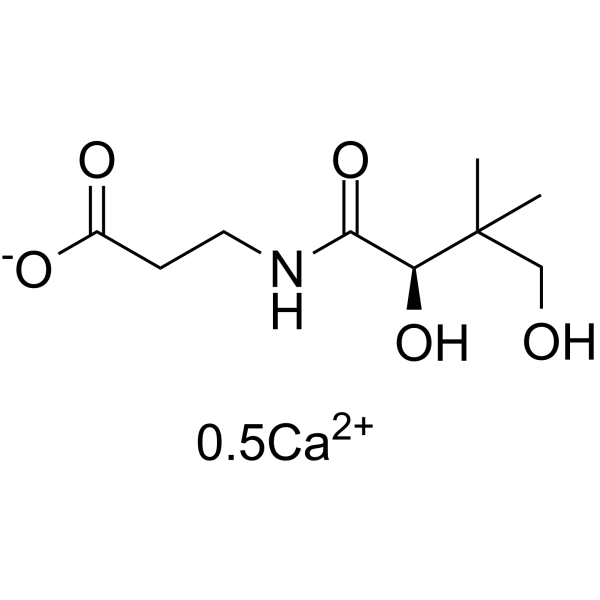
Cat. No.: HY-N0681
CAS No.: 137-08-6
Synonyms: Calcium pantothenate; Calcium D-pantothenate; Vitamin B5 calcium salt
D-Pantothenic acid hemicalcium salt is an orally active vitamin that reduces patulin in apple juice. D-Pantothenic acid hemicalcium salt removes ROS. D-Pantothenic acid hemicalcium salt has antibacterial and immunomodulatory activities. D-Pantothenic acid hemicalcium salt also has the effect of improving osteoporosis and obesity .
loading...
    loading...
5
5 Cited Publications
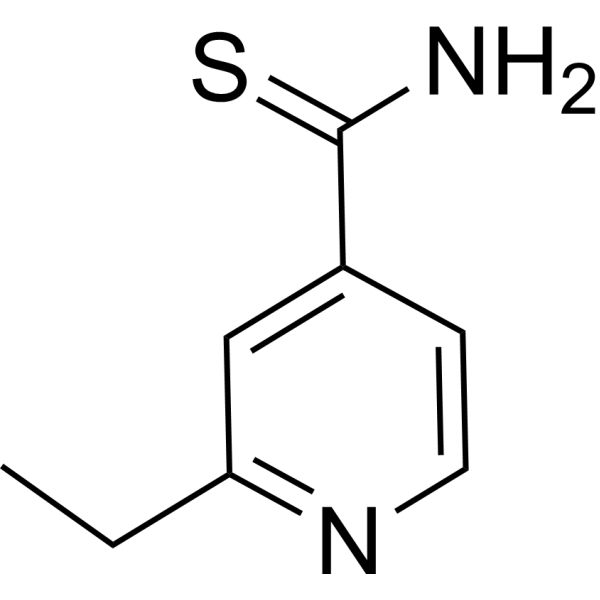
Cat. No.: HY-B0276
CAS No.: 536-33-4
Synonyms: 2-Ethylthioisonicotinamide
Ethionamide (2-ethylthioisonicotinamide) is a second-line anti-tuberculosis antibiotic with antibacterial effect and oral activity .
loading...
    loading...
4
4 Cited Publications
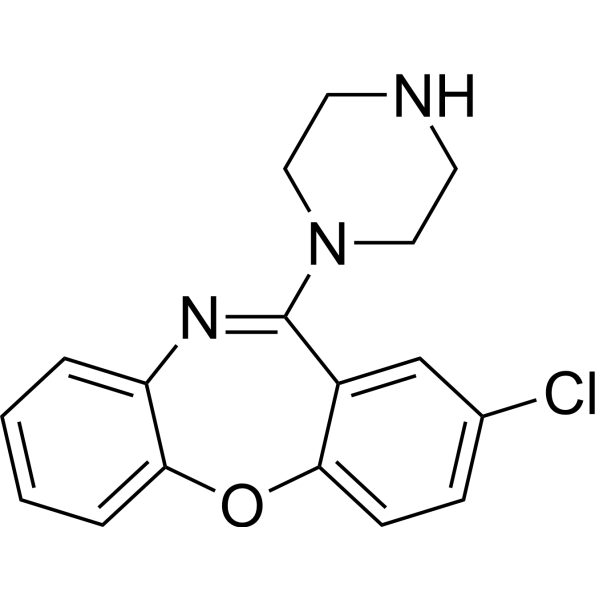
Cat. No.: HY-B0991
CAS No.: 14028-44-5
Synonyms: CL-67772
Amoxapine (CL-67772) is a norepinephrine reuptake blocker and a 5-HT2/5-HT3 antagonist. Amoxapine can be used for the research of depression. Amoxapine has antibacterial activity. Amoxapine can enhance the killing effect of macrophages on mycobacterium by inducing autophagy, while protecting the cells from death .
loading...
    loading...
4
4 Cited Publications
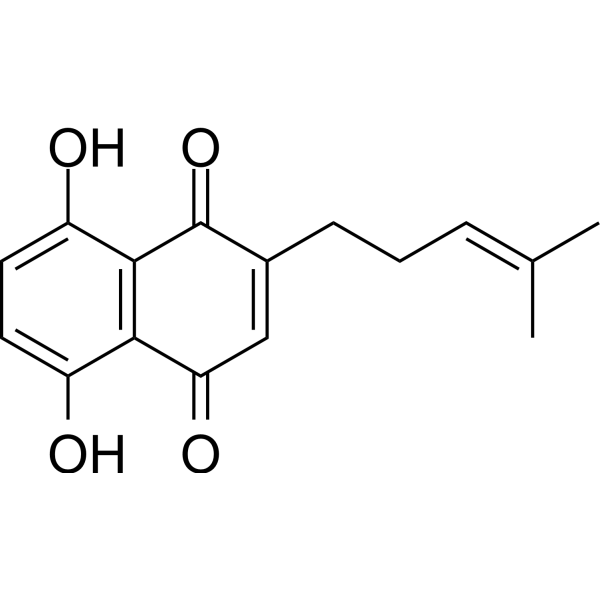
Cat. No.: HY-N2187
CAS No.: 43043-74-9
Deoxyshikonin increases the expression of VEGF-C and VEGF-A mRNA in HMVEC-dLy, promotes HIF-1α and HIF-1β subunit interaction and binds to specific DNA sequences targeted by HIF. Deoxyshikonin inhibited colorectal cancer (CRC) through the PI3K/Akt/mTOR pathway. Deoxyshikonin has proangiogenesis effect and antitumor activity. Deoxyshikonin is an antibacterial agent against methicillin-resistant S. aureus (MRSA) and S. pneumonia (MIC=17 μg/mL) .
loading...
    loading...
3
3 Cited Publications
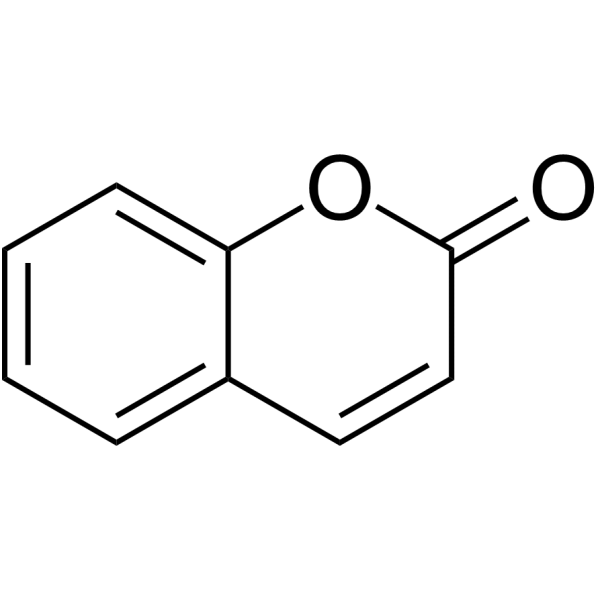
Cat. No.: HY-N0709
CAS No.: 91-64-5
Coumarin is a potent and orally active anti-inflammatory agent. Coumarin shows an antinociceptive effect. Coumarin shows antibacterial, antifungal and anticancer activity .
loading...
    loading...
3
3 Cited Publications
Cat. No.: HY-N10473
CAS No.: 957-86-8
Target:  

Bacterial Fungal

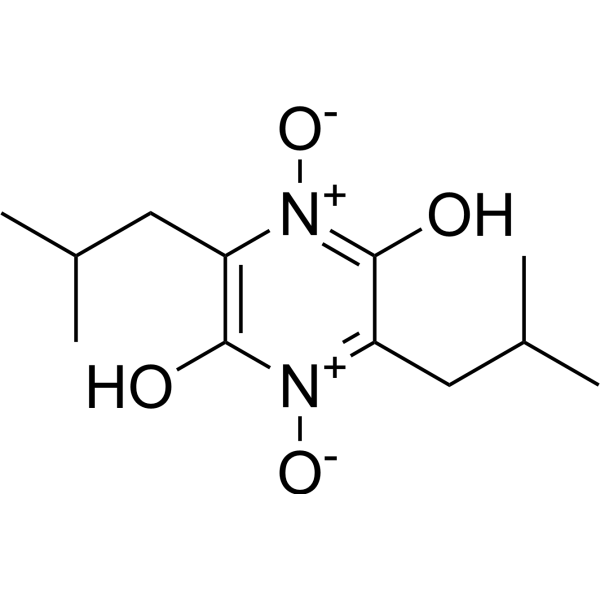
Pulcherriminic acid is a cyclic dipeptide antimicrobial agent with high affinity for Fe 3+, found mainly in Bacillus and yeast. Pulcherriminic acid chelates iron ions through a non-enzymatic reaction to form the extracellular red pigment pulcherrimin, which competes for iron nutrition and thus achieves an antibacterial effect. Pulcherriminic acid has great applications in food, agriculture and medical industries .
loading...
    loading...
2
2 Cited Publications
Cat. No.: HY-N1416
CAS No.: 23800-56-8
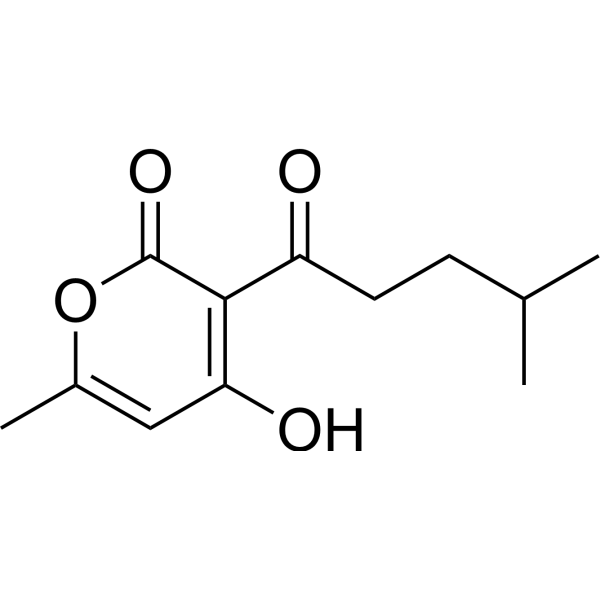
Pogostone is isolated from patchouli oil with anti-bacterial and anti-cancer activities. Pogostone inhibits both gram negative and gram positive bacteria, also show inhibitory effect on corynebacterium xerosis with a MIC value of 0.098 µg/ml . Pogostone induces cell apoptosis and autophagy .
loading...
    loading...
2
2 Cited Publications
Cat. No.: HY-B0330D
CAS No.: 100986-86-5
Synonyms: Dextrofloxacin
Target:  

Bacterial Antibiotic

Research Areas:  

Infection

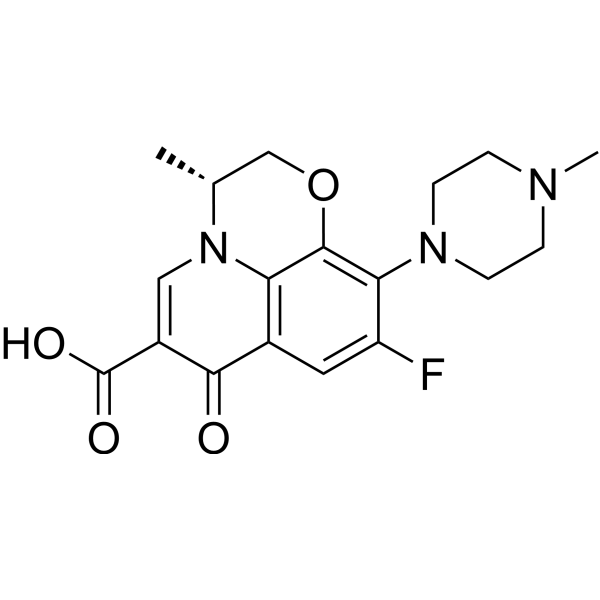
(R)-Ofloxacin is the dextrorotatory enantiomer of Ofloxacin (HY-B0125) and is an orally effective fluoroquinolone antibiotic. (R)-Ofloxacin can inhibit the activity of bacterial DNA topoisomerase II, interfere with bacterial DNA replication and repair, and exert a bactericidal effect. (R)-Ofloxacin has a broad-spectrum antibacterial activity and has inhibitory effects on both Gram-negative and Gram-positive bacteria .
loading...
    loading...
2
2 Cited Publications
Cat. No.: HY-B1916
CAS No.: 24916-51-6
Synonyms: Spiramycin B; Spiramycin II; Foromacidin B
Research Areas:  

Infection

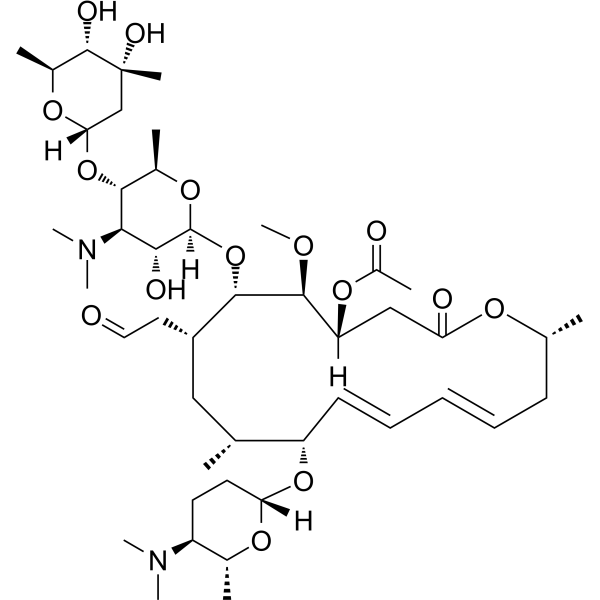
Acetylspiramycin (Spiramycin B) is an effective oral macrolide antibiotic produced by Streptomyces, It can inhibit the splenic lymphocyte transformation induced by phytohemagglutinin (PHA), LPS (HY-D1056) and antigen, reduce the procoagulant activity of macrophages, have good antibacterial effect on gram-positive bacteria, and is also an effective antigenic insect agent, which can be used to fight parasitic infection .
loading...
    loading...
2
2 Cited Publications
Cat. No.: HY-B1831A
CAS No.: 192564-14-0
Synonyms: LY333328 diphosphate
Target:  

Bacterial Antibiotic

Research Areas:  

Infection Inflammation/Immunology

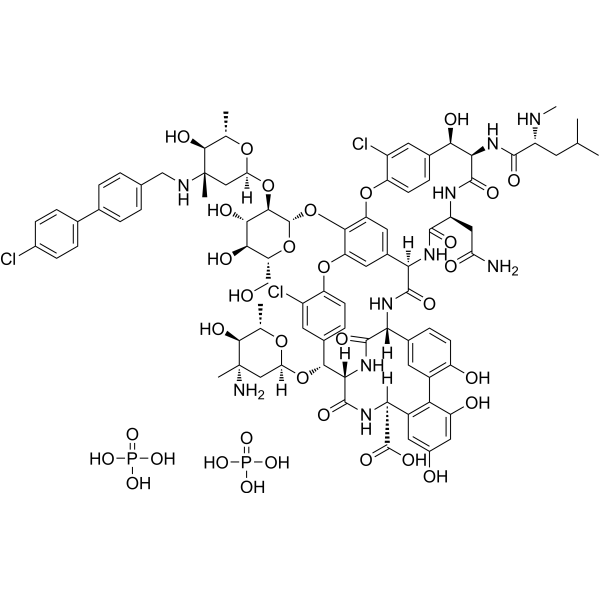
Oritavancin diphosphate (LY333328 diphosphate), a semisynthetic derivative of Vancomycin (HY-B0671), is an orally active glycopeptide antibiotic with bactericidal activity against gram-positive organisms. Oritavancin diphosphate shows antibacterial effect against B. anthracis, such as Ames strain with a MIC value of 0.015 g/mL. Oritavancin diphosphate inhibits cell wall synthesis and disrupts the membrane potential. Oritavancin diphosphate inhibits ArlS kinase activity thereby interfering the signal transduction. Oritavancin diphosphate enters cells by adsorptive endocytosis, which drives it to lysosomes, where it exerts antibiotic activity .
loading...
    loading...
2
2 Cited Publications
Cat. No.: HY-P5641
CAS No.: 190324-47-1
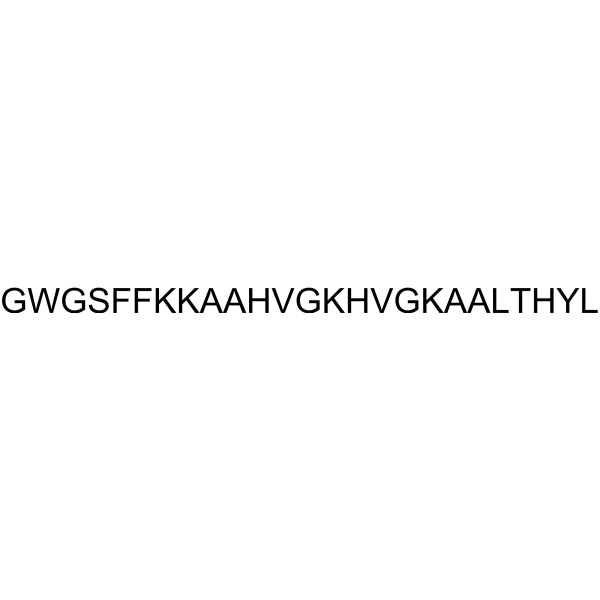
Pleurocidin is an Antimicrobial peptide. Pleurocidin is derived from the skin mucosa or intestinal secretions of Pseudopleuronectes americanus. Pleurocidin inhibits the expression of key proteins in the MAPK and NF-κB inflammatory signaling pathways. Pleurocidin alters serum inflammatory and immune cytokine levels, regulates the down-regulation of tight junction proteins, and modulates the intestinal flora. Pleurocidin exerts antibacterial activity by inducing bacterial membrane damage, hydroxyl radical formation, and NADH depletion, and also produces a synergistic effect with Antibiotics. Pleurocidin alleviates DSS-induced ulcerative colitis. Pleurocidin can be used for research on ulcerative colitis, bacterial infections, and bacterial biofilm-related infections .
loading...
    loading...
2
2 Cited Publications
Cat. No.: HY-N10424
CAS No.: 600-76-0
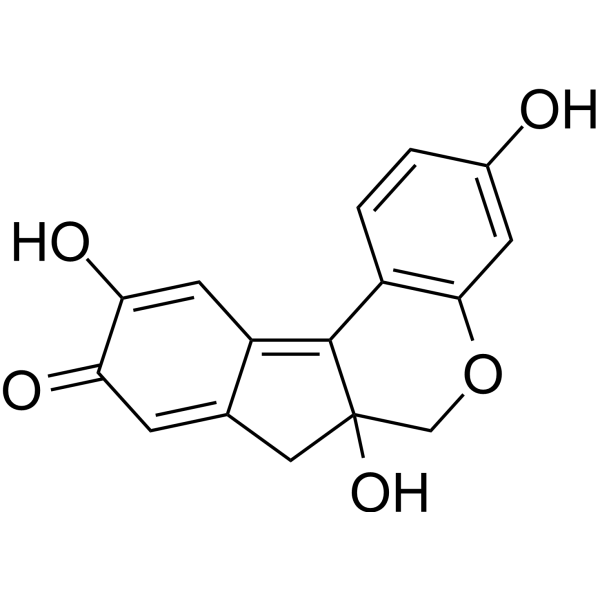
Brazilein is a compound with anti-inflammatory and neuroprotective activities, with an IC50 of 500 μM against guinea pig Na +,K +-ATPase. Brazilein reduces iNOS mRNA expression, thereby inhibiting nitric oxide production in immune cells. Brazilein suppresses inflammatory responses by reducing the mRNA expression of TNF-α and IL-6, but has no effect on IL-1β expression. Brazilein reduces the cerebral infarction volume and improves the neurological function scores of rats with cerebral ischemia-reperfusion injury. Brazilein induces apoptosis of splenic lymphocytes in mice. Brazilein inhibits humoral immune responses in mice, and causes thymus and spleen atrophy as well as body weight loss in mice. Brazilein also possesses antimalarial and antibacterial activities. Brazilein is also a red dye. Brazilein can be used in studies related to the infection, nervous system, cardiovascular system and inflammatory diseases .
loading...
    loading...
1
1 Cited Publications
Cat. No.: HY-P2329
CAS No.: 9011-93-2
Target:  

Bacterial Antibiotic

Research Areas:  

Infection Inflammation/Immunology

Lysostaphin is an antistaphylococcal agent. Lysostaphin has activities of three enzymes namely, glycylglycine endopeptidase, endo-β-N-acetyl glucosamidase and N-acteyl muramyl-L-alanine amidase .
loading...
    loading...
1
1 Cited Publications
Cat. No.: HY-N9448
CAS No.: 14116-68-8
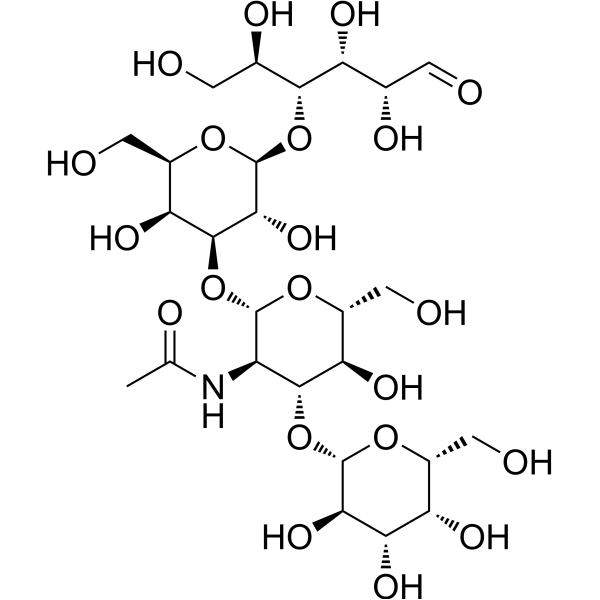
Lacto-N-tetraose is the significant core structure of human milk oligosaccharides (HMOs) naturally existing in human milk. Lacto-N-tetraose is consist of galactose, N-acetylglucosamine, and glucose moieties. Lacto-N-tetraose has prebiotic effect, immune regulatory effect, anti-inflammatory effects, intestinal cell responses regulatory effect, antibacterial activity and antiviral activity. Lacto-N-tetraose has been widely added to infant formula .
loading...
    loading...
1
1 Cited Publications
Cat. No.: HY-N8015
CAS No.: 124-13-0
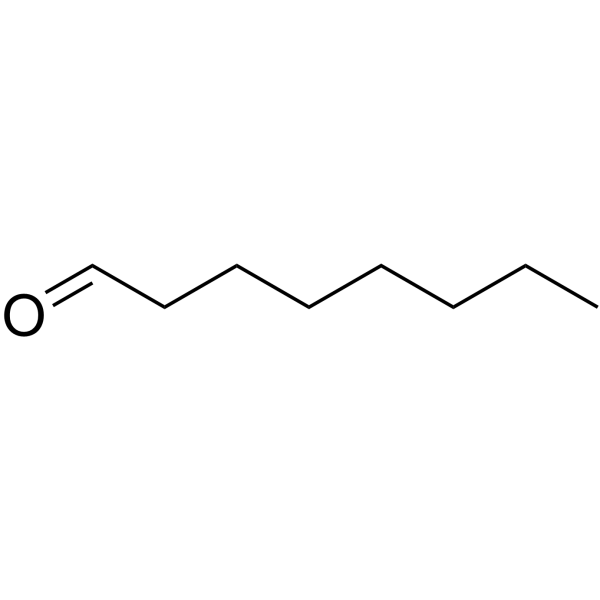
Octanal is a fragrant aldehyde with antioxidant and antibacterial activity. Its antifungal effect against G. citri-aurantii may be related to the disruption of cell membrane integrity and the leakage of cellular components. Additionally, Octanal exhibits cytotoxicity towards HeLa cells, with an IC50 value of 3.5 μg/mL .
loading...
    loading...
1
1 Cited Publications
Cat. No.: HY-N3139
CAS No.: 529-40-8
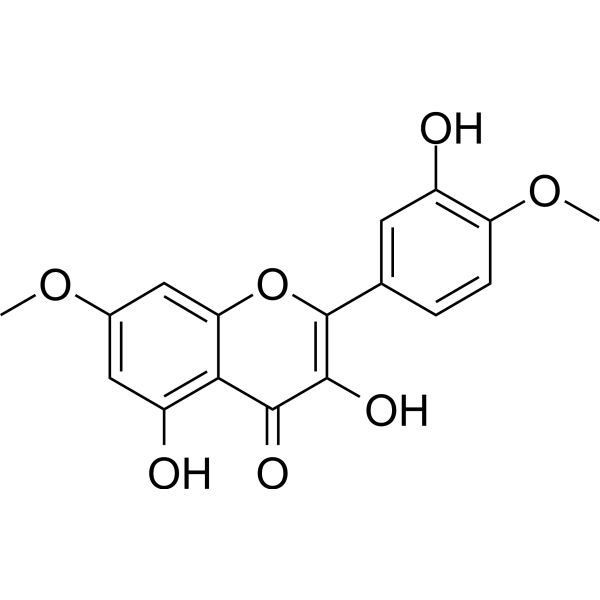
Ombuin, isolated from Zanthoxylum armatum, displays broad spectrum antibacterial effect with MIC ranges from 125 to 500 μg/mL .
loading...
    loading...
1
1 Cited Publications
Cat. No.: HY-128780B
CAS No.: 2408422-41-1
Purity:  99.74%
Target:  

Bacterial Antibiotic

Research Areas:  

Infection

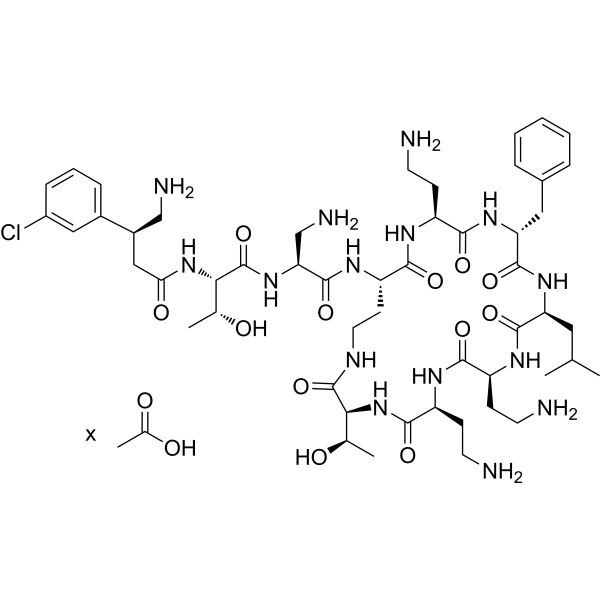
SPR206 acetate is a polymyxin analog with antibiotic activity against Gram-negative pathogens, including multidrug-resistant (MDR) variants. SPR206 acetate has an anti-bacterial infection effect by interacting with the bacterium’s outer membrane. The MIC values of SPR206 acetate against Pseudomonas aeruginosa Pa14 and Acinetobacter baumannii NCTC13301 are both 0.125 mg/L .
loading...
    loading...

