

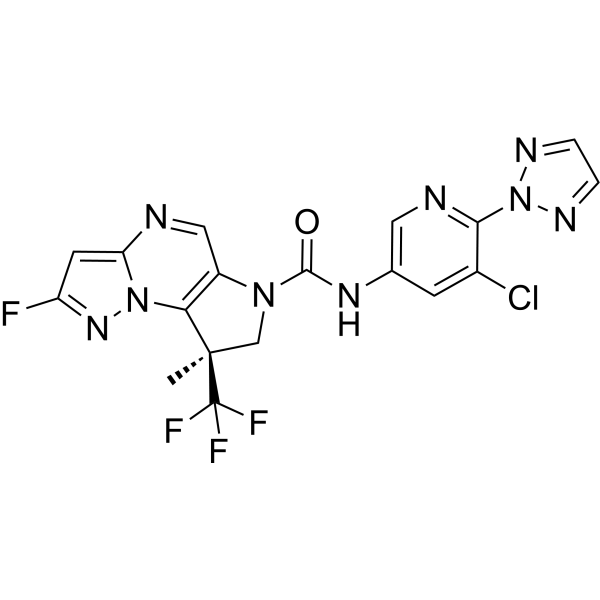
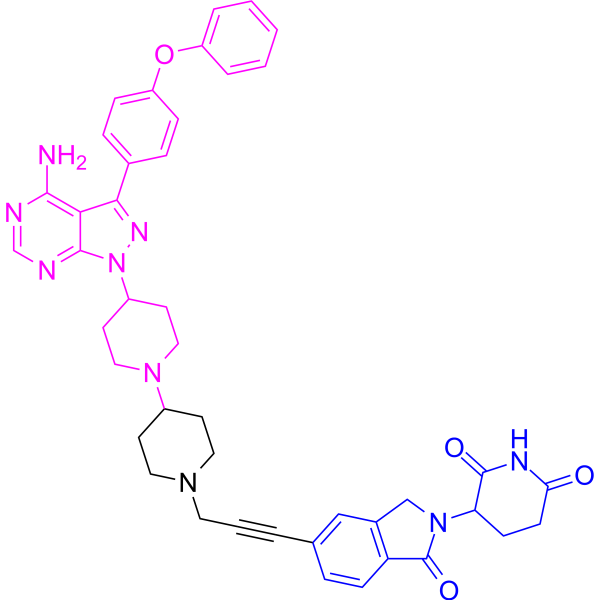
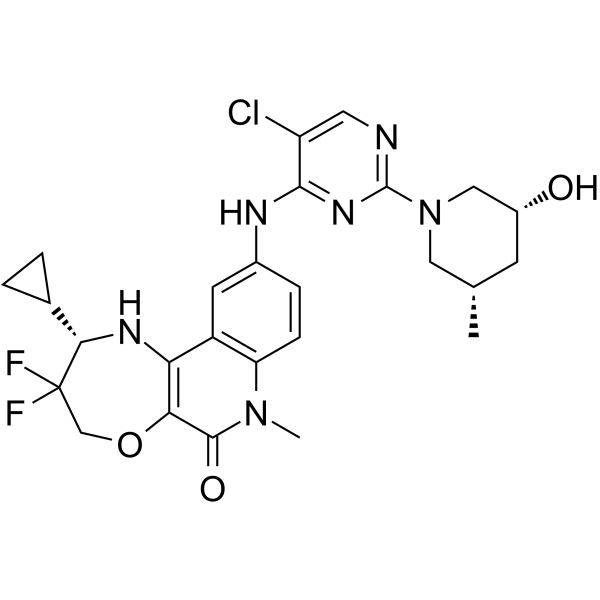
65 Results for "

B-cell related lymphomas

" in MedChemExpress (MCE) Product Catalog:
Products (65)

65 Results for "B-cell related lymphomas" in MCE Product Catalog:

7
7 Publications Verification
Cat. No.: HY-12649
CAS No.: 429653-73-6
Purity:  98.10%
Target:  

Ras

Research Areas:  

Cancer

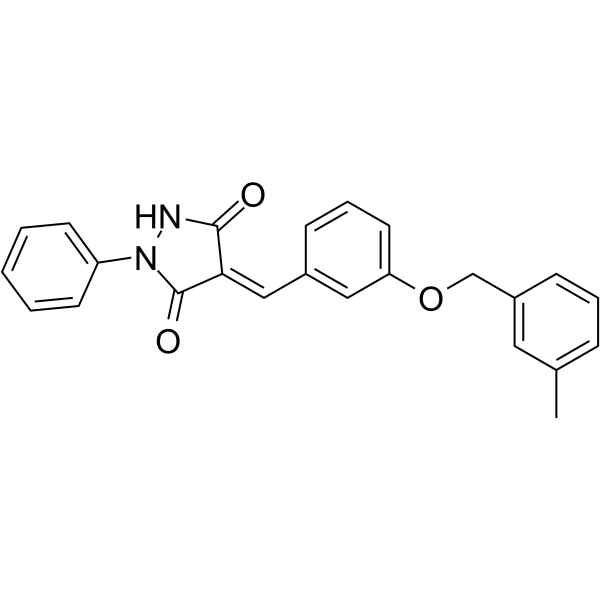
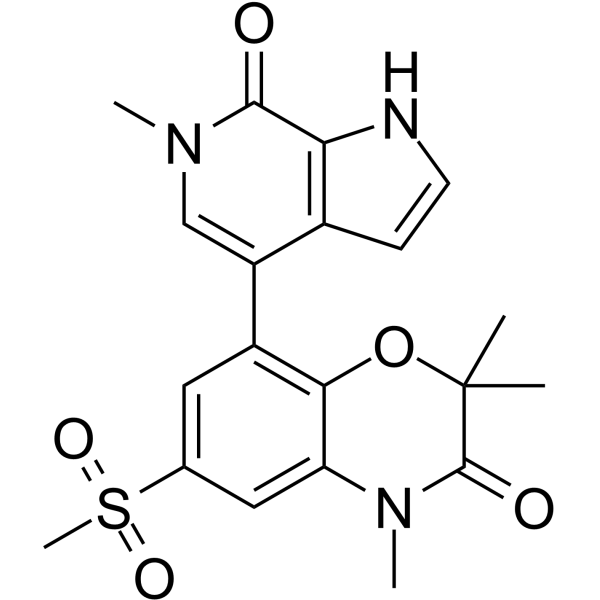
Y16 is a specific inhibitor of Leukemia-associated Rho guanine nucleotide exchange factor (LARG) with a Kd value of 76 nM. Y16 is active in blocking the interaction of LARG and related G-protein-coupled Rho GEFs with RhoA. Y16 shows no detectable effect on other diffuse B-cell lymphoma (Dbl) family Rho GEFs, Rho effectors, or a RhoGAP .
loading...
    loading...
5
5 Cited Publications
Cat. No.: HY-130708
CAS No.: 2688842-08-0
Purity:  99.60%
Research Areas:  

Cancer

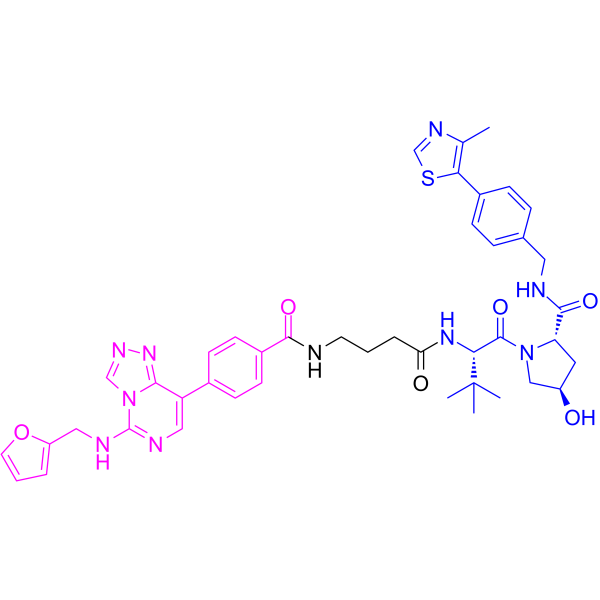
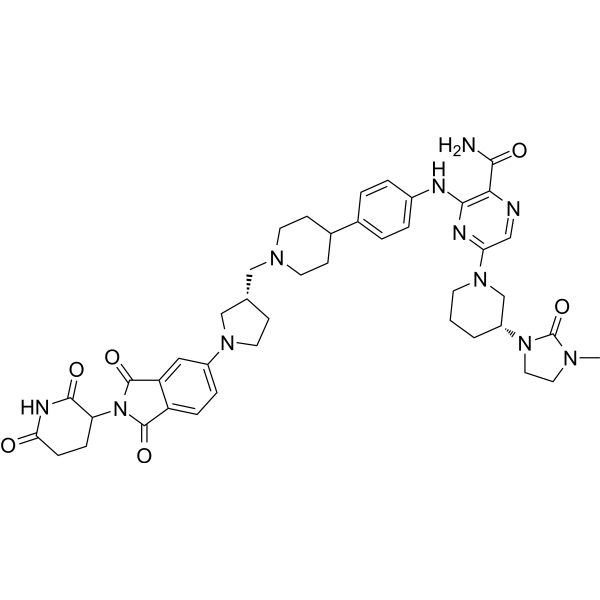
UNC6852 is a PRC2 PROTAC degrader, with a DC50 value of 0.79 μM for EED (HeLa), 0.3 μM for EZH2 (HeLa), and 0.59 μM for SUZ12 (DLBCL). UNC6852 binds to the WD40 aromatic cage of EED and CRL2-VHL, inducing proteasomal degradation of EED, EZH2 and SUZ12. UNC6852 reduces the level of H3K27me3 and exerts antiproliferative effects in cancer cells. UNC6852 can be used in studies related to diffuse large B-cell lymphoma, triple-negative breast cancer and prostate cancer .
loading...
    loading...
5
5 Cited Publications
Cat. No.: HY-15322
CAS No.: 1370261-96-3
Purity:  99.38%
Synonyms: P505-15; PRT-2607; BIIB-057
Target:  

Syk Apoptosis Caspase

Research Areas:  

Inflammation/Immunology Cancer

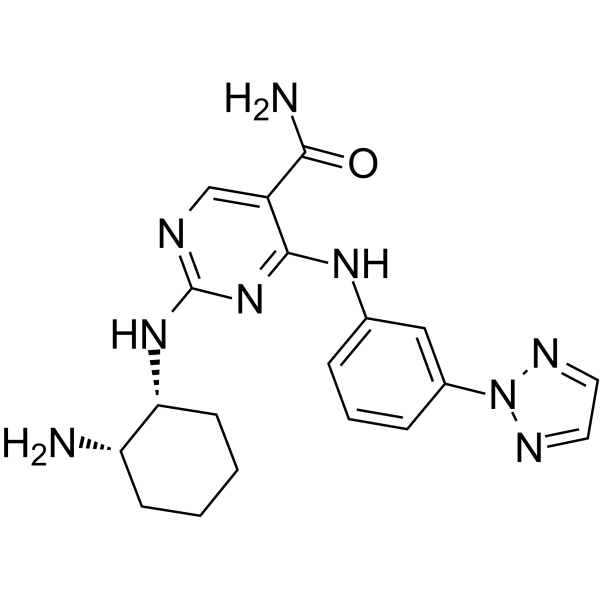
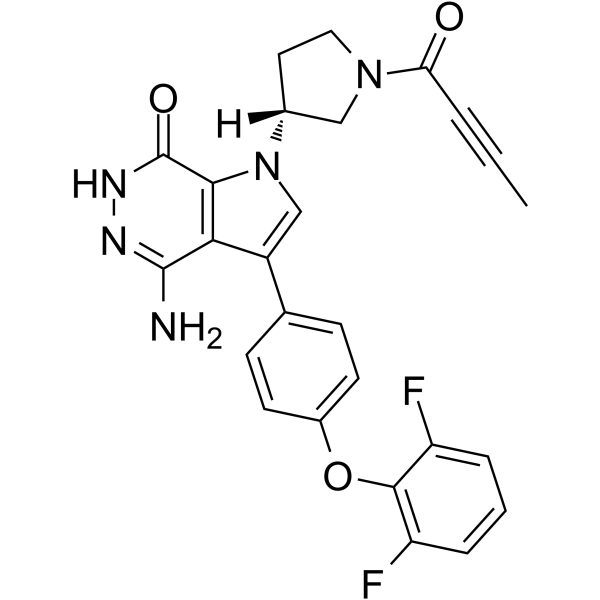
PRT062607 (P505-15; PRT-2607) is an orally active ATP-competitive Syk inhibitor with an IC50 value of 1 nM, and exhibits at least 80-fold selectivity over other kinases. PRT062607 blocks B cell antigen receptor-mediated activation, Fcε receptor 1-mediated basophil degranulation and microglial phagocytosis, and induces caspase-dependent apoptosis and microglial death. PRT062607 inhibits tumor growth and peripheral nerve injury-induced mechanical allodynia, and prevents neuronal loss. PRT062607 can be used in research related to rheumatoid arthritis, chronic lymphocytic leukemia, non-Hodgkin's lymphoma, neurodegenerative diseases and neuropathic pain .
loading...
    loading...
4
4 Cited Publications
Cat. No.: HY-108831A
CAS No.: 189261-10-7
Purity:  98.72%
Synonyms: AN100226; BG00002
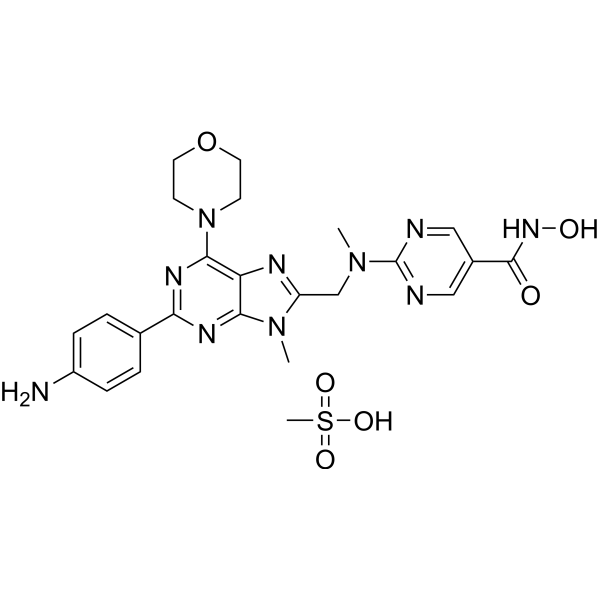
Natalizumab (Anti-CD49d) (AN100226; BG00002) Solution is a humanized monoclonal IgG4 antibody inhibitor that selectively targets α4 integrin (CD49d), blocking the interaction of integrins such as α4β1 (VLA-4) with vascular cell adhesion molecule VCAM-1, intercellular adhesion molecule ICAM-1, and fibronectin by competitively binding to the α4 subunit. Natalizumab solution inhibits the adhesion, retention, and transendothelial migration of immune cells (such as CD4 + T cells), reducing the infiltration of inflammatory cells into the central nervous system or lesion sites, thereby exerting anti-inflammatory and immunomodulatory activity. Natalizumab (Anti-CD49d) solution is used in the study of relapsing-remitting multiple sclerosis (RRMS) and is also applied in the research of autoimmune or inflammation-related diseases such as Crohn's disease, B-cell lymphoma, and non-infectious uveitis. Natalizumab (Anti-CD49d) can also prevent lymphocytes from entering the central nervous system, thus preventing acute demyelinating relapses .
loading...
    loading...
4
4 Cited Publications
Cat. No.: HY-108831
CAS No.: 189261-10-7
Purity:  99.10%
Natalizumab (AN100226; BG00002) is a humanized monoclonal IgG4 antibody inhibitor that selectively targets α4 integrin (CD49d). It blocks the interaction of integrins such as α4β1 (VLA-4) with vascular cell adhesion molecule VCAM-1, intercellular adhesion molecule ICAM-1, and fibronectin by competitively binding to the α4 subunit. Natalizumab inhibits the adhesion, retention, and transendothelial migration of immune cells (such as CD4 + T cells), reducing the infiltration of inflammatory cells into the central nervous system or lesion sites, thus exerting anti-inflammatory and immunomodulatory activity. Natalizumab is used in the study of relapsing-remitting multiple sclerosis (RRMS) and also has applications in the study of autoimmune or inflammation-related diseases such as Crohn's disease, B-cell lymphoma, and non-infectious uveitis. Natalizumab can also prevent lymphocytes from entering the central nervous system, thereby preventing acute demyelinating relapses .
loading...
    loading...
3
3 Cited Publications
Cat. No.: HY-15163
CAS No.: 1204918-72-8
Synonyms: TG02; SB1317
Target:  

JAK CDK FLT3

Research Areas:  

Cancer

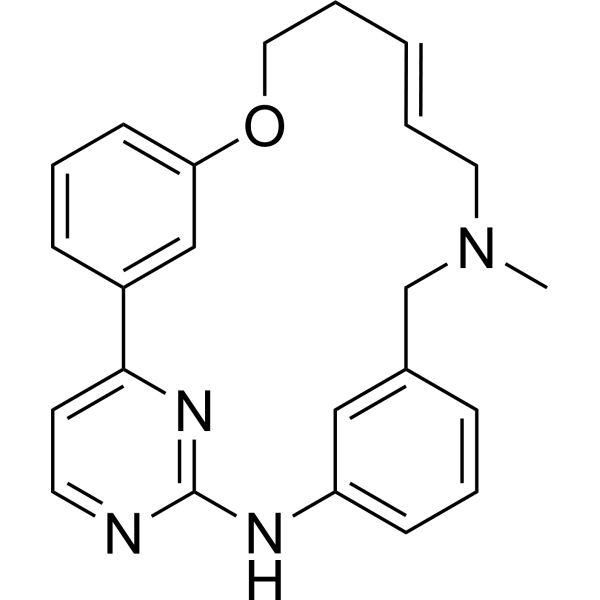
Zotiraciclib (TG02; SB1317) is an orally active JAK2/FLT3/CDK2 inhibitor with IC50 values of 13 nM, 73 nM and 56 nM , respectively. Zotiraciclib inhibits cancer cell proliferation, tumor growth and the activity of CYP2D6. Zotiraciclib exhibits high plasma protein binding rate, Caco-2 permeability and tissue distribution capacity, as well as metabolic stability in human and canine liver microsomes. Zotiraciclib achieves tumor growth inhibition in nude mouse models of colon cancer and lymphoma xenografts. Zotiraciclib can be used for research related to colon cancer, B-cell lymphoma, advanced leukemia, acute leukemia and multiple myeloma .
loading...
    loading...
2
2 Cited Publications
Cat. No.: HY-158105
CAS No.: 2851885-95-3
Purity:  99.43%
Target:  

PROTACs BCL6 CD20 IFNAR

Research Areas:  

Cancer

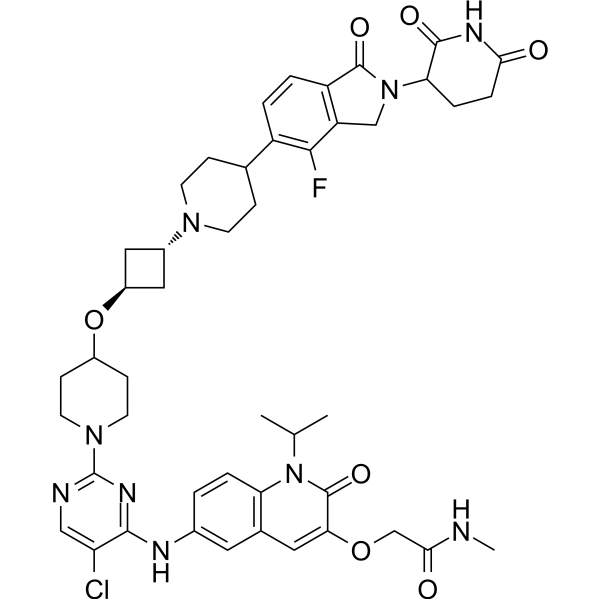
ARV-393 is a BCL6 PROTAC degrader. ARV-393 forms a complex with BCL6 and Cereblon, induces BCL6 ubiquitination, and mediates BCL6 degradation via the ubiquitin-proteasome system. ARV-393 enhances CD20 expression, interferon pathway activity and antigen presentation. ARV-393 induces tumor growth inhibition and regression. ARV-393 can be used in research related to non-Hodgkin's lymphoma, high-grade B-cell lymphoma, diffuse large B-cell lymphoma, Burkitt's lymphoma and follicular lymphoma .
loading...
    loading...
1
1 Cited Publications
Cat. No.: HY-153368
CAS No.: 2655656-99-6
Purity:  95.43%
Synonyms: KT-413
Zomiradomide (KT-413) is an orally active IRAK4 PROTAC degrader with a DC50 of 6 nM. Zomiradomide inhibits the NF-κB signaling pathway, while its molecular glue function mediates the degradation of Ikaros and Aiolos (with a DC50 of 1 nM for both), activates the IFN-I signaling pathway, and selectively degrades IMiD substrates. Zomiradomide inhibits cancer cell proliferation and tumor growth. Zomiradomide can be used in research related to B-cell non-Hodgkin's lymphoma and diffuse large B-cell lymphoma .
loading...
    loading...
1
1 Cited Publications
Cat. No.: HY-158421
CAS No.: 63498-32-8
Purity:  99.95%
MS-L6 is a OXPHOS inhibitor and antimalarial agent. MS-L6 inhibits NADH oxidation and electron transport. MS-L6 induces OXPHOS uncoupling, dissipates mitochondrial membrane potential, increases non-ATP-coupled oxygen consumption, and reduces ATP synthesis. MS-L6 triggers the production of ROS. MS-L6 exhibits anti-amoebic activity. MS-L6 exerts antitumor activity in mouse lymphoma xenograft models. MS-L6 can be used in research related to B-cell lymphoma, T-cell lymphoma, and non-Hodgkin B-cell lymphoma .
loading...
    loading...
1
1 Cited Publications
Cat. No.: HY-13747
CAS No.: 13909-09-6
Purity:  ≥98.0%
Research Areas:  

Cancer

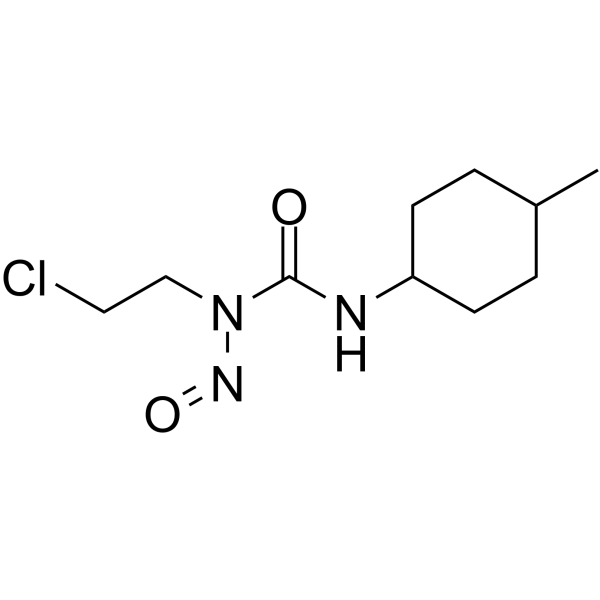
Semustine is an orally active, blood-brain barrier permeable antitumor alkylating agent with a binding affinity of 1.53 × 10 3 M -1 for guanine and thymine residues in bovine DNA. Semustine undergoes major groove-directed alkylation at guanine residues to form O6-chloroethylguanine and N1-O6-ethanoguanine adducts, and generates dG-dC interstrand crosslinks. Semustine induces partial B- to C-type transition of DNA, base stacking and helical structure distortion, mild dehydration, as well as partial DNA double-strand unwinding. Semustine can be used in research related to Lewis lung cancer, leukemia, Hodgkin's lymphoma, malignant melanoma, glioma, and diffuse large B-cell lymphoma .
loading...
    loading...
Cat. No.: HY-146237
CAS No.: 2379572-34-4
Purity:  98.04%
Synonyms: CC-99282
Research Areas:  

Cancer

Golcadomide (CC-99282) is a blood-brain barrier-permeable, orally active Cereblon (CRBN) E3 ligase modulator. Golcadomide induces Cereblon to form a closed active conformation, thereby recruiting and triggering the ubiquitin-mediated proteasomal degradation of transcription factors IKZF1, IKZF3, Ikaros and Aiolos. Golcadomide is applicable to research related to relapsed or refractory non-Hodgkin lymphoma, chronic lymphocytic leukemia/small lymphocytic lymphoma, and diffuse large B-cell lymphoma .
loading...
    loading...
Cat. No.: HY-111485
CAS No.: 1820889-23-3
Purity:  98.29%
Synonyms: INCB-057643
Research Areas:  

Cancer

Ertabresib (INCB-057643) is an orally active BET protein inhibitor. Ertabresib blocks gene transcription by targeting the BET protein family, induces cell cycle arrest and apoptosis by downregulating proto-oncogenes such as c-MYC, and additionally reduces the expression of FOXP3 and PD-L1 to improve the immune microenvironment. It also exerts synergistic effects and overcomes drug resistance when combined with chemotherapy and XPO1 inhibitors. Ertabresib can be used in research related to high-grade B-cell lymphoma with MYC and BCL2 rearrangements, pancreatic cancer, pancreatitis, and metastatic castration-resistant prostate cancer .
loading...
    loading...
Cat. No.: HY-172736
CAS No.: 3005272-36-3
Synonyms: BMS-986458
Target:  

PROTACs BCL6 CD20

Research Areas:  

Cancer

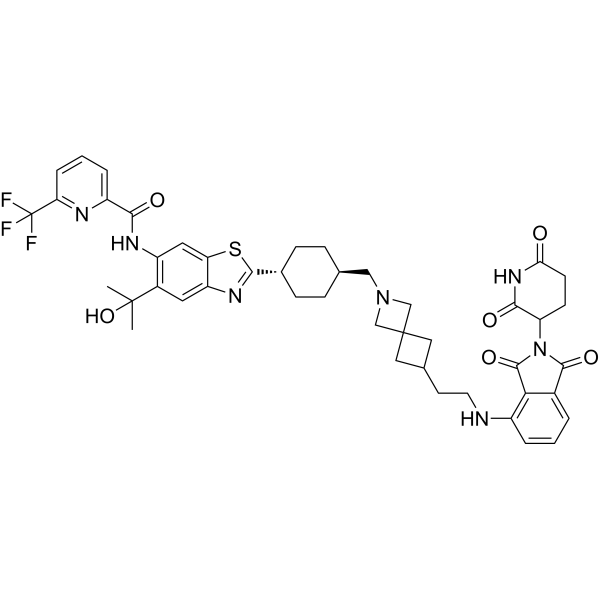
Toviblideg (BMS-986458) is a highly selective, orally active cereblon-based BCL6 PROTAC degrader and antitumor agent. Toviblideg selectively degrades BCL6 by binding cereblon to the BTB domain of BCL6, thereby regulating the cell cycle, antiproliferative and interferon signaling pathways, and upregulating the expression and distribution of CD20. Toviblideg modulates the phenotype of follicular helper T cells and reduces circulating tumor DNA levels. The combination of Toviblideg with CD20xCD3 bispecific antibody also enhances the efficiency of T cell tumor infiltration and expansion. Toviblideg induces regression of BCL6-positive tumors and prolongs survival, and it is suitable for research related to B-cell non-Hodgkin lymphoma, diffuse large B-cell lymphoma, follicular lymphoma, and relapsed/refractory lymphoma .
loading...
    loading...
Cat. No.: HY-153357
CAS No.: 2416130-57-7
Purity:  98.16%
Target:  

PROTACs Btk c-Myc NF-κB

Research Areas:  

Inflammation/Immunology Cancer

NRX-0492 is an orally active BTK PROTAC degrader, with a binding IC50 of 1.2 nM for both wild-type BTK and BTK T474I, and 2.7 nM for BTK C481S, and exhibits cellular DC50 values of 0.1 nM and 0.2 nM against wild-type BTK and BTK C481S, respectively. NRX-0492 catalyzes the ubiquitination and proteasomal degradation of wild-type and drug-resistant mutant BTK by recruiting the CRBN E3 ubiquitin ligase complex. NRX-0492 inhibits the BCR signaling pathway and its downstream NF-κB/MYC transcriptional program, achieves rapid and sustained degradation in primary CLL cells, and exhibits extremely low cytotoxicity. NRX-0492 degrades BTK, inhibits tumor cell proliferation and activation, and significantly suppresses tumor growth in xenograft models. NRX-0492 can be used in research related to chronic lymphocytic leukemia and diffuse large B-cell lymphoma .
loading...
    loading...
Cat. No.: HY-137438
CAS No.: 1858206-58-2
Purity:  99.75%
Synonyms: TG-1701
Target:  

Btk

Research Areas:  

Cancer

Edralbrutinib (TG-1701) is a highly selective, orally available irreversible BTK inhibitor, with an EC50 of 6.70 nM and a Kd of 3 nM against human BTK. Edralbrutinib inhibits downstream signaling of the B cell receptor, induces dephosphorylation of Ikaros Ser442/445, promotes nuclear exclusion of Ikaros, attenuates Ikaros gene signatures, and exerts anti-tumor activity. Edralbrutinib can be used in research related to B-cell non-Hodgkin lymphoma, chronic lymphocytic leukemia, mantle cell lymphoma, follicular lymphoma, and diffuse large B-cell lymphoma .
loading...
    loading...
Cat. No.: HY-171579
CAS No.: 301655-16-3
RS47 is a selective RelB inhibitor with a Kd value of 1.1 μM. RS47 also acts as an inhibitor of HCV replication. RS47 can block the non-canonical NF-κB signaling pathway without affecting the canonical pathway. RS47 exerts anti-tumor effects of inhibiting proliferation and promoting apoptosis on colorectal cancer, B-cell lymphoma and other related tumors both in vitro and in vivo by disrupting the binding of RelB to target DNA. RS47 can be used for the research of tumors and infectious diseases .
loading...
    loading...
Cat. No.: HY-150109
CAS No.: 2650188-32-0
Purity:  99.45%
Synonyms: Purinostat mesylate
Puzerinostat mesylate (Purinostat mesylate) is a highly selective class I/IIb histone deacetylase (HDAC) inhibitor, with IC50 values of 0.81 nM, 1.4 nM, 1.7 nM, 3.8 nM, 11.5 nM, and 1.1 nM against HDAC1, HDAC2, HDAC3, HDAC8, HDAC6, and HDAC10, respectively. Puzerinostat mesylate enhances glutamine metabolism by upregulating GLS1. Puzerinostat mesylate induces cell Apoptosis and downregulates the expression of BCR-ABL and c-MYC. Puzerinostat mesylate delays the progression of Ph + B-cell acute lymphoblastic leukemia and prolongs the survival of relevant mouse models. Puzerinostat mesylate regulates the immune microenvironment. Puzerinostat mesylate can be used in research related to chronic myeloid leukemia, Philadelphia chromosome-positive B-cell acute lymphoblastic leukemia, relapsed/refractory multiple myeloma, relapsed/refractory lymphoma, diffuse large B-cell lymphoma, and double-expression lymphoma .
loading...
    loading...
Cat. No.: HY-160698
CAS No.: 2661481-41-8
Synonyms: SGR-1505
Target:  

MALT1 Apoptosis

Research Areas:  

Cancer

SGR-1505 is an oral small molecule MALT1 inhibitor with anti-proliferative and antitumor activity.SGR-1505 inhibits MALT1 enzymatic activity to modulate NF-κB pathway gene expression.SGR-1505 induces modulation of cell cycle, DNA damage, and apoptosis-related genes in in vivo tumor samples.SGR-1505 exerts tumorostatic and regressive activity in ABC-DLBCL xenograft models.SGR-1505 can be used for the research of activated B cell-like diffuse large B cell lymphoma, non-Hodgkin B-cell lymphomas, chronic lymphocytic leukemia, and mature B cell neoplasms .
loading...
    loading...
Cat. No.: HY-147943
CAS No.: 2801715-13-7
Purity:  98.87%
Target:  

PROTACs Btk

Research Areas:  

Cancer

PROTAC BTK Degrader-1 is a selective, orally active BTK PROTAC degrader with a DC50 of 5.8 nM. PROTAC BTK Degrader-1 induces ubiquitination and degradation of wild-type and mutant (C481S, T316) BTK proteins via the CRBN-mediated pathway. PROTAC BTK Degrader-1 exhibits anticancer activity against diffuse large B-cell lymphoma. PROTAC BTK Degrader-1 can be used in lymphoma-related research .
loading...
    loading...
Cat. No.: HY-146185
CAS No.: 2378853-66-6
Purity:  99.61%
Target:  

Molecular Glues BCL6

Research Areas:  

Cancer

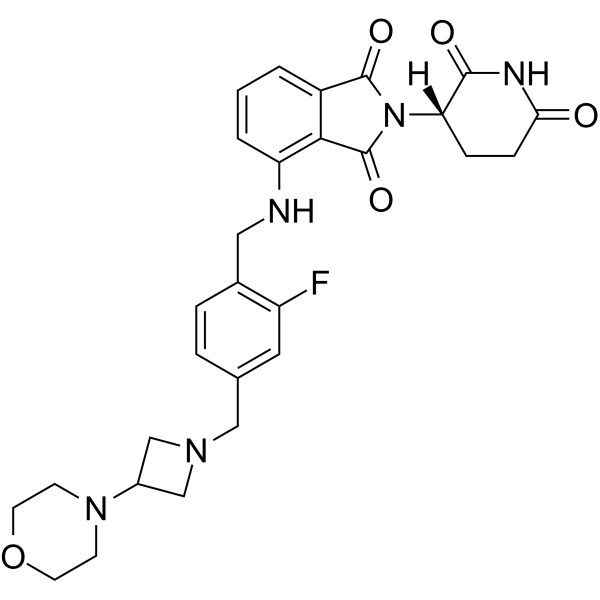
CCT373566 is an orally active BCL6 Molecular glue degrader with a DC50 of 0.7 nM. CCT373566 induces proteasomal degradation of BCL6 by promoting the formation of higher-order BCL6 complexes recognizable by E3 ligases. CCT373566 reduces tumor growth in lymphoma xenograft models. CCT373566 can be used in research related to diffuse large B-cell lymphoma .
loading...
    loading...

