


1. Search Result
Search Result
Results for "

Beclin1

" in MedChemExpress (MCE) Product Catalog:

38

Inhibitors & Agonists

9

Peptides

9

Natural
Products

1

Recombinant Proteins

11

Antibodies

2

Oligonucleotides

Targets Recommended:
Cat. No. Product Name Target Research Areas Chemical Structure
  • HY-145752
    HaloPROTAC-E
    1 Publications Verification

    PROTACs SGK Autophagy Cancer
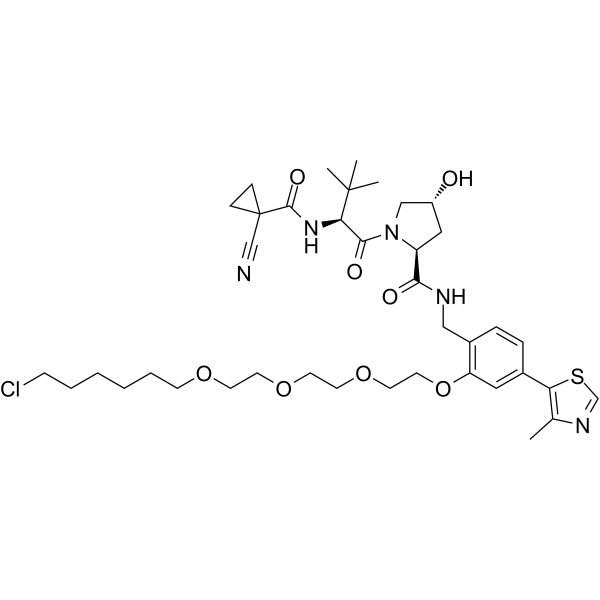
    HaloPROTAC-E is a potent Halo PROTAC degrader that reversibly induces degradation of two Halo-tagged endoplasmic reticulum-localized proteins, SGK3 and VPS34, with a DC50 of 3-10 nM. HaloPROTAC-E significantly and selectively induces degradation of endogenous VPS34 complexes (VPS34, VPS15, Beclin1, and ATG14) labeled with Halo and inhibits autophagy.
    HaloPROTAC-E
  • HY-P2260
    Tat-beclin 1
    5+ Cited Publications

    CHIKV Autophagy HIV Infection
    Tat-beclin 1, a peptide derived from a region of the autophagy protein (beclin 1), is a potent inducer of autophagy and interacts with negative regulator of autophagy, GAPR-1 (GLIPR2). Tat-beclin 1 decreases the accumulation of polyglutamine expansion protein aggregates and the replication of several pathogens (including HIV-1) in vitro, and reduces mortality in mice infected with chikungunya (CHIKV) or West Nile virus (WNV) [1].
    Tat-beclin 1
  • HY-134050
    Apostatin-1
    1 Publications Verification

    Apt-1

    RIP kinase Autophagy Apoptosis Beclin1 Necroptosis Inflammation/Immunology
    Apostatin-1 (Apt-1) is a potent TRADD inhibitor. Apostatin-1 can bind with TRADD-N (KD=2.17 μM), disrupting its binding to both TRADD-C and TRAF2. Apostatin-1 modulates the ubiquitination of RIPK1 and beclin 1. Apostatin-1 blocks apoptosis and restores cellular homeostasis by activating autophagy in cells with accumulated mutant tau, α-synuclein, or huntingtin [1].
    Apostatin-1
  • HY-N12060

    Bcl-2 Family Caspase Apoptosis Autophagy Reactive Oxygen Species (ROS) Akt JNK ERK Cardiovascular Disease Neurological Disease
    Ginkgo biloba extract is a natural product that can be isolated from Ginkgo biloba leaves . Ginkgo biloba extract alleviates oxidative stress-induced neuronal apoptosis (Apoptosis) by stabilizing mitochondrial function, regulating Bcl-2 family proteins and inhibiting caspase activation. Ginkgo biloba extract alleviates testicular injury by upregulating SKP2 and inhibiting Beclin1-independent autophagy (Autophagy) . Ginkgo biloba extract alleviates various types of neuronal damage in animal models. Ginkgo biloba extract reduces behavioral sensitization in rats. Ginkgo biloba extract counteracts Aβ-induced neurotoxicity by blocking a series of Aβ-triggered events, including glucose uptake, ROS accumulation, AKT activation, mitochondrial dysfunction, JNK and ERK 1/2 pathways, and apoptosis, and also interferes with the formation of Aβ oligomers. Ginkgo biloba extract is applicable to research related to cerebral hypoperfusion, testicular injury, Alzheimer's disease, Parkinson's disease, multi-infarct dementia, stroke, traumatic brain injury and amyotrophic lateral sclerosis [1] .
    Ginkgo biloba extract
  • HY-162567

    HSP Beclin1 Autophagy Cancer
    AP-4-139B is a blood-brain barrier-permeable HSP70 inhibitor with a IC50 of 180 nM against hHSP70. AP-4-139B binds directly to HSP70 and inhibits its ATPase activity. AP-4-139B promotes Autophagy by increasing the phosphorylation of Beclin-1. AP-4-139B exerts antitumor effects in preclinical models of colorectal cancer and pancreatic ductal adenocarcinoma [1] .
    AP-4-139B
  • HY-138779
    ICCB-19 hydrochloride
    1 Publications Verification

    Autophagy RIP kinase Apoptosis Inflammation/Immunology
    ICCB-19 hydrochloride is a TRADD (TNFRSF1A associated via death domain) inhibitor. ICCB-19 hydrochloride binds with N-terminal domain of TRADD (TRADD-N), disrupting its binding to both TRADD-C and TRAF2. ICCB-19 hydrochloride is indirect inhibitor of RIPK1 kinase activity. ICCB-19 hydrochloride effectively induces autophagy and the degradation of long-lived proteins [1].
    ICCB-19 hydrochloride
  • HY-N8441

    17β-Neriifolin

    Atg8/LC3 Na+/K+ ATPase Apoptosis Beclin1 Cardiovascular Disease Inflammation/Immunology Cancer
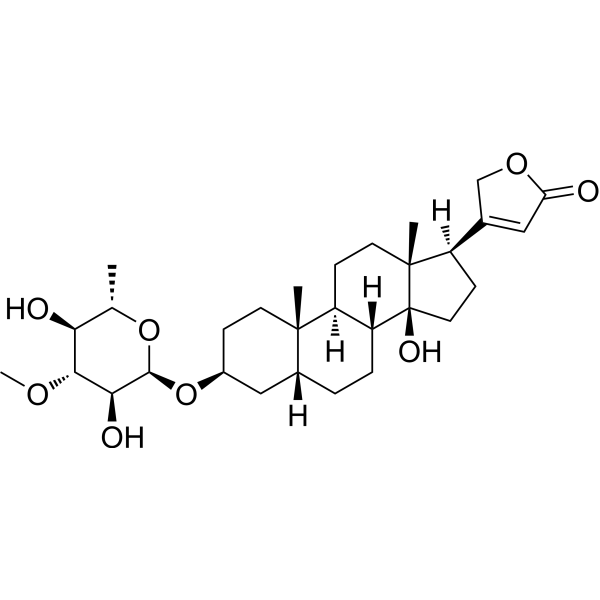
    Neriifolin, a CNS-penetrating cardiac glycoside, is an inhibitor of the Na +, K +-ATPase. Neriifolin can target beclin 1, inhibits the formation of LC3-associated phagosomes and ameliorates experimental autoimmune encephalomyelitis (EAE) development. Neriifolin induces cell cycle arrest and apoptosis in human hepatocellular carcinoma HepG2 cells [1] [2.
    Neriifolin
  • HY-N4119

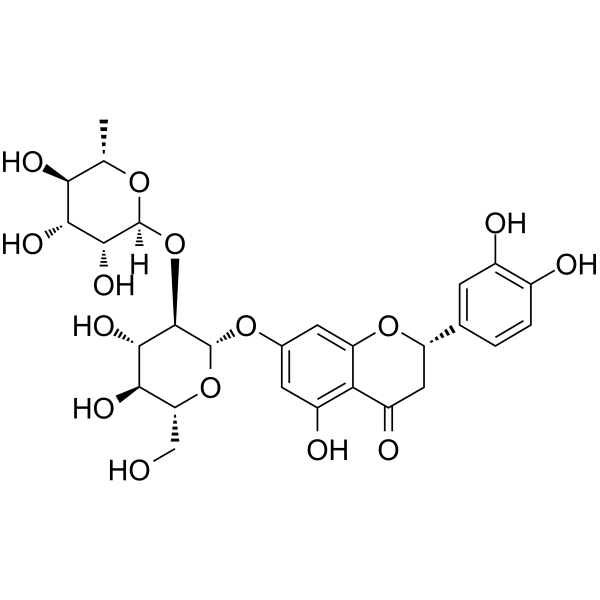
    Phosphatase Cholinesterase (ChE) p38 MAPK Apoptosis Autophagy Neurological Disease Metabolic Disease
    Neoeriocitrin is a Naringin (HY-N0153) analogue found in Drynaria Rhizome. Neoeriocitrin induces cells proliferation, differentiation, up-regulates type I collagen, osteocalcin, and key osteogenic markers, and increases ALP activity. Neoeriocitrin increases expression of Runx2, COL I, OCN and Beclin1. Neoeriocitrin inhibits phosphorylation of P38 mitogen-activated protein kinase, reduces acetylcholinesterase (AChE) activity, and increases choline acetyltransferase (ChAT) activity. Neoeriocitrin reduces apoptosis and induces autophagy. Neoeriocitrin can be used for the researches of osteoporosis and Alzheimer's disease [1] .
    Neoeriocitrin
  • HY-N1399

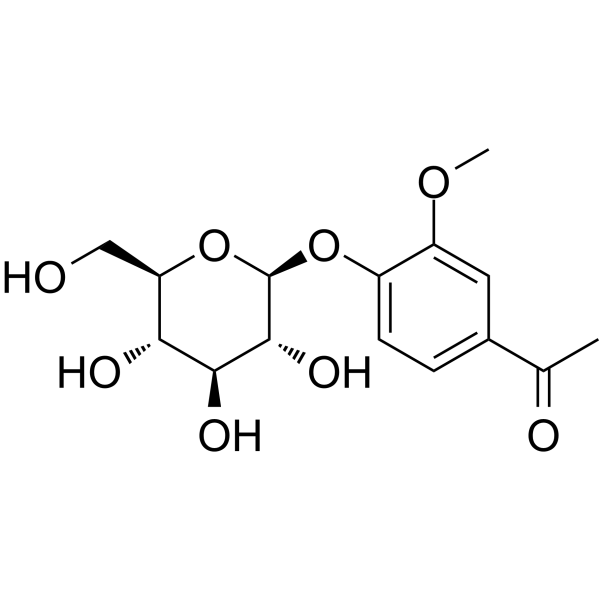
    AMPK PI3K Autophagy Metabolic Disease Inflammation/Immunology
    Androsin is an active compound isolated from Picrorhiza Kurroa Royle ex Benth. Androsin activates AMPKα/PI3K/Beclin1/LC3 signaling pathway, inhibits SREBP1c/FASN signaling pathway. Androsin can be used in research of asthma and non-alcoholic fatty liver disease (NAFLD). Androsin is orally active [1] .
    Androsin
  • HY-P1723
    Spexin
    2 Publications Verification

    Neuropeptide Q

    Neuropeptide Y Receptor Apoptosis Ferroptosis Autophagy Cardiovascular Disease Neurological Disease
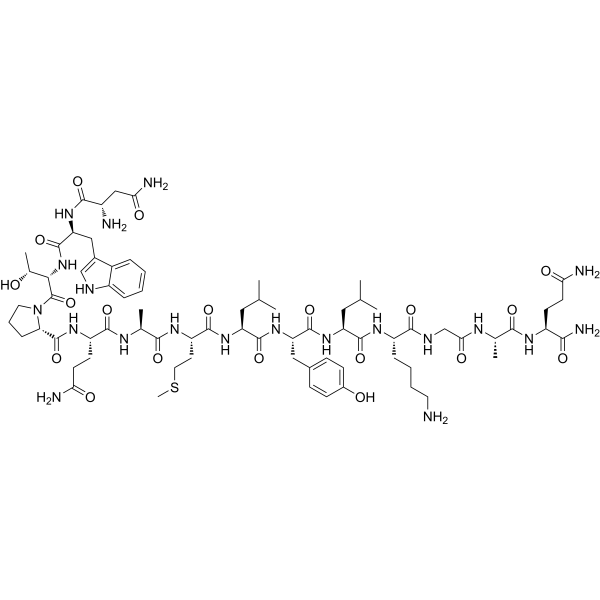
    Spexin (Neuropeptide Q) is a selective agonist of galanin receptors GAL2 and GAL3, and is a conserved peptide that functions as a neurotransmitter/neuromodulator and endocrine factor. Spexin can function through both central and peripheral actions. Spexin upregulates Beclin 1 to inhibit ferroptosis induced by excessive autophagy, reduces the uptake of long-chain fatty acids by adipocytes, and regulates energy metabolism by increasing lipid oxidation (e.g., reducing the respiratory exchange ratio in rodents). Spexin improves cardiac function in the Doxorubicin hydrochloride (HY-15142)-induced cardiotoxicity model, protects mitochondrial membrane potential, and reduces iron accumulation and lipid peroxidation. Spexin can be used to study obesity and its related metabolic disorders, cardiovascular diseases (e.g., cardioprotection), and side effects of tumor chemotherapy [1] .
    Spexin
  • HY-N0566

    Anemosapogenin

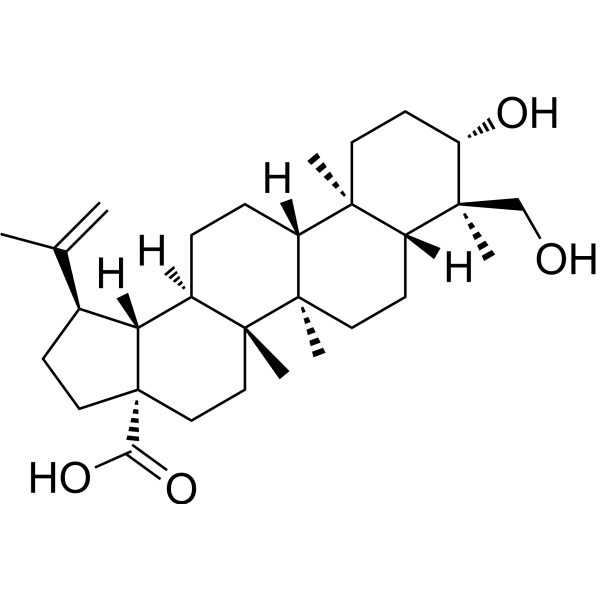
    Apoptosis Autophagy Bcl-2 Family Caspase Survivin p38 MAPK MMP Cancer
    23-Hydroxybetulinic acid (Anemosapogenin) is an orally active triterpenoid with broad-spectrum anticancer activity. 23-Hydroxybetulinic acid reduces the levels of Bcl-2 and survivin, elevates the level of Bax, promotes the cleavage/activation of caspase-3 and caspase-9, and induces apoptosis via the endogenous mitochondrial pathway involving cytochrome C release and mitochondrial membrane potential disruption. 23-Hydroxybetulinic acid arrests the cell cycle at S and G1 phases, inhibits cancer cell proliferation, blocks the MAPK signaling pathway, regulates MMP2, and induces autophagic apoptosis by upregulating beclin-1. 23-Hydroxybetulinic acid inhibits the activity and efflux function of P-gp, increases the intracellular accumulation of chemotherapeutic drugs, and synergistically enhances cytotoxicity with Doxorubicin (HY-15142). 23-Hydroxybetulinic acid inhibits the phosphorylation and nuclear translocation of STAT6, blocks M2 macrophage polarization, and reduces M2 macrophage-mediated apoptosis resistance of colon cancer cells. 23-Hydroxybetulinic acid can be used in related studies on chronic myeloid leukemia, hepatocellular carcinoma, sarcoma 180, multidrug-resistant breast cancer, leukemia, Doxorubicin-induced cardiotoxicity, and colorectal cancer [1] .
    23-Hydroxybetulinic acid
  • HY-156237
    Beclin1-ATG14L interaction inhibitor 1
    2 Publications Verification

    Autophagy Others
    Beclin1-ATG14L interaction inhibitor 1 (com 19) is a selective Beclin1-ATG14L interaction inhibitor. This protein interaction mechanism specifically targets complex I of the lipid kinase VPS34 without affecting complex II. Because the integrity of VPS34 complex II depends on the Beclin 1-UVRAG interaction. Beclin1-ATG14L interaction inhibitor 1 can disrupt the formation of VPS34 complex I and inhibit autophagy, but does not affect complex II-related vesicle transport [1].
    Beclin1-ATG14L interaction inhibitor 1
  • HY-P2260B

    HIV Infection
    Tat-beclin 1 scrambled is the scrambled part and a scrambled control of Tat-beclin 1 (HY-P2260), which is derived from a region of the autophagy protein, beclin 1. beclin 1 induces autophagy via binding human immunodeficiency virus, HIV-1 Nef and interacting with negative regulator GAPR-1 (GLIPR2). Tat-beclin 1 decreases the accumulation of polyglutamine expansion protein aggregates and the replication of several pathogens, such as HIV-1. Tat-beclin 1 also reduces mortality in mice infected with chikungunya or West Nile virus [1].
    Tat-beclin 1 scrambled
  • HY-121811

    Lanceolatin C

    Glycosidase Phosphatase Interleukin Related TNF Receptor COX Beclin1 GLUT FAK Akt mTOR p38 MAPK Keap1-Nrf2 Apoptosis Amyloid-β Tau Protein Autophagy Neurological Disease Inflammation/Immunology Cancer
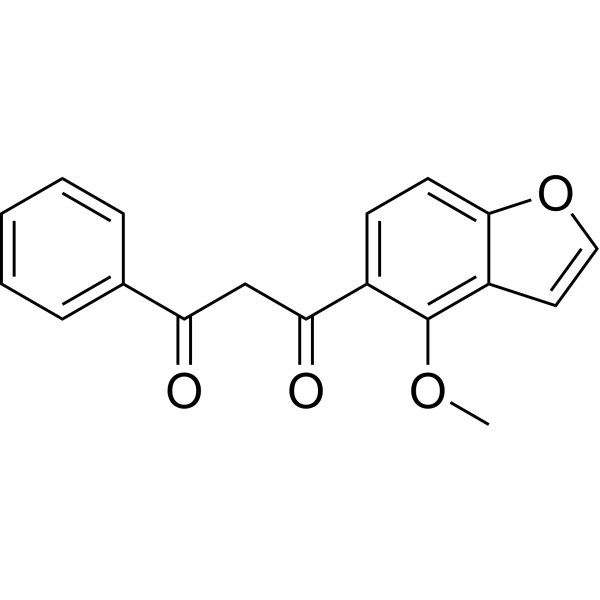
    Pongamol is an orally active flavonoid with an IC50 of 75 μM and a Ki of 58 μM against PTPase-1B, and an IC50 of 103.5 μM against intestinal α-Glycosidase. Pongamol reduces the release of IL‑1β, TNF‑α, COX‑2 and iNOS in cells, reverses the nuclear translocation of NF‑κB, and upregulates the levels of Beclin 1 and LC3 Ⅱ/LC3 Ⅰ. Pongamol promotes glucose uptake by increasing the level of GLUT4 on the surface of skeletal muscle cells. Pongamol inhibits epithelial-mesenchymal transition by suppressing the FAK/Akt-mTOR signaling pathway. Pongamol inhibits neuronal cytotoxicity, suppresses cell apoptosis and extends the lifespan of Caenorhabditis elegans by activating the MAPKs/Nrf2 signaling pathway. Pongamol exerts hypoglycemic effects in diabetic mouse models. Pongamol alleviates oxidative stress, neuroinflammation, deposition and excessive phosphorylation of Tau Protein, and restores autophagy function in Alzheimer's disease mouse models by inhibiting the Akt/mTOR signaling pathway. Pongamol is applicable to research related to Alzheimer's disease, type 2 diabetes, non-small cell lung cancer and postprandial hyperglycemia [1] .
    Pongamol
  • HY-132972

    TrxR Reactive Oxygen Species (ROS) Autophagy Atg8/LC3 Beclin1 p62 Cancer
    TrxR-IN-2 is a thioredoxin reductase (TrxR) inhibitor. TrxR-IN-2 increases reactive oxidative species (ROS) levels and decreases mitochondrial transmembrane potential levels. TrxR-IN-2 triggers DNA damage via H2AX regulation, and induces autophagy via LC3, beclin-1, and p62 regulation. TrxR-IN-2 can be used for the research of drug-resistant hepatocellular carcinoma[1].
    TrxR-IN-2
  • HY-146307

    TrxR Cancer
    TrxR-IN-3 (Compound 2c) is a potent inhibitor of TrxR. TrxR-IN-3 exhibits potent antiproliferative activities against five human cancer cell lines, especially against breast tumor cells. TrxR-IN-3 increases ROS levels and resulted in marked apoptosis by regulating apoptosis-related proteins expressed in the breast cancer cells. TrxR-IN-3 also triggers the formation of autophagosomes and autolysosomes by promoting the expression of LC3-II and Beclin-1 and diminishing the expression of LC3-I and p62 proteins [1].
    TrxR-IN-3
  • HY-149681

    Bcl-2 Family Beclin1 Neurological Disease Cancer
    Beclin1-Bcl-2 interaction inhibitor 1 is a Beclin1 and Bcl-2 interaction inhibitor with an IC50 value of 4.4 nM. Beclin1-Bcl-2 interaction inhibitor 1 disrupts the binding of the Bcl-2-Beclin 1 BH3 domain. Beclin1-Bcl-2 interaction inhibitor 1 can be used in the research of cancer and neurodegenerative diseases [1].
    Beclin1-Bcl-2 interaction inhibitor 1
  • HY-P2260C

    HIV Infection
    Tat-beclin 1 scrambled TFA is the scrambled part and a scrambled control of Tat-beclin 1 (HY-P2260), which is derived from a region of the autophagy protein, beclin 1. beclin 1 induces autophagy via binding human immunodeficiency virus, HIV-1 Nef and interacting with negative regulator GAPR-1 (GLIPR2). Tat-beclin 1 decreases the accumulation of polyglutamine expansion protein aggregates and the replication of several pathogens, such as HIV-1. Tat-beclin 1 also reduces mortality in mice infected with chikungunya or West Nile virus [1].
    Tat-beclin 1 scrambled TFA
  • HY-125191

    Bcl-2 Family Beclin1 Cancer
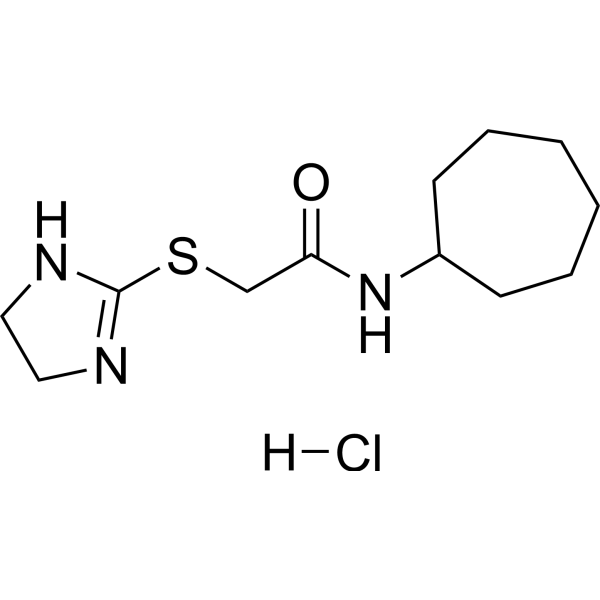
    BRD1991 selectively disrupts Beclin 1/Bcl-2 binding and induces autophagy without triggering apoptosis or other forms of cell death [1].
    BRD1991
  • HY-P2260A

    Autophagy HIV Infection
    Tat-beclin 1 TFA, a peptide derived from a region of the autophagy protein (beclin 1), is a potent inducer of autophagy and interacts with negative regulator of autophagy, GAPR-1 (GLIPR2). Tat-beclin 1 TFA decreases the accumulation of polyglutamine expansion protein aggregates and the replication of several pathogens (including HIV-1) in vitro, and reduces mortality in mice infected with chikungunya (CHIKV) or West Nile virus (WNV) [1].
    Tat-beclin 1 TFA
  • HY-156182

    JNK Cytochrome P450 Cancer
    JNK-IN-14 is a potent JNK inhibitor with IC50 values of 1.81, 12.7 and 10.5 nM for JNK1, JNK2 and JNK3, respectively. JNK-IN-14 induces early-stage apoptosis. JNK-IN-14 shows cell population arrest at the G2/M phase and slightly inhibits beclin-1 production at K562 leukemia cells relative to SP600125 (HY-12041), showing higher inhibitory ability. [1]
    JNK-IN-14
  • HY-N1399R

    Reference Standards AMPK PI3K Autophagy Metabolic Disease Inflammation/Immunology
    Androsin (Standard) is the analytical standard of Androsin. This product is intended for research and analytical applications. Androsin is an active compound isolated from Picrorhiza Kurroa Royle ex Benth. Androsin activates AMPKα/PI3K/Beclin1/LC3 signaling pathway, inhibits SREBP1c/FASN signaling pathway. Androsin can be used in research of asthma and non-alcoholic fatty liver disease (NAFLD). Androsin is orally active [1] .
    Androsin (Standard)
  • HY-P10110

    Autophagy Neurological Disease
    retro-inverso TAT-Beclin 1 D-amino acid is has higher activity and resistance to proteolytic degradation in vivo compared to L-amino acids peptide. TAT-Beclin 1 can induce autophagy in peripheral tissues in adult mice as well as in the central nervous system of neonatal mice [1] .
    retro-inverso TAT-Beclin 1 (D-amino acid)
  • HY-P1723A

    Neuropeptide Q TFA

    Neuropeptide Y Receptor Apoptosis Ferroptosis Autophagy Cardiovascular Disease Metabolic Disease
    Spexin (Neuropeptide Q) TFA is a selective agonist of galanin receptors GAL2 and GAL3, and is a conserved peptide that functions as a neurotransmitter/neuromodulator and endocrine factor. Spexin TFA can function through both central and peripheral actions. Spexin TFA upregulates Beclin 1 to inhibit ferroptosis induced by excessive autophagy, reduces the uptake of long-chain fatty acids by adipocytes, and regulates energy metabolism by increasing lipid oxidation (e.g., reducing the respiratory exchange ratio in rodents). Spexin TFA improves cardiac function in the Doxorubicin hydrochloride (HY-15142)-induced cardiotoxicity model, protects mitochondrial membrane potential, and reduces iron accumulation and lipid peroxidation. Spexin TFA can be used to study obesity and its related metabolic disorders, cardiovascular diseases (e.g., cardioprotection), and side effects of tumor chemotherapy [1] .
    Spexin TFA
  • HY-179052

    Apoptosis Autophagy Bcl-2 Family Caspase Atg8/LC3 Atg7 CDK Reactive Oxygen Species (ROS) Cancer
    Apoptosis inducer 50 (Compound 5e) is an apoptosis inducer as well as an autophagy inducer agent. Apoptosis inducer 50 exhibits potent and selective anti-cancer activity against triple-negative breast cancer cells and metastatic colon cancer cells. Apoptosis inducer 50 upregulates the expression of pro-apoptotic proteins (Bax, Bim, cleaved Caspase-9) and downregulates the expression of the anti-apoptotic protein (BCL-XL). Apoptosis inducer 50 upregulates key autophagy markers such as Beclin-1 and ATG5, and enhances the conversion of LC3-I to LC3-II., Apoptosis inducer 50 arrests cancer cells in the G1/S phase by upregulating the expression of p21 and p27 while downregulating Cyclin D1. Apoptosis inducer 50 increases the level of ROS [1].
    Apoptosis inducer 50
  • HY-N4119R

    Reference Standards Phosphatase Cholinesterase (ChE) p38 MAPK Apoptosis Autophagy Neurological Disease Metabolic Disease
    Neoeriocitrin (Standard) is the analytical standard of Neoeriocitrin (HY-N4119). This product is intended for research and analytical applications. Neoeriocitrin is a Naringin (HY-N0153) analogue found in Drynaria Rhizome. Neoeriocitrin induces cells proliferation, differentiation, up-regulates type I collagen, osteocalcin, and key osteogenic markers, and increases ALP activity. Neoeriocitrin increases expression of Runx2, COL I, OCN and Beclin1. Neoeriocitrin inhibits phosphorylation of P38 mitogen-activated protein kinase, reduces acetylcholinesterase (AChE) activity, and increases choline acetyltransferase (ChAT) activity. Neoeriocitrin reduces apoptosis and induces autophagy. Neoeriocitrin can be used for the researches of osteoporosis and Alzheimer's disease [1] .
    Neoeriocitrin (Standard)
  • HY-179049

    EGFR Microtubule/Tubulin Akt ERK Autophagy Atg8/LC3 p62 Ferroptosis Reactive Oxygen Species (ROS) Cancer
    EGFR/tubulin-IN-1 (Compound 26) is a dual-target inhibitor of EGFR and tubulin. EGFR/tubulin-IN-1 significantly reduces the levels of p-EGFR, p-AKT, and p-ERK in cells, disrupting the microtubule structure of the cells. EGFR/tubulin-IN-1 significantly inhibits the proliferation of H1975 cells and significantly blocks the cells in the G2/M phase. EGFR/tubulin-IN-1 induces the expression of autophagy markers LC3B-II and Beclin-1, while down-regulating the expression of p62. EGFR/tubulin-IN-1 induces ferroptosis, with increased ROS content and depletion of glutathione (GSH). EGFR/tubulin-IN-1 inhibits epithelial-mesenchymal transition (EMT) and tumor metastasis. EGFR/tubulin-IN-1 has a significant tumor-suppressing effect in the H1975 transplanted tumor nude mouse model. EGFR/tubulin-IN-1 can be used for the study of non-small cell lung cancer [1].
    EGFR/tubulin-IN-1
  • HY-N0566R

    Anemosapogenin (Standard)

    Reference Standards Apoptosis Autophagy Bcl-2 Family Caspase Survivin p38 MAPK MMP Cancer
    23-Hydroxybetulinic acid (Standard) is the analytical standard of 23-Hydroxybetulinic acid (HY-N0566). This product is intended for research and analytical applications. 23-Hydroxybetulinic acid (Anemosapogenin) is an orally active triterpenoid with broad-spectrum anticancer activity. 23-Hydroxybetulinic acid reduces the levels of Bcl-2 and survivin, elevates the level of Bax, promotes the cleavage/activation of caspase-3 and caspase-9, and induces apoptosis via the endogenous mitochondrial pathway involving cytochrome C release and mitochondrial membrane potential disruption. 23-Hydroxybetulinic acid arrests the cell cycle at S and G1 phases, inhibits cancer cell proliferation, blocks the MAPK signaling pathway, regulates MMP2, and induces autophagic apoptosis by upregulating beclin-1. 23-Hydroxybetulinic acid inhibits the activity and efflux function of P-gp, increases the intracellular accumulation of chemotherapeutic drugs, and synergistically enhances cytotoxicity with Doxorubicin (HY-15142). 23-Hydroxybetulinic acid inhibits the phosphorylation and nuclear translocation of STAT6, blocks M2 macrophage polarization, and reduces M2 macrophage-mediated apoptosis resistance of colon cancer cells. 23-Hydroxybetulinic acid can be used in related studies on chronic myeloid leukemia, hepatocellular carcinoma, sarcoma 180, multidrug-resistant breast cancer, leukemia, Doxorubicin-induced cardiotoxicity, and colorectal cancer.
    23-Hydroxybetulinic acid (Standard)
  • HY-RS01465

    Small Interfering RNA (siRNA) Others

    Becn1 Rat Pre-designed siRNA Set A contains three designed siRNAs for Becn1 gene (Rat), as well as a negative control, a positive control, and a FAM-labeled negative control.

    Becn1 Rat Pre-designed siRNA Set A
    Becn1 Rat Pre-designed siRNA Set A
  • HY-RS01463

    Small Interfering RNA (siRNA) Others

    BECN1 Human Pre-designed siRNA Set A contains three designed siRNAs for BECN1 gene (Human), as well as a negative control, a positive control, and a FAM-labeled negative control.

    BECN1 Human Pre-designed siRNA Set A
    BECN1 Human Pre-designed siRNA Set A
  • HY-122047

    Autophagy Cancer
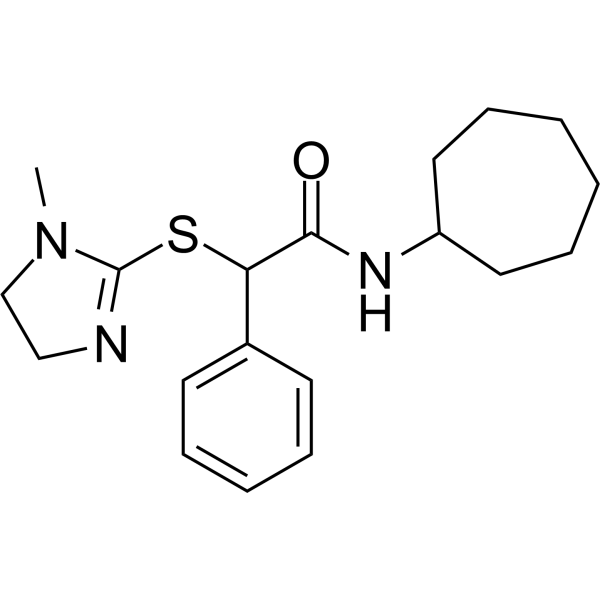
    SW063058 is an autophagy inducer that specifically disrupts the binding of Beclin 1 to Bcl-2 while leaving the interaction between Bcl-2 and pro-apoptotic members like Bax and BIM unaffected. By inhibiting the negative regulatory effects of Bcl-2 on Beclin 1, which is crucial for the initiation of autophagy, SW063058 promotes autophagic activity without triggering cytotoxicity, apoptosis, or other forms of cell death in vitro.
    SW063058
  • HY-183257

    Autophagy Beclin1 Reactive Oxygen Species (ROS) p97 Cancer
    ATI-1 is an autophagy initiation inhibitor. ATI-1 targets valosin-containing protein (VCP/p97, disrupts its interaction with UFL1, impairs UFMylation homeostasis associated with VCP, promotes polyubiquitination and degradation of Beclin1, and blocks the formation of early autophagosomes. ATI-1 induces synergistic death of autophagy-dependent malignant tumor cells under nutrient deprivation conditions, accompanied by decreased mitochondrial membrane potential, reduced ROS levels and lysosomal stress. ATI-1 exhibits anti-tumor efficacy in a pancreatic adenocarcinoma xenograft mouse model. ATI-1 can be used for the research of pancreatic adenocarcinoma and lung cancer [1].
    ATI-1
  • HY-181815

    ULK Beclin1 Autophagy MHC Caspase Apoptosis Cancer
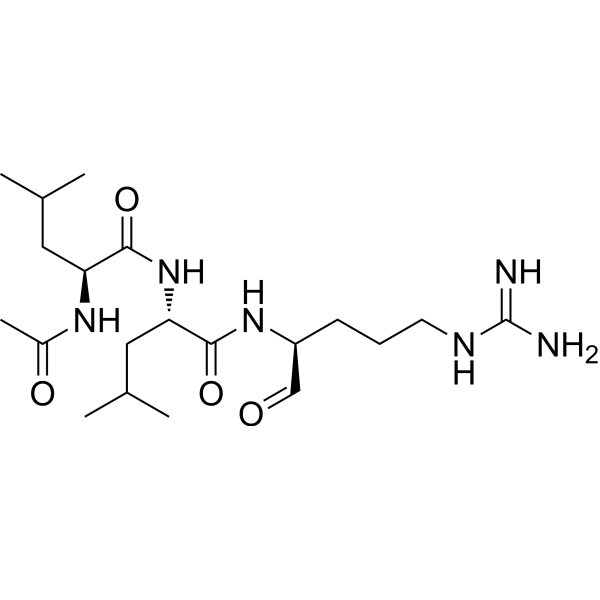
    SBP-5147 is an orally active ULK1/ULK2 inhibitor, with an IC50 of 2 nM against ULK1 and an IC50 of 53 nM against ULK2. SBP-5147 inhibits the phosphorylation of Beclin-1 and Vps34, reduces autophagy flux, downregulates the expression of ATG13 and ATG101, upregulates the expression of MHC-I, induces caspase-dependent apoptosis, and decreases the viability of non-small cell lung cancer cells. SBP-5147 is applicable to research related to non-small cell lung cancer [1] .
    SBP-5147
  • HY-P10914

    MDM-2/p53 Autophagy Inflammation/Immunology Cancer
    D-CopA3 is the inhibitor for MDM2 and the activator for p53 signaling pathway. D-CopA3 exhibits cytotoxicity in colorectal cancer cells HCT-116, LoVo, and RKO (IC50=15-18 μM), induces JNK/Beclin-1 mediated autophagy. D-CopA3 downregulates the expression of cell cycle inhibitory protein p21Cip1/Waf1, enhances the mucosal barrier function and reduces penetration of inflammatory mediators. D-CopA3 exhibits anti-inflammtory activity in mouse C. difficile toxin A-induced acute enteritis models and DSS (HY-116282)-induced chronic colitis models. D-CopA3 exhibits antitumor efficacy in mouse HCT-116 xenograft models [1] .
    D-CopA3
  • HY-111137

    XC-302 free base

    Akt Cancer
    Puquitinib (XC-302 free base) is a multi-target inhibitor with the activity of inducing autophagy in nasopharyngeal carcinoma cells by inhibiting the PI3K/AKT/mTOR signaling pathway. Puquitinib was able to inhibit the proliferation of CNE-2 cells, showing a dose-dependent antiproliferative effect. Puquitinib induced the formation of autophagosomes and autolysosomes in CNE-2 cells, which were observed by fluorescence microscopy and electron microscopy. Puquitinib promoted the formation of LC3-II and increased the expression of beclin 1, while reducing the level of p62. Puquitinib inhibited the PI3K/AKT/mTOR pathway by reducing the expression of p-AKT and p-mTOR. Puquitinib also induced apoptosis in CNE-2 cells, and when autophagy was inhibited, the apoptosis rate was reduced, which means that autophagy may interact with apoptosis to induce cell death [1].
    Puquitinib
  • HY-182054

    Topoisomerase Beclin1 Autophagy Apoptosis Cancer
    Topoisomerase ll/ME-1-IN-1 (Compound 7a) is a Topoisomerase ll and ME-1 inhibitor with an IC50 of 5.03 μM against Topoisomerase ll. Topoisomerase ll/ME-1-IN-1 functionally inhibits the activity of Topoisomerase II and functionally blocks the activity of ME-1. Topoisomerase ll/ME-1-IN-1 induces Autophagy by upregulating the expression of Beclin-1 and LC3-II. Topoisomerase ll/ME-1-IN-1 promotes Apoptosis. Topoisomerase ll/ME-1-IN-1 exhibits antiproliferative activity against breast cancer cells and shows no toxicity to normal mammary epithelial cells. Topoisomerase ll/ME-1-IN-1 can be used in studies related to breast cancer (including triple-negative breast cancer) [1].
    Topoisomerase ll/ME-1-IN-1
  • HY-181160

    JNK Wnt β-catenin Amyloid-β Reactive Oxygen Species (ROS) Beclin1 GSK-3 Beta-secretase Neurological Disease
    JNK3/Wnt/β-catenin modulator-1 is a brain-penetrant JNK3 inhibitor and Wnt/β-catenin activator. JNK3/Wnt/β-catenin modulator-1 decreases Aβ1-42 production and reduced ROS generation. JNK3/Wnt/β-catenin modulator-1 inhibits the activation of JNK and Puma, promotes Beclin-1 expression, reduces GSK-3β and BACE1 expression and activates Wnt/β-catenin signaling. JNK3/Wnt/β-catenin modulator-1 improves cognitive and memory performance, attenuates histopathological brain damage, preserves structure of hippocampal pyramidal cells and cerebral cortical neurons. JNK3/Wnt/β-catenin modulator-1 can be used for the research of Alzheimer's disease [1].
    JNK3/Wnt/β-catenin modulator-1
  • HY-P11656

    mTOR Beclin1 Autophagy Atg8/LC3 Reactive Oxygen Species (ROS) MMP p38 MAPK PERK JNK Collagen Inflammation/Immunology
    α-Neoendorphin porcine is a peptide. α-Neoendorphin porcine effectively alleviates UVB-induced skin photoaging via activating mTOR-Beclin-1-mediated autophagy, reducing UVB-triggered ROS production, inhibiting the MAPK pathway and MMP activity, and promoting type I procollagen synthesis. α-Neoendorphin porcine exerts anti-aging and anti-wrinkle effects on skin cells. α-Neoendorphin porcine can be used in studies related to skin photoaging [1].
    α-Neoendorphin (porcine)

Inquiry Online

Your information is safe with us. * Required Fields.

Salutation


Country or Region *

Applicant Name *


Organization Name *

Department *


Email Address *


Product Name *

Cat. No.


Requested quantity *

Phone Number *


Remarks

Inquiry Online

Inquiry Information

Product Name:
Cat. No.:
Quantity:
MCE Japan Authorized Agent:

