

1. Search Result
Search Result
Results for "

Blood vessel

" in MedChemExpress (MCE) Product Catalog:

150

Inhibitors & Agonists

5

Bibliotecas de Screening

1

Fluorescent Dyes

10

Biochemical Assay Reagents

10

Peptides

1

MCE Kits

4

Inhibitory Antibodies

14

Natural
Products

1

Recombinant Proteins

19

Isotope-Labeled Compounds

10

Oligonucleotides

Cat. No. Nombre del producto Target Áreas de investigación Chemical Structure
  • HY-101952
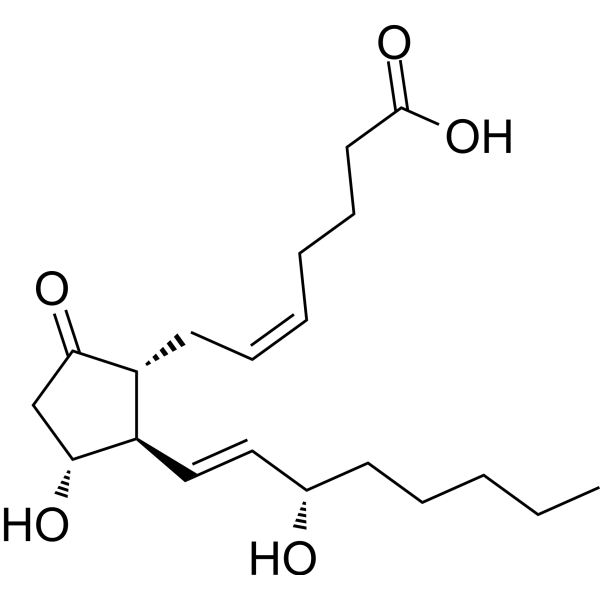
    Prostaglandin E2
    Maximum Cited Publications
    55 Publications Verification

    PGE2; Dinoprostone

    Organoid Prostaglandin Receptor Endogenous Metabolite Cardiovascular Disease Endocrinology
    Prostaglandin E2 (PGE2) is a hormone-like substance that participate in a wide range of body functions such as the contraction and relaxation of smooth muscle, the dilation and constriction of blood vessels, control of blood pressure, and modulation of inflammation.
    Prostaglandin E2
  • HY-B0146
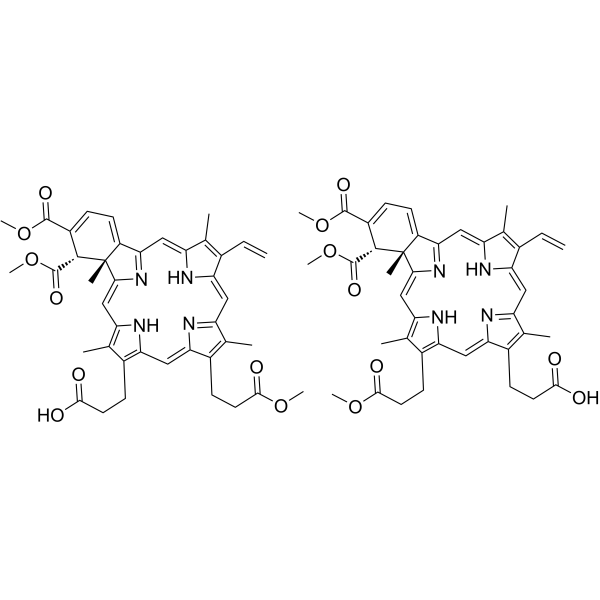
    Verteporfin
    Maximum Cited Publications
    266 Publications Verification

    CL 318952

    YAP Apoptosis Autophagy Photosensitizer Cancer
    Verteporfin (CL 318952) is a photosensitizer for photodynamic therapy to eliminate the abnormal blood vessels in the eye associated with conditions such as age-related macular degeneration. Verteporfin is a YAP inhibitor which disrupts YAP-TEAD interactions. Verteporfin induces cell apoptosis . Verteporfinis an autophagy inhibitor that blocks autophagy at an early stage by inhibiting autophagosome formation .
    Verteporfin
  • HY-N0293
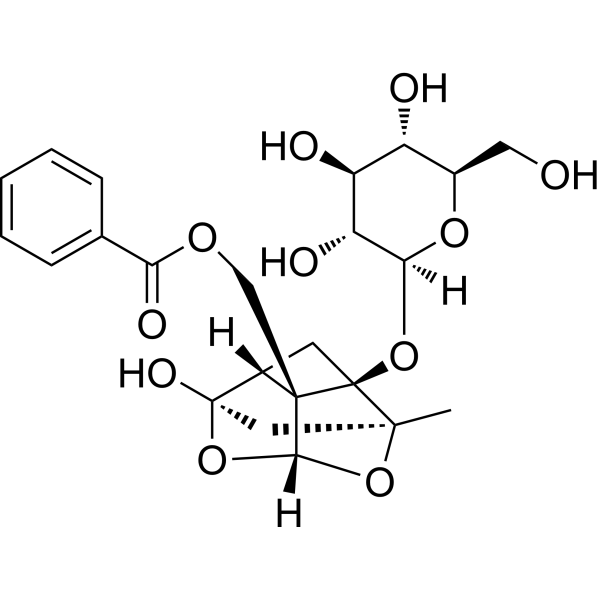
    Paeoniflorin
    35+ Cited Publications

    Peoniflorin

    HSP Infection Neurological Disease Cancer
    Paeoniflorin is a heat shock protein-inducing compound and commonly exists in the plants of Paeoniaceae family, with various biological activities, including anticancer activity, anti-inflammatory activity, enhancing cognition and attenuating learning impairment, anti-oxidative stress, antiplatelet aggregation, expansion of blood vessels, and reducing blood viscosity .
    Paeoniflorin
  • HY-B0202
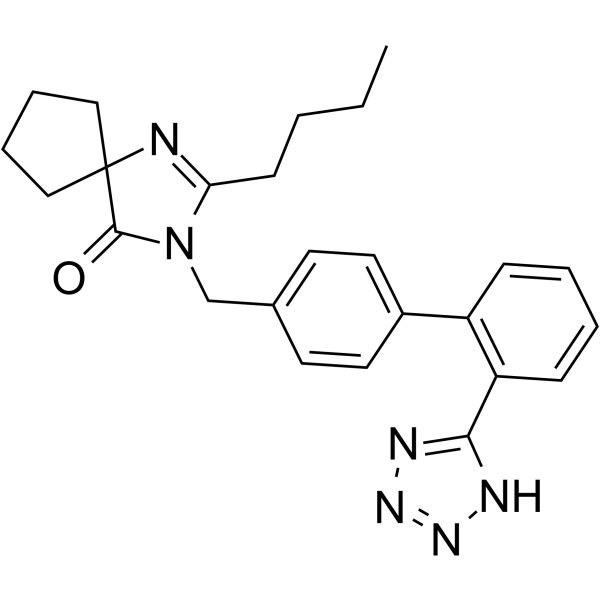
    Irbesartan
    5+ Cited Publications

    SR-47436; BMS-186295

    Angiotensin Receptor Apoptosis Cardiovascular Disease Endocrinology
    Irbesartan (SR-47436) is an orally active Ang II type 1 (AT1) receptor blocker (ARB). Irbesartan can relax the blood vessels, low blood pressure and increase the supply of blood and oxygen to the heart. Irbesartan can be used for the research of high blood pressure, heart failure, and diabetic kidney disease .
    Irbesartan
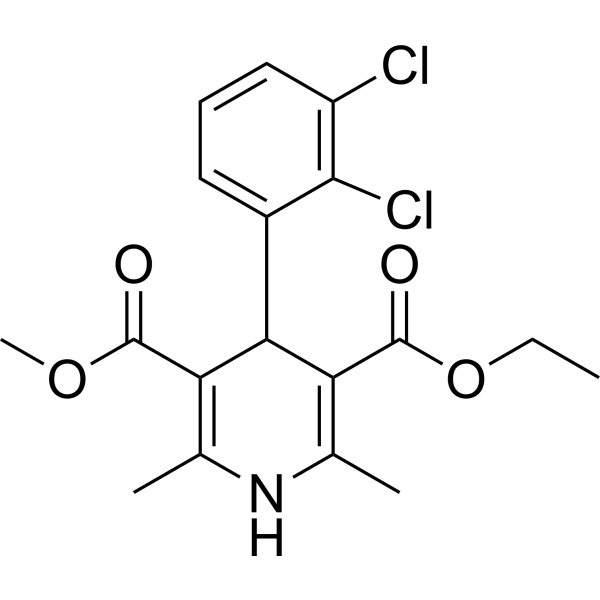
  • HY-B0309
    Felodipine
    3 Publications Verification

    Calcium Channel Autophagy Cardiovascular Disease
    Felodipine, a dihydropyridine, is a potent, vasoselective calcium channel antagonist. Felodipine lowers blood pressure (BP) by selective action on vascular smooth muscle, especially in the resistance vessels. Felodipine, an anti-hypertensive agent, induces autophagy. Felodipine can cross the blood-brain barrier .
    Felodipine
  • HY-B0371F
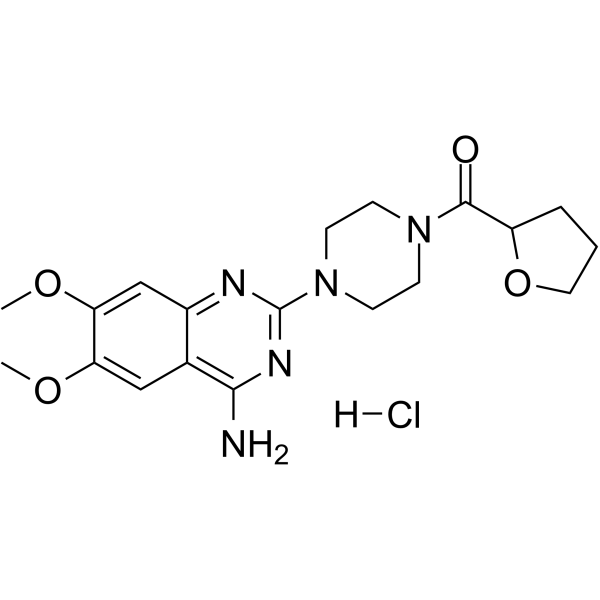
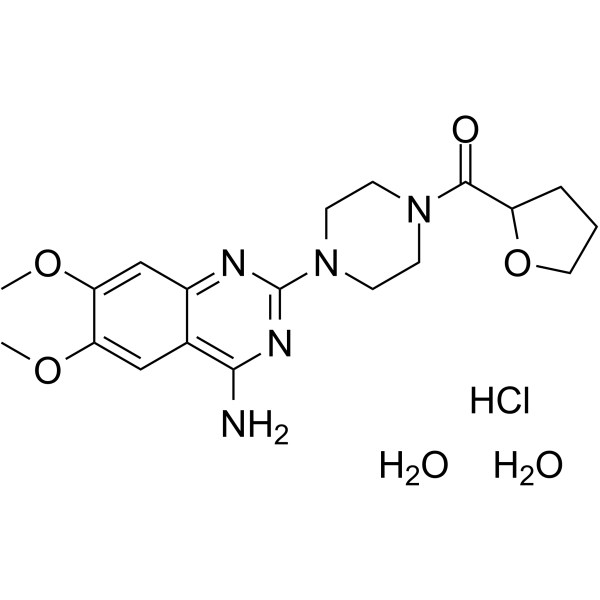
    Terazosin hydrochloride
    5+ Cited Publications

    Adrenergic Receptor Cardiovascular Disease Metabolic Disease Endocrinology
    Terazosin hydrochloride is a quinazoline derivative and a competitive and orally active α1-adrenoceptor antagonist. Terazosin hydrochloride works by relaxing blood vessels and the opening of the bladder. Terazosin hydrochloride has the potential for benign prostatic hyperplasia (BPH) and high blood pressure treatment .
    Terazosin hydrochloride
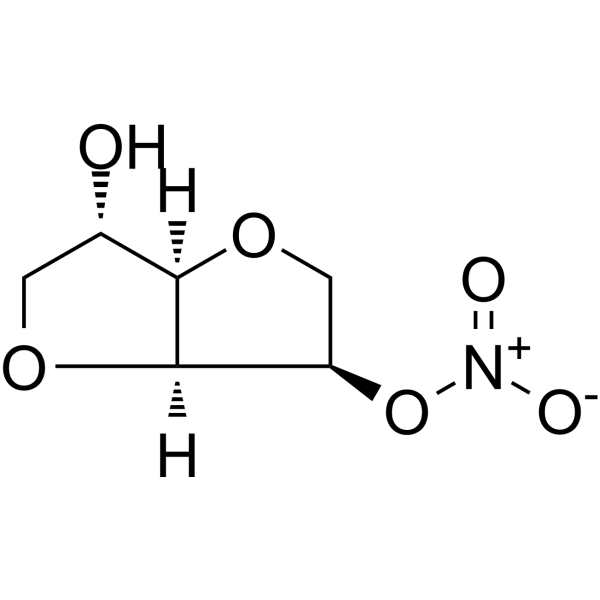
  • HY-B0642
    Isosorbide mononitrate
    5 Publications Verification

    Isosorbide-5-mononitrate

    Autophagy Endogenous Metabolite Apoptosis Cardiovascular Disease Cancer
    Isosorbide mononitrate (Isosorbide-5-mononitrate) is an orally active nitric acid compound used for angina pectoris by dilating blood vessels and lowering blood pressure. Isosorbide mononitrate increases the viability and proliferation of HUVECs by decreasing Apoptosis and elevated the expressions of vedf, kdrl, pdgfr in zebrafish embryos. Isosorbide mononitrate is promising for research of heart failure and coronary heart disease .
    Isosorbide mononitrate
  • HY-B0362A
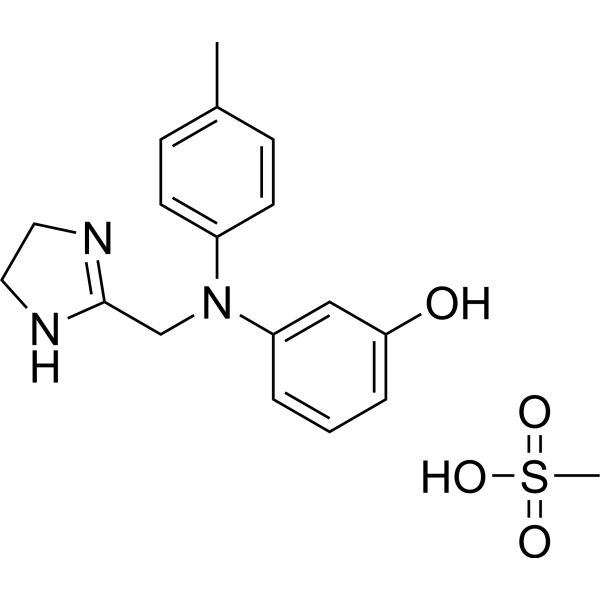
    Phentolamine mesylate
    5+ Cited Publications

    Phentolamine methanesulfonate

    Adrenergic Receptor Cardiovascular Disease Endocrinology Cancer
    Phentolamine mesylate (Phentolamine methanesulfonate) is a reversible, non-selective, and orally active blocker of α1 and α2 adrenergic receptor that expands blood vessels to reduce peripheral vascular resistance. Phentolamine mesylate can be used for the research of pheochromocytoma-related hypertension, heart failure and erectile dysfunction .
    Phentolamine mesylate
  • HY-W005288
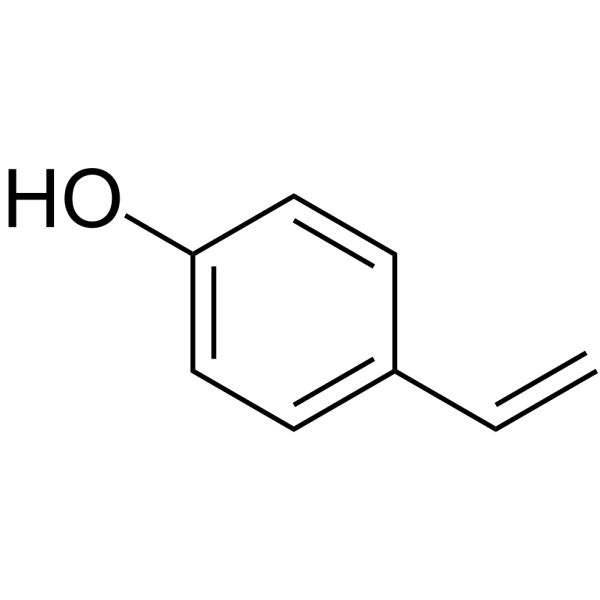
    4-Vinylphenol (10% in Propylene glycol)
    1 Publications Verification

    4-Hydroxystyrene

    Apoptosis Endogenous Metabolite Cancer
    4-Vinylphenol is found in the medicinal herb Hedyotis diffusa Willd, wild rice and is also the metabolite of p-coumaric and ferulic acid by lactic acid bacteria in wine. 4-Vinylphenol induces apoptosis and inhibits blood vessels formation and suppresses invasive breast tumor growth in vivo .
    4-Vinylphenol (10% in Propylene glycol)
  • HY-B1815

    Xanthinol Niacinate

    PDGFR Cardiovascular Disease
    Xanthinol Nicotinate (Xanthinol Niacinate), a vasodilator, can act directly on the smooth muscle of small arteries and capillaries. Xanthinol Nicotinate expands blood vessels, improves blood rheology and reduces peripheral vascular resistance .
    Xanthinol Nicotinate
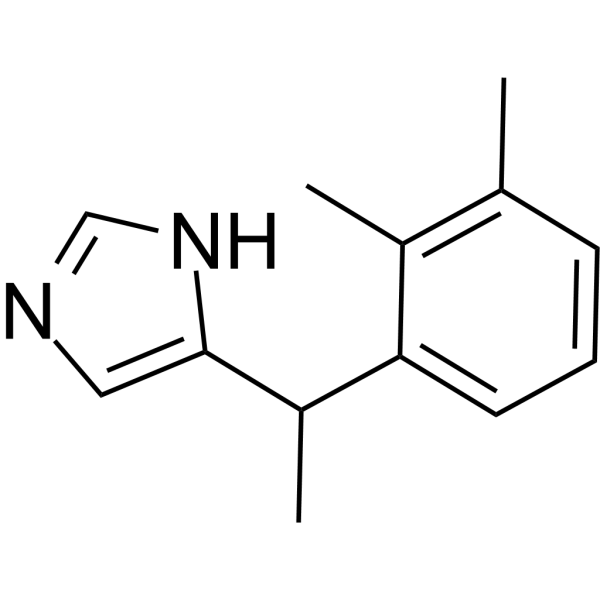
  • HY-17034

    Adrenergic Receptor Neurological Disease Endocrinology
    Medetomidine is an orally active α2-adrenoceptor agonist (Ki: 1.08 nM). Medetomidine has sedative and analgesic effects. Medetomidine can cause peripheral vasoconstriction through the activation of α2 adrenoceptors on blood vessels .
    Medetomidine
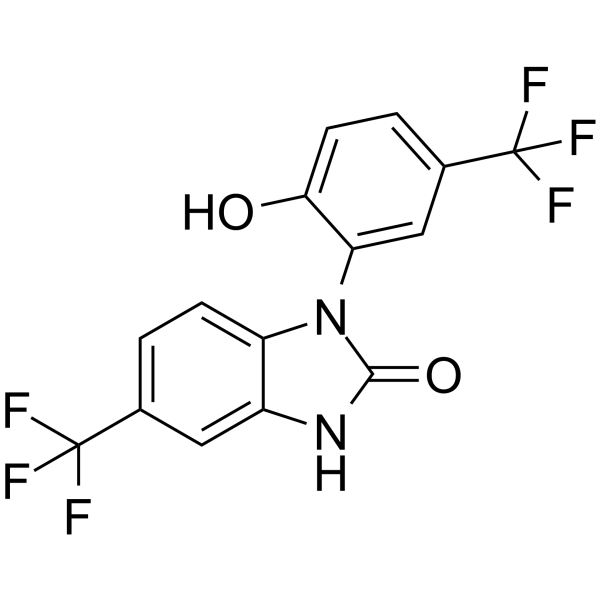
  • HY-B2141

    NO Synthase HIF/HIF Prolyl-Hydroxylase Cardiovascular Disease Others Metabolic Disease
    Bendazol is an orally effective antihypertensive agent. Bendazol acts directly on vascular smooth muscle to dilate blood vessels and reduce peripheral resistance, thereby improving blood circulation. Bendazol significantly inhibits the development of myopia in rabbit models. Bendazol can regulate kidney function by increasing the activity of NO synthase in the rat model of nephrogenic hypertension. In addition, Bendazol has an effect on sexual behavior and spermatogenesis in male rats .
    Bendazol
  • HY-B0475

    Adrenergic Receptor Inflammation/Immunology
    Xylometazoline hydrochloride is an α-adrenergic receptor agonist (Ki=0.05-1.7 μM). Xylometazoline hydrochloride can constrict nasal blood vessels and increase nasal airflow. Xylometazoline hydrochloride can be used in nose stuffiness and runny nose research .
    Xylometazoline hydrochloride
  • HY-108011
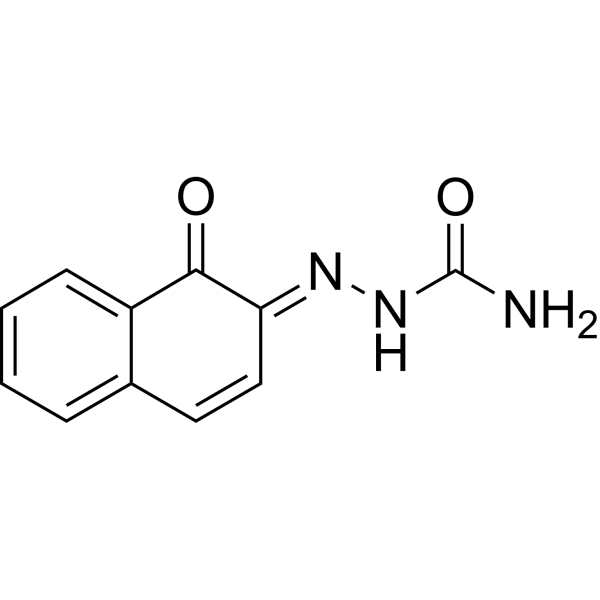
    Naftazone
    1 Publications Verification

    mGluR iGluR Endogenous Metabolite Cardiovascular Disease
    Naftazone is a naphthoquinone derivative, it can be used for the research of venous insufciency. Naftazone protects blood vessels, increases venous tonicity and capillary resistance, and improves lymphatic and venous circulation .
    Naftazone
  • HY-B0371
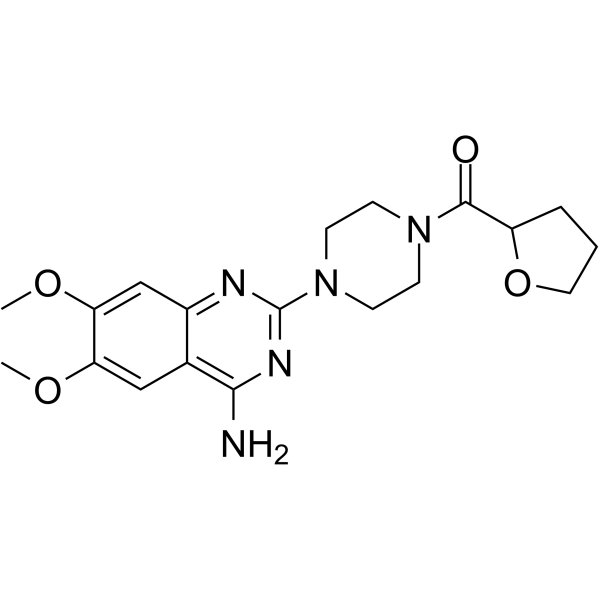
    Terazosin
    5+ Cited Publications

    Adrenergic Receptor Cardiovascular Disease Metabolic Disease Endocrinology
    Terazosin is a quinazoline derivative and a competitive and orally active α1-adrenoceptor antagonist. Terazosin works by relaxing blood vessels and the opening of the bladder. Terazosin has the potential for benign prostatic hyperplasia (BPH) and high blood pressure treatment .
    Terazosin
  • HY-B0371A

    Adrenergic Receptor Cardiovascular Disease Metabolic Disease Endocrinology
    Terazosin hydrochloride dihydrate is a quinazoline derivative and a competitive and orally active α1-adrenoceptor antagonist. Terazosin hydrochloride dihydrate works by relaxing blood vessels and the opening of the bladder. Terazosin hydrochloride dihydrate has the potential for benign prostatic hyperplasia (BPH) and high blood pressure treatment .
    Terazosin hydrochloride dihydrate
  • HY-101952R
    Prostaglandin E2 (Standard)
    Maximum Cited Publications
    55 Publications Verification

    PGE2(Standard); Dinoprostone (Standard)

    Reference Standards Prostaglandin Receptor Endogenous Metabolite Cardiovascular Disease Endocrinology
    Prostaglandin E2 (Standard) is the analytical standard of Prostaglandin E2. This product is intended for research and analytical applications. Prostaglandin E2 (PGE2) is a hormone-like substance that participate in a wide range of body functions such as the contraction and relaxation of smooth muscle, the dilation and constriction of blood vessels, control of blood pressure, and modulation of inflammation.
    Prostaglandin E2 (Standard)
  • HY-101952S
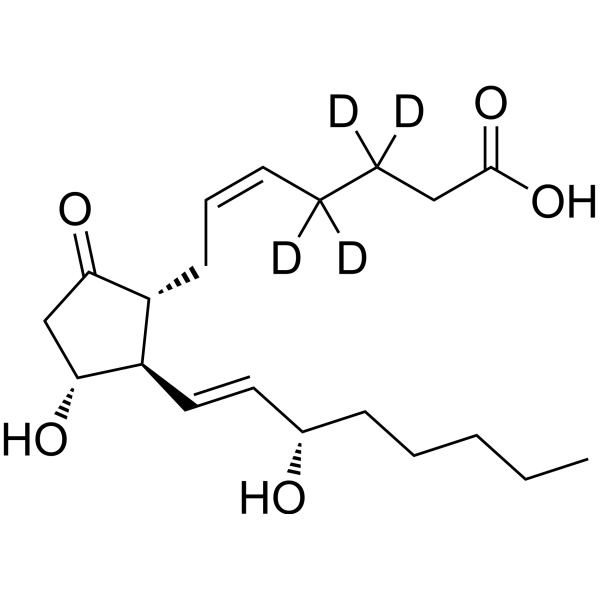
    Prostaglandin E2-d4
    2 Publications Verification

    PGE2-d4; Dinoprostone-d4

    Prostaglandin Receptor Endogenous Metabolite Cardiovascular Disease Endocrinology
    Prostaglandin E2-d4 is the deuterium labeled Prostaglandin E2. Prostaglandin E2 (PGE2) is a hormone-like substance that participate in a wide range of body functions such as the contraction and relaxation of smooth muscle, the dilation and constriction of blood vessels, control of blood pressure, and modulation of inflammation .
    Prostaglandin E2-d4
  • HY-17034B

    MPV785

    Adrenergic Receptor Neurological Disease Endocrinology
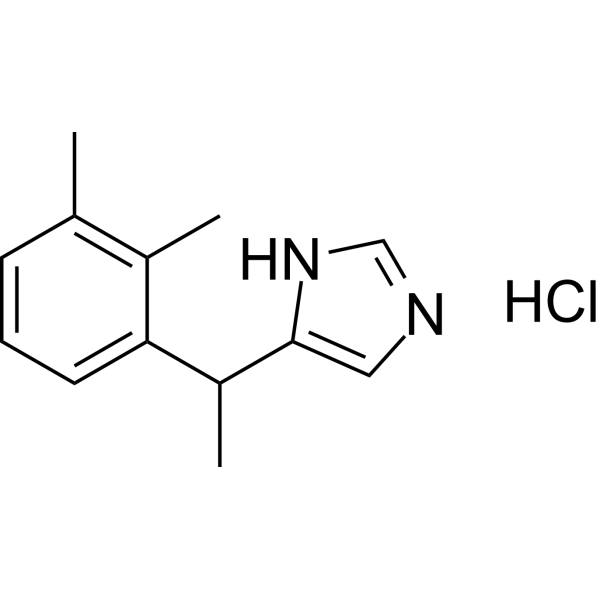
    Medetomidine hydrochloride is an orally active α2-adrenoceptor agonist (Ki: 1.08 nM). Medetomidine hydrochloride has sedative and analgesic effects. Medetomidine hydrochloride can cause peripheral vasoconstriction through the activation of α2 adrenoceptors on blood vessels .
    Medetomidine hydrochloride
  • HY-Y0470
    Semicarbazide hydrochloride
    1 Publications Verification

    Aminourea hydrochloride; Hydrazinecarboxamide hydrochloride

    Monoamine Oxidase Cardiovascular Disease Inflammation/Immunology Endocrinology
    Semicarbazide hydrochloride is an orally active urea derivative. Semicarbazide hydrochloride binds to copper or iron in cells. Semicarbazide hydrochloride inhibits the activity of soluble semicarbazide sensitive amine oxidase (SSAO). Semicarbazide hydrochloride damages cartilage, blood vessels, ovaries, testicles, and thyroid follicles .
    Semicarbazide hydrochloride
  • HY-P0004
    Lysipressin
    2 Publications Verification

    Lysine vasopressin; [Lys8]-Vasopressin

    Adenylate Cyclase Oxytocin Receptor Cardiovascular Disease Neurological Disease
    Lysipressin (Lysine vasopressin) is antidiuretic hormone that have been found in pigs. Lysipressin activates Oxytocin receptors and adenylate-cyclase. Lysipressin adjusts blood pressure and heart rate. Lysipressin shows antinociceptive activity .
    Lysipressin
  • HY-103190

    Adenosine Receptor Neurological Disease Cancer
    MRS1220, a highly potent and selective human A3 adenosine receptor (hA3AR) antagonist with a Ki of 0.59 nM, has therapeutic potential for the research of diseases of the central nervous system . MRS1220 reduces glioblastoma tumor size and blood vessel formation in vivo .
    MRS1220
  • HY-162322

    Potassium Channel Cardiovascular Disease
    VU0542270 is a selective vascular Kir6.1/SUR2B KATP channel inhibitor with an IC50 value of 100 nM. VU0542270 has an IC50 > 30 μM for the other nine members of the Kir channel family. VU0542270 can be used in the study of cardiovascular disease .
    VU0542270
  • HY-P4896

    Integrin Cancer
    FITC-Ahx Gly Arg Gly Asp Ser Pro is a GRGDSP (HY-P0290) coupled to FITC. GRGDSP is an integrin inhibitor that can inhibit the adherence of tumor cells to endothelial cells of blood vessels and limit its metastasis .
    FITC-Ahx-Gly-Arg-Gly-Asp-Ser-Pro
  • HY-N0293R

    Peoniflorin (Standard)

    Reference Standards HSP Infection Neurological Disease Cancer
    Paeoniflorin (Standard) is the analytical standard of Paeoniflorin. This product is intended for research and analytical applications. Paeoniflorin is a heat shock protein-inducing compound and commonly exists in the plants of Paeoniaceae family, with various biological activities, including anticancer activity, anti-inflammatory activity, enhancing cognition and attenuating learning impairment, anti-oxidative stress, antiplatelet aggregation, expansion of blood vessels, and reducing blood viscosity .
    Paeoniflorin (Standard)
  • HY-B1538A

    DL-Bamethane hemisulfate

    Endogenous Metabolite Cardiovascular Disease
    Bamethan (DL-Bamethane) hemisulfate is a vasodilator that exhibits significant activity in enhancing blood flow and reducing vascular resistance. Bamethan hemisulfate plays a crucial role in the treatment of cardiovascular conditions by improving oxygen delivery to tissues. Bamethan hemisulfate also aids in the management of hypertension through its relaxing effects on blood vessels.
    Bamethan hemisulfate
  • HY-101952S1

    PGE2-d9; Dinoprostone-d9

    Isotope-Labeled Compounds Prostaglandin Receptor Endogenous Metabolite Cardiovascular Disease Endocrinology
    Prostaglandin E2-d9 is the deuterium labeled Prostaglandin E2. Prostaglandin E2 (PGE2) is a hormone-like substance that participate in a wide range of body functions such as the contraction and relaxation of smooth muscle, the dilation and constriction of blood vessels, control of blood pressure, and modulation of inflammation .
    Prostaglandin E2-d9
  • HY-P4091

    Biochemical Assay Reagents Cancer
    LSD is a peptide. LSD can specifically recognize the lymphatics of C8161 melanoma, but it does not bind to the lymphatics of normal tissues or tumor blood vessels. When conjugated with a proapoptotic peptide, LSD can reduce the number of tumor lymphatics. LSD can be used in the research of targeted therapy and diagnosis of tumor lymphatics .
    LSD
  • HY-153528

    Biochemical Assay Reagents Cardiovascular Disease Neurological Disease
    DMAA is an indirect sympathomimetic amine. DMAA constricts blood vessels and raises blood pressure. DMAA can be used for neurological and cardiovascular disease research .
    DMAA
  • HY-B0642R

    Isosorbide-5-mononitrate (Standard)

    Reference Standards Autophagy Endogenous Metabolite Cardiovascular Disease Cancer
    Isosorbide mononitrate (Standard) is the analytical standard of Isosorbide mononitrate. This product is intended for research and analytical applications. Isosorbide mononitrate (Isosorbide-5-mononitrate) is a nitric acid compound used for angina pectoris by dilating blood vessels and lowering blood pressure.
    Isosorbide mononitrate (Standard)
  • HY-14464

    PF-489791

    Phosphodiesterase (PDE) Cardiovascular Disease Metabolic Disease
    PF-00489791 (PF-489791) is a potent inhibitor of phosphodiesterase 5A with IC50 of 1.5 nM. PF-00489791 can enhance the relaxation of blood vessels within the kidney and so reduce blood pressure, improving renal function .
    PF-00489791
  • HY-123613

    Prostaglandin Receptor Cardiovascular Disease
    AGN192093 is a thromboxane A2 receptor (TP) agonist (EC50 = 1.3 nM). AGN192093 exhibits potent and selective thromboxane analog activity in rat blood vessels .
    AGN192093
  • HY-B0202S

    SR-47436-d4; BMS-186295-d4

    Angiotensin Receptor Cardiovascular Disease Endocrinology
    Irbesartan-d4 (SR-47436-d4) is the deuterium labeled Irbesartan Irbesartan (HY-B0202). Irbesartan (SR-47436) is an orally active Ang II type 1 (AT1) receptor blocker (ARB). Irbesartan can relax the blood vessels, low blood pressure and increase the supply of blood and oxygen to the heart. Irbesartan can be used for the research of high blood pressure, heart failure, and diabetic kidney disease.
    Irbesartan-d4
  • HY-P0004A
    Lysipressin acetate
    2 Publications Verification

    Lysine vasopressin acetate; [Lys8]-Vasopressin acetate

    Adenylate Cyclase Others
    Lysipressin (Lysine vasopressin) acetate is antidiuretic hormone that have been found in pigs and some marsupial families. Lysipressin acetate induces contraction of the rabbit urinary bladder smooth muscle, activate adenylate-cyclase .
    Lysipressin acetate
  • HY-160047

    PDGFR Cancer
    AX102 sodium is a 34 bp length nucleotide aptamer modified at the 5' end with a 40 kDa polyethylene glycol moiety. AX102 selectively binds platelet-derived growth factor B (PDGF-B) and causes tumor vessel regression .
    AX102 sodium
  • HY-103293A

    Kallidin (380-389) (human, porcine, bovine) TFA

    Bradykinin Receptor Cardiovascular Disease Neurological Disease Inflammation/Immunology
    Lys-Bradykinin TFA is the TFA salt form of Lys-Bradykinin (HY-103293). Lys-Bradykinin TFA is a ligand for kallidin and bradykinin receptor, which can be generated by kininogen protein through enzymatic cleavage by the protease kallikrein. Lys-Bradykinin TFA serves as a vasodilator, which widens blood vessels and increases blood flow. Lys-Bradykinin TFA stimulates net Na+ influx, and contributes to DNA synthesis. Lys-Bradykinin TFA involves in vascular regulation, inflammation and pain sensation .
    Lys-Bradykinin TFA
  • HY-Z7082

    Angiotensin-converting Enzyme (ACE) Cardiovascular Disease
    Perindopril L-arginine is an orally active and selective angiotensin-converting enzyme (ACE) inhibitor. Perindopril L-arginine reduces the production of angiotensin II by inhibiting ACE, thereby dilating blood vessels, lowering blood pressure, and also exerting activities such as vasculoprotection and antithrombosis. Perindopril L-arginine is promising for research of cardiovascular diseases .
    Perindopril L-arginine
  • HY-E70303

    FUT6

    Endogenous Metabolite Cancer
    Fucosyltransferase 6 is a fucosyltransferase that mediates the expression of the tetrasaccharide Sialyl-Lewis x (sLex, CD15s) on the surface of leukocytes. sLex participates in E-selectin-mediated leukocyte rolling and is related to the migration of leukocytes out of blood vessels .
    Fucosyltransferase 6
  • HY-B0309S2

    Calcium Channel Autophagy Cardiovascular Disease
    Felodipine-d3 is the deuterium labeled Felodipine. Felodipine, a dihydropyridine, is a potent, vasoselective calcium channel antagonist. Felodipine lowers blood pressure (BP) by selective action on vascular smooth muscle, especially in the resistance vessels. Felodipine, an anti-hypertensive agent, induces autophagy. Felodipine can cross the blood-brain barrier .
    Felodipine-d3
  • HY-B0371S

    Isotope-Labeled Compounds Adrenergic Receptor Metabolic Disease Endocrinology
    Terazosin-d8 is deuterium labeled Terazosin. Terazosin is a quinazoline derivative and a competitive and orally active α1-adrenoceptor antagonist. Terazosin works by relaxing blood vessels and the opening of the bladder. Terazosin has the potential for benign prostatic hyperplasia (BPH) and high blood pressure treatment .
    Terazosin-d8
  • HY-119340

    Flavoneacetic acid

    Reactive Oxygen Species (ROS) Cancer
    Mitoflaxone (flavoneacetic acid) is a synthetic flavonoid compound with vascular targeting properties. Mitoflaxone exerts anti-proliferative effects on endothelial cells through a superoxide-dependent mechanism, this effect leads to changes in the permeability of tumor blood vessels, thereby exerting anti-tumor effects [1] [2] .
    Mitoflaxone
  • HY-B1815R

    Xanthinol Niacinate (Standard)

    PDGFR Reference Standards Cardiovascular Disease
    Xanthinol Nicotinate (Standard) is the analytical standard of Xanthinol Nicotinate. This product is intended for research and analytical applications. Xanthinol Nicotinate (Xanthinol Niacinate), a vasodilator, can act directly on the smooth muscle of small arteries and capillaries. Xanthinol Nicotinate expands blood vessels, improves blood rheology and reduces peripheral vascular resistance .
    Xanthinol Nicotinate (Standard)
  • HY-B0202A

    SR-47436 hydrochloride; BMS-186295 hydrochloride

    Angiotensin Receptor Apoptosis Cardiovascular Disease Neurological Disease Metabolic Disease
    Irbesartan (SR-47436) hydrochloride is an orally active Ang II type 1 (AT1) receptor blocker (ARB). Irbesartan hydrochloride can relax the blood vessels, low blood pressure and increase the supply of blood and oxygen to the heart. Irbesartan hydrochloride can be used for the research of high blood pressure, heart failure, and diabetic kidney disease .
    Irbesartan hydrochloride
  • HY-B0475A

    Adrenergic Receptor Inflammation/Immunology
    Xylometazoline is an α-adrenergic receptor agonist (Ki=0.05-1.7 μM). Xylometazoline can constrict nasal blood vessels and increase nasal airflow. Xylometazoline hydrochloride can be used in nose stuffiness and runny nose research .
    Xylometazoline
  • HY-N16467

    Speciofiline

    Others Cardiovascular Disease Neurological Disease Inflammation/Immunology Cancer
    Uncarine F (Speciofiline) is a pentacyclic oxindole alkaloid found in Uncaria tomentosa. Uncaria alkaloids have wide medicinal properties, including neuroprotective, anticancer, and antihypertensive activities. Uncaria alkaloids may stimulate the immune system, relax smooth muscles, dilate blood vessels, and act as a diuretic. Uncarine F can be used for the researches of cancer, immunology, cardiovascular and neurological disease .
    Uncarine F
  • HY-175857

    HDAC Apoptosis Cancer
    HDAC-IN-92 is a pan-HDAC inhibitor with an IC50 of 12.58 µM in A2780 cells. HDAC-IN-92 demonstrates broad-spectrum, notable cytotoxic activity against a range of human cancer cell lines, including ovarian, liver, and breast carcinomas. HDAC-IN-92 causes apoptosis and demonstrates a notable decrease in tumor cell colony formation. HDAC-IN-92 inhibits the formation of blood vessels in the chick chorioallantoic membrane (CAM). HDAC-IN-92 exhibits anti-tumor effect in a 4T1 tumor-bearing mouse model. HDAC-IN-92 can be used for research targeting solid tumor .
    HDAC-IN-92
  • HY-U00147

    RV 12128

    Biochemical Assay Reagents Cardiovascular Disease
    Nicotinoyl cyclandelate can be used to lower the perfusion pressure of cerebral blood vessels and the blood pressure of femoral artery.
    Nicotinoyl cyclandelate
  • HY-119544

    UP-2696

    Angiotensin Receptor Cardiovascular Disease
    Ripisartan (UP-2696) is an angiotensin II receptor antagonist. Ripisartan is orally available. Ripisartan binds to angiotensin II receptors, dilates blood vessels, and lowers blood pressure .
    Ripisartan
  • HY-W018475

    MK 462 free base

    5-HT Receptor Neurological Disease
    Rizatriptan (MK 462 free base) is an orally active 5-HT1B/5-HT1D receptor agonist, with BBB permeability. Rizatriptan exerts significant anti-migraine effects by constricting intracranial and extracranial blood vessels and inhibiting neuropeptide release. Rizatriptan exhibits species- and tissue-specific metabolic characteristics; for example, it undergoes oxidative deamination mainly by MAO-A in the liver of brown rats, so co-administration with MAO-A inhibitors is prohibited. Rizatriptan may also exacerbate nitroglycerin-induced cutaneous allodynia, prolong the duration of central sensitization, and increase anxiety-like behavior and active drug-seeking behavior in mice. Rizatriptan has been widely used in studies related to migraine and medication-overuse headache .
    Rizatriptan
  • HY-124397

    ZD-6126; AZD-6126; ANG-453

    Microtubule/Tubulin Cancer
    N-Acetylcolchinol phosphate is an inhibitor of tubulin polymerisation. N-Acetylcolchinol phosphate can bind to tubulin cytoskeleton of the endothelial cells in blood vessels of tumor. N-Acetylcolchinol phosphate can be studied in anti-cancer research .
    N-Acetylcolchinol phosphate

Consulta en línea

Your information is safe with us. * Required Fields.

Saludo


Country or Region *

Nombre del solicitante *


Nombre de la Organizaciòn *

Department *


Direcciòn del E-mail *


Nombre del producto *

Cat. No.


Requested quantity *

Número de teléfono *


Observaciones

Consulta en línea

Inquiry Information

Nombre del producto:
Cat. No.:
Cantidad:
MCE Japan Authorized Agent:

