404 Results for "

Candida albicans

" in MedChemExpress (MCE) Product Catalog:
Products (404)

404 Results for "Candida albicans" in MCE Product Catalog:

21
21 Publications Verification
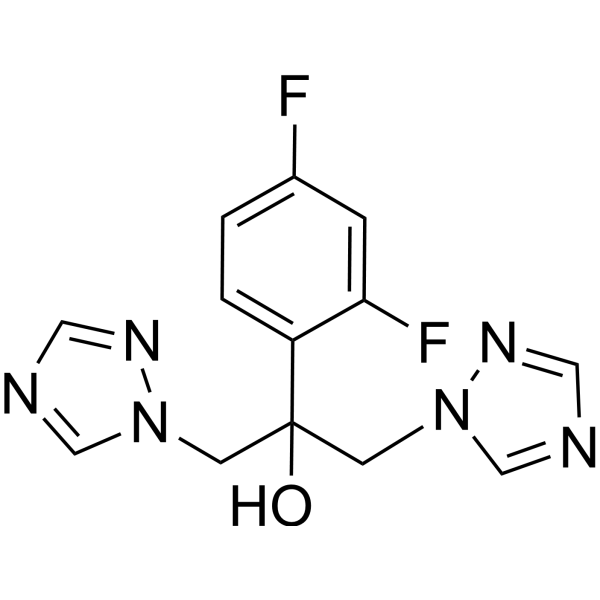
Art. -Nr.: HY-B0101
CAS. Nr.: 86386-73-4
Synonyms: UK-49858
Fluconazole (UK-49858) is a triazole antifungal agent with excellent activities against a broad range of fungi, especially against Candida albicans. Fluconazole inhibits C. albicans and Candida kefyr with IC99s range from 0.20 μg/mL to 0.39 μg/mL .
loading...
    loading...
5
5 Cited Publications
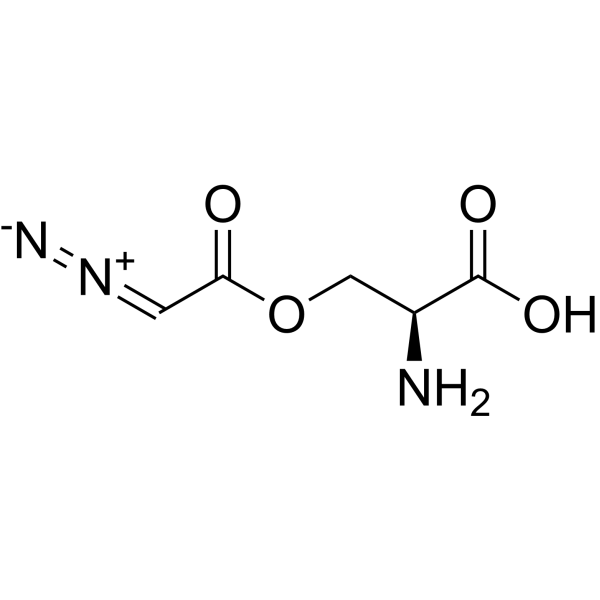
Art. -Nr.: HY-B0919
CAS. Nr.: 115-02-6
Synonyms: CI-337; O-Diazoacetyl-L-serine; P-165
Forschungsgebiete:  

Infection Cancer

Azazerine (CI-337) is a competitive inhibitor of glutamine amidotransferase. Azaserine is an antibiotic, it shows antibacterial activities. Azazerine shows anti-tumor activities and it may also act as a tumor inducer. Azazerine can be used for the research of cancer and infection .
loading...
    loading...
3
3 Cited Publications
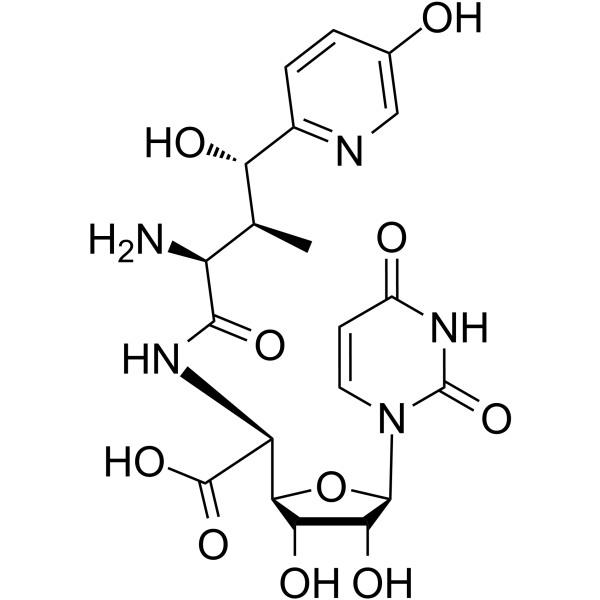
Art. -Nr.: HY-19593
CAS. Nr.: 59456-70-1
Target:  

Fungal

Forschungsgebiete:  

Infection

Nikkomycin Z is a nucleoside peptide and an orally active antifungal agent. Nikkomycin Z inhibits chitin synthesis by acting as a competitive analogue of the chitin synthase substrate UDP-N-acetylglucosamine. Nikkomycin Z has antifungal activity .
loading...
    loading...
3
3 Cited Publications
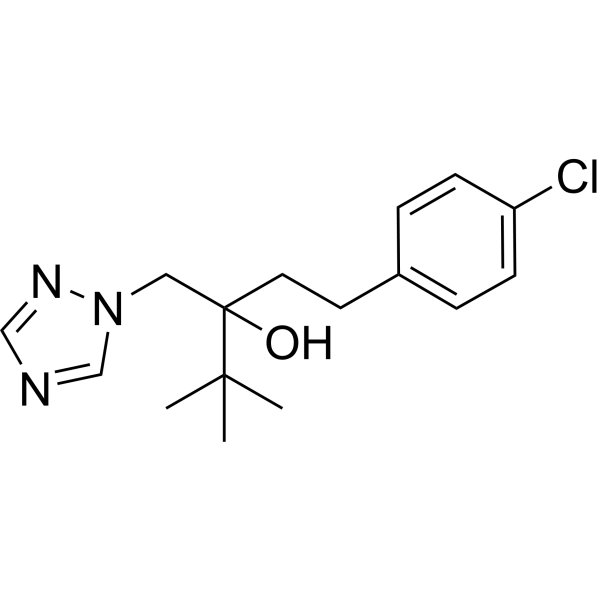
Art. -Nr.: HY-B0852
CAS. Nr.: 107534-96-3
Tebuconazole is an orally active agricultural azole fungicide which can also inhibit CYP51 with IC50s of 0.9 and 1.3 μM for Candida albicans CYP51 (CaCYP51) and truncated Homo sapiens CYP51 (Δ60HsCYP51), respectively. Tebuconazole induces lipid accumulation and oxidative stress in HepG2 Cells. Tebuconazole decreases MAC-T cells viability and proliferation, induces ER-stress-mediated apoptosis and increases oxidative stress levels in MAC-T cells .
loading...
    loading...
3
3 Cited Publications
Art. -Nr.: HY-114495
CAS. Nr.: 21802-37-9
Reinheit:  ≥98.0%
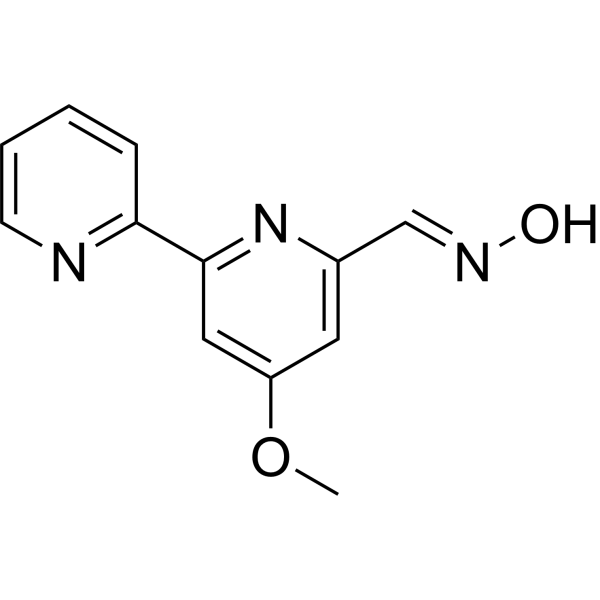
Synonyms: Cerulomycin; Caerulomycin
Caerulomycin A is an orally active immunomodulator and antimicrobial agent. Caerulomycin A targets Smad3, STAT1 and GATA-3. Caerulomycin A downregulates GATA-3 expression, inhibits Th2 cell differentiation and Th2 cytokine production, reduces IgE levels, and alleviates pulmonary inflammatory responses and eosinophil infiltration. Caerulomycin A ameliorates collagen-induced arthritis symptoms, reduces joint inflammation and synovitis, and decreases the levels of proinflammatory cytokines in joints. Caerulomycin A inhibits the growth of some filamentous fungi, yeasts and specific bacteria. Caerulomycin A can be used in research related to arthritis and asthma .
loading...
    loading...
2
2 Cited Publications
Art. -Nr.: HY-A0148A
CAS. Nr.: 36167-63-2
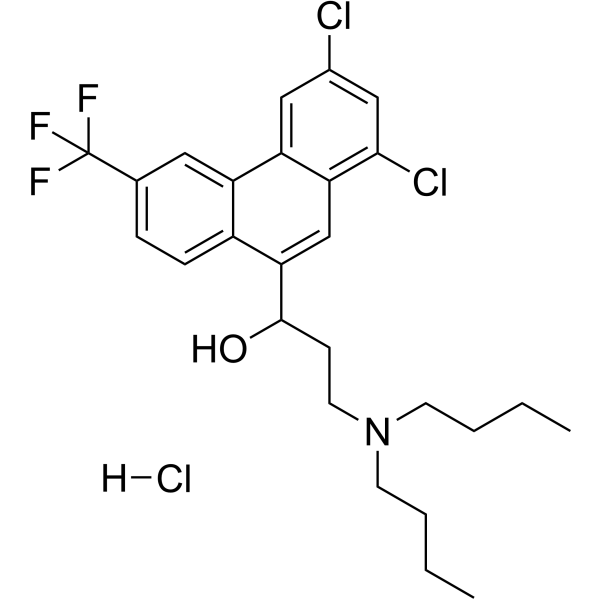
Synonyms: SKF-102886; WR-171669 hydrochloride
Halofantrine hydrochloride (SKF-102886 hydrochloride; WR-171669 hydrochloride) is a blocker that delays the delayed rectifier potassium current by inhibiting human ERG channels, and it is a potent antimalarial agent with oral activity. Halofantrine hydrochloride inhibits the Cap1-dependent oxidative stress response of Candida albicans, suppresses ROS responses, and enhances the antifungal (Fungal) activity of oxidative damage agents. Halofantrine hydrochloride exhibits antifungal activity in the Galleria mellonella model, and shows antimalarial activity against Plasmodium strains both in vitro and in animal models. Halofantrine hydrochloride can be used in studies related to invasive candidiasis, falciparum malaria, and vivax malaria .
loading...
    loading...
2
2 Cited Publications
Art. -Nr.: HY-Y0248A
CAS. Nr.: 4602-84-0
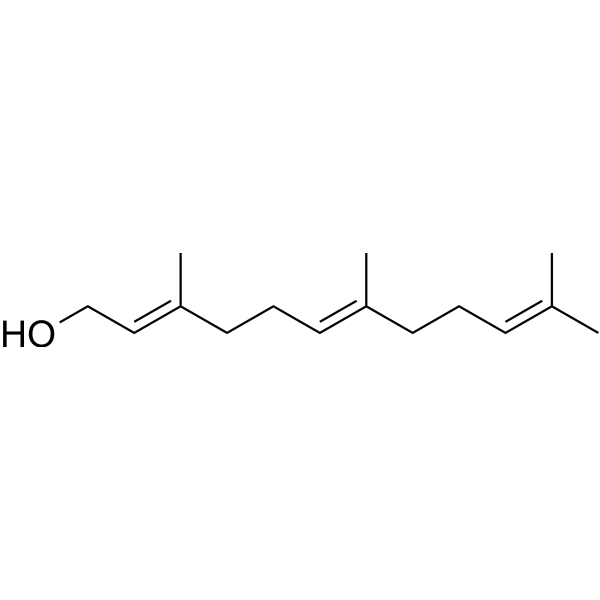
Farnesol is a sesquiterpene alcohol that modulates cell-to-cell communication in Candida albicans, and has the activity in inhibiting bacteria.
loading...
    loading...
2
2 Cited Publications
Art. -Nr.: HY-B0293A
CAS. Nr.: 64872-76-0
Target:  

Fungal

Forschungsgebiete:  

Infection

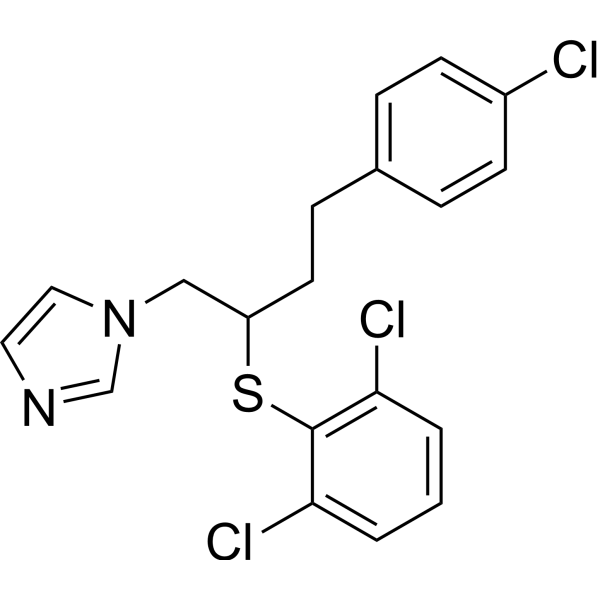
Butoconazole, an imidazole antifungal agent, is active against Candida spp. and effective against vaginal infections due to Candida albicans. Butoconazole is presumed to function as other imidazole derivatives via inhibition of steroid synthesis .
loading...
    loading...
2
2 Cited Publications
Art. -Nr.: HY-W895978
CAS. Nr.: 27523-40-6
Target:  

Fungal

Forschungsgebiete:  

Infection

Isoconazole is an antifungal agent against Candida albicans. Isoconazole is a broad-spectrum antimicrobial azole that can be studied in research on dermatomycoses .
loading...
    loading...
2
2 Cited Publications
Art. -Nr.: HY-B0293
CAS. Nr.: 64872-77-1
Synonyms: RS 35887
Target:  

Fungal

Forschungsgebiete:  

Infection

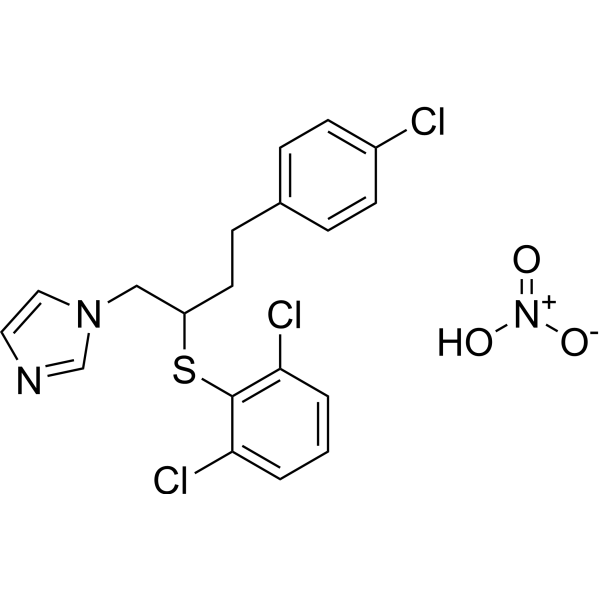
Butoconazole nitrate (RS 35887), an imidazole antifungal agent, is active against Candida spp. and effective against vaginal infections due to Candida albicans. Butoconazole nitrate is presumed to function as other imidazole derivatives via inhibition of steroid synthesis .
loading...
    loading...
2
2 Cited Publications
Art. -Nr.: HY-17643
CAS. Nr.: 1340593-59-0
Synonyms: VT-1161
Target:  

Fungal Cytochrome P450

Forschungsgebiete:  

Infection

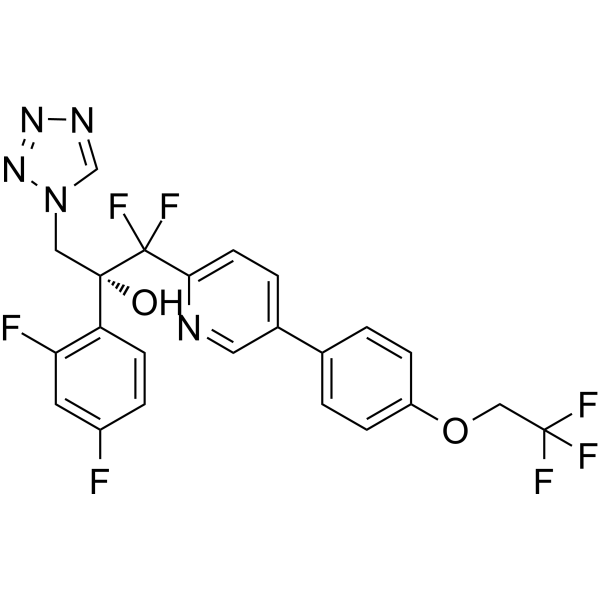
Oteseconazole (VT-1161) is a potent and orally active anti-fungal agent. Oteseconazole potently binds to and inhibits Candida albicans cytochrome P45051 (CYP51) activity (Kd ≤39 nM), shows no obvious effect on human CYP51. Oteseconazole also can be used for the research of dermatophytes .
loading...
    loading...
2
2 Cited Publications
Art. -Nr.: HY-15660
CAS. Nr.: 164650-44-6
Reinheit:  99.84%
Synonyms: KP-103
Target:  

Fungal

Forschungsgebiete:  

Infection

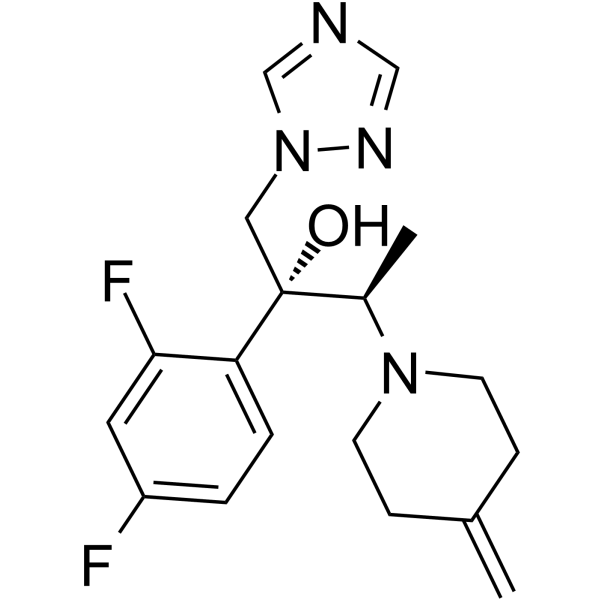
Efinaconazole (KP-103) is a triazole antifungal agent and againsts T. mentagrophytes SM-110 and C. albicans ATCC 10231 with MICs of 0.0039 μg/mL and 0.00098 μg/mL, respectively . Efinaconazole has a potent in vitro activity against fungal pathogens including dermatophytes, Candida and Malassezia species .
loading...
    loading...
2
2 Cited Publications
Art. -Nr.: HY-A0132
CAS. Nr.: 7512-17-6
Synonyms: N-Acetyl-2-amino-2-deoxy-D-glucose
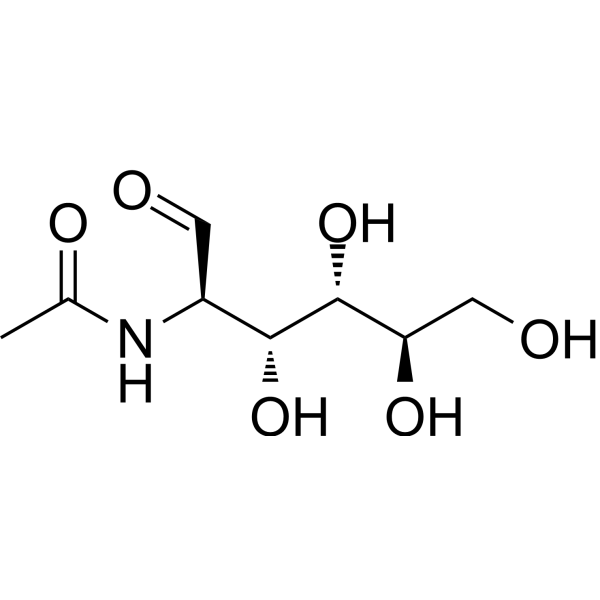
N-Acetyl-D-Glucosamine (N-Acetyl-2-amino-2-deoxy-D-glucose), the D isomer of N-acetylglucosamine, is an orally active monosaccharide derivative of glucose with anti-tumor and anti-inflammation properties. N-Acetyl-D-Glucosamine is also a bacterial metabolite, which is found in Escherichia coli. N-Acetyl-D-Glucosamine can induce yeast-mycelial conversion in Candida albicans. N-Acetyl-D-Glucosamine also enhances healing of cartilaginous injuries in rabbits .
loading...
    loading...
2
2 Cited Publications
Art. -Nr.: HY-10863
CAS. Nr.: 94421-68-8
Reinheit:  ≥98.0%
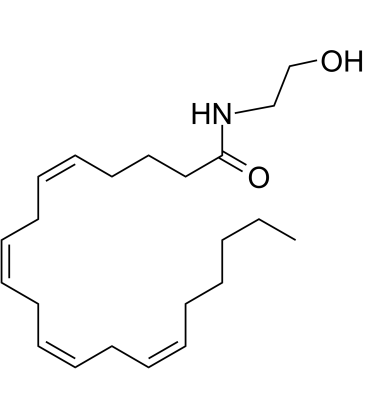
Synonyms: AEA; Arachidonoyl ethanolamide
Anandamide is an endocannabinoid. Anandamide modulates both neuronal and immune functions through two protein-coupled cannabinoid receptors (CB1 and CB2). Anandamide can activate numerous other receptors like PPARS, TRPV1, and GPR18/GPR55. Anandamide also has potential anti-fungal and anti-inflammatory activities. Anandamide can be used for the research of Alzheimer’s disease (AD) and ulcerative colitis .
loading...
    loading...
1
1 Cited Publications
Art. -Nr.: HY-W016288
CAS. Nr.: 7149-49-7
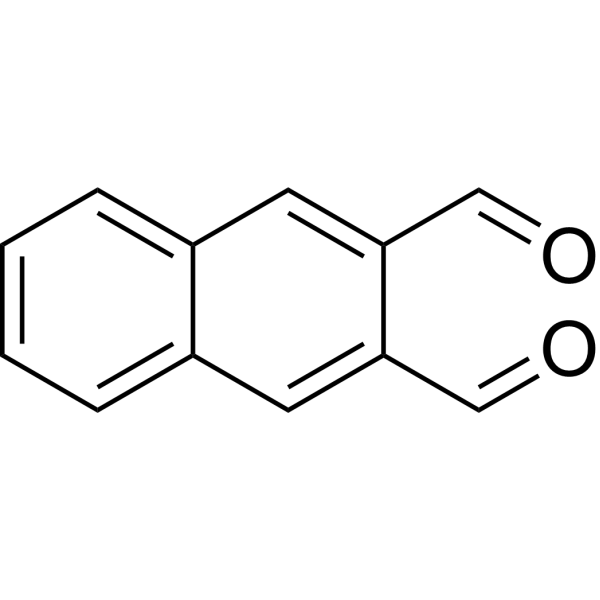
Synonyms: 2,3-Naphthalenedicarboxaldehyde; Naphthalene-2,3-dialdehyde
Target:  

Fungal

Forschungsgebiete:  

Infection

Naphthalene-2,3-dicarboxaldehyde (NDA) is an effective inhibitor of Candida albicans aspartate semialdehyde dehydrogenase (ASADH), with a Ki value of 45 μM. Naphthalene-2,3-dicarboxaldehyde targets ASADH in the aspartate biosynthetic pathway of Candida albicans. Naphthalene-2,3-dicarboxaldehyde reacts with primary amines to generate highly fluorescent and stable derivatives. Naphthalene-2,3-dicarboxaldehyde serves as a fungistatic agent and a fluorogenic derivatization reagent. Naphthalene-2,3-Dicarboxaldehyde can be used for the research of candidiasis .
loading...
    loading...
1
1 Cited Publications
Art. -Nr.: HY-N3307
CAS. Nr.: 40957-99-1
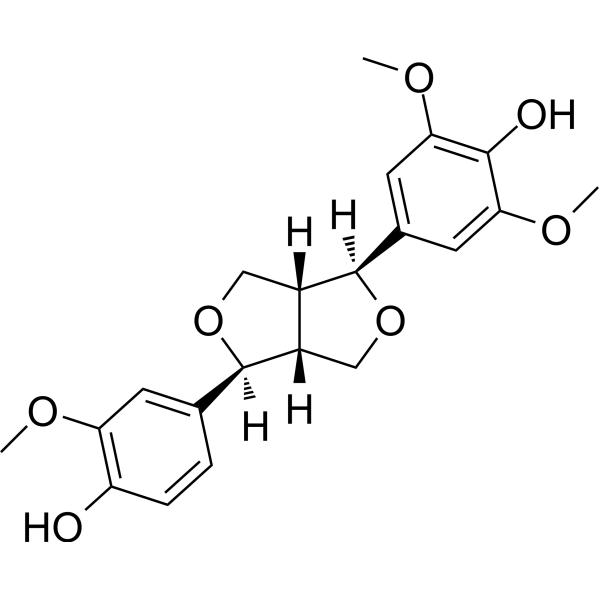
(+)-Medioresinol is a furofuran-type lignan with antifungal and antibacterial properties. (+)-Medioresinol synergizes with antibiotics to exert antimicrobial and antibiofilm effects. (+)-Medioresinol induces intracellular ROS accumulation and mitochondrial-mediated apoptosis in Candida albicans. (+)-Medioresinol inhibits LPS (HY-D1056)-stimulated IL-12p40 production. (+)-Medioresinol is a PGC-1α activator that protects against endothelial cell pyroptosis in ischemic stroke via the PPARα-GOT1 axis. (+)-Medioresinol can be used in research on fungal and bacterial infection, inflammation, and ischemic stroke .
loading...
    loading...
1
1 Cited Publications
Art. -Nr.: HY-N2512
CAS. Nr.: 589-68-4
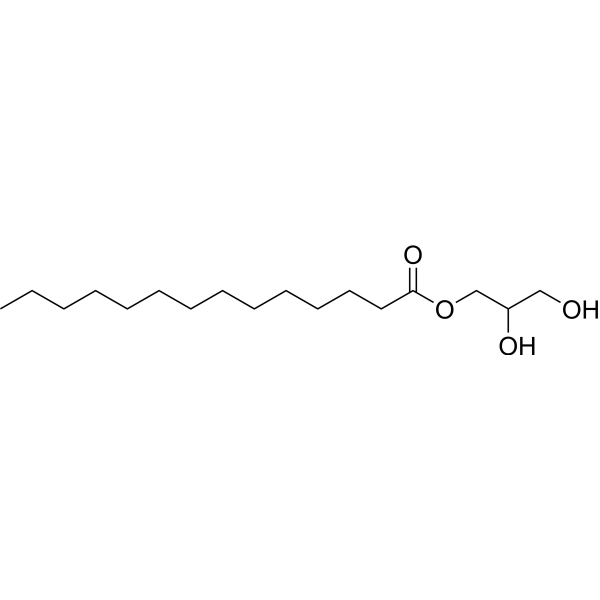
1-Monomyristin acts as an insecticide, enzyme inhibitor, antibacterial and antifungal agent, with an IC50 of 18 μM against rat FAAH and an IC50 of 32 μM against rat MAGL. 1-Monomyristin inhibits 2-oleoylglycerol hydrolysis via MAGL. 1-Monomyristin suppresses the growth of Staphylococcus aureus, Aggregatibacter actinomycetemcomitans and Candida albicans. 1-Monomyristin is lethal to brine shrimp . 1-Monomyristin exhibits marginal cytotoxicity against prostate cancer cells. 1-Monomyristin is applicable to research related to bacterial infections, fungal infections, renal cancer, prostate adenocarcinoma and pancreatic cancer .
loading...
    loading...
1
1 Cited Publications
Art. -Nr.: HY-N6924
CAS. Nr.: 80930-74-1
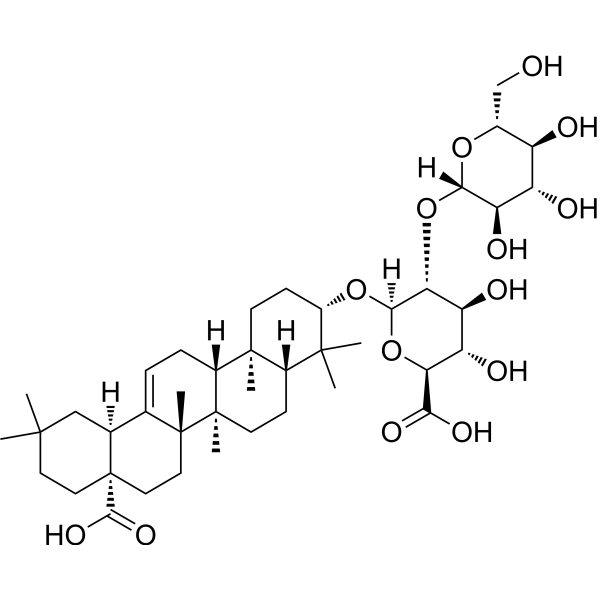
Zingibroside R1 is an orally active triterpene saponin with multiple biological activities including antioxidant, anti-inflammatory, antiviral, and metabolic regulatory properties. Zingibroside R1 reduces the expression of PIN family members, inhibits the expression of PLT1/PLT2, WOX5, SHR, and SCR, disrupts auxin transport and distribution, triggers plant ROS responses, and inhibits root growth. Zingibroside R1 extends the lifespan of Caenorhabditis elegans, enhances its heat stress resistance, and improves its motor ability. Hydrogel derivatives of Zingibroside R1 inhibit the proliferation of Candida albicans by binding to its β-1,3-glucan and exhibit antifungal activity. Zingibroside R1 inhibits GLUT1-mediated uptake and alleviates liver injury. Zingibroside R1 can be used in research related to neurodegenerative diseases, vulvovaginal candidiasis, acute liver injury, Ehrlich ascites tumor and HIV-1 infection .
loading...
    loading...
1
1 Cited Publications
Art. -Nr.: HY-B0364A
CAS. Nr.: 536-43-6
Synonyms: Dyclocaine hydrochloride
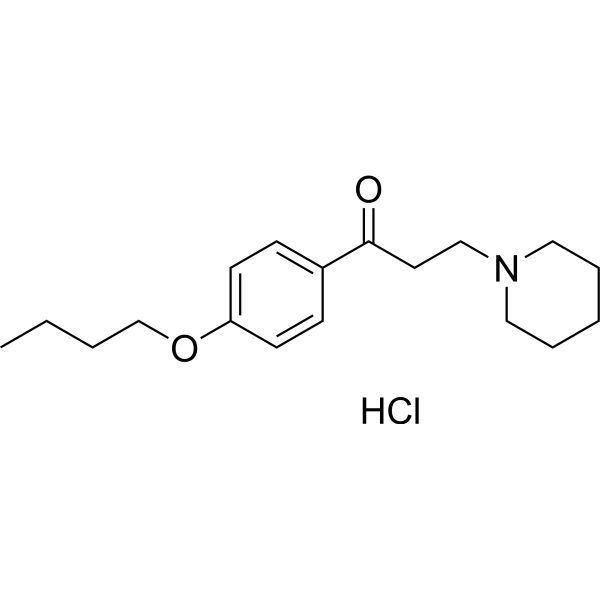
Dyclonine hydrochloride (Dyclocaine hydrochloride) is an orally active, blood-brain barrier-permeable piperidine phenylacetone small molecule commonly used as a local anesthetic. Dyclonine hydrochloride acts as a highly selective allosteric antagonist of TRPV3; it also reversibly inhibits G9a, ALDH2 and ALDH3A1, non-competitively blocks AChE. Dyclonine hydrochloride activates the Nrf2/ARE pathway, relieves the epigenetic silencing of FXN, blocks Aβ42 aggregation, and promotes remyelination and reparative polarization of microglia. Dyclonine hydrochloride alleviates pruritus via TRPV3 inhibition; it is used in studies of neurodegenerative disease models based on its AChE inhibitory, antioxidant and remyelinating effects; it sensitizes drug-resistant tumors through ALDH inhibition, and combined use with protease inhibitors induces more tumor cell apoptosis; it inhibits Candida albicans in vitro. Dyclonine hydrochloride can be used for research on multiple diseases including neurodegenerative diseases, cancer and pruritic dermatitis .
loading...
    loading...
Art. -Nr.: HY-P10304
CAS. Nr.: 74838-83-8
Synonyms: Cyclo(Pro-Arg)
Target:  

Fungal

Forschungsgebiete:  

Others

Cyclo(Arg-Pro) (Cyclo(Pro-Arg)) is an inhibitor for chitinase. Cyclo(Arg-Pro) inhibits cell separation of Saccharomyces cerevisiae, without affecting its growth. Cyclo(Arg-Pro) inhibits the morphological change of Candida albicans from yeast form to filamentous form .
loading...
    loading...

