1. Search Result
Search Result
Results for "

Cell death pathways

" in MedChemExpress (MCE) Product Catalog:

138

Inhibitors & Agonists

11

Screening Libraries

5

Peptides

2

Inhibitory Antibodies

40

Natural
Products

5

Isotope-Labeled Compounds

3

Oligonucleotides

Cat. No. Product Name Target Research Areas Chemical Structure
  • HY-16658B
    Z-VAD-FMK
    Maximum Cited Publications
    740 Publications Verification

    Z-VAD(OH)-FMK

    Caspase Apoptosis RIP kinase Glutathione Peroxidase Reactive Oxygen Species (ROS) Inflammation/Immunology Cancer
    Z-VAD-FMK is a pan-caspase inhibitor and also an ICE-like protease inhibitor, which inhibits apoptosis by preventing the processing of CPP32 to its active form. Z-VAD-FMK sensitivity varies primarily due to differential expression of receptor-interacting protein 1 (RIP1). Z-VAD-FMK limits the cryopreservation-induced apoptosis by reducing caspase-3 activity of in vitro produced bovine embryos. Z-VAD-FMK is immunosuppressive in vitro and inhibits T cell proliferation without blocking the processing of caspase-8 and caspase-3. Z-VAD-FMK leads to a decrease in intracellular glutathione (GSH) with a concomitant increase in reactive oxygen species (ROS) levels in activated T cells. Z-VAD-FMK is due to oxidative stress via the depletion of GSH. Z-VAD-FMK can be used for the study of acute pancreatitis .
    Z-VAD-FMK
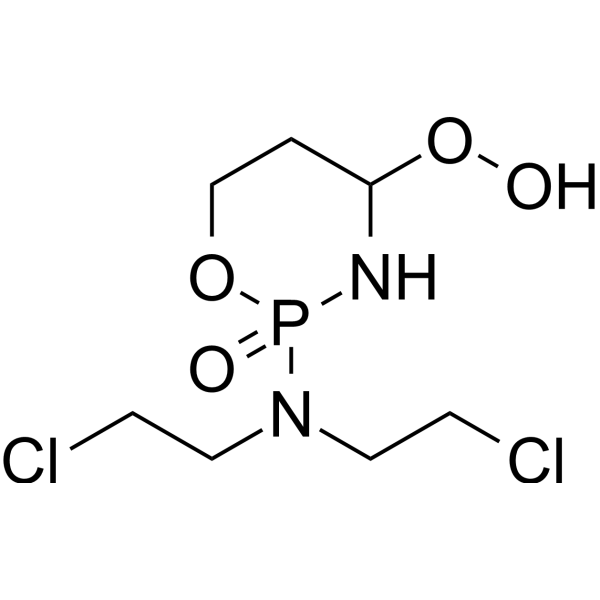
  • HY-117433
    4-Hydroperoxy cyclophosphamide
    10+ Cited Publications

    DNA Alkylator/Crosslinker Apoptosis Reactive Oxygen Species (ROS) Drug Metabolite Inflammation/Immunology
    4-Hydroperoxy cyclophosphamide is the active metabolite form of the precursor Cyclophosphamide. 4-Hydroperoxy cyclophosphamide cross-links DNA to induce T cell apoptosis independent of caspase receptor activation, and can activate the mitochondrial death pathway by producing reactive oxygen species (ROS). 4-Hydroperoxy cyclophosphamide can be used in the study of rheumatoid arthritis and autoimmune diseases .
    4-Hydroperoxy cyclophosphamide
  • HY-126741
    Azadirachtin
    2 Publications Verification

    Environmental Pollutants Parasite Caspase NF-κB Apoptosis Bcl-2 Family Infection Inflammation/Immunology Cancer
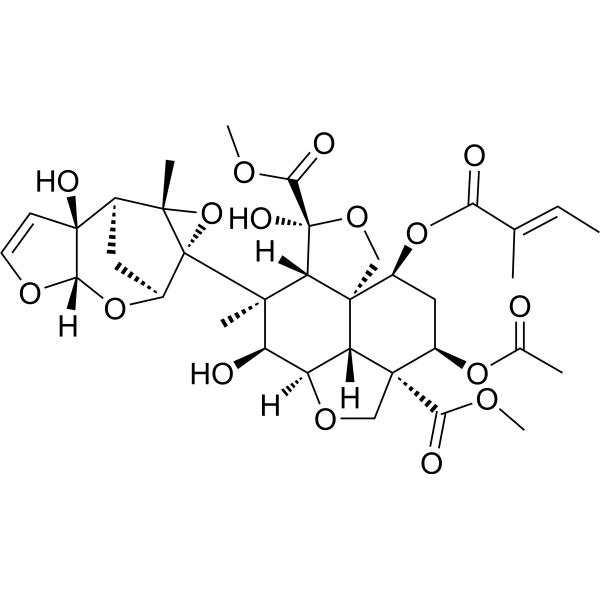
    Azadirachtin is an oral active triterpenoid compound with anticancer, antimalarial, anti-inflammatory, and insecticidal activities. Azadirachtin induces cell apoptosis through the mitochondrial pathway (by inhibiting Bcl-2/Bax ratio or activating Apaf-1 and caspase-3) or through death receptors (by inhibiting TNFR activation). Additionally, Azadirachtin exerts its anti-inflammatory effects by inhibiting NF-кB signaling pathway activation, and it exhibits insecticidal activity by inducing apoptosis in insect cells .
    Azadirachtin
  • HY-164388
    Z-VAD
    15+ Cited Publications

    Caspase Apoptosis Autophagy Necroptosis Cardiovascular Disease Cancer
    Z-VAD is an irreversible, broad-spectrum pan-caspase inhibitor that can inhibit a variety of caspases including caspase-3, -6, -7, -8, -9, etc. (with a weaker inhibitory effect on caspase-2). Z-VAD can block apoptosis signaling pathways, induce autophagy and necrosis in tumor cells, and has anti-angiogenic activity. Z-VAD can enhance the sensitivity of breast cancer and lung cancer cells to radiotherapy in vitro and in vivo, and prolong the growth delay of tumor xenograft models. Z-VAD is well tolerated and is mainly used in research related to cancer radiosensitization and cell death pathway regulation .
    Z-VAD
  • HY-100355

    C18-Ceramide

    Endogenous Metabolite Neurological Disease Cancer
    C18-Ceramide (d18:1/18:0) is a bioactive molecule with multiple functions in cells, not a traditional agonist or inhibitor targeting a single site. It can act on multiple cellular targets, such as proteins related to endoplasmic reticulum stress (e.g., ATF-4, XBP-1, CHOP), proteins in the PI3K/AKT signaling pathway, and SNARE complex proteins. It exerts activities like inducing cell death, promoting autophagy, and regulating exocytosis through mechanisms such as activating endoplasmic reticulum stress, inhibiting the PI3K/AKT signaling pathway, and affecting lipid raft - related functions. It can be used in research on the mechanism of neuronal injury in the field of neuroscience and in the treatment research of cancers such as glioma in the field of oncology .
    C18-Ceramide (d18:1/18:0)
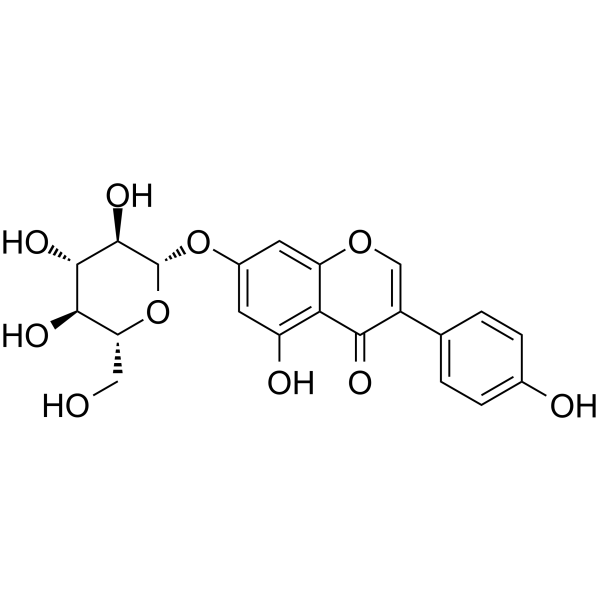
  • HY-N0595
    Genistin
    Maximum Cited Publications
    9 Publications Verification

    Genistine; Genistoside; Genistein 7-O-β-D-glucopyranoside

    Estrogen Receptor/ERR Apoptosis Metabolic Disease Cancer
    Genistin (Genistine), an isoflavone belonging to the phytoestrogen family, is a potent anti-adipogenic and anti-lipogenic agent. Genistin attenuates cellular growth and promotes apoptotic cell death breast cancer cells through modulation of ERalpha signaling pathway .
    Genistin
  • HY-138188
    KRA-533
    1 Publications Verification

    Ras Cancer
    KRA-533 is a potent KRAS agonist. KRA-533 binds to the GTP/GDP binding pocket in the KRAS protein to prevent GTP cleavage, resulting in the accumulation of constitutively active GTP-bound KRAS that triggers both apoptotic and autophagic cell death pathways in cancer cells.
    KRA-533
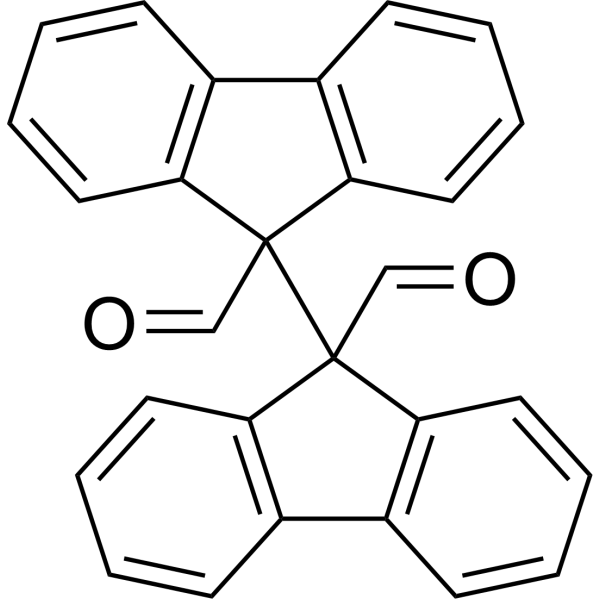
  • HY-121320
    Raptinal
    5+ Cited Publications

    Caspase Apoptosis Cancer
    Raptinal, a agent that directly activates caspase-3, initiates intrinsic pathway caspase-dependent apoptosis. Raptinal is able to rapidly induce cancer cell death by directly activating the effector caspase-3, bypassing the activation of initiator caspase-8 and caspase-9 .
    Raptinal
  • HY-103269
    BAI1
    10+ Cited Publications

    Bcl-2 Family Apoptosis Cancer
    BAI1 is a selective and allosteric inhibitor of BAX, an apoptosis regulator. BAI1 directly binds to BAX and allosterically inhibits BAX activation. BAI1 has the potential for the research of diseases mediated by BAX-dependent cell death .
    BAI1
  • HY-17473
    Embelin
    5+ Cited Publications

    Embelic acid; Emberine; NSC 91874

    IAP NF-κB Apoptosis Autophagy Cancer
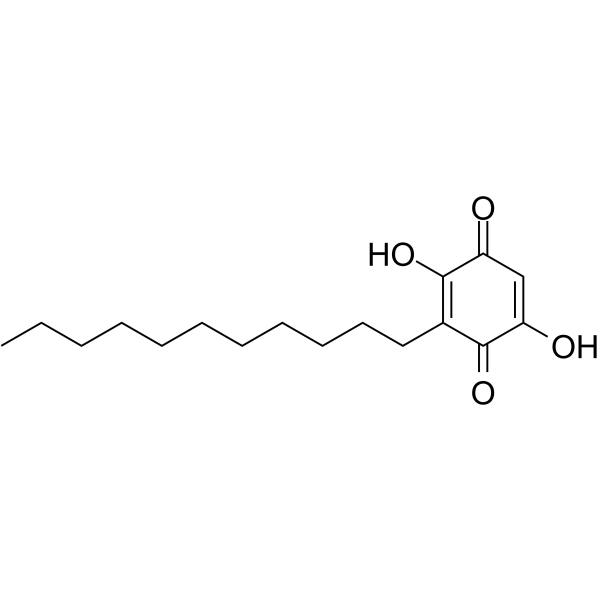
    Embelin (Embelic acid), a potent, nonpeptidic XIAP inhibitor (IC50=4.1 μM), inhibits cell growth, induces apoptosis, and activates caspase-9 in prostate cancer cells with high levels of XIAP. Embelin blocks NF-kappaB signaling pathway leading to suppression of NF-kappaB-regulated antiapoptotic and metastatic gene products. Embelin also induces autophagic and apoptotic cell death in human oral squamous cell carcinoma cells .
    Embelin
  • HY-W075517

    2-Methylimidazole zinc salt

    MOFs Caspase Pyroptosis Cancer
    ZIF-8 (2-Methylimidazole zinc salt) is a pyroptosis inducer that activates the caspase-1/gasdermin D-dependent pyroptosis pathway. ZIF-8 induces pyroptotic cell death accompanied by necrosis and immunogenic cell death. ZIF-8 initiates in situ immunity, activates anti-tumor immunity, and reprograms the immunosuppressive tumor microenvironment to inhibit tumor growth. ZIF-8 acts as a pH-responsive and stimulus-responsive drug release inducer. ZIF-8 is applicable to cancer-related research .
    ZIF-8
  • HY-114395
    NVS-ZP7-4
    5+ Cited Publications

    Ferroptosis SLC39 (Zinc Transporter) Inflammation/Immunology
    NVS-ZP7-4 is an inhibitor of the zinc transporter SLC39A7 (ZIP7) and indicates ER zinc levels. ZIP7 is an active molecular node in the Notch pathway and mediates ferroptosis. NVS-ZP7-4 induces ER stress and exerts a certain ferroptosis-inhibiting effect, reduces Erastin (HY-15763)-induced cell death .
    NVS-ZP7-4
  • HY-113037C

    Farnesyl diphosphate ammonium

    TRP Channel Endogenous Metabolite Calcium Channel Neurological Disease Inflammation/Immunology Cancer
    Farnesyl pyrophosphate (Farnesyl diphosphate) ammonium is a metabolic intermediate in the mevalonate (MVA) pathway. It is a TRP channel (TRPM2) agonist that triggers Ca2+ influx and cell death. Farnesyl pyrophosphate ammonium is a key branch substrate for cholesterol synthesis, ubiquinone synthesis, protein farnesylation, and geranylgeranyl pyrophosphate (GGPP) synthesis. Farnesyl pyrophosphate ammonium is used in research on cerebral ischemia, neurodegenerative diseases, pancreatic cancer, inflammation, and autoimmune diseases .
    Farnesyl pyrophosphate ammonium
  • HY-13811
    NSC697923
    5+ Cited Publications

    E1/E2/E3 Enzyme Apoptosis Cancer
    NSC697923 is a potent UBE2N (ubiquitin-conjugating enzyme E2 N, Ubc13) inhibitor. NSC697923 induces neuroblastoma (NB) cell death via promoting nuclear importation of p53 in p53 wild-type NB cells. NSC697923 also induces cell death in p53 mutant NB cells by activation of JNK-mediated apoptotic pathway. NSC697923 inhibits DNA damage and NF-κB signaling. Antitumor activity .
    NSC697923
  • HY-135231
    NL-1
    5 Publications Verification

    Mitochondrial Metabolism Autophagy Cancer
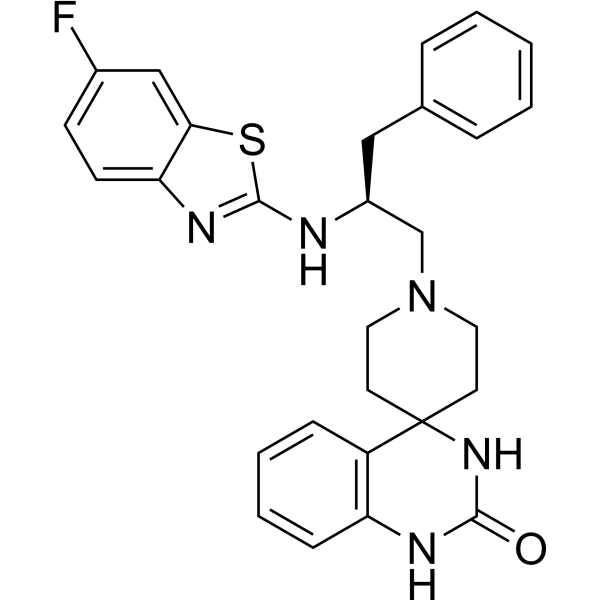
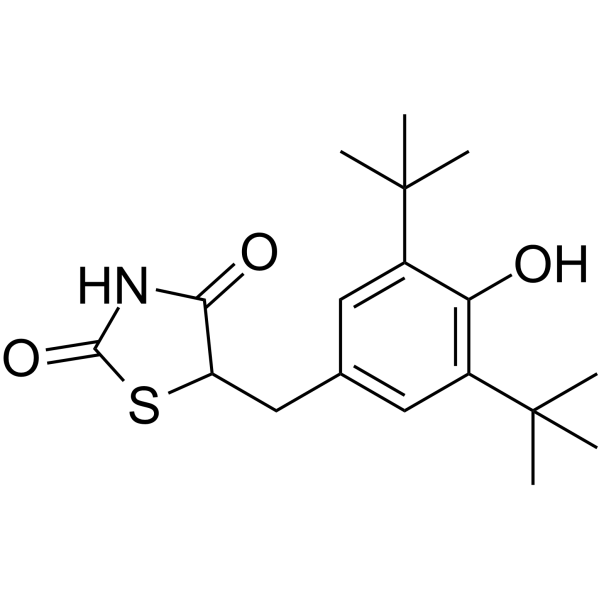
    NL-1 is a mitoNEET inhibitor with antileukemic effect. NL-1 inhibits REH and REH/Ara-C cells growth with IC50s of 47.35 μM and 56.26 μM, respectively. NL-1-mediated death in leukemic cells requires the activation of the autophagic pathway .
    NL-1
  • HY-15415
    KB-R7943 mesylate
    4 Publications Verification

    Na+/Ca2+ Exchanger Autophagy Cancer
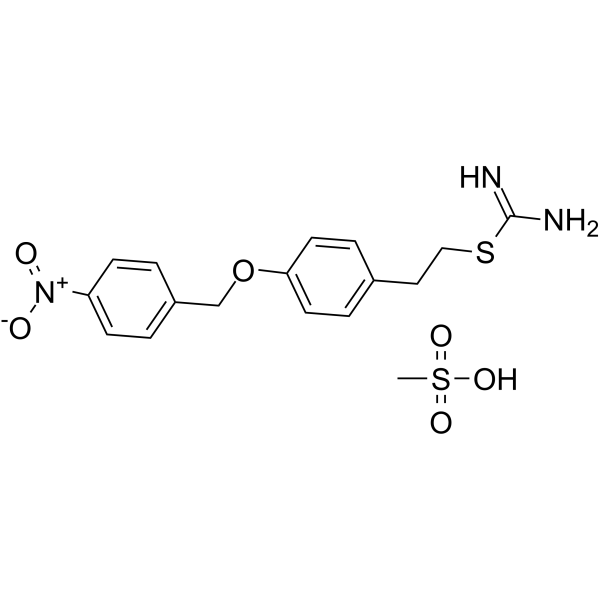
    KB-R7943 mesylate is a widely used inhibitor of the reverse Na +/Ca 2+ exchanger (NCXrev) with IC50 of 5.7±2.1 μM. KB-R7943 mesylate induces cancer cell death via activating the JNK pathway and blocking autophagic flux.
    KB-R7943 mesylate
  • HY-111954

    Erinacine A

    Apoptosis JNK NF-κB Histone Acetyltransferase NO Synthase Bcl-2 Family p38 MAPK Caspase Neurological Disease Inflammation/Immunology Cancer
    (+)-Erinacin A (Erinacine A) is a cyanoditerpenoid isolated from Hericium erinaceus with anticancer, anti-inflammatory and neuroprotective activities. (+)-Erinacin A can induce cancer cell death by activating extrinsic and intrinsic apoptosis pathways. (+)-Erinacin A can also inhibit the expression of NO synthase (iNOS) and the production of nitrotyrosine to exert inflammatory and neuroprotective effects, thereby reducing ischemic brain damage .
    (+)-Erinacin A
  • HY-129611

    Apoptosis Inflammation/Immunology Cancer
    Bromelain is an anti-inflammatory agent derived from pineapple stem that acts through down-regulation of plasma kininogen, inhibition of Prostaglandin E2 expression, degradation of advanced glycation end product receptors and regulation of angiogenic biomarkers as well as antioxidant action upstream in the COX-pathway . Bromelain exhibits various fibrinolytic, antiedematous, antithrombotic, and anti-inflammatory activities. Bromelain also possesses some anticancerous activities and promotes apoptotic cell death .
    Bromelain
  • HY-175751

    mTOR Cancer
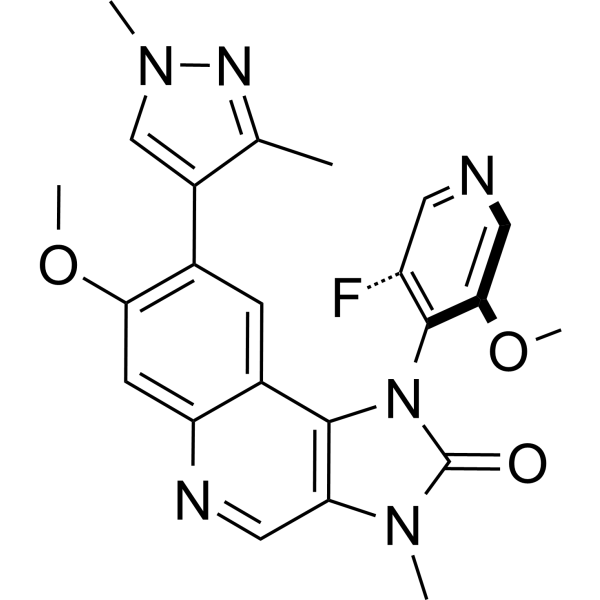
    LRK-4189 is an orally active PIP4K2C (a regulator of mTOR complex) degrader and type 1 immune activator. LRK-4189 induces the degradation of the lipid kinase PIP4K2C. LRK-4189 triggers the interferon signaling pathway in microsatellite-stable (MSS) colorectal cancer cells, activates immunogenic tumor killing, and induces endogenous cell death. LRK-4189 sensitizes microsatellite-stable colorectal cancer tumors to NK cell killing and dendritic cell phagocytosis. LRK-4189 can be used for the research of microsatellite-stable colorectal cancer .
    LRK-4189
  • HY-175615

    ADC Payload Glutathione Peroxidase Ferroptosis Cancer
    RSL3-NH2 is a GPX4 inhibitor and ferroptosis inducer. RSL3-NH2 triggers the iron-dependent cell death pathway associated with lipid peroxidation by inhibiting GPX4 activity. RSL3-NH2 exhibits significant cytotoxicity against colorectal cancer cells and effectively induces their ferroptosis. RSL3-NH2 can serve as a ADC payload for synthesizing antibody-drug conjugates (ADC) and be used in colorectal cancer-related research .
    RSL3-NH2
  • HY-171006
    IRF1-IN-1
    1 Publications Verification

    Caspase PARP Pyroptosis Interleukin Related IFNAR Infection Inflammation/Immunology
    IRF1-IN-1 (Compound I-2) is an IRF1 inhibitor. IRF1-IN-1 decreases the recruitment of IRF1 to the promoter of CASP1. IRF1-IN-1 inhibits cell death signaling pathway (i.e., cleavage of Caspase 1, GSDMD, IL-1 and PARP1). IRF1-IN-1 has a protective effect on ionizing radiation-induced inflammatory skin injury .
    IRF1-IN-1
  • HY-14804
    Tasisulam
    1 Publications Verification

    LY 573636

    Molecular Glues Apoptosis Cancer
    Tasisulam is a anticancer agent and induces apoptosis via the intrinsic pathway, resulting in cytochrome c release and caspase-dependent cell death. Tasisulam inhibits mitotic progression and induces vascular normalization .
    Tasisulam
  • HY-150617
    Lartesertib
    1 Publications Verification

    M4076; ATM Inhibitor-5

    ATM/ATR STING PD-1/PD-L1 Cardiovascular Disease Inflammation/Immunology Cancer
    Lartesertib (M4076) is an inhibitor of the serine/threonine protein kinase ATM with high potency. Lartesertib can inhibit the growth of multiple hematopoietic cell lines. Additionally, when combined with the ATR inhibitor Tuvusertib (HY-111451), Lartesertib can promote the death of tumor cells, activate the immune signaling pathway, and exhibit anti-tumor activity .
    Lartesertib
  • HY-N11908

    cis-α-Santalol

    Akt Survivin Apoptosis Caspase PARP Metabolic Disease Cancer
    α-Santalol (cis-α-Santalol), a naturally occurring sesquiterpene, is an orally active anticancer agent and apoptosis inducer. α-Santalol activates caspase-3 to drive apoptotic processes. >α-Santalol induces apoptosis, decreases cell viability, and causes PARP cleavage in human prostate cancer cells. α-santalol inhibits Akt/Survivin pathway to induce cell death. α-Santalol can be used for the research of prostate cancer and diabetes mellitus .
    α-Santalol
  • HY-N7259

    JNK p38 MAPK Apoptosis Inflammation/Immunology
    (+)-Isomenthone is an enantiomer form of Menthone (HY-N2381). (+)-Isomenthone blocks TNF-α-triggered activation of the JNK and p38 MAPK pathways.(+)-Isomenthone inhibits TNF-α-mediated reductions in cell viability, increases in apoptosis, and downstream apoptotic events linked to pathway activation.(+)-Isomenthone protects human dermal fibroblasts against TNF-α-induced cell death under serum-deprived conditions .
    (+)-Isomenthone
  • HY-113037

    (E/Z)-Farnesyl diphosphate

    TRP Channel Endogenous Metabolite Neurological Disease
    (E/Z)-Farnesyl pyrophosphate ((E/Z)-Farnesyl diphosphate), a 15-carbon isoprenoid, is a metabolic intermediate of the mevalonate (MVA) pathway. (E/Z)-Farnesyl pyrophosphate is a TRPM2 (TRP Channel) agonist, activates TRPM2 opening for ion influx. (E/Z)-Farnesyl pyrophosphate is a key branch substrate for cholesterol synthesis, ubiquinones synthesis, protein farnesylation decoration, and geranyl-geranyl pyrophosphate (GGPP) synthesis .
    (E/Z)-Farnesyl pyrophosphate
  • HY-B0413S
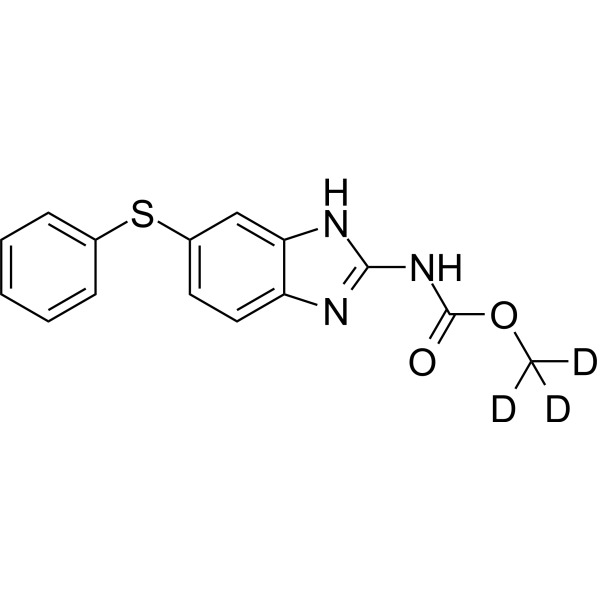
    Fenbendazole-d3
    5 Publications Verification

    HIF/HIF Prolyl-Hydroxylase Parasite Microtubule/Tubulin Antibiotic Infection
    Fenbendazole-d3 is a deuterium labeled Fenbendazole. Fenbendazole-d3 is a HIF-1α agonist and activates the HIF-1α-related GLUT1 pathway. Fenbendazole is an orally active benzimidazole anthelmintic agent, with a broad antiparasitic range. Fenbendazole is a microtubule destabilizing agent. Fenbendazole causes cell-cycle arrest and mitotic cell death, and has antitumor activity in mice xenografted with wild-type p53 .
    Fenbendazole-d3
  • HY-162730

    Molecular Glues Phosphodiesterase (PDE) Cancer
    OPB-171775 is an orally active molecular glue. OPB-171775 forms ternary complex with phosphodiesterase 3A (PDE3A) and schlafen family member 12 (SLFN12). OPB-171775 causes SLFN12 RNase-mediated cell death, activates SLFN12 RNase-associated GCN2 signaling pathway. OPB-171775 exhibits significant efficacy against gastrointestinal stromal tumor .
    OPB-171775
  • HY-145963
    DRB18
    1 Publications Verification

    GLUT Cancer
    DRB18 is a potent pan-class GLUT inhibitor. DRB18 alters energy-related metabolism in A549 cells by changing the abundance of metabolites in glucose-related pathways. DRB18 can eventually lead to G1/S phase arrest and increase oxidative stress and necrotic cell death. DRB18 has anti-tumor activity .
    DRB18
  • HY-W040206

    Environmental Pollutants Acetolactate Synthase (ALS) Herbicide Others
    Diflufenican is a Herbicide. Diflufenican inhibits phytoene desaturase (PDS) in the carotenoid synthesis pathway. Diflufenican suppresses the production of PDS, blocks carotenoid biosynthesis, thereby inducing chlorophyll destruction and cell membrane rupture, and ultimately causes the death of broadleaf weeds. The combination of Diflufenican and Flufenacet can be used to control Lolium rigidum populations resistant to ALS/ACCase .
    Diflufenican
  • HY-B0854

    Environmental Pollutants Lactate Dehydrogenase Apoptosis Fungal Cytochrome P450 Keap1-Nrf2 Infection Metabolic Disease Cancer
    Mancozeb is a widely used fungicide that is effective against fungal diseases in most cereals, vegetables, fruits and ornamental plants. In addition, Mancozeb can cause liver damage in mice by activating the Keap1/Nrf2 signaling pathway. Mancozeb upregulates lactate dehydrogenase and cytochrome c to alter cell metabolism and induce cell death. Mancozeb has reproductive toxicity and can induce apoptosis in ovarian cells .
    Mancozeb
  • HY-N2902

    Reactive Oxygen Species (ROS) Cancer
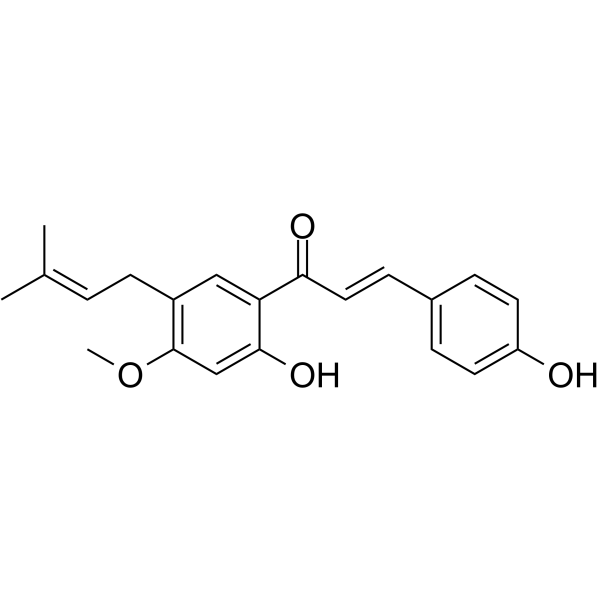
    Artocarpin is an orally active apoptosis inducer. Artocarpin targets NF-κB, Erk1/2, p38 MAPK, AktS473, p53, Akt 1 kinase and Akt 2 kinase. Artocarpin induces reactive oxygen species (ROS) production, mediates p53-dependent and p53-independent apoptotic signaling pathways, induces G1-phase cell cycle arrest, and triggers autophagic cell death. Artocarpin exerts cytotoxic and bactericidal effects on cancer cells, reduces bacterial load, and exhibits anti-inflammatory, analgesic and anti-angiogenic activities .
    Artocarpin
  • HY-111876

    SNIPERs Cancer
    SNIPER(TACC3)-1 targets the TACC3 protein for degradation via the ubiquitin-proteasome pathway based on IAP ligand. SNIPER(TACC3)-1 induces cancer cell death .
    SNIPER(TACC3)-1
  • HY-N1180

    SARS-CoV Keap1-Nrf2 Infection
    Tanshinlactone is a compound found in Salvia miltiorrhiza with anti-coronavirus (CoV) and anti-tumor activities. Tanshinlactone induces methuocytic cell death (methuosis) by activating the NRF2 pathway, and selectively kills ER +, HER2 +/EGFR + breast cancer cells. Tanshinlactone is applicable to research related to breast cancer and coronavirus infections .
    Tanshinlactone
  • HY-117102

    Aryl Hydrocarbon Receptor Checkpoint Kinase (Chk) Cancer
    ANI-7 is an activator of aryl hydrocarbon receptor (AhR) pathway. ANI-7 inhibits the growth of multiple cancer cells, and potently and selectively inhibits the growth of MCF-7 breast cancer cells with a GI50 of 0.56 μM. ANI-7 induces CYP1-metabolizing mono-oxygenases by activating AhR pathway, and also induces DNA damage, checkpoint Kinase 2 (Chk2) activation, S-phase cell cycle arrest, and cell death in sensitive breast cancer cell lines .
    ANI-7
  • HY-112440

    Methuosis inducer 1

    Microtubule/Tubulin NF-κB MDM-2/p53 PI3K Akt c-Myc Cancer
    HZX-02-059 is a potent methuosis inducer and dual-target PIKfyve/tubulin inhibitor with anticancer activity. Methuosis mainly disrupts the balance of endocytosis and exocytosis, forming a large number of vesicles and inducing cell death. HZX-02-059 also induces cell vacuolization, promotes apoptosis, downregulates the p53 pathway, inhibits PI3K/AKT phosphorylation, and inhibits c-Myc and NF-κB transcription .
    HZX-02-059
  • HY-W012985

    ATP Synthase Apoptosis Metabolic Disease Cancer
    Methyl pyruvate is a methyl ester derivative of pyruvic acid. Methyl pyruvate induces insulin release and membrane depolarization. Methyl pyruvate rescues proteasome damage and nuclear localization of TdP-43 caused by overexpression of σ1RE102Q by enhancing ATP synthesis. Methyl pyruvate selectively protects normal lung fibroblasts from cell death induced by Irinotecan (HY-16562). Methyl pyruvate promotes apoptosis and necrosis in cancer cells and downregulates angiogenesis and cell cycle pathways. Methyl pyruvate is an effective substrate for dihydrodihydrogen dehydrogenase.
    Methyl pyruvate
  • HY-162133

    STING Apoptosis IKK IFNAR NF-κB Cancer
    MSA-2-Pt, platinum salt-modified MSA-2 (HY-136927), is a STING agonist. MSA-2-Pt inducing cell
    death by platinum and activating the STING pathway by MSA-2. MSA-2-Pt direct activates STING pathway, induces phosphorylation of TBK1, IRF3, and NF-κB p65. MSA-2-Pt enhances tumor infiltration of CD4 + and CD8 + T cells, and induces tumor cell death and apoptosis in mouse colon carcinoma and melanoma models .
    MSA-2-Pt
  • HY-111877

    SNIPERs Cancer
    SNIPER(TACC3)-2 targets the TACC3 protein for degradation via the ubiquitin-proteasome pathway based on IAP ligand. SNIPER(TACC3)-2 induces cancer cell death .
    SNIPER(TACC3)-2
  • HY-117433S

    DNA Alkylator/Crosslinker Apoptosis Reactive Oxygen Species (ROS) Drug Metabolite Inflammation/Immunology
    4-Hydroperoxy Cyclophosphamide-d4 is the deuterium labeled 4-Hydroperoxy cyclophosphamide. 4-Hydroperoxy cyclophosphamide is the active metabolite form of the proagent Cyclophosphamide. 4-Hydroperoxy cyclophosphamide crosslinks DNA and induces T cell apoptosis independent of death receptor activation, but activates mitochondrial death pathways through production of reactive oxygen species (ROS). 4-Hydroperoxy cyclophosphamide has the potential for lymphomas and autoimmune disorders .
    4-Hydroperoxy Cyclophosphamide-d4
  • HY-N6932

    Cannabinoid Receptor P-glycoprotein PI3K Akt mTOR Apoptosis Autophagy EGFR Metabolic Disease Cancer
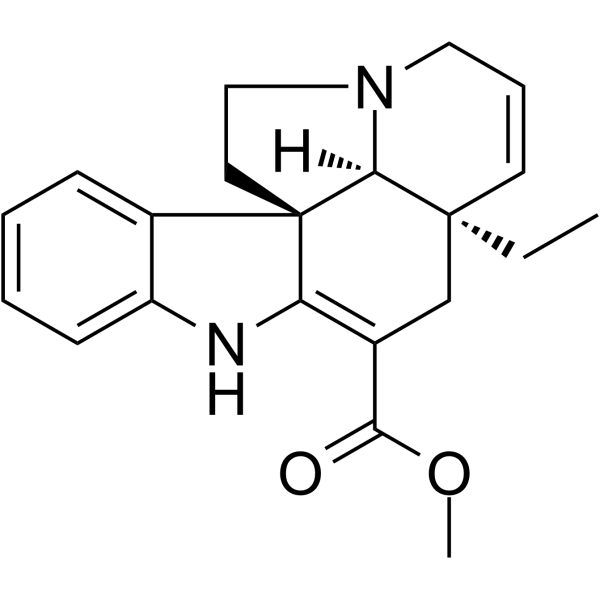
    Voacamine is an indole alkaloid with cannabinoid 1 (CB1) antagonistic activity. Voacamine can inhibit nuclear translocation. Voacamine is effective in enhancing the effect of Doxorubicin (HY-15142A) as it interferes with the P-glycoprotein (P-gp) function. Voacamine promotes apoptosis-independent autophagic cell death in human osteosarcoma cells. Voacamine activates mitochondrial-associated apoptosis signaling pathway and inhibition of PI3K/Akt/mTOR signaling pathway to suppress breast cancer progression. Voacamine inhibits EGFR to exert oncogenic activity against colorectal cancer .
    Voacamine
  • HY-176236

    LXR Autophagy Metabolic Disease
    Lipophagy inducer 1 is a lipophagy inducer. Lipophagy inducer 1 has activity of reducing lipid droplet accumulation and rescuing cell death. Lipophagy inducer 1 exerts its effects by activating lipophagy, increasing steady-state autophagosome and regulating the LXR signaling pathway. Lipophagy inducer 1 can be used in the study of diabetic nephropathy (DKD) and other diseases related to lipid metabolism disorders .
    Lipophagy inducer 1
  • HY-162424

    RIP kinase Mixed Lineage Kinase Necroptosis Cancer
    ZBP1/RIP3/MLKL activator 1 (compound 3a) is a synthetically derived quinoline compound. ZBP1/RIP3/MLKL Activator 1 induces DNA damage, enhances intracellular levels of reactive oxygen species (ROS), and triggers apoptosis via the caspase pathway. Furthermore, when apoptosis is inhibited, ZBP1/RIP3/MLKL Activator 1 promotes necroptotic cell death through the ZBP1-RIP3-MLKL pathway. ZBP1/RIP3/MLKL Activator 1 is utilized in oncological research, particularly in the selective targeting of cells with impaired apoptotic function .
    ZBP1/RIP3/MLKL activator 1
  • HY-117938

    Aminoacyl-tRNA Synthetase Cancer
    T-3861174 is an inhibitor of prolyl-tRNA synthetase (PRS, Aminoacyl-tRNA Synthetase) without completely inhibiting its translation process. T-3861174 activates the GCN2-ATF4 pathway and induces death in multiple tumor cell lines, including SK-MEL-2. T-3861174 demonstrated significant antitumor activity in multiple xenograft models without significantly affecting body weight .
    T-3861174
  • HY-156168

    Caspase Cancer
    M109S is a novel small molecule protecting cells from mitochondria-dependent apoptosis both in vitro and in vivo. M109S has the potential to become a research tool for studying cell death mechanisms and to develop therapeutics targeting mitochondria-dependent cell death pathway. M109S has orally bioactivity with excellent brain permeability .
    M190S
  • HY-N7496

    Apoptosis Cancer
    Odoroside A is an active ingredient extracted from the leaves of Nerium oleander Linn. Odoroside A has anti-cancer activity. Odoroside A could induce apoptosis and cell cycle arrest through ROS/p53 signaling pathway, leading to the tumor cell death .
    Odoroside A
  • HY-N10149

    Phosphodiesterase (PDE) Apoptosis Cancer
    Nauclefine is an indole alkaloid isolated from Nauclea officinalis. Nauclefine acts as a PDE3A modulator to induce cancer cell apoptosis through a PDE3A-SLFN12-dependent death pathway .
    Nauclefine
  • HY-N0595R

    Genistine (Standard); Genistoside (Standard); Genistein 7-O-β-D-glucopyranoside (Standard)

    Reference Standards Estrogen Receptor/ERR Apoptosis Metabolic Disease Cancer
    Genistin (Standard) is the analytical standard of Genistin. This product is intended for research and analytical applications. Genistin (Genistine), an isoflavone belonging to the phytoestrogen family, is a potent anti-adipogenic and anti-lipogenic agent. Genistin attenuates cellular growth and promotes apoptotic cell death breast cancer cells through modulation of ERalpha signaling pathway .
    Genistin (Standard)
  • HY-113037B

    Farnesyl diphosphate

    TRP Channel Endogenous Metabolite Calcium Channel Neurological Disease Inflammation/Immunology Cancer
    Farnesyl pyrophosphate is a metabolic intermediate in the mevalonate (MVA) pathway. It is a TRP channel (TRPM2) agonist that triggers Ca2+ influx and cell death. Farnesyl pyrophosphate is a key branch substrate for cholesterol synthesis, ubiquinone synthesis, protein farnesylation, and geranylgeranyl pyrophosphate (GGPP) synthesis. Farnesyl pyrophosphate is used in research on cerebral ischemia, neurodegenerative diseases, pancreatic cancer, inflammation, and autoimmune diseases.
    Farnesyl pyrophosphate
  • HY-N1710

    Apoptosis Caspase Cancer
    28-Deoxonimbolide is a Nimbin (HY-N3187) type limonoid, that can be isolated from Azadirachta indica seed extracts. 28-Deoxonimbolide shows anticancer activity. 28-Deoxonimbolide induces apoptotic cell death in HL60 cells via both the mitochondrial- and the death receptor-mediated pathways .
    28-Deoxonimbolide

Inquiry Online

Your information is safe with us. * Required Fields.

Salutation


Country or Region *

Applicant Name *


Organization Name *

Department *


Email Address *


Product Name *

Cat. No.


Requested quantity *

Phone Number *


Remarks

Inquiry Online

Inquiry Information

Product Name:
Cat. No.:
Quantity:
MCE Japan Authorized Agent:

