
Search Result
Results for "
Chronic hepatitis B
" in MedChemExpress (MCE) Product Catalog:
1
Isotope-Labeled Compounds
| Cat. No. |
Product Name |
Target |
Research Areas |
Chemical Structure |
-
- HY-13910
-
-
-
- HY-13782
-
|
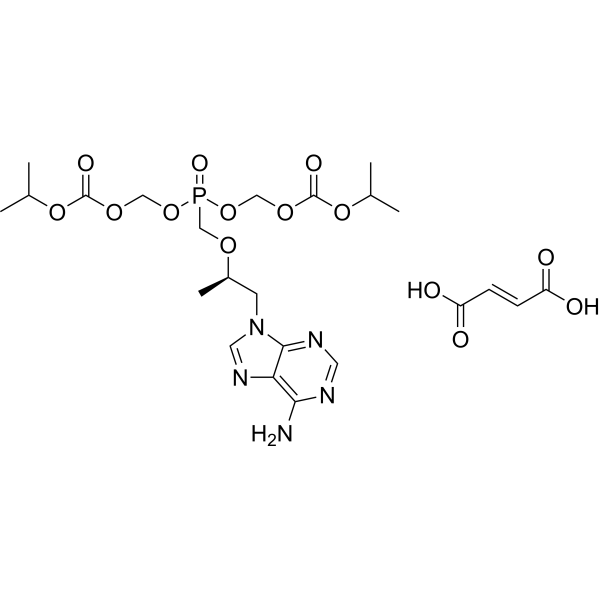
Tenofovir DF; Bis(POC)-PMPA fumarate; GS 4331 fumarate
|
HIV
Reverse Transcriptase
HBV
|
Infection
|
|
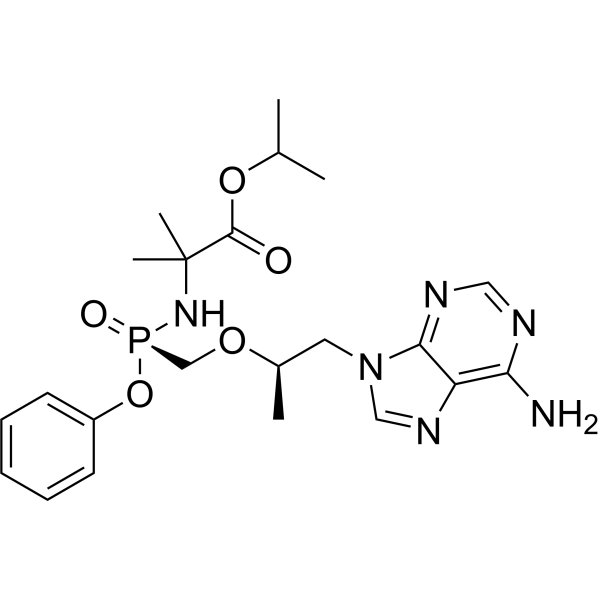
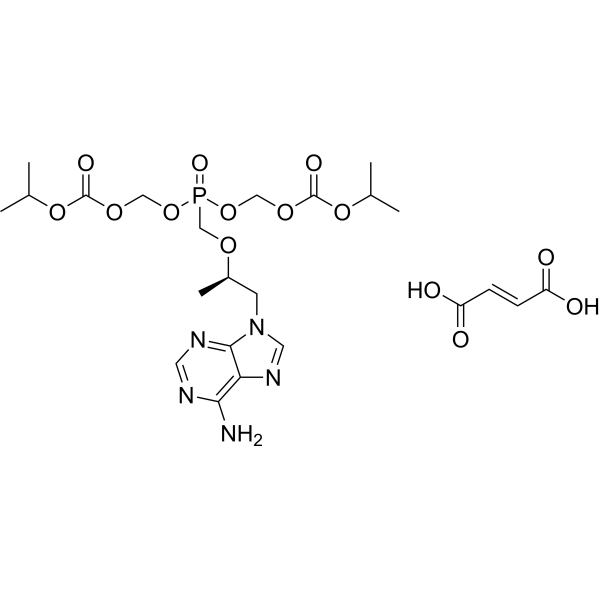
Tenofovir Disoproxil fumarate is a nucleotide reverse transcriptase inhibitor used to treat HIV and chronic Hepatitis B.
|
-
-
- HY-109168
-
|
JNJ-6379; JNJ-56136379
|
HBV
DNA/RNA Synthesis
|
Infection
|
|
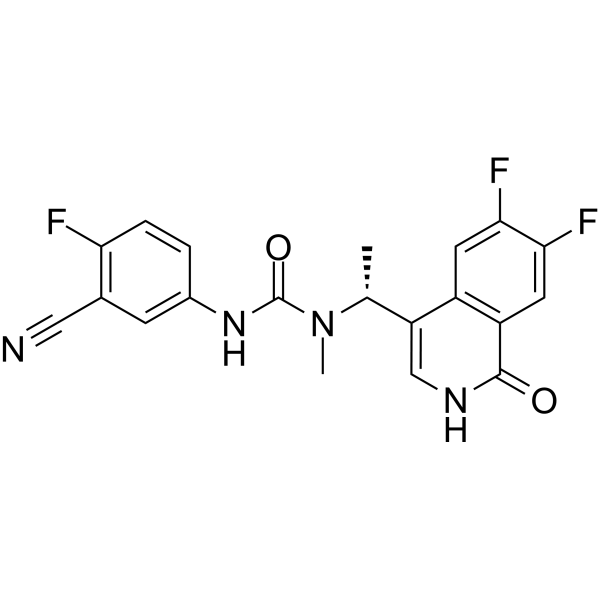
Bersacapavir (JNJ-6379) is an HBV capsid assembly modulator. Bersacapavir exerts a dual mechanism of action against both early and late stages of HBV infection by forming complete genome-free empty capsids and inhibiting de novo synthesis of cccDNA. Bersacapavir inhibits HBV replication. Bersacapavir can be used in the research of hepatitis B .
|
-
-
- HY-W018791
-
|
DDB
|
HBV
Autophagy
Cytochrome P450
Atg8/LC3
p62
P-glycoprotein
|
Infection
Cardiovascular Disease
Cancer
|
|
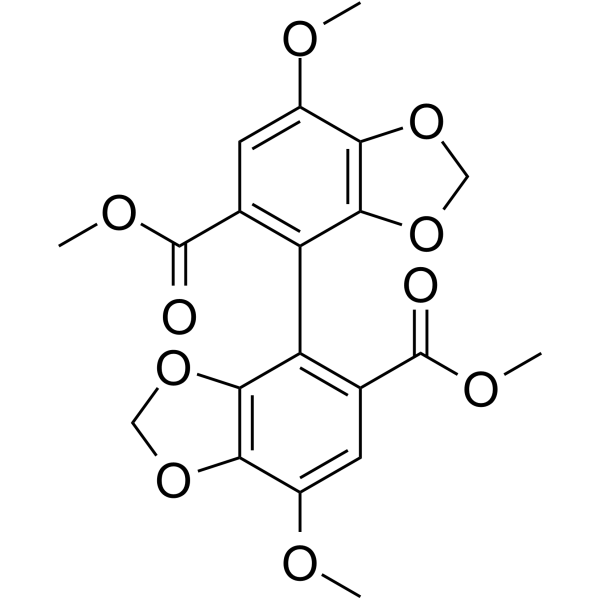
Bifendate (DDB), extracted from Schisandrae chinensis, is an orally active anti-HBV agent against chronic hepatitis B. Bifendate inhibits ATG5-dependent autophagy and attenuates oleic acid-induced lipid accumulation with anti-oxidant properties in vitro. Bifendate can decrease alanine transaminase (ALT) level in mice. Bifendate attenuates hepatic steatosis in cholesterol/bile salt- and high-fat diet-induced hypercholesterolemia in mice. Bifendate potently increases the activity of cytochrome proteins (CYPs) and reverse P-gp-mediated multi-drug resistance (MDR) .
|
-
-
- HY-13910A
-
-
-
- HY-13782A
-
|
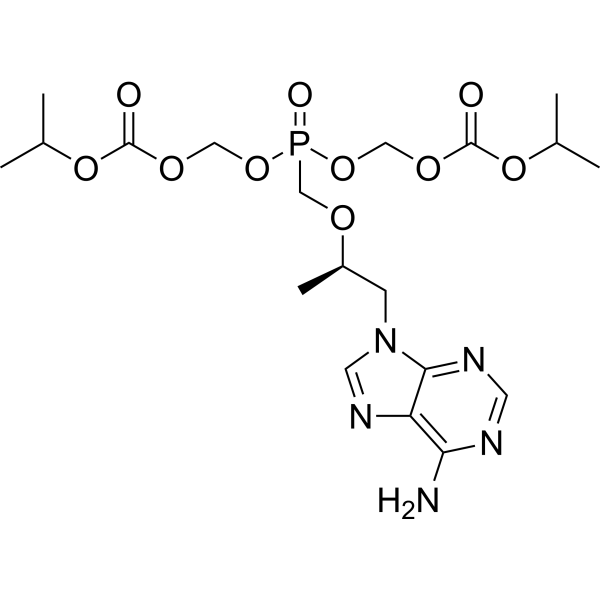
Bis(POC)-PMPA; GS 4331
|
HIV
Reverse Transcriptase
HBV
|
Cancer
|
|
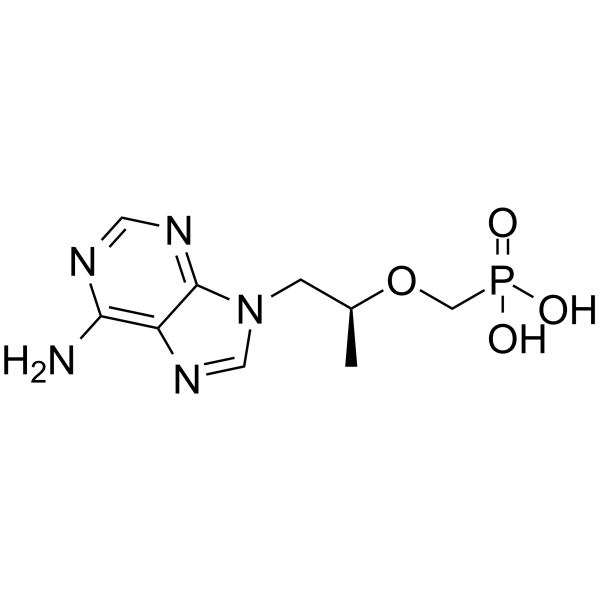
Tenofovir Disoproxil (Bis(POC)-PMPA) is a nucleotide reverse transcriptase inhibitor to treat HIV and chronic Hepatitis B.
|
-
-
- HY-150217
-
|
ODN 10101
|
Toll-like Receptor (TLR)
|
Infection
Inflammation/Immunology
|
|
CpG ODN 10101 (ODN 10101; CPG 10101) is a selective agonist targeting TLR9, a synthetic oligodeoxynucleotide modified with phosphate thioester. CpG ODN 10101 activates B cells and plasmacytoid dendritic cells (pDCs), inducing the production of cytokines and chemokines such as interferon-IFN-α, interferon-inducible protein IP-10, and 2'5'-oligoadenylate synthase (2'5'-OAS), regulating innate immunity and promoting Th1 adaptive immune responses. CpG ODN 10101 also possesses antiviral properties and enhances vaccine immunogenicity, making it suitable as an immunomodulator and vaccine adjuvant for vaccine development in chronic hepatitis C and infectious diseases such as melioidosis, pertussis, and respiratory syncytial virus (RSV) .
|
-
-
- HY-N0444
-
|
|
Reactive Oxygen Species (ROS)
|
Inflammation/Immunology
|
|
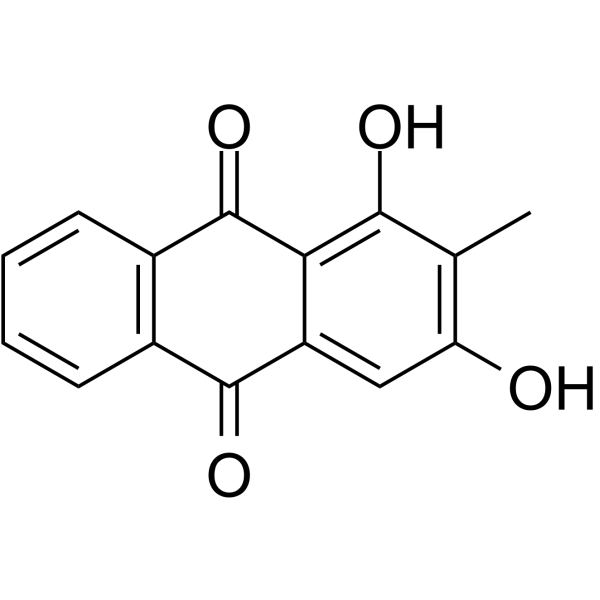
Rubiadin is an orally active polyketide-derived compound and free radical scavenger that inhibits the activation of the NF-κB pathway. Rubiadin inhibits osteoclast formation, bone resorption, lipid peroxidation, HBV DNA replication and cancer cell proliferation; reduces pro-inflammatory cytokine levels; induces cancer cell apoptosis; and possesses antifungal, antimalarial, antibacterial and anticonvulsant activities. Rubiadin can be used in the research of osteoporosis, acute inflammation, chronic inflammation, carbon tetrachloride-induced liver injury, Alzheimer's disease, breast cancer, iron overload disorders, hepatitis B virus infection, colon cancer, liver cancer, T-lymphocytic leukemia, cervical cancer, diabetic nephropathy, epileptic seizures, fungal infections, malaria and bacterial infections .
|
-
-
- HY-177022
-
|
|
HBV
|
Infection
|
|
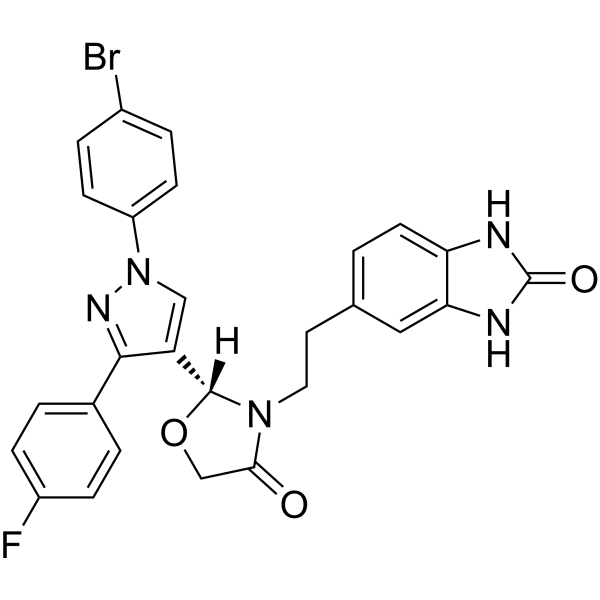
ALG-001075, a capsid assembly modulator (CAM), is an orally active HBV inhibitor. ALG-001075 effectively blocks not only HBV DNA production but also extracellular HBsAg/HBeAg and intracellular HBV RNA in primary human hepatocytes. ALG-001075 shows pronounced reductions of circulating HBV DNA in the AAV-HBV mouse model. ALG-001075 can be used for the study of Chronic hepatitis B (CHB) .
|
-
-
- HY-148348
-
|
|
HBV
|
Infection
|
|
AB-836 is an orally active HBV capsid inhibitor. AB-836 inhibits viral replication by interacting with HBV core protein. AB-836 can be used in research related to chronic hepatitis B .
|
-
-
- HY-124600
-
|
|
HBV
|
Infection
|
|
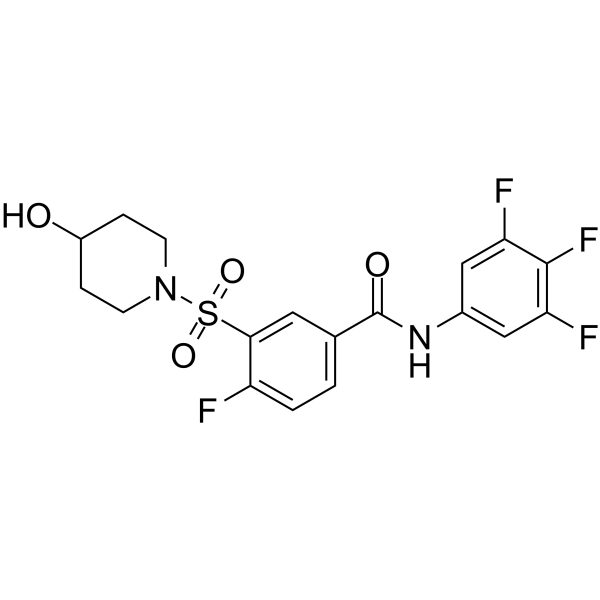
NVR 3-778 is a first-in-Class and oral bioavailable HBV CAM (capsid assembly modulator) belonging to the SBA (sulfamoylbenzamide) class, with anti-HBV activity .
|
-
-
- HY-13782R
-
|
Tenofovir DF (Standard); Bis(POC)-PMPA fumarate (Standard); GS 4331 fumarate (Standard)
|
Reference Standards
HIV
Reverse Transcriptase
HBV
|
Infection
|
|
Tenofovir Disoproxil (fumarate) (Standard) is the analytical standard of Tenofovir Disoproxil (fumarate). This product is intended for research and analytical applications. Tenofovir Disoproxil fumarate is a nucleotide reverse transcriptase inhibitor used to treat HIV and chronic Hepatitis B.
|
-
-
- HY-W074930
-
|
(S)-GS 1278; (S)-PMPA; (S)-TDF
|
HIV
HBV
|
Infection
|
|
(S)-Tenofovir is the less active S-enantiomer of Tenofovir (HY-13910). Tenofovir is a nucleotide reverse transcriptase inhibitor to treat HIV and chronic Hepatitis B (HBV). (S)-Tenofovir has low activity to Orf virus. (S)-Tenofovir can be used for research on contagious pustular dermatitis .
|
-
-
- HY-169993
-
|
|
HBV
DNA/RNA Synthesis
Drug Intermediate
|
Infection
|
|
ALG-000184 is an orally effective inhibitor of hepatitis B virus (HBV), and it is also a prodrug of ALG-001075 (HY-177022). ALG-000184 can inhibit the production of HBV DNA in liver cells. ALG-000184 can be used in the research of chronic hepatitis B .
|
-
-
- HY-P991200
-
|
|
HCV
Claudin
|
Infection
|
|
OM-7D3-B3 is an antibody-based antiviral agent targeting the tight junction protein CLDN1 (Kd=4 nM). By binding to the first extracellular domain of CLDN1, OM-7D3-B3 disrupts the formation of the CLDN1-CD81 co-receptor complex, thereby effectively inhibiting the entry of hepatitis C virus (HCV). OM-7D3-B3 not only prevents de novo and chronic HCV infections in humanized liver chimeric mice and uPA-SCID mice transplanted with human livers, but also exhibits favorable safety with no toxic effects observed. OM-7D3-B3 serves as a critical tool for research on HCV infection mechanisms and antiviral drug development .
|
-
-
- HY-147255
-
|
ZM-H1505R
|
HBV
|
Infection
|
Canocapavir (ZM-H1505R) is an orally active HBV core protein-targeting antiviral agent. Canocapavir binds to the hydrophobic pocket at the dimer-dimer interface of HBV core protein (HBc), stimulating intracellular accumulation of nonfunctional HBV capsids, disrupting viral replication. Canocapavir interferes with the interaction between HBc and HBV large surface protein, resulting in diminished production of empty virionsis. Canocapavir can be used for the research of hepatitis B virus (HBV) infection .
|
-
-
- HY-145638A
-
|
RO7445482 sodium
|
HBV
|
Infection
|
Xalnesiran (RO7445482) sodium is a small interfering RNA molecule that targets a conserved region of the hepatitis B virus (HBV) genome . Xalnesiran sodium can be used for the research of chronic hepatitis B infection .
|
-
-
- HY-113904S
-
|
|
Reverse Transcriptase
HIV
HBV
|
Infection
|
|
(Rac)-Tenofovir-d6 is a labelled racemic Tenofovir. Tenofovir (GS 1278) is a nucleotide reverse transcriptase inhibitor to treat HIV and chronic Hepatitis B (HBV) .
|
-
-
- HY-137453
-
|
HS-10234
|
HBV
|
Infection
|
|
Tenofovir amibufenamide (HS-10234), a Tenofovir prodrug, is an orally active antiviral agent. Tenofovir amibufenamide inhibits HBV, and can be used for chronic hepatitis B (CHB) study .
|
-
-
- HY-147266
-
|
VIR-2218 sodium
|
Small Interfering RNA (siRNA)
HBV
|
Infection
|
|
Elebsiran (VIR-2218) sodium is a siRNA that targets and degrades hepatitis B virus (HBV) and hepatitis D virus (HDV) RNA transcripts. Elebsiran sodium leads to a significant decrease in HBV surface antigen (HBsAg) and a reduction in viral load. Elebsiran sodium binds to the sialic acid-depleted glycoprotein receptor (ASGPR) on the surface of liver cells through the GalNAc ligand, achieving liver-targeted delivery and demonstrating improved liver safety. Elebsiran sodium can be used for the study of chronic HBV/HDV infections .
|
-
-
- HY-128854
-
|
|
Biochemical Assay Reagents
JAK
STAT
IFNAR
DNA/RNA Synthesis
HBV
|
Infection
Metabolic Disease
|
|
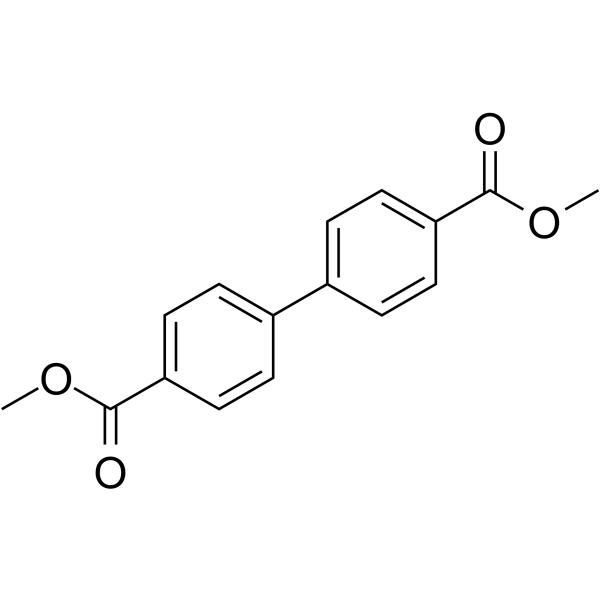
Dimethyl biphenyl-4,4'-dicarboxylate (Biphenyl dimethyl dicarboxylate) is a hepatoprotective agent. Dimethyl biphenyl-4,4'-dicarboxylate stimulates the Jak/Stat signaling pathway and induces the expression of IFN-α-stimulated genes, particularly 6-16 and ISG12. Dimethyl biphenyl-4,4'-dicarboxylate inhibits the replication of pregenomic RNA and HBeAg. Polymer micelles loaded with Dimethyl biphenyl-4,4'-dicarboxylate can serve as carriers for the compound. Dimethyl biphenyl-4,4'-dicarboxylate can be used as an auxiliary improving agent for chronic hepatitis. Dimethyl biphenyl-4,4'-dicarboxylate is applicable to research related to chronic hepatitis B .\n
|
-
-
- HY-P991674
-
|
BJT-778
|
HBV
|
Infection
Inflammation/Immunology
|
|
Brelovitug (BJT-778) is a humanized IgG1 neutralizing monoclonal antibody targeting hepatitis B surface antigen (HBsAg). Brelovitug binds with high affinity to HBsAg purified from HBV serotypes ad and ay, with Kd values of 0.22 nM and 0.39 nM, respectively. Brelovitug binds with high affinity to HBsAg of HBV genotypes A, B, C and D, with IC50 values of 0.07, 0.02, 0.02 and 0.07 nM, respectively. Brelovitug can be used in research related to chronic hepatitis B and chronic hepatitis D .
|
-
-
- HY-15256
-
|
BI 201335
|
HCV Protease
|
Infection
|
|
Faldaprevir (BI 201335) is a potent, orally active and selective noncovalent inhibitor of NS3/4A protease of HCV (hepatitis C virus) genotypes 1a and 1b, with Ki values of 2.6 and 2.0 nM, respectively. Faldaprevir inhibits HCV RNA replication, with EC50 values of 6.5 and 3.1 nM, respectively. Faldaprevir has potent antiviral activity against chronic HCV infection .
|
-
-
- HY-W352344
-
|
|
HBV
|
Infection
|
|
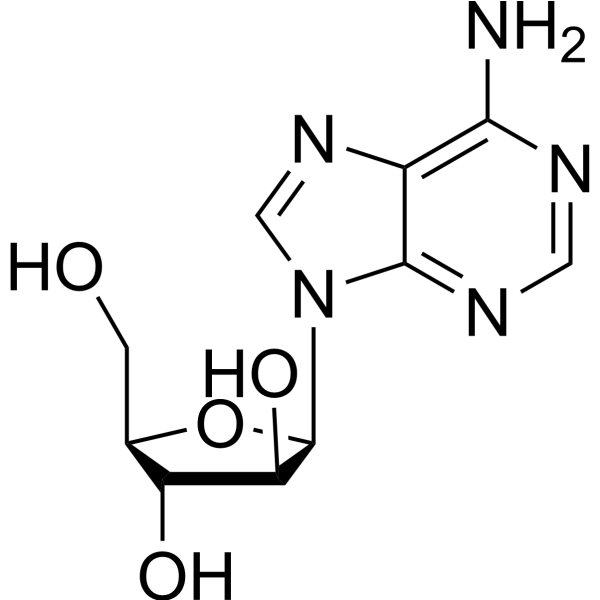
2'-Deoxy-L-adenosine is an orally active synthon for modified oligodeoxyribonucleotides. 2'-Deoxy-L-adenosine is a potent, specific and selective inhibitor of the replication of hepatitis B virus (HBV) as well as the closely related duck and woodchuck hepatitis viruses (WHV) .
|
-
-
- HY-114314
-
|
|
HBV
|
Infection
|
|
BA-53038B is a HBV core protein allosteric modulator (CpAM), binding to the HAP pocket and modulating HBV capsid assembly. BA-53038B has antiviral activity for hepatitis B virus (HBV) with an EC50 value of 3.32 μM. BA-53038B can be used for the research of chronic hepatitis B .
|
-
-
- HY-P99541
-
|
anti-hepatitis B; OST 577; SDZ-OST 577
|
HBV
|
Infection
|
|
Tuvirumab (OST 577; SDZ-OST 577) is a human IgG1 subclass monoclonal antibody directed against HBV surface antigen (HBsAg). Tuvirumab binds specifically and with high affinity (K=3.6 nM) to HBsAg. Tuvirumab has the potential for chronic hepatitis B research .
|
-
-
- HY-103487
-
|
IDX21437; MK-3682
|
HCV
|
Infection
|
|
Uprifosbuvir is an antiviral agent. Uprifosbuvir is a NS5b inhibitor developed for the research of chronic hepatitis C virus .
|
-
-
- HY-121513
-
|
2'-Deoxy-L-cytidine; L-dC
|
HBV
|
Infection
|
|
Torcitabine (2'-Deoxy-L-cytidine) is an antiviral agent. Torcitabine has the potential for chronic hepatitis B virus infection treatment .
|
-
-
- HY-149158
-
|
|
HBV
|
Inflammation/Immunology
|
|
CCC-0975 is a hepatitis B virus (HBV) inhibitor (EC50=10 μM). CCC-0975 interferes with the conversion of relaxed circular DNA (rcDNA) to cccDNA, synchronously reducing cccDNA and its precursor deproteinized rcDNA (DP-rcDNA) without promoting their intracellular degradation. CCC-0975 is promising for research of chronic hepatitis B .
|
-
-
- HY-147266A
-
|
VIR-2218
|
HBV
Small Interfering RNA (siRNA)
|
Infection
|
|
Elebsiran (VIR-2218) is a siRNA that targets and degrades hepatitis B virus (HBV) and hepatitis D virus (HDV) RNA transcripts. Elebsiran leads to a significant decrease in HBV surface antigen (HBsAg) and a reduction in viral load. Elebsiran binds to the sialic acid-depleted glycoprotein receptor (ASGPR) on the surface of liver cells through the GalNAc ligand, achieving liver-targeted delivery and demonstrating improved liver safety. Elebsiran can be used for the study of chronic HBV/HDV infections .
|
-
-
- HY-P4051
-
-
-
- HY-P991112
-
|
|
Transmembrane Glycoprotein
|
Infection
|
|
Anti-Mouse CD8α Antibody (YTS169.4) is an IgG2 monoclonal antibody targeting mouse CD8α. Anti-Mouse CD8α Antibody (YTS169.4) rapidly depletes or downregulates CD8 + T cells in the spleens of Biozzi AB/H mice. Anti-Mouse CD8α Antibody (YTS169.4) is applicable to research related to hepatitis B virus infection . Recommended isotype control: Rat IgG2b kappa, Isotype Control (HY-P990682).
|
-
-
- HY-113586
-
|
LB-80380
|
HBV
DNA/RNA Synthesis
Drug Derivative
|
Infection
|
|
Besifovir Dipivoxil (LB-80380), an analog of guanosine monophosphate, is an acyclic nucleotide phosphonate with antiviral effect. Besifovir Dipivoxil is rapidly converted by the liver and intestine to the intermediate metabolite LB80331 via the esterification process, subsequently phosphorylated into the di- and triphosphate forms, which act as antiviral DNA synthesis inhibitors. Besifovir Dipivoxil is promising for research of chronic hepatitis B .
|
-
-
- HY-145638
-
|
RO7445482
|
HBV
|
Infection
|
Xalnesiran (RO7445482) is a small interfering RNA molecule that targets a conserved region of the hepatitis B virus (HBV) genome. Xalnesiran can be used for the research of chronic hepatitis B infection .
|
-
-
- HY-P99608
-
|
|
HBV
|
Infection
|
|
Exbivirumab is a monoclonal antibody directed against highly conserved HBsAg epitopes. Exbivirumab enhances the antiviral activity of hepatitis B immunoglobulin (HBIG). Exbivirumab combined with Libivirumab (HY-P99703) decreases circulating HBsAg and hepatitis B virus (HBV) DNA levels in a chronically infected chimpanzee. Exbivirumab can be used for HBV re-infection in liver transplant .
|
-
-
- HY-13910R
-
|
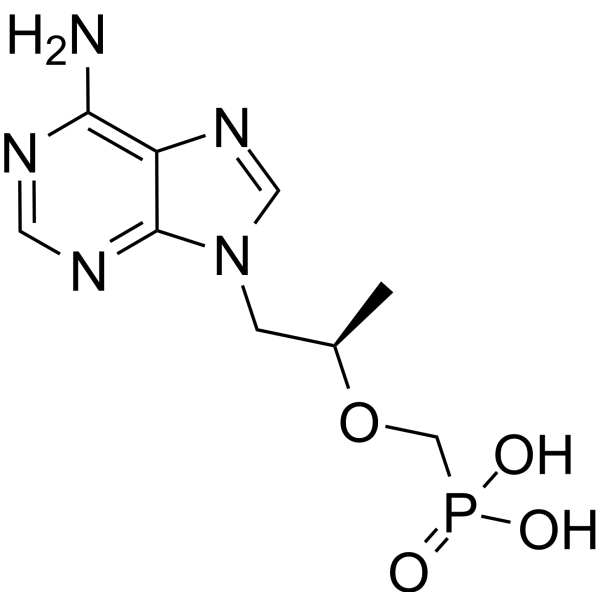
GS 1278 (Standard); PMPA (Standard)
|
Reference Standards
Reverse Transcriptase
HIV
HBV
|
Infection
Cancer
|
|
Tenofovir (Standard) is the analytical standard of Tenofovir. This product is intended for research and analytical applications. Tenofovir (GS 1278) is a nucleotide reverse transcriptase inhibitor to treat HIV and chronic Hepatitis B (HBV) .
|
-
-
- HY-W018791R
-
|
DDB (Standard)
|
Reference Standards
HBV
Autophagy
Cytochrome P450
Atg8/LC3
p62
P-glycoprotein
|
Infection
Cardiovascular Disease
Cancer
|
|
Bifendate (DDB), extracted from Schisandrae chinensis, is an orally active anti-HBV agent against chronic hepatitis B. Bifendate inhibits ATG5-dependent autophagy and attenuates oleic acid-induced lipid accumulation with anti-oxidant properties in vitro. Bifendate can decrease alanine transaminase (ALT) level in mice. Bifendate attenuates hepatic steatosis in cholesterol/bile salt- and high-fat diet-induced hypercholesterolemia in mice. Bifendate potently increases the activity of cytochrome proteins (CYPs) and reverse P-gp-mediated multi-drug resistance (MDR) .
|
-
-
- HY-13910B
-
-
-
- HY-19447A
-
|
LB80380 maleate
|
HBV
|
Infection
|
|
Besifovir Dipivoxil maleate (LB80380 maleate) is an oral proagent of LB80317. Besifovir Dipivoxil maleate (LB80380 maleate) is effective in hepatitis B virus (HBV) DNA suppression for both treatment-naive and lamivudine-resistant chronic hepatitis B (CHB) patients in preliminary studies [2]
|
-
-
- HY-145638X
-
|
GalNAc unconjugated/naked RO7445482
|
HBV
|
Infection
|
|
GalNAc unconjugated/naked Xalnesiran is a non-GalNAc-conjugated Xalnesiran (HY-145638). Xalnesiran is siRNA for the study of chronic hepatitis B (HBV) .
|
-
-
- HY-177620
-
|
RG6084; RO-7191863
|
PD-1/PD-L1
|
Cancer
|
|
Cadapersen (RG6084) is an antisense oligonucleotide that induces the degradation of PD-L1 mRNA. It is used for the study of chronic hepatitis B (CHB).
|
-
-
- HY-13910AR
-
|
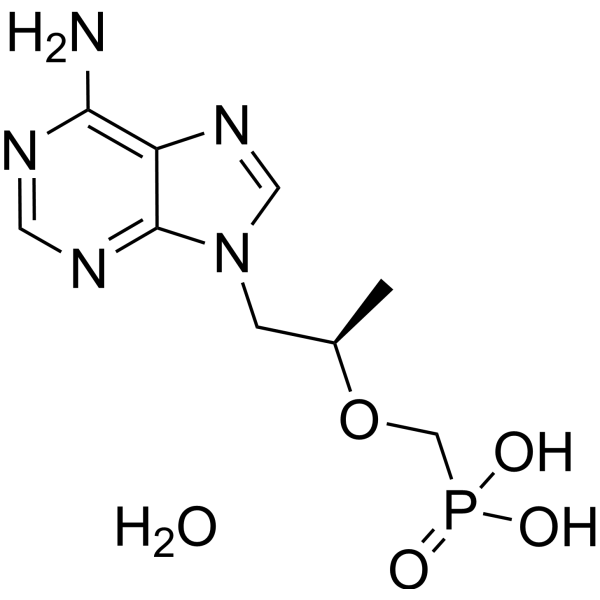
GS 1278 hydrate (Standard); PMPA hydrate (Standard)
|
Reference Standards
HIV
Reverse Transcriptase
|
Infection
|
|
Tenofovir (hydrate) (Standard) is the analytical standard of Tenofovir (hydrate). This product is intended for research and analytical applications. Tenofovir hydrate is a nucleotide reverse transcriptase inhibitor to treat HIV and chronic Hepatitis B.
|
-
-
- HY-136111
-
|
|
HBV
|
Infection
|
|
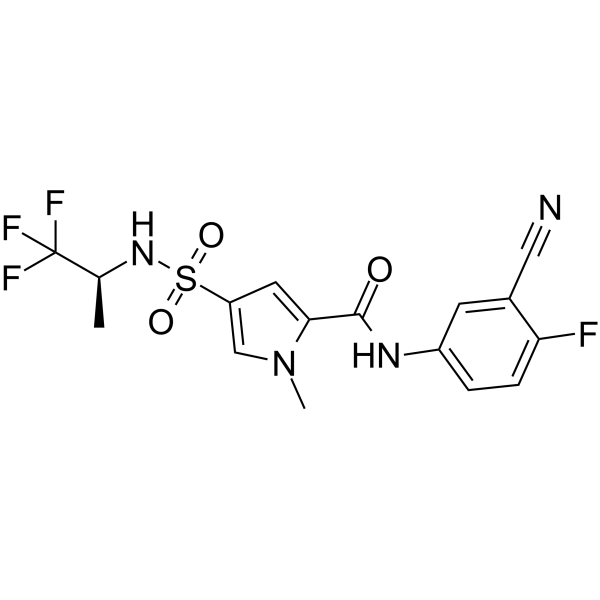
KR-26556 is a sulfonamide type hepatitis B virus (HBV) capsid assembly regulator. KR-26556 exhibits anti-HBV activity with an EC50 of 0.04 μM. KR-26556 has favorable safety characteristics. KR-26556 can be used for research on chronic hepatitis B .
|
-
-
- HY-13782AR
-
|
Bis(POC)-PMPA (Standard); GS 4331 (Standard)
|
HIV
Reverse Transcriptase
HBV
Reference Standards
|
Cancer
|
|
Tenofovir Disoproxil (Standard) is the analytical standard of Tenofovir Disoproxil. This product is intended for research and analytical applications. Tenofovir Disoproxil (Bis(POC)-PMPA) is a nucleotide reverse transcriptase inhibitor to treat HIV and chronic Hepatitis B.
|
-
-
- HY-106235
-
|
|
HBV
DNA/RNA Synthesis
|
Infection
|
|
LB80317 is an active metabolite of LB80380 and suppresses the DNA synthesis of HBV with an EC50 of 0.5 μM. LB80317 has antiviral effect and has the potential for chronic hepatitis B treatment .
|
-
-
- HY-115430
-
-
-
- HY-148768
-
|
|
HBV
|
Inflammation/Immunology
|
|
AB-506 is an orally active inhibitor of HBV replication targeting the viral core protein. AB-506 can bind to HBV core protein, accelerate capsid assembly and inhibit HBV pgRNA encapsidation. AB-506 can be used in chronic hepatitis B (CHB) research .
|
-
-
- HY-177300
-
|
|
Toll-like Receptor (TLR)
HBV
IFNAR
Interleukin Related
|
Infection
Inflammation/Immunology
|
|
TLR7/8 agonist 13 is an orally active dual agonist of TLR7 (lowest effective concentrations (LEC) [hTLR7] = 1.6 μM) and TLR8 (LEC [hTLR8] = 1.6 μM). TLR7/8 agonist 13 exhibits agonistic activity against human peripheral blood mononuclear cells (hPBMCs) (LEC [hPBMC] = 0.5 μM). TLR7/8 agonist 13 induces endogenous IFNα, activating myeloid dendritic cells and monocytes toward a TH1 phenotype in mice and cynomolgus monkeys. TLR7/8 agonist 13 reduces viral load and HBV surface antigen expression in a mouse model of chronic AAV-HBV infection. TLR7/8 agonist 13 has the potential to indirectly induce IFNγ, which may promote HBV antigen-specific CD8 T cell-mediated responses. TLR7/8 agonist 13 can be used to study hepatitis B virus .
|
-
-
- HY-124600R
-
|
|
HBV
|
Infection
|
|
NVR 3-778 (Standard) is the analytical standard of NVR 3-778. This product is intended for research and analytical applications. NVR 3-778 is a first-in-Class and oral bioavailable HBV CAM (capsid assembly modulator) belonging to the SBA (sulfamoylbenzamide) class, with anti-HBV activity .
|
-
-
- HY-162795
-
|
|
HBV
|
Infection
|
|
HBV-IN-47 (compound 4a) is a capsid assembly regulator with inhibitory activity against hepatitis B virus (HBV). HBV-IN-47 exhibits strong anti-HBV activity in HepAD38 cells with low toxicity (EC50=0.24 μM). HBV-IN-47 can be used for the study of chronic hepatitis B (CHB) .
|
-
- HY-119161
-
-
- HY-176059
-
|
|
HBV
|
Infection
|
|
HBV-IN-52 is a selective HBV inhibitor. HBV-IN-52 is a Neplanocin A (HY-130430) derivative that demonstrates significant activity against HBV replication with EC50 = 0.96 μM. HBV-IN-52 can inhibit HBsAg secretion (EC50 = 0.82 μM. HBV-IN-52 can be studied in research for chronic hepatitis B (CHB) infections .
|
-
- HY-W074930R
-
|
(S)-GS 1278 (Standard); (S)-PMPA (Standard); (S)-TDF (Standard)
|
Reference Standards
HIV
HBV
|
Infection
|
|
(S)-Tenofovir (Standard) is the analytical standard of (S)-Tenofovir. This product is intended for research and analytical applications. (S)-Tenofovir is the less active S-enantiomer of Tenofovir (HY-13910). Tenofovir is a nucleotide reverse transcriptase inhibitor to treat HIV and chronic Hepatitis B (HBV). (S)-Tenofovir has low activity to Orf virus. (S)-Tenofovir can be used for research on contagious pustular dermatitis .
|
-
- HY-15256A
-
|
BI 201335 sodium
|
HCV Protease
|
Infection
|
|
Faldaprevir sodium is a potent, orally active and selective noncovalent inhibitor of NS3/4A protease of HCV (hepatitis C virus) genotypes 1a and 1b, with Ki values of 2.6 and 2.0 nM, respectively. Faldaprevir sodium inhibits HCV RNA replication, with EC50 values of 6.5 and 3.1 nM, respectively. Faldaprevir sodium has potent antiviral activity against chronic HCV infection .
|
-
- HY-145713A
-
|
HBV-IN-19 TFA
|
HBV
|
Infection
|
|
GS-8873 TFA is the TFA salt form of GS-8873 (HY-145713). GS-8873 TFA is an orally active inhibitor for the production of hepatitis B virus (HBV) surface antigen (HBsAg) with an EC50 of 4 nM. GS-8873 TFA exhibits good pharmacokinetic characters in rats and metabolic stability in human hepatocytes. GS-8873 TFA causes neurofunctional deficits in rats and cynomolgus monkeys .
|
-
- HY-145713
-
|
HBV-IN-19
|
HBV
|
Infection
|
|
GS-8873 is an orally active inhibitor for the production of hepatitis B virus (HBV) surface antigen (HBsAg) with an EC50 of 4 nM. GS-8873 exhibits good pharmacokinetic characters in rats and metabolic stability in human hepatocytes. GS-8873 causes neurofunctional deficits in rats and cynomolgus monkeys .
|
-
- HY-151134
-
|
|
HBV
|
Infection
|
|
HBV-IN-25 is a good potency, orally active novel HBV cccDNA reducer. HBV-IN-25 has anti-HBeAg potency and anti-HBV activity with IC50 values of 0.58 μM and 1.15 μM, respectively. HBV-IN-25 has good aqueous solubility (LYSA>452 μg/mL) and good PK property with no cellular toxicity .
|
-
- HY-W105601
-
|
2',3'-Di-O-acetyl-5'-deoxy-5-fluorocytidine
|
Endogenous Metabolite
|
Infection
|
|
5'-Deoxy-2',3'-di-O-acetyl-5-fluorocytidine (2',3'-Di-O-acetyl-5'-deoxy-5-fluorocytidine) is an antiviral compound that inhibits HBV reverse transcriptase activity. 5'-Deoxy-2',3'-di-O-acetyl-5-fluorocytidine shows potential to control HBV replication in vitro. 5'-Deoxy-2',3'-di-O-acetyl-5-fluorocytidine, as a nucleoside analog, may provide a new option for the suppression of chronic hepatitis B .
|
-
- HY-P992458
-
|
|
Toll-like Receptor (TLR)
HBV
|
Infection
|
|
SBT8230 is an ASGR1-targeted TLR8 agonist and an ASGR1-TLR8 immune TAC conjugate. SBT8230 achieves liver enrichment via conjugation with an anti-ASGR1 antibody, activates myeloid cells and induces anti-HBV immune responses. SBT8230 is applicable to research on chronic hepatitis B infection. The corresponding isotype control is: Human lgG1 kappa,lsotype Control (HY-P99001) .
|
-
- HY-168165
-
|
|
Endogenous Metabolite
|
Cancer
|
|
Adefovir diphosphate is an antiviral compound with activity against hepatitis B virus (HBV). Adefovir diphosphate blocks the replication of HBV by inhibiting reverse transcriptase. Adefovir diphosphate has also shown activity against other viruses such as herpes viruses and human immunodeficiency virus. Adefovir diphosphate is used as an effective inhibitory option in the suppression of chronic hepatitis B. The mechanism of action of Adefovir diphosphate involves blocking the autophosphorylation of growth factor receptors, thereby potentially reducing the risk of hepatocellular carcinoma (HCC) in patients with chronic hepatitis B .
|
-
- HY-177620A
-
|
RG6084 sodium; RO-7191863 sodium
|
PD-1/PD-L1
|
Cancer
|
|
Cadapersen sodium is an antisense oligonucleotide that induces the degradation of PD-L1 mRNA. It is used for the study of chronic hepatitis B (CHB).
|
-
- HY-108839
-
|
Ro 25-8310/000
|
IFNAR
|
Infection
|
|
Peginterferon alfa-2a is a PEG-modified interferon (IFN) alpha-2a. Peginterferon alfa-2a can be used for research of chronic hepatitis C virus (HCV) and hepatitis B virus (HBV) infection .
|
-
- HY-182691
-
|
|
HCV
|
Infection
|
|
Amphihevir is an orally active HCV NS4B inhibitor. Amphihevir exhibits activity against HCV genotype 1a and 1b replicons and reduces HCV RNA levels. Amphihevir can be used in the research of chronic hepatitis C .
|
-
- HY-183260
-
|
|
HBV
Cytochrome P450
|
Infection
|
|
HBV-IN-57 is an orally active HBV inhibitor with pan-genotypic efficacy against HBV genotypes B/C. HBV-IN-57 inhibits HBV DNA replication and HBV capsid assembly. HBV-IN-57 can be used for the research of chronic hepatitis B .
|
-
- HY-181348
-
|
|
HBV
|
Infection
|
|
HBV-IN-56 is an orally active HBsAg production inhibitor. HBV-IN-56 inhibits HBsAg production both in vitro and in vivo. HBV-IN-56 can be used for the research of chronic hepatitis B virus infection .
|
-
- HY-19009B
-
|
|
CCR
|
Metabolic Disease
Inflammation/Immunology
Cancer
|
|
Propagermanium is an orally active and selective CCR2 inhibitor. Propagermanium enhances IFN-γ, IL-2, 2',5'-oligoadenylate synthetase, and unspecified cytokine production, and induces mature cytolytic NK cell subsets. Propagermanium reduces HBe antigen and HBV DNA polymerase levels, promotes HBV clearance and lowers serum ALT. Propagermanium downregulates STAT1, inhibits pro-inflammatory microglia polarization, pro-inflammatory cytokine release, and monocyte/macrophage infiltration. Propagermanium can be used for the research of chronic hepatitis B, atherosclerosis, breast cancer, non-alcoholic steatohepatitis, insulin resistance, refractory gastric cancer, multiple myeloma, type 2 diabetes .
|
-
- HY-W105601R
-
|
2',3'-Di-O-acetyl-5'-deoxy-5-fluorocytidine (Standard)
|
Endogenous Metabolite
Reference Standards
|
Infection
|
|
5'-Deoxy-2',3'-di-O-acetyl-5-fluorocytidine (Standard) is the analytical standard of 5'-Deoxy-2',3'-di-O-acetyl-5-fluorocytidine. This product is intended for research and analytical applications. 5'-Deoxy-2',3'-di-O-acetyl-5-fluorocytidine (2',3'-Di-O-acetyl-5'-deoxy-5-fluorocytidine) is an antiviral compound that inhibits HBV reverse transcriptase activity. 5'-Deoxy-2',3'-di-O-acetyl-5-fluorocytidine shows potential to control HBV replication in vitro. 5'-Deoxy-2',3'-di-O-acetyl-5-fluorocytidine, as a nucleoside analog, may provide a new option for the suppression of chronic hepatitis B .
|
-
| Cat. No. |
Product Name |
Target |
Research Area |
| Cat. No. |
Product Name |
Target |
Research Area |
Image |
-
- HY-P991200
-
|
|
HCV
Claudin
|
Infection
|
|
OM-7D3-B3 is an antibody-based antiviral agent targeting the tight junction protein CLDN1 (Kd=4 nM). By binding to the first extracellular domain of CLDN1, OM-7D3-B3 disrupts the formation of the CLDN1-CD81 co-receptor complex, thereby effectively inhibiting the entry of hepatitis C virus (HCV). OM-7D3-B3 not only prevents de novo and chronic HCV infections in humanized liver chimeric mice and uPA-SCID mice transplanted with human livers, but also exhibits favorable safety with no toxic effects observed. OM-7D3-B3 serves as a critical tool for research on HCV infection mechanisms and antiviral drug development .
|
-
(5)
-
- HY-P991674
-
|
BJT-778
|
HBV
|
Infection
Inflammation/Immunology
|
|
Brelovitug (BJT-778) is a humanized IgG1 neutralizing monoclonal antibody targeting hepatitis B surface antigen (HBsAg). Brelovitug binds with high affinity to HBsAg purified from HBV serotypes ad and ay, with Kd values of 0.22 nM and 0.39 nM, respectively. Brelovitug binds with high affinity to HBsAg of HBV genotypes A, B, C and D, with IC50 values of 0.07, 0.02, 0.02 and 0.07 nM, respectively. Brelovitug can be used in research related to chronic hepatitis B and chronic hepatitis D .
|
-
(5)
-
- HY-P99541
-
|
anti-hepatitis B; OST 577; SDZ-OST 577
|
HBV
|
Infection
|
|
Tuvirumab (OST 577; SDZ-OST 577) is a human IgG1 subclass monoclonal antibody directed against HBV surface antigen (HBsAg). Tuvirumab binds specifically and with high affinity (K=3.6 nM) to HBsAg. Tuvirumab has the potential for chronic hepatitis B research .
|
-
(5)
-
- HY-P991112
-
|
|
Transmembrane Glycoprotein
|
Infection
|
|
Anti-Mouse CD8α Antibody (YTS169.4) is an IgG2 monoclonal antibody targeting mouse CD8α. Anti-Mouse CD8α Antibody (YTS169.4) rapidly depletes or downregulates CD8 + T cells in the spleens of Biozzi AB/H mice. Anti-Mouse CD8α Antibody (YTS169.4) is applicable to research related to hepatitis B virus infection . Recommended isotype control: Rat IgG2b kappa, Isotype Control (HY-P990682).
|
-
(5)
-
- HY-P99608
-
|
|
HBV
|
Infection
|
|
Exbivirumab is a monoclonal antibody directed against highly conserved HBsAg epitopes. Exbivirumab enhances the antiviral activity of hepatitis B immunoglobulin (HBIG). Exbivirumab combined with Libivirumab (HY-P99703) decreases circulating HBsAg and hepatitis B virus (HBV) DNA levels in a chronically infected chimpanzee. Exbivirumab can be used for HBV re-infection in liver transplant .
|
-
(5)
-
- HY-P992458
-
|
|
Toll-like Receptor (TLR)
HBV
|
Infection
|
|
SBT8230 is an ASGR1-targeted TLR8 agonist and an ASGR1-TLR8 immune TAC conjugate. SBT8230 achieves liver enrichment via conjugation with an anti-ASGR1 antibody, activates myeloid cells and induces anti-HBV immune responses. SBT8230 is applicable to research on chronic hepatitis B infection. The corresponding isotype control is: Human lgG1 kappa,lsotype Control (HY-P99001) .
|
-
(5)
-
- HY-108839
-
|
Ro 25-8310/000
|
IFNAR
|
Infection
|
|
Peginterferon alfa-2a is a PEG-modified interferon (IFN) alpha-2a. Peginterferon alfa-2a can be used for research of chronic hepatitis C virus (HCV) and hepatitis B virus (HBV) infection .
|
-
(5)
| Cat. No. |
Product Name |
Category |
Target |
Chemical Structure |
-
- HY-N0444
-
|
|
Quinones
Structural Classification
Classification of Application Fields
Anthraquinones
Rubiaceae
Phenols
Polyphenols
Plants
Morinda officinalis How
Inflammation/Immunology
Disease Research Fields
Source Classification
|
Reactive Oxygen Species (ROS)
|
|
Rubiadin is an orally active polyketide-derived compound and free radical scavenger that inhibits the activation of the NF-κB pathway. Rubiadin inhibits osteoclast formation, bone resorption, lipid peroxidation, HBV DNA replication and cancer cell proliferation; reduces pro-inflammatory cytokine levels; induces cancer cell apoptosis; and possesses antifungal, antimalarial, antibacterial and anticonvulsant activities. Rubiadin can be used in the research of osteoporosis, acute inflammation, chronic inflammation, carbon tetrachloride-induced liver injury, Alzheimer's disease, breast cancer, iron overload disorders, hepatitis B virus infection, colon cancer, liver cancer, T-lymphocytic leukemia, cervical cancer, diabetic nephropathy, epileptic seizures, fungal infections, malaria and bacterial infections .
|
-
| Cat. No. |
Product Name |
Chemical Structure |
-
- HY-113904S
-
|
|
|
(Rac)-Tenofovir-d6 is a labelled racemic Tenofovir. Tenofovir (GS 1278) is a nucleotide reverse transcriptase inhibitor to treat HIV and chronic Hepatitis B (HBV) .
|
-
| Cat. No. |
Product Name |
|
Classification |
-
- HY-150217
-
|
ODN 10101
|
|
CpG ODNs
|
|
CpG ODN 10101 (ODN 10101; CPG 10101) is a selective agonist targeting TLR9, a synthetic oligodeoxynucleotide modified with phosphate thioester. CpG ODN 10101 activates B cells and plasmacytoid dendritic cells (pDCs), inducing the production of cytokines and chemokines such as interferon-IFN-α, interferon-inducible protein IP-10, and 2'5'-oligoadenylate synthase (2'5'-OAS), regulating innate immunity and promoting Th1 adaptive immune responses. CpG ODN 10101 also possesses antiviral properties and enhances vaccine immunogenicity, making it suitable as an immunomodulator and vaccine adjuvant for vaccine development in chronic hepatitis C and infectious diseases such as melioidosis, pertussis, and respiratory syncytial virus (RSV) .
|
-
- HY-145638A
-
|
RO7445482 sodium
|
|
siRNAs
siRNA drugs
|
Xalnesiran (RO7445482) sodium is a small interfering RNA molecule that targets a conserved region of the hepatitis B virus (HBV) genome . Xalnesiran sodium can be used for the research of chronic hepatitis B infection .
|
-
- HY-147266
-
|
VIR-2218 sodium
|
|
siRNAs
siRNA drugs
|
|
Elebsiran (VIR-2218) sodium is a siRNA that targets and degrades hepatitis B virus (HBV) and hepatitis D virus (HDV) RNA transcripts. Elebsiran sodium leads to a significant decrease in HBV surface antigen (HBsAg) and a reduction in viral load. Elebsiran sodium binds to the sialic acid-depleted glycoprotein receptor (ASGPR) on the surface of liver cells through the GalNAc ligand, achieving liver-targeted delivery and demonstrating improved liver safety. Elebsiran sodium can be used for the study of chronic HBV/HDV infections .
|
-
- HY-W352344
-
|
|
|
Nucleoside Analogs
Adenosine
|
|
2'-Deoxy-L-adenosine is an orally active synthon for modified oligodeoxyribonucleotides. 2'-Deoxy-L-adenosine is a potent, specific and selective inhibitor of the replication of hepatitis B virus (HBV) as well as the closely related duck and woodchuck hepatitis viruses (WHV) .
|
-
- HY-121513
-
|
2'-Deoxy-L-cytidine; L-dC
|
|
Nucleoside Analogs
Cytidine
|
|
Torcitabine (2'-Deoxy-L-cytidine) is an antiviral agent. Torcitabine has the potential for chronic hepatitis B virus infection treatment .
|
-
- HY-145638
-
|
RO7445482
|
|
siRNAs
siRNA drugs
|
Xalnesiran (RO7445482) is a small interfering RNA molecule that targets a conserved region of the hepatitis B virus (HBV) genome. Xalnesiran can be used for the research of chronic hepatitis B infection .
|
-
- HY-177620
-
|
RG6084; RO-7191863
|
|
Antisense Oligonucleotides
|
|
Cadapersen (RG6084) is an antisense oligonucleotide that induces the degradation of PD-L1 mRNA. It is used for the study of chronic hepatitis B (CHB).
|
-
- HY-W105601
-
|
2',3'-Di-O-acetyl-5'-deoxy-5-fluorocytidine
|
|
Nucleoside Analogs
Cytidine
|
|
5'-Deoxy-2',3'-di-O-acetyl-5-fluorocytidine (2',3'-Di-O-acetyl-5'-deoxy-5-fluorocytidine) is an antiviral compound that inhibits HBV reverse transcriptase activity. 5'-Deoxy-2',3'-di-O-acetyl-5-fluorocytidine shows potential to control HBV replication in vitro. 5'-Deoxy-2',3'-di-O-acetyl-5-fluorocytidine, as a nucleoside analog, may provide a new option for the suppression of chronic hepatitis B .
|
-
- HY-177620A
-
|
RG6084 sodium; RO-7191863 sodium
|
|
Antisense Oligonucleotides
|
|
Cadapersen sodium is an antisense oligonucleotide that induces the degradation of PD-L1 mRNA. It is used for the study of chronic hepatitis B (CHB).
|
Your information is safe with us. * Required Fields.
Inquiry Information
- Product Name:
- Cat. No.:
- Quantity:
- MCE Japan Authorized Agent:

