66 Results for "

Diabetic retinopathy

" in MedChemExpress (MCE) Product Catalog:
Products (66)

66 Results for "Diabetic retinopathy" in MCE Product Catalog:

20
20 Publications Verification
Cat. No.: HY-B2163
CAS No.: 472-61-7
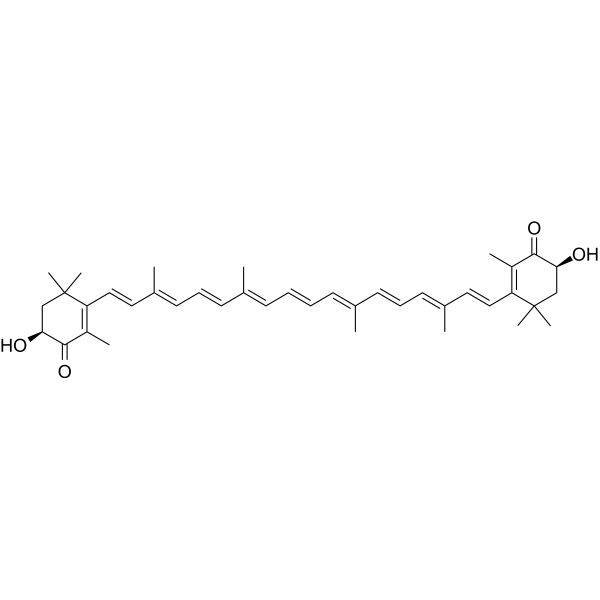
Astaxanthin, the red dietary carotenoid, is an orally effective and potent antioxidant. Astaxanthin inhibits NF-κB and down-regulates VEGF in blood glucose. Astaxanthin exerts anti-cancer cell proliferation, increases apoptosis, impairs migration and invasion by activating PPARγ and reducing the expression of STAT3. Astaxanthin also has neuroprotective and anti-inflammatory activity and can be used in studies of cancer, diabetic retinopathy, cardiovascular disease, and in the coloring of animal feed .
loading...
    loading...
16
16 Cited Publications
Cat. No.: HY-N0637
CAS No.: 552-58-9
Synonyms: Huazhongilexone
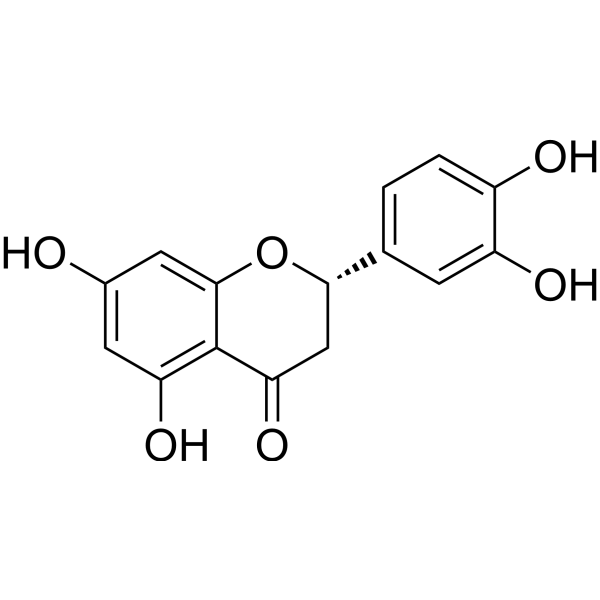
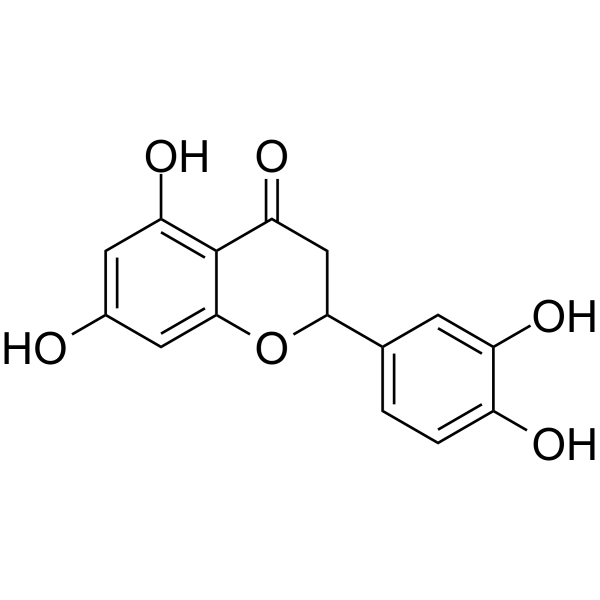
Eriodictyol ((±)-Huazhongilexone; Dihydroluteolin) is an orally active TRPV1 receptor antagonist (IC50=44-47 nM, rTRPV1) with antioxidant and anti-inflammatory activities. Eriodictyol effectively inhibits lipid peroxidation and the release of proinflammatory cytokines by specifically antagonizing the TRPV1 receptor and activating the Nrf2 signaling pathway. Eriodictyol reduces the levels of ICAM-1, VEGF, eNOS and TNF-α in the retina and maintains the integrity of the blood-retinal barrier. Eriodictyol alleviates oxidative stress-induced apoptosis and hyperalgesia, enhances the activity and cytotoxicity of immune cells (such as B lymphocytes, NK cells and macrophages), and increases the levels of antioxidant enzymes simultaneously. Eriodictyol can be used in the research of diabetic retinopathy, acute lung injury and various pain-related diseases .
loading...
    loading...
5
5 Cited Publications
Cat. No.: HY-112482
CAS No.: 214697-26-4
ABT-702 (Adenosine Kinase Inhibitor) is a potent, orally active, and selective adenosine kinase (AK) inhibitor with an IC50 of 1.7 nM. ABT-702 shows >1300-fold selectivity for AK over other biological targets, including cyclooxygenases-1 and -2. ABT-702 attenuates inflammation in diabetic retinopathy by increasing free adenosine levels. ABT-702 shows analgesic and anti-inflammatory effects in vivo. ABT-702 can be used for diabetic retinopathy research .
loading...
    loading...
5
5 Cited Publications
Cat. No.: HY-112482A
CAS No.: 2624336-92-9
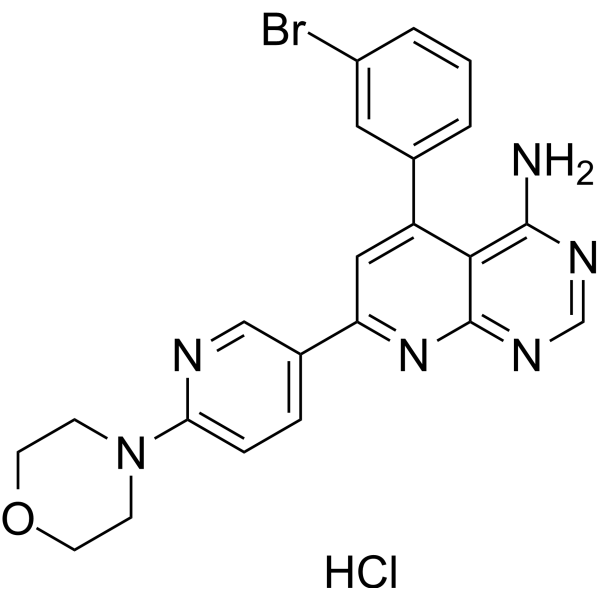
ABT-702 hydrochloride is a potent, orally active, and selective adenosine kinase (AK) inhibitor with an IC50 of 1.7 nM. ABT-702 hydrochloride shows >1300-fold selectivity for AK over other biological targets, including cyclooxygenases-1 and -2. ABT-702 hydrochloride attenuates inflammation in diabetic retinopathy by increasing free adenosine levels. ABT-702 hydrochloride shows analgesic and anti-inflammatory effects in vivo. ABT-702 hydrochloride can be used for diabetic retinopathy research .
loading...
    loading...
4
4 Cited Publications
Cat. No.: HY-111174
CAS No.: 90614-48-5
Purity:  99.41%
Synonyms: Ile-Pro-Ile
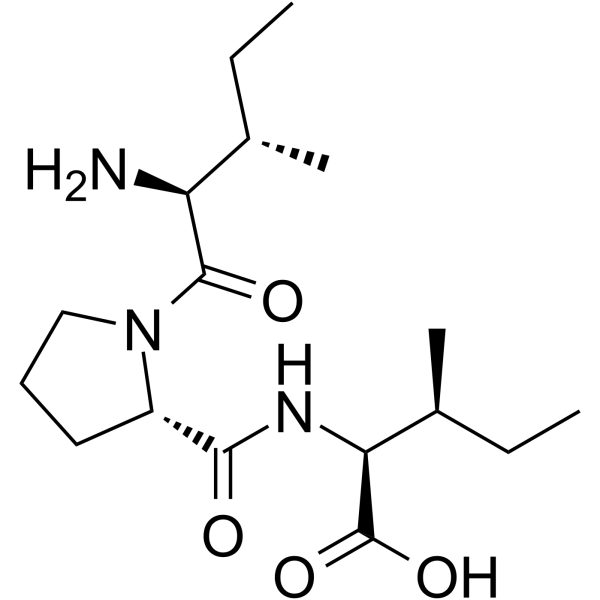
Diprotin A (Ile-Pro-Ile) is an inhibitor of dipeptidyl peptidase IV (DPP-IV) .
loading...
    loading...
2
2 Cited Publications
Cat. No.: HY-Y0669
CAS No.: 535-75-1
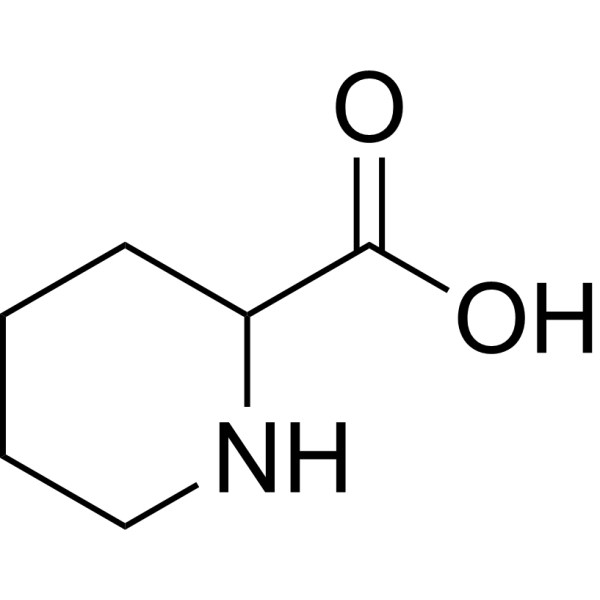
Pipecolic acid is an orally bioavailable, blood-brain barrier-permeable metabolite of lysine with antioxidant, inhibitor, and inducer activity. Pipecolic acid modulates the YAP-GPX4 signaling pathway, reduces retinal vascular tube formation, and mitigates ferroptosis. Pipecolic acid potentiates voltage-sensitive Ca 2+ channel currents and induces neuronal apoptosis. Pipecolic acid can be used for the research of diabetic retinopathy .
loading...
    loading...
1
1 Cited Publications
Cat. No.: HY-B1670A
CAS No.: 5984-95-2
Synonyms: Levisoprenaline hydrochloride; Proternol L hydrochloride
Target:  

Caspase TNF Receptor

Research Areas:  

Metabolic Disease

(-)-Isoproterenol (Levisoprenalinel) hydrochloride is the R-isomer of Isoproterenol. (-)-Isoproterenol hydrochloride can reduce the cleavage of caspase 3 and TNFα levels in retinal endothelial cells (REC). (-)-Isoproterenol hydrochloride can be used for the study of diabetic retinopathy .
loading...
    loading...
1
1 Cited Publications
Cat. No.: HY-129380
CAS No.: 21291-40-7
Purity:  ≥97.0%
Synonyms: Fructoselysine
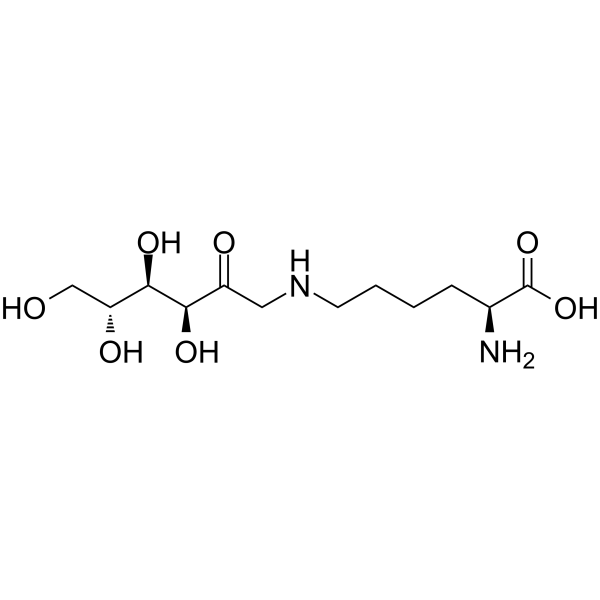
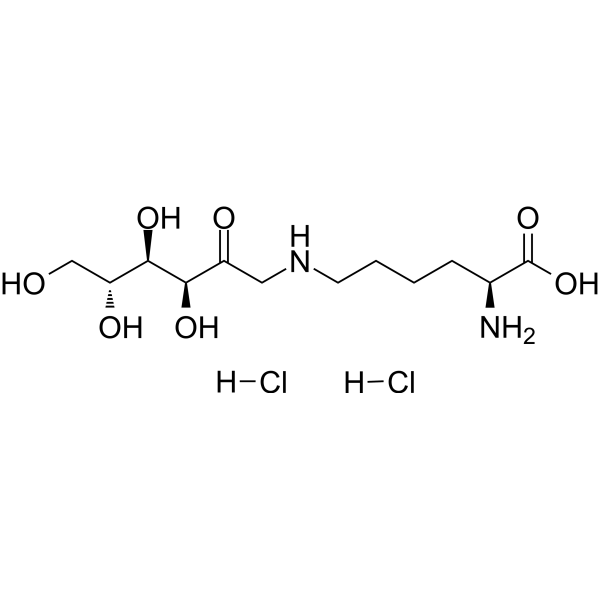
Fructosyl-lysine (Fructoselysine) is an amadori glycation product from the reaction of glucose and lysine by the Maillard reaction. Fructosyl-lysine is the precursor to glucosepane, a lysine–arginine protein cross-link that can be an indicator in diabetes?detection .
loading...
    loading...
1
1 Cited Publications
Cat. No.: HY-111603
CAS No.: 20123-80-2
Purity:  99.82%
Target:  

Apoptosis

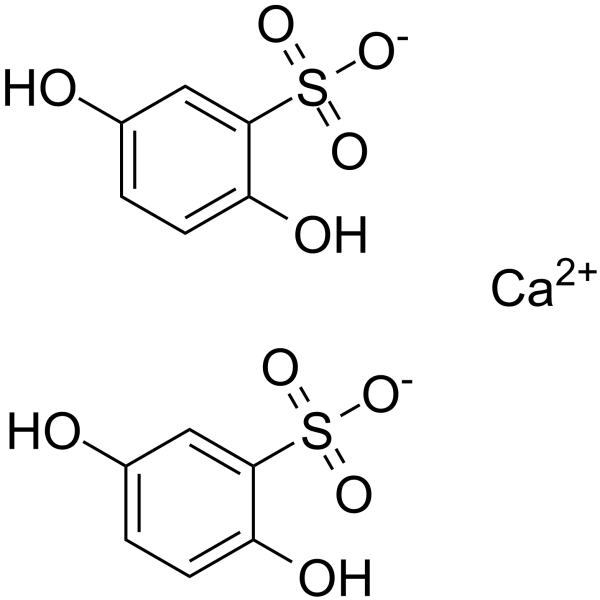
Calcium dobesilate is a vascular protector with oral activity that can clear hydroxyl free radicals, with an IC50 of 1.1 pM. Calcium dobesilate has antioxidant activity and helps to reduce oxidative stress and inflammation in the retinas of diabetic mice. Calcium dobesilate can be used to study chronic venous diseases, diabetic retinopathy, and the occurrence of hemorrhoids, among other conditions .
loading...
    loading...
1
1 Cited Publications
Cat. No.: HY-N0665
CAS No.: 39011-92-2
Synonyms: (8E)-Nuezhenide
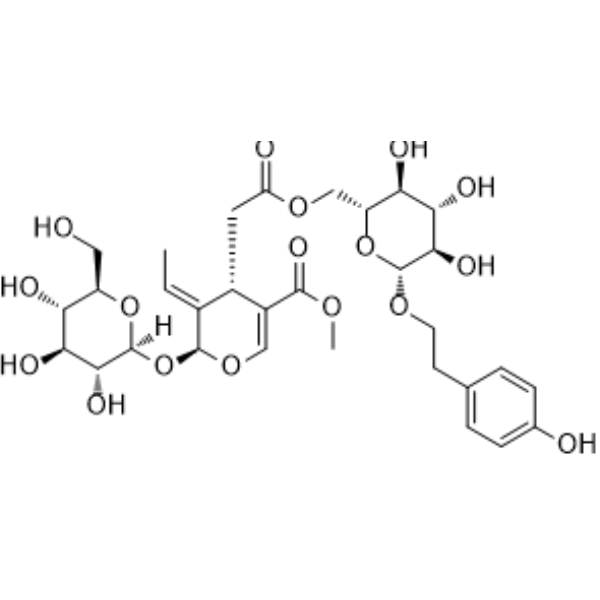
Specnuezhenide ((8E)-Nuezhenide) is isolated from the fruits of Ligustrum lucidum. Specnuezhenide ((8E)-Nuezhenide) can inhibit IL-1β-induced inflammation in chondrocytes via inhibition of NF-κB and wnt/β-catenin signaling. Specnuezhenide ((8E)-Nuezhenide) exerts anti-inflammatory effects in a rat model of osteoarthritis (OA) .
loading...
    loading...
1
1 Cited Publications
Cat. No.: HY-139170
CAS No.: 2247240-76-0
Purity:  99.77%
Target:  

ROCK

Research Areas:  

Metabolic Disease

CAY10746 is a selective Rho kinase (ROCK) inhibitor. CAY10746 has inhibitory activity for ROCK I, ROCK II with IC50 values of 0.014 μM and 0.003 μM, respectively. CAY10746 can be used for the research of diabetic retinopathy (DR) .
loading...
    loading...
1
1 Cited Publications
Cat. No.: HY-129380A
CAS No.: 96192-35-7
Purity:  ≥95.0%
Synonyms: Fructoselysine dihydrochloride
Fructosyl-lysine (Fructoselysine) dihydrochloride is an amadori glycation product from the reaction of glucose and lysine by the Maillard reaction. Fructosyl-lysine dihydrochloride is the precursor to glucosepane, a lysine–arginine protein cross-link that can be an indicator in diabetes detection .
loading...
    loading...
Cat. No.: HY-N0637A
CAS No.: 4049-38-1
Synonyms: (±)-Huazhongilexone; Dihydroluteolin
(±)-Eriodictyol ((±)-Huazhongilexone; Dihydroluteolin) is an orally active TRPV1 receptor antagonist (IC50=44-47 nM, rTRPV1) with antioxidant and anti-inflammatory activities. (±)-Eriodictyol effectively inhibits lipid peroxidation and the release of proinflammatory cytokines by specifically antagonizing the TRPV1 receptor and activating the Nrf2 signaling pathway. (±)-Eriodictyol reduces the levels of ICAM-1, VEGF, eNOS and TNF-α in the retina and maintains the integrity of the blood-retinal barrier. (±)-Eriodictyol alleviates oxidative stress-induced apoptosis and hyperalgesia, enhances the activity and cytotoxicity of immune cells (such as B lymphocytes, NK cells and macrophages), and increases the levels of antioxidant enzymes simultaneously. (±)-Eriodictyol can be used in the research of diabetic retinopathy, acute lung injury and various pain-related diseases .
loading...
    loading...
Cat. No.: HY-150069
CAS No.: 2271269-01-1
Purity:  99.16%
Target:  

Bcl-2 Family Apoptosis

Research Areas:  

Metabolic Disease

UBX1325 is an Bcl-xL inhibitor that promotes apoptosis in senescent cells. UBX1325 is a potent anti-aging agent that can be used in studies of age-related eye diseases such as diabetic macular oedema (DME), age-related macular degeneration (AMD) and diabetic retinopathy (DR) .
loading...
    loading...
Cat. No.: HY-N2896
CAS No.: 465-00-9
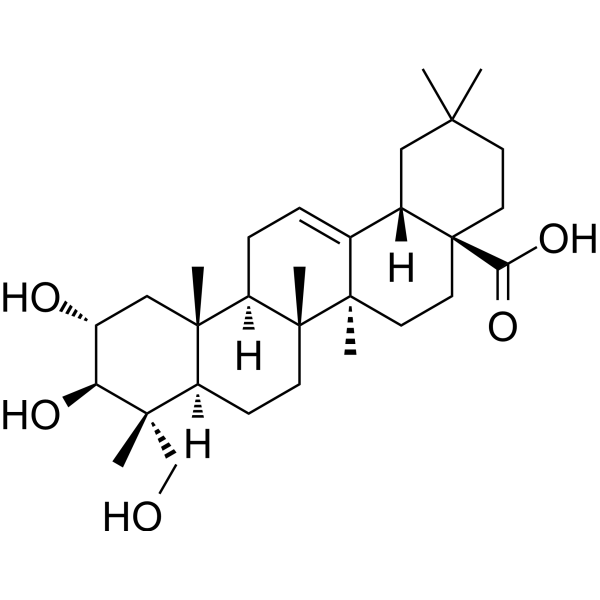
Arjunolic acid is an orally active, multifunctional bioactive compound. Arjunolic acid exhibits free radical scavenging activity, as well as fungal and bacterial activities. Arjunolic acid induces apoptosis (Apoptosis) in various cancer cells. Arjunolic acid protects hepatocytes against induced oxidative stress and apoptosis by reducing reactive oxygen species and inhibiting NF-κB activation. Arjunolic acid regulates pancreatic dysfunction in type 2 diabetic rats by blocking the activation of the TLR-4/MyD88 and canonical Wnt pathways. Arjunolic acid inhibits neuroinflammation and ameliorates depressive behaviors via the SIRT1/AMPK/Notch1 signaling pathway in microglia. Arjunolic acid improves Crohn's disease-like colitis by restoring gut microbiota composition and inhibiting TLR4 signaling. Arjunolic acid suppresses osteosarcoma progression by inhibiting Wnt3a-mediated M2 polarization of macrophages. Arjunolic acid ameliorates diabetic retinopathy via the autophagy pathway regulated by AMPK/mTOR/HO-1. Arjunolic acid is applicable to research related to type 2 diabetes, organ toxicity, depression, Crohn's disease, osteosarcoma, diabetic retinopathy, and testicular dysfunction .
loading...
    loading...
Cat. No.: HY-W015422
CAS No.: 5154-02-9
Target:  

PARP

Research Areas:  

Metabolic Disease

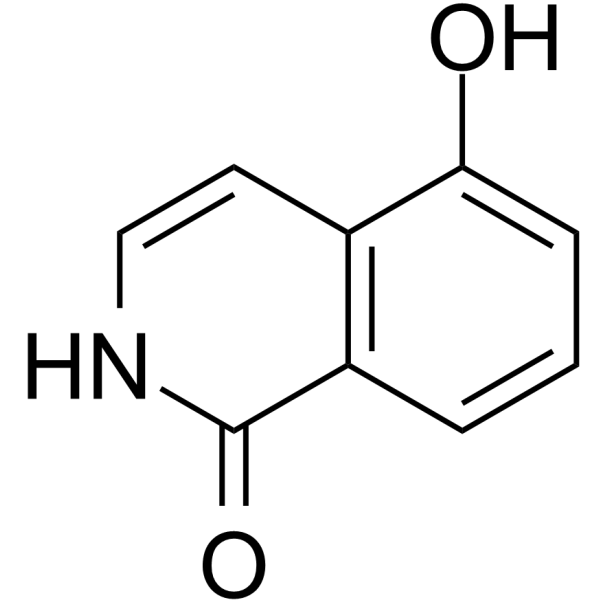
1,5-Isoquinolinediol is a potent PARP inhibitor, with an IC50 of 0.18-0.37 μM. 1,5-Isoquinolinediol attenuates diabetes-induced NADPH oxidase-derived oxidative stress in retina .
loading...
    loading...
Cat. No.: HY-N3677
CAS No.: 14351-29-2
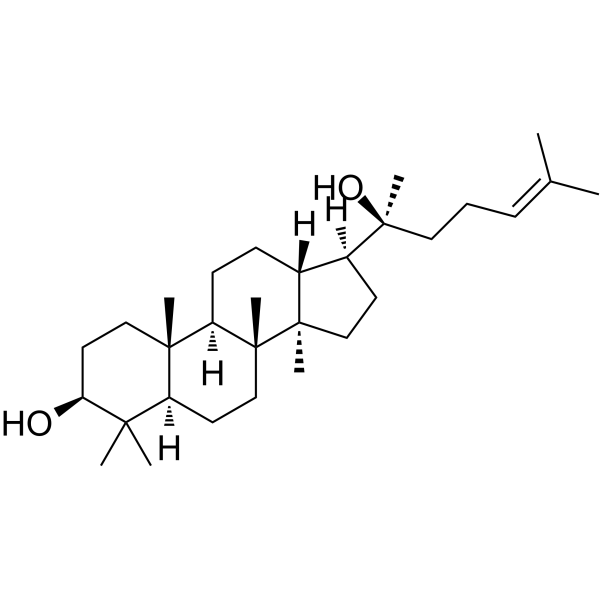
Dammarenediol II is a ginsenoside precursor . Dammarenediol II reduces the activity of O-GlcNAc transferase (OGT) and downregulates the global O-GlcNAcylation level. Dammarenediol II inhibits the phosphorylation of Akt, mTOR and GSK3β. Dammarenediol II inhibits human carboxylesterase activity, VEGF-induced ROS production, stress fiber formation and vascular endothelial cadherin disruption. Dammarenediol II promotes cell apoptosis (apoptosis), increases the levels of cleaved PARP1 and p53, and inhibits retinal microvascular leakage. Dammarenediol II can be used in studies related to liver cancer and diabetic retinopathy .
loading...
    loading...
Cat. No.: HY-P1615
CAS No.: 1006388-38-0
Synonyms: UPARANT
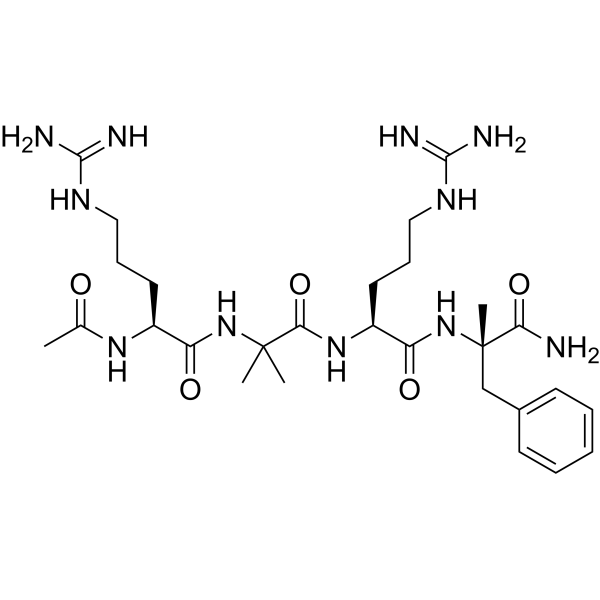
Cenupatide (UPARANT) is a uPAR and FPR antagonist with anti-angiogenic, anti-inflammatory, and vascular barrier regulatory activities, as well as high stability and resistance to enzymatic degradation in blood/plasma. Cenupatide blocks the uPAR-FPR interaction, reduces VEGF-induced phosphorylation levels of AKT, VEGFR-2, STAT3, JNK, p38 MAPK, ERK1/2, and NF-κB p65, and inhibits αvβ3 integrin activation. Cenupatide suppresses endothelial cell migration, invasion, tube formation, and angiogenic signaling pathways, restores tight junctions and blood-retinal barrier integrity, reduces pro-inflammatory marker levels, and inhibits apoptosis. Cenupatide reduces retinal neovascularization, renal fibrosis, and vascular leakage, and restores visual function in preclinical models. Cenupatide is applicable to research related to retinopathy, diabetic complications, ocular diseases, cancer, and inflammatory diseases .
loading...
    loading...
Cat. No.: HY-Y0669S
CAS No.: 790612-94-1
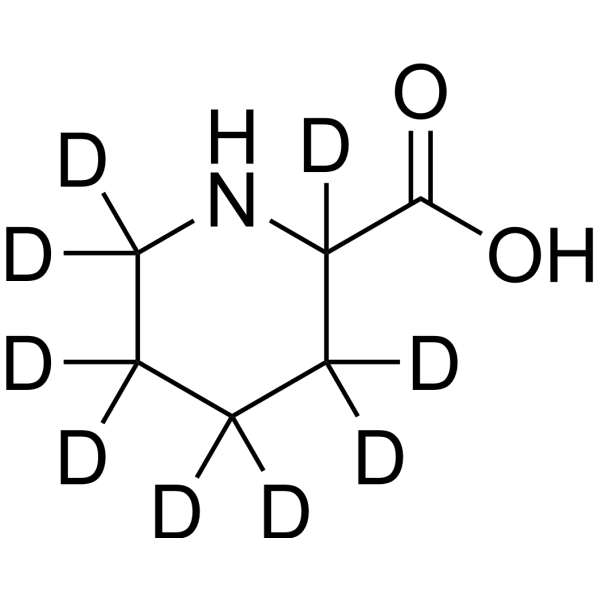
Pipecolic acid-d9 is the deuterium labeled Pipecolic acid. Pipecolic acid is a metabolite of lysine and an important precursor for many useful microbial secondary metabolites. Pipecolic acid slows ferroptosis in diabetic retinopathy by inhibiting the YAP-GPX4 signaling pathway. In addition, Pipecolic acid can be used as a diagnostic marker for pyridoxine-dependent epilepsy .
loading...
    loading...
Cat. No.: HY-111603R
CAS No.: 20123-80-2
Research Areas:  

Others

Calcium dobesilate (Standard) is the analytical standard of Calcium dobesilate. This product is intended for research and analytical applications. Calcium dobesilate, a vasoprotective, is widely used in chronic venous disease, diabetic retinopathy and the symptoms of haemorrhoidal attack in many countries.
loading...
    loading...

