27 Results for "

ER membranes

" in MedChemExpress (MCE) Product Catalog:
Products (27)

27 Results for "ER membranes" in MCE Product Catalog:

10
10 Publications Verification
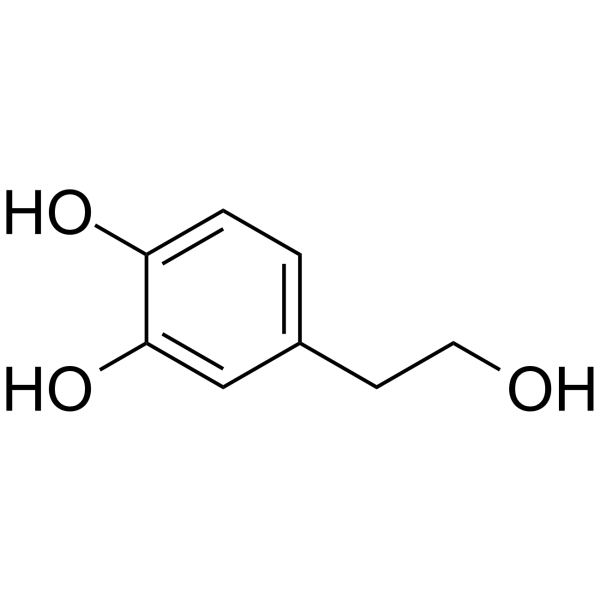
Cat. No.: HY-N0570
CAS No.: 10597-60-1
Synonyms: DOPET; 3,4-Dihydroxyphenethyl alcohol; 3-Hydroxytyrosol
Hydroxytyrosol (DOPET; 3,4-Dihydroxyphenethyl alcohol) is an orally active, blood-brain barrier-permeable multi-active compound with multiple effects including antibacterial, antioxidant, anti-platelet aggregation, and neuroprotective activities. Hydroxytyrosol not only inhibits the growth of Vibrio by increasing bacterial membrane permeability, but also interacts with DNA and mediates supercoiled DNA relaxation. Meanwhile, Hydroxytyrosol effectively reduces thrombosis and inhibits lipid oxidation by inhibiting COX activity and promoting vascular nitric oxide production. In terms of neuroprotection, Hydroxytyrosol significantly alleviates neuronal apoptosis and inflammatory responses by up-regulating the expression level of ERβ, thereby improving cognitive function in Alzheimer's disease models. Hydroxytyrosol has been widely used in scientific research related to Vibrio infection, arterial thrombosis, Alzheimer's disease and other related fields .
loading...
    loading...
5
5 Cited Publications
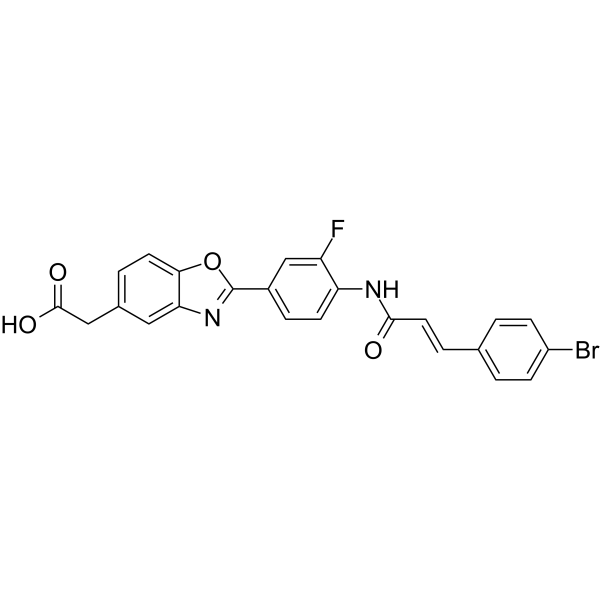
Cat. No.: HY-100898
CAS No.: 853929-59-6
Purity:  99.58%
Target:  

Glycosidase

Research Areas:  

Cancer

OGT 2115 is a potent, cell-permeable and orally active heparanase inhibitor with an IC50 of 0.4 μM. OGT 2115 has anti-angiogenic properties (IC50 of 1 μM). OGT 2115 also inhibits heparan sulfate degradation activity .
loading...
    loading...
2
2 Cited Publications
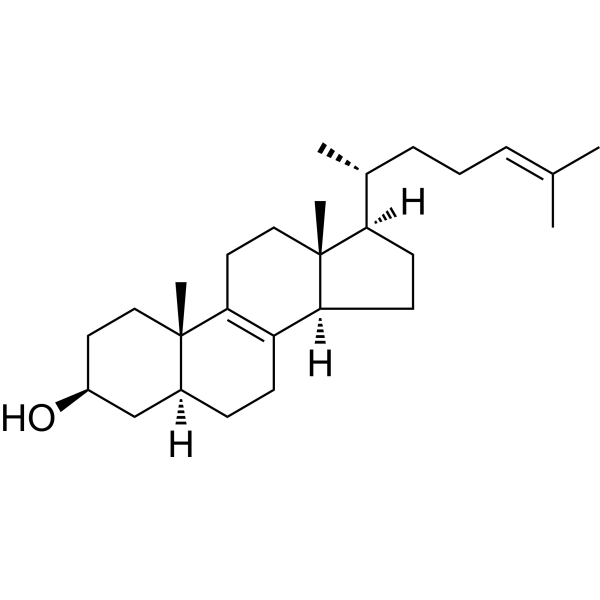
Cat. No.: HY-114297
CAS No.: 128-33-6
Purity:  99.47%
Zymosterol is a Cholesterol (HY-N0322) biosynthesis metabolite. Zymosterol, a precursor of Cholesterol, is found mostly in the plasma membrane. Zymosterol circulates within the cell .
loading...
    loading...
Cat. No.: HY-N16308
CAS No.: 3091879-77-2
Category:  

Lipids

Target:  

Fluorescent Dye

ER-Laurdan is a derivative of the membrane-permeable fluorescent probe Laurdan (HY-D0080) that targets the endoplasmic reticulum (ER). As a membrane fluidity reporter, ER-Laurdan specifically localizes to the ER luminal membrane, and exhibits a prominent solvatochromic response to fluidity changes caused by membrane packing and exogenous saturated fatty acid stress. ER-Laurdan shows no overlapping localization with mitochondria, enables quantitative analysis of ER membrane fluidity via generalized polarization ratio measurement, and allows automatic signal masking with the help of ER markers. With high specificity and quantitative capability, ER-Laurdan serves as an important tool for investigating metabolic disorders and associated changes in the physical properties of cell membranes .
loading...
    loading...
Cat. No.: HY-112747
CAS No.: 97281-51-1
Synonyms: LPI; PE (soy)
Target:  

Phospholipase

Research Areas:  

Infection

Soy PE (LPI) is the most abundant phospholipid in prokaryotes and the second most abundant found in the membrane of mammalian, plant, and yeast cells, comprising approximately 25% of total mammalian phospholipids. In the brain, phosphatidylethanolamine comprises almost half of the total phospholipids. It is synthesized mainly through the cytidine diphosphate-ethanolamine and phosphatidylserine decarboxylation pathways, which occur in the endoplasmic reticulum (ER) and mitochondrial membranes, respectively. It is a precursor in the synthesis of phosphatidylcholine and arachidonoyl ethanolamide and is a source of ethanolamine used in various cellular functions. In E.coli, phosphatidylethanolamine deficiency prevents proper assembly of lactose permease, suggesting a role as a lipid chaperone. It is a cofactor in the propagation of prions in vitro and can convert recombinant mammalian proteins into infectious molecules even in the absence of RNA. This product contains phosphatidylethanolamine molecular species with variable fatty acyl chain lengths at the sn-1 and sn-2 positions .
loading...
    loading...
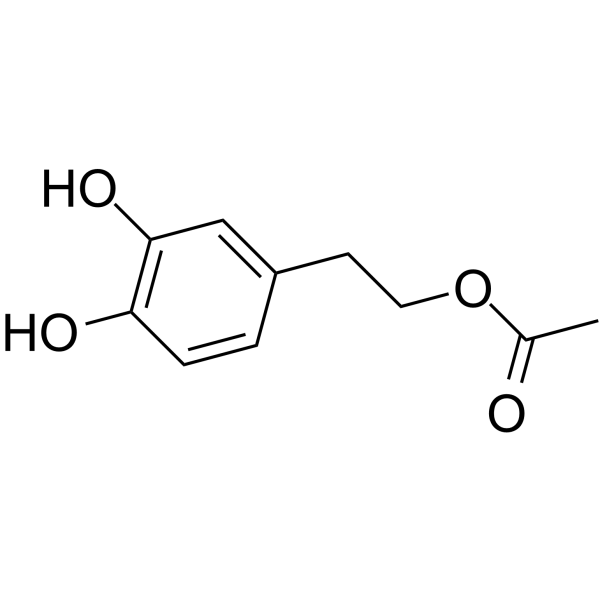
Cat. No.: HY-N6043
CAS No.: 69039-02-7
Hydroxytyrosol acetate is an orally active, blood-brain barrier-permeable multi-active compound with multiple effects including antibacterial, antioxidant, anti-platelet aggregation, and neuroprotective activities. Hydroxytyrosol acetate not only inhibits the growth of Vibrio by increasing bacterial membrane permeability, but also interacts with DNA and mediates supercoiled DNA relaxation. Meanwhile, Hydroxytyrosol acetate effectively reduces thrombosis and inhibits lipid oxidation by inhibiting COX activity and promoting vascular nitric oxide production. In terms of neuroprotection, Hydroxytyrosol acetate significantly alleviates neuronal apoptosis and inflammatory responses by up-regulating the expression level of ERβ, thereby improving cognitive function in Alzheimer's disease models. Hydroxytyrosol acetate has been widely used in scientific research related to Vibrio infection, arterial thrombosis, Alzheimer's disease and other related fields .
loading...
    loading...
Cat. No.: HY-125703
CAS No.: 41743-44-6
Purity:  99.23%
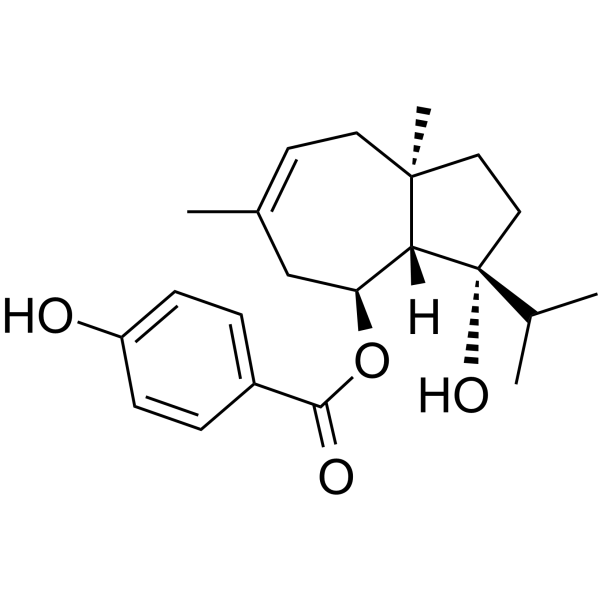
Ferutinin, a natural terpenoid compound, is an estrogen receptor ERα agonist and estrogen ERβ-receptor agonist/antagonist with IC50s of 33.1 nM and 180.5 nM, respectively. Ferutinin acts as an electrogenic Ca 2+-ionophore that increases calcium permeability of lipid bilayer membranes, mitochondria. Ferutinin possesses estrogenic, antitumor, antibacterial and antiinflammatory activities .
loading...
    loading...
Cat. No.: HY-114849
CAS No.: 27314-13-2
Purity:  99.94%
Synonyms: SAN 9789
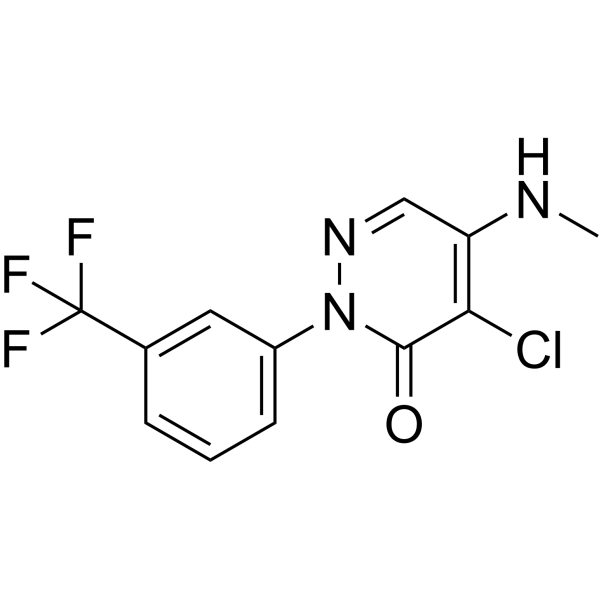
Norflurazon (SAN 9789) is a pre-emergence Herbicide. Norflurazon non-competitively inhibits phytoene desaturase by competing with the enzyme cofactor and disrupts carotenoid biosynthesis, thereby leading to chlorophyll photodegradation and chlorosis. Norflurazon inhibits MGDG synthase, CDP-choline phosphotransferase, Omega-3 FAD7 desaturase, and PG delta-3-trans desaturase, and activates LysoPC-acyltransferase and Omega-3 FAD3 desaturase. Norflurazon inhibits photosynthetic membrane organization, mitochondrial respiration, ATP production, PI3K signaling, and ERK1/2 phosphorylation. Norflurazon activates MAPK P38 phosphorylation and ER stress signaling. Norflurazon induces morphological malformations and cardiovascular effects in zebrafish embryos .
loading...
    loading...
Cat. No.: HY-N0570R
CAS No.: 10597-60-1
Synonyms: DOPET (Standard); 3,4-Dihydroxyphenethyl alcohol (Standard); 3-Hydroxytyrosol (Standard)
Hydroxytyrosol (Standard) (DOPET (Standard)) is the analytical standard of Hydroxytyrosol (HY-N0570). This product is intended for research and analytical applications. Hydroxytyrosol is an orally active, blood-brain barrier-permeable multi-active compound with multiple effects including antibacterial, antioxidant, anti-platelet aggregation, and neuroprotective activities. Hydroxytyrosol not only inhibits the growth of Vibrio by increasing bacterial membrane permeability, but also interacts with DNA and mediates supercoiled DNA relaxation. Meanwhile, Hydroxytyrosol effectively reduces thrombosis and inhibits lipid oxidation by inhibiting COX activity and promoting vascular nitric oxide production. In terms of neuroprotection, Hydroxytyrosol significantly alleviates neuronal apoptosis and inflammatory responses by up-regulating the expression level of ERβ, thereby improving cognitive function in Alzheimer's disease models. Hydroxytyrosol has been widely used in scientific research related to Vibrio infection, arterial thrombosis, Alzheimer's disease and other related fields .
loading...
    loading...
Cat. No.: HY-D2320
CAS No.: 2334078-37-2
ER Flipper-TR 28 is a flipper probe with a small molecule fluorophore that can image membrane tension in the endoplasmic reticulum (ER). ER Flipper-TR 28 bears a pentafluorophenyl group and also reacts with protein thiolate on the ER surface facing the cytoplasm .
loading...
    loading...
Cat. No.: HY-N7875
CAS No.: 116159-73-0
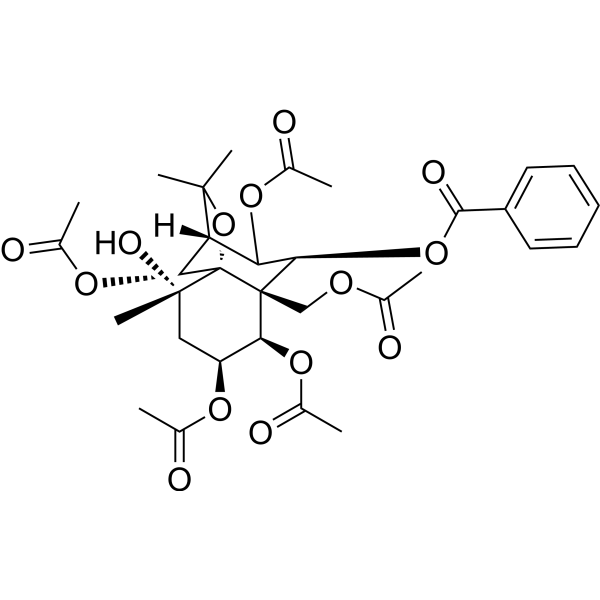
Celangulin is an insecticidal component isolated from Celastrus angulatus. Celangulin activates the calcium channel on the plasma membrane with increasing the intracellular Ca 2+ after influx from the external. Celangulin activates the calcium channel in the ER .
loading...
    loading...
Cat. No.: HY-131688
CAS No.: 19117-92-1
Purity:  99.88%
Target:  

PARP Caspase

Research Areas:  

Inflammation/Immunology

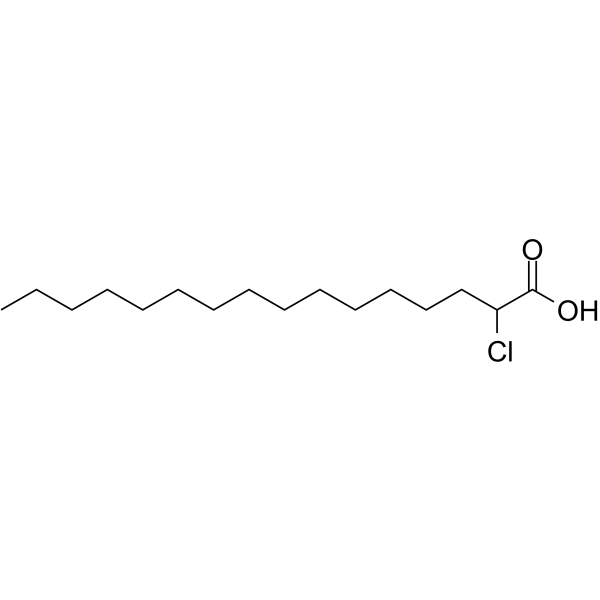
2-Chlorohexadecanoic acid, an inflammatory lipid mediator, interferes with protein palmitoylation,induces ER-stress markers, reduced the ER ATP content, and activates transcription and secretion of IL-6 as well as IL-8.2-Chlorohexadecanoic acid disrupts the mitochondrial membrane potential and induces procaspase-3 and PARP cleavage.2-Chlorohexadecanoic acid can across blood-brain barrier (BBB) and compromises ER- and mitochondrial functions in the human brain endothelial cell line hCMEC/D3 .
loading...
    loading...
Cat. No.: HY-164634
CAS No.: 215098-90-1
CLIK-148 is a highly selective, irreversible and orally active cysteine protease inhibitor, primarily targeting Cathepsin L. CLIK-148 effectively inhibits the Cathepsin L-dependent degradation of HMG-CoA reductase in the endoplasmic reticulum (ER) membrane. CLIK-148 inhibits the processing of proCCK by Cathepsin L, thereby reducing the production of CCK8 (HY-P0093). CLIK-148 inhibits the degradation of type I collagen by osteoclasts' secreted Cathepsin L, reducing tumor-induced bone metastasis and malignant hypercalcemia. CLIK-148 can be used for the studies of bone metabolism disorders and regulation of neuropeptide processing .
loading...
    loading...
Cat. No.: HY-121337
CAS No.: 61213-25-0
Purity:  99.61%
Synonyms: R-40244
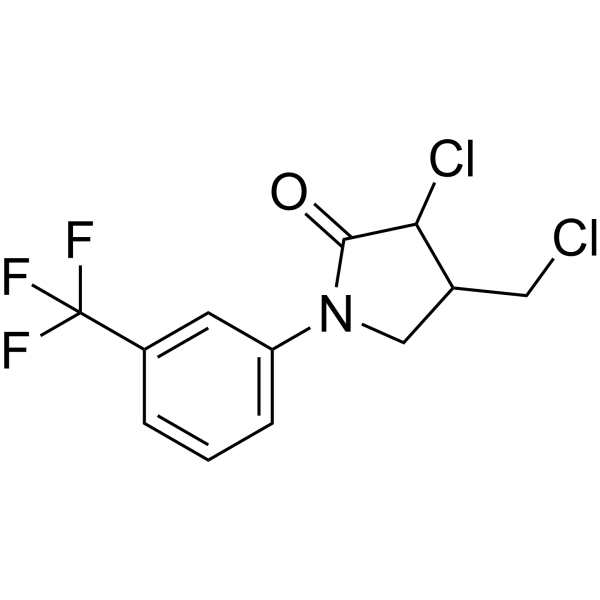
Flurochloridone (R-40244) is an orally active herbicide and an inducer of ER stress, apoptosis, and cytotoxicity. Flurochloridone upregulates GRP78 and activates the PERK-eIF2α-ATF4 UPR axis, ATF6, CHOP, Bax, and Bim. Flurochloridone decreases Akt, p-Akt, GSK3β, and p-GSK3β levels, and induces ROS, oxidative stress, γ-glutamyl cycle activation, and GSH accumulation. Flurochloridone inhibits mitochondrial respiration and ATP production while enhancing glycolysis and cell viability inhibition. Flurochloridone inhibits spermatogonial proliferation, spermatocyte meiosis, and sperm mitochondrial membrane potential, and induces Sertoli cell apoptosis and mitochondrial damage. Flurochloridone non-competitively binds phytoene desaturase, blocking phytoene desaturation and carotenoid synthesis, leading to leaf bleaching and phytotoxicity. Flurochloridone can be used for research on male reproductive toxicity, hepatotoxicity, and as a herbicide .
loading...
    loading...
Cat. No.: HY-175591
Photosensitizer-7 is a endoplasmic reticulum (ER)-targeted photosensitizer (PS) (λab = 610 nm, λem = 622 nm). Photosensitizer-7shows an IC50 of 4.006 μM in HeLa cells and 3.28 μM in MCF-7 cells under light irradiation. Photosensitizer-7 exhibits dose-dependent cellular uptake and predominant colocalization with ER. Photosensitizer-7 induces dose-dependent intracellular ROS generation, reduces mitochondrial membrane potential, and increases apoptosis upon light irradiation in cells. Photosensitizer-7 significantly inhibits tumor growth in MCF-7 tumor-bearing mice. Photosensitizer-7 can be used for the study of photodynamic anticancer applications .
loading...
    loading...
Cat. No.: HY-N0570S
CAS No.: 1330260-89-3
Synonyms: DOPET-d4; 3,4-Dihydroxyphenethyl alcohol-d4; 3-Hydroxytyrosol-d4
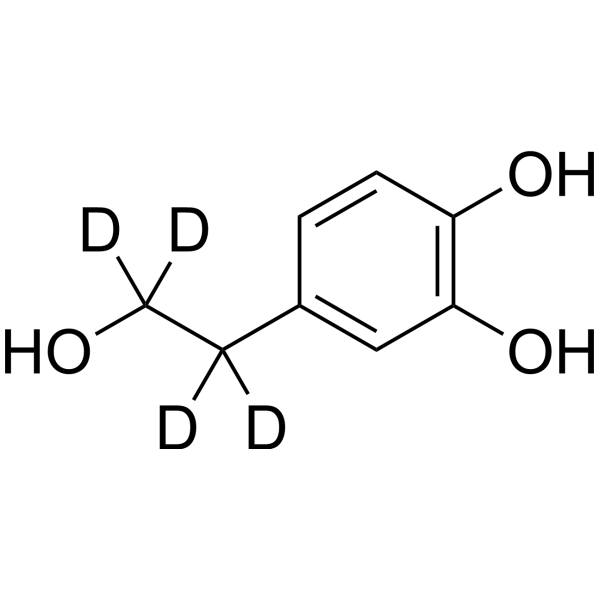
Hydroxytyrosol-d4 (DOPET-d4) is the deuterium labeled Hydroxytyrosol (HY-N0570). Hydroxytyrosol is an orally active, blood-brain barrier-permeable multi-active compound with multiple effects including antibacterial, antioxidant, anti-platelet aggregation, and neuroprotective activities. Hydroxytyrosol not only inhibits the growth of Vibrio by increasing bacterial membrane permeability, but also interacts with DNA and mediates supercoiled DNA relaxation. Meanwhile, Hydroxytyrosol effectively reduces thrombosis and inhibits lipid oxidation by inhibiting COX activity and promoting vascular nitric oxide production. In terms of neuroprotection, Hydroxytyrosol significantly alleviates neuronal apoptosis and inflammatory responses by up-regulating the expression level of ERβ, thereby improving cognitive function in Alzheimer's disease models. Hydroxytyrosol has been widely used in scientific research related to Vibrio infection, arterial thrombosis, Alzheimer's disease and other related fields .
loading...
    loading...
Cat. No.: HY-N0570S1
Synonyms: DOPET-d5; 3,4-Dihydroxyphenethyl alcohol-d5; 3-Hydroxytyrosol-d5
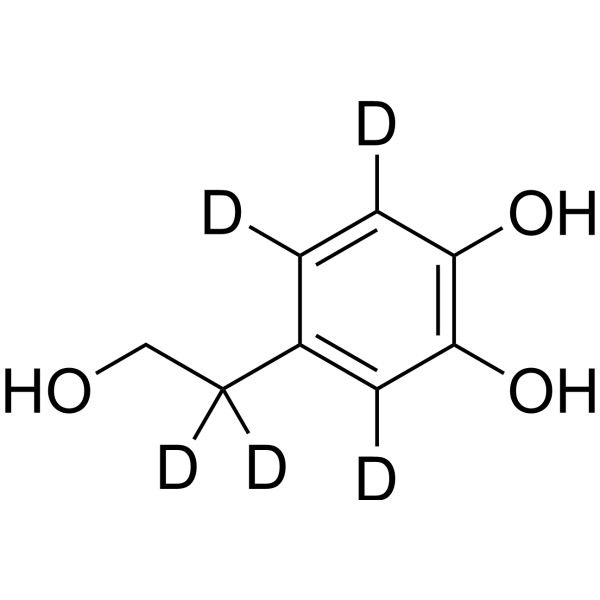
Hydroxytyrosol-d5 (DOPET-d5) is the deuterium labeled Hydroxytyrosol (HY-N0570). Hydroxytyrosol is an orally active, blood-brain barrier-permeable multi-active compound with multiple effects including antibacterial, antioxidant, anti-platelet aggregation, and neuroprotective activities. Hydroxytyrosol not only inhibits the growth of Vibrio by increasing bacterial membrane permeability, but also interacts with DNA and mediates supercoiled DNA relaxation. Meanwhile, Hydroxytyrosol effectively reduces thrombosis and inhibits lipid oxidation by inhibiting COX activity and promoting vascular nitric oxide production. In terms of neuroprotection, Hydroxytyrosol significantly alleviates neuronal apoptosis and inflammatory responses by up-regulating the expression level of ERβ, thereby improving cognitive function in Alzheimer's disease models. Hydroxytyrosol has been widely used in scientific research related to Vibrio infection, arterial thrombosis, Alzheimer's disease and other related fields .
loading...
    loading...
Cat. No.: HY-W067572
CAS No.: 85202-17-1
Synonyms: (-)-Stobadine
Research Areas:  

Cardiovascular Disease

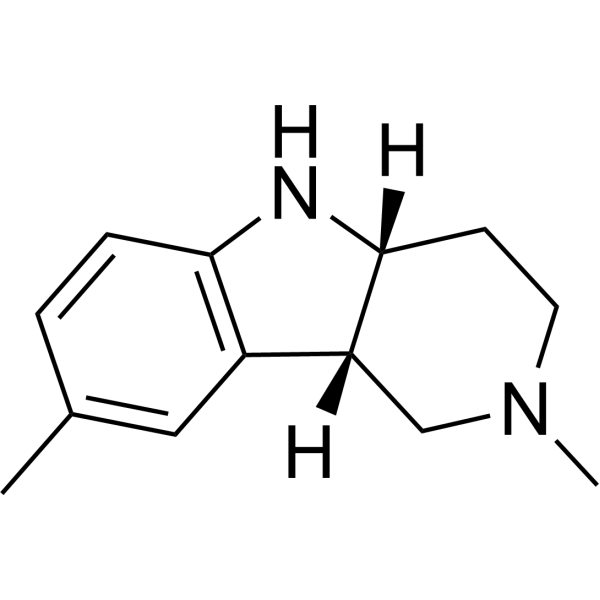
Stobadine is a potent antioxidant and prevents free radical induced alterations in ER membrane fluidity. Stobadine can be used for effective cardio- and neuroprotectants development based on antioxidant or free radical scavenging mechanisms of action .
loading...
    loading...
Cat. No.: HY-161874
Research Areas:  

Cancer

RPS6-IN-1 (Compound 22o) inhibits cell metastasis, induces cell apoptosis (increases the expression of Bax, p53, cleaved-caspase 3, and cleaved-PARP). RPS6-IN-1 decreases mitochondrial membrane potential. RPS6-IN-1 activates autophagy through the PI3K-Akt-mTOR signaling pathway, damages intracellular mitochondria and lysosomes, and cause ER stress. RPS6-IN-1 inhibits RPS6 phosphorylation. RPS6-IN-1 is an anticancer agent with low systemic toxicity .
loading...
    loading...
Cat. No.: HY-N6043R
CAS No.: 69039-02-7
Hydroxytyrosol acetate (Standard) is the analytical standard of Hydroxytyrosol (HY-N0570). This product is intended for research and analytical applications. Hydroxytyrosol acetate is an orally active, blood-brain barrier-permeable multi-active compound with multiple effects including antibacterial, antioxidant, anti-platelet aggregation, and neuroprotective activities. Hydroxytyrosol acetate not only inhibits the growth of Vibrio by increasing bacterial membrane permeability, but also interacts with DNA and mediates supercoiled DNA relaxation. Meanwhile, Hydroxytyrosol acetate effectively reduces thrombosis and inhibits lipid oxidation by inhibiting COX activity and promoting vascular nitric oxide production. In terms of neuroprotection, Hydroxytyrosol acetate significantly alleviates neuronal apoptosis and inflammatory responses by up-regulating the expression level of ERβ, thereby improving cognitive function in Alzheimer's disease models. Hydroxytyrosol acetate has been widely used in scientific research related to Vibrio infection, arterial thrombosis, Alzheimer's disease and other related fields .
loading...
    loading...

