5773 Results for "

G2/M checkpoint regulation

" in MedChemExpress (MCE) Product Catalog:
Products (5773)

5773 Results for "G2/M checkpoint regulation" in MCE Product Catalog:

197
197 Publications Verification
Cat. No.: HY-N0565A
CAS No.: 10592-13-9
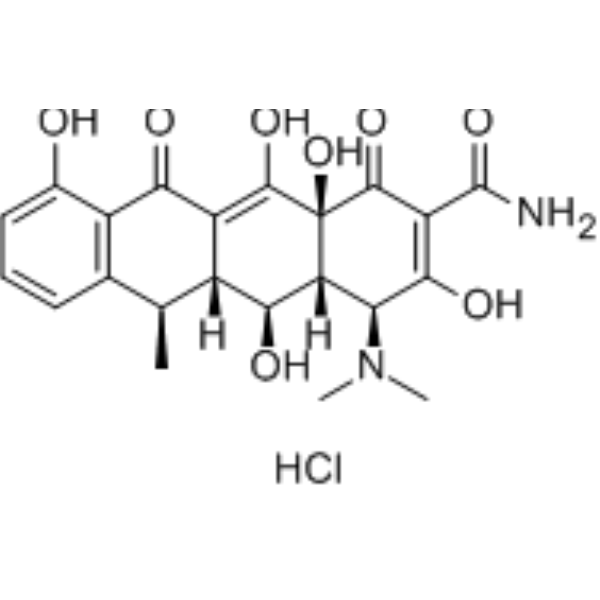
Doxycycline hydrochloride, an antibiotic, is an orally active and broad-spectrum metalloproteinase (MMP) inhibitor . Doxycycline hydrochloride shows antibacterial activity and anti-cancer cell proliferation activity. Doxycycline hydrochloride can be used to construct gene expression regulation models .
loading...
    loading...
197
197 Publications Verification
Cat. No.: HY-N0565B
CAS No.: 24390-14-5
Synonyms: Doxycycline hydrochloride hemiethanolate hemihydrate; WC2031
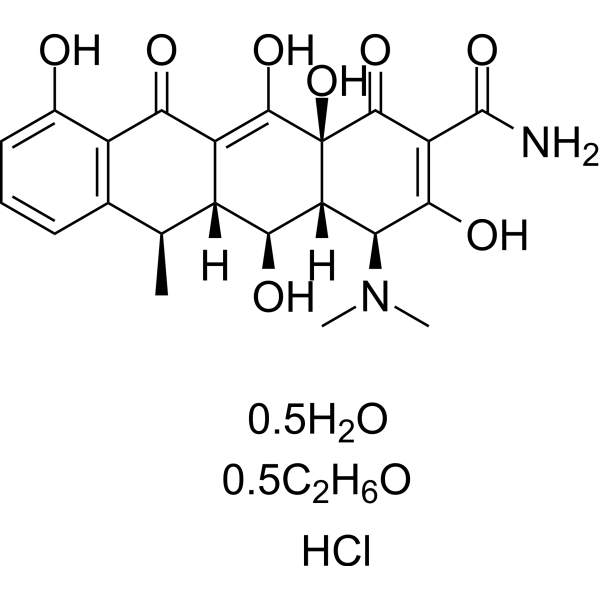
Doxycycline hyclate, an antibiotic, is an orally active and broad-spectrum metalloproteinase (MMP) inhibitor. Doxycycline hyclate shows antibacterial activity and anti-cancer cell proliferation activity. Doxycycline hyclate can be used to construct gene expression regulation models .
loading...
    loading...
109
109 Cited Publications
Cat. No.: HY-12270
CAS No.: 530141-72-1
Purity:  99.03%
Target:  

AP-1 MMP

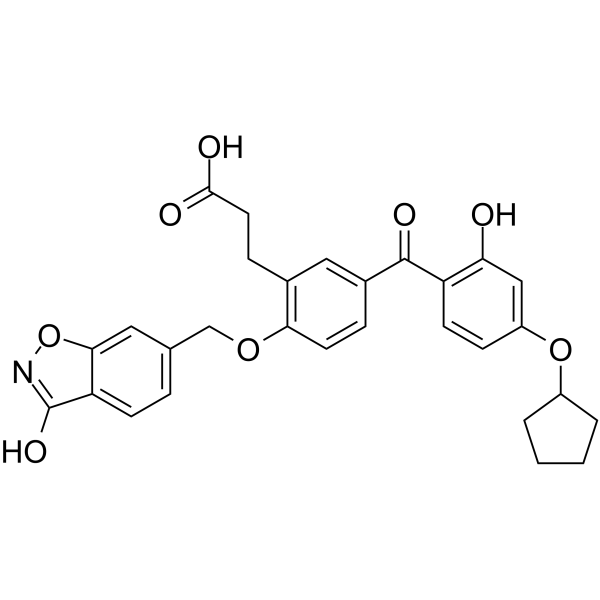
T-5224 is a transcription factor c-Fos/activator protein (AP)-1 inhibitor with anti-inflammatory effects, which specifically inhibits the DNA binding activity of c-Fos/c-Jun without affecting other transcription factors. T-5224 inhibits the IL-1β-induced up-regulation of Mmp-3, Mmp-13 and Adamts-5 transcription .
loading...
    loading...
68
68 Cited Publications
Cat. No.: HY-13426
CAS No.: 808118-40-3
Purity:  99.92%
Synonyms: FG-4592
Research Areas:  

Infection Cancer

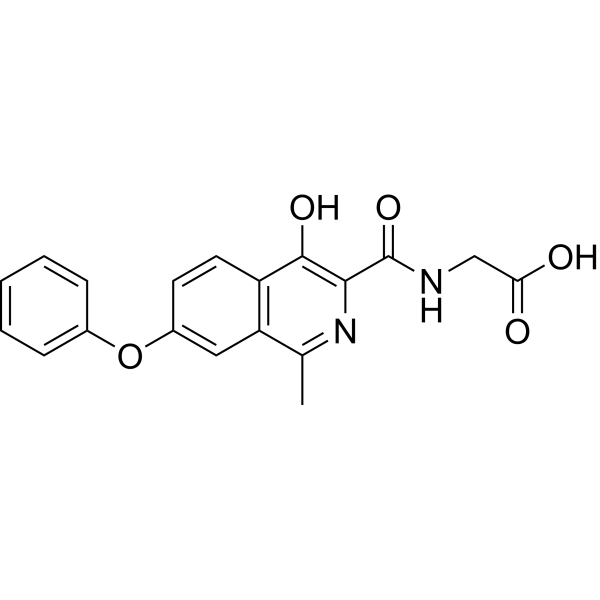
Roxadustat is an orally active hypoxia-inducible factor prolyl-hydroxylase (PHD) inhibitor (HIF-PHI) that promotes erythropoiesis through increasing endogenous erythropoietin, improving iron regulation, and reducing hepcidin .
loading...
    loading...
62
62 Cited Publications
Cat. No.: HY-Y1269
CAS No.: 12125-02-9
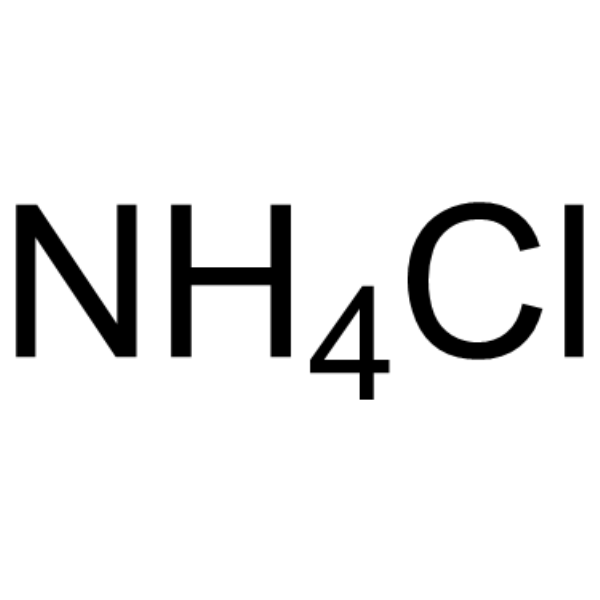
Ammonium chloride, as a heteropolar compound with pH value regulation, can cause intracellular alkalization and metabolic acidosis thus effecting enzymatic activity and influencing the process of biological system. Ammonium chloride is an autophagy inhibitor. Ammonium chloride is also a lysosome inhibitor .
loading...
    loading...
39
39 Cited Publications
Cat. No.: HY-18174
CAS No.: 1234015-52-1
Synonyms: LY2606368
Research Areas:  

Cancer

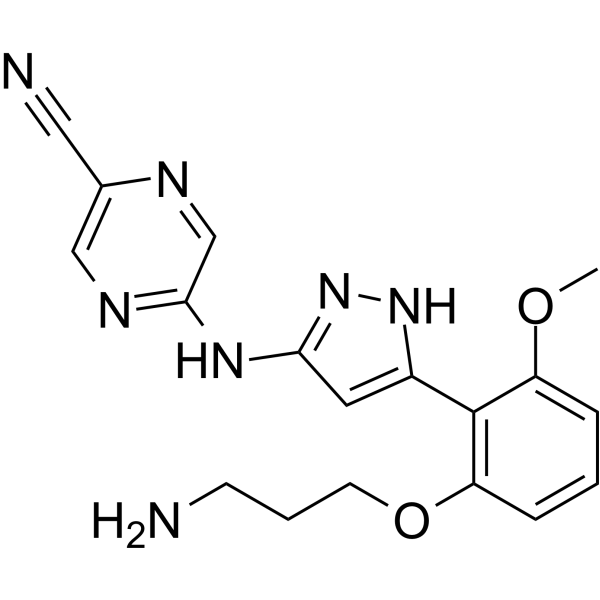
Prexasertib (LY2606368) is a selective, ATP-competitive second-generation checkpoint kinase 1 (CHK1) inhibitor with a Ki of 0.9 nM and an IC50 of <1 nM. Prexasertib inhibits CHK2 (IC50=8 nM) and RSK1 (IC50=9 nM). Prexasertib causes double-stranded DNA breakage and replication catastrophe resulting in apoptosis. Prexasertib shows potent anti-tumor activity .
loading...
    loading...
39
39 Cited Publications
Cat. No.: HY-18174A
CAS No.: 1234015-54-3
Synonyms: LY2606368 dihydrochloride
Research Areas:  

Cancer

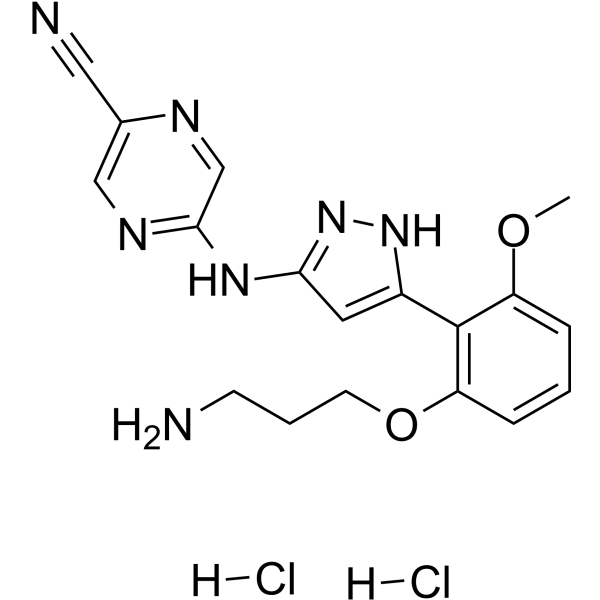
Prexasertib dihydrochloride (LY2606368 dihydrochloride) is a selective, ATP-competitive second-generation checkpoint kinase 1 (CHK1) inhibitor with a Ki of 0.9 nM and an IC50 of <1 nM. Prexasertib dihydrochloride inhibits CHK2 (IC50=8 nM) and RSK1 (IC50=9 nM). Prexasertib dihydrochloride causes double-stranded DNA breakage and replication catastrophe resulting in apoptosis. Prexasertib dihydrochloride shows potent anti-tumor activity .
loading...
    loading...
39
39 Cited Publications
Cat. No.: HY-18174E
CAS No.: 1234015-58-7
Synonyms: LY2606368 dimesylate
Research Areas:  

Cancer

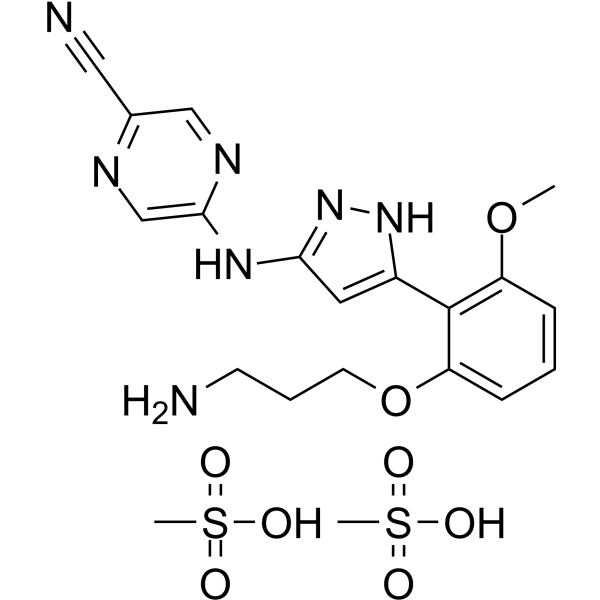
Prexasertib dimesylate (LY2606368 dimesylate) is a selective, ATP-competitive second-generation checkpoint kinase 1 (CHK1) inhibitor with a Ki of 0.9 nM and an IC50 of <1 nM. Prexasertib dimesylate inhibits CHK2 (IC50=8 nM) and RSK1 (IC50=9 nM). Prexasertib dimesylate causes double-stranded DNA breakage and replication catastrophe resulting in apoptosis. Prexasertib dimesylate shows potent anti-tumor activity .
loading...
    loading...
37
37 Cited Publications
Cat. No.: HY-16954
CAS No.: 1818885-28-7
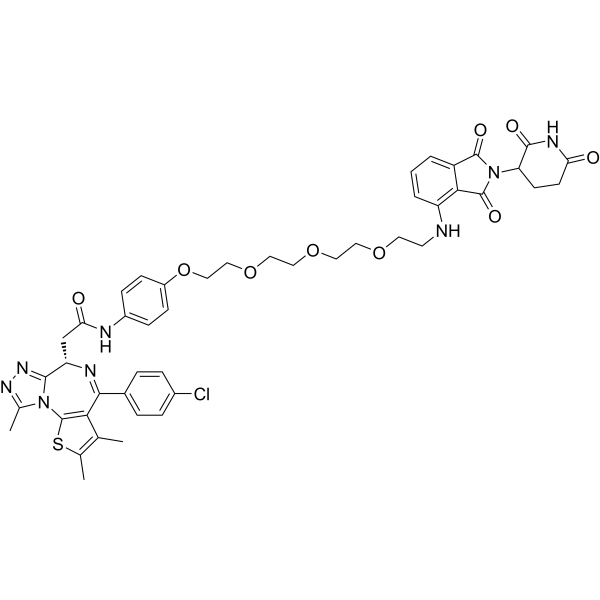
ARV-825 is a BET protein PROTAC degrader that recruits cereblon, and it targets BRD2, BRD3, and BRD4 for degradation via the ubiquitin-proteasome pathway. ARV-825 downregulates c-MYC, PLK1, MYCN, CDK4/6, JAK2, pSTAT3/5, PIM1, and Bcl-xL, upregulates p21 and p27, and modulates H3K27Ac-mediated transcription, the G2/M checkpoint, the Wnt/β-catenin pathway, and amino acid transport pathways. ARV-825 induces G1 phase cell cycle arrest, caspase 3/PARP-mediated apoptosis, DNA damage, and reactive oxygen species (ROS) production, reduces mitochondrial respiration, and simultaneously inhibits cell proliferation, clonogenic growth, and cell migration. ARV-825 is used in research on gastric cancer, leukemia, neuroblastoma, and cholangiocarcinoma .
loading...
    loading...
37
37 Cited Publications
Cat. No.: HY-P9902A
Synonyms: MK-3475 (anti-PD-1); Lambrolizumab (anti-PD-1)

Target:  

PD-1/PD-L1

Research Areas:  

Cancer

Pembrolizumab (anti-PD-1) is a humanized IgG4 antibody and PD-1 inhibitor. Pembrolizumab produces PD-1 blockade, preventing PD-L1 and PD-L2 from connecting to PD-1. This avoids the uncontrolled regulation of T cells on cells that normally express PD-1 .
loading...
    loading...
33
33 Cited Publications
Cat. No.: HY-101086
CAS No.: 2260-50-6
Purity:  98.59%
Synonyms: ACh iodide
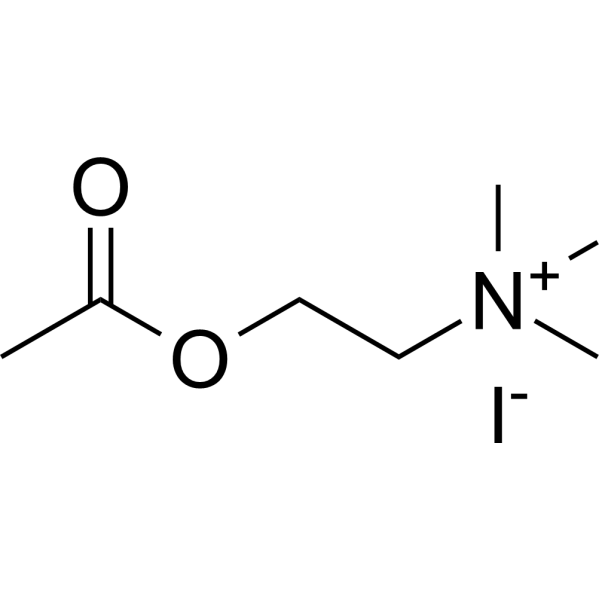
Acetylcholine iodide is a muscarinic receptor modulator. Acetylcholine iodide specifically binds to muscarinic receptors, inhibits sodium absorption, and induces chloride secretion. Acetylcholine iodide changes intestinal ion transport, enhances intestinal secretory function, induces or maintains mammary gland development and lactation. Acetylcholine iodide can be used for intestinal ion transport regulation and mammary gland physiological function research .
loading...
    loading...
30
30 Cited Publications
Cat. No.: HY-P7077
Purity:  ≥ 95%, as determined by reducing SDS-PAGE.
Synonyms: IL2; T Cell Growth Factor; Interleukin 2; Aldesleukin; IL-2; Involved In regulation Of T-Cell Clonal Expansion; TCGF; T-Cell Growth Factor; Interleukin-2; Lymphokine
Species:  
Mouse
Source:  
E. coli
loading...
    loading...
27
27 Cited Publications
Cat. No.: HY-13902
CAS No.: 1232416-25-9
Purity:  99.70%
Synonyms: VE-822; VX-970; M6620
Research Areas:  

Infection Metabolic Disease Cancer

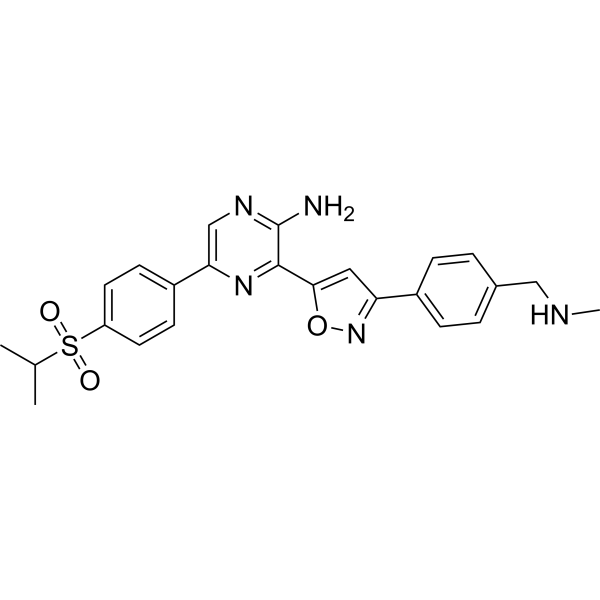
Berzosertib (VE-822) is an orally active, CNS-penetrant, and selective ATR kinase inhibitor. Berzosertib blocks ATR kinase activity, abrogates G2/M cell cycle checkpoint, impairs DNA damage repair. Berzosertib induces apoptosis, inhibnits conlony migration, inhibits cell proliferation, and activates cGAS-STING axes in cancer cells. Berzosertib can be used for the research of cancers, such as head and neck squamous cell carcinoma, and colorectal cancer .
loading...
    loading...
27
27 Cited Publications
Cat. No.: HY-13902A
CAS No.: 1428935-04-9
Synonyms: VE-822 hydrochloride; VX-970 hydrochloride; M6620 hydrochloride
Research Areas:  

Neurological Disease Cancer

Berzosertib (VE-822) hydrochloride is an orally active, CNS-penetrant, and selective ATR kinase inhibitor. Berzosertib hydrochloride blocks ATR kinase activity, abrogates G2/M cell cycle checkpoint, impairs DNA damage repair. Berzosertib hydrochloride induces apoptosis, inhibnits conlony migration, inhibits cell proliferation, and activates cGAS-STING axes in cancer cells. Berzosertib hydrochloride can be used for the research of cancers, such as head and neck squamous cell carcinoma, and colorectal cancer .
loading...
    loading...
26
26 Cited Publications
Cat. No.: HY-10992
CAS No.: 860352-01-8
Purity:  99.94%
Research Areas:  

Cancer

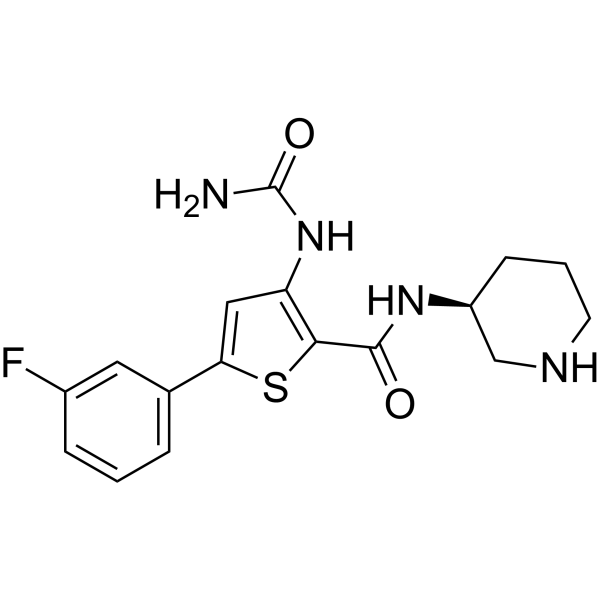
AZD-7762 is a potent ATP-competitive checkpoint kinase (Chk) inhibitor in with an IC50 of 5 nM for Chk1.
loading...
    loading...
26
26 Cited Publications
Cat. No.: HY-10992A
CAS No.: 1246094-78-9
Purity:  98.03%
Research Areas:  

Cancer

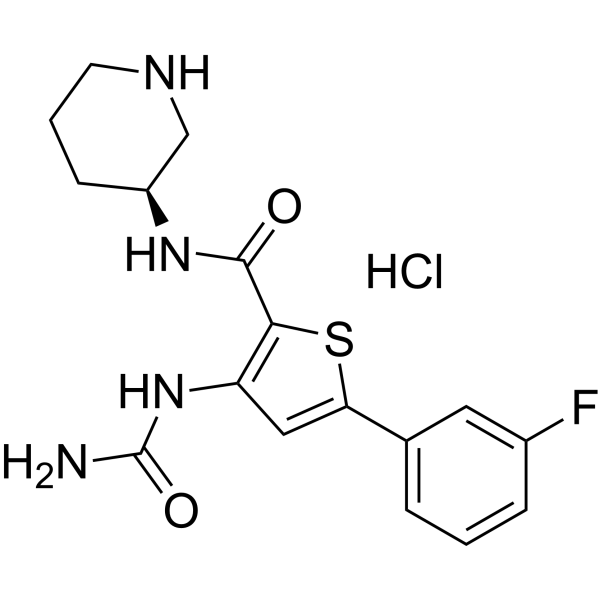
AZD-7762 hydrochloride is a potent ATP-competitive checkpoint kinase (Chk) inhibitor in with an IC50 of 5 nM for Chk1.
loading...
    loading...
24
24 Cited Publications
Cat. No.: HY-P7037
Purity:  ≥ 95%, as determined by reducing SDS-PAGE.
Synonyms: IL2; T Cell Growth Factor; Interleukin 2; Aldesleukin; IL-2; Involved In regulation Of T-Cell Clonal Expansion; TCGF; T-Cell Growth Factor; Interleukin-2; Lymphokine
Species:  
Human
Source:  
E. coli
loading...
    loading...
24
24 Cited Publications
Cat. No.: HY-164388
CAS No.: 162852-62-2
Z-VAD is an irreversible, broad-spectrum pan-caspase inhibitor that can inhibit a variety of caspases including caspase-3, -6, -7, -8, -9, etc. (with a weaker inhibitory effect on caspase-2). Z-VAD can block apoptosis signaling pathways, induce autophagy and necrosis in tumor cells, and has anti-angiogenic activity. Z-VAD can enhance the sensitivity of breast cancer and lung cancer cells to radiotherapy in vitro and in vivo, and prolong the growth delay of tumor xenograft models. Z-VAD is well tolerated and is mainly used in research related to cancer radiosensitization and cell death pathway regulation .
loading...
    loading...
22
22 Cited Publications
Cat. No.: HY-16438
CAS No.: 925206-65-1
Synonyms: Nibrozetone
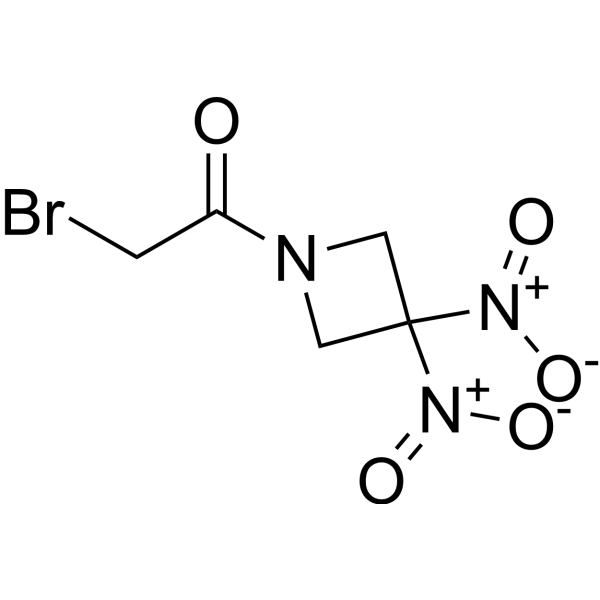
RRx-001, a hypoxia-selective epigenetic agent and studied as a radio- and chem-sensitizer, triggers apoptosis and overcomes agent resistance in myeloma. RRx-001 exhibits potent anti-tumor activity with minimal toxicity . RRx-001 is a dual small molecule checkpoint inhibitor by downregulating CD47 and SIRP-α . RRx-001 is a potent inhibitor of G6PD and shows potent antimalarial activity .
loading...
    loading...
22
22 Cited Publications
Cat. No.: HY-113324
CAS No.: 53-57-6
Purity:  99.49%
NADPH is a coenzyme of glutathione reductase (GR), thioredoxin reductase (TrxR) and NADPH oxidase (NOX), and participates in redox reactions as a hydrogen donor. NADPH has the characteristic of selectively participating in the regulation of cellular redox homeostasis. NADPH exerts antioxidant activity and resists reactive oxygen species (ROS) damage by providing reducing equivalents for the regeneration of glutathione (GSH) and thioredoxin (Trx); at the same time, it acts as a substrate of NOX to generate superoxide anions, mediating oxidative stress and immune response. NADPH participates in maintaining the intracellular reducing environment, biosynthesis and regulating gene expression (such as the Nrf2 pathway), and is mainly used in the study of oxidative stress-related diseases (such as cardiovascular diseases, neurodegenerative diseases, cancer) and immune regulation mechanisms .
loading...
    loading...

