
1. Search Result
Search Result
Results for "

IPK Superfamily

" in MedChemExpress (MCE) Product Catalog:

83

Inhibitors & Agonists

4

Screening Libraries

1

Fluorescent Dyes

5

Peptides

12

Inhibitory Antibodies

1

Natural
Products

312

Recombinant Proteins

58

Antibodies

28

Oligonucleotides

Cat. No. Product Name Target Research Areas Chemical Structure
  • HY-112473
    Grassofermata
    Maximum Cited Publications
    11 Publications Verification

    NAV-2729

    Ras Cancer
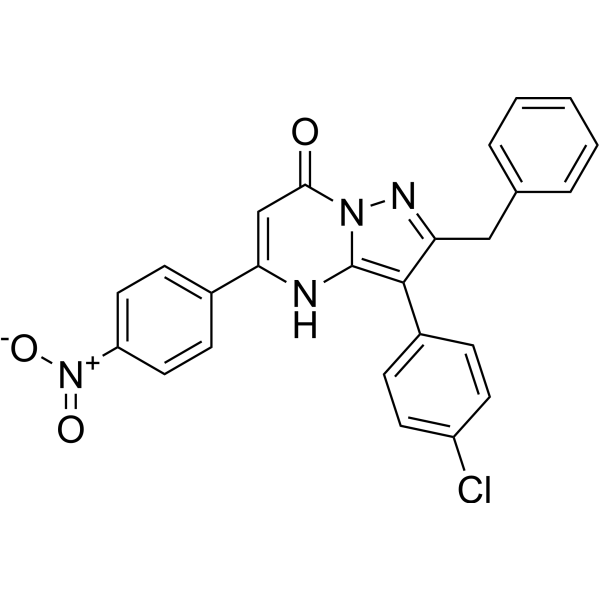
    Grassofermata is a dual Arf1/Arf6 activation inhibitor. ADP ribosylation factors (Arfs) are members of the Arf family of GTP-binding proteins of the Ras superfamily.
    Grassofermata
  • HY-133122
    UCB-9260
    3 Publications Verification

    TNF Receptor Inflammation/Immunology Cancer
    UCB-9260, an orally active compound, inhibits TNF signaling by stabilising an asymmetric form of the trimer. UCB-9260 is selective for TNF over other superfamily members, and binds TNF with a similar Kd of 13 nM .
    UCB-9260
  • HY-P2812

    PLD

    Phospholipase Neurological Disease Inflammation/Immunology Endocrinology Cancer
    Phospholipase D, Streptomyces chromofuscus (PLD) is an enzyme of the phospholipase superfamily, which widely exists in bacteria, yeast, plants, animals and viruses, and is often used in biochemical research. Phospholipase D can catalyze the hydrolysis of phosphodiester bonds in glycerophospholipids to produce phosphatidic acid and soluble choline. Phospholipase D is involved in a variety of disease-related processes, including diabetes, atherogenesis, obesity, tumorigenesis, immune response, and neuroendocrine function .
    Phospholipase D, Streptomyces chromofuscus
  • HY-125017
    Bozitinib
    1 Publications Verification

    PLB-1001; CBT-101; Vebreltinib

    c-Met/HGFR Cancer
    Bozitinib (PLB-1001) is a highly selective c-MET kinase inhibitor with blood-brain barrier permeability. Bozitinib (PLB-1001) is a ATP-competitive small-molecule inhibitor, binds to the conventional ATP-binding pocket of the tyrosine kinase superfamily .
    Bozitinib
  • HY-P99720
    Luspatercept
    5 Publications Verification

    ACE-536; luspatercept–aamt

    TGF-beta/Smad Metabolic Disease Cancer
    Luspatercept (ACE-536) is a recombinant modified ActRIIB fusion protein that binds with transforming growth factor β superfamily ligands. Luspatercept increases the erythrocyte numbers and promotes maturation of erythroid precursors. Luspatercept binds with GDF11 and inhibits Smad2/3 signaling. Luspatercept can be used for the research of anemia .
    Luspatercept
  • HY-P99590A
    Sotatercept (mIgG2a)
    1 Publications Verification

    RAP-011

    TGF-β Receptor TGF-beta/Smad Cardiovascular Disease Metabolic Disease
    Sotatercept (mIgG2a) (RAP-011), the murine homolog of Sotatercept (ACE-011) (HY-P99590), is a soluble activin receptor type IIA (ActRIIA) ligand trap. Sotatercept (mIgG2a) inhibits the binding of activin A and other members of the TGF-β superfamily (such as Activin A/B, GDF11 and BMP9/10) to their receptors by combining and neutralizing them, thereby regulating cell proliferation and differentiation. Sotatercept (mIgG2a) mainly inhibits the SMAD2/3 signaling pathway, and can be used in various diseases such as chronic kidney disease. Sotatercept (mIgG2a) reduces the expression of erythropoietic hepcidin (ERFE), regulates iron metabolism, and promotes red blood cell production. Sotatercept (mIgG2a) has a dual effect of promoting bone formation (anabolic) and inhibiting bone resorption (catabolic) .
    Sotatercept (mIgG2a)
  • HY-126666

    ADC Payload Inflammation/Immunology Cancer
    PNU-159682 carboxylic acid (Compound 53) is a potent ADCs cytotoxin and encodes a member of the C-type lectin/C-type lectin-like domain (CTL/CTLD) superfamily. PNU-159682 carboxylic acid has protein fold and diverse functions, such as cell adhesion, cell-cell signalling, glycoprotein turnover, and roles in inflammation and immune response .
    PNU-159682 carboxylic acid
  • HY-P990070

    BION-1301

    TNF Receptor
    Zigakibart (BION-1301) is an IgG4-kappa, humanized monoclonal antibody against TNFSF13 (tumor necrosis factor (TNF) superfamily member 13, APRIL, CD256). Zigakibart exhibits anti-inflammatory activity .
    Zigakibart
  • HY-107823

    Cholesterol 3-acetate; Cholesterin acetate; Cholesterol 3β-acetate

    Endogenous Metabolite Others
    Cholesteryl acetate (Cholesterol 3-acetate) is a cholesterol ester that is exported from Saccharomyces cerevisiae via a Pry1-dependent mechanism. Cholesteryl acetate binds to the CAP superfamily protein Pry1 via interactions dependent on Pry1’s caveolin-binding motif .
    Cholesteryl acetate
  • HY-78349
    A 77-01
    2 Publications Verification

    TGF-β Receptor Cancer
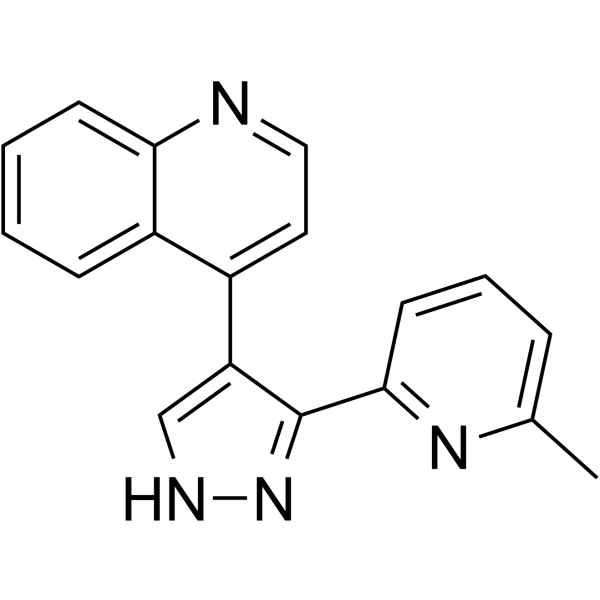
    A 77-01 is a potent inhibitor of transforming growth factor (TGF)-β type I receptor superfamily activin-like kinase ALK5 with an IC50 of 25 nM .
    A 77-01
  • HY-E70518

    Bacterial Infection
    Oxalate decarboxylase, Microorganism (EC 4.1.1.2), a stress-response enzyme in certain soil bacteria, is a Mn-dependent enzyme in the cupin superfamily and is found in fungi and soil bacteria. Oxalate decarboxylase catalyzes the decarboxylation of the oxalate mono-anion in the soil bacterium Bacillus subtilis. Enzymatic activity of OxDC is strongly pH dependent, with a maximum at around pH 4.0 .
    Oxalate decarboxylase, Microorganism
  • HY-P99393

    MEDI 0562; Tavolimab

    TNF Receptor Cancer
    Tavolixizumab (MEDI 0562; Tavolimab) is a human monoclonal antibody to TNFRSF4 (TNF receptor superfamily member 4) for use in cancer immunology research .
    Tavolixizumab
  • HY-107404

    Orphan Nuclear Receptor Endocrinology
    SID 7969543 is a selective SF-1 (steroidogenic factor 1, NR5A1) inhibitor with an IC50 of 760 nM. SID 7969543 inhibits SF-1-triggered luciferase expression with IC50 of 30 nM. SF-1 is a transcription factor belonging to the nuclear receptor superfamily .
    SID 7969543
  • HY-145915A

    Ras Cancer
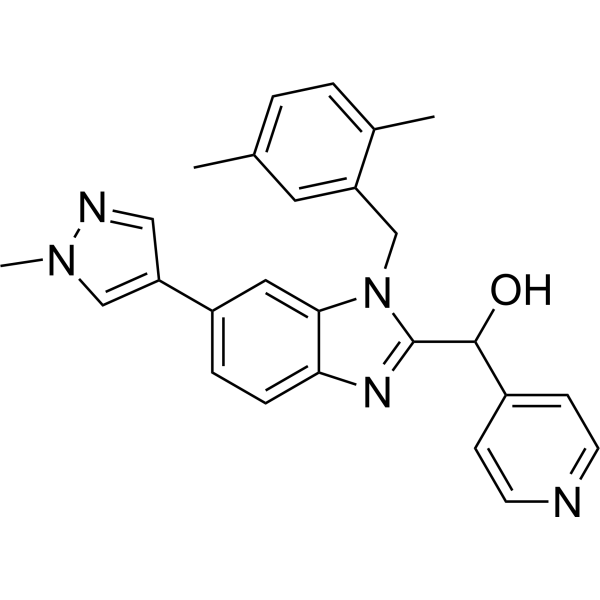
    (E/Z)-ZINC09659342 is an inhibitor of Lbc-RhoA interaction .
    (E/Z)-ZINC09659342
  • HY-D0091

    Fluorescent Dye Others
    7-Ethoxy-4-trifluoromethylcoumarin is a fluorescent substrate of various enzymes of the cytochrome P450 superfamily
    7-Ethoxy-4-trifluoromethylcoumarin
  • HY-145197

    Glutathione Peroxidase Cardiovascular Disease
    MPO-IN-3 is a potent myeloperoxidase (MPO) inhibitor (WO2013068875A1, example 191). Myeloperoxidase (MPO) is a heme-containing enzyme belonging to the peroxidase superfamily .
    MPO-IN-3
  • HY-P99945

    ABBV-368

    Orexin Receptor (OX Receptor) Inflammation/Immunology Cancer
    Revdofilimab (ABBV-368) is a human IgG1 agonist monoclonal antibody against OX40. Among them, OX40 is a member of the TNF receptor superfamily expressed on activated and memory T cell subsets and T regulatory cells .
    Revdofilimab
  • HY-P2961

    Glutathione S-transferase Cancer
    Glutathione S-transferase is a phase II metabolic enzyme consisting of three superfamilies: cytosolic, mitochondrial, and microsomal. Glutathione S-transferase possesses various catalytic activities such as catalytic detoxification and thiol transfer, as well as chaperone function. GSTP1, a subtype of Glutathione S-transferase, is highly expressed in malignant tissues and serves as a tumor marker .
    Glutathione S-transferase
  • HY-P99178

    Interleukin Related Inflammation/Immunology Cancer
    CTX-471 is a fully human monoclonal antibody of CD137. CTX-471 has bind affinity for recombinant human, cynomolgus macaque CD137 and mouse CD137 with Kd values of 50 nM, 61 nM and 748 nM, respectively. CTX-471 can be used for the research of immunomodulation and cancer .
    CTX-471
  • HY-P2736

    Endogenous Metabolite Metabolic Disease
    Amidases, a member of nitrilase superfamily, catalyzes the hydrolysis of an amide, leading to the formation of carboxylic acid and ammonia. Amidases contain a conserved stretch of approximately 130 amino acids known as the AS sequence, and play a role in important metabolic processes .
    Amidase
  • HY-P3919

    Pro-ADM-153-185 (human)

    CGRP Receptor Cardiovascular Disease
    Adrenotensin (human) (Pro-ADM-153-185 (human)) is a 153-185 fragment of precursor peptide of Adrenomedullin. Adrenomedullin (ADM) is a 52-amino acid multifunctional peptide, which belongs to the CGRP superfamily of vasoactive peptide hormones .
    Adrenotensin (human)
  • HY-P10053

    Phospholipase Metabolic Disease
    sPLA2-IIA Inhibitor is a cyclic pentapeptide analog of FLSYK (cyclic 2-Nal-Leu-Ser-2-Nal-Arg (c2)), that binds to hGIIA (human IIA phospholipase A2) and inhibits its hydrolytic ability. sPLA2 is a member of the esterase superfamily that catalyzes the hydrolysis of the ester bond at the sn-2 position of glycerophospholipids, releasing free fatty acids such as arachidonic acid and lysophospholipids .
    sPLA2-IIA Inhibitor
  • HY-174485

    mRNA Others
    OVA mRNA encodes the ovalbumin (OVA) protein, a member of the serpin superfamily and the predominant glycoprotein found in egg whites. It is a commonly used antigen for immunization and biochemical studies and is an established model allergen for airway hyper-responsiveness.
    OVA mRNA
  • HY-P990720

    KER-050

    TGF-beta/Smad Inflammation/Immunology
    Elritercept (KER-050) is a recombinant fusion protein comprising a modified activin receptor type IIA extracellular domain fused to a human IgG1 Fc. Elritercept inhibits activin A and other select TGF-β superfamily ligands .
    Elritercept
  • HY-P3919A

    Pro-ADM-153-185 (human) TFA

    CGRP Receptor Cardiovascular Disease
    Adrenotensin (human) (Pro-ADM-153-185 (human)) TFA is a 153-185 fragment of precursor peptide of Adrenomedullin. Adrenomedullin (ADM) TFA is a 52-amino acid multifunctional peptide, which belongs to the CGRP superfamily of vasoactive peptide hormones .
    Adrenotensin (human) TFA
  • HY-170327
    ZCL279
    1 Publications Verification

    Ras Cancer
    ZCL279 is a small molecule modulator (SMM) that inhibits Cdc42-intersectin (ITSN) interaction. ZCL279 can activate Cdc42 (a cytoplasmic small GTPase in the Ras superfamily) at lower concentrations (<10 μM) and significantly inhibit it at higher concentrations (<10 μM) .
    ZCL279
  • HY-E70022

    Others Others
    D-Mannose isomerase (PsMaSeAF) is a carbohydrate isomerase catalyzing the reversible isomerization of d-mannose to d-fructose. D-Mannose isomerase (PsMaSeAF) belongs to the N-acylglucosamine 2-epimerase (AGE) superfamily along with AGE, cellobiose 2-epimerase (CE), and aldose-ketose isomerase (AKI) .
    D-Mannose isomerase (PsMaSeAF)
  • HY-P2812B

    Phospholipase Cardiovascular Disease Neurological Disease Inflammation/Immunology Cancer
    Phospholipase D, cabbage is an enzyme of the phospholipase superfamily. Phospholipase D, cabbage is widely found in bacteria, yeast, plants, animals and viruses and is often used in biochemical research. Phospholipase D, cabbage can catalyze the hydrolysis of the phosphodiester bond of glycerophospholipids to produce phosphatidic acid and soluble choline. Phospholipase D, cabbage is involved in a variety of disease-related processes, including diabetes, atherosclerosis, obesity, tumorigenesis, immune response and neuroendocrine function .
    Phospholipase D, cabbage
  • HY-178211

    Ras MEK ERK Akt Cancer
    SHY-867 is a pan RAS inhibitor. SHY-867 effectively prevents the binding of K-Ras proteins and other members of the Ras superfamily of small GTPases with EC50 values of 0.5-3 μM. SHY-867 effectively inhibits the phosphorylation of MEK, ERK1/2, and AKT downstream of K-Ras. SHY-867 inhibits the formation of the Ras-GTP activity complex. SHY-867 can be used to the studies of pancreatic cancer and non-small cell lung cancer .
    SHY-867
  • HY-174484

    mRNA Others
    OVA mRNA (5moU) encodes the ovalbumin (OVA) protein, a member of the serpin superfamily and the predominant glycoprotein found in egg whites. It is a commonly used antigen for immunization and biochemical studies and is an established model allergen for airway hyper-responsiveness.
    OVA mRNA (5moU)
  • HY-P11413

    Ser/Thr Protease Cardiovascular Disease
    PAI-1 is a plasminogen activator inhibitor. PAI-1 is a member of the Ser Protease inhibitor superfamily with antiprotease activity. PAI-1 is the main physiological inhibitor of tissue-type (tPA) and urokinase-type (uPA) plasminogen activators (PAs) .
    PAI-1
  • HY-P991151

    PD-1/PD-L1 TNF Receptor Cancer
    Opamtistomig is a humanized immunoglobulin (H-γ1-scFv-L-κ) dimer monoclonal antibody targeting human programmed death ligand 1 (PD-L1), CD274 and tumor necrosis factor receptor superfamily member 9 (TNFRSF9). Opamtistomig is promising for research of various solid tumors and hematological malignancies .
    Opamtistomig
  • HY-143862

    PPAR Metabolic Disease
    Pparδ agonist 7 is a potent agonist of Pparδ. The peroxisome proliferator-activated receptor (PPAR) is a member of the intranuclear receptor transcription factor superfamily that plays a key role in the regulation of metabolic homeostasis, inflammation, cell growth and differentiation in vivo. Pparδ agonist 7 has the potential for the research of non-alcoholic fatty liver disease (NAFLD) (extracted from patent WO2019105234A1, compound TM4) .
    Pparδ agonist 7
  • HY-P11454

    Bacterial Infection
    PSM-mec peptide is a peptide toxin belonging to the phenol-soluble modulin (PSM) superfamily. PSM-mec peptide is encoded by the psm-mec gene and associated with the methicillin resistance gene element (SCCmec). PSM-mec peptide has pro-inflammatory, cytolytic functions and the role of regulating the structure of biofilms. PSM-mec peptide can be mainly used for the pathogenic mechanism and drug resistance research of canine pseudo-intermediate Staphylococcus (S. pseudintermedius) related infections and zoonotic diseases .
    PSM-mec peptide
  • HY-178194

    Ras MEK ERK Akt Cancer
    SHY-855 is a pan RAS inhibitor. SHY-855 effectively prevents the binding of K-Ras proteins and other members of the Ras superfamily of small GTPases with IC50 values of 0.3-5 μM. SHY-855 effectively inhibits the phosphorylation of MEK, ERK1/2, and AKT downstream of K-Ras. SHY-855 inhibits the formation of the Ras-GTP activity complex. SHY-855 can be used to the studies of pancreatic cancer and non-small cell lung cancer .
    SHY-855
  • HY-174515

    mRNA Cancer
    Human TNFRSF1B mRNA encodes the human TNF receptor superfamily member 1B (TNFRSF1B) protein, a member of the TNF receptor superfamily.
    Human TNFRSF1B mRNA
  • HY-145915

    Ras Cancer
    ZINC09659342 (compound 13) is an inhibitor of Lbc-RhoA interaction with an IC50 of 3.6 μΜ .
    ZINC09659342
  • HY-174514

    mRNA Cancer
    Human TNFRSF4 mRNA encodes the human TNF receptor superfamily member 4 (TNFRSF4) protein, a member of the TNF receptor superfamily. TNFRSF4 has been shown to activate NF-kappaB through its interaction with adaptor proteins TRAF2 and TRAF5.
    Human TNFRSF4 mRNA
  • HY-174513

    mRNA Inflammation/Immunology
    Human TNFRSF8 mRNA encodes the human TNF receptor superfamily member 8 (TNFRSF8) protein, a member of the TNF receptor superfamily. TNFRSF8 is a positive regulator of apoptosis, and also has been shown to limit the proliferative potential of autoreactive CD8 effector T cells and protect the body against autoimmunity.
    Human TNFRSF8 mRNA
  • HY-174732

    mRNA Inflammation/Immunology
    Human CSF3 mRNA encodes the human colony stimulating factor 3 (CSF3) protein, a member of the IL-6 superfamily of cytokines. CSF3 controls the production, differentiation, and function of granulocytes.
    Human CSF3 mRNA
  • HY-174640

    mRNA Inflammation/Immunology
    Human IL12RB1 mRNA encodes the human interleukin 12 receptor subunit beta 1 (IL12RB1) protein, a type I transmembrane protein that belongs to the hemopoietin receptor superfamily.
    Human IL12RB1 mRNA
  • HY-174546

    mRNA Inflammation/Immunology
    Human PECAM1 mRNA encodes the human platelet and endothelial cell adhesion molecule 1 (PECAM1) protein, a member of the immunoglobulin superfamily. PECAM1 is likely involved in leukocyte migration, angiogenesis, and integrin activation.
    Human PECAM1 mRNA
  • HY-174533

    mRNA Cancer
    Human TGFB2 mRNA encodes the human transforming growth factor beta 2 (TGFB2) protein, a secreted ligand of the TGF-beta superfamily. TGFB2 has suppressive effects on interleukin-2 dependent T-cell growth.
    Human TGFB2 mRNA
  • HY-P991125

    YH-002

    TNF Receptor Inflammation/Immunology Cancer
    Cenzestotug is a monoclonal antibody targeting human tumor necrosis factor receptor superfamily member 4 (TNFRSF4). Cenzestotug activates relevant immune cells by binding to TNFRSF4, exerting immunostimulatory and antitumor activities. Cenzestotug is promising for research of cancer immunotherapy .
    Cenzestotug
  • HY-174735

    mRNA Cancer
    Human CDH5 mRNA encodes the human cadherin 5 (CDH5) protein, a classical cadherin of the cadherin superfamily. CDH5 functioning as a classical cadherin by imparting to cells the ability to adhere in a homophilic manner. It plays a role in endothelial adherens junction assembly and maintenance.
    Human CDH5 mRNA
  • HY-174668

    mRNA Metabolic Disease
    Human HNF1B mRNA encodes the human HNF1 homeobox B (HNF1B) protein, a member of the homeodomain-containing superfamily of transcription factors. HNF1B has been shown to function in nephron development, and regulates development of the embryonic pancreas.
    Human HNF1B mRNA
  • HY-174518

    mRNA Cancer
    Human TNF mRNA encodes the human tumor necrosis factor (TNF) protein, a multifunctional proinflammatory cytokine that belongs to the tumor necrosis factor (TNF) superfamily. TNF is involved in the regulation of a wide spectrum of biological processes including cell proliferation, differentiation, apoptosis, lipid metabolism, and coagulation.
    Human TNF mRNA
  • HY-174540

    mRNA Cancer
    Human SERPINA1 mRNA encodes the human serpin family A member 1 (SERPINA1) protein, a serine protease inhibitor belonging to the serpin superfamily. SERPINA1’s major physiological function is the protection of the lower respiratory tract against proteolytic destruction by human leukocyte elastase (HLE).
    Human SERPINA1 mRNA
  • HY-174781

    mRNA Cancer
    Human ACVRL1 mRNA encodes the human activin A receptor like type 1 (ACVRL1) protein. ACVRL1 is a type I cell-surface receptor for the TGF-beta superfamily ligands BMP9/GDF2 and BMP10 and important regulator of normal blood vessel development.
    Human ACVRL1 mRNA
  • HY-174512

    mRNA Cancer
    Human TNFSF8 mRNA encodes the human TNF superfamily member 8 (TNFSF8) protein, a cytokine that belongs to the tumor necrosis factor (TNF) ligand family. TNFSF8 was shown to enhance cell proliferation of some lymphoma cell lines, while to induce cell death and reduce cell proliferation of other lymphoma cell lines.
    Human TNFSF8 mRNA

Inquiry Online

Your information is safe with us. * Required Fields.

Salutation


Country or Region *

Applicant Name *


Organization Name *

Department *


Email Address *


Product Name *

Cat. No.


Requested quantity *

Phone Number *


Remarks

Inquiry Online

Inquiry Information

Product Name:
Cat. No.:
Quantity:
MCE Japan Authorized Agent:

