1. Search Result
Search Result
Pathways Recommended: Membrane Transporter/Ion Channel
Results for "

Nav1.5 sodium channel

" in MedChemExpress (MCE) Product Catalog:

30

Inhibitors & Agonists

1

Bibliotecas de Screening

1

Fluorescent Dyes

8

Peptides

2

Isotope-Labeled Compounds

Cat. No. Nombre del producto Target Áreas de investigación Chemical Structure
  • HY-100001
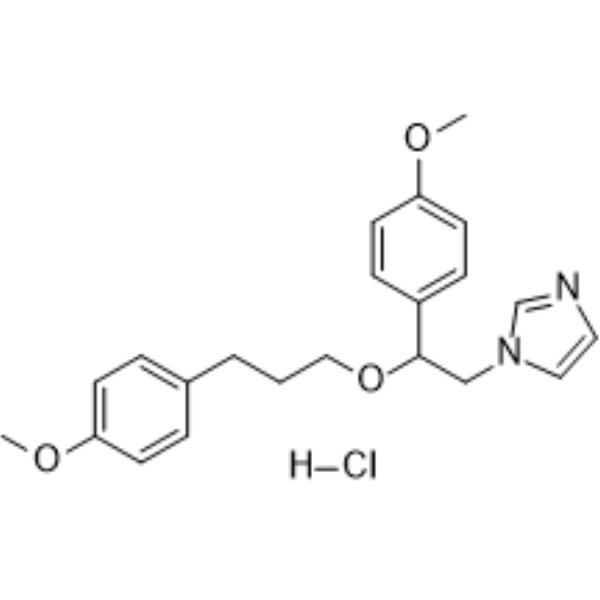
    SKF-96365 (hydrochloride)
    Maximum Cited Publications
    27 Publications Verification

    TRP Channel CRAC Channel Autophagy CaMK Akt Apoptosis Na+/Ca2+ Exchanger Calcium Channel Neurological Disease Inflammation/Immunology Cancer
    SKF-96365 hydrochloride is a TRPC channel antagonist and store-operated calcium entry (SOCE) inhibitor. SKF-96365 hydrochloride reduces calcium ion influx by inhibiting the activity and expression of TRPC6, STIM1 and Orai1. SKF-96365 hydrochloride inhibits voltage-gated sodium current (cardiac INa/NaV1.5) and slows myocardial conduction. SKF-96365 hydrochloride inhibits phosphorylation/activation of CaMKIIγ and suppresses the downstream AKT signaling pathway. SKF-96365 hydrochloride induces G2/M phase cell cycle arrest, apoptosis and cytoprotective autophagy in colorectal cancer cells. SKF-96365 hydrochloride alleviates allergic rhinitis symptoms by reducing inflammatory cytokine levels. SKF-96365 hydrochloride reduces intracellular calcium overload, inhibits Homer1 expression, prevents nuclear damage and suppresses apoptosis. SKF-96365 hydrochloride inhibits the growth of colorectal cancer xenografts in nude mice . SKF-96365 hydrochloride is applicable to research related to allergic rhinitis, colorectal cancer, Parkinson's disease, persistent spontaneous nociception and hyperalgesia .
    SKF-96365 (hydrochloride)
  • HY-17429
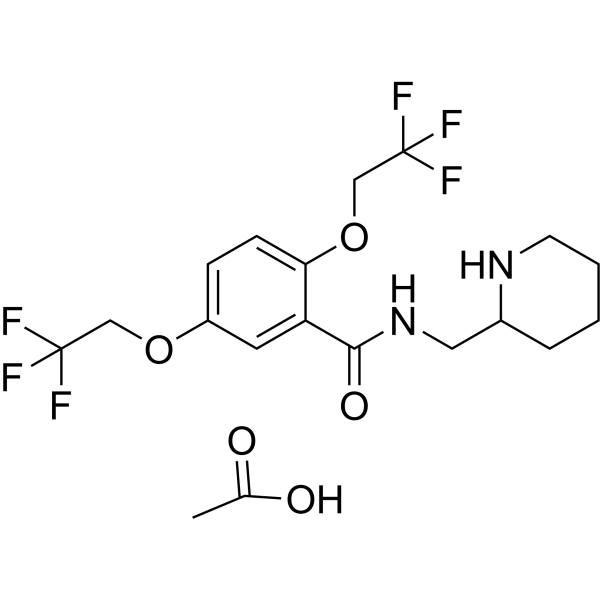
    Flecainide acetate
    3 Publications Verification

    R-818

    Sodium Channel Cardiovascular Disease
    Flecainide acetate (R-818) is a class 1C antiarrhythmic agent especially used for the management of supraventricular arrhythmia; works by blocking the Nav1.5 sodium channel in the heart, causing prolongation of the cardiac action potential.
    Flecainide acetate
  • HY-16787
    ICA-121431
    4 Publications Verification

    Sodium Channel Cardiovascular Disease
    ICA-121431 is a nanomolar potent and broad-spectrum voltage-gated sodium channel (Nav) blocker, shows equipotent selectivity for human Nav1.1 and Nav1.3 subtypes with IC50 values of 13 nM and 23 nM, respectively. ICA-121431 shows less potent inhibition of Nav1.2 (IC50=240 nM) and 1,000 fold selectivity against Nav1.4, Nav1.6, and the TTX-resistant human Nav1.5 and Nav1.8 channels (IC50s >10 μM).
    ICA-121431
  • HY-W052508
    Norquetiapine
    1 Publications Verification

    N-Desalkylquetiapine

    Drug Metabolite 5-HT Receptor HCN Channel Serotonin Transporter Neurological Disease
    Norquetiapine ( N-Desalkylauetiapine), a metabolite of Quetiapine (HY-14544), is a selective HCN1 channel inhibitor, with an IC50 of 13.9 μM. Norquetiapine selectively inhibits noradrenaline reuptake, is a partial 5-HT1A (Ki = 45 nM) receptor agonist, and acts as an antagonist at presynapticα2 (Ki = 237 nM), 5-HT2C(Ki = 107 nM), and 5-HT7 (Ki = 76 nM) receptors. Norquetiapine blocks the human cardiac sodium channel Nav1.5 in a state-dependent manner. Norquetiapine shows partial anti-inflammatory effects in LPS (HY-D1056) injected C57BL/6 mice. Norquetiapine can be used for the study of depression and inflammation .
    Norquetiapine
  • HY-148792

    PRAX-562

    Sodium Channel Neurological Disease
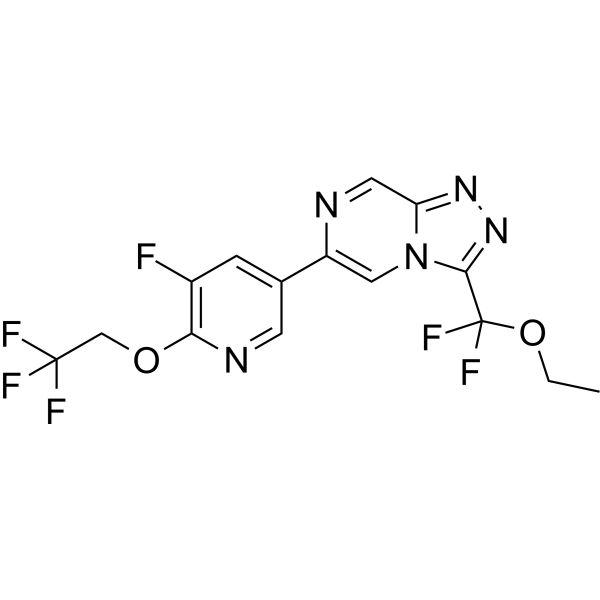
    Relutrigine (PRAX-562) is an orally active inhibitor of persistent sodium channel. Relutrigine potently and preferentially inhibits persistent INa induced by ATX-II (Nav 1.5 activator) or the SCN8A mutation N1768D with IC50 values of 141 nM and 75 nM, respectively. Relutrigine exhibits potent use-dependent block and reduces neuronal intrinsic excitability. Relutrigine has effective anticonvulsant activity .
    Relutrigine
  • HY-16723

    TV 45070; XEN402

    Sodium Channel Neurological Disease Inflammation/Immunology
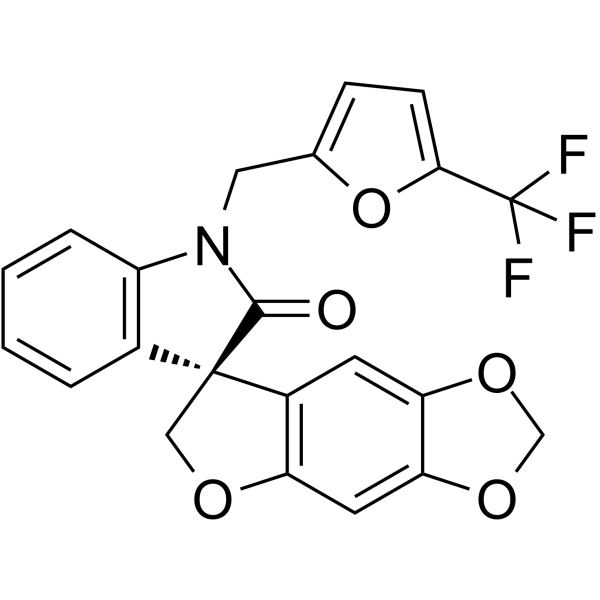
    Funapide (TV 45070; XEN402) is an orally active inhibitor of voltage-gated sodium channels (VGSC) in the peripheral nervous system with IC50 values ??of 84 nM and 54 nM for Nav1.5 and Nav1.7, respectively. Funapide has analgesic effects .
    Funapide
  • HY-133012

    TRP Channel Neurological Disease
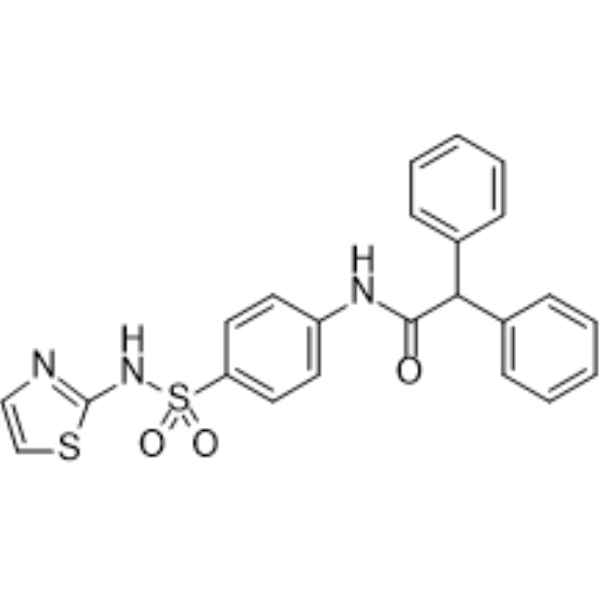
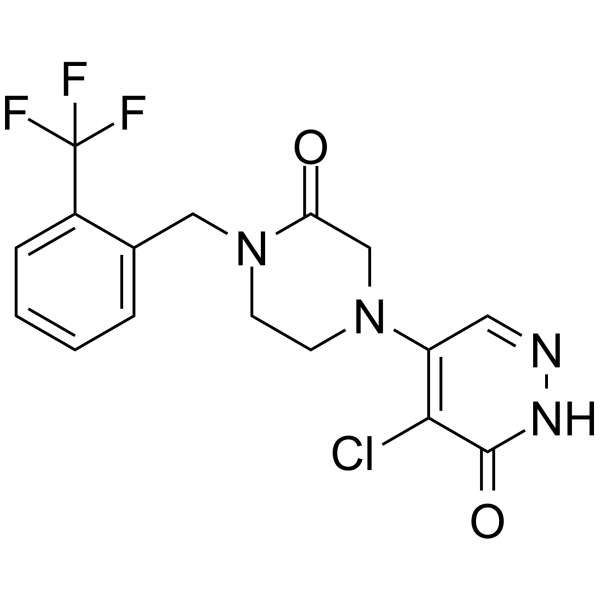
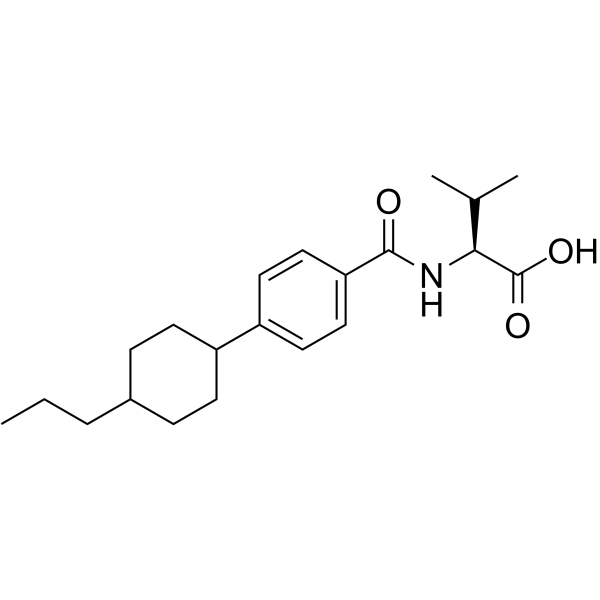
    GFB-8438 is a potent and subtype selective TRPC5 inhibitor, with IC50s of 0.18 and 0.29 μM of hTRPC5 and hTRPC4, respectively. GFB-8438 shows excellent selectivity against TRPC6, other TRP family members, NaV 1.5, as well as limited activity against the hERG channel. GFB-8438 protects mouse podocytes from injury induced by protamine sulfate model .
    GFB-8438
  • HY-A0079

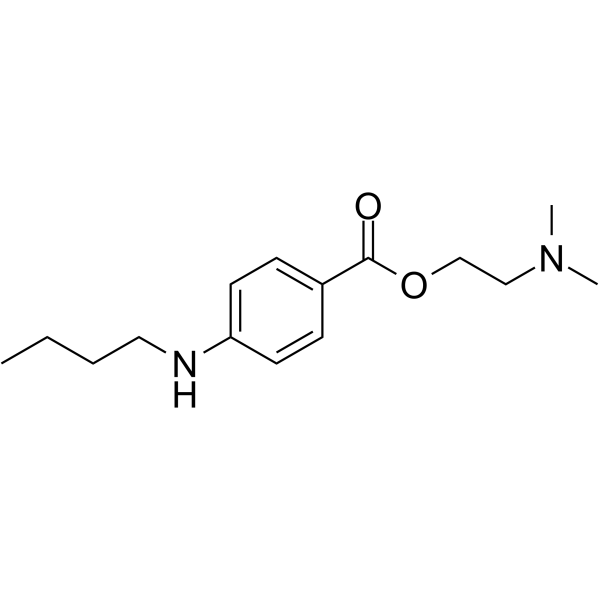
    Amethocaine

    Sodium Channel Calcium Channel Neurological Disease
    Tetracaine (Amethocaine) is a sodium channel inhibitor and ryanodine receptor (RyR) inhibitor. Tetracaine blocks sodium conduction across nerve cell membranes, preventing rapid sodium ion influx and depolarization. Tetracaine exhibits biphasic effects on spontaneous sarcoplasmic reticulum Ca 2+ release in Ca 2+-overloaded ventricular myocytes, and increases sarcoplasmic reticulum Ca 2+ load. Tetracaine can be used in research related to eye diseases .
    Tetracaine
  • HY-133910
    Lu AE98134
    1 Publications Verification

    Sodium Channel Neurological Disease
    Lu AE98134, an activator of voltage-gated sodium channels, acts as a partly selective Nav1.1 channels positive modulator. Lu AE98134 also increases the activity of Nav1.2 and Nav1.5 channels but not of Nav1.4, Nav1.6 and Nav1.7 channels. Lu AE98134 can be used to analyze pathophysiological functions of the Nav1.1 channel in various central nervous system diseases, including cognitive restoring in schizophrenia, et al .
    Lu AE98134
  • HY-123824

    Sodium Channel Neurological Disease
    GNE-0439 is a novel Nav1.7-selective inhibitor with IC50 of 0.34 uM and inhibits Nav1.5 with an IC50 of 38.3 μM. GNE-0439 inhibits mutant N1742K channels (IC50=0.37 uM) in membrane potential assays. GNE-0439 possesses a carboxylic acid group, binds outside of the channel pore, and is unique compared with known selective VSD4 binders .
    GNE-0439
  • HY-178494

    Sodium Channel Potassium Channel Neurological Disease
    Nav1.7-IN-19 is a potent, selective and orally active Nav1.7 inhibitor with an IC50 of 0.49 μM. Nav1.7-IN-19 shows high selectivity for Nav1.7, with selectivities of 312-fold and 662-fold against Nav1.1 and Nav1.5 in the inactivated state. Nav1.7-IN-19 exhibits weak inhibition on hERG potassium channels. Nav1.7-IN-19 exhibits analgesic effect and can be used for the research of neurological disease .
    Nav1.7-IN-19
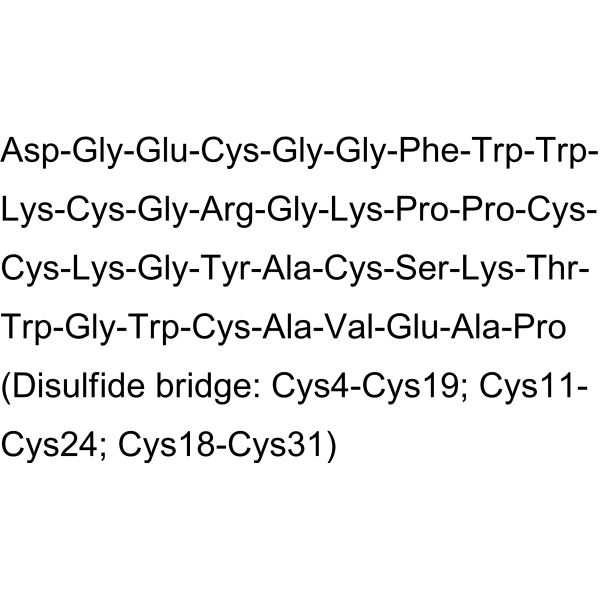
  • HY-P1073

    Calcium Channel Potassium Channel Sodium Channel TRP Channel Neurological Disease Cancer
    ProTx-I is a toxin derived from Thrixopelma pruriens and a peptide inhibitor targeting TTX-resistant sodium channels. ProTx-I interacts with voltage sensors of multiple domains such as NaV1.7, reduces neuronal excitability through allosteric modulation of channel gating and alteration of voltage dependence. The IC50 values of ProTx-I against human NaV1.7, NaV1.2, NaV1.6, and NaV1.5 are 95 nM, 104 nM, 21 nM, and 358 nM, respectively; ProTx-I also potently inhibits Ba 2+ currents of hCav3.1, while its inhibitory potency against hCav3.2 is approximately 160-fold lower. ProTx-I is applicable to the research of chronic pain .
    ProTx-I
  • HY-P1218B

    Sodium Channel Neurological Disease
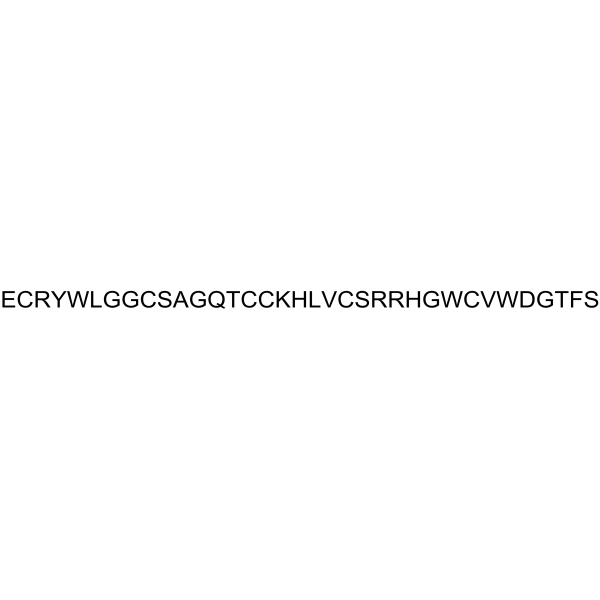
    Phrixotoxin 3-NH2 TFA is a derivative of Phrixotoxin 3 TFA (HY-P1218A). Phrixotoxin 3 TFA is a potent blocker of voltage-gated sodium channels, with IC50s of 0.6, 42, 72, 288, 610 nM for NaV1.2, NaV1.3, NaV1.4, NaV1.1 and NaV1.5, respectively. Phrixotoxin 3 TFA modulates voltage-gated sodium channels with properties similar to those of typical gating-modifier toxins, both by causing a depolarizing shift in gating kinetics and by blocking the inward component of the sodium current .
    Phrixotoxin 3-NH2 TFA
  • HY-125942
    SKF-96365
    Maximum Cited Publications
    27 Publications Verification

    CRAC Channel TRP Channel CaMK Akt Apoptosis Autophagy Na+/Ca2+ Exchanger Calcium Channel Neurological Disease Inflammation/Immunology Cancer
    SKF-96365 is a TRPC channel antagonist and store-operated calcium entry (SOCE) inhibitor. SKF-96365 reduces calcium ion influx by inhibiting the activity and expression of TRPC6, STIM1 and Orai1. SKF-96365 inhibits voltage-gated sodium current (cardiac INa/NaV1.5) and slows myocardial conduction. SKF-96365 inhibits phosphorylation/activation of CaMKIIγ and suppresses the downstream AKT signaling pathway. SKF-96365 induces G2/M phase cell cycle arrest, apoptosis and cytoprotective autophagy in colorectal cancer cells. SKF-96365 alleviates allergic rhinitis symptoms by reducing inflammatory cytokine levels. SKF-96365 reduces intracellular calcium overload, inhibits Homer1 expression, prevents nuclear damage and suppresses apoptosis. SKF-96365 inhibits the growth of colorectal cancer xenografts in nude mice . SKF-96365 is applicable to research related to allergic rhinitis, colorectal cancer, Parkinson's disease, persistent spontaneous nociception and hyperalgesia .
    SKF-96365
  • HY-120774

    Sodium Channel Cardiovascular Disease
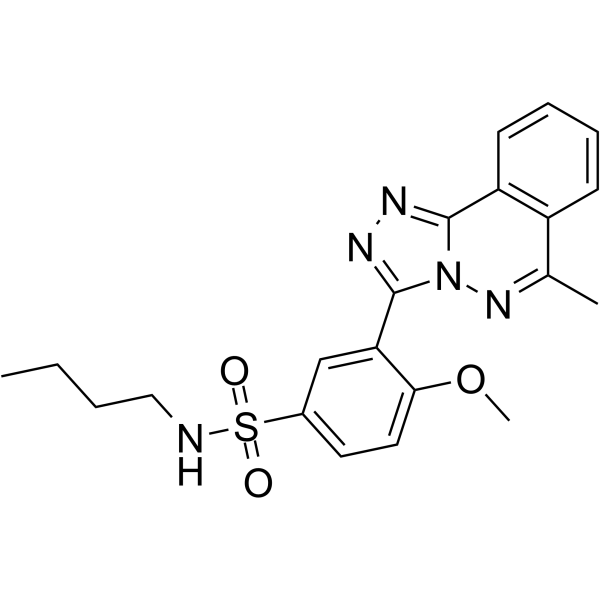
    GS-462808 is an oral active late sodium current inhibitor (Late INai) of the cardiac Nav1.5 channel with the IC50 of 1.33 μM. GS-462808 can be used for study of arrhythmia .
    GS-462808
  • HY-P1218

    Sodium Channel Neurological Disease
    Phrixotoxin 3 is a potent blocker of voltage-gated sodium channels, with IC50s of 0.6, 42, 72, 288, 610 nM for NaV1.2, NaV1.3, NaV1.4, NaV1.1 and NaV1.5, respectively. Phrixotoxin 3 modulates voltage-gated sodium channels with properties similar to those of typical gating-modifier toxins, both by causing a depolarizing shift in gating kinetics and by blocking the inward component of the sodium current .
    Phrixotoxin 3
  • HY-W052508S

    N-Desalkylquetiapine-d8

    Isotope-Labeled Compounds Others Neurological Disease Inflammation/Immunology
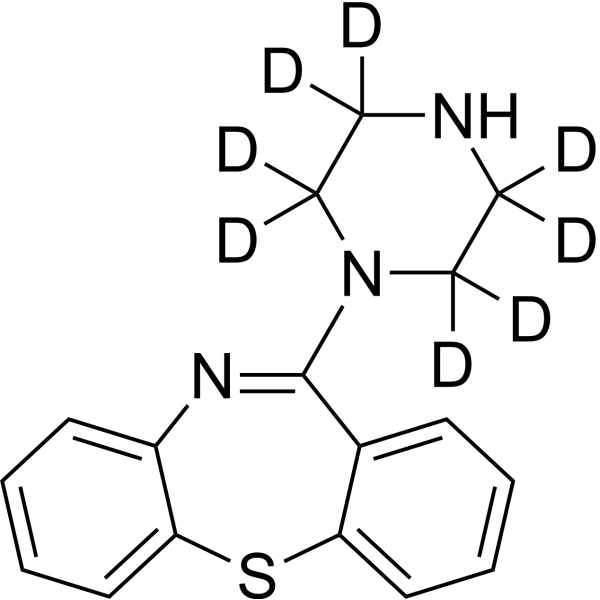
    Norquetiapine-d8 (N-Desalkylquetiapine-d8) is the deuterium labeled Norquetiapine.Norquetiapine ( N-Desalkylauetiapine), a metabolite of Quetiapine (HY-14544), is a selective HCN1 channel inhibitor, with an IC50 of 13.9 μM. Norquetiapine selectively inhibits noradrenaline reuptake, is a partial 5-HT1A (Ki = 45 nM) receptor agonist, and acts as an antagonist at presynapticα2 (Ki = 237 nM), 5-HT2C(Ki = 107 nM), and 5-HT7 (Ki = 76 nM) receptors. Norquetiapine blocks the human cardiac sodium channel Nav1.5 in a state-dependent manner. Norquetiapine shows partial anti-inflammatory effects in LPS (HY-D1056) injected C57BL/6 mice. Norquetiapine can be used for the study of depression and inflammation .
    Norquetiapine-d8
  • HY-P1219

    β-TRTX-Cj1α

    Sodium Channel Neurological Disease
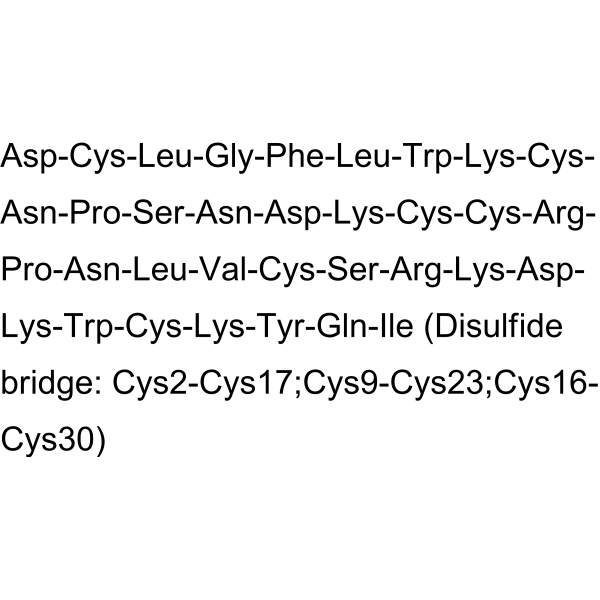
    Jingzhaotoxin-III is a potent and selective blocker of Nav1.5 channels, with an IC50 of 348 nM, and shows no effect on other sodium channel isoforms. Jingzhaotoxin-III can selectively inhibit the activation of cardiac sodium channel but not neuronal subtypes, and hopefully represents an important ligand for discriminating cardiac VGSC subtype .
    Jingzhaotoxin-III
  • HY-W040555
    Norquetiapine dihydrochloride
    1 Publications Verification

    N-Desalkylquetiapine dihydrochloride

    Drug Metabolite 5-HT Receptor HCN Channel Serotonin Transporter Neurological Disease
    Norquetiapine ( N-Desalkylauetiapine) dihydrochloride, a metabolite of Quetiapine (HY-14544), is a selective HCN1 channel inhibitor, with an IC50 of 13.9 μM. Norquetiapine dihydrochloride selectively inhibits noradrenaline reuptake, is a partial 5-HT1A (Ki = 45 nM) receptor agonist, and acts as an antagonist at presynapticα2 (Ki = 237 nM), 5-HT2C(Ki = 107 nM), and 5-HT7 (Ki = 76 nM) receptors. Norquetiapine dihydrochloride blocks the human cardiac sodium channel Nav1.5 in a state-dependent manner. Norquetiapine dihydrochloride shows partial anti-inflammatory effects in LPS (HY-D1056) injected C57BL/6 mice. Norquetiapine dihydrochloride can be used for the study of depression and inflammation .
    Norquetiapine dihydrochloride
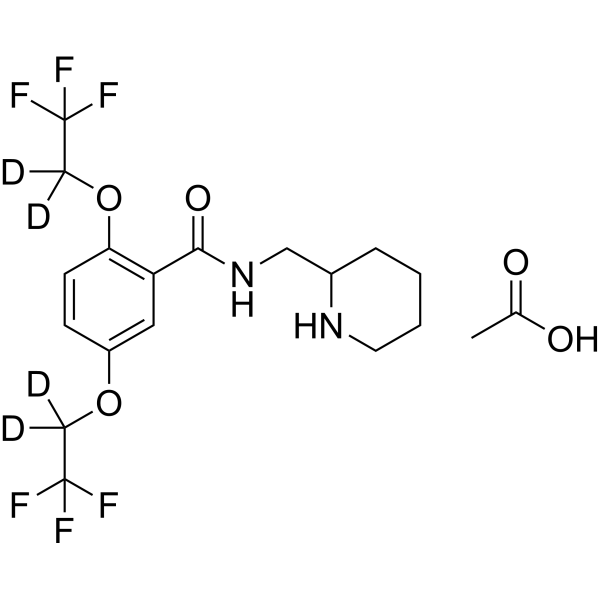
  • HY-17429S

    R-818-d4

    Sodium Channel Cardiovascular Disease
    Flecainide-d4 (acetate) is the deuterium labeled Flecainide acetate. Flecainide acetate (R-818) is a class 1C antiarrhythmic agent especially used for the management of supraventricular arrhythmia; works by blocking the Nav1.5 sodium channel in the heart, causing prolongation of the cardiac action potential .
    Flecainide-d4 acetate
  • HY-175226

    Dipeptidyl Peptidase Calcium Channel Sodium Channel Potassium Channel Cancer
    DPP8/9-IN-2 (Compound 21) is a DPP8/9 inhibitor with IC50 values of 0.22 nM and 3 nM, respectively, and Ki values of 2.9 nM and 6 nM, respectively . DPP8/9-IN-2 has certain cardiotoxicity, with IC50 values of 0.7 μM, 29.0 μM and 27.7 μM for hERG potassium channel, Nav1.5 sodium channel and Cav1.2 calcium channel, respectively. DPP8/9-IN-2 can be used in the research of diseases such as tumors .
    DPP8/9-IN-2
  • HY-P1681A

    Sodium Channel Neurological Disease
    GpTx-1 TFA is a peptide-based NaV1.7 sodium channel antagonist isolated from the venom of the Chilean spider Grammostola porter. GpTx-1 TFA demonstrates potent inhibitory activity against the NaV1.7 channel with an IC50 value of 10 nM, while exhibiting excellent selectivity for NaV1.4 (IC50 = 0.301 μM) and NaV1.5 (IC50 = 4.20 μM), showing >20-fold and >950-fold selectivity respectively .
    GpTx-1 TFA
  • HY-P1681

    Sodium Channel Neurological Disease
    GpTx-1 is a peptide-based NaV1.7 sodium channel antagonist isolated from the venom of the Chilean spider Grammostola porter. GpTx-1 demonstrates potent inhibitory activity against the NaV1.7 channel with an IC50 value of 10 nM, while exhibiting excellent selectivity for NaV1.4 (IC50 = 0.301 μM) and NaV1.5 (IC50 = 4.20 μM), showing >20-fold and >950-fold selectivity respectively .
    GpTx-1
  • HY-P1218A

    Sodium Channel Neurological Disease
    Phrixotoxin 3 TFA is a potent blocker of voltage-gated sodium channels, with IC50s of 0.6, 42, 72, 288, 610 nM for NaV1.2, NaV1.3, NaV1.4, NaV1.1 and NaV1.5, respectively. Phrixotoxin 3 TFA modulates voltage-gated sodium channels with properties similar to those of typical gating-modifier toxins, both by causing a depolarizing shift in gating kinetics and by blocking the inward component of the sodium current .
    Phrixotoxin 3 TFA
  • HY-15736

    Sodium Channel Neurological Disease
    Sodium Channel inhibitor 1 is a state-dependent voltage-gated NaV1.7 inhibitor with an IC50 of 0.087 μM. Sodium Channel inhibitor 1 can be used for research of pain .
    Sodium Channel inhibitor 1
  • HY-P5811

    CcoTx1; β-TRTX-cm1a

    Sodium Channel Neurological Disease
    Ceratotoxin-1 (CcoTx1), a peptide toxin, is an voltage-gated sodium channel subtypes inhibitor. Ceratotoxin-1 inhibits Nav1.1/β1, Nav1.2/β1, Nav1.4/β1, and Nav1.5/β1 with IC50 of 523 nM, 3 nM, 888 nM, and 323 nM, respectively. Ceratotoxin-1 also inhibits Nav1.8/β1 .
    Ceratotoxin-1
  • HY-W699451

    Sodium Channel Others
    MTSET chloride is a membrane-impermeable, thiol-specific reagent that primarily acts as an inhibitor of the Nav1.5 sodium channel. MTSET chloride reduces the peak sodium current amplitude of most mutant Nav1.5 channels, induces a hyperpolarizing shift in steady-state inactivation, and slows the recovery process, but shows no activity against wild-type and non-inactivating Nav1.5 channel mutants. MTSET chloride reacts covalently with T336C mutant P2X2 receptors, partially reversibly blocks ATP-induced cation currents, and exerts no effect on wild-type P2X2 receptors .
    MTSET chloride
  • HY-17429R

    R-818 (Standard)

    Reference Standards Sodium Channel Cardiovascular Disease
    Flecainide (acetate) (Standard) is the analytical standard of Flecainide (acetate). This product is intended for research and analytical applications. Flecainide acetate (R-818) is a class 1C antiarrhythmic agent especially used for the management of supraventricular arrhythmia; works by blocking the Nav1.5 sodium channel in the heart, causing prolongation of the cardiac action potential.
    Flecainide acetate (Standard)
  • HY-178344

    Calcium Channel Sodium Channel Cardiovascular Disease
    Multi-target kinase-IN-6 is a Multiple target kinase inhibitor. Multi-target kinase-IN-6 can inhibit cardiac RyR2- and NaV1.5-channels but stimulate SERCA2a pump activity. Multi-target kinase-IN-6 can be used for the research of cardiovascular disease, such as heart failure .
    Multi-target kinase-IN-6
  • HY-121675A

    BOL-148 D-Tartrate; Bromolysergide D-Tartrate

    5-HT Receptor G protein-coupled Bile Acid Receptor 1 Neurological Disease
    2-Bromo-LSD D-Tartrate (BOL-148 D-Tartrate) is a blood-brain barrier-permeable 5-HT2A partial agonist and competitive partial antagonist. 2-Bromo-LSD D-Tartrate acts as both a potent partial agonist (with an EC50 of 0.81 nM for Gq dissociation) and a potent partial antagonist (with a KB of 0.18 nM for Gq dissociation) at the 5-HT2A receptor. 2-Bromo-LSD D-Tartrate exhibits partial agonist activity at multiple aminergic GPCRs, including 5-HT2A. 2-Bromo-LSD D-Tartrate lacks 5-HT2B agonist activity. 2-Bromo-LSD D-Tartrate induces dendritogenesis and spinogenesis. 2-Bromo-LSD D-Tartrate reverses the behavioral effects of chronic stress and increases active coping behaviors in mice .
    2-Bromo-LSD D-Tartrate

Consulta en línea

Your information is safe with us. * Required Fields.

Saludo


Country or Region *

Nombre del solicitante *


Nombre de la Organizaciòn *

Department *


Direcciòn del E-mail *


Nombre del producto *

Cat. No.


Requested quantity *

Número de teléfono *


Observaciones

Consulta en línea

Inquiry Information

Nombre del producto:
Cat. No.:
Cantidad:
MCE Japan Authorized Agent:

