1. Search Result
Search Result
Results for "

Nude mice.

" in MedChemExpress (MCE) Product Catalog:

71

Inhibitors & Agonists

3

Fluorescent Dyes

1

Biochemical Assay Reagents

7

Peptides

2

Inhibitory Antibodies

5

Natural
Products

1

Click Chemistry

1

Oligonucleotides

Cat. No. Product Name Target Research Areas Chemical Structure
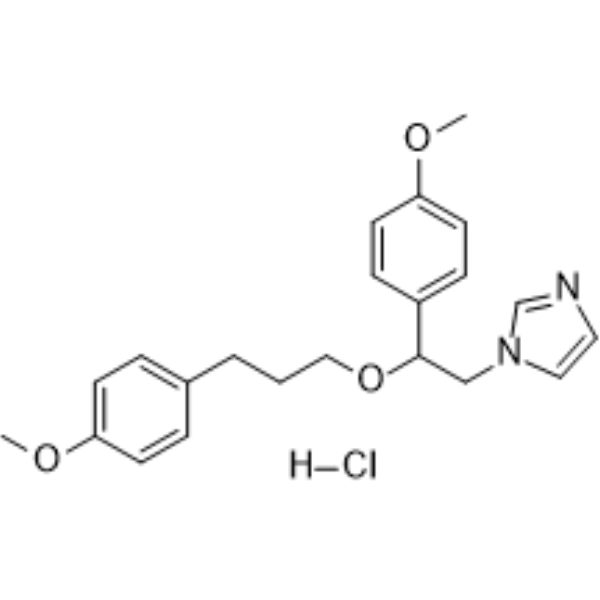
  • HY-100001
    SKF-96365 (hydrochloride)
    Maximum Cited Publications
    27 Publications Verification

    TRP Channel CRAC Channel Autophagy CaMK Akt Apoptosis Na+/Ca2+ Exchanger Calcium Channel Neurological Disease Inflammation/Immunology Cancer
    SKF-96365 hydrochloride is a TRPC channel antagonist and store-operated calcium entry (SOCE) inhibitor. SKF-96365 hydrochloride reduces calcium ion influx by inhibiting the activity and expression of TRPC6, STIM1 and Orai1. SKF-96365 hydrochloride inhibits voltage-gated sodium current (cardiac INa/NaV1.5) and slows myocardial conduction. SKF-96365 hydrochloride inhibits phosphorylation/activation of CaMKIIγ and suppresses the downstream AKT signaling pathway. SKF-96365 hydrochloride induces G2/M phase cell cycle arrest, apoptosis and cytoprotective autophagy in colorectal cancer cells. SKF-96365 hydrochloride alleviates allergic rhinitis symptoms by reducing inflammatory cytokine levels. SKF-96365 hydrochloride reduces intracellular calcium overload, inhibits Homer1 expression, prevents nuclear damage and suppresses apoptosis. SKF-96365 hydrochloride inhibits the growth of colorectal cancer xenografts in nude mice . SKF-96365 hydrochloride is applicable to research related to allergic rhinitis, colorectal cancer, Parkinson's disease, persistent spontaneous nociception and hyperalgesia .
    SKF-96365 (hydrochloride)
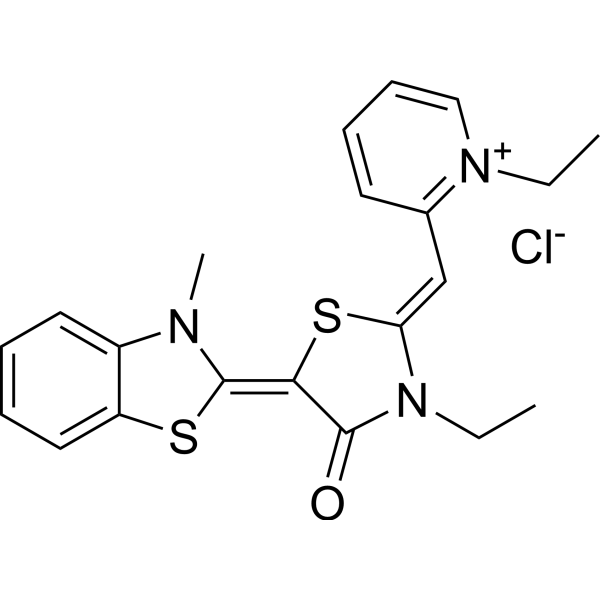
  • HY-15096
    MKT-077
    15+ Cited Publications

    FJ-776

    Fluorescent Dye HSP Cancer
    MKT-077 (FJ-776), a highly water-soluble mitochondrial dye, has significant antitumor activity . MKT-077 exhibits low cytotoxicity, and inhibits broad-spectrum human cancer cell lines (colon cancer, breast cancer, pancreatic cancer). MKT-077 inhibits the growth of tumor in nude mice enograft tumor model. Ex/Em=488/543 nm .
    MKT-077
  • HY-164561
    TASIN-30
    1 Publications Verification

    Emopamil Binding Protein Ferroptosis Apoptosis Cancer
    TASIN-30 is a selective EBP inhibitor with an EC50 of 0.097 μM. TASIN-30 blocks the production of 7-dehydrocholesterol (7-DHC) and downstream cholesterol biosynthesis processes. TASIN-30 depletes downstream sterols, disrupts the integrity of lipid rafts in tumor cells, accelerates intracellular cholesterol consumption, and inhibits tumor cell proliferation. TASIN-30 induces ferroptosis and apoptosis by reducing 7-DHC levels and increasing phospholipid peroxidation. TASIN-30 achieves tumor suppression in nude mice with osteosarcoma. TASIN-30 can be used in cancer-related research such as colorectal cancer and osteosarcoma .
    TASIN-30
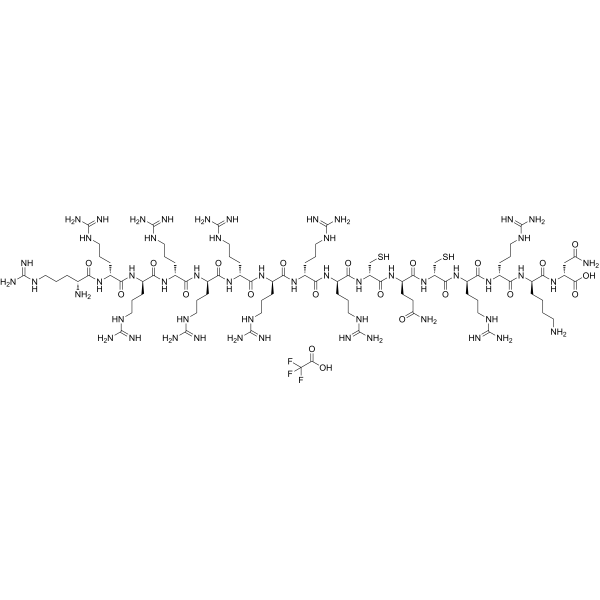
  • HY-P1925A
    GO-203 TFA
    2 Publications Verification

    PI3K Reactive Oxygen Species (ROS) Apoptosis Cancer
    GO-203 TFA is a potent MUC1-C oncoprotein inhibitor. GO-203 TFA is an all D-amino acid peptide that consists of a poly-R transduction domain linked to a CQCRRKN motif that binds to the MUC1-C cytoplasmic tail and blocks MUC1-C homodimerization. GO-203 TFA downregulates TIGAR (TP53-induced glycolysis and apoptosis regulator) protein synthesis by inhibiting the PI3K-AKT-S6K1 pathway. GO-203 TFA induces the production of ROS and loss of mitochondrial transmembrane potential. GO-203 TFA inhibits the growth of colon cancer cells in vitro and as xenografts in nude mice .
    GO-203 TFA
  • HY-178018

    iOXCT1

    Mitochondrial Metabolism Cancer
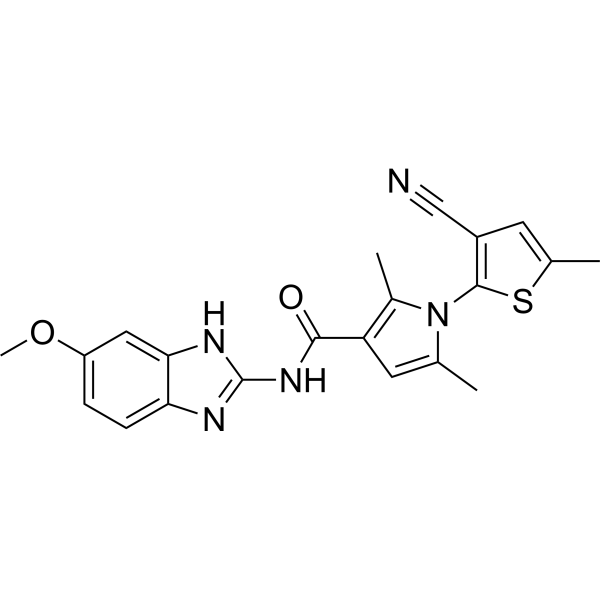
    D574-0246 is a dual-activity inhibitor of OXCT1, inhibiting both the ketolytic and succinyltransferase activities of OXCT1. D574-0246 reduces substrate-specific (LACTB K284) and global protein succinylation and decreases OXCT1 ketolytic activity in HepG2 cells. D574-0246 inhibits the viability of HCC cells (IC50: 16.49 μM in PLC cells, 6.656 μM in HepG2 cells). D574-0246 exerts anti-tumor efficacy in nude mice bearing OXCT1-overexpressing HepG2 xenograft tumors. D574-0246 can be used for the study of hepatocellular carcinoma (HCC) .
    D574-0246
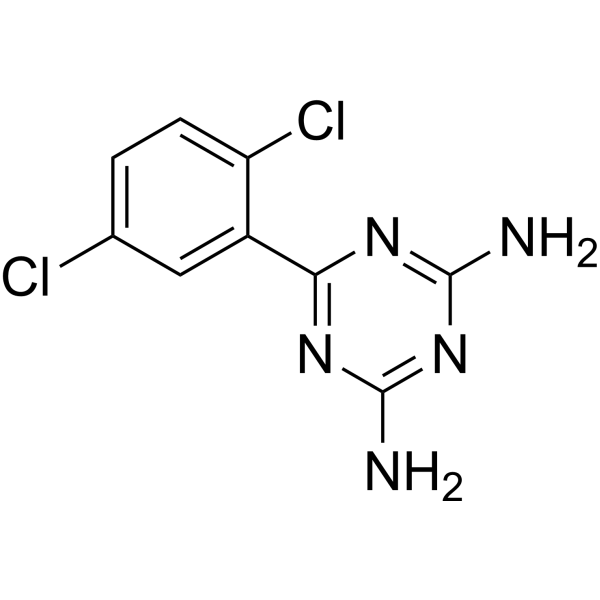
  • HY-B0327
    Irsogladine
    3 Publications Verification

    Dicloguamine

    Phosphodiesterase (PDE) NF-κB AP-1 TRP Channel Interleukin Related Inflammation/Immunology Cancer
    Irsogladine (Dicloguamine) is an orally active gastric mucosal protective agent. Irsogladine inhibits breast cancer recurrence and lung metastasis in nude mice . Irsogladine inhibits the transcriptional activities of NF-κB and AP-1, suppresses the activities of PDE and PDE4 to elevate intracellular cAMP levels, and activates TRPV1 and KATP channels. Irsogladine enhances iNOS expression, NO production, and the activation of cAMP-responsive elements. Irsogladine inhibits the development and progression of intestinal polyps in Apc-mutant mice. Irsogladine alleviates oxidative stress, increases gastric mucosal blood flow, and stimulates the production of endogenous prostaglandins. Irsogladine promotes insulin secretion in MIN6 cells. Irsogladine inhibits tumor angiogenesis, cancer cell proliferation, and the production of proinflammatory cytokines. Irsogladine exerts protective effects on astrocytes in ethanol/hydrochloric acid-induced gastric ulcers in mice. Irsogladine prevents colitis in IL-10 gene-deficient mice by reducing the production of IL-12 and IL-23. Irsogladine upregulates gap junction intercellular communication in pancreatic cancer cells via the PKA pathway. Irsogladine is applicable to research related to breast cancer, intestinal polyposis, gastric ulcer, spontaneous colitis, glioma, liver cancer, and pancreatic cancer [5][6] .
    Irsogladine
  • HY-N6017

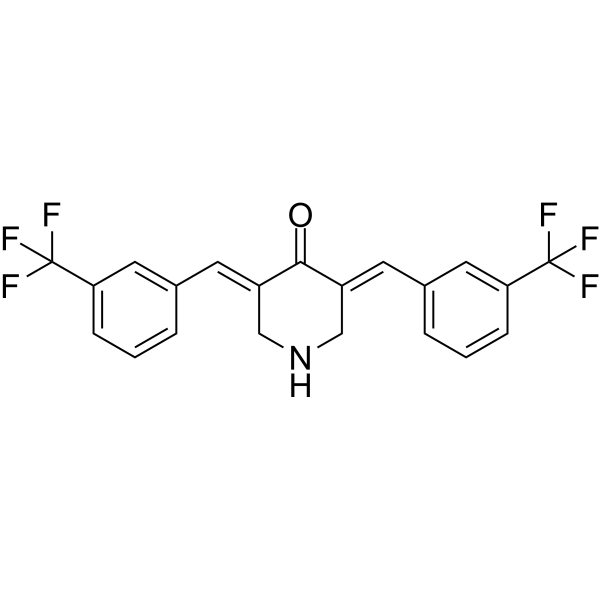
    HDAC TNF Receptor Interleukin Related TGF-β Receptor IFNAR PI3K PKC Akt GSK-3 Caspase Apoptosis Cancer
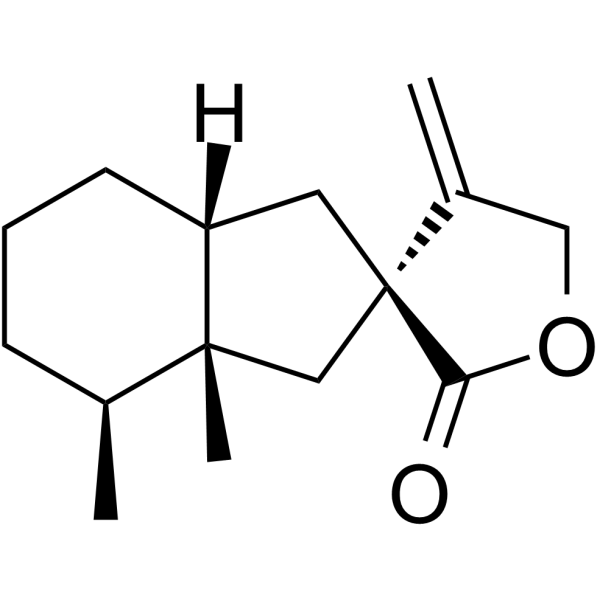
    Bakkenolide A is an anticancer agent. Bakkenolide A reduces the viability of leukemia cells, inhibits cell colony formation and invasion, and downregulates the expression of HDAC3 in cells. Bakkenolide A downregulates the expression of pro-inflammatory cytokines including TNF-α, interleukins such as IL-1β, TGF-β1 and IFN-γ, as well as the expression of PI3K, PDK and PKC in leukemia cells. Bakkenolide A downregulates activated Akt, GSK and Bad, while upregulates Cyto-c, cleaved Caspase3 and cleaved Caspase7, induces apoptosis (apoptosis) in leukemia cells and thereby inhibits inflammatory responses in leukemia cells. Bakkenolide A significantly slows the growth of subcutaneous leukemia tumors in nude mice. Bakkenolide A is applicable to leukemia-related research .
    Bakkenolide A
  • HY-120692

    JAK STAT Apoptosis Cancer
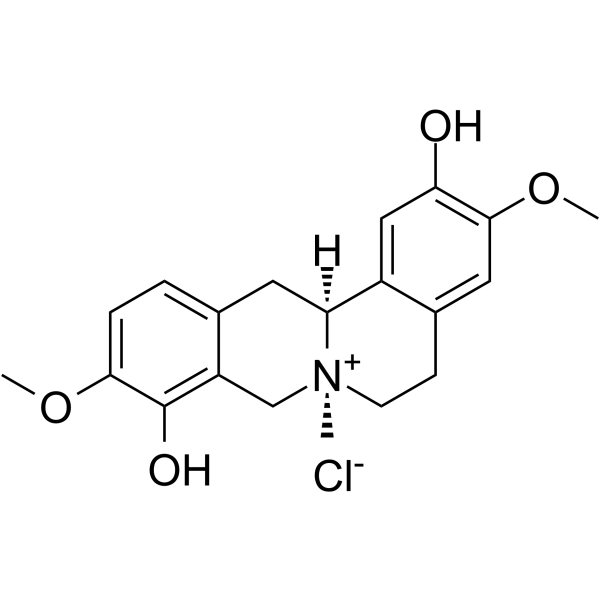
    Cyclanoline chloride is an alkaloid. Cyclanoline chloride can be isolated from Fangji. Cyclanoline (chloride) inhibits the phosphorylation of JAK2 and STAT3, and induces Apoptosis. Cyclanoline chloride suppresses tumor growth in subcutaneous bladder cancer xenograft models of nude mice. Cyclanoline chloride reverses cisplatin resistance in bladder cancer cells and enhances the efficacy of Cisplatin (HY-17394). Cyclanoline chloride can be used for research related to bladder cancer .
    Cyclanoline chloride
  • HY-P991584

    FGFR Cancer
    HuGAL-FR21 is a humanized antiFGFR2IIIb IgG1 monoclonal antibody. HuGAL-FR21 can block the binding of FGF2, FGF7, and FGF10 to FGFR2IIIb and inhibit FGF-induced phosphorylation of FGFR2IIIb. HuGAL-FR21 can downregulate the expression of FGFR2 in SNU-16 cells. HuGAL-FR21 shows the significant anti-tumor activity in athymic nude mice bearing gastric cancer xenograft models. HuGAL-FR21 can be used for research on cancer such as gastric cancer .
    HuGAL-FR21
  • HY-156418

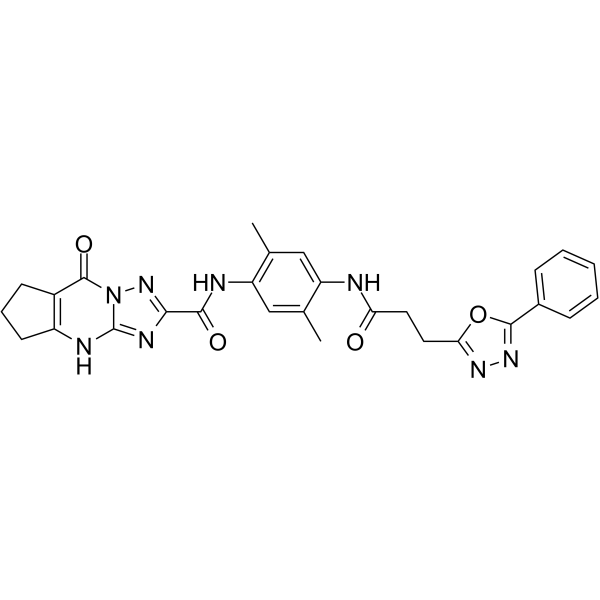
    DNA/RNA Synthesis Ferroptosis Apoptosis Reactive Oxygen Species (ROS) Cancer
    KY386 is a DHX33 helicase inhibitor with an IC50 of 0.019 μM. KY386 inhibits the cell viability of various cancer cells. KY386 induces ferroptosis in cancer cells, and induces apoptosis in some cancer cell lines. KY386 increases the intracellular levels of ROS, LPO and Fe 2+, and decreases the level of GSH in cancer cells . KY386 inhibits the growth of gastric cancer and colon cancer xenografts in nude mice. KY386 is applicable to the related research on liver cancer, lung cancer, pancreatic cancer, colorectal cancer, gastric cancer, breast cancer, leukemia, renal cancer, prostate cancer, esophageal cancer, cervical cancer, brain cancer (glioblastoma) and melanoma .
    KY386
  • HY-149265

    Reactive Oxygen Species (ROS) TrxR Ferroptosis Apoptosis Caspase Bcl-2 Family Cancer
    ROS-generating agent 1 is a selective ROS-generating agent. ROS-generating agent 1 inhibits TrxR activity and expression in cancer cells. ROS-generating agent 1 induces ROS-dependent apoptosis and ferroptosis in cancer cells. ROS-generating agent 1 selectively kills lung cancer cells and inhibits the growth of cancer cell xenograft tumors in nude mice. ROS-generating agent 1 can be used for the research of non-small cell lung cancer .
    ROS-generating agent 1
  • HY-124813

    113B7

    FAK EGFR MMP NF-κB SDCBP Cancer
    PDZ1i (113B7) is a inhibitor of MDA-9/Syntenin, with selective binding to the PDZ1 domain. PDZ1i inhibits radiation-induced invasion of glioblastoma (GBM) cells, radiosensitizes GBM cells, and impairs GBM-related signaling pathways (including Src/EphA2, EGFRvIII/FAK, and NF-κB). PDZ1i reduces radiation-induced secretion of invasion-related proteases (MMP-2, MMP-9, ADAM9). PDZ1i shows anti-tumor effects in nude mice bearing intracranial U1242-luc xenografts or GBM xenografts. PDZ1i can be used for the study of glioblastoma (GBM), breast cancer and prostate cancer .
    PDZ1i
  • HY-168566

    HSP Cancer
    EV206 is a Hsp70 binder and apoptosis inducer that binds to the N-terminal domain of Hsp70, promotes Hsp70 degradation via the ubiquitin-proteasome system, and reduces Hsp70 protein stability. EV206 induces apoptotic cell death, inhibits colony formation, and downregulates the expression of cancer stem cell-related markers in non-small cell lung cancer cells. EV206 inhibits the growth of H460 xenograft tumors in nude mice and can be used for the research of non-small cell lung cancer .
    EV206
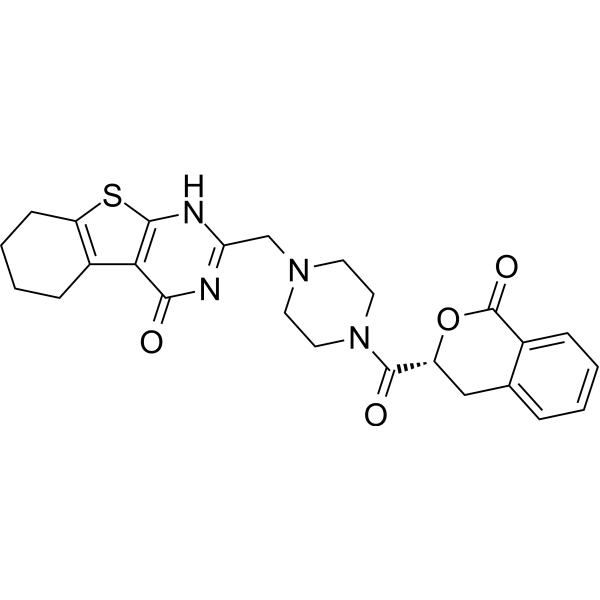
  • HY-114340

    Histone Methyltransferase Apoptosis Cancer
    LEM-14 is a potent and selective NSD2 inhibitor with an IC50 of 132 µM. LEM-14 has very weak activitv against NSD1 and has no activity against NSD3. LEM-14 inhibits fibrotic gene expression in ND but not DIO BMDMs. LEM-14 combined with ionizing radiation (IR) enhances the apoptosis rate and reduces the colony-formation ability of CRC cells. LEM-14 exhibits enhanced anti-tumor efficacy in Balb/c nude mice bearing LoVo cell xenografts when combined with ionizing radiation. LEM-14 has the potential for the research of multiple myeloma and colorectal cancer .
    LEM-14
  • HY-163828

    Apoptosis Phosphatase c-Myc GSK-3 ERK Reactive Oxygen Species (ROS) Cancer
    PPA24 is a PP2A activator with a KD of 8.465 μM for PP2ACα. PPA24 induces cancer cell death via apoptosis. PP2ACα induces ROS generation and decreases the level of c-Myc expression. PPA24 can be used to study colorectal cancer (CRC), Folinic acid (HY-17556), 5-Fluorouracil (HY-90006), and Oxaliplatin (HY-17371) (FOLFOX)-resistant CRC, and melanoma cancer .
    PPA24
  • HY-148413
    Aprinocarsen sodium
    1 Publications Verification

    ISIS 3521 sodium

    PKC Cancer
    Aprinocarsen (ISIS 3521) sodium, a specific antisense oligonucleotide inhibitor of protein kinase C-alpha (PKC-α). Aprinocarsen sodium is a 20-mer oligonucleotide, it regulates cell differentiation and proliferation. Aprinocarsen sodium inhibits the growth of human tumor cell lines in nude mice. Aprinocarsen sodium shows the value as a chemotherapeutic compound of human cancers .
    Aprinocarsen sodium
  • HY-149208

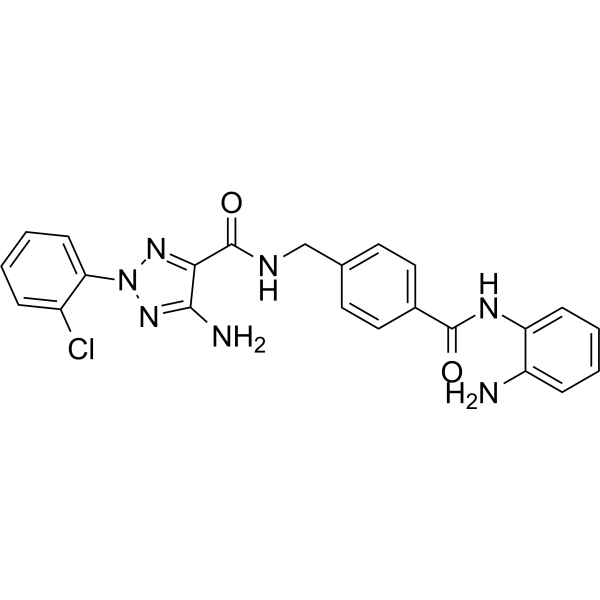
    HDAC Apoptosis Cancer
    HDAC-IN-53 is an orally active, and selective HDAC1-3 inhibitor with IC50 values of 47 nM, 125 nM, and 450 nM, respectively. HDAC-IN-53 does not inhibit class II HDACs (HDAC4, 5, 6, 7, 9; IC50>10 μM). HDAC-IN-53 induces caspase-dependent apoptosis. HDAC-IN-53 significantly inhibits the growth of human tumor xenografts in nude mice and murine tumor growth in immune-competent mice bearing MC38 colon cancer .
    HDAC-IN-53
  • HY-115552

    PARP Cancer
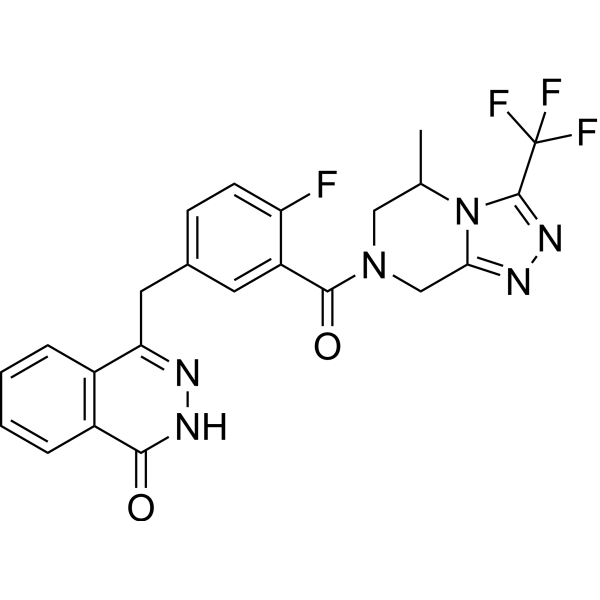
    Simmiparib is a highly potent and orally active PARP1 and PARP2 inhibitor with IC50 values of 1.75 nM and 0.22 nM, respectively. Simmiparib has more potent PARP1/2 inhibition than its parent Olaparib (HY-10162). Simmiparib induces DNA double-strand breaks (DSB) accumulation and G2/M arrest in homologous recombination repair (HR)-deficient cells, thereby inducing apoptosis. Simmiparib exhibits remarkable anticancer activities in cells and nude mice bearing xenografts .
    Simmiparib
  • HY-N6651

    STAT Phosphatase Apoptosis Autophagy p38 MAPK EGFR JAK Bcl-2 Family Survivin Akt mTOR PARP Caspase Atg8/LC3 CDK Cancer
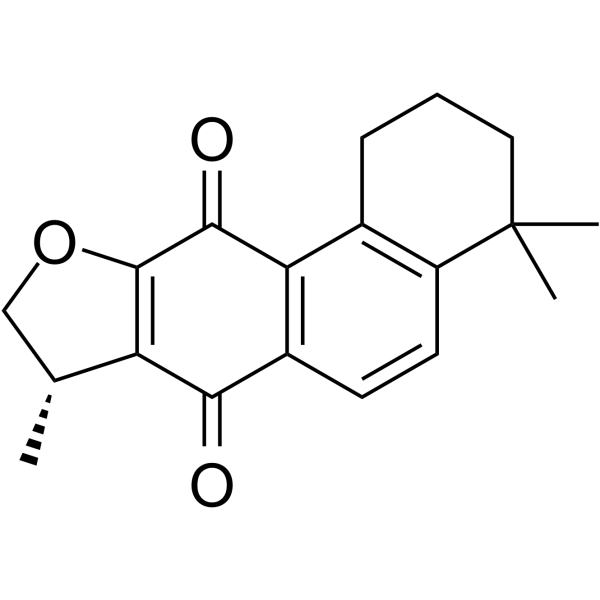
    Isocryptotanshinone is a dual STAT3 and PTP1B (IC50 = 56.1 μM) inhibitor. Isocryptotanshinone inhibits STAT3 by binding to the STAT3 SH2 domain to block phosphorylation and nuclear translocation [1][2]. Isocryptotanshinone exerts its anti-proliferative effect via the induction of cell cycle arrest, apoptosis, and pro-death autophagy, through the regulation of STAT3, AKT/mTOR and MAPK signaling pathways. Isocryptotanshinone suppresses the xenograft gastric cancer (GC) tumor growth in BALB/c nude mice. Isocryptotanshinone can be used for cancer research, such as lung cancer, breast cancer and GC .
    Isocryptotanshinone
  • HY-125942
    SKF-96365
    Maximum Cited Publications
    27 Publications Verification

    CRAC Channel TRP Channel CaMK Akt Apoptosis Autophagy Na+/Ca2+ Exchanger Calcium Channel Neurological Disease Inflammation/Immunology Cancer
    SKF-96365 is a TRPC channel antagonist and store-operated calcium entry (SOCE) inhibitor. SKF-96365 reduces calcium ion influx by inhibiting the activity and expression of TRPC6, STIM1 and Orai1. SKF-96365 inhibits voltage-gated sodium current (cardiac INa/NaV1.5) and slows myocardial conduction. SKF-96365 inhibits phosphorylation/activation of CaMKIIγ and suppresses the downstream AKT signaling pathway. SKF-96365 induces G2/M phase cell cycle arrest, apoptosis and cytoprotective autophagy in colorectal cancer cells. SKF-96365 alleviates allergic rhinitis symptoms by reducing inflammatory cytokine levels. SKF-96365 reduces intracellular calcium overload, inhibits Homer1 expression, prevents nuclear damage and suppresses apoptosis. SKF-96365 inhibits the growth of colorectal cancer xenografts in nude mice . SKF-96365 is applicable to research related to allergic rhinitis, colorectal cancer, Parkinson's disease, persistent spontaneous nociception and hyperalgesia .
    SKF-96365
  • HY-158006

    MetAP Cancer
    SDX-7539 is a selective inhibitor for Methionine aminopeptidase type 2 (MetAP2). SDX-7539 inhibits proliferarion of HUVECs with an IC50 of 120 μM. SDX-7539 exhibits antitumor activity in NSCLC xenograft athymic nude mice .
    SDX-7539
  • HY-112903A

    Protein Arginine Deiminase MDM-2/p53 PERK mTOR Autophagy Cancer
    YW3-56 (hydrochloride) is a PAD inhibitor. YW3-56 (hydrochloride) activates p53 target genes. YW3-56 (hydrochloride) activates ATF and blocks autophagy flux. YW3-56 induces ER stress through the PERK-eIF2α-ATF4 signaling cascade and inhibits the mTOR signaling. YW3-56 (hydrochloride) inhibits triple-negative breast cancer .
    YW3-56 hydrochloride
  • HY-D1460

    Bacterial β-glucuronidase Infection
    Fluorescein Di-β-D-Glucuronide is an orally active fluorescent probe substrate and an indicator of β-glucuronidase (βG) activity in intestinal bacteria. Fluorescein Di-β-D-Glucuronide can be used for non-invasive time-lapse optical imaging of βG activity in intestinal bacteria in nude mice. Fluorescein Di-β-D-Glucuronide supports the quantitative analysis of bacterial βG enzyme activity and inhibition .
    Fluorescein Di-β-D-Glucuronide
  • HY-171272

    Reactive Oxygen Species (ROS) MDM-2/p53 Cancer
    PRDX1-IN-3 (compound 19-048) is a PRDX1 covalent inhibitor with anti-colorectal cancer activity. PRDX1-IN-3 can effectively inhibit the proliferation of colorectal cancer cells, and its antitumor effect on nude mice with colorectal cancer carrying PRDX1 gene knockout is significantly reduced. PRDX1-IN-3 also upregulates the downstream genes of the p53 signaling pathway to exert an anticancer effect .
    PRDX1-IN-3
  • HY-125209A

    Apoptosis PARP DNA/RNA Synthesis Cancer
    TH5427 hydrochloride is a NUDT5 inhibitor with a human target IC50 of 29 nM, ~690-fold selectivity over MTH1 in vitro, and selective functional inhibition over other NUDIX hydrolases including NUDT9 .TH5427 hydrochloride binds to the active site of NUDT5, blocking enzymatic activity related to ADP-ribose metabolism and PAR-derived ATP synthesis .TH5427 hydrochloride blocks progestin-dependent nuclear ATP synthesis, impairs progestin-induced chromatin remodeling, inhibits histone H1 displacement, disrupts progestin-dependent gene regulation, and abrogates progestin-dependent proliferation in breast cancer cells .TH5427 hydrochloride functions as a versatile probe to study nuclear ATP dynamics and ADP-ribose-related metabolism in cells .TH5427 hydrochloride engages NUDT5 at physiological temperatures, as demonstrated by Drug Affinity Responsive Target Stability (DARTS) assay .TH5427 hydrochloride stabilizes NUDT5 against thermal denaturation in cell lysates and intact cells, as shown by cellular thermal shift assay (CETSA) .TH5427 hydrochloride functionally inhibits NUDT5 activity, leading to downstream effects on oxidative DNA damage and DNA replication in triple-negative breast cancer (TNBC) cells .TH5427 hydrochloride suppresses proliferation of TNBC cells without inducing cell death or apoptosis, slows DNA replication in TNBC cells, promotes accumulation of oxidative DNA lesions, and triggers DNA damage response in TNBC cells .TH5427 hydrochloride suppresses growth of TNBC cells in vitro, inhibits growth of TNBC xenograft tumors in nude mice in vivo, and shows greater potency against TNBC cell lines compared to ER-positive and normal-like breast cell lines .TH5427 hydrochloride can be used for the research of breast cancer and triple-negative breast cancer .
    TH5427 hydrochloride
  • HY-168875

    TrxR Reactive Oxygen Species (ROS) Cancer
    TrxR1 prodrug-1 (compound 5u) is a potent inhibitor of TrxR1. TrxR1 prodrug-1 exhibits significant antitumor efficiency in nude mice and NSCLC organoids .
    TrxR1 prodrug-1
  • HY-19015

    AT-2153

    Calmodulin Cancer
    Probimane (AT-2153) is a potent anticancer agent. Probimane is effective against mouse tumors S37, S180, Lewis lung carcinoma, L1210 and human pulmonary adenocarcinoma heterotransplanted into nude mice .
    Probimane
  • HY-108790

    Peginterferon β-1a

    Apoptosis Neurological Disease Cancer
    Peginterferon beta-1a (Peginterferon β-1a) is the first pegylated interferon beta-1a molecule. Peginterferon beta-1a induces cancer cells apoptosis and shows anti-tumor activities in nude mice models. Peginterferon beta-1a can be used for the research of cancer and multiple sclerosis (RMS) .
    Peginterferon beta-1a
  • HY-125135

    β-Peltatin

    Apoptosis Bcl-2 Family Caspase PARP Cancer
    (-)-β-Peltatin is an aryltetrahydronaphthalene lignan. (-)-β-Peltatin exhibits antitumor activity and cytotoxicity against pancreatic cancer cells. (-)-β-Peltatin induces G2/M cell cycle arrest and apoptosis in pancreatic cancer cells. (-)-β-Peltatin inhibits the growth of subcutaneous xenografts of pancreatic cancer cells in nude mice. (-)-β-Peltatin can be used in pancreatic cancer-related research .
    (-)-β-Peltatin
  • HY-178489

    Nectin-4 Cancer
    BGC1614 is a Nectin-4-targeting bicyclic toxin conjugate (BTC) belonging to the category of peptide-drug conjugates (PDCs). BGC1614 exhibits strong targeted binding ability to Nectin-4, with an KD of 3.859 × 10 -7 M. BGC1614 exhibits superior antitumor efficacy in nude mice bearing PC-3 and N87 tumor xenografts. BGC1614 can be used for research related to Nectin-4-overexpressing tumors (such as prostate cancer, gastric cancer) .
    BGC1614
  • HY-164575

    Radionuclide-Drug Conjugates (RDCs) PSMA Cancer
    NH2-NODAGA is a NODAGA-type metal chelator that can bind to radionuclides to prepare radionuclide conjugates (RDCs). NH2-NODAGA can react with diethyl squarate in 0.5M phosphate buffer to obtain NODAGA.SA. NODAGA.SA can target L-lysine urea-L-glutamate (KuE), which is a key structure of prostate-specific membrane antigen (PSMA). NODAGA.SA.KuE can bind [68]Ga and can be used for PET examination of NMRInu/nu nude mice bearing LNCaP tumors.
    NH2-NODAGA
  • HY-W001925

    Apoptosis NF-κB c-Met/HGFR Akt MMP Cancer
    7-Methoxy-1-tetralone is a potent antitumor agent. 7-Methoxy-1-tetralone inhibits cancer cell proliferation and migration, and induces hepatocellular carcinoma cell (HCC) apoptosis. 7-Methoxy-1-tetralone decreased the protein levels of NF-κB, matrix metallopeptidase 2 (MMP2)/MMP9, and p-AKT. 7-Methoxy-1-tetralone showed antitumor activity in nude mice and had no effect on body weight and liver, spleen and organ index .
    7-Methoxy-1-tetralone
  • HY-175042

    Ins(1,3,4,5,6)P5 ammonium salt; 1,3,4,5,6-IP5 ammonium salt

    Akt Cancer
    D-myo-Inositol-1,3,4,5,6-pentaphosphate (ammonium salt) (Ins(1,3,4,5,6)P5 (ammonium salt)) is an isomer of inositol phosphate that acts as a small and soluble second messenger in the transmission of cellular signals. D-myo-Inositol-1,3,4,5,6-pentaphosphate (ammonium salt) can bind to the PH domain of Grp1 with a Kd of 590 nM. D-myo-Inositol-1,3,4,5,6-pentaphosphate (ammonium salt) can inhibit the phosphorylation and kinase activity of Akt/PKB, inducing apoptosis in ovarian, lung, and breast cancer cells. D-myo-Inositol-1,3,4,5,6-pentaphosphate (ammonium salt) exhibits antiangiogenic activity in vitro and blocks capillary tube formation of HUVEC. D-myo-Inositol-1,3,4,5,6-pentaphosphate (ammonium salt) exerts antitumor effects against cancer xenografts in nude mice .
    D-myo-Inositol-1,3,4,5,6-pentaphosphate ammonium salt
  • HY-157085

    HSP Cancer
    BX-2819 is a Hsp90 inhibitor with an IC50 value of 41 nM. BX-2819 inhibits the proliferation of cancer cells. BX-2819 can significantly inhibit the growth of NCI-N87 and HT-29 tumors in nude mice .
    BX-2819
  • HY-P4111A

    CXCR Cancer
    Peptide R (TFA) is a synthetic and specific CXCR4 antagonist. Peptide R (TFA) shows outstanding capacities to remodel the tumor stroma. Peptide R (TFA) can be used for solid tumor (glioblastoma, etc.) research .
    Peptide R TFA
  • HY-W674149

    Microtubule/Tubulin Cancer
    ABI-274 is a tubulin and colchicine binding site inhibitor. ABI-274 significantly promotes cancer cell apoptosis in vitro when combined with vemurafenib (HY-12057). ABI-274 exhibits potent synergistic efficacy in the vemurafenib-resistant xenograft model in nude mice. ABI-274 can be studied in research on melanoma .
    ABI-274
  • HY-176288

    Eukaryotic Initiation Factor (eIF) Bcl-2 Family Apoptosis Ras PERK Cancer
    eIF4E/eIF4G PPI-IN-1 is an eIF4E/eIF4G interaction inhibitor with a KD of 20.2 μM for eIF4E protein. eIF4E/eIF4G PPI-IN-1 plays an antitumor role in multiple modes of action including regulating the activity of eIF4E by inhibiting the Ras/MAPK/eIF4E signaling pathway, apoptosis and cell migration. eIF4E/eIF4G PPI-IN-1 suppresses the growth of HepG2 xenografts in nude mice and was relatively nontoxic to mice .
    eIF4E/eIF4G PPI-IN-1
  • HY-178370

    Ferroptosis Reactive Oxygen Species (ROS) Cancer
    Ferroptosis inducer-12 is a potent and selective ferroptosis inducer. Ferroptosis inducer-12 exhibits potent antiproliferative activity against HT1080 and OS-RC-2, with IC50 values of 3 nM and 5 nM, respectively. Ferroptosis inducer-12 strongly inhibits GPX4 enzymatic activity, induces intracellular ROS and elevates intracellular Fe 2+ levels in OS-RC-2 cells. Ferroptosis inducer-12 significantly inhibits tumor growth in BALB/c nude mice bearing OS-RC-2 xenografts. Ferroptosis inducer-12 can be used for the study of cancer .
    Ferroptosis inducer-12
  • HY-P991243

    EGFR Akt Cancer
    MP-RM-1 is an antibody-based, non-competitive ErbB-3 inhibitor with a Kd value of 32.7 nM. MP-RM-1 inhibits both ligand-dependent and ligand-independent ErbB-3 activation, blocks ErbB-2/ErbB-3 heterodimerization, induces ErbB-3 internalization and degradation, and suppresses the phosphorylation of downstream Akt. MP-RM-1 exerts its antagonistic effect through a non-competitive mechanism. MP-RM-1 inhibits tumor growth in melanoma and prostate cancer xenograft models in nude mice and reduces the proliferative activity of tumor cells .
    MP-RM-1
  • HY-175497

    ROR Apoptosis Bcl-2 Family PARP Cancer
    ROR1-IN-4 is a selective ROR1 inhibitor with a Kd of 52 nM. ROR1-IN-4 shows potent anti-proliferative activity against TNBC cell line MDA-MB-231 (IC50 = 75 nM). ROR1-IN-4 reduces colony formation, induces apoptosis and inhibits the phosphorylation of ROR1 (Tyr786) in MDA-MB-231 cells. ROR1-IN-4 demonstrates superior anti-tumor efficacy in nude mice bearing MDA-MB-231 subcutaneous xenografts. ROR1-IN-4 can be used for the study of triple-negative breast cancer (TNBC) .
    ROR1-IN-4
  • HY-P11405

    Neurotensin Receptor Neurological Disease Cancer
    [D-Arg1, D-Trp5, 7, 9, Leu11]-Substance P is a potent inhibitor of cell growth in small cell lung cancer (SCLC). [D-Arg1, D-Trp5, 7, 9, Leu11]-Substance P is also a neuropeptide antagonist, capable of blocking colony formation stimulated by various neuropeptides (including vasopressin and bradykinin). [D-Arg1, D-Trp5, 7, 9, Leu11]-Substance P inhibits the mobilization of Ca 2+ and the activation of mitogen-activated protein kinases induced by vasopressin or bradykinin. [D-Arg1, D-Trp5, 7, 9, Leu11]-Substance P inhibits the growth of H-69 xenograft tumors in nude mice .
    [D-Arg1,D-Trp5,7,9,Leu11]-Substance P
  • HY-174870

    PROTACs Estrogen Receptor/ERR Apoptosis Fluorescent Dye Cancer
    PROTAC ERα Degrader-11 is a selective and intrinsically fluorescent (Ex: 366 nm, Em: 440 nm) ERα PROTAC degrader. PROTAC ERα Degrader-11 shows good antiproliferative activity, selective ERα degradation and imaging capabilities in MCF-7 breast cancer cell lines. PROTAC ERα Degrader-11 induces G2/M phase arrest and induces apoptosis in MCF-7 cells. PROTAC ERα Degrader-11 is well-tolerated up to a dose of 500 mg/ kg with no acute toxicity in athymic nude mice. PROTAC ERα Degrader-11 can be used for the study of breast cancer.(Pink: ERα ligand (HY-167701), Blue: CRBN Ligand (HY-150831), Black: Linker, E3 ligase ligand-linker conjugate (HY-174880)) .
    PROTAC ERα Degrader-11
  • HY-113889

    Progesterone Receptor Cancer
    ZK112993 is a potent progesterone receptor (PR) antagonist. ZK112993 significantly inhibits the growth of T61 human tumors in nude mice .
    ZK112993
  • HY-114527

    Apoptosis Stearoyl-CoA Desaturase (SCD) Cancer
    TPMP-I-2 is an anticancer agent that induces cancer cell lines Apoptosis and decreases protein levels of stearoyl-CoA desaturase. TPMP-I-2 prolongs the survival time of nude rats in a simulated micrometastatic cervical cancer model and reduces tumor growth in a breast cancer model in nude mice combined with immunotoxins .
    TPMP-I-2
  • HY-169928

    DNA/RNA Synthesis Cancer
    WRN inhibitor 14 (compound S35) is an orally active WRN inhibitor with anticancer activity. WRN inhibitor 14 results in tumor growth inhibition in the SW48 xenograft model in BALB/c nude mice .
    WRN inhibitor 14
  • HY-108352

    VCE 004

    Topoisomerase Cancer
    HU 331 (HU 331) is a highly specific Topoisomerase II inhibitor with anticancer activity. HU 331 has shown promising inhibitory effects on human cancer cell lines in vitro and human tumor xenografts in nude mice in vivo .
    HU 331
  • HY-118032

    Apoptosis Autophagy JNK ERK Cancer
    Bozepinib is a PKR (RNA-dependent protein kinase) activator and potently inhibits the HER-2 signaling pathway as well as JNK and ERK kinases. Bozepinib induces PKR-mediated apoptosis and synergizes with IFNα to trigger apoptosis, autophagy and senescence. Bozepinib also demonstrates in vivo antitumor and antimetastatic efficacy in xenografted nude mice .
    Bozepinib
  • HY-146505

    Microtubule/Tubulin Apoptosis Reactive Oxygen Species (ROS) Cancer
    Tubulin polymerization-IN-6 (compound 5f) is a potent tubulin polymerization inhibitor, with an IC50 of 1.09 μM. Tubulin polymerization-IN-6 inhibits cell migration and tube formation and contributes to the anti-angiogenesis. Tubulin polymerization-IN-6 can greatly inhibit tumor growth on HT29 xenograft Balb/c nude mice .
    Tubulin polymerization-IN-6
  • HY-146354

    Apoptosis Reactive Oxygen Species (ROS) Cancer
    Antiproliferative agent-4 (compound 2y) has excellent anti-proliferative activity against certain cancer cell lines. Antiproliferative agent-4 reduces the mitochondrial membrane potential, and increases the apoptosis rate and the level of ROS on EC109. Antiproliferative agent-4 inhibits tumour growth in nude mice, with low toxicity .
    Antiproliferative agent-4
  • HY-155032

    P-glycoprotein Cancer
    P-gp inhibitor 15 (compound 7a) is a nonsubstrate inhibitor of P-glycoprotein (Pgp). P-gp inhibitor 15 inhibits Pgp-ATPase activity,and interfers Pgp-mediated Rhodamine123 efflux. P-gp inhibitor 15 also enhances the inhibitory efficacy of Paclitaxel (HY-B0015),inhibits tumor progress in nude mice KBV xenograft tumors model .
    P-gp inhibitor 15

Inquiry Online

Your information is safe with us. * Required Fields.

Salutation


Country or Region *

Applicant Name *


Organization Name *

Department *


Email Address *


Product Name *

Cat. No.


Requested quantity *

Phone Number *


Remarks

Inquiry Online

Inquiry Information

Product Name:
Cat. No.:
Quantity:
MCE Japan Authorized Agent:

