1. Search Result
Search Result
Results for "

PARP-1/2-IN-2

" in MedChemExpress (MCE) Product Catalog:

30

Inhibitors & Agonists

1

Isotope-Labeled Compounds

Targets Recommended:
Cat. No. Product Name Target Research Areas Chemical Structure
  • HY-10129
    Veliparib
    45+ Cited Publications

    ABT-888

    PARP Autophagy Cancer
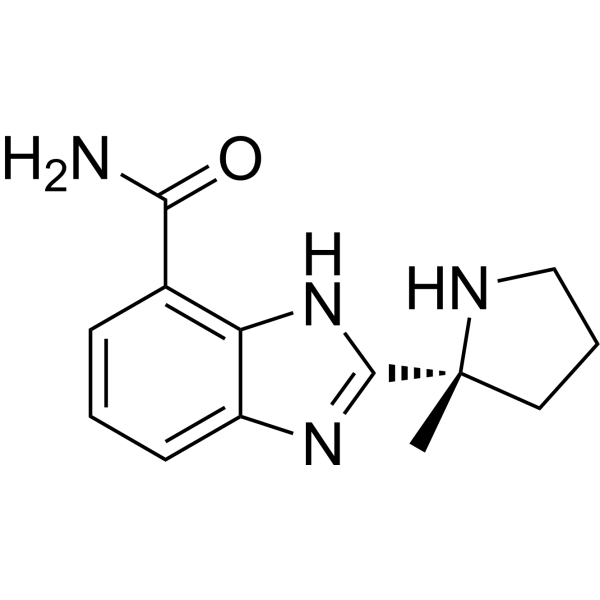
    Veliparib (ABT-888) is a potent PARP inhibitor, inhibiting PARP1 and PARP2 with Kis of 5.2 and 2.9 nM, respectively .
    Veliparib
  • HY-164926

    PARP Neurological Disease
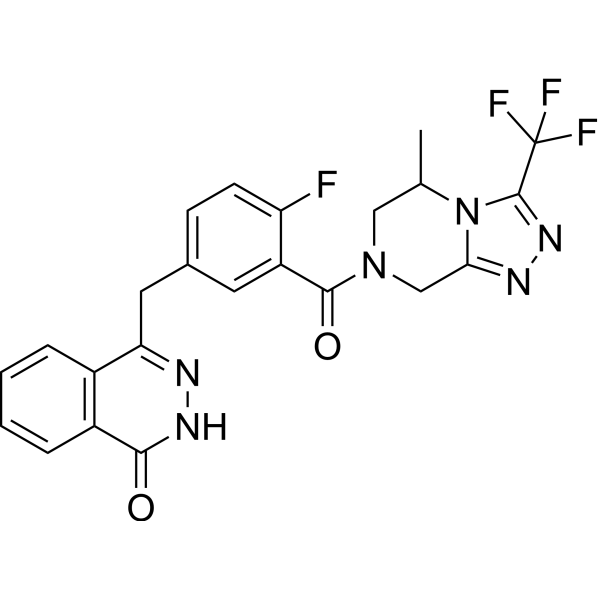
    PARP1-IN-33 (Example 6) is a PARP1 inhibitor (IC50: 0.41 nM). PARP1-IN-33 has retinal cytoprotective effect, with an EC50 of 0.02 nM (inhibition on MTS activity of H2O2 induced human retinal pigment epithelial cell) .
    PARP1-IN-33
  • HY-108632
    BYK204165
    1 Publications Verification

    PARP Cancer
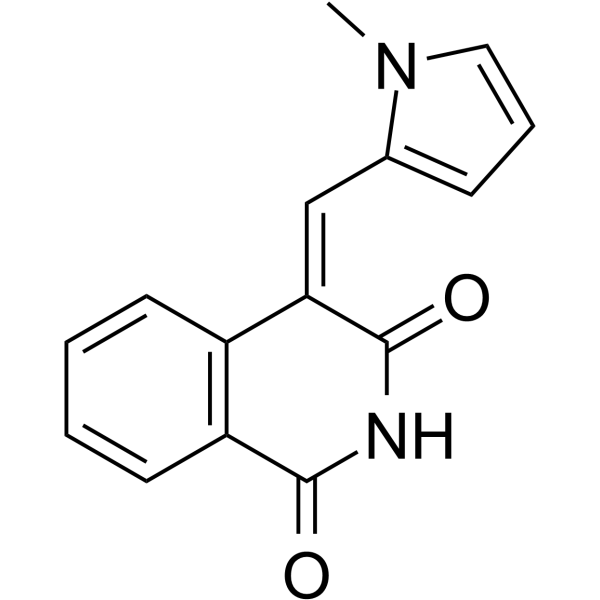
    BYK204165 is a potent and selective PARP1 inhibitor. BYK204165 inhibits cell-free recombinant human PARP-1 (hPARP-1) with a pIC50 of 7.35 (pKi=7.05), and murine PARP-2 (mPARP-2) with a pIC50 of 5.38, respectively. BYK204165 displays 100-fold selectivity for PARP-1 .
    BYK204165
  • HY-114324

    PROTACs PARP Cancer
    PROTAC PARP1 degrader is a PARP1 degrader based on MDM2 E3 ligand. PROTAC PARP1 degrader induces significant PARP1 cleavage and programmed cell death. PROTAC PARP1 degrader consists of E3 ubiquitinase ligand MDM2 ligand (HY-128836), blue part; target protein ligand PAPR1 ligand (HY-171543), pink part; PROTAC linker N3-PEG4-C2-NH2 (HY-128834), black part .
    PROTAC PARP1 degrader
  • HY-113432S

    Endogenous Metabolite PARP Metabolic Disease
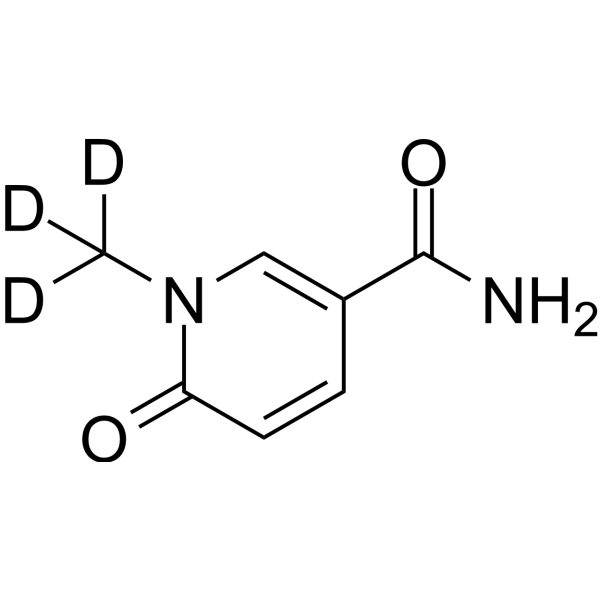
    Nudifloramide-d3 (2PY-d3) is the deuterium labeled Nudifloramide. Nudifloramide (2PY) is one of the end products of nicotinamide-adenine dinucleotide (NAD) degradation. Nudifloramide significantly inhibits poly(ADP-ribose) polymerase (PARP-1) activity in vitro .
    Nudifloramide-d3
  • HY-115552

    PARP Cancer
    Simmiparib is a highly potent and orally active PARP1 and PARP2 inhibitor with IC50 values of 1.75 nM and 0.22 nM, respectively. Simmiparib has more potent PARP1/2 inhibition than its parent Olaparib (HY-10162). Simmiparib induces DNA double-strand breaks (DSB) accumulation and G2/M arrest in homologous recombination repair (HR)-deficient cells, thereby inducing apoptosis. Simmiparib exhibits remarkable anticancer activities in cells and nude mice bearing xenografts [1].
    Simmiparib
  • HY-126248

    PARP Wnt Cancer
    Tankyrase-IN-2 (compound 5k) is a potent, selective, and orally active tankyrase inhibitor (IC50s of 10, 7, and 710 nM for TNKS1, TNKS2 as well as PARP1, respectively). Tankyrase-IN-2 has favorable physicochemical profile and pharmacokinetic properties modulating Wnt pathway activity in a colorectal xenograft model .
    Tankyrase-IN-2
  • HY-178496

    Hsp-targeting Chimeras PARP HSP Cancer
    DDO3602 is a PARP1 HEMTAC degradation agent mediated by HSP90. DDO3602 has good anti-tumor activity and tumor selectivity. DDO3602 induces G2/M phase arrest, DNA damage, and inhibits cell migration by degrading PARP1 in MCF-7 cells (IC50 = 187 nM). DDO3602 can be used for research on cancer such as breast cancer. (Pink: PARP1 Ligand (HY-75706); Blue: HSP90 Ligand (HY-179203); Black: Linker (HY-W015300))
    DDO3602
  • HY-149398

    Apoptosis PARP CDK Cancer
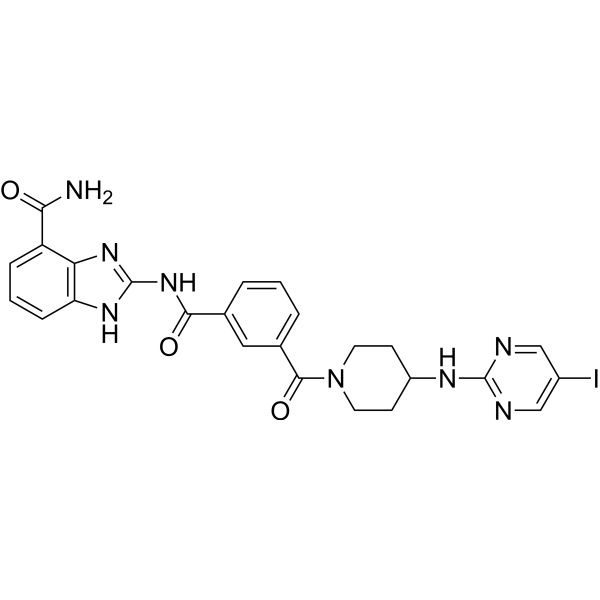
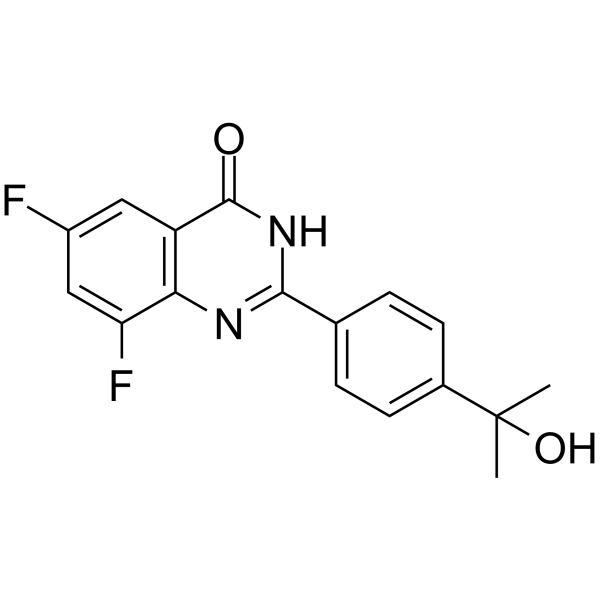
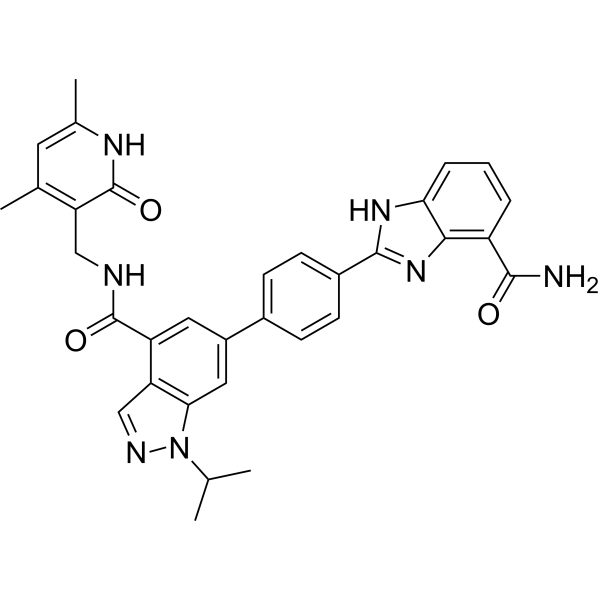
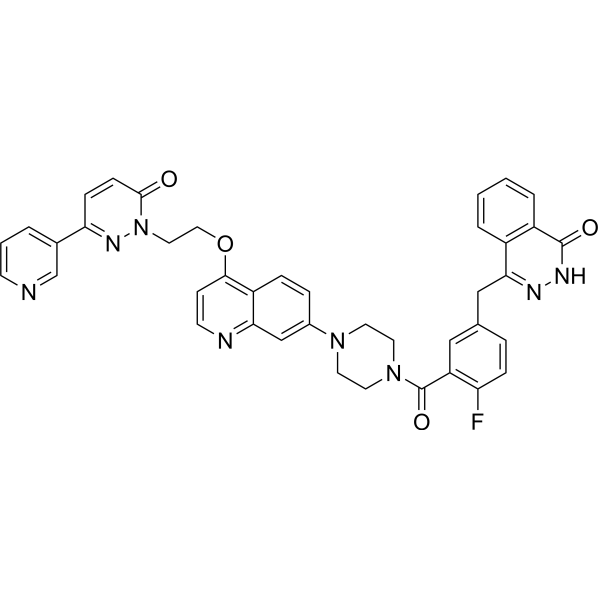
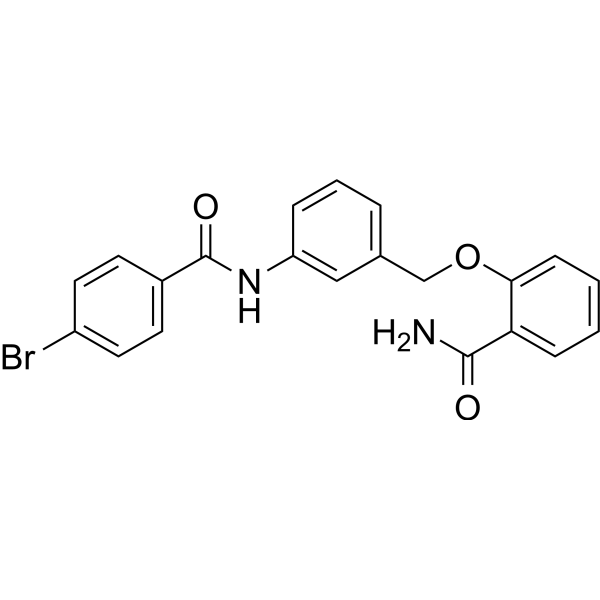
    PARP-1/2-IN-2-IN-1 (Compound 12e) is a PARP1/2/CDK12 inhibitor (IC50: 34, 30 and 285 nM respectively). PARP-1/2-IN-2 inhibits DNA damage repair, promotes cell cycle arrest and apoptosis. PARP-1/2-IN-2 inhibits the growth of TNBC cells and TNBC xenograft tumor .
    PARP-1/2-IN-2
  • HY-146817

    Microtubule/Tubulin Apoptosis Cancer
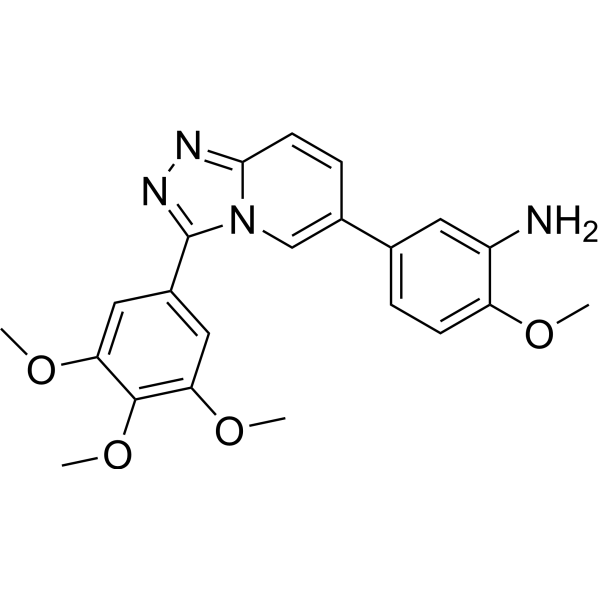
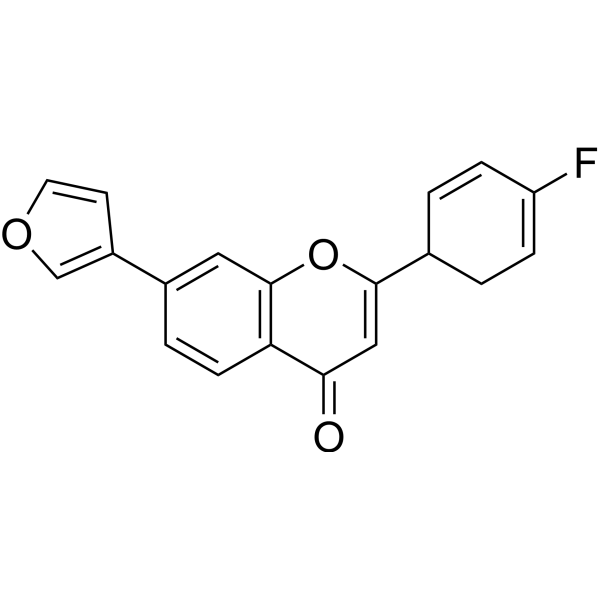
    Tubulin polymerization-IN-11 is a potent tubulin polymerization inhibitor with an IC50 value of 3.4 μM. Tubulin polymerization-IN-11 shows antiproliferative activity. Tubulin polymerization-IN-11 induces Apoptosis and cell cycle arrest at G2/M phase. Tubulin polymerization-IN-11 decreases the expression of cyclin B1, p-cdc2, and Bcl-2 protein levels and increases the expression of cleaved PARP .
    Tubulin polymerization-IN-11
  • HY-178032

    PARP Apoptosis Reactive Oxygen Species (ROS) DNA/RNA Synthesis STING Cancer
    PARP1-IN-44, an Olaparib (HY-10162) derivative, is an orally active PARP1 inhibitor (IC50 = 0.6 nM), and also inhibits PARP2 (IC50 = 1.0 nM) and PARP7 (IC50 = 7.5 nM). PARP1-IN-44 has selective antiproliferative activity against BRCA-deficient cancer cells with minimal toxicity to normal cells. PARP1-IN-44 induces G2/M phase arrest, promotes apoptosis, elevates ROS levels, disrupts mitochondrial membrane potential. PARP1-IN-44 suppresses PARylation while increasing γH2AX accumulation. PARP1-IN-44 activates the cGAS-STING pathway, upregulating IFN-β and CXCL10 expression. PARP1-IN-44 enhancing CD8+ T cell infiltration in a CT26 tumor mouse model, demonstrating robust in vivo antitumor efficacy .
    PARP1-IN-44
  • HY-161083

    PARP Histone Methyltransferase Cancer
    PARP/EZH2-IN-2 (compound 12e) is a dual target PARP1 and EZH2 inhibitor, with IC50 values of 6.89 and 27.34 nM, respectively. PARP/EZH2-IN-2 shows anticancer activity, with no toxicity to normal cells. PARP/EZH2-IN-2 achieves synthetic lethality indirectly by inhibiting EZH2 to increase the sensitivity to PARP1, and induces cell death by regulating excessive autophagy .
    PARP/EZH2-IN-2
  • HY-157165

    Microtubule/Tubulin PARP Cancer
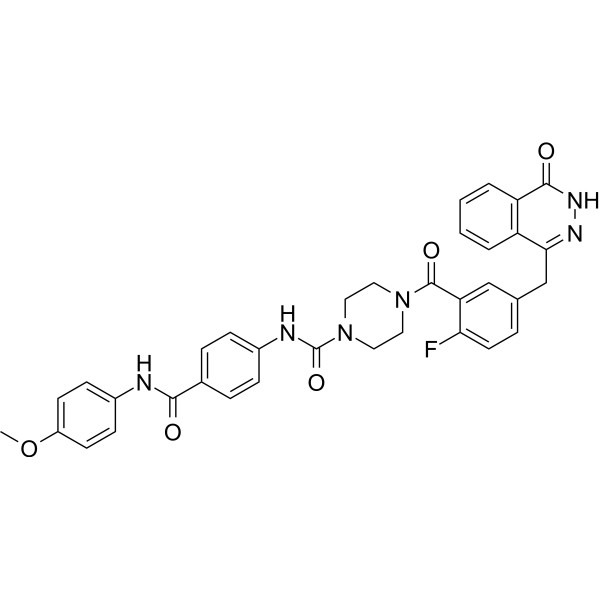
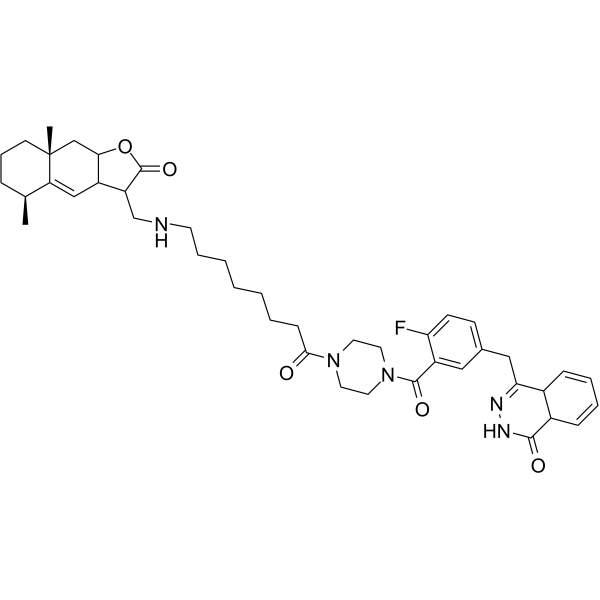
    Tubulin/PARP-IN-1 (compound 14) is a dual PARP-tubulin inhibitor with activity against endometrial cancer. Tubulin/PARP-IN-1 inhibits PARP and tubulin with IC50s of 74 nM (PARP1), 109 nM (PARP2), and 1.4 μM (Microtubule/Tubulin), respectively. Tubulin/PARP-IN-1 can induce apoptosis and autophagy and cause cell cycle arrest in the G2/M phase .
    Tubulin/PARP-IN-1
  • HY-175021

    HDAC Carbonic Anhydrase Microtubule/Tubulin PARP Apoptosis Bcl-2 Family Caspase Cancer
    HDAC-IN-91 is a multiple inhibitor of HDAC (IC50 = 134.22 nM for HDAC1, 66.29 nM for HDAC2), carbonic anhydrase (CA) (Ki = 72.03 nM for CA IX, 50.76 nM for XII), and tubulin polymerization ( IC50 = 2.56 μM). HDAC-IN-91 inhibits PARP1 and increases the Bax/Bcl-2 ratio. HDAC-IN-91 blocks the cell cycle at the G2/M phase and induces apoptosis through a mitochondrial apoptosis activation mechanism. HDAC-IN-91 can exert potent cytotoxic activity through tubulin polymerization inhibition. HDAC-IN-91 can be used in breast, colorectal, cervical and lung cancer research [1].
    HDAC-IN-91
  • HY-150765

    PARP Apoptosis Cancer
    PARP1-IN-12 is a potent PARP1 inhibitor with an IC50 of 2.99 nM. PARP1-IN-12 exhibits antiproliferative activity, can induce cell apoptosis and cause cycle arrest at G2/M phase. PARP1-IN-12 also can induce DNA double strand breaks (DSBs) in BRCA-deficient cells .
    PARP1-IN-12
  • HY-149003

    PARP Apoptosis Cancer
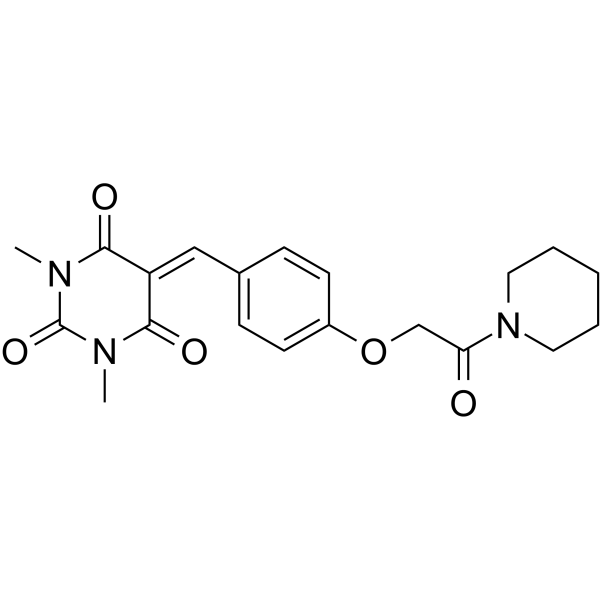
    PARP1-IN-10 (compound 12c) is a no-cytotoxicity and potent PARP1 inhibitor with an IC50 value of 50.62 nM in vitro. PARP1-IN-10 causes cell cycle arrest at G2/M phase and apoptosis, and enhances the cytotoxicity of temozolomide (TMZ) .
    PARP1-IN-10
  • HY-161372

    PARP c-Met/HGFR Apoptosis Cancer
    PARP1/c-Met-IN-1 (Compound 16) is a selective dual inhibitor for PARP1 and c-Met, with IC50s of 3.3 and 32.2 nM, respectively. PARP1/c-Met-IN-1 induces cell apoptosis and cell cycle arrest in G2/M phase in MDA-MB-231 cells. PARP1/c-Met-IN-1 exhibits antitumor activity in mice .
    PARP1/c-Met-IN-1
  • HY-149800

    PARP Apoptosis Caspase Cancer
    PARP-1-IN-3, a benzamide derivative, is a potent PARP-1 inhibitor with IC50 values of 0.25 nM and 2.34 nM for PARP-1 and PARP-2, respectively. PARP-1-IN-3 induces apoptosis and arrest cell cycle at G2/M phase. PARP-1-IN-3 can be used in research of cancer .
    PARP-1-IN-3
  • HY-161934

    PARP Reactive Oxygen Species (ROS) Apoptosis Cancer
    PARP1-IN-27 (Compound 9B) is the inhibitor for PARP1 and PARP2, with IC50 of 2.53 nM and 6.45 nM in cell SUM149PT. PARP1-IN-27 inhibits the proliferation of BRCA-mutated cancer cells SUM149PT, HCC1937 and Capan-1, with IC50 of 0.62, 1.91 and 4.26 μM respectively. PARP1-IN-27 aggravates DNA double-strand breaks, increases ROS generation, arrests cell cycle at G2/M phase, and induces apoptosis in SUM149PT .
    PARP1-IN-27
  • HY-10129R

    ABT-888 (Standard)

    Reference Standards PARP Autophagy Cancer
    Veliparib (Standard) is the analytical standard of Veliparib. This product is intended for research and analytical applications. Veliparib (ABT-888) is a potent PARP inhibitor, inhibiting PARP1 and PARP2 with Kis of 5.2 and 2.9 nM, respectively .
    Veliparib (Standard)
  • HY-168723

    PROTAC Linkers Cancer
    Piperidine-C-Pip-C2-Pip-C2-OH is a PROTAC Linker that can be used to synthesize the PROTAC PARP1 degrader-3 (HY-168722) for tumor research .
    Piperidine-C-Pip-C2-Pip-C2-OH
  • HY-168724

    PARP E3 Ligase Ligand-Linker Conjugates Cancer
    Thalidomide-piperidine-C-Pip-C2-Pip-C2-OH (Compound C6) is a conjugate of the linker and E3 ligase ligand, that can be used in synthesis of PROTAC PARP1 degrader-30 (HY-168722) .
    Thalidomide-piperidine-C-Pip-C2-Pip-C2-OH
  • HY-157320

    Microtubule/Tubulin Apoptosis Cancer
    Tubulin/PARP-IN-2 (compound 14) is a dual PARP-Tubulin inhibitor. Tubulin/PARP-IN-2 inhibits PARP1, PARP2, and tubulin activity with IC50 values of 74 nM, 109 nM, and 1.4 µM, respectively. Tubulin/PARP-IN-2 induces apoptosis as well as autophagy. Tubulin/PARP-IN-2 causes cell cycle arrest at the G2/M phase .
    Tubulin/PARP-IN-2
  • HY-172747

    PARP Cancer
    TNKS-2-IN-3 (Compound 5) is a selective competitive tankyrase 2 (TNKS2) inhibitor with an IC50 value of 0.3 nM, showing over 20-fold selectivity over TNKS1 and more than 100-fold selectivity over PARP1/2. TNKS-2-IN-3 stabilizes axin and suppresses the Wnt/β-catenin pathway by inhibiting TNKS2-mediated ADP-ribosylation, exhibiting antiproliferative activity in colorectal cancer cells. TNKS-2-IN-3 is proming for rasearch of solid tumors with aberrant Wnt pathway activation, such as colorectal cancer .
    TNKS-2-IN-3
  • HY-179614

    PARP DNA/RNA Synthesis Apoptosis CDK Bcl-2 Family Cancer
    PARP1-IN-50 is a selective and orally active PARP-1 inhibitor with an IC50 of 64.98 nM. PARP1-IN-50 can inhibit PAR formation and induce DNA double strand breaks, thereby causing DNA damage. PARP1-IN-50 can induce G2/M phase arrest and cancer cells apoptosis. PARP1-IN-50 demonstrates significant antiproliferative activity against various cancer cells. PARP1-IN-50 can be used for the research of cancer, such as breast cancer .
    PARP1-IN-50
  • HY-108632R

    Reference Standards PARP Cancer
    BYK204165 (Standard) is the analytical standard of BYK204165 (HY-108632). This product is intended for research and analytical applications. BYK204165 is a potent and selective PARP1 inhibitor. BYK204165 inhibits cell-free recombinant human PARP-1 (hPARP-1) with a pIC50 of 7.35 (pKi=7.05), and murine PARP-2 (mPARP-2) with a pIC50 of 5.38, respectively. BYK204165 displays 100-fold selectivity for PARP-1 .
    BYK204165 (Standard)
  • HY-181664

    PARP Apoptosis Caspase Cancer
    YCH3971 is a PARP1 inhibitor with a PARP1 IC50 of 7.52 nM and a PARP1 EC50 of 67.75 nM. YCH3971 inhibits the proliferation of BRCA-deficient tumor cells. YCH3971 induces DNA damage, G2/M phase arrest, and caspase-mediated Apoptosis in triple-negative breast cancer cells. YCH3971 can be used for the research of BRCA-deficient tumors .
    YCH3971
  • HY-181723

    PARP Bcl-2 Family Apoptosis Cancer
    Anticancer agent 304 is an anticancer agent. Anticancer agent 304 binds to CDC45 with a Kd value of 83.0 μM. Anticancer agent 304 arrests the cell cycle of liver cancer cells at the G2/M phase, induces Apoptosis by upregulating C-PARP-1 and downregulating PARP-1 and BCL-2, and inhibits the migration, invasion and proliferation of liver cancer cells. Anticancer agent 304 suppresses tumor growth in animal models of hepatocellular carcinoma. Anticancer agent 304 is applicable to research related to liver cancer .
    Anticancer agent 304
  • HY-182005

    EGFR VEGFR Cancer
    EGFR/VEGFR2-IN-12 is a dual EGFR/VEGFR2 inhibitor, with an IC50 value of 64 nM against human EGFR and an IC50 value of 74 nM against human VEGFR2. EGFR/VEGFR2-IN-12 inhibits the phosphorylation of EGFR and VEGFR2, induces cell cycle arrest at the G1/S phase, activates apoptotic pathways, promotes PARP-1 cleavage, exhibits low micromolar antiproliferative activity, and shows much higher selectivity for cancer cells than normal cells. EGFR/VEGFR2-IN-12 is applicable for cancer-related research .
    EGFR/VEGFR2-IN-12
  • HY-180809

    PARP Cancer
    YCH3292, a derivative of YCH189 (HY-155993) is a potent, selective and orally active PARP1/2 inhibitor with IC50 both <0.001 nM. YCH3292 can increase the stability of PARP-DNA complexes. YCH3292 exhibits robust antiproliferative activity. YCH3292 can induce double-strand breaks in DNA, increase the protein levels of γH2AX, P-RPA32, and P-Chk1 and induce tumor cells S or G2/M phase arrest and apoptosis. YCH3292 can inhibit tumor growth in MC38 xenograft model .
    YCH3292

Inquiry Online

Your information is safe with us. * Required Fields.

Salutation


Country or Region *

Applicant Name *


Organization Name *

Department *


Email Address *


Product Name *

Cat. No.


Requested quantity *

Phone Number *


Remarks

Inquiry Online

Inquiry Information

Product Name:
Cat. No.:
Quantity:
MCE Japan Authorized Agent:

